
SEPTEMBER 14, 2026
WTI Oil Rally Extends as Strait of Hormuz Risk Reprices Energy MarketWTI oil gains as Hormuz shipping risk and Middle East supply threats keep the energy market focused on disruption premiums.

© 1box.site 2026
JUNE 25, 2026
Oil traders entered Thursday’s session with a sharply different risk map: the immediate shock premium tied to Middle East shipping disruption is fading, while a fresh test of OPEC cohesion is moving into the foreground. Brent crude and WTI crude traded near levels seen before the latest Iran-war supply panic as tanker traffic through the Strait of Hormuz improved and market participants reassessed how quickly Gulf barrels could return to global routes.
The move lower came even as U.S. inventory data continued to point to tight near-term physical conditions. Commercial crude stocks fell by more than expected last week, leaving refiners with a thinner cushion heading into the heart of the summer fuel-demand period. That draw, however, was not enough to offset the market’s broader conclusion that the worst-case shipping scenario has become less likely for now.
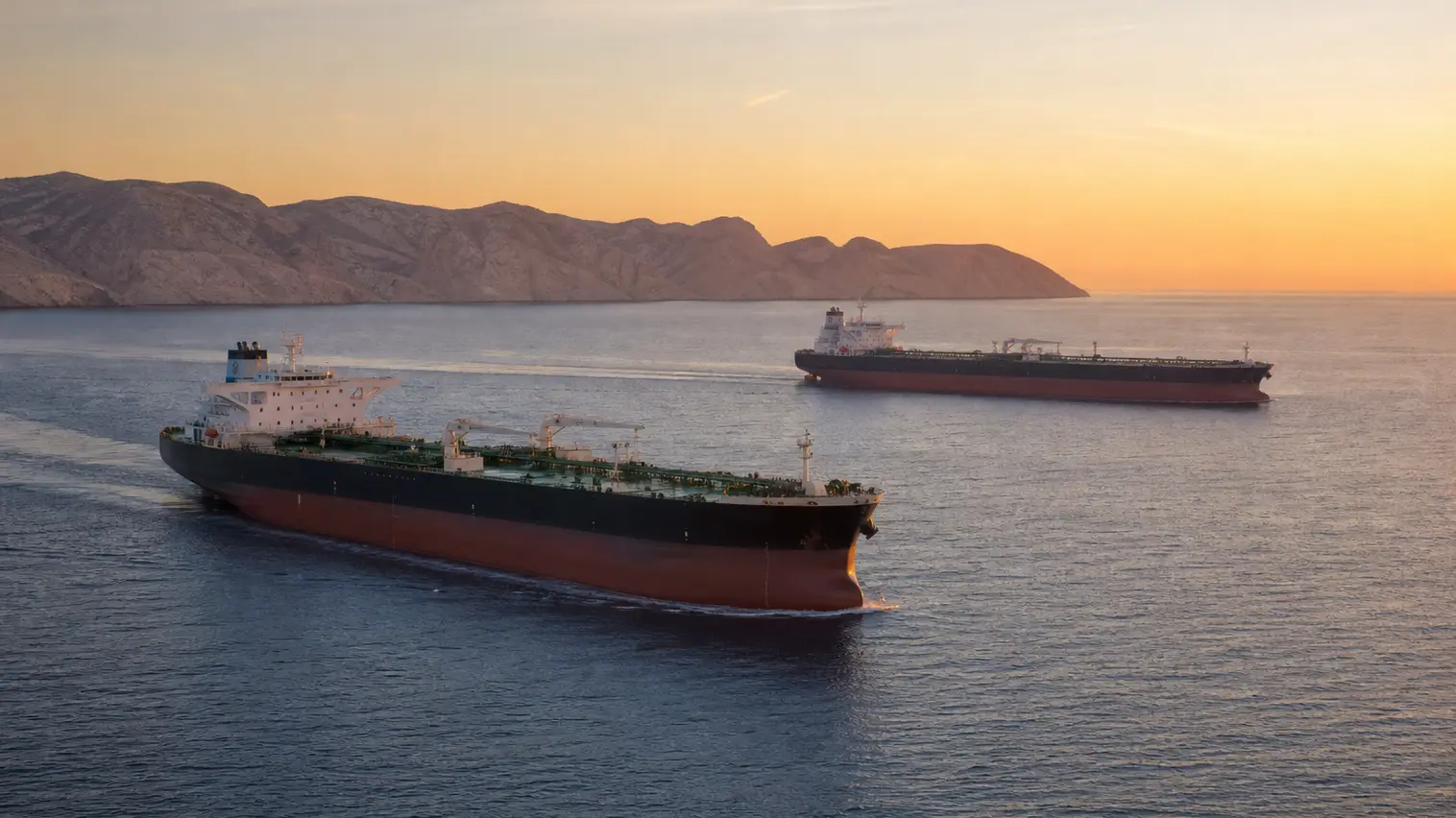
The most important short-term driver for the energy market remains the Strait of Hormuz. After weeks of elevated freight risk, delayed cargoes and rerouting concerns, more vessels have been able to move through the waterway, reducing fears that Middle East crude and LNG flows would stay heavily constrained. With U.S. officials signaling that transit volumes are moving closer to normal, oil prices have given back a large part of the war-related premium that had supported benchmarks earlier in the quarter.
For Brent crude, the retreat toward the low-$70s marks a major shift in sentiment from the period when traders were pricing a prolonged disruption to Gulf exports. WTI crude also slipped below the psychological $70 area, reflecting both the global repricing of supply risk and the more direct impact of U.S. inventory and refinery data. The speed of the decline shows how sensitive the oil market remains to maritime headlines: once the immediate risk to cargo movement falls, financial length can unwind quickly.
Still, the normalization trade is not the same as a confirmed supply glut. Physical balances remain uneven, freight costs are not fully back to pre-crisis conditions, and some buyers may continue to demand a risk discount for cargoes tied to Gulf routes. That leaves Brent and WTI exposed to headline reversals if traffic slows again, insurance costs rise, or diplomatic progress stalls.
As the Hormuz premium fades, Iraq’s demand for a significantly higher OPEC production quota is becoming a new source of uncertainty. Baghdad is under fiscal pressure after months of regional disruption, and a push to monetize more barrels would directly challenge the group’s effort to manage supply expectations. Even without an immediate exit or policy rupture, the signal matters because oil prices are falling at the same time that some producers are asking for more room to pump.
The market reaction is not simply about Iraq’s current output. It is about precedent. If one large producer can force a quota reset while prices are softening, other members may press for similar treatment. That would weaken the credibility of supply restraint just as traders are already marking down the probability of a prolonged Middle East disruption. In that scenario, Brent could struggle to rebuild a geopolitical premium unless demand data turns decisively stronger.
For OPEC and its partners, the timing is difficult. A rapid drop in prices can usually strengthen the case for discipline, but internal financial pressures can push members in the opposite direction. Traders will now watch whether the quota dispute remains a bargaining position or develops into a broader challenge to the producer group’s supply framework.
The bearish shift in crude prices is being tempered by U.S. stock levels. A large weekly draw in commercial crude inventories suggests that refiners are still pulling barrels at a healthy pace, while summer driving demand is keeping attention on gasoline and distillate balances. If draws continue, the market may find support even if the Hormuz risk premium continues to shrink.
The key question is whether inventory tightness reflects durable consumption or a temporary adjustment after earlier supply disruption. If Gulf flows continue improving and OPEC discipline weakens, fresh barrels could arrive before demand is strong enough to absorb them. If, instead, inventories keep falling and refinery runs remain firm, the current selloff may look overextended.
For now, the energy market is shifting from panic pricing to policy pricing. Brent and WTI are no longer being driven only by the fear of blocked shipping lanes. They are being pulled between improving Middle East flows, tight U.S. stockpiles and a potential OPEC quota fight that could redefine the supply outlook for the second half of the year.
SEPTEMBER 14, 2026
WTI Oil Rally Extends as Strait of Hormuz Risk Reprices Energy Market
SEPTEMBER 7, 2026
WTI Crude Oil Futures Hold Near Six-Week High as Hormuz Risk Tightens Energy Market
AUGUST 30, 2026
WTI Crude Oil Slips as Hormuz Supply Relief Tests Energy Market Risk Premium
AUGUST 18, 2026
Brent Crude and WTI Oil Rise as Strait of Hormuz Risk Revives Energy Inflation Worries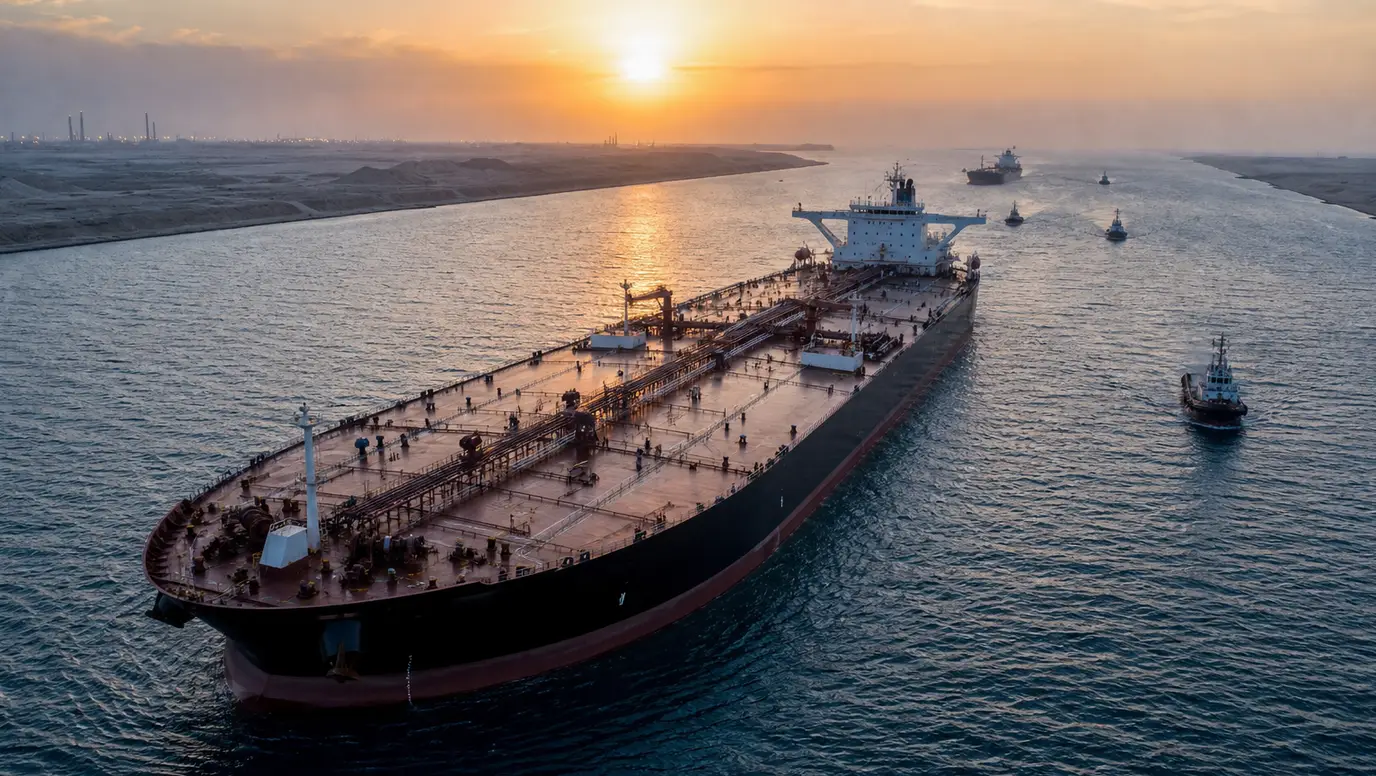
AUGUST 10, 2026
Strait of Hormuz Delay Lifts Energy Market as Crude Oil Flow Risk Returns
AUGUST 2, 2026
WTI Crude Oil Faces OPEC+ Output Test as Strait of Hormuz Risk Meets Stock Draw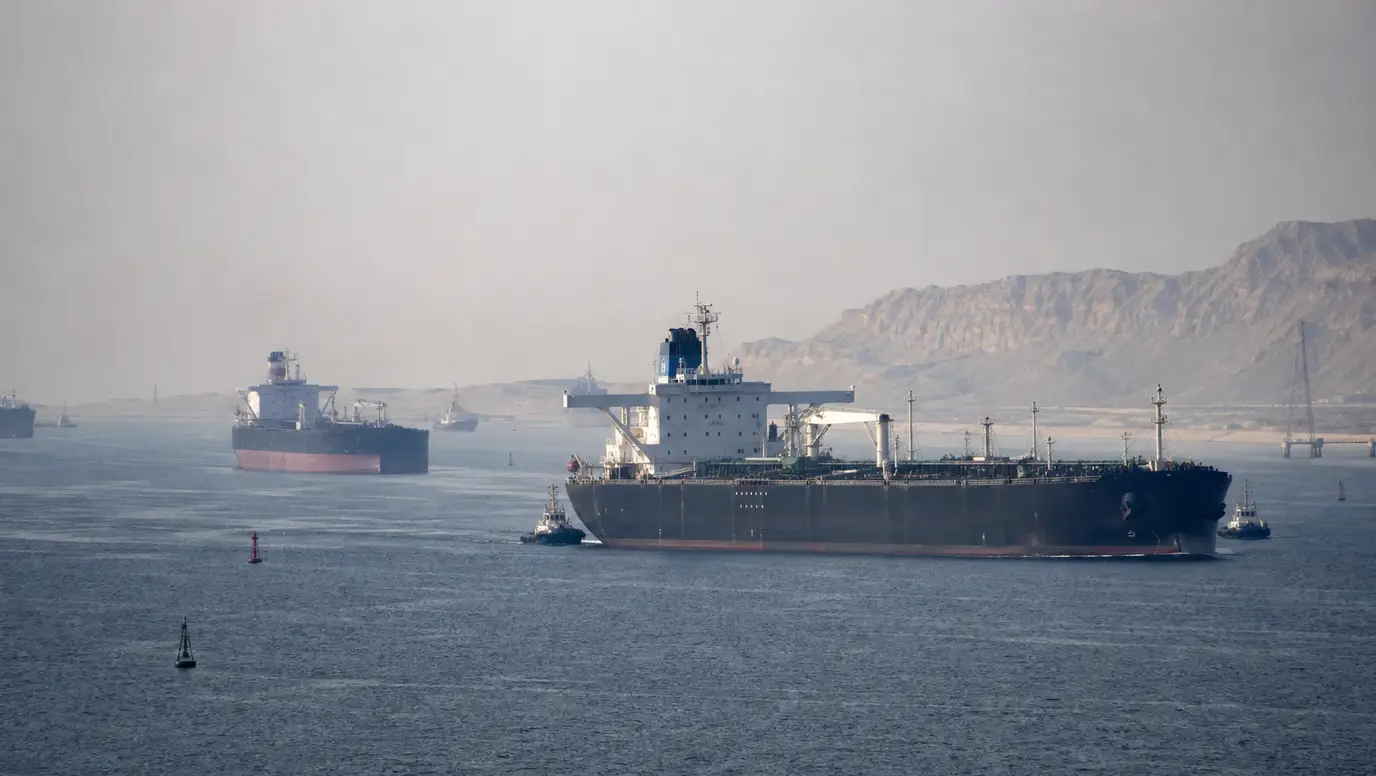
JULY 28, 2026
Strait of Hormuz Flows Keep WTI Crude on Alert as Oil Retreats
JULY 20, 2026
Brent Crude Tops $90 as WTI Crude and Oil Prices React to Hormuz Shipment Risk
JULY 19, 2026
Brent Crude and WTI Crude Rally as Traders Test OPEC+ Supply Cushion
JULY 18, 2026
Brent Crude and WTI Crude Prices Near Weekend Gap Risk as Energy Market Reprices Supply Threat
JULY 17, 2026
Brent Crude and WTI Crude Hold Weekly Gains as Red Sea Threat Offsets US Dollar Rebound
JULY 15, 2026
Brent Crude and WTI Crude Rise as Iran Port Blockade Puts Stockpile Cushion in Focus
JULY 14, 2026
Oil Market Shifts to Bypass Routes as Hormuz Risk Keeps Brent Premium Elevated
JULY 13, 2026
Brent Crude Jumps as Hormuz Escalation Reprices Energy Market Risk
JULY 12, 2026
Crude Oil Faces China Demand Test as Floating Iranian Supply Builds
JULY 11, 2026
Energy Market Watches Tanker Risk as Crude Oil Rally Meets Demand Doubts
JULY 10, 2026
Crude Oil Turns to Glut Risk as OPEC+ Adds August Supply
JULY 9, 2026
Brent Nears $79 as Renewed Gulf Risk Rebuilds Crude Oil Premium
JULY 8, 2026
Crude Oil Faces Mixed Signal as U.S. Stock Build Collides With Fuel Draws
JULY 6, 2026
Crude Oil Slips as Hormuz Flows Normalize and Inventory Test Moves Into View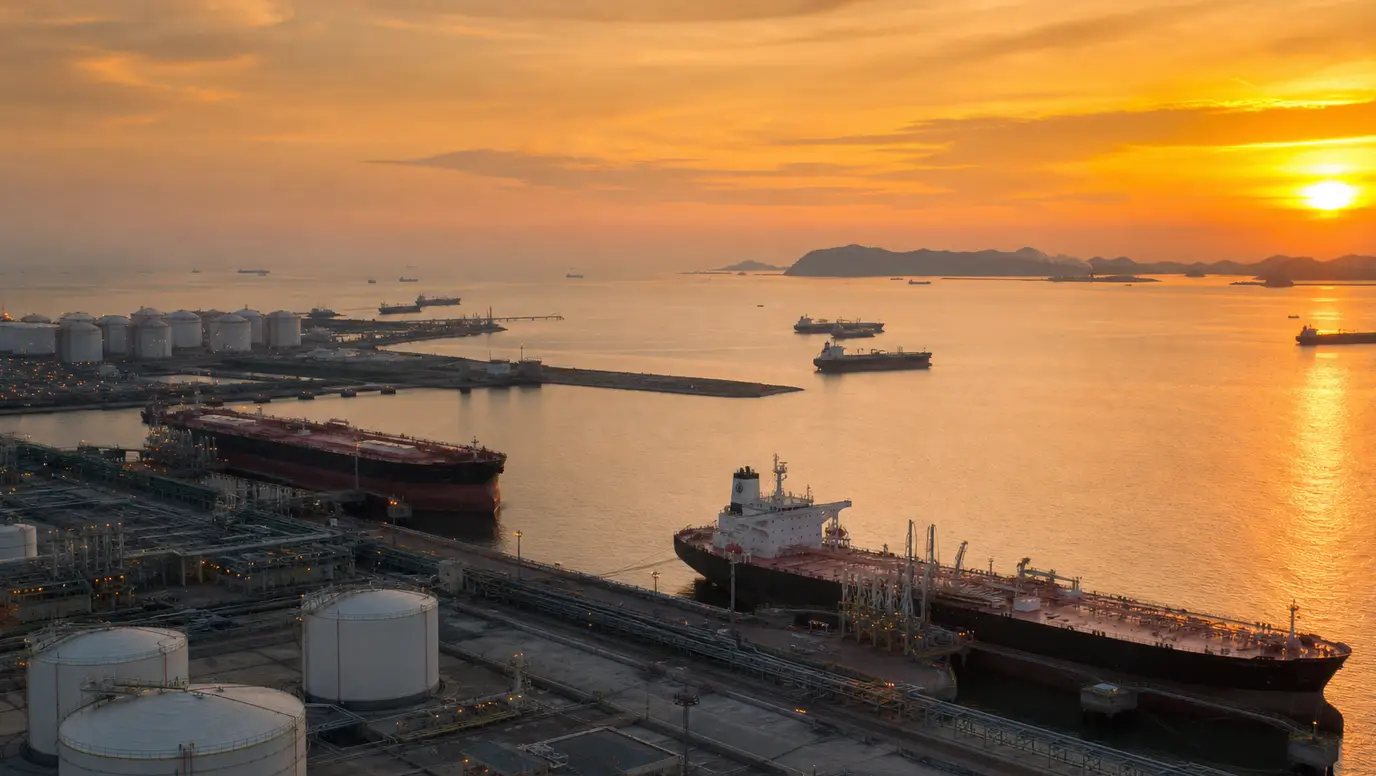
JULY 5, 2026
OPEC+ Output Hike Turns Energy Market Focus to Real Barrels as Brent Holds Near $72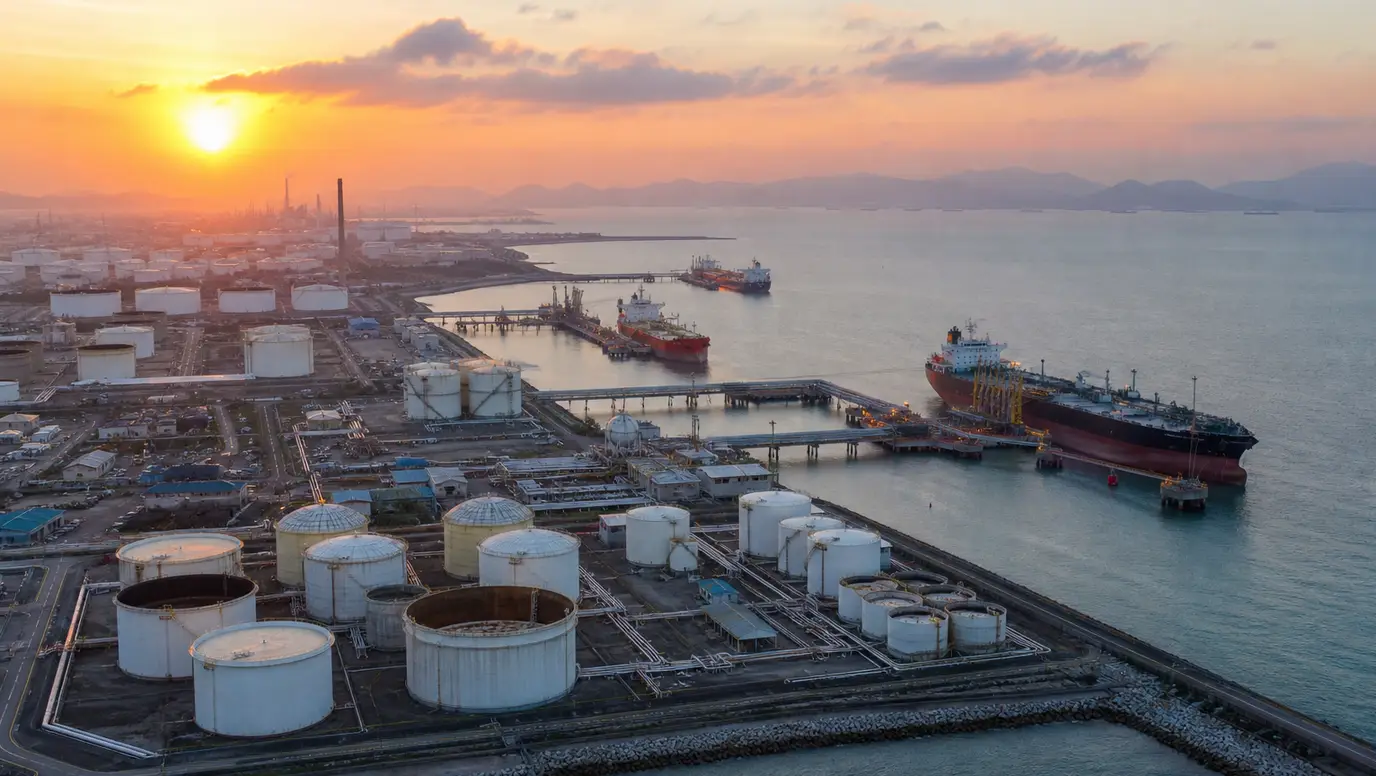
JULY 4, 2026
Brent Holds Near $72 as OPEC+ August Supply Decision Tests Oil Market Floor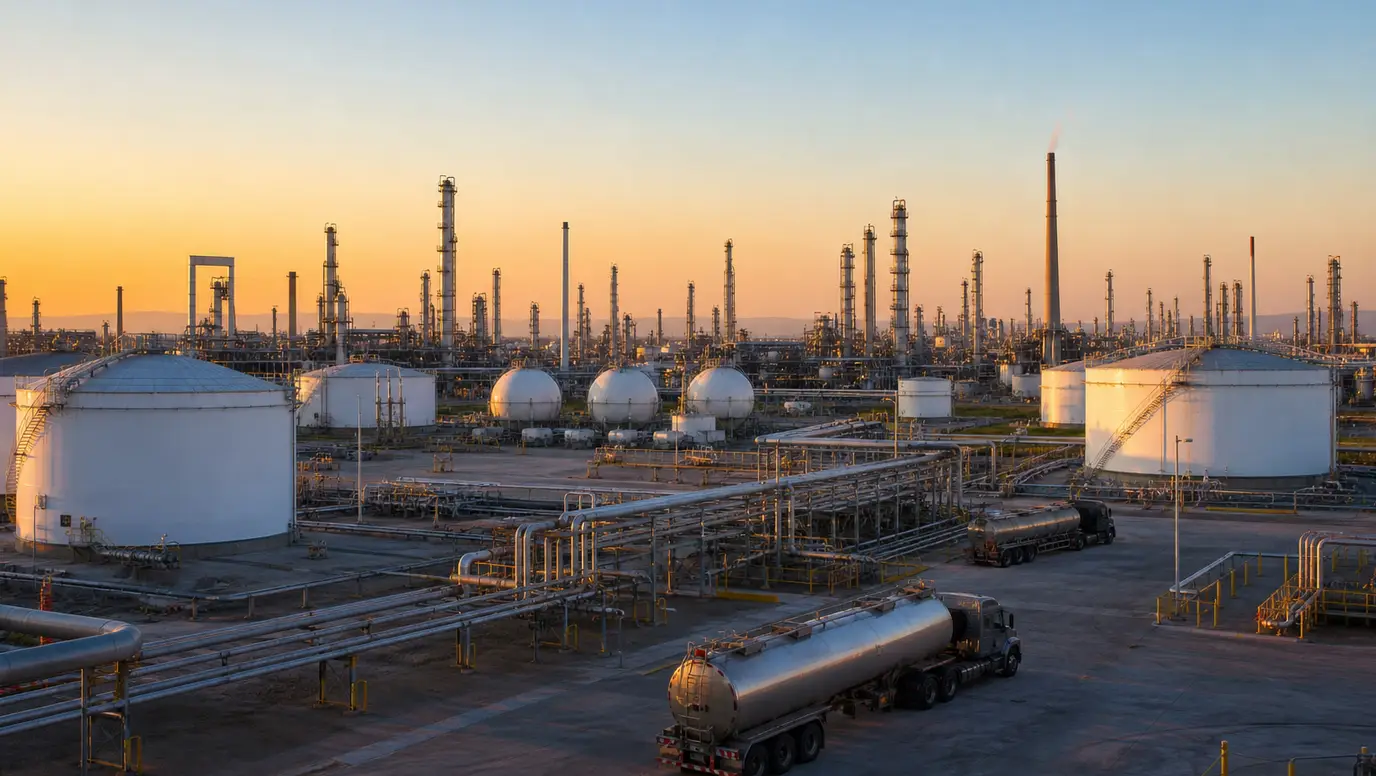
JULY 3, 2026
WTI Holds Near $68 as U.S. Stock Draws Challenge Oil Glut Narrative
JULY 2, 2026
Brent Slides Toward $70 as Iran Risk Premium Fades in Thin Holiday Trade
JULY 1, 2026
OPEC+ Supply Signal Caps Crude Oil Rebound as U.S. Stock Draws Support Prices
JUNE 30, 2026
Natural Gas Rally Outruns Softer Oil as Heat and LNG Demand Split Energy Market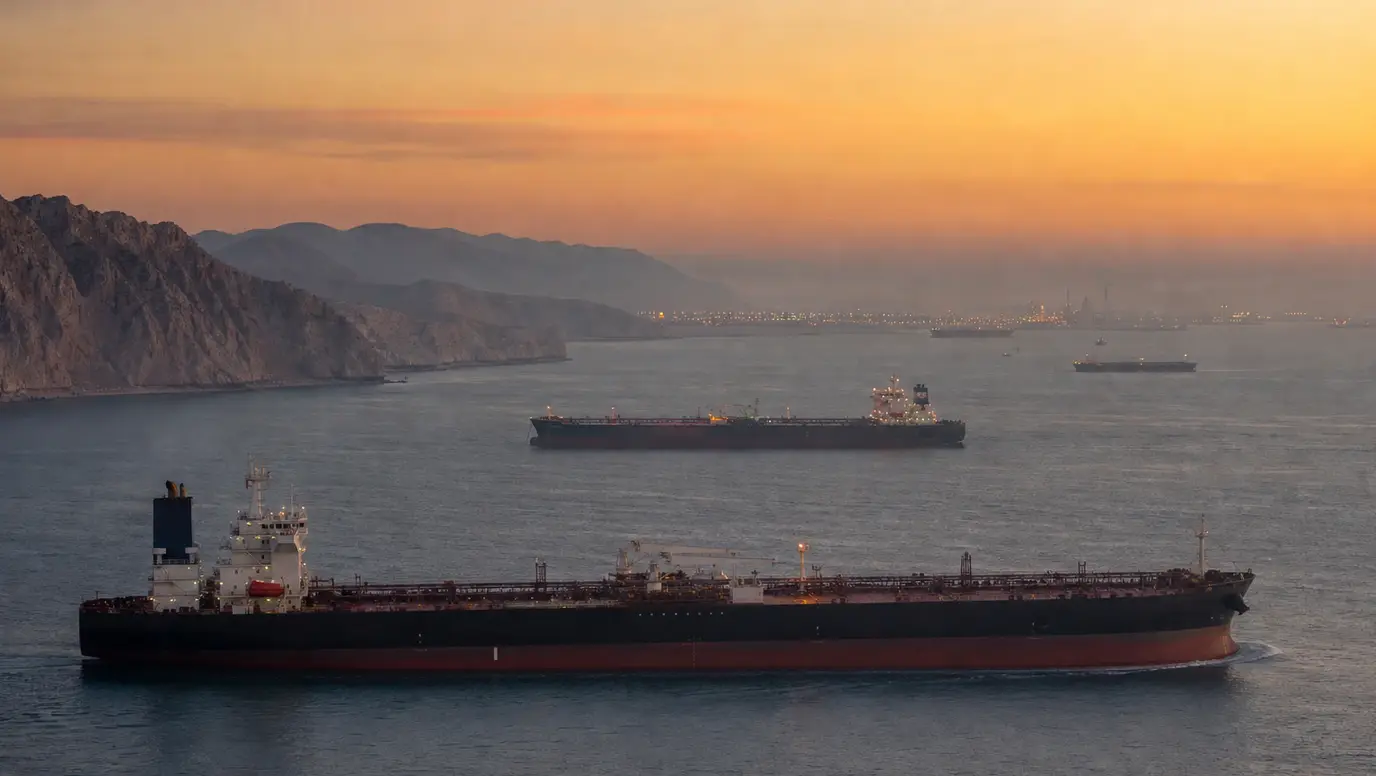
JUNE 29, 2026
Brent Holds Above $72 as Traders Test Fragile Hormuz Reopening
JUNE 28, 2026
WTI Bulls Face Inventory Split as Brent Loses War Premium Before Quarter-End
JUNE 27, 2026
Refinery Strain Keeps Energy Market on Edge as Oil Selloff Meets Fuel Stock Tightness
JUNE 24, 2026
Brent Slide Below $77 Turns Oil Market Focus to Inventories and Summer Fuel Demand