
AUGUST 18, 2026
Brent Crude and WTI Oil Rise as Strait of Hormuz Risk Revives Energy Inflation WorriesBrent and WTI crude regain attention as Hormuz shipping risk lifts oil prices and renews concern over inflation, yields and fuel costs.

© 1box.site 2026

JUNE 23, 2026
Oil traders moved deeper into risk-premium reversal mode on Tuesday as Brent Crude and WTI Crude extended losses from the previous session, with the market increasingly focused on whether physical cargo flows through the Strait of Hormuz can normalize after weeks of disruption.
Brent traded around the mid-$70s per barrel in New York morning dealing, while U.S. West Texas Intermediate slipped toward the low-$70s area after briefly touching its weakest level in nearly four months. The latest move followed a sharp Monday settlement in which Brent ended at $77.90 a barrel and the expiring WTI contract closed at $74.82, as traders repriced the probability of returning supply from the Gulf region.
The immediate catalyst remains the fragile progress in U.S.-Iran discussions and the reported reopening process for one of the world’s most important energy shipping routes. A temporary easing of restrictions on Iranian oil sales has added to expectations that more barrels could reach the market, but the price action also shows that traders are not treating the reset as complete. The new question is no longer only whether the Strait of Hormuz is open, but how quickly tankers, insurers, port operators and buyers will be willing to rely on it.
The energy market is shifting from headline-driven panic to cargo-by-cargo verification. Reports of stranded crude tankers moving through the Strait of Hormuz, along with early signs of returning Gulf LNG traffic, have encouraged sellers to press the downside in crude futures. At the same time, the restart remains uneven, with vessel owners likely to demand stronger assurances on navigation security, mine-clearing, port access and loading schedules before fully resuming normal routes.
That distinction matters for Brent and WTI because futures have already priced out a large part of the emergency premium created by the conflict. If daily shipments continue to improve, the market may begin treating supply recovery as a real bearish force rather than a diplomatic promise. If flows stall or security incidents return, the selloff could quickly meet short-covering demand, especially after the rapid decline from spring highs.
For now, the curve is sending a softer message. Nearby crude prices are losing support as traders anticipate incremental barrels from Iran, Iraq and other Gulf producers. Iraq has been working to lift output from southern fields as more tankers line up at export terminals, while several regional suppliers have reportedly offered additional cargoes to customers. That combination reduces the urgency that dominated the oil trade when Hormuz traffic was most constrained.
Still, the recovery is unlikely to be smooth. The market lost substantial crude and gas availability during the disruption, and logistics can recover faster than production, refining, storage and insurance capacity. That means early extra barrels may pressure futures, but a full normalization of global supply balances could remain a multi-month process.
The U.S. side of the energy market adds a second layer of tension. Crude, gasoline and diesel inventories are expected to remain closely watched after drawdowns in emergency and commercial supplies helped cushion consumers from earlier price spikes. A larger-than-expected stock draw would limit the bearish impact of improving Gulf flows, while a surprise build would strengthen the case that the oil market is moving from shortage risk toward surplus risk.
Natural gas is also keeping the broader energy complex active. U.S. gas futures recently climbed to a two-week high as flows to LNG export plants improved and warmer weather forecasts pointed to stronger air-conditioning demand. Gas demand from power generators is set to rise if above-normal temperatures persist into early July, while LNG feedgas flows are recovering from maintenance-related outages at key export facilities.
The LNG angle is important because the Strait of Hormuz is not only a crude oil chokepoint. A restart in Gulf gas shipping would ease pressure on importers that rely on Qatari and regional supply, but the recovery in vessel movements remains gradual. Traders are watching whether empty LNG carriers entering the region translate into sustained export loadings, not just symbolic transit.
The near-term setup leaves Brent and WTI vulnerable to further losses if diplomacy holds and tanker traffic continues to rise. A sustained move below the recent lows would suggest that the market is comfortable removing most of the war premium and returning attention to demand, refinery margins and non-OPEC supply growth.
However, the selloff is not risk-free for bears. The ceasefire framework remains politically fragile, and any renewed fighting, sanctions reversal or maritime security warning could force traders to rebuild a geopolitical premium quickly. After several sharp repricing episodes this year, oil desks are likely to treat every shipping update as a price-sensitive data point.
For energy investors, the message is clear: crude is no longer trading mainly on fear of a closed Strait of Hormuz. It is trading on proof of sustained flow. Until that proof becomes consistent, Brent and WTI may stay volatile, with rallies capped by returning supply hopes and selloffs limited by the possibility that the region’s energy arteries are not fully healed.
AUGUST 18, 2026
Brent Crude and WTI Oil Rise as Strait of Hormuz Risk Revives Energy Inflation Worries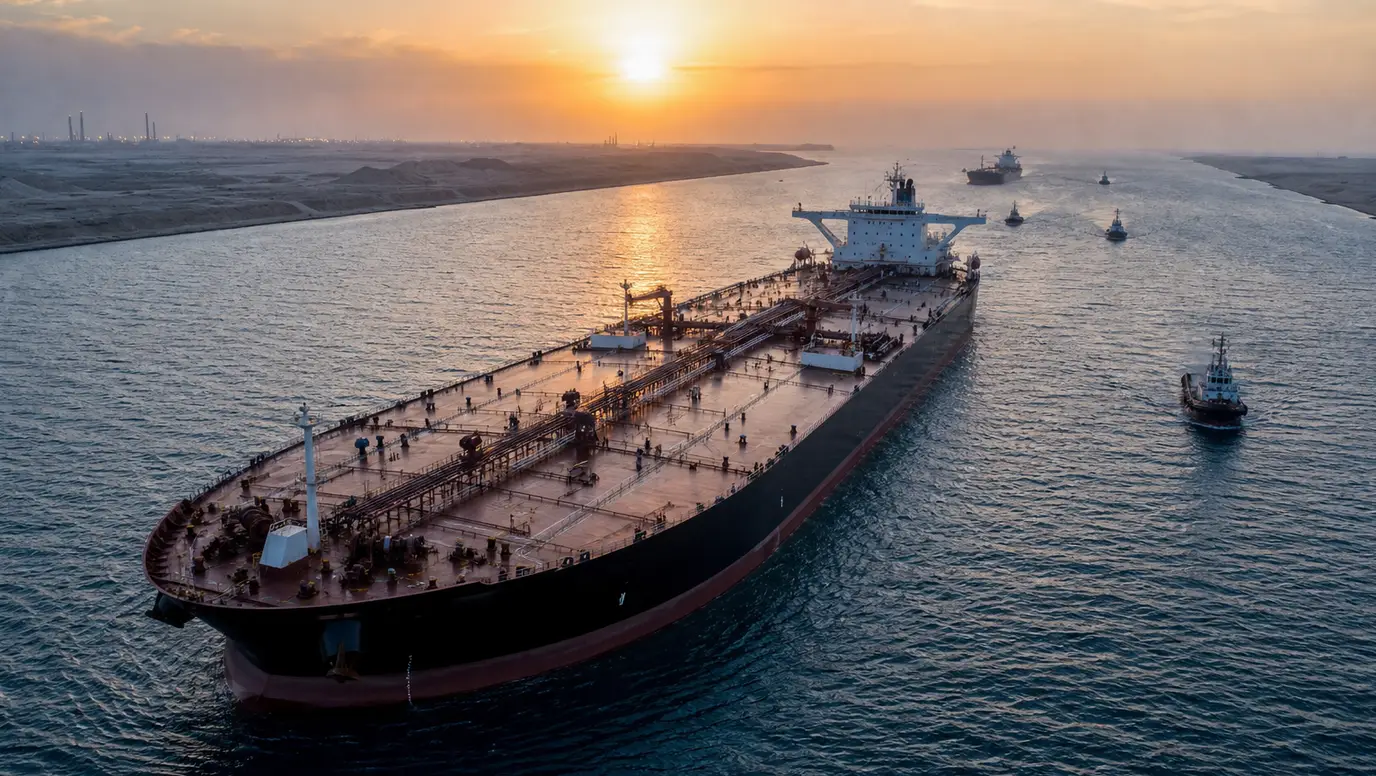
AUGUST 10, 2026
Strait of Hormuz Delay Lifts Energy Market as Crude Oil Flow Risk Returns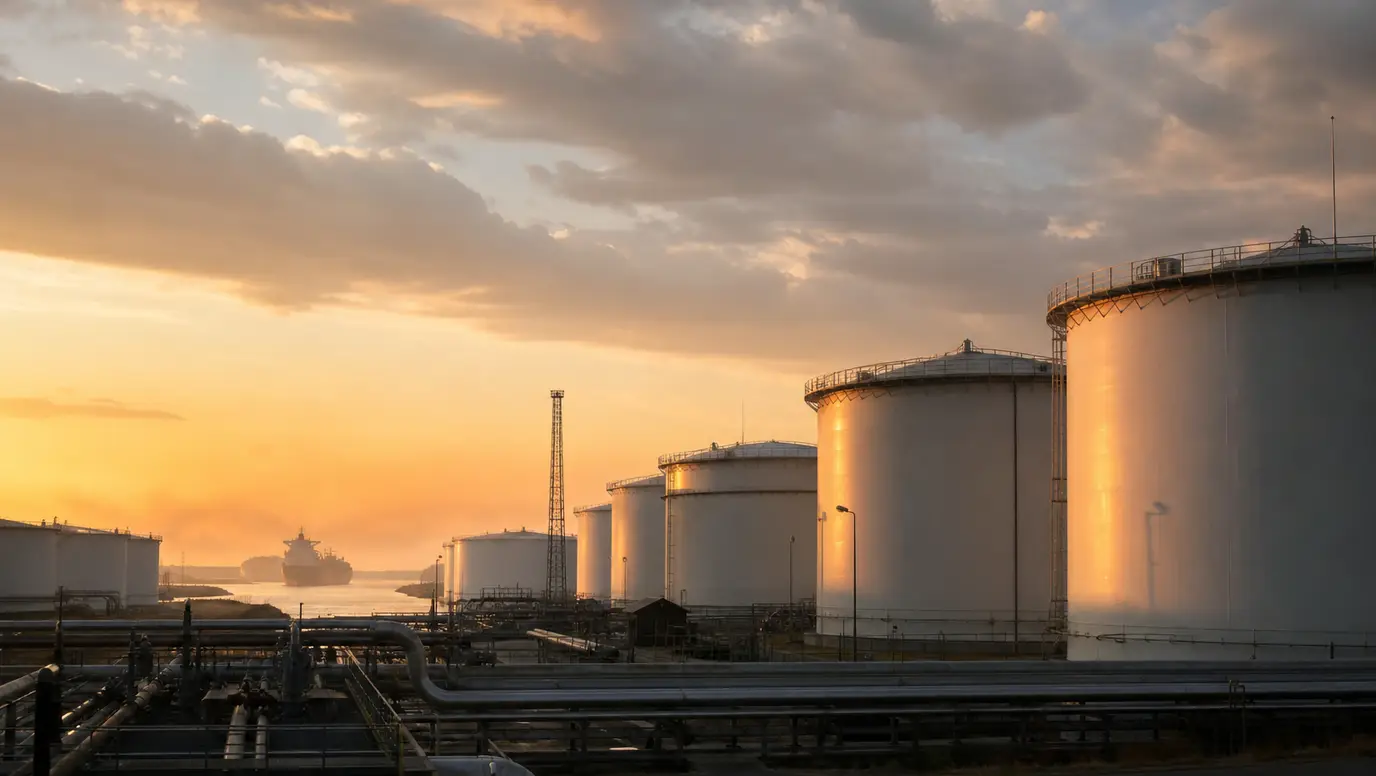
AUGUST 2, 2026
WTI Crude Oil Faces OPEC+ Output Test as Strait of Hormuz Risk Meets Stock Draw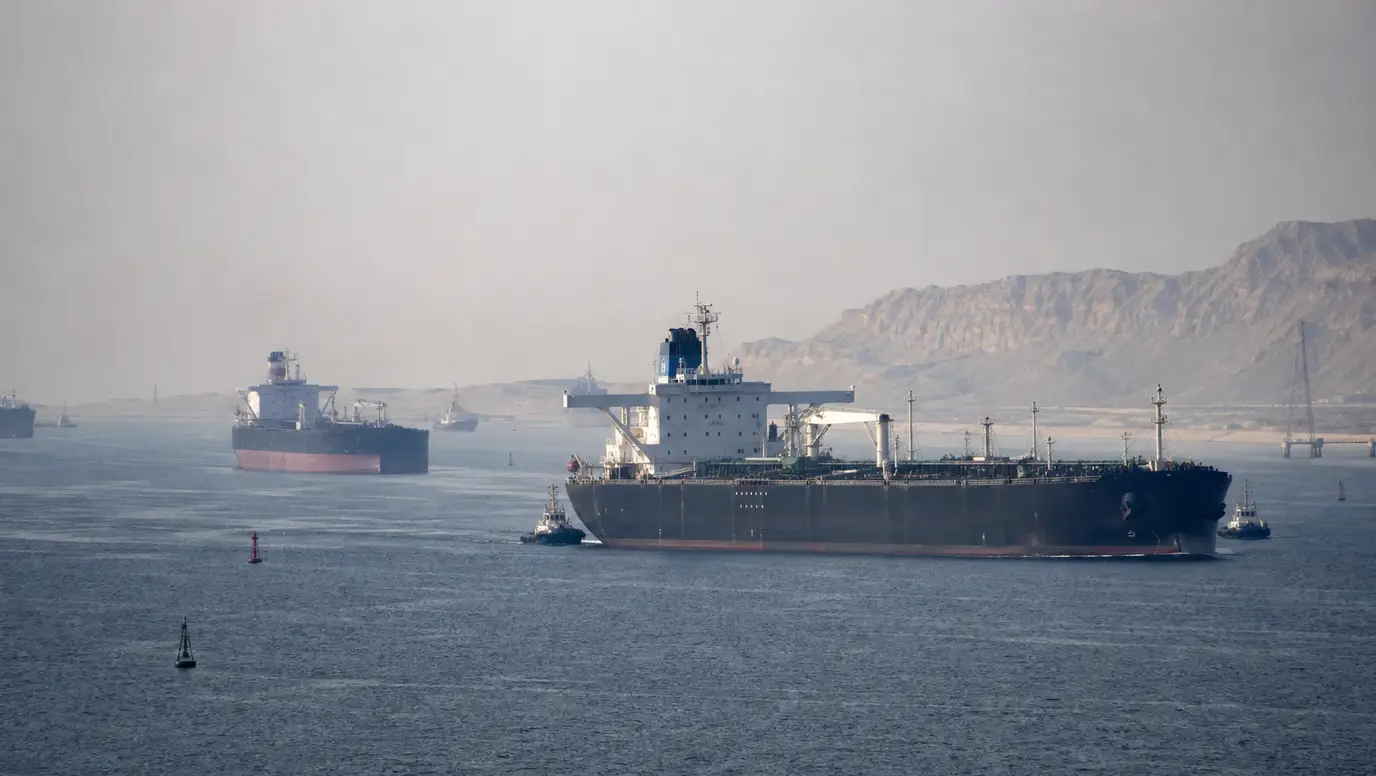
JULY 28, 2026
Strait of Hormuz Flows Keep WTI Crude on Alert as Oil Retreats
JULY 20, 2026
Brent Crude Tops $90 as WTI Crude and Oil Prices React to Hormuz Shipment Risk
JULY 19, 2026
Brent Crude and WTI Crude Rally as Traders Test OPEC+ Supply Cushion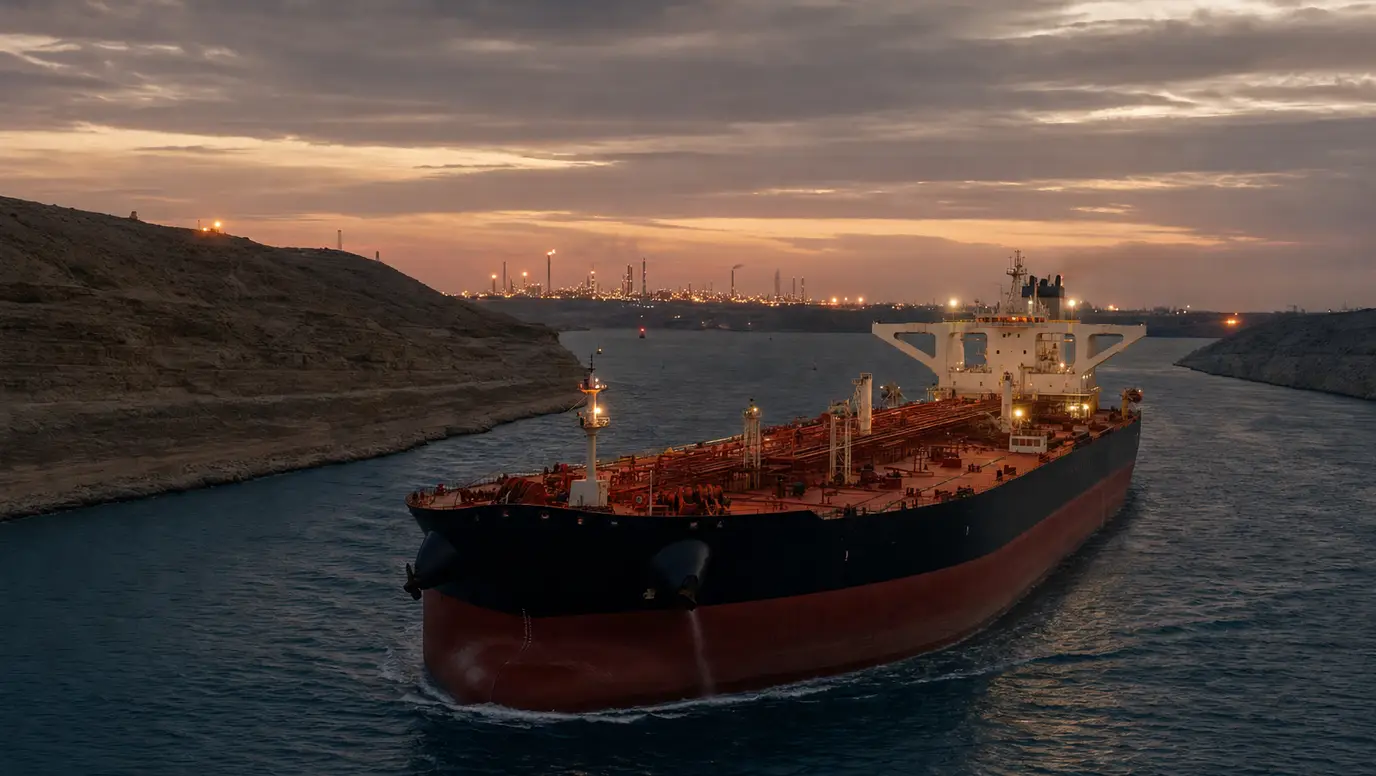
JULY 18, 2026
Brent Crude and WTI Crude Prices Near Weekend Gap Risk as Energy Market Reprices Supply Threat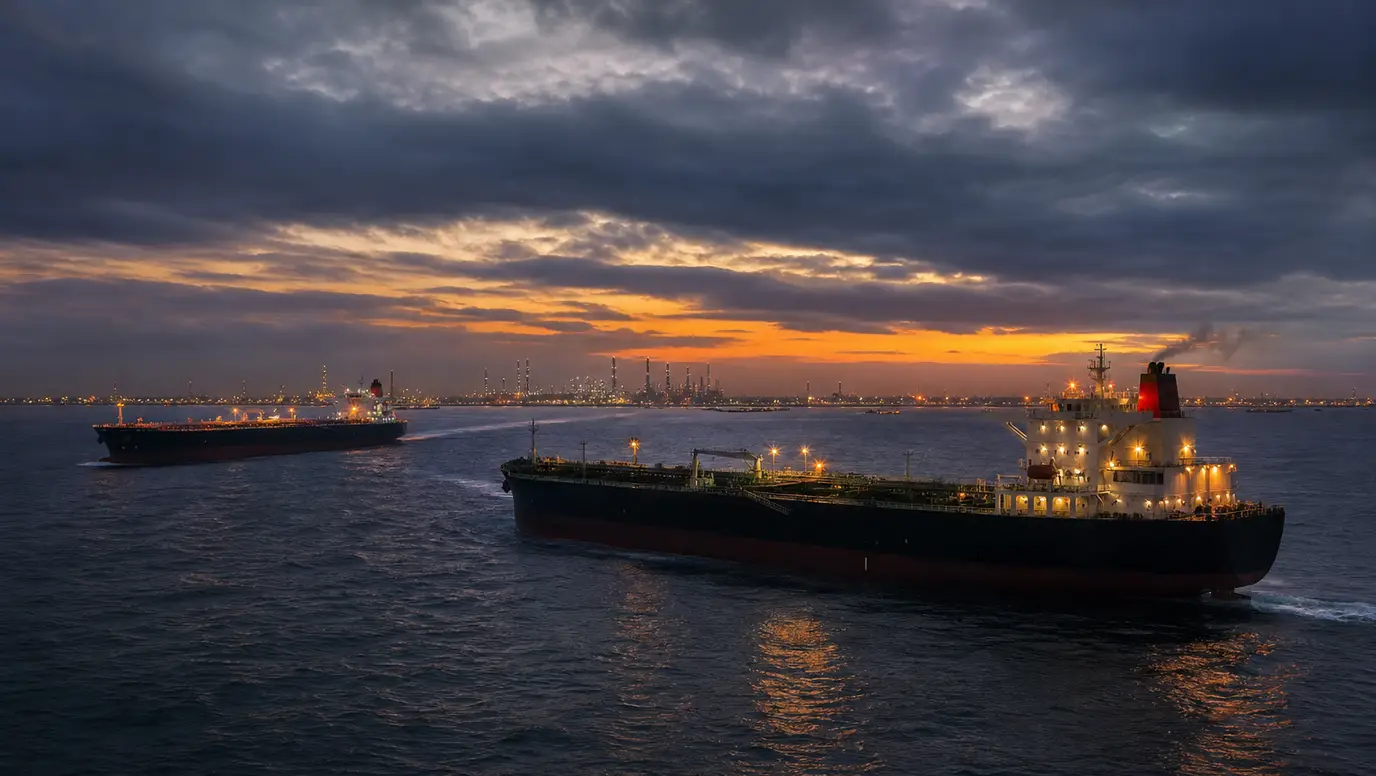
JULY 17, 2026
Brent Crude and WTI Crude Hold Weekly Gains as Red Sea Threat Offsets US Dollar Rebound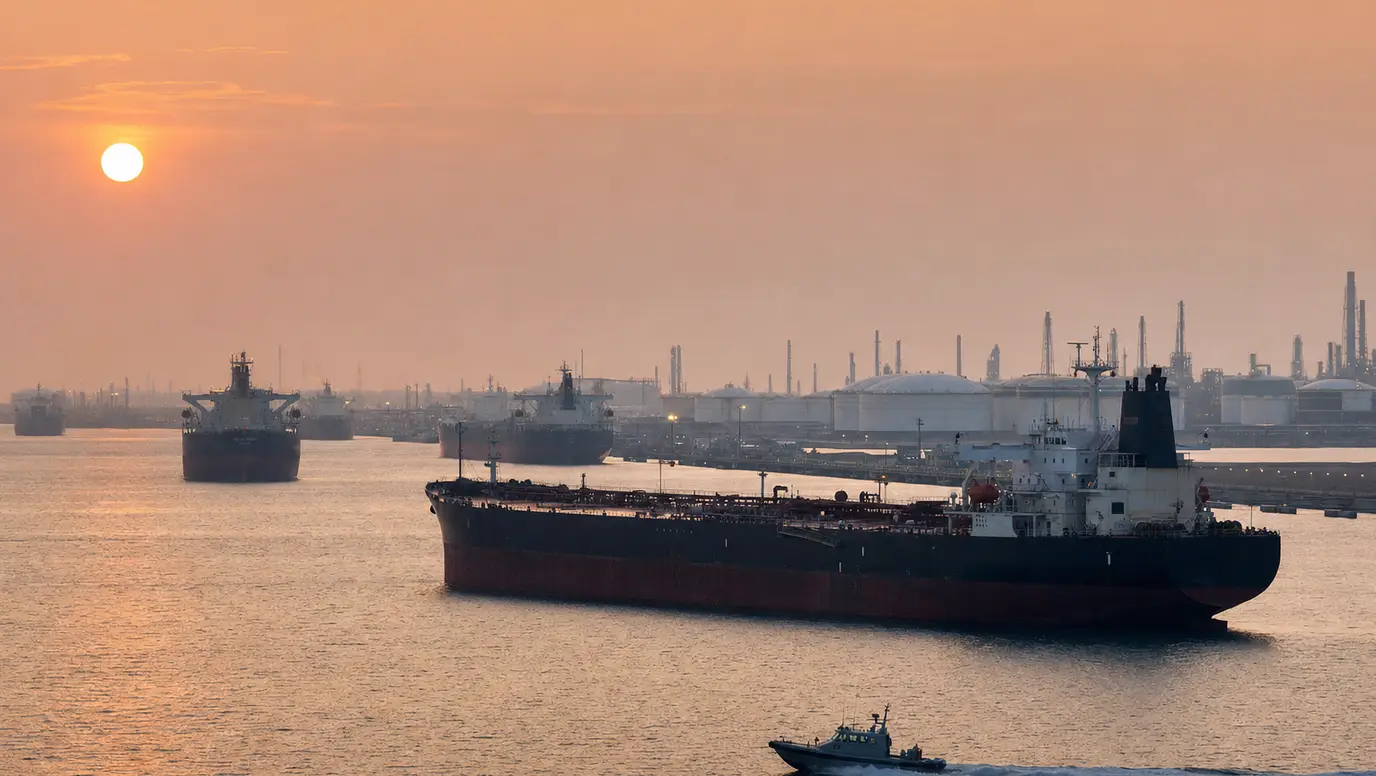
JULY 15, 2026
Brent Crude and WTI Crude Rise as Iran Port Blockade Puts Stockpile Cushion in Focus
JULY 14, 2026
Oil Market Shifts to Bypass Routes as Hormuz Risk Keeps Brent Premium Elevated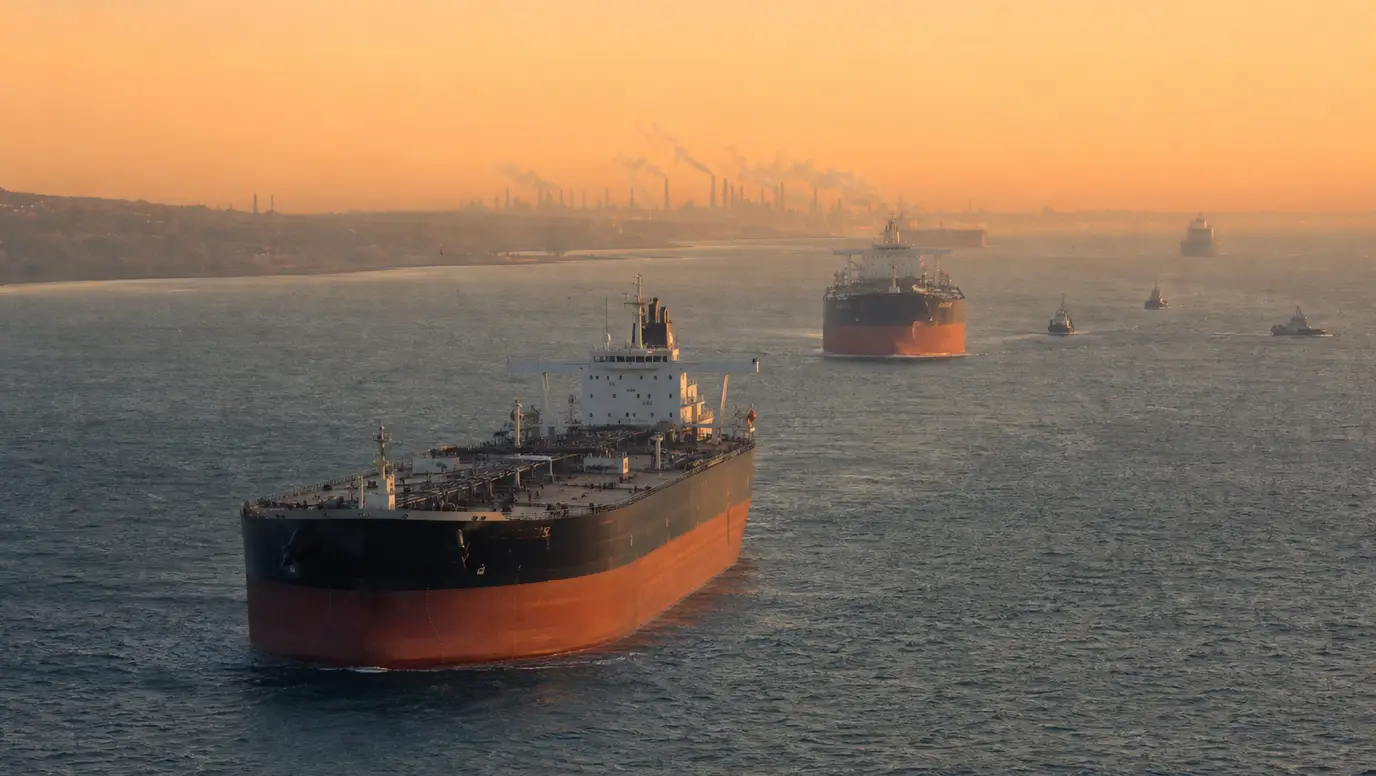
JULY 13, 2026
Brent Crude Jumps as Hormuz Escalation Reprices Energy Market Risk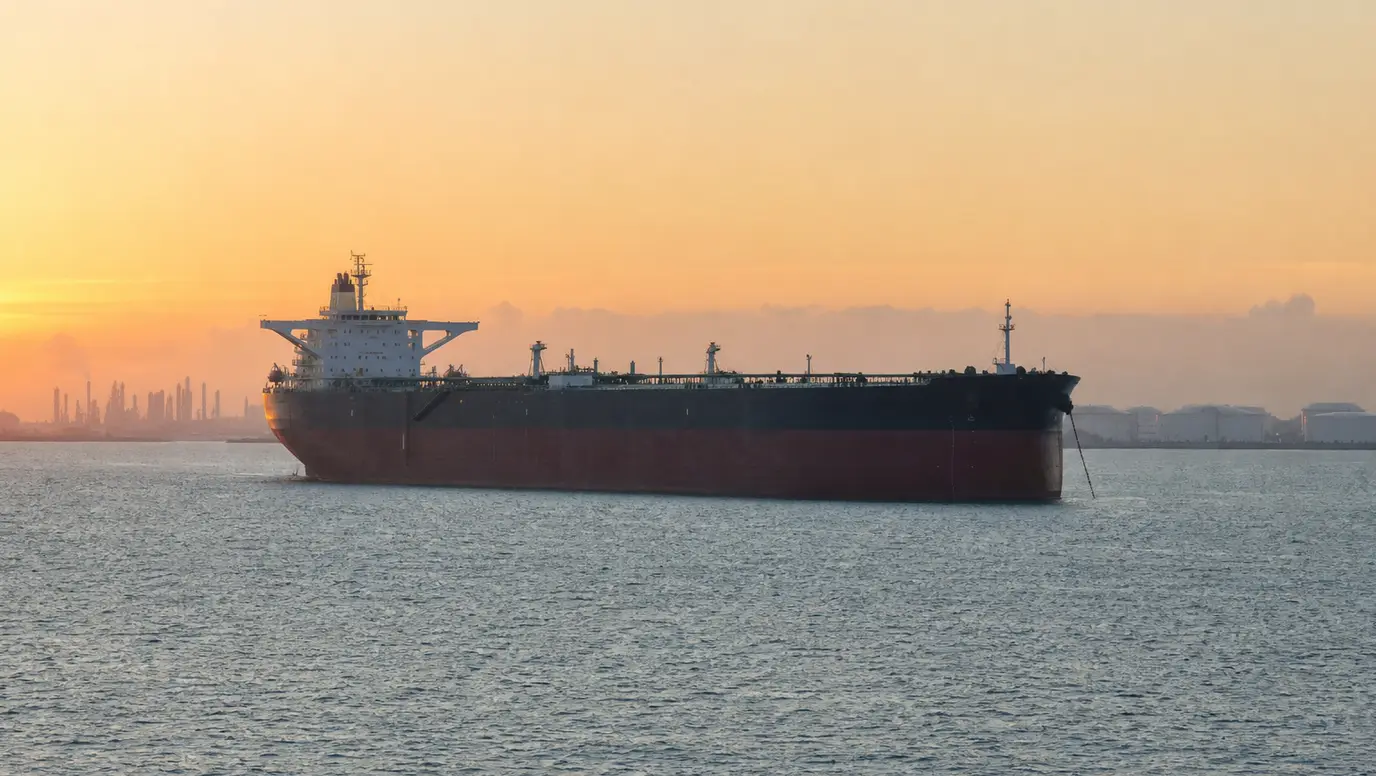
JULY 12, 2026
Crude Oil Faces China Demand Test as Floating Iranian Supply Builds
JULY 11, 2026
Energy Market Watches Tanker Risk as Crude Oil Rally Meets Demand Doubts
JULY 10, 2026
Crude Oil Turns to Glut Risk as OPEC+ Adds August Supply
JULY 9, 2026
Brent Nears $79 as Renewed Gulf Risk Rebuilds Crude Oil Premium
JULY 8, 2026
Crude Oil Faces Mixed Signal as U.S. Stock Build Collides With Fuel Draws
JULY 6, 2026
Crude Oil Slips as Hormuz Flows Normalize and Inventory Test Moves Into View
JULY 5, 2026
OPEC+ Output Hike Turns Energy Market Focus to Real Barrels as Brent Holds Near $72
JULY 4, 2026
Brent Holds Near $72 as OPEC+ August Supply Decision Tests Oil Market Floor
JULY 3, 2026
WTI Holds Near $68 as U.S. Stock Draws Challenge Oil Glut Narrative
JULY 2, 2026
Brent Slides Toward $70 as Iran Risk Premium Fades in Thin Holiday Trade
JULY 1, 2026
OPEC+ Supply Signal Caps Crude Oil Rebound as U.S. Stock Draws Support Prices
JUNE 30, 2026
Natural Gas Rally Outruns Softer Oil as Heat and LNG Demand Split Energy Market
JUNE 29, 2026
Brent Holds Above $72 as Traders Test Fragile Hormuz Reopening
JUNE 28, 2026
WTI Bulls Face Inventory Split as Brent Loses War Premium Before Quarter-End
JUNE 27, 2026
Refinery Strain Keeps Energy Market on Edge as Oil Selloff Meets Fuel Stock Tightness
JUNE 25, 2026
Iraq Quota Threat Puts OPEC Discipline in Focus as Oil War Premium Evaporates
JUNE 24, 2026
Brent Slide Below $77 Turns Oil Market Focus to Inventories and Summer Fuel Demand
JUNE 22, 2026
Oil Risk Premium Fades as Brent and WTI Slide on Fresh U.S.-Iran Talks
JUNE 21, 2026
Brent and WTI Face Inventory Test as Oil Market Shrugs Off Demand-Bearish Forecasts