OCTOBER 8, 2026
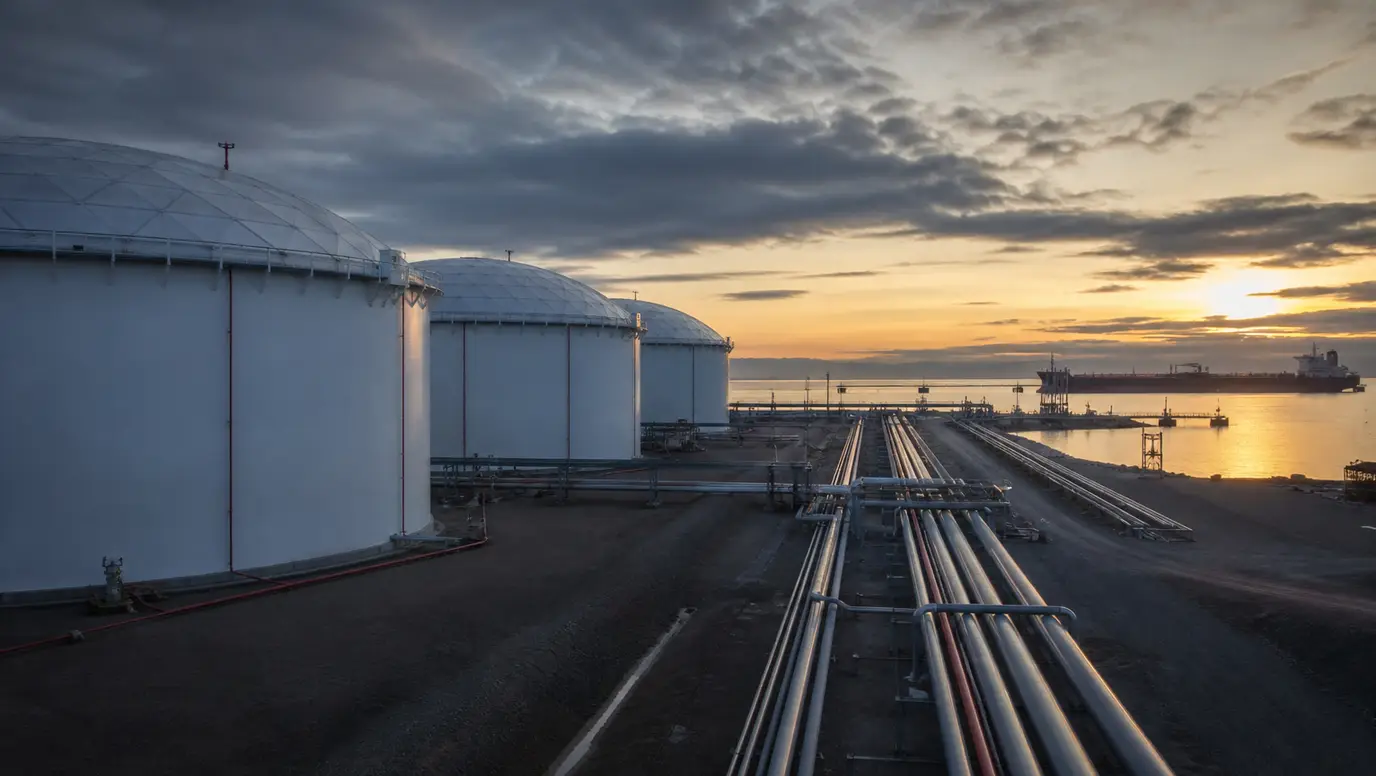
WTI Crude Oil Jumps as Inventory Draw Meets Hormuz Shipping RiskWTI crude oil rallies as U.S. stock draws and Gulf shipping risk outweigh emergency supply-release efforts.

© 1box.site 2026
JULY 13, 2026
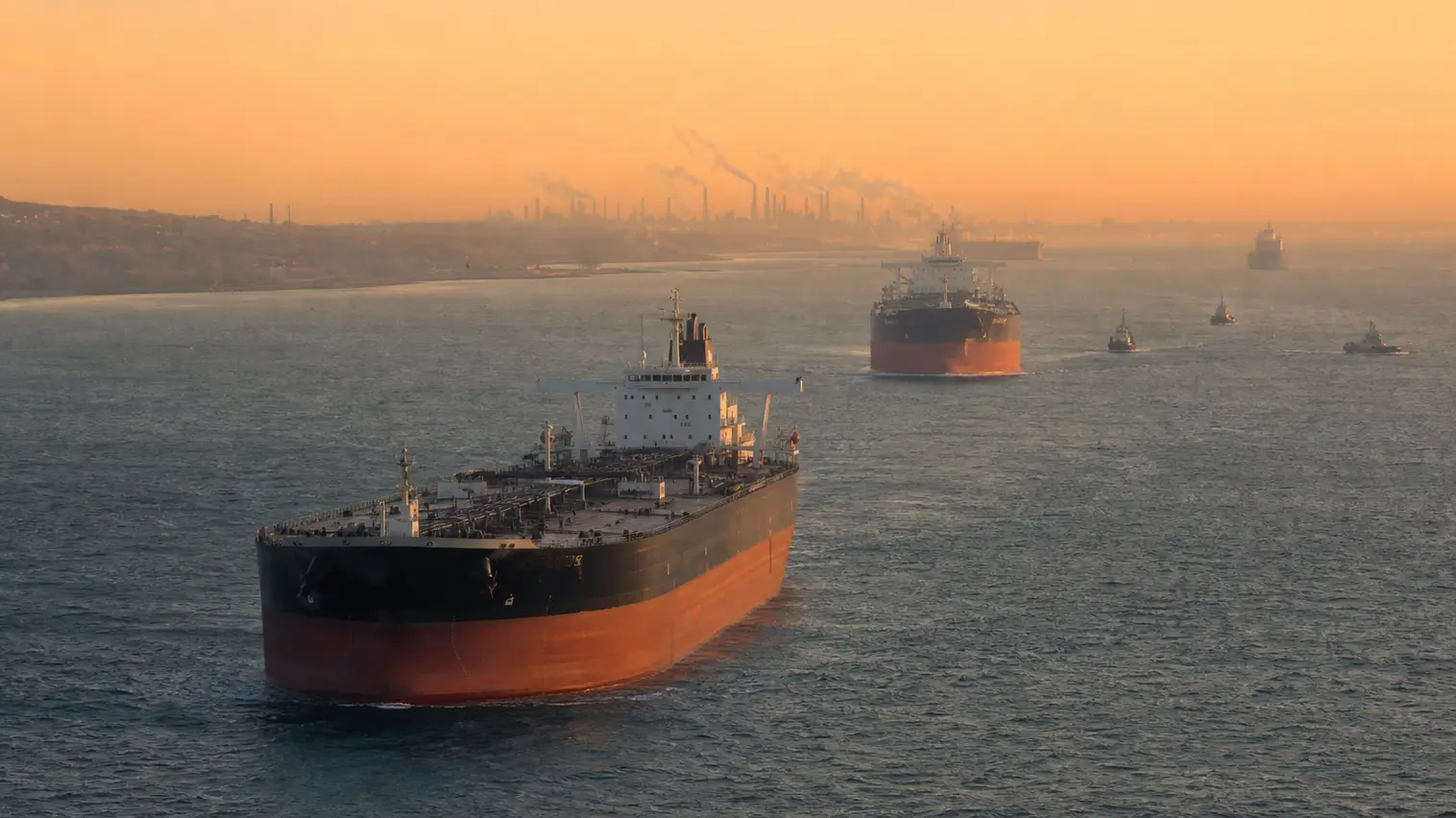
Brent crude moved sharply higher on Monday, July 13, as renewed U.S.-Iran military escalation pushed the energy market back into a geopolitical risk premium and forced traders to reassess the security of shipments through the Strait of Hormuz.
The international benchmark briefly climbed into the upper-$70s per barrel, while WTI crude also advanced as buyers moved to price in a higher probability of shipping delays, insurance cost increases and precautionary inventory building. The move was not large enough to signal a full supply shock, but it was strong enough to interrupt last week’s attempt to shift the market conversation back toward demand and spare capacity.
The Strait of Hormuz remains the core transmission point for this week’s energy market stress. Any sustained disruption in that corridor would affect crude oil, refined products and LNG flows from the Persian Gulf, making even limited military activity a price-sensitive event for global consumers and refiners.
Traders are now distinguishing between three scenarios: a temporary risk premium driven by headlines, a partial logistics disruption that delays cargoes, and a more severe blockage that would force buyers to compete for alternative barrels. Monday’s price action suggests the market is leaning toward the first two outcomes for now, rather than a complete breakdown in regional flows.
That distinction matters because Brent crude is still trading far below the wartime highs seen earlier in 2026. The market is reacting quickly to every escalation, but it is also showing some confidence that rerouting, strategic reserves, spare output capacity and diplomatic pressure can reduce the risk of an immediate global shortage.
The rally comes at a difficult moment for oil fundamentals. Recent market outlooks have continued to point to a less certain demand path, with investors watching Chinese import trends, refinery margins, U.S. fuel consumption and the impact of higher interest-rate expectations on global growth.
That demand uncertainty is one reason the latest jump in Brent crude has not turned into a broader panic bid. A stronger oil price can itself become a brake on consumption if it feeds through to gasoline, diesel and airline fuel costs. For now, refiners and physical buyers appear more focused on securing near-term barrels than chasing long-term exposure at any price.
OPEC+ policy is another counterweight. The group’s gradual production adjustments have left traders debating whether added supply can offset any regional disruption. If Hormuz-related risk fades, attention could quickly return to whether the market is moving toward surplus later in the year. If attacks intensify, however, spare capacity may matter less than the ability to physically move barrels to buyers.
The next signal may come from freight rates, tanker traffic and LNG scheduling rather than the futures curve alone. A rise in vessel insurance costs or signs that cargoes are being delayed would give the rally a stronger physical foundation. Without that confirmation, crude oil may remain volatile but range-bound as traders fade extreme headline moves.
For inflation-sensitive assets, the oil move is already important. Higher crude prices can complicate the interest-rate outlook by lifting fuel costs, while also pressuring energy-importing economies. That makes Brent crude a key macro indicator this week, not just a commodity benchmark.
The near-term bias in the energy market remains cautiously bullish while Hormuz security is in question. Still, the durability of the rally will depend on whether Monday’s escalation becomes a lasting supply constraint or another short-lived risk premium that fades once shipping conditions stabilize.
OCTOBER 8, 2026
WTI Crude Oil Jumps as Inventory Draw Meets Hormuz Shipping Risk
SEPTEMBER 30, 2026
WTI Crude Oil Futures Steady as Iran Sanctions Risk Meets Tight Fuel Market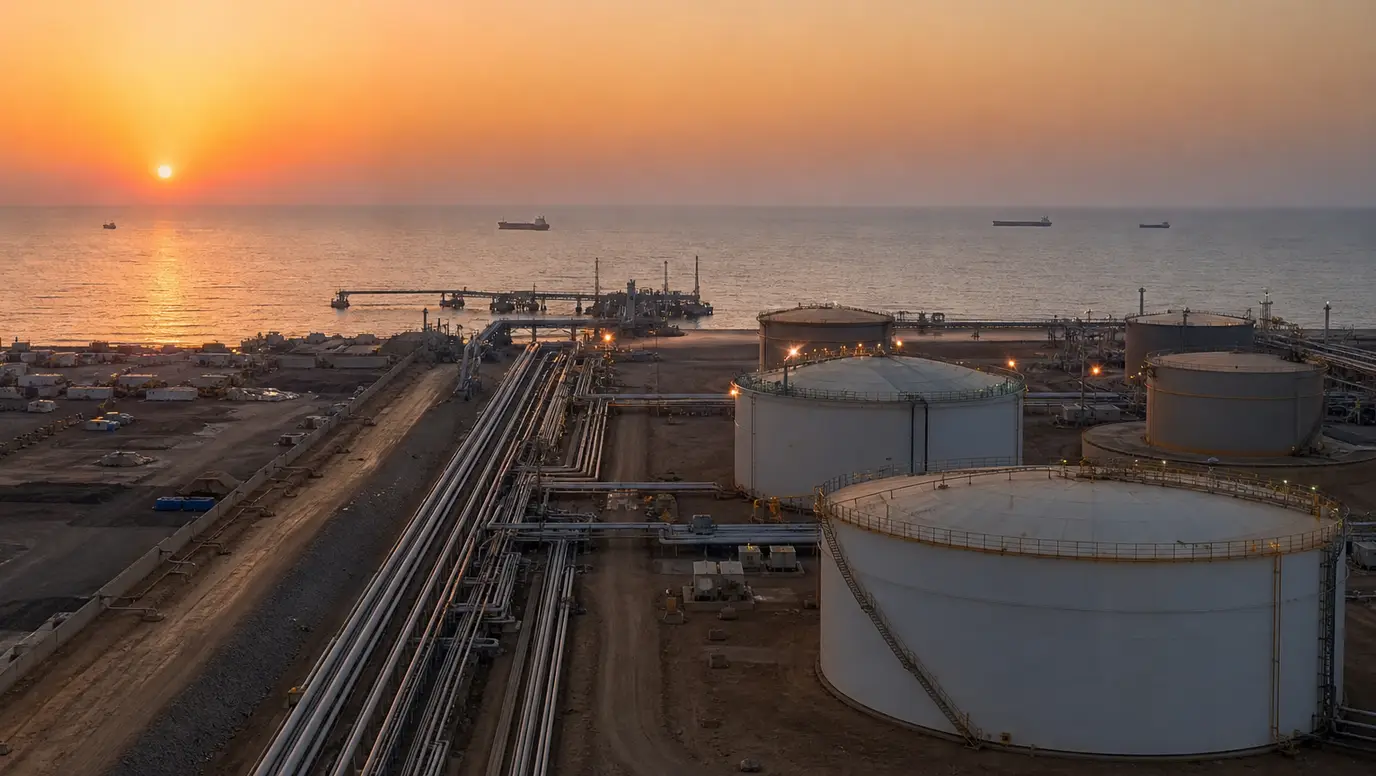
SEPTEMBER 23, 2026
WTI Crude Oil Futures Hold Near Two-Week Low as Gulf Supply Return Tests Fuel Market
SEPTEMBER 14, 2026
WTI Oil Rally Extends as Strait of Hormuz Risk Reprices Energy Market
SEPTEMBER 7, 2026
WTI Crude Oil Futures Hold Near Six-Week High as Hormuz Risk Tightens Energy Market
AUGUST 30, 2026
WTI Crude Oil Slips as Hormuz Supply Relief Tests Energy Market Risk Premium
AUGUST 18, 2026
Brent Crude and WTI Oil Rise as Strait of Hormuz Risk Revives Energy Inflation Worries
AUGUST 10, 2026
Strait of Hormuz Delay Lifts Energy Market as Crude Oil Flow Risk Returns
AUGUST 2, 2026
WTI Crude Oil Faces OPEC+ Output Test as Strait of Hormuz Risk Meets Stock Draw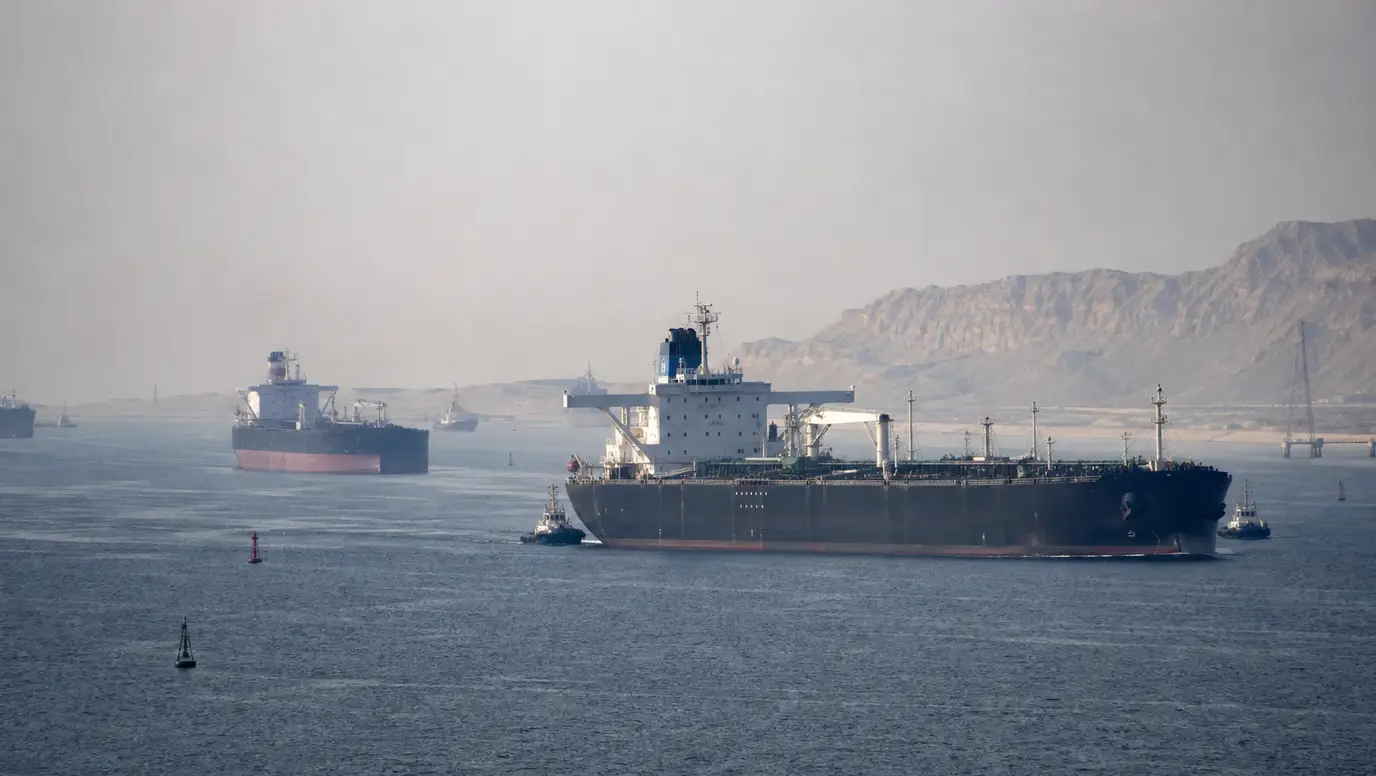
JULY 28, 2026
Strait of Hormuz Flows Keep WTI Crude on Alert as Oil Retreats
JULY 20, 2026
Brent Crude Tops $90 as WTI Crude and Oil Prices React to Hormuz Shipment Risk
JULY 19, 2026
Brent Crude and WTI Crude Rally as Traders Test OPEC+ Supply Cushion
JULY 18, 2026
Brent Crude and WTI Crude Prices Near Weekend Gap Risk as Energy Market Reprices Supply Threat
JULY 17, 2026
Brent Crude and WTI Crude Hold Weekly Gains as Red Sea Threat Offsets US Dollar Rebound
JULY 15, 2026
Brent Crude and WTI Crude Rise as Iran Port Blockade Puts Stockpile Cushion in Focus
JULY 14, 2026
Oil Market Shifts to Bypass Routes as Hormuz Risk Keeps Brent Premium Elevated
JULY 12, 2026
Crude Oil Faces China Demand Test as Floating Iranian Supply Builds
JULY 11, 2026
Energy Market Watches Tanker Risk as Crude Oil Rally Meets Demand Doubts
JULY 10, 2026
Crude Oil Turns to Glut Risk as OPEC+ Adds August Supply
JULY 9, 2026
Brent Nears $79 as Renewed Gulf Risk Rebuilds Crude Oil Premium
JULY 8, 2026
Crude Oil Faces Mixed Signal as U.S. Stock Build Collides With Fuel Draws
JULY 6, 2026
Crude Oil Slips as Hormuz Flows Normalize and Inventory Test Moves Into View
JULY 5, 2026
OPEC+ Output Hike Turns Energy Market Focus to Real Barrels as Brent Holds Near $72
JULY 4, 2026
Brent Holds Near $72 as OPEC+ August Supply Decision Tests Oil Market Floor
JULY 3, 2026
WTI Holds Near $68 as U.S. Stock Draws Challenge Oil Glut Narrative
JULY 2, 2026
Brent Slides Toward $70 as Iran Risk Premium Fades in Thin Holiday Trade
JULY 1, 2026
OPEC+ Supply Signal Caps Crude Oil Rebound as U.S. Stock Draws Support Prices
JUNE 30, 2026
Natural Gas Rally Outruns Softer Oil as Heat and LNG Demand Split Energy Market
JUNE 29, 2026
Brent Holds Above $72 as Traders Test Fragile Hormuz Reopening
JUNE 28, 2026
WTI Bulls Face Inventory Split as Brent Loses War Premium Before Quarter-End