
SEPTEMBER 14, 2026
WTI Oil Rally Extends as Strait of Hormuz Risk Reprices Energy MarketWTI oil gains as Hormuz shipping risk and Middle East supply threats keep the energy market focused on disruption premiums.

© 1box.site 2026
JUNE 20, 2026
Oil markets entered the weekend with Brent crude hovering near the $80-a-barrel area and WTI crude holding in the mid-$70s, as traders shifted from panic pricing to verification mode after a sharp retreat in the Middle East risk premium.
The latest move marks a major change from the earlier phase of the energy shock, when supply fears tied to Gulf shipping routes kept crude benchmarks elevated and widened uncertainty across refined fuels, freight, and liquefied natural gas. The immediate question for energy traders is no longer whether headlines point to a reopening of key routes, but whether tanker traffic can return in enough volume to rebuild confidence in physical supply.
That distinction matters for price action. A diplomatic announcement can remove some geopolitical premium quickly, but the physical oil market moves at the speed of ship inspections, insurance approvals, cargo scheduling, and port logistics. As a result, Brent’s retreat toward $80 does not yet mean the market has fully normalized.
Brent and WTI have fallen sharply from the levels reached during the worst phase of the disruption, pressured by expectations that more barrels could gradually return to global trade. The selloff has been reinforced by a broader recalibration of inflation risk, with lower crude prices reducing immediate pressure on fuel costs and easing one of the biggest commodity-side threats to central bank policy.
Still, traders are reluctant to declare the supply shock over. Market participants are watching real vessel movements, loading schedules, and shipping restrictions for confirmation that crude exports from the Gulf can move consistently rather than in isolated batches. Until that evidence improves, the market may struggle to extend the latest downturn in a straight line.
The Brent curve is also important. A flatter curve would suggest that traders see supply stress easing beyond the front month, while renewed strength in nearby contracts would imply that prompt barrels remain scarce. For now, the market appears to be pricing a partial recovery in flows rather than a rapid return to pre-crisis conditions.
WTI is taking its cue from the same global drivers, but U.S. crude remains sensitive to domestic inventory signals and refinery demand. If U.S. stock draws continue while Gulf flows recover only slowly, WTI may find support even if Brent loses some of its geopolitical premium.
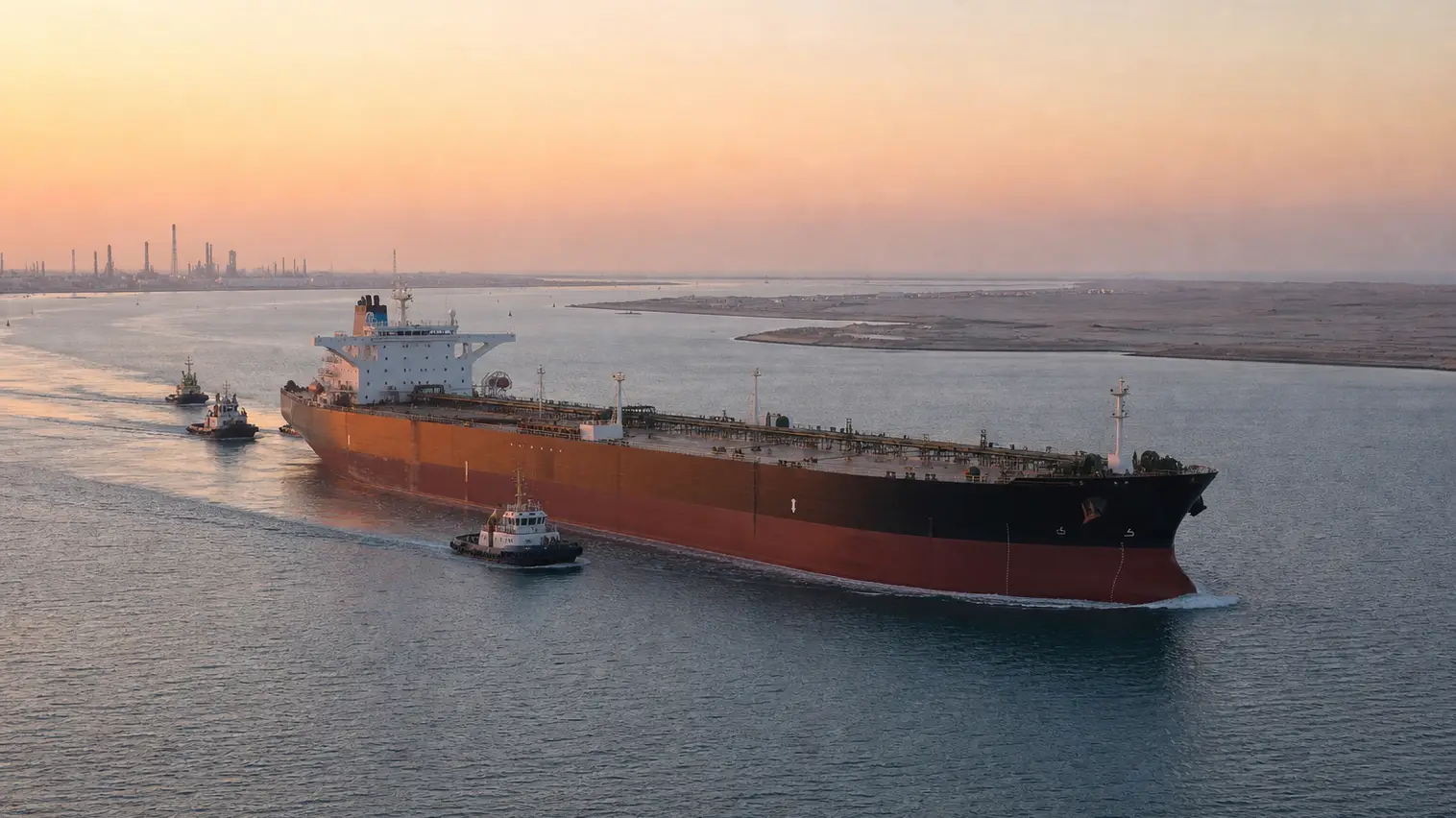
The Strait of Hormuz remains the central focus because it is one of the world’s most important energy corridors, carrying a large share of seaborne crude and LNG in normal conditions. Even limited disruption can force buyers to reassess freight costs, delivery timing, and regional supply security.
Recent reports of vessels beginning to move through the area have helped calm the market, but the process is still vulnerable. Shipowners and insurers typically need more than political assurances before they resume normal routing through a recently disrupted chokepoint. Security guarantees, mine-clearance confidence, and stable rules of passage all affect how quickly traffic can rebuild.
This is why the next phase may be uneven. A trickle of tankers can reassure futures traders in the short term, but refiners and utilities need dependable cargo flows. If transit volumes increase steadily over the coming days, Brent could remain capped near recent levels. If vessels pause again or shipping restrictions remain tight, crude could quickly regain a portion of the risk premium it just lost.
LNG markets are also tied to the same corridor. Any delay in restoring normal Gulf gas exports would keep European and Asian buyers alert to spot-market volatility, especially as summer power demand rises. While crude is leading the price narrative, LNG remains a secondary risk channel for the broader energy market.
The near-term oil outlook depends on whether physical supply confirms the futures-market optimism. A sustained recovery in tanker traffic would likely keep pressure on Brent and WTI, particularly if demand indicators soften or if the U.S. dollar stays firm. In that scenario, traders may begin testing lower support zones as the geopolitical premium fades further.
However, the downside is not risk-free. Inventories in key consuming regions remain a critical buffer, and strategic reserves are not a long-term substitute for normal commercial flows. If refiners face delayed cargoes, or if security conditions deteriorate again, the market could shift back toward scarcity pricing quickly.
For energy investors, the key takeaway is that the oil market has moved from shock to confirmation. Brent near $80 reflects meaningful relief, but not a clean reset. The next decisive move will likely come from physical evidence: more tankers moving safely, more cargoes loading on schedule, and fewer signs that buyers are paying extra to secure prompt supply.
Until then, crude may remain volatile around headline risk, with Brent and WTI reacting less to broad macro sentiment and more to the practical question of whether the world’s most important energy chokepoint is truly returning to normal.
SEPTEMBER 14, 2026
WTI Oil Rally Extends as Strait of Hormuz Risk Reprices Energy Market
SEPTEMBER 7, 2026
WTI Crude Oil Futures Hold Near Six-Week High as Hormuz Risk Tightens Energy Market
AUGUST 30, 2026
WTI Crude Oil Slips as Hormuz Supply Relief Tests Energy Market Risk Premium
AUGUST 18, 2026
Brent Crude and WTI Oil Rise as Strait of Hormuz Risk Revives Energy Inflation Worries
AUGUST 10, 2026
Strait of Hormuz Delay Lifts Energy Market as Crude Oil Flow Risk Returns
AUGUST 2, 2026
WTI Crude Oil Faces OPEC+ Output Test as Strait of Hormuz Risk Meets Stock Draw
JULY 28, 2026
Strait of Hormuz Flows Keep WTI Crude on Alert as Oil Retreats
JULY 20, 2026
Brent Crude Tops $90 as WTI Crude and Oil Prices React to Hormuz Shipment Risk
JULY 19, 2026
Brent Crude and WTI Crude Rally as Traders Test OPEC+ Supply Cushion
JULY 18, 2026
Brent Crude and WTI Crude Prices Near Weekend Gap Risk as Energy Market Reprices Supply Threat
JULY 17, 2026
Brent Crude and WTI Crude Hold Weekly Gains as Red Sea Threat Offsets US Dollar Rebound
JULY 15, 2026
Brent Crude and WTI Crude Rise as Iran Port Blockade Puts Stockpile Cushion in Focus
JULY 14, 2026
Oil Market Shifts to Bypass Routes as Hormuz Risk Keeps Brent Premium Elevated
JULY 13, 2026
Brent Crude Jumps as Hormuz Escalation Reprices Energy Market Risk
JULY 12, 2026
Crude Oil Faces China Demand Test as Floating Iranian Supply Builds
JULY 11, 2026
Energy Market Watches Tanker Risk as Crude Oil Rally Meets Demand Doubts
JULY 10, 2026
Crude Oil Turns to Glut Risk as OPEC+ Adds August Supply
JULY 9, 2026
Brent Nears $79 as Renewed Gulf Risk Rebuilds Crude Oil Premium
JULY 8, 2026
Crude Oil Faces Mixed Signal as U.S. Stock Build Collides With Fuel Draws
JULY 6, 2026
Crude Oil Slips as Hormuz Flows Normalize and Inventory Test Moves Into View
JULY 5, 2026
OPEC+ Output Hike Turns Energy Market Focus to Real Barrels as Brent Holds Near $72
JULY 4, 2026
Brent Holds Near $72 as OPEC+ August Supply Decision Tests Oil Market Floor
JULY 3, 2026
WTI Holds Near $68 as U.S. Stock Draws Challenge Oil Glut Narrative
JULY 2, 2026
Brent Slides Toward $70 as Iran Risk Premium Fades in Thin Holiday Trade
JULY 1, 2026
OPEC+ Supply Signal Caps Crude Oil Rebound as U.S. Stock Draws Support Prices
JUNE 30, 2026
Natural Gas Rally Outruns Softer Oil as Heat and LNG Demand Split Energy Market
JUNE 29, 2026
Brent Holds Above $72 as Traders Test Fragile Hormuz Reopening
JUNE 28, 2026
WTI Bulls Face Inventory Split as Brent Loses War Premium Before Quarter-End
JUNE 27, 2026
Refinery Strain Keeps Energy Market on Edge as Oil Selloff Meets Fuel Stock Tightness
JUNE 25, 2026
Iraq Quota Threat Puts OPEC Discipline in Focus as Oil War Premium Evaporates