
OCTOBER 20, 2026
WTI Crude Oil Futures Keep Energy Market on Edge as Strait of Hormuz Risk Lifts PremiumWTI crude oil futures stay firm as Gulf shipping risk and looming U.S. inventory data keep the energy market focused on supply premiums.

© 1box.site 2026

AUGUST 2, 2026
WTI crude oil is entering the new trading week with energy markets focused on a tight balance between fresh OPEC+ supply signals and signs that physical inventories remain vulnerable. The latest catalyst is the August 2 review by seven OPEC+ producers after they approved an August output adjustment of 188,000 barrels per day in early July.
The decision matters because crude has been trading less on a single geopolitical shock and more on whether returning barrels can arrive fast enough to offset still-fragile shipping flows, refinery demand and U.S. stock draws. That mix has kept WTI exposed to sharp intraday swings even as traders debate whether the risk premium built earlier in the year has fully faded.
Saudi Arabia, Russia, Iraq, Kuwait, Kazakhstan, Algeria and Oman are at the center of the latest supply discussion. Their July decision framed the August increase as part of a gradual return of voluntary cuts, while also leaving room to pause or reverse the process if market conditions deteriorate.
For WTI crude oil, that flexibility is the key trading issue. Another measured increase for September would point to producer confidence that demand can absorb more supply. A cautious pause, or stronger language on compensation for earlier overproduction, would likely be read as a sign that the group is still concerned about price weakness and uneven compliance.
The market is also watching whether the additional barrels are real, timely and exportable. Production targets can move faster than actual loadings, especially when Gulf logistics, maintenance schedules and shipping insurance conditions remain unsettled. That gap between headline supply and deliverable supply is one reason traders have been reluctant to remove the entire risk premium from crude.
The Strait of Hormuz remains a central variable for the energy market because it links Middle East crude and LNG flows with buyers in Asia and Europe. Even partial normalization of traffic can pressure prices if traders see lower disruption risk, but any renewed tanker delay, insurance repricing or cargo cancellation can quickly revive concern about supply security.
That is why WTI is not responding to OPEC+ supply headlines in isolation. Crude traders are weighing the possibility of more output against the reality that route risk, refinery purchasing patterns and strategic stock movements can tighten the prompt market faster than monthly production targets suggest.
U.S. inventory signals have added to that caution. Recent weekly data showed commercial crude stocks remaining below normal seasonal levels after a sizeable late-July draw, reinforcing the view that domestic balances are not yet comfortably supplied. When inventories sit below typical ranges, WTI can remain supported even if global supply headlines look bearish.
The immediate setup favors volatility rather than a clean trend. A firm OPEC+ supply increase combined with calmer Gulf shipping conditions would likely cap WTI rallies and shift attention back to demand indicators, refinery runs and the U.S. dollar. In that scenario, traders may treat price strength as vulnerable unless product demand confirms a stronger summer pull.
The opposite risk is that another inventory draw or fresh shipping disruption forces the market to reprice nearby supply. That would put the focus back on prompt spreads, physical differentials and the pace at which producers can actually deliver incremental barrels.
For now, WTI crude oil remains a policy-and-inventory trade. The August OPEC+ review, the next U.S. stock update and any signal from the Strait of Hormuz will determine whether the energy market leans toward surplus concerns or returns to a tighter physical narrative.
OCTOBER 20, 2026
WTI Crude Oil Futures Keep Energy Market on Edge as Strait of Hormuz Risk Lifts Premium
OCTOBER 14, 2026
Crude Oil Demand Forecast Cut as Strait of Hormuz Flows Keep Energy Market Tight
OCTOBER 9, 2026
Brent Crude Oil Pulls Back as OPEC+ Hold and Iran Strike Pause Ease Energy Premium
OCTOBER 8, 2026
WTI Crude Oil Jumps as Inventory Draw Meets Hormuz Shipping Risk
OCTOBER 4, 2026
Brent Crude Holds Above $100 as OPEC+ Extends Output Pause
OCTOBER 2, 2026
Crude Oil Slides as OPEC+ Pause Bets Meet Returning Middle East Supply
SEPTEMBER 30, 2026
WTI Crude Oil Futures Steady as Iran Sanctions Risk Meets Tight Fuel Market
SEPTEMBER 27, 2026
Brent Crude Risk Premium Holds as OPEC+ Pause Keeps Energy Market on Edge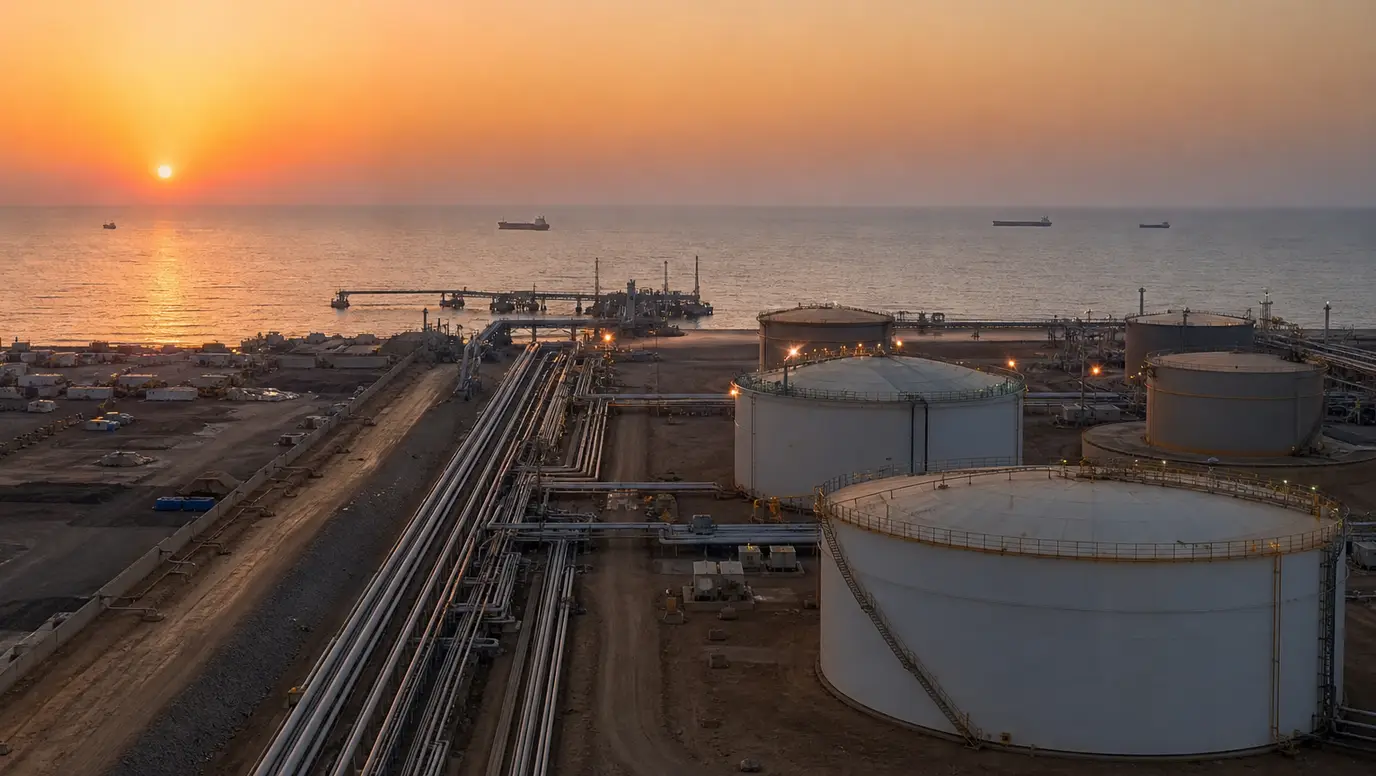
SEPTEMBER 23, 2026
WTI Crude Oil Futures Hold Near Two-Week Low as Gulf Supply Return Tests Fuel Market
SEPTEMBER 14, 2026
WTI Oil Rally Extends as Strait of Hormuz Risk Reprices Energy Market
SEPTEMBER 12, 2026
Saudi Pipeline Shutdown Puts OPEC+ and Crude Oil on Red Sea Supply Watch
SEPTEMBER 7, 2026
WTI Crude Oil Futures Hold Near Six-Week High as Hormuz Risk Tightens Energy Market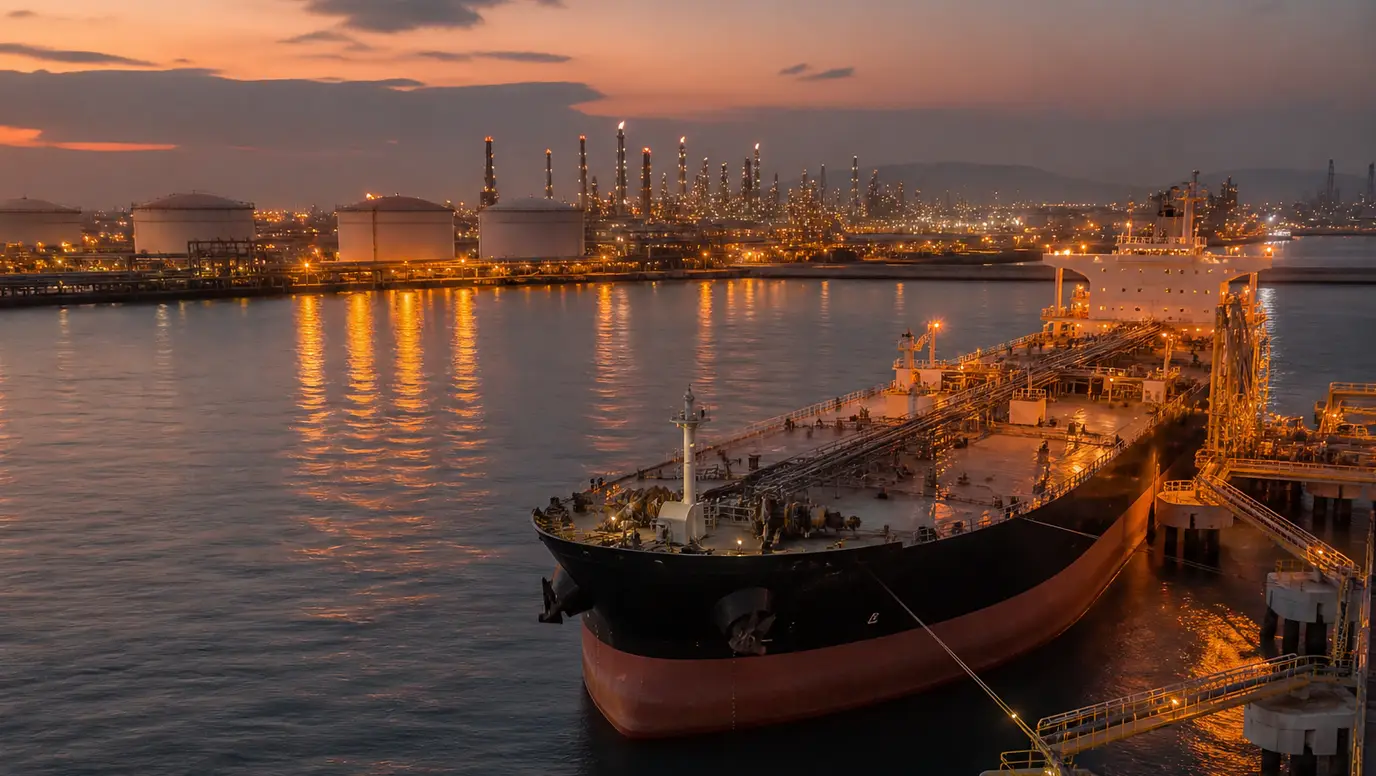
SEPTEMBER 3, 2026
OPEC+ Discount Shock Puts Energy Market on Brent Crude Supply Watch
AUGUST 31, 2026
Crude Oil Rally Puts Energy Market Back on Strait Risk Watch
AUGUST 30, 2026
WTI Crude Oil Slips as Hormuz Supply Relief Tests Energy Market Risk Premium
AUGUST 23, 2026
Crude Oil Keeps Strait of Hormuz Premium as Fuel Transit Signals Stir Energy Market
AUGUST 18, 2026
Brent Crude and WTI Oil Rise as Strait of Hormuz Risk Revives Energy Inflation Worries
AUGUST 15, 2026
OPEC+ September Hike Leaves Crude Market Watching Gulf Export Reliability
AUGUST 10, 2026
Strait of Hormuz Delay Lifts Energy Market as Crude Oil Flow Risk Returns
AUGUST 7, 2026
Crude Oil Market Weighs China Import Rebound as OPEC+ Supply Returns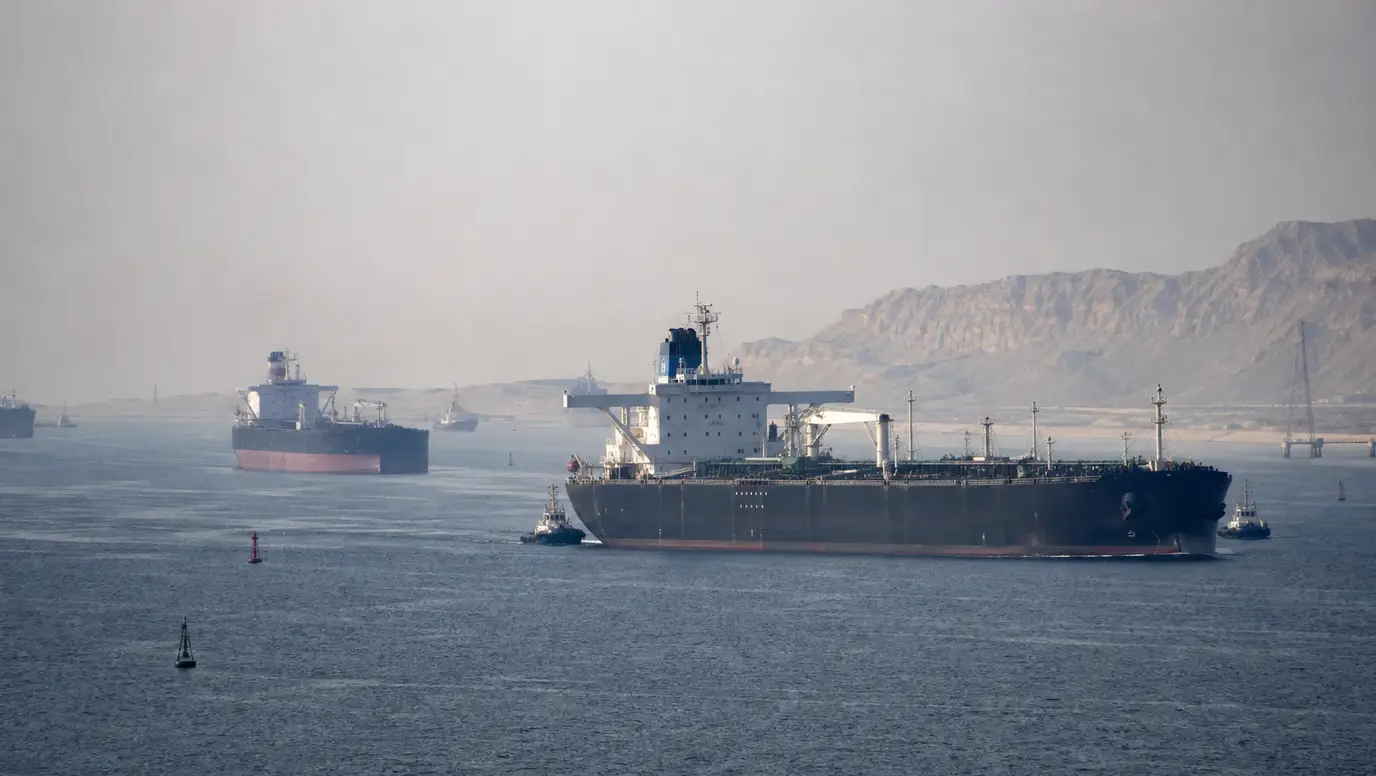
JULY 28, 2026
Strait of Hormuz Flows Keep WTI Crude on Alert as Oil Retreats
JULY 21, 2026
LNG Supply Race Overtakes Oil as Gas Prices Jump on Hormuz Disruption
JULY 20, 2026
Brent Crude Tops $90 as WTI Crude and Oil Prices React to Hormuz Shipment Risk
JULY 19, 2026
Brent Crude and WTI Crude Rally as Traders Test OPEC+ Supply Cushion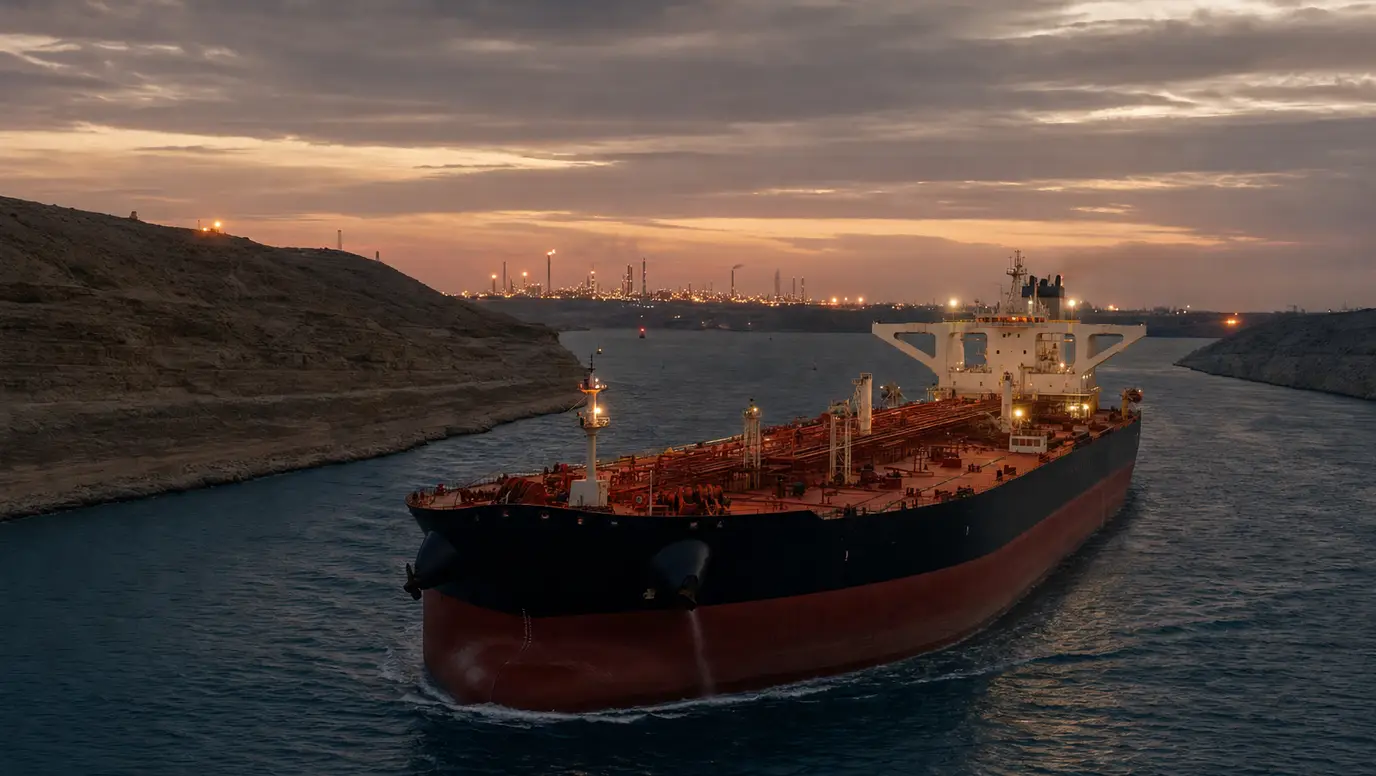
JULY 18, 2026
Brent Crude and WTI Crude Prices Near Weekend Gap Risk as Energy Market Reprices Supply Threat
JULY 17, 2026
Brent Crude and WTI Crude Hold Weekly Gains as Red Sea Threat Offsets US Dollar Rebound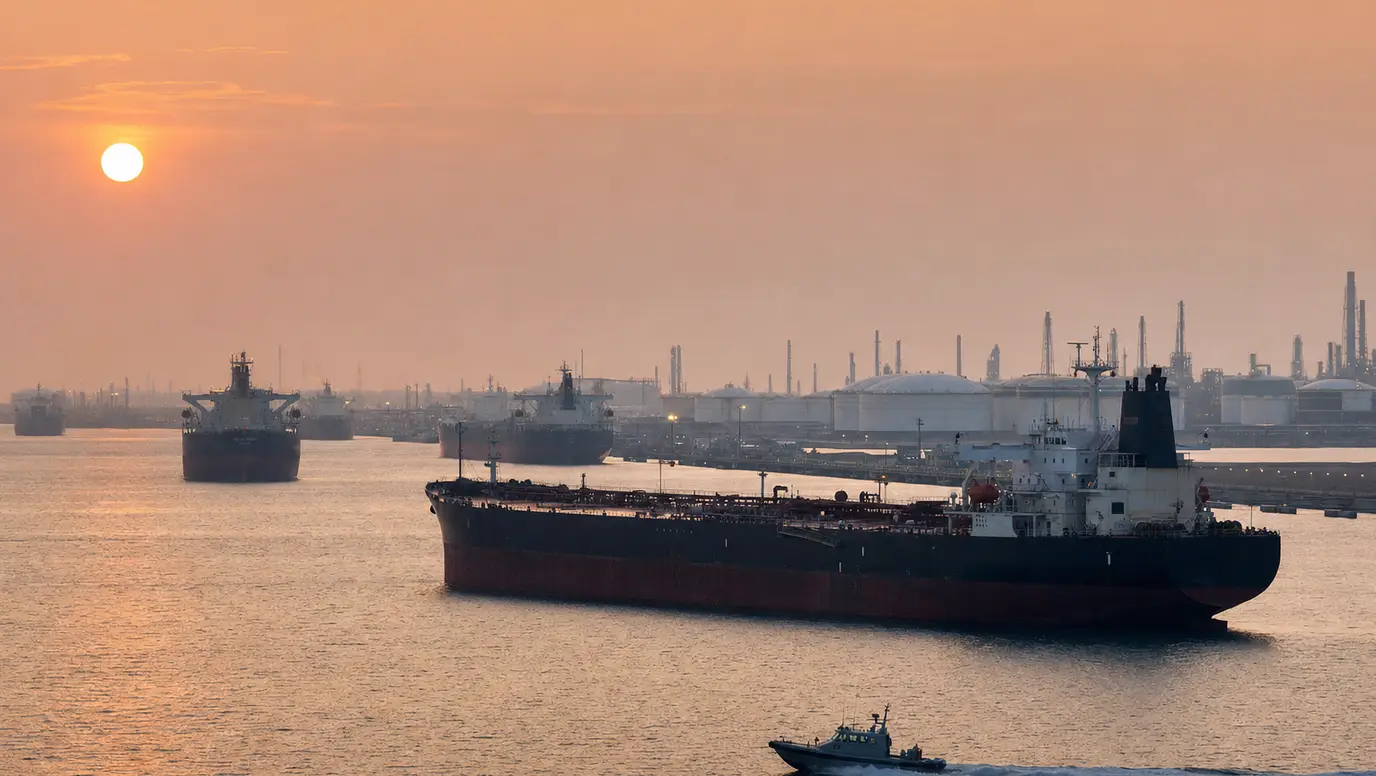
JULY 15, 2026
Brent Crude and WTI Crude Rise as Iran Port Blockade Puts Stockpile Cushion in Focus
JULY 14, 2026
Oil Market Shifts to Bypass Routes as Hormuz Risk Keeps Brent Premium Elevated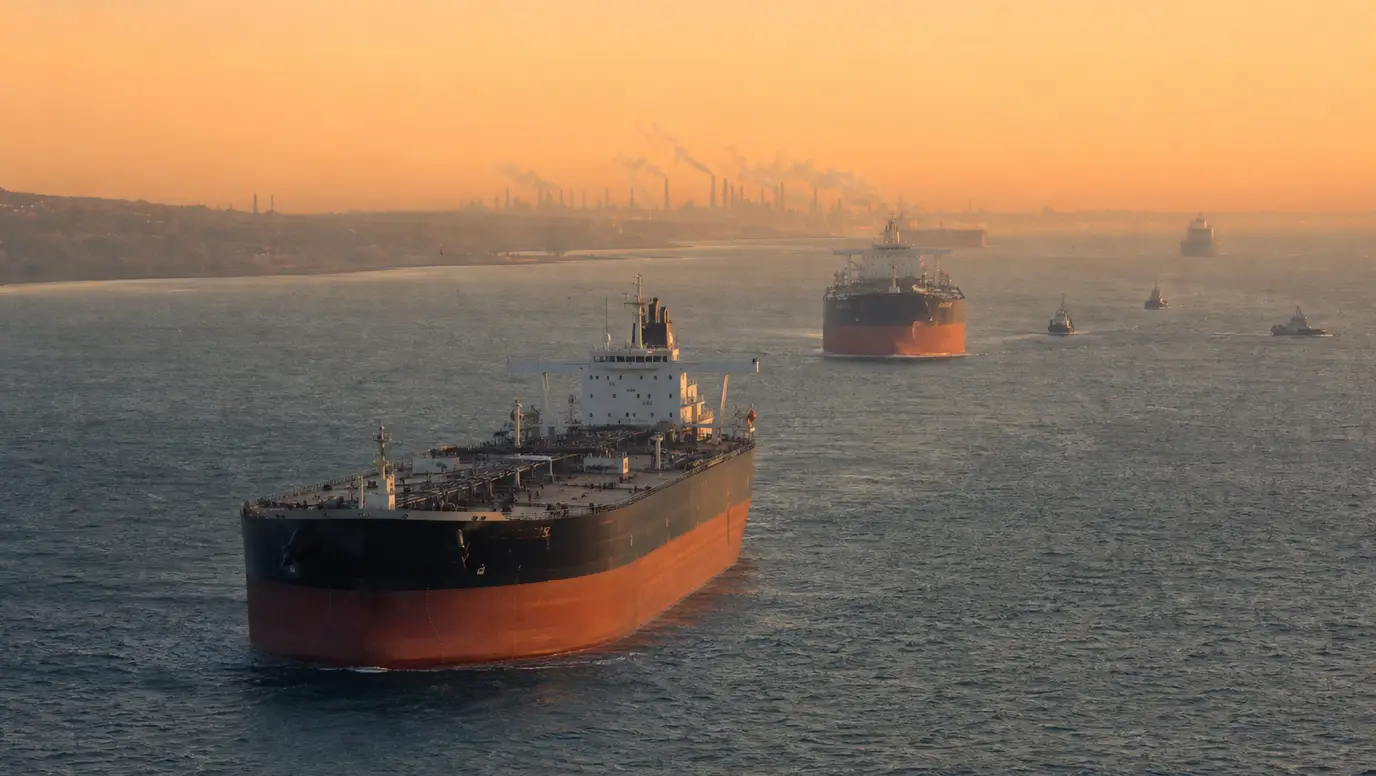
JULY 13, 2026
Brent Crude Jumps as Hormuz Escalation Reprices Energy Market Risk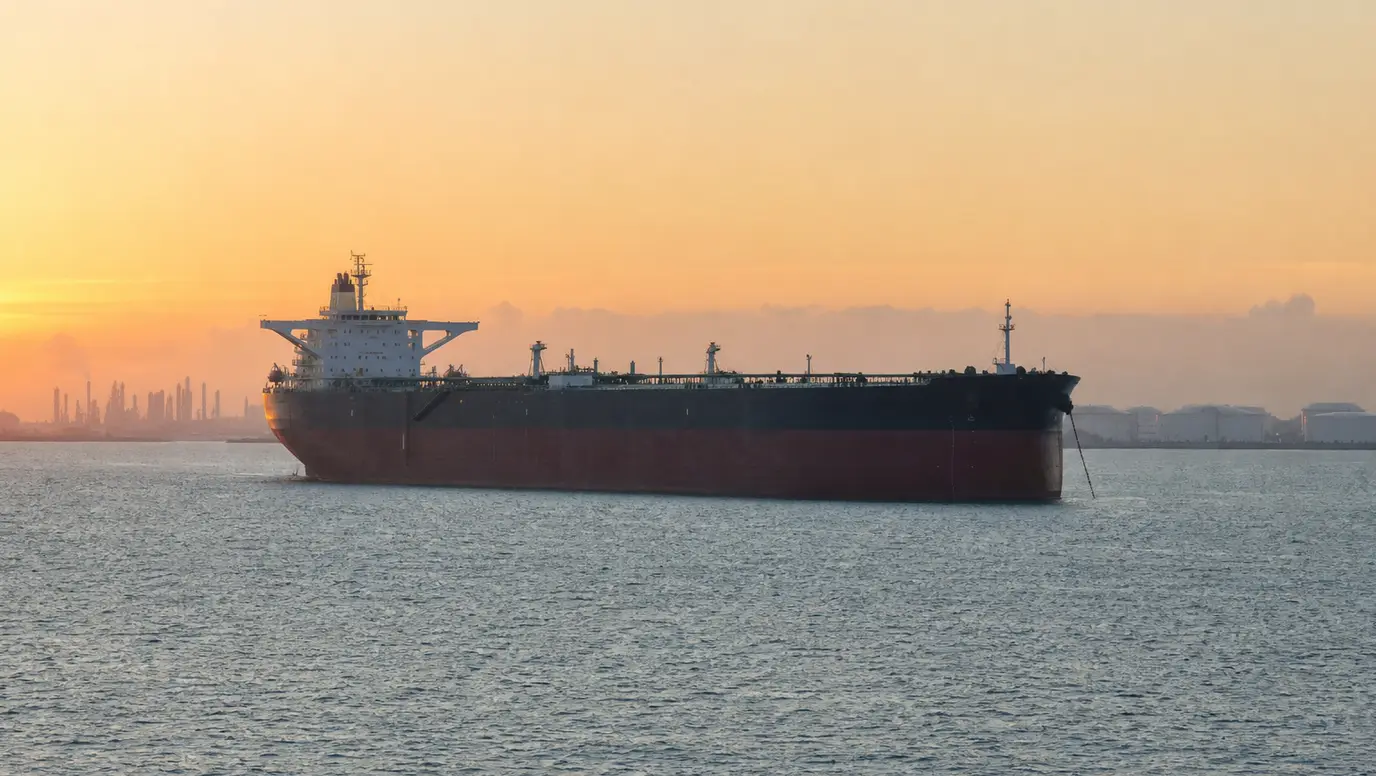
JULY 12, 2026
Crude Oil Faces China Demand Test as Floating Iranian Supply Builds