
OCTOBER 20, 2026
WTI Crude Oil Futures Keep Energy Market on Edge as Strait of Hormuz Risk Lifts PremiumWTI crude oil futures stay firm as Gulf shipping risk and looming U.S. inventory data keep the energy market focused on supply premiums.

© 1box.site 2026
SEPTEMBER 23, 2026
WTI crude oil futures traded close to their weakest level since the start of September on Wednesday, as the energy market weighed signs of improving Gulf supply against persistent fuel-market stress and a still-fragile geopolitical backdrop.
The move marked a sharp change in tone from last week, when the oil complex was dominated by fears of wider Middle East disruption and tighter seaborne flows. Fresh trading instead focused on restored regional routing capacity, tentative diplomatic signals and evidence that U.S. crude stockpiles may have built in the latest reporting week.
West Texas Intermediate hovered around the low $90s per barrel after briefly touching a two-week trough, while Brent stayed near the psychologically important $100 level. The price action showed that risk premium has not disappeared, but traders are now demanding clearer confirmation before rebuilding aggressive long positions.
The immediate pressure on crude oil came from improving supply expectations in the Gulf region. Saudi flows through a key route to the Red Sea resumed, giving the market a potential bypass around the most exposed chokepoints and reducing fears of an immediate physical squeeze.
That matters for WTI as well as Brent because global supply disruptions can quickly reshape U.S. export demand, refinery margins and the spread between inland American barrels and international crude. When overseas supply risk fades, U.S. crude futures often lose part of the geopolitical premium that had supported prices.
Private inventory figures added another bearish signal by pointing to a weekly U.S. crude stockbuild, while traders awaited the official government petroleum report for confirmation. A confirmed build would reinforce the idea that domestic balances are not tightening as quickly as bulls had expected, especially after several weeks of volatile refinery runs and import flows.
Still, the downside has been cautious rather than disorderly. Traders remain reluctant to dismiss geopolitical risk entirely while negotiations, military rhetoric and shipping security remain fluid. That leaves WTI caught between a softer immediate supply setup and the possibility that a single headline could restore risk premium rapidly.
The broader fuel market is sending a less comfortable signal than crude futures alone. Diesel and gasoil margins remain extremely elevated, reflecting tight availability of middle distillates even as headline crude prices retreat from recent highs.
This split is important for refiners, inflation watchers and energy traders. If crude oil eases while diesel, jet fuel or heating-related products stay expensive, consumers and industrial users may still face pressure. It also means refinery behavior could become more important than outright crude supply in shaping the next leg of the market.
Potential restrictions on fuel exports have added another layer of uncertainty. Any policy move designed to cool domestic prices could alter regional supply flows, change refinery incentives and widen volatility across crack spreads. For crude traders, that makes the demand side harder to read because refinery buying may not move in a straight line with end-user fuel prices.
The result is a market where WTI can soften on better crude supply while the fuel complex remains tight enough to prevent a full bearish reset. That tension is likely to keep intraday swings elevated around inventory data, refinery utilization figures and shipping headlines.
The next test for WTI crude oil futures is whether prices can hold above the recent low after official inventory data and fresh diplomatic developments. A larger-than-expected stockbuild could push the market toward deeper technical support, particularly if Brent also loses its hold near $100.
On the other hand, a surprise draw, renewed shipping concern or signs that restored Gulf routes are not enough to normalize flows could quickly pull buyers back into the market. With speculative positioning already sensitive to headlines, even modest changes in perceived supply risk may create outsized price reactions.
For now, the energy market is no longer trading as a one-way supply shock. WTI is reflecting a more complicated mix: improving crude availability, uncertain U.S. inventories, elevated fuel margins and unresolved geopolitical risk. That combination keeps crude oil futures vulnerable to further pullbacks, but not yet free from the kind of sudden reversal that has defined trading through September.
OCTOBER 20, 2026
WTI Crude Oil Futures Keep Energy Market on Edge as Strait of Hormuz Risk Lifts Premium
OCTOBER 8, 2026
WTI Crude Oil Jumps as Inventory Draw Meets Hormuz Shipping Risk
SEPTEMBER 30, 2026
WTI Crude Oil Futures Steady as Iran Sanctions Risk Meets Tight Fuel Market
SEPTEMBER 14, 2026
WTI Oil Rally Extends as Strait of Hormuz Risk Reprices Energy Market
SEPTEMBER 7, 2026
WTI Crude Oil Futures Hold Near Six-Week High as Hormuz Risk Tightens Energy Market
AUGUST 30, 2026
WTI Crude Oil Slips as Hormuz Supply Relief Tests Energy Market Risk Premium
AUGUST 18, 2026
Brent Crude and WTI Oil Rise as Strait of Hormuz Risk Revives Energy Inflation Worries
AUGUST 10, 2026
Strait of Hormuz Delay Lifts Energy Market as Crude Oil Flow Risk Returns
AUGUST 2, 2026
WTI Crude Oil Faces OPEC+ Output Test as Strait of Hormuz Risk Meets Stock Draw
JULY 28, 2026
Strait of Hormuz Flows Keep WTI Crude on Alert as Oil Retreats
JULY 20, 2026
Brent Crude Tops $90 as WTI Crude and Oil Prices React to Hormuz Shipment Risk
JULY 19, 2026
Brent Crude and WTI Crude Rally as Traders Test OPEC+ Supply Cushion
JULY 18, 2026
Brent Crude and WTI Crude Prices Near Weekend Gap Risk as Energy Market Reprices Supply Threat
JULY 17, 2026
Brent Crude and WTI Crude Hold Weekly Gains as Red Sea Threat Offsets US Dollar Rebound
JULY 15, 2026
Brent Crude and WTI Crude Rise as Iran Port Blockade Puts Stockpile Cushion in Focus
JULY 14, 2026
Oil Market Shifts to Bypass Routes as Hormuz Risk Keeps Brent Premium Elevated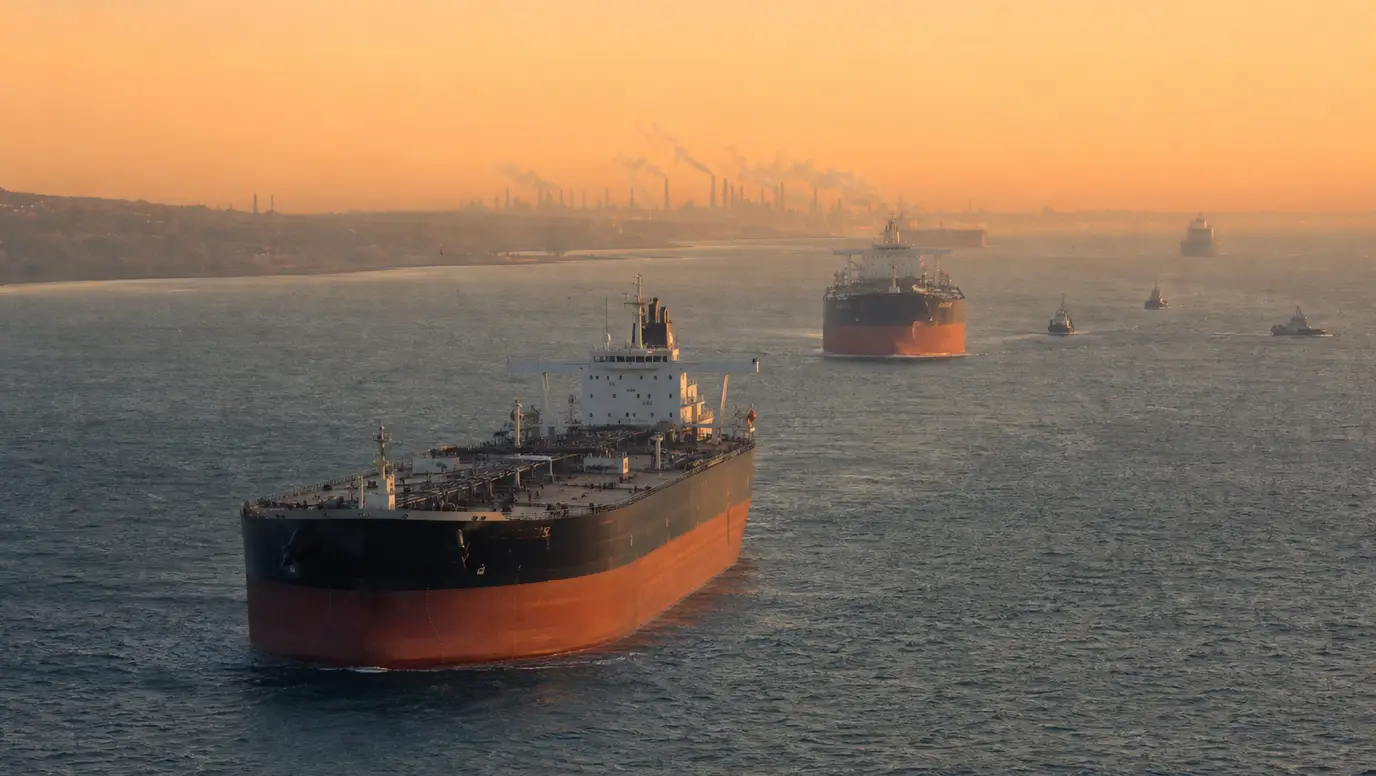
JULY 13, 2026
Brent Crude Jumps as Hormuz Escalation Reprices Energy Market Risk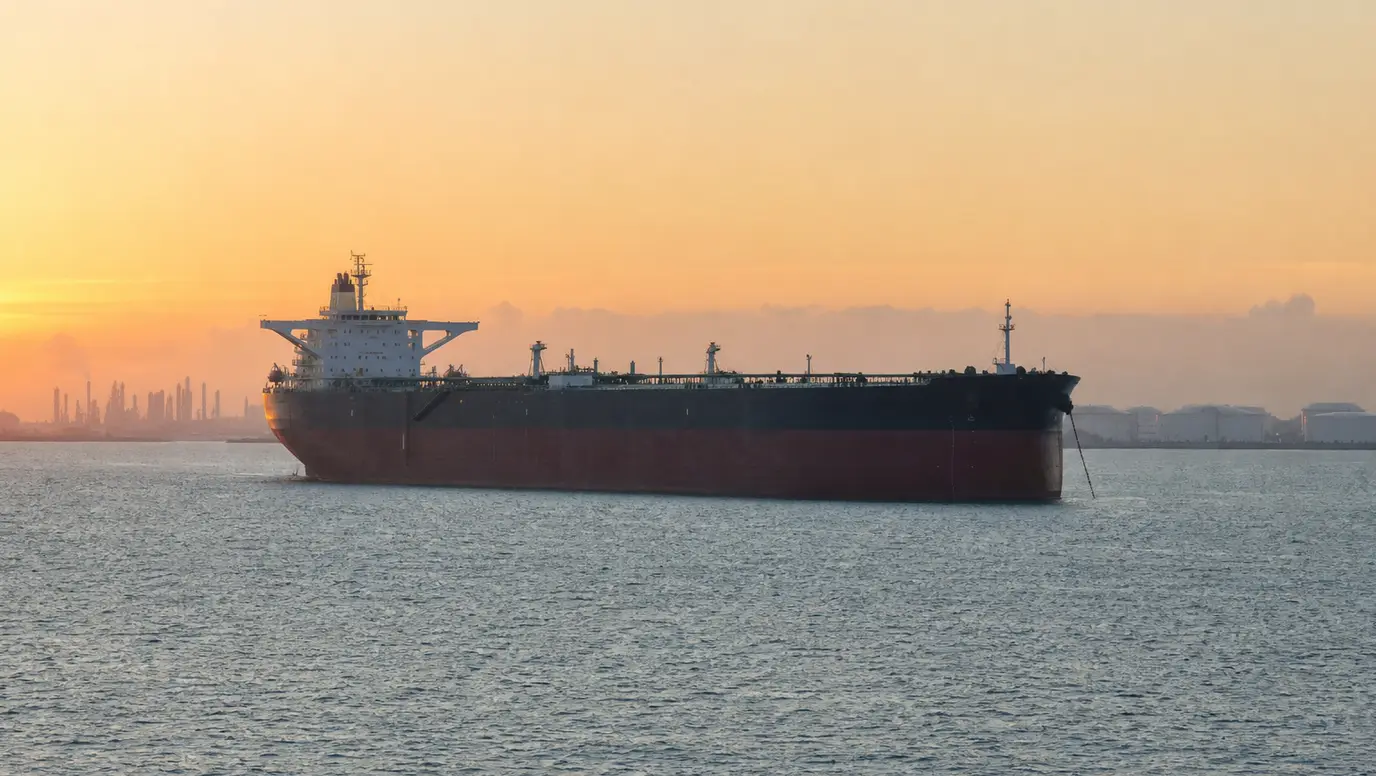
JULY 12, 2026
Crude Oil Faces China Demand Test as Floating Iranian Supply Builds
JULY 11, 2026
Energy Market Watches Tanker Risk as Crude Oil Rally Meets Demand Doubts
JULY 10, 2026
Crude Oil Turns to Glut Risk as OPEC+ Adds August Supply
JULY 9, 2026
Brent Nears $79 as Renewed Gulf Risk Rebuilds Crude Oil Premium
JULY 8, 2026
Crude Oil Faces Mixed Signal as U.S. Stock Build Collides With Fuel Draws
JULY 6, 2026
Crude Oil Slips as Hormuz Flows Normalize and Inventory Test Moves Into View
JULY 5, 2026
OPEC+ Output Hike Turns Energy Market Focus to Real Barrels as Brent Holds Near $72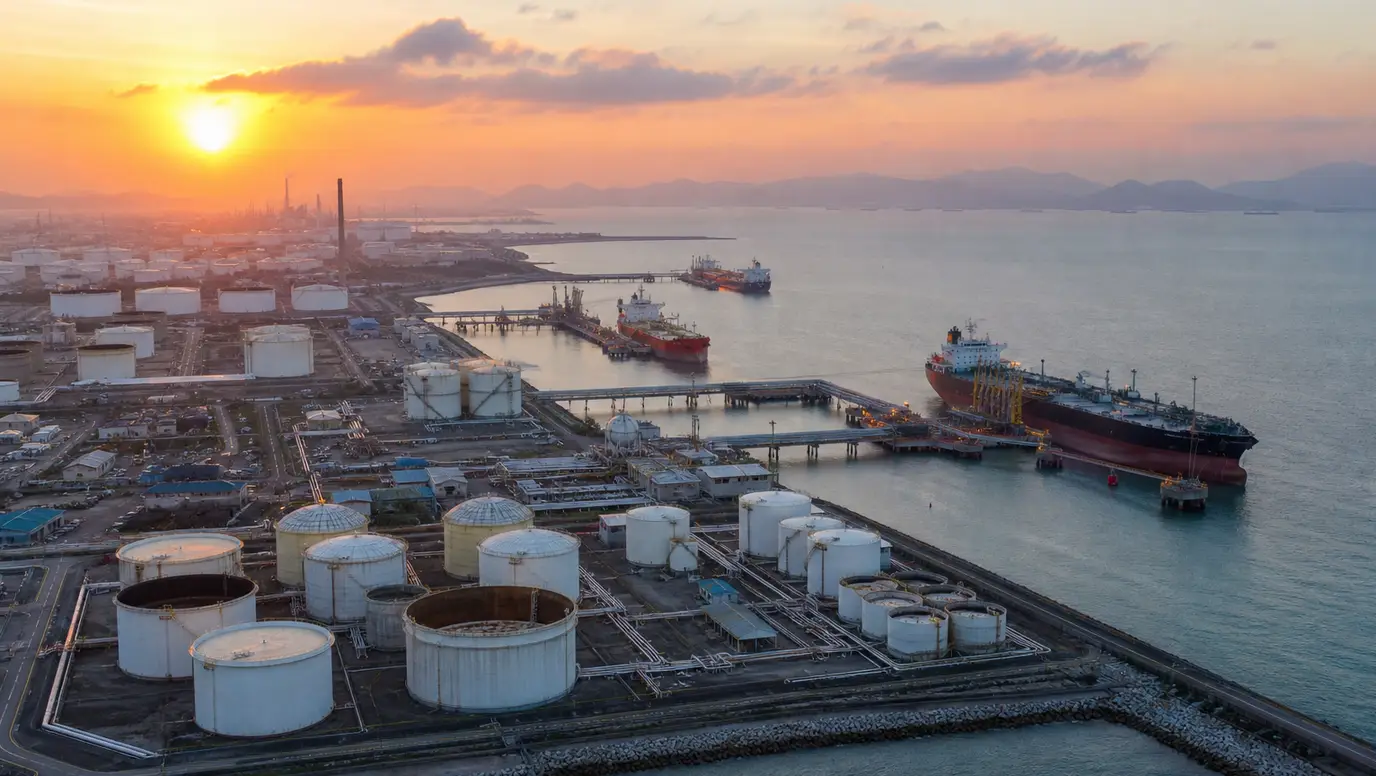
JULY 4, 2026
Brent Holds Near $72 as OPEC+ August Supply Decision Tests Oil Market Floor
JULY 3, 2026
WTI Holds Near $68 as U.S. Stock Draws Challenge Oil Glut Narrative
JULY 2, 2026
Brent Slides Toward $70 as Iran Risk Premium Fades in Thin Holiday Trade
JULY 1, 2026
OPEC+ Supply Signal Caps Crude Oil Rebound as U.S. Stock Draws Support Prices
JUNE 30, 2026
Natural Gas Rally Outruns Softer Oil as Heat and LNG Demand Split Energy Market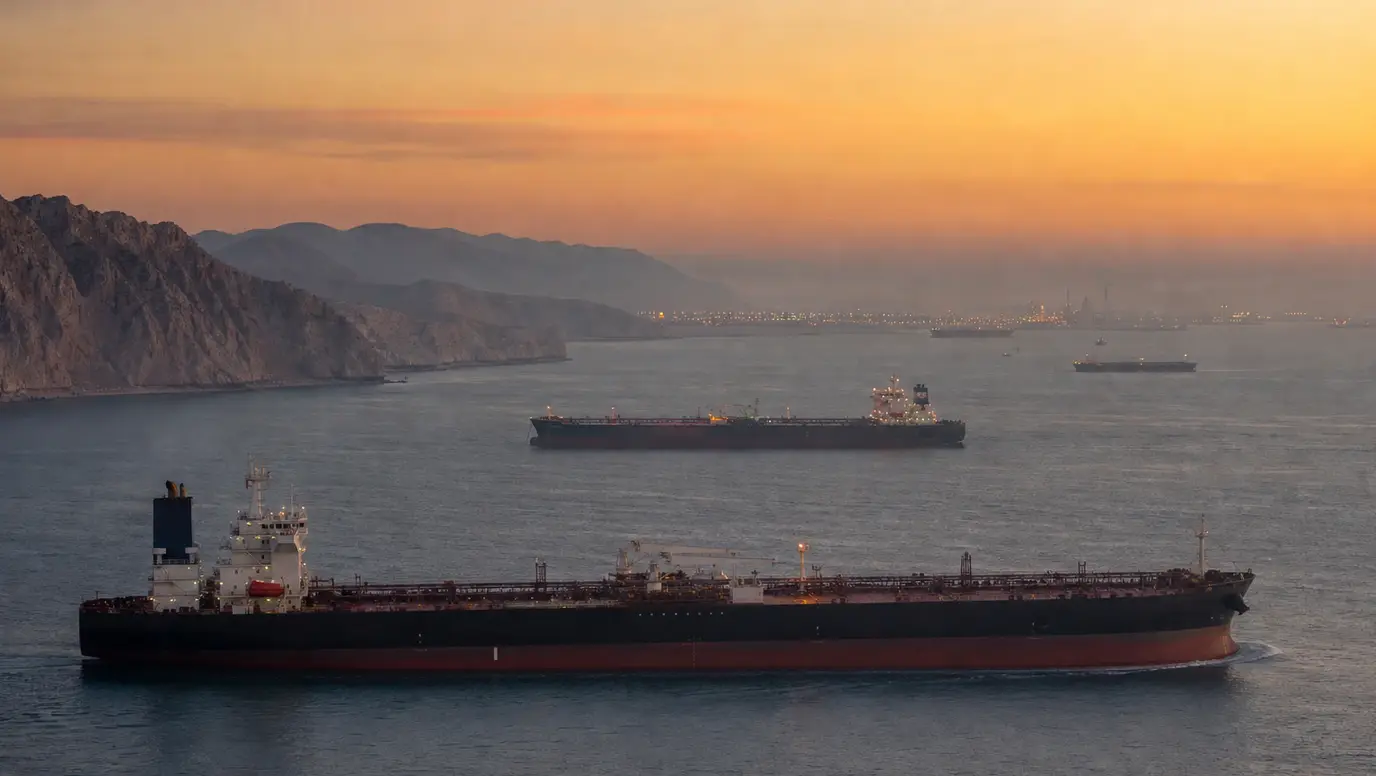
JUNE 29, 2026
Brent Holds Above $72 as Traders Test Fragile Hormuz Reopening