OCTOBER 8, 2026
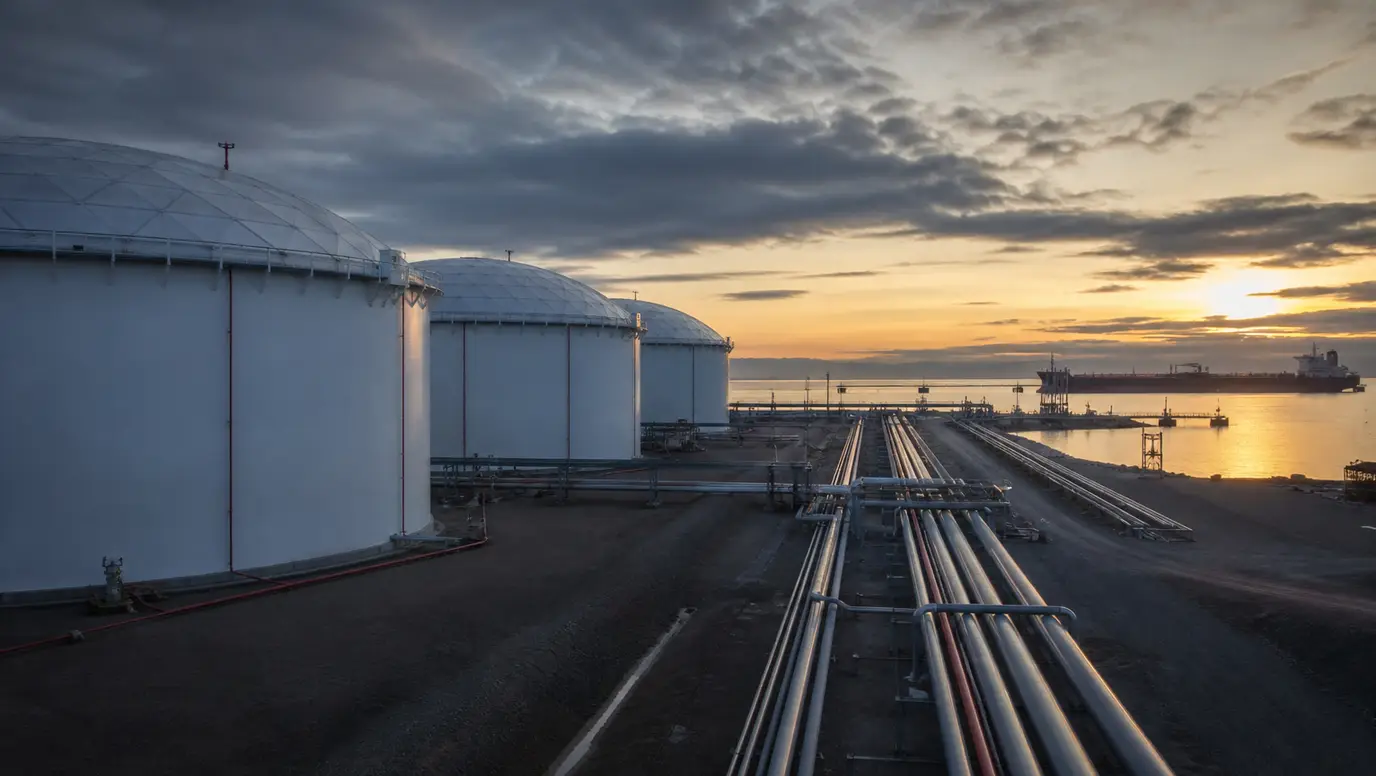
WTI Crude Oil Jumps as Inventory Draw Meets Hormuz Shipping RiskWTI crude oil rallies as U.S. stock draws and Gulf shipping risk outweigh emergency supply-release efforts.

© 1box.site 2026

SEPTEMBER 14, 2026
WTI oil extended its rally on Monday as traders added a larger geopolitical risk premium to energy contracts after fresh maritime and infrastructure threats in the Middle East. The move kept the U.S. benchmark near the psychologically important $100-a-barrel area and reinforced the view that the market is no longer trading only on demand forecasts, inventories, or central bank expectations.
The latest advance followed reports of renewed attacks affecting shipping routes and regional energy infrastructure, deepening concern that physical flows could face delays even if outright supply losses remain limited. Brent also stayed elevated above $100, leaving global refiners and fuel distributors exposed to a higher input-cost environment at the start of the week.
For energy traders, the key shift is not simply the price level but the durability of the premium. Earlier rallies were often faded when supply continued to reach buyers, but repeated security incidents around a major transit corridor are forcing desks to reassess freight costs, insurance assumptions, and the probability of sudden disruption.
The Strait of Hormuz remains one of the most sensitive chokepoints in the global energy system because a large volume of seaborne crude, refined products, and liquefied natural gas moves through the corridor. Even partial disruption fears can affect futures pricing quickly, as buyers compete for alternative cargoes and sellers demand compensation for elevated delivery risk.
Monday’s price action suggests traders are treating the region as an active volatility source rather than a background headline risk. That distinction matters for WTI because the U.S. contract is highly liquid and often becomes the preferred instrument for expressing rapid shifts in global oil sentiment, even when the immediate event occurs outside North America.
The rally also complicates the inflation outlook. Higher crude prices can filter into gasoline, diesel, jet fuel, and petrochemical feedstock costs, making energy a renewed macro variable for equity, bond, and currency markets. If oil holds near triple digits, investors may become more cautious about assuming that disinflation will remain smooth through the final quarter of the year.
The bullish impulse is arriving despite lingering concerns about demand sensitivity at higher prices. Costlier fuel can weigh on transport activity, consumer spending, and industrial margins, especially if central banks maintain restrictive policy settings. That creates a two-sided market in which supply-risk buyers are competing with macro sellers looking for signs of demand destruction.
Near term, traders are likely to watch shipping advisories, refinery runs, strategic stockpile commentary, and producer-country signals for confirmation of whether the latest premium is justified. Any indication that cargoes are being diverted, delayed, or repriced could keep WTI supported. Conversely, evidence that flows remain stable may invite profit-taking after the sharp move.
Technical positioning may amplify both outcomes. A sustained hold above recent breakout levels would encourage momentum accounts to stay long, while a failure to defend the $100 area could trigger a quick reassessment of the risk premium. For now, the energy market’s bias remains skewed toward volatility, with geopolitical headlines setting the tone more than routine inventory data.
The central question for the week is whether the rally becomes a broader fuel-cost shock or remains a headline-driven repricing in crude futures. Refining margins, distillate availability, and gasoline cracks will show whether higher oil is transmitting into downstream markets or being absorbed mainly by paper trading and freight adjustments.
Until the security picture improves, WTI is likely to trade with an elevated disruption premium. That does not guarantee a straight move higher, but it does mean dips may attract buyers faster than usual as long as the market sees Hormuz risk as unresolved. For investors, the focus is shifting from whether oil can reach triple digits to how long the energy market can tolerate prices there without damaging demand.
OCTOBER 8, 2026
WTI Crude Oil Jumps as Inventory Draw Meets Hormuz Shipping Risk
SEPTEMBER 30, 2026
WTI Crude Oil Futures Steady as Iran Sanctions Risk Meets Tight Fuel Market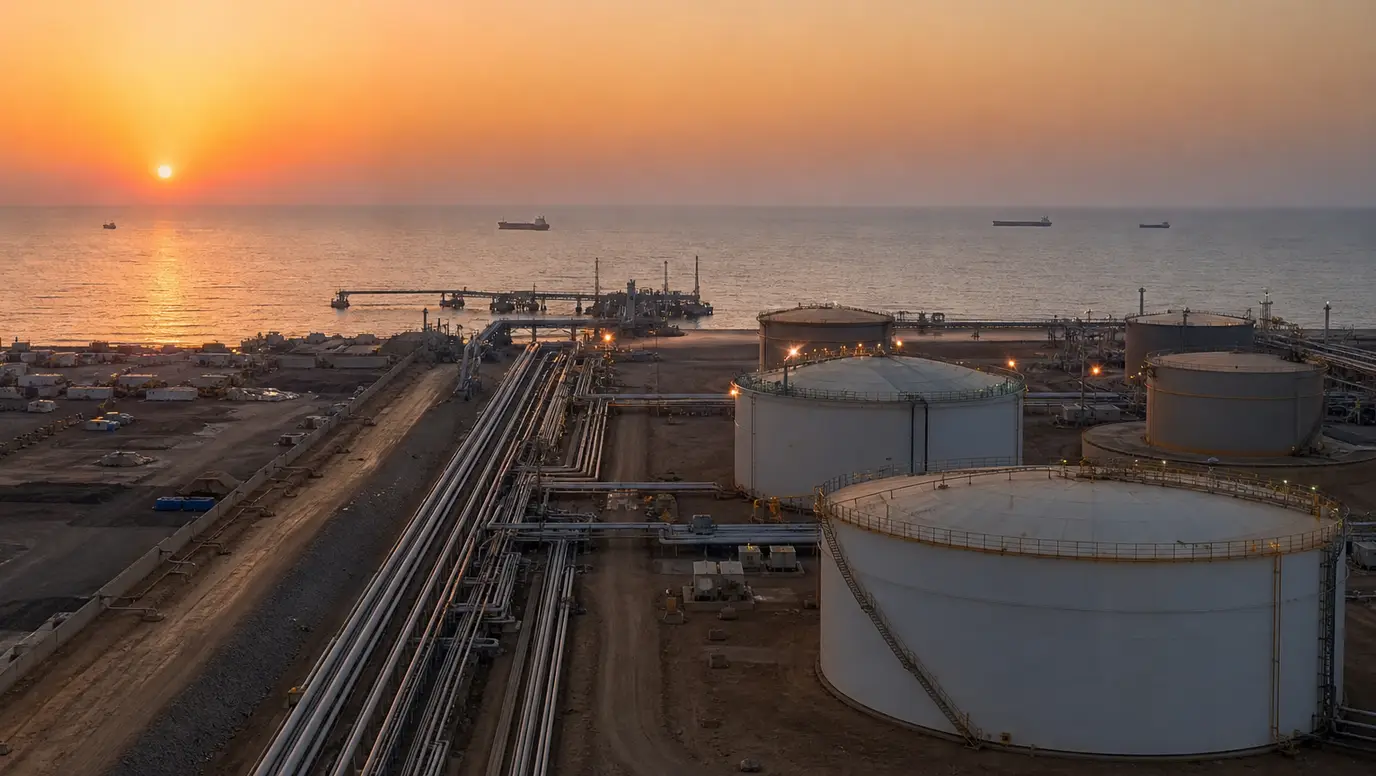
SEPTEMBER 23, 2026
WTI Crude Oil Futures Hold Near Two-Week Low as Gulf Supply Return Tests Fuel Market
SEPTEMBER 7, 2026
WTI Crude Oil Futures Hold Near Six-Week High as Hormuz Risk Tightens Energy Market
AUGUST 30, 2026
WTI Crude Oil Slips as Hormuz Supply Relief Tests Energy Market Risk Premium
AUGUST 18, 2026
Brent Crude and WTI Oil Rise as Strait of Hormuz Risk Revives Energy Inflation Worries
AUGUST 10, 2026
Strait of Hormuz Delay Lifts Energy Market as Crude Oil Flow Risk Returns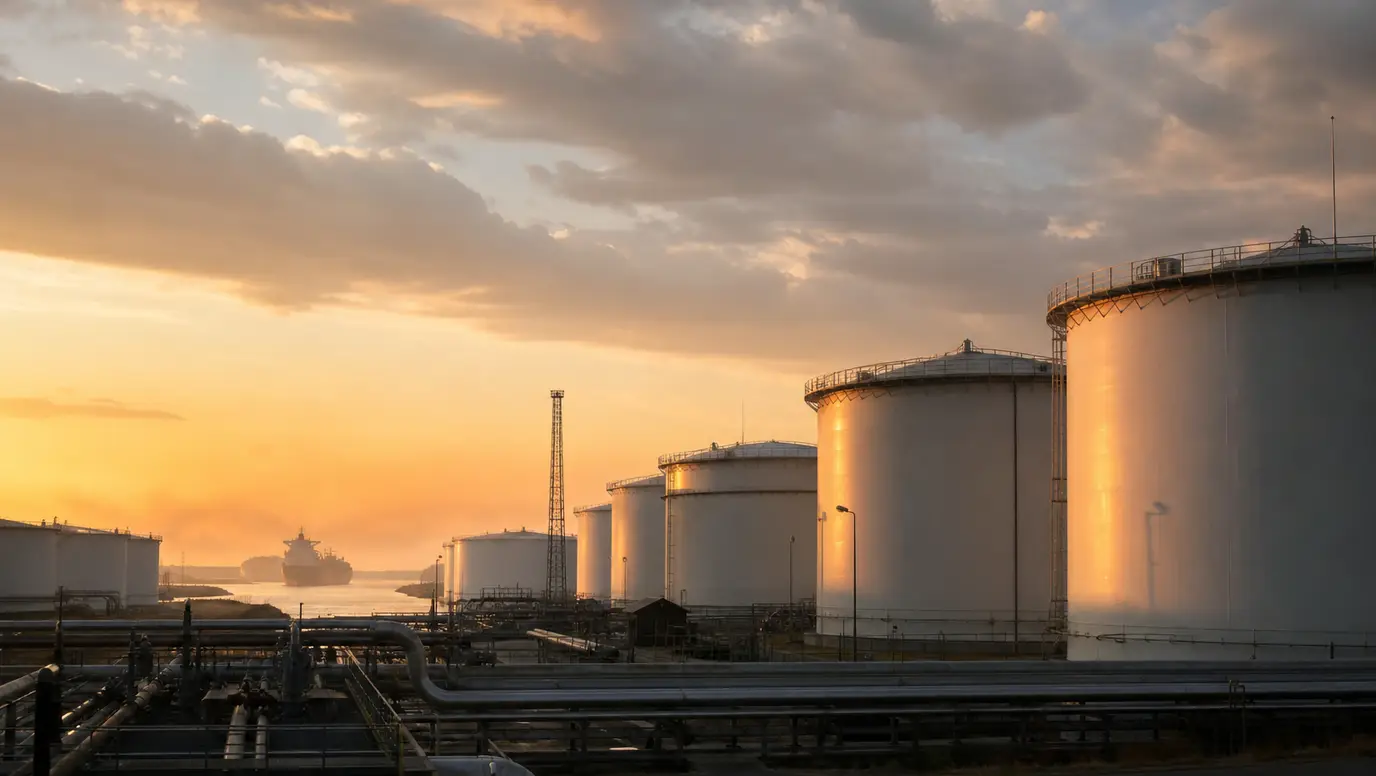
AUGUST 2, 2026
WTI Crude Oil Faces OPEC+ Output Test as Strait of Hormuz Risk Meets Stock Draw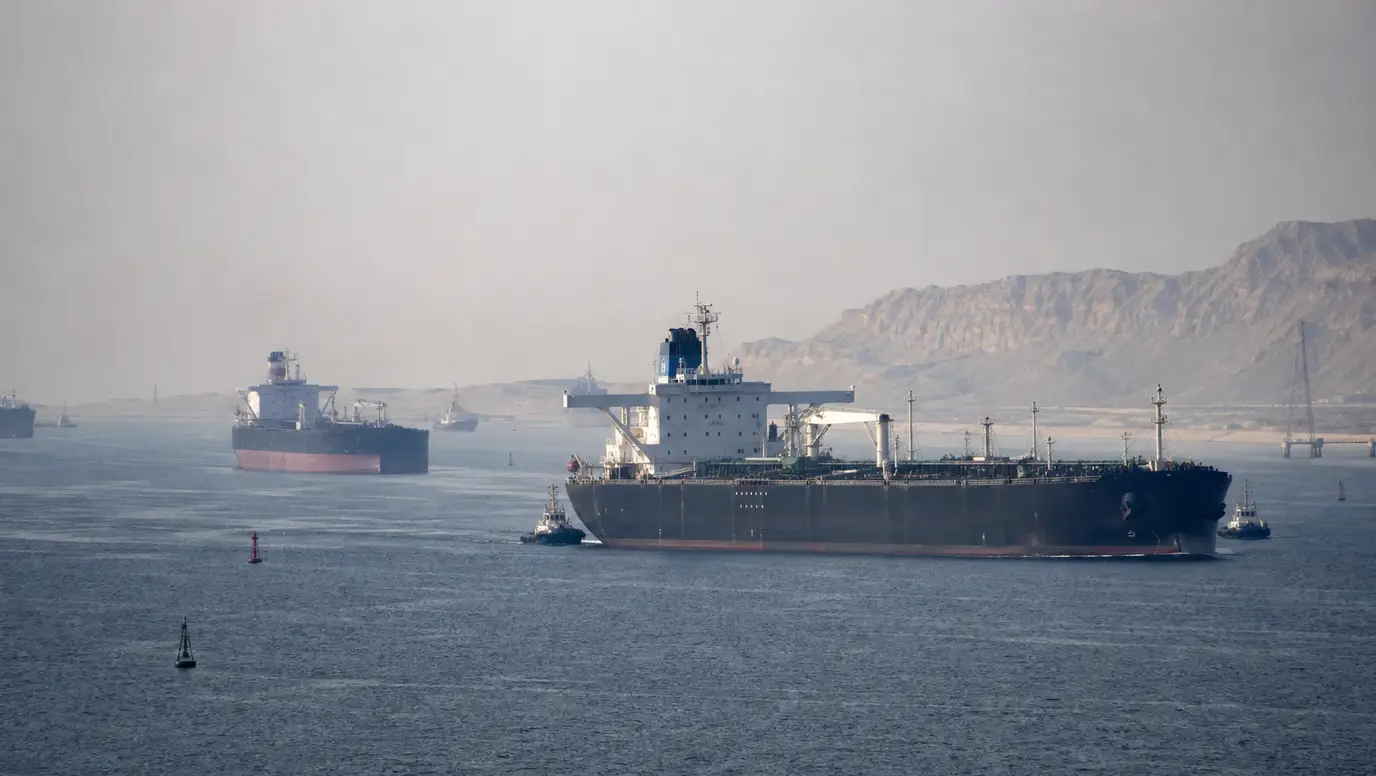
JULY 28, 2026
Strait of Hormuz Flows Keep WTI Crude on Alert as Oil Retreats
JULY 20, 2026
Brent Crude Tops $90 as WTI Crude and Oil Prices React to Hormuz Shipment Risk
JULY 19, 2026
Brent Crude and WTI Crude Rally as Traders Test OPEC+ Supply Cushion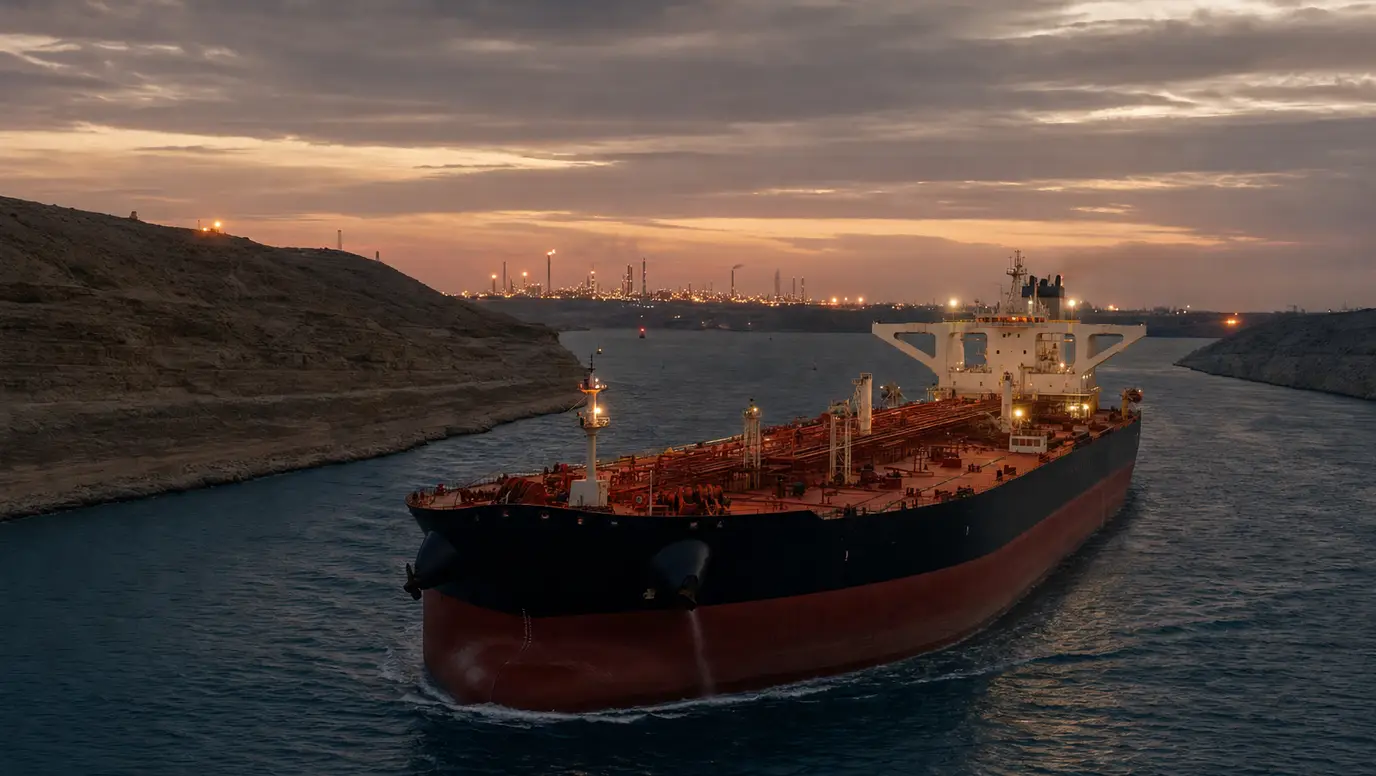
JULY 18, 2026
Brent Crude and WTI Crude Prices Near Weekend Gap Risk as Energy Market Reprices Supply Threat
JULY 17, 2026
Brent Crude and WTI Crude Hold Weekly Gains as Red Sea Threat Offsets US Dollar Rebound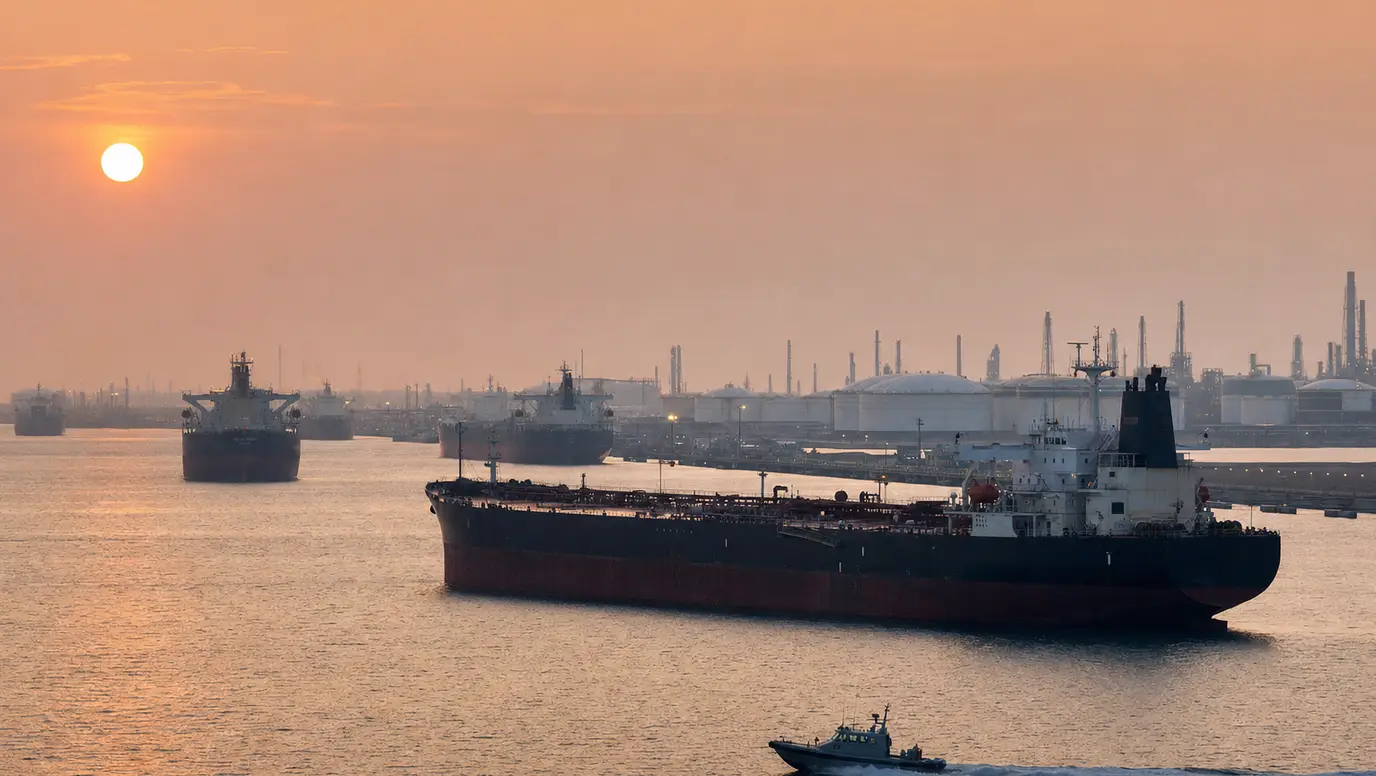
JULY 15, 2026
Brent Crude and WTI Crude Rise as Iran Port Blockade Puts Stockpile Cushion in Focus
JULY 14, 2026
Oil Market Shifts to Bypass Routes as Hormuz Risk Keeps Brent Premium Elevated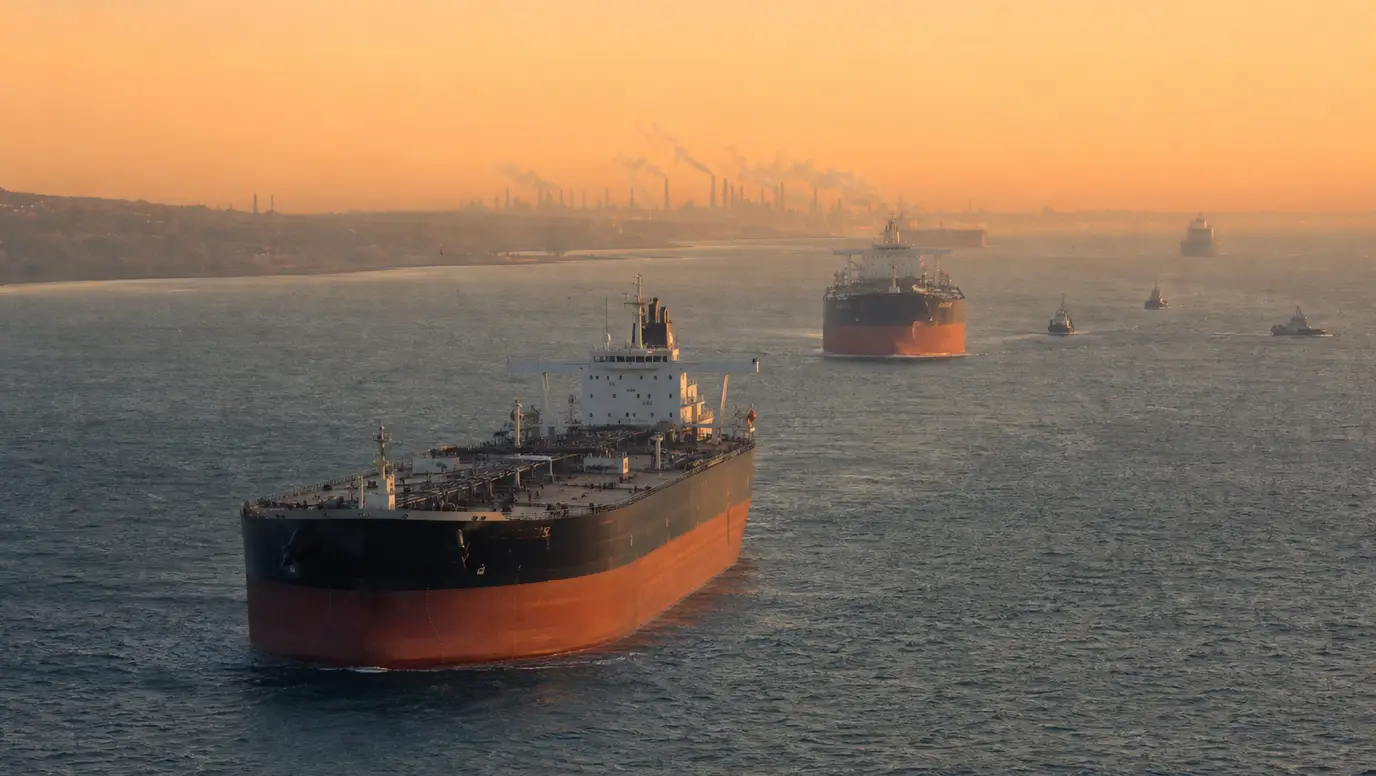
JULY 13, 2026
Brent Crude Jumps as Hormuz Escalation Reprices Energy Market Risk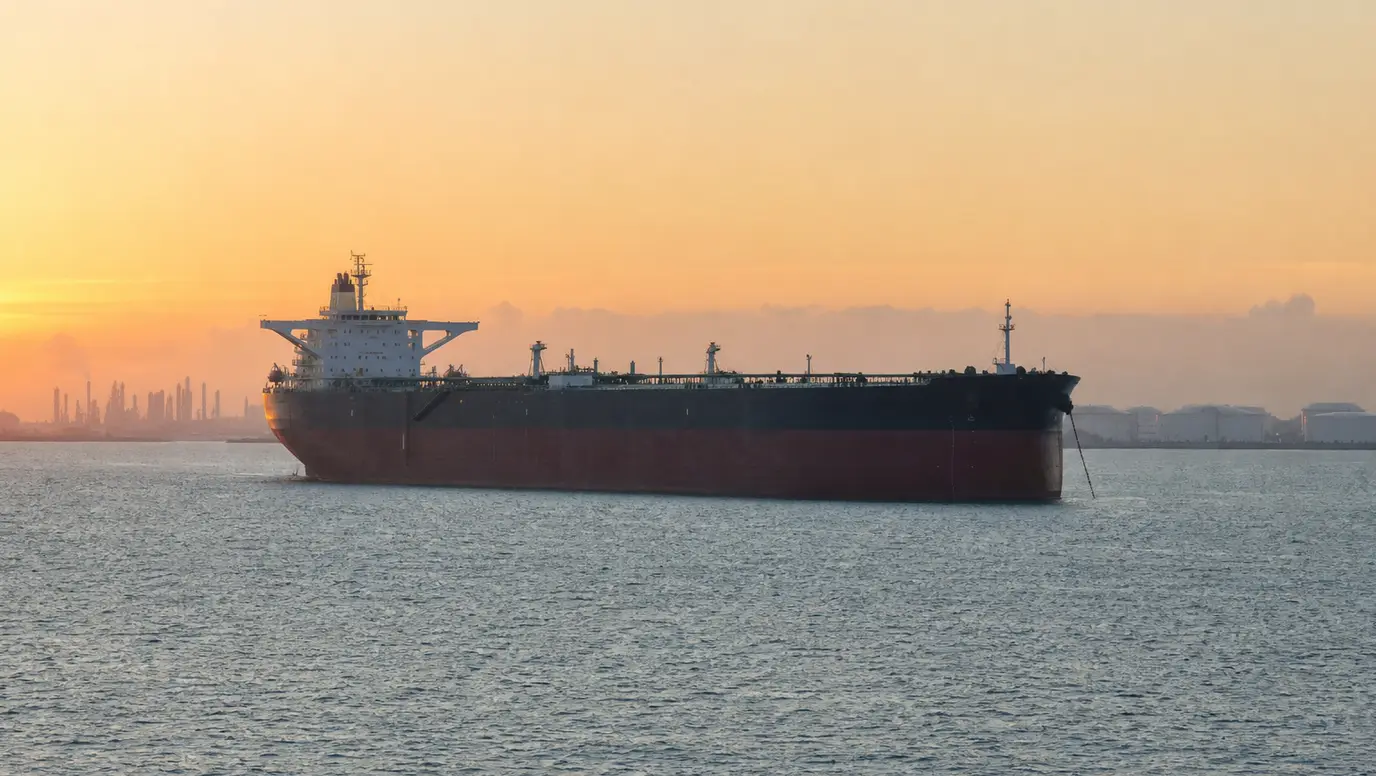
JULY 12, 2026
Crude Oil Faces China Demand Test as Floating Iranian Supply Builds
JULY 11, 2026
Energy Market Watches Tanker Risk as Crude Oil Rally Meets Demand Doubts
JULY 10, 2026
Crude Oil Turns to Glut Risk as OPEC+ Adds August Supply
JULY 9, 2026
Brent Nears $79 as Renewed Gulf Risk Rebuilds Crude Oil Premium
JULY 8, 2026
Crude Oil Faces Mixed Signal as U.S. Stock Build Collides With Fuel Draws
JULY 6, 2026
Crude Oil Slips as Hormuz Flows Normalize and Inventory Test Moves Into View
JULY 5, 2026
OPEC+ Output Hike Turns Energy Market Focus to Real Barrels as Brent Holds Near $72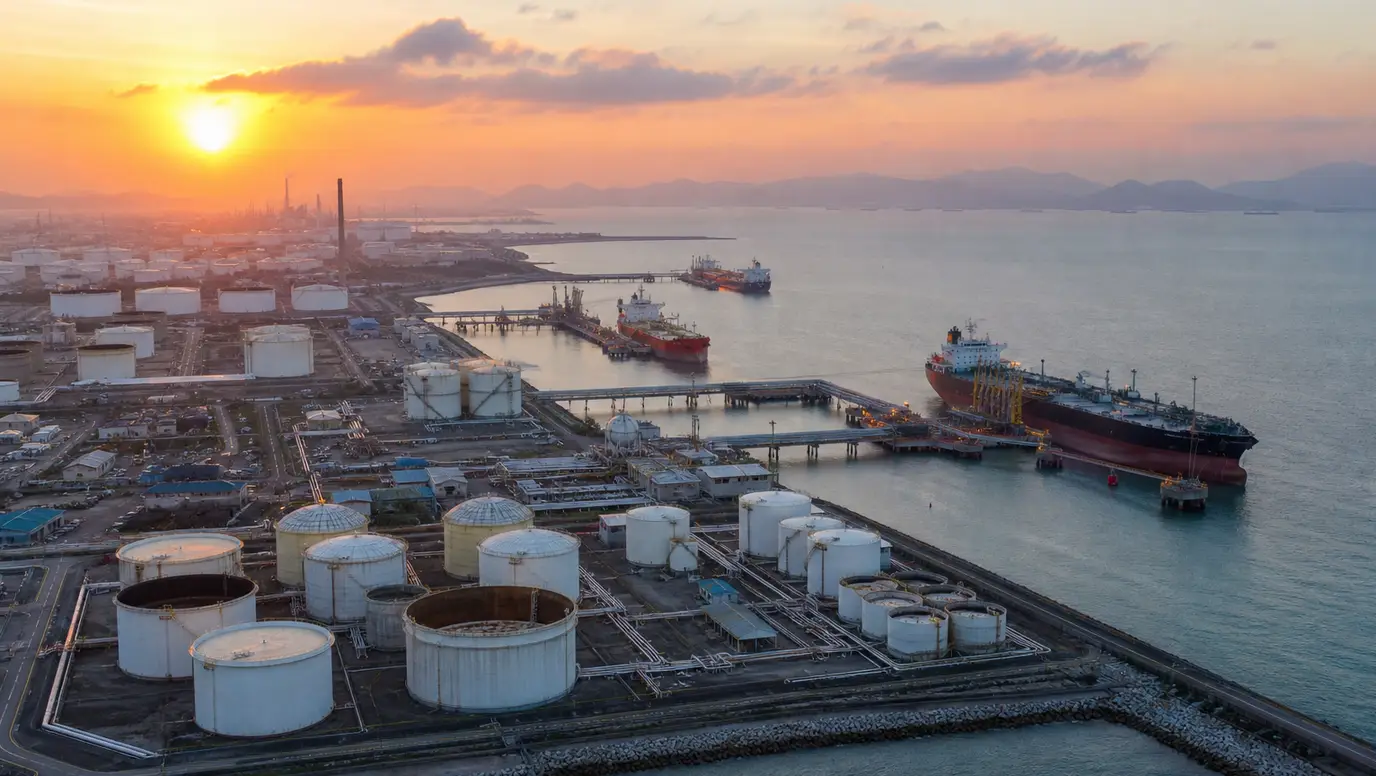
JULY 4, 2026
Brent Holds Near $72 as OPEC+ August Supply Decision Tests Oil Market Floor
JULY 3, 2026
WTI Holds Near $68 as U.S. Stock Draws Challenge Oil Glut Narrative
JULY 2, 2026
Brent Slides Toward $70 as Iran Risk Premium Fades in Thin Holiday Trade
JULY 1, 2026
OPEC+ Supply Signal Caps Crude Oil Rebound as U.S. Stock Draws Support Prices
JUNE 30, 2026
Natural Gas Rally Outruns Softer Oil as Heat and LNG Demand Split Energy Market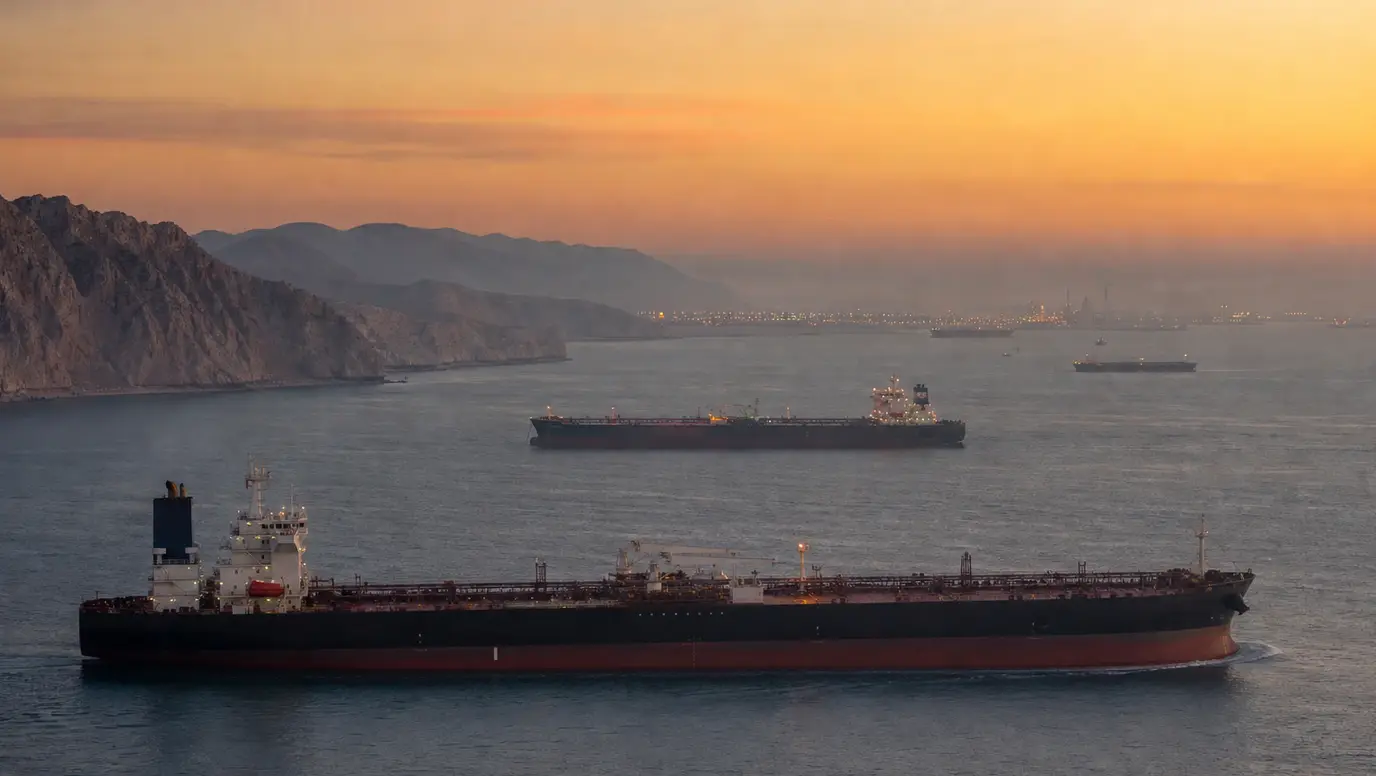
JUNE 29, 2026
Brent Holds Above $72 as Traders Test Fragile Hormuz Reopening
JUNE 28, 2026
WTI Bulls Face Inventory Split as Brent Loses War Premium Before Quarter-End