
SEPTEMBER 30, 2026
WTI Crude Oil Futures Steady as Iran Sanctions Risk Meets Tight Fuel MarketWTI crude oil steadies as Iran sanctions risk and tight fuel supply offset recovering Middle East exports before U.S. inventory data.

© 1box.site 2026
OCTOBER 8, 2026
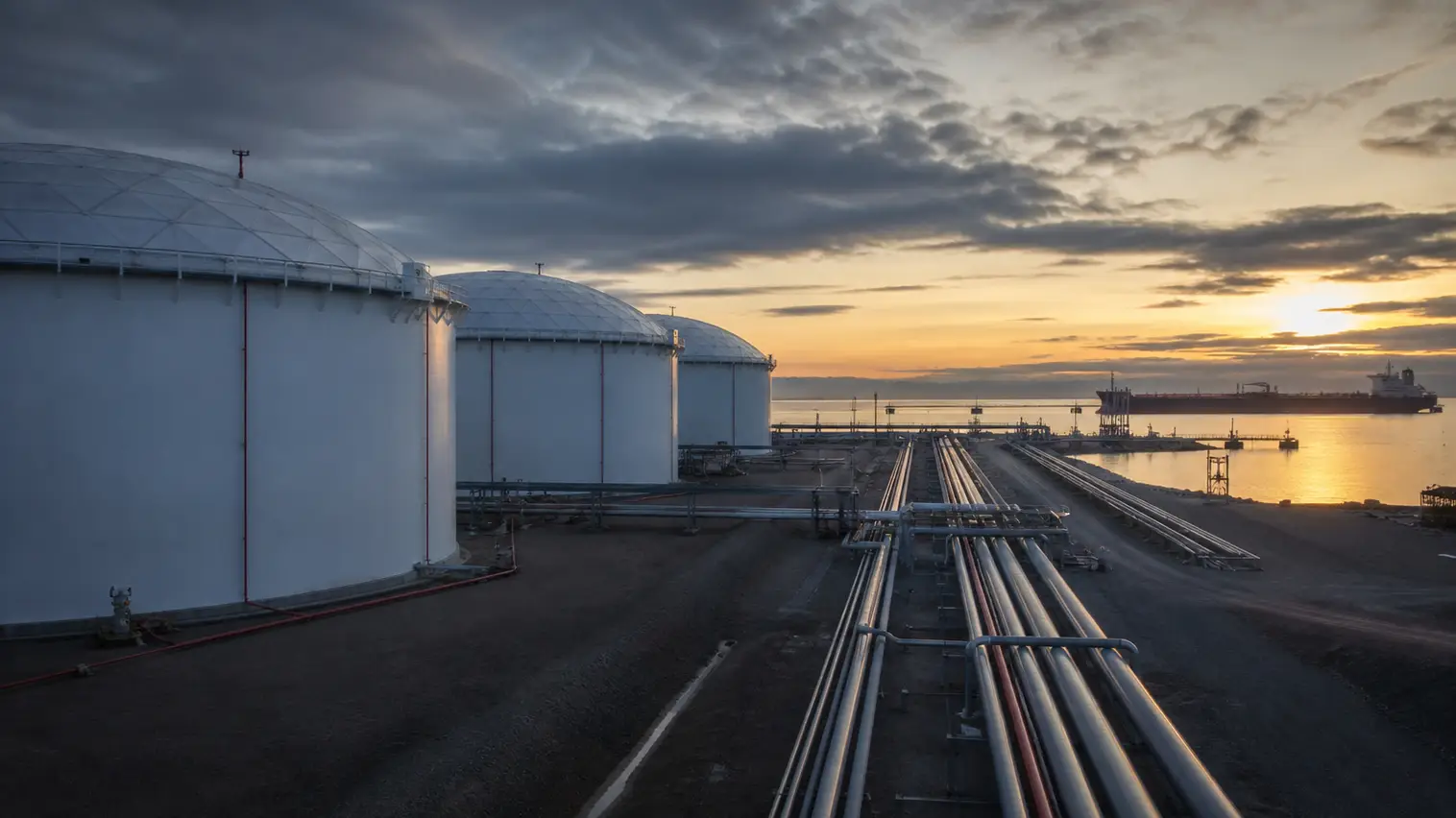
WTI crude oil moved sharply higher on Thursday as traders priced a tighter near-term supply balance, with fresh U.S. inventory data and renewed Middle East shipping risk overpowering attempts to calm the market through strategic stock releases.
The U.S. benchmark traded near the $90 a barrel area after a volatile session, while international crude remained above $100. The move kept energy markets focused on physical supply risk rather than the broader macro headwinds from a firm dollar and elevated bond yields.
Fresh weekly U.S. petroleum figures pointed to a larger-than-expected draw in commercial crude inventories, reinforcing the view that refiners and exporters are still competing for available barrels despite high prices. The decline left stocks only modestly above normal seasonal levels, limiting the market’s tolerance for additional disruptions.
For WTI crude oil, the inventory signal matters because it arrives at a time when Cushing-linked pricing is already sensitive to pipeline flows, refinery run rates and export demand. A draw in crude stocks can quickly shift sentiment if traders believe replacement barrels will be more expensive or slower to source.
The latest rally also shows that emergency supply measures are not being treated as a full substitute for secure flows. Government-held barrels can soften price spikes, but they do not remove the premium attached to disrupted shipping lanes, higher tanker insurance costs or delayed cargo schedules.
The key support for crude remains the risk around Gulf shipping routes. Reports of elevated tanker security incidents near major transit lanes have revived concern that even partial interruptions could tighten global crude and refined product availability during a period of already elevated fuel costs.
Traders are particularly focused on the Strait of Hormuz and nearby routes because they connect Gulf producers with major consuming regions in Asia and Europe. Any sustained disruption there can affect not only crude oil but also diesel, jet fuel and liquefied natural gas, making the risk premium broader than a single benchmark move.
At the same time, producers and importing governments are trying to prevent a disorderly price spike. Additional exports from some regions and coordinated releases from strategic reserves may cap extreme upside, but the market appears unwilling to price in a lasting supply relief until shipping conditions stabilize.
The immediate WTI crude oil outlook depends on whether the latest rally attracts producer hedging, demand restraint or another round of official action. If inventories continue to fall while shipping risk remains elevated, dips may be bought quickly by traders seeking protection against a supply shock.
However, the upside is not without limits. High crude prices can pressure refinery margins, weigh on fuel consumption and revive inflation concerns, especially if gasoline and diesel prices follow the crude rally. A stronger U.S. dollar would also make oil more expensive for non-dollar buyers, potentially slowing demand at the margin.
For now, the energy market is treating WTI as a risk barometer. A sustained move above the recent range would suggest traders are demanding a larger geopolitical premium, while a retreat would likely require clearer evidence of safer Gulf flows, steadier inventories and credible replacement supply.
SEPTEMBER 30, 2026
WTI Crude Oil Futures Steady as Iran Sanctions Risk Meets Tight Fuel Market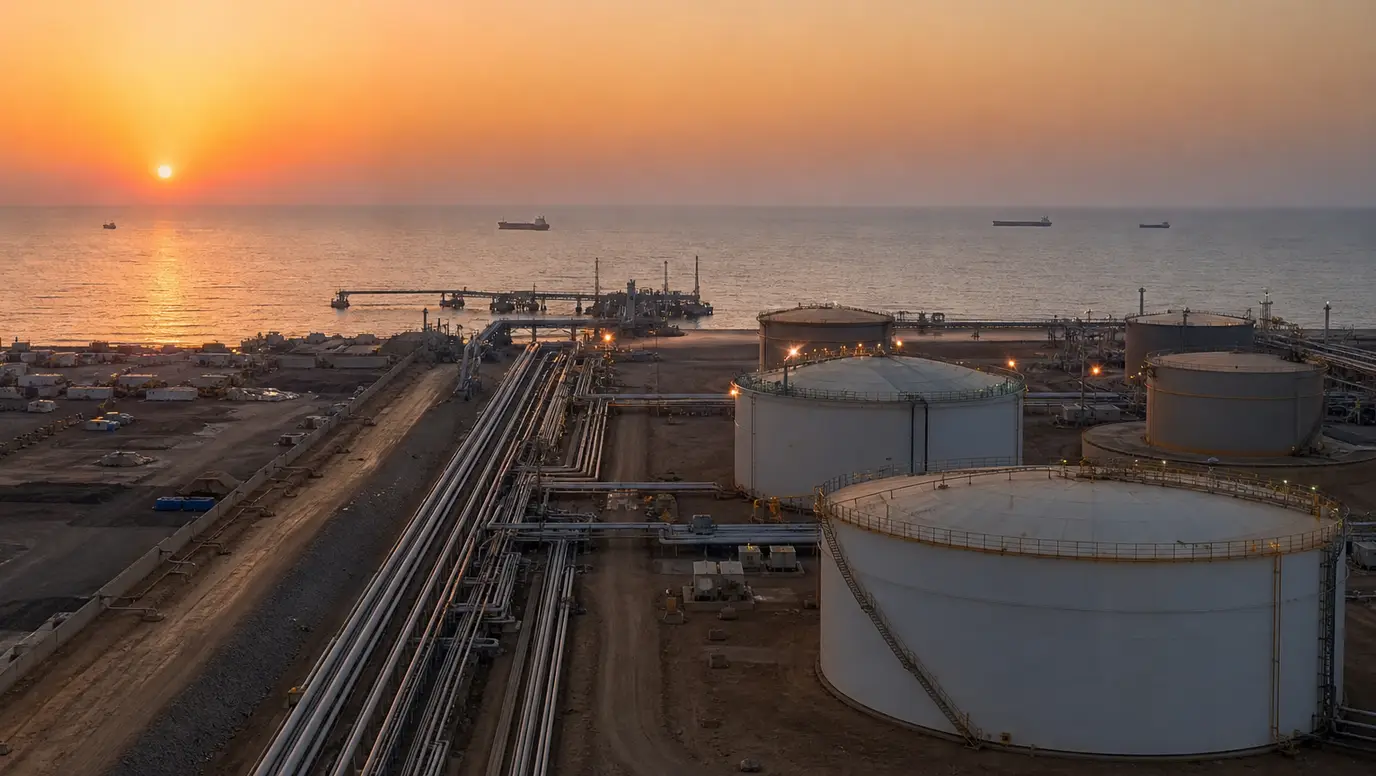
SEPTEMBER 23, 2026
WTI Crude Oil Futures Hold Near Two-Week Low as Gulf Supply Return Tests Fuel Market
SEPTEMBER 14, 2026
WTI Oil Rally Extends as Strait of Hormuz Risk Reprices Energy Market
SEPTEMBER 7, 2026
WTI Crude Oil Futures Hold Near Six-Week High as Hormuz Risk Tightens Energy Market
AUGUST 30, 2026
WTI Crude Oil Slips as Hormuz Supply Relief Tests Energy Market Risk Premium
AUGUST 18, 2026
Brent Crude and WTI Oil Rise as Strait of Hormuz Risk Revives Energy Inflation Worries
AUGUST 10, 2026
Strait of Hormuz Delay Lifts Energy Market as Crude Oil Flow Risk Returns
AUGUST 2, 2026
WTI Crude Oil Faces OPEC+ Output Test as Strait of Hormuz Risk Meets Stock Draw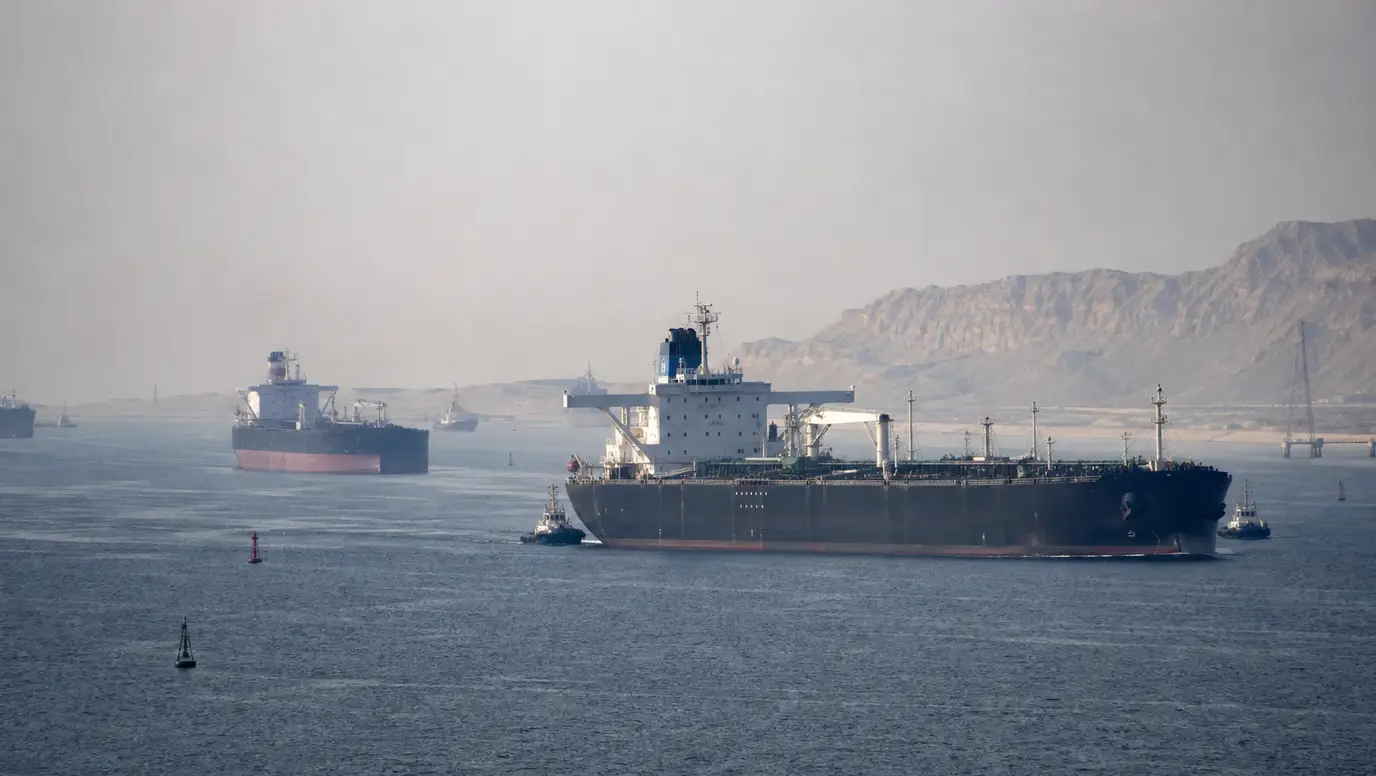
JULY 28, 2026
Strait of Hormuz Flows Keep WTI Crude on Alert as Oil Retreats
JULY 20, 2026
Brent Crude Tops $90 as WTI Crude and Oil Prices React to Hormuz Shipment Risk
JULY 19, 2026
Brent Crude and WTI Crude Rally as Traders Test OPEC+ Supply Cushion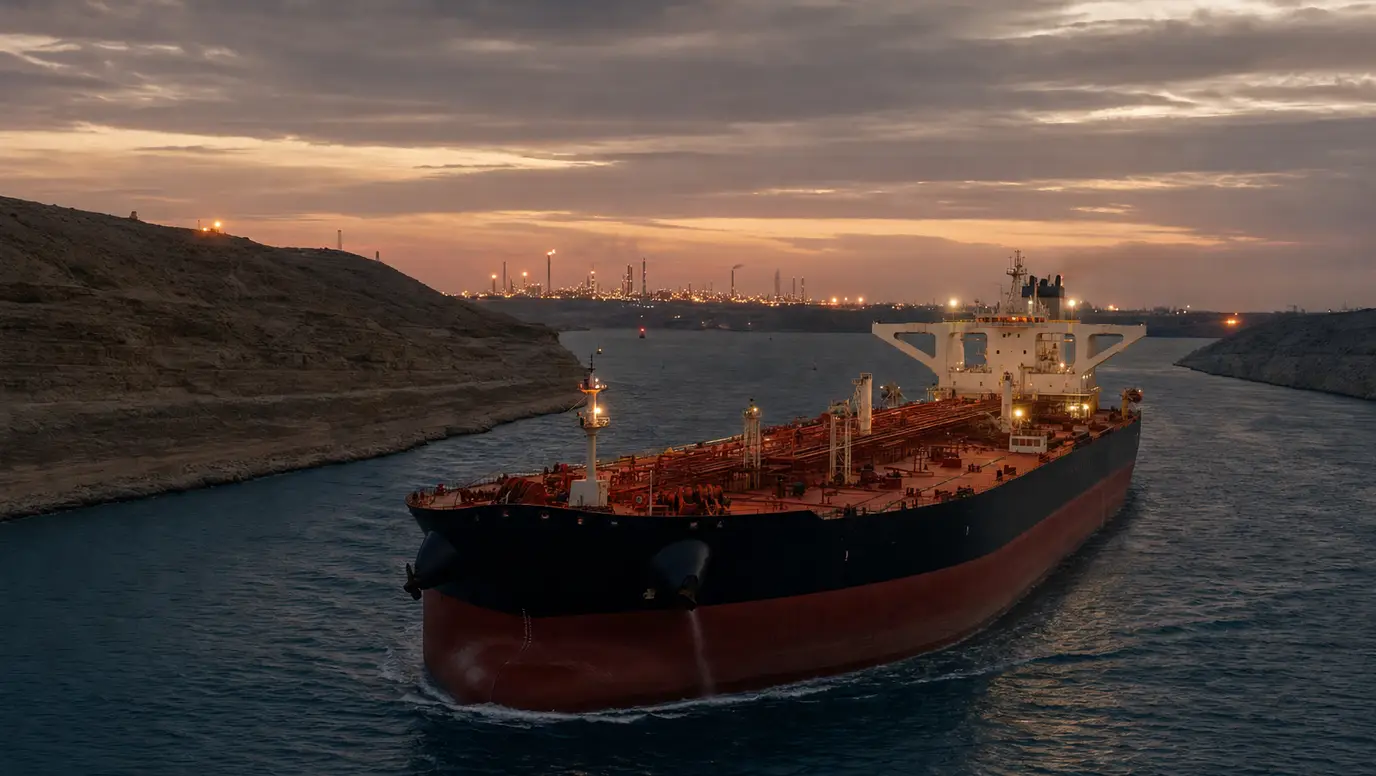
JULY 18, 2026
Brent Crude and WTI Crude Prices Near Weekend Gap Risk as Energy Market Reprices Supply Threat
JULY 17, 2026
Brent Crude and WTI Crude Hold Weekly Gains as Red Sea Threat Offsets US Dollar Rebound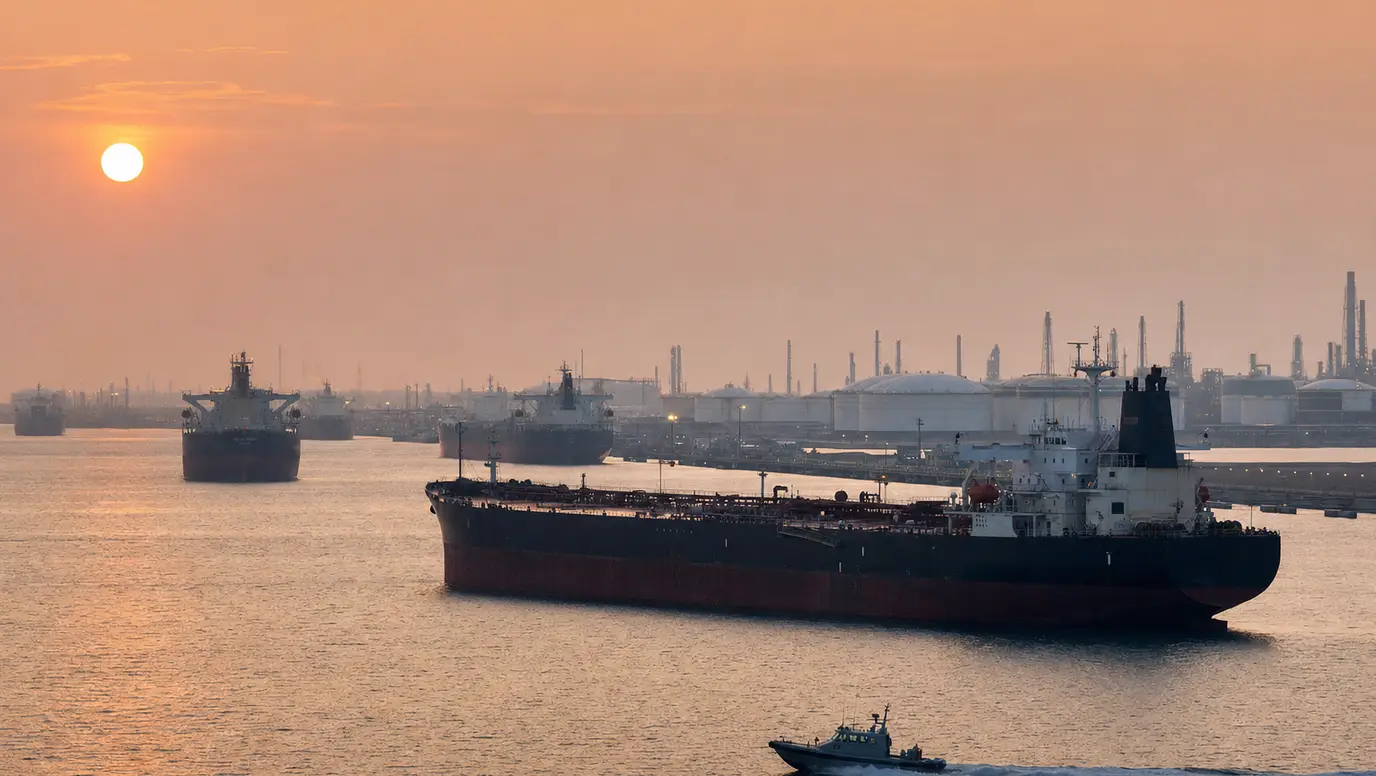
JULY 15, 2026
Brent Crude and WTI Crude Rise as Iran Port Blockade Puts Stockpile Cushion in Focus
JULY 14, 2026
Oil Market Shifts to Bypass Routes as Hormuz Risk Keeps Brent Premium Elevated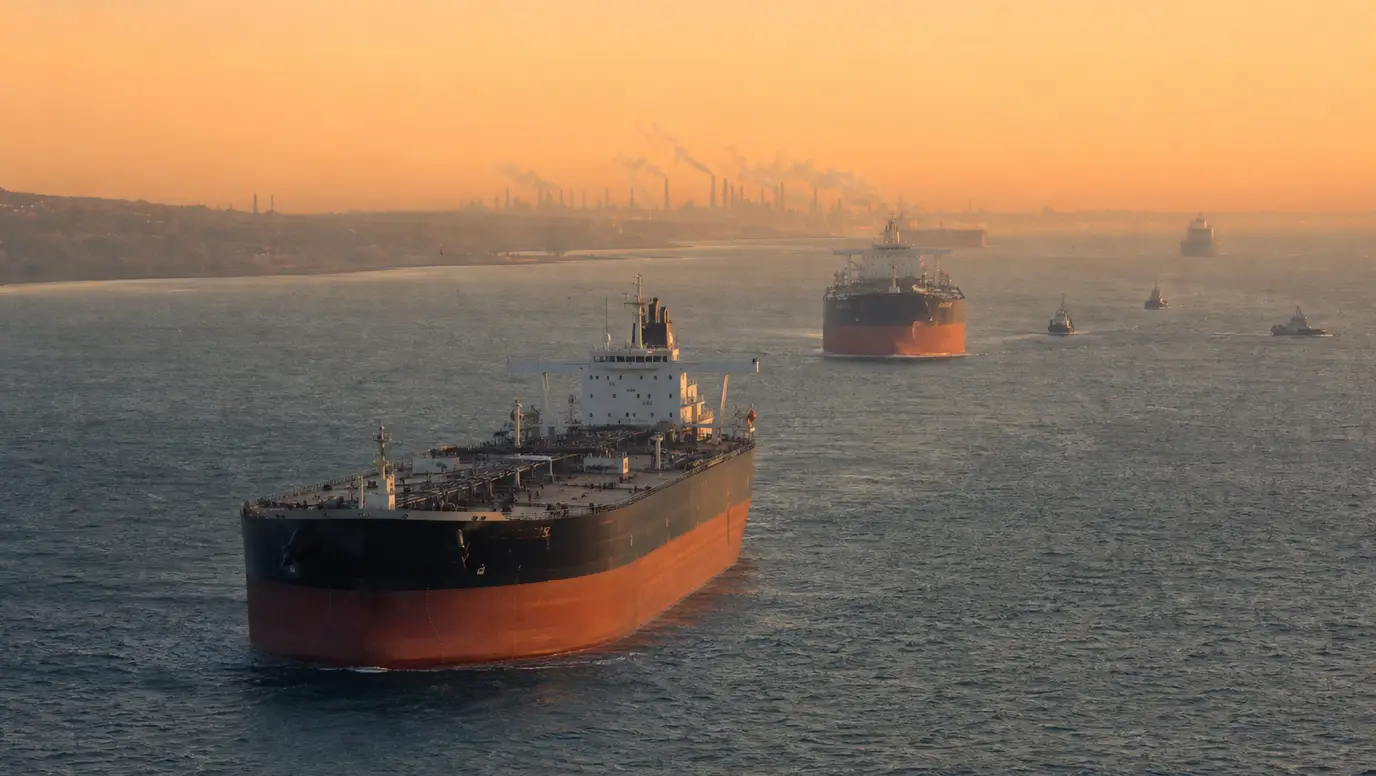
JULY 13, 2026
Brent Crude Jumps as Hormuz Escalation Reprices Energy Market Risk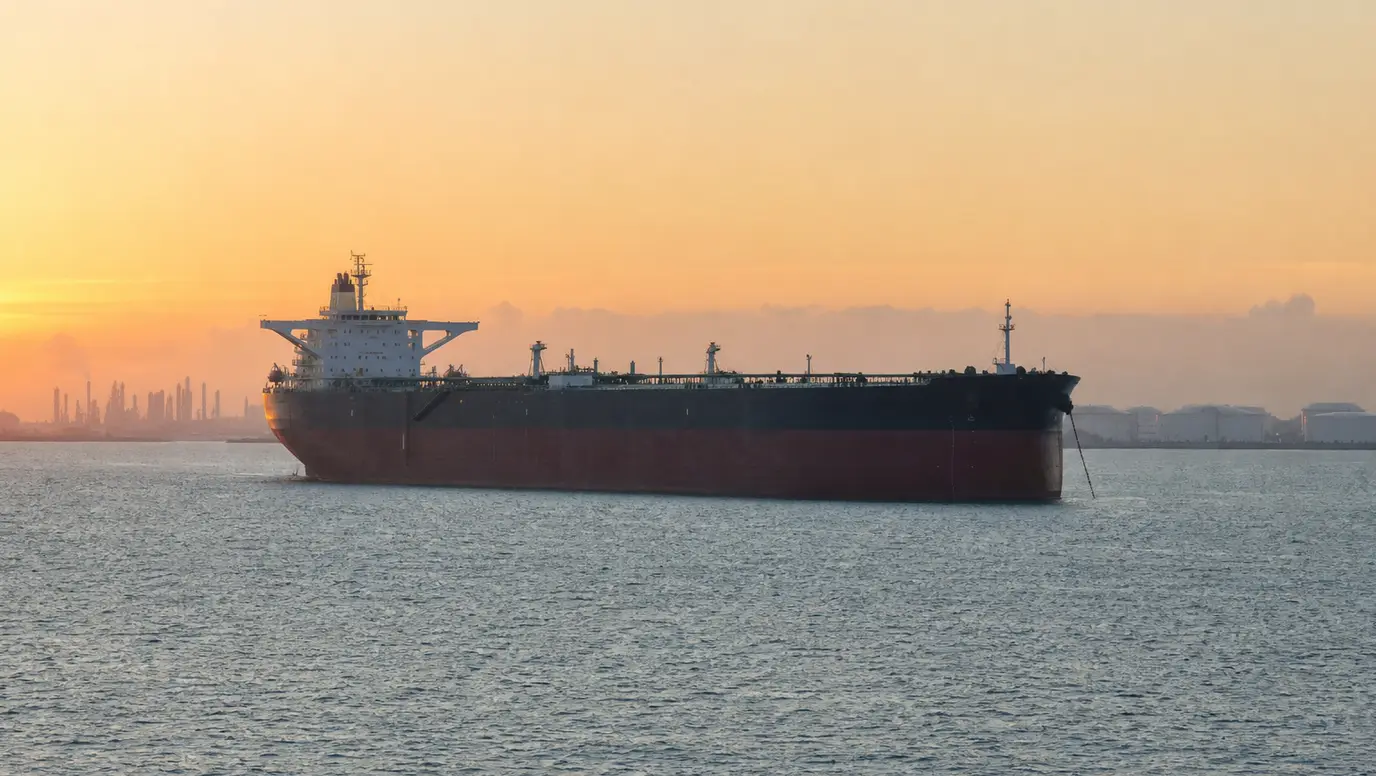
JULY 12, 2026
Crude Oil Faces China Demand Test as Floating Iranian Supply Builds
JULY 11, 2026
Energy Market Watches Tanker Risk as Crude Oil Rally Meets Demand Doubts
JULY 10, 2026
Crude Oil Turns to Glut Risk as OPEC+ Adds August Supply
JULY 9, 2026
Brent Nears $79 as Renewed Gulf Risk Rebuilds Crude Oil Premium
JULY 8, 2026
Crude Oil Faces Mixed Signal as U.S. Stock Build Collides With Fuel Draws
JULY 6, 2026
Crude Oil Slips as Hormuz Flows Normalize and Inventory Test Moves Into View
JULY 5, 2026
OPEC+ Output Hike Turns Energy Market Focus to Real Barrels as Brent Holds Near $72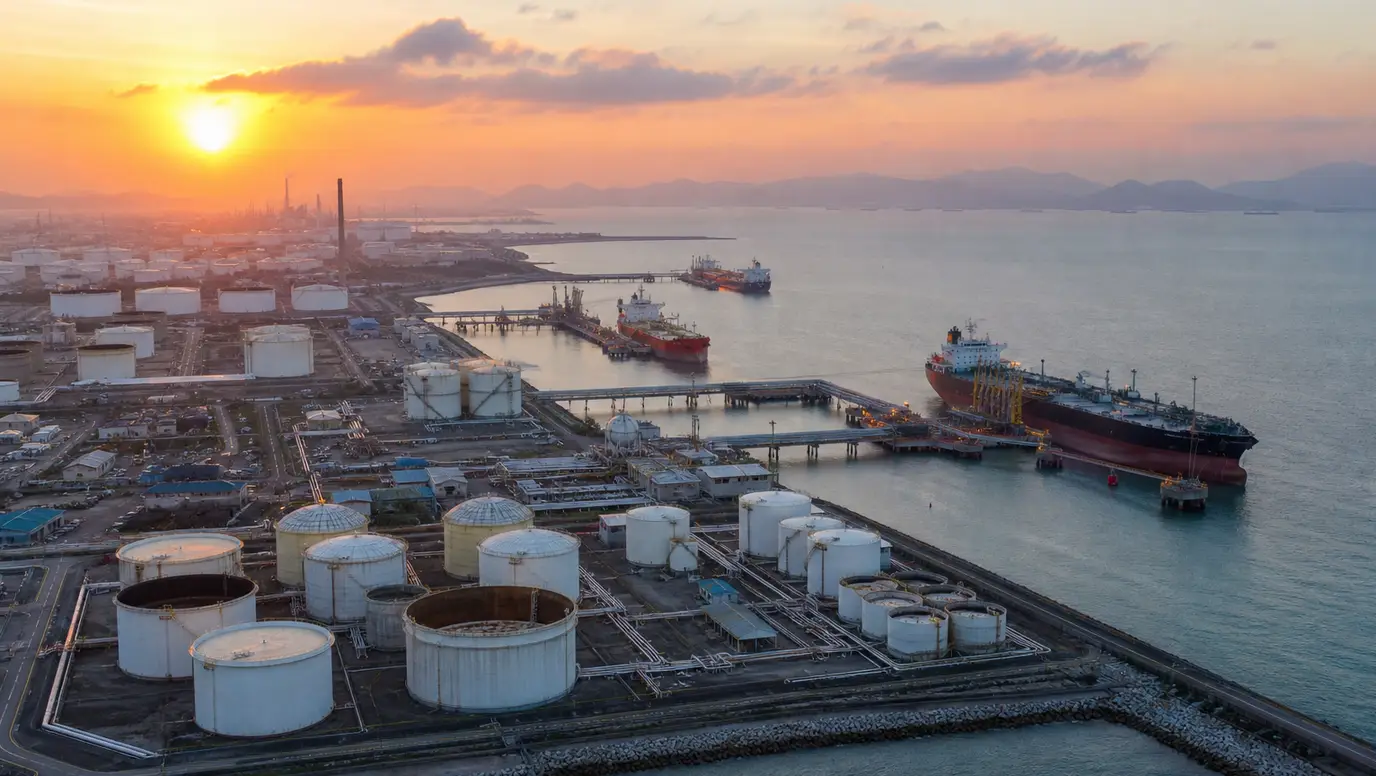
JULY 4, 2026
Brent Holds Near $72 as OPEC+ August Supply Decision Tests Oil Market Floor
JULY 3, 2026
WTI Holds Near $68 as U.S. Stock Draws Challenge Oil Glut Narrative
JULY 2, 2026
Brent Slides Toward $70 as Iran Risk Premium Fades in Thin Holiday Trade
JULY 1, 2026
OPEC+ Supply Signal Caps Crude Oil Rebound as U.S. Stock Draws Support Prices
JUNE 30, 2026
Natural Gas Rally Outruns Softer Oil as Heat and LNG Demand Split Energy Market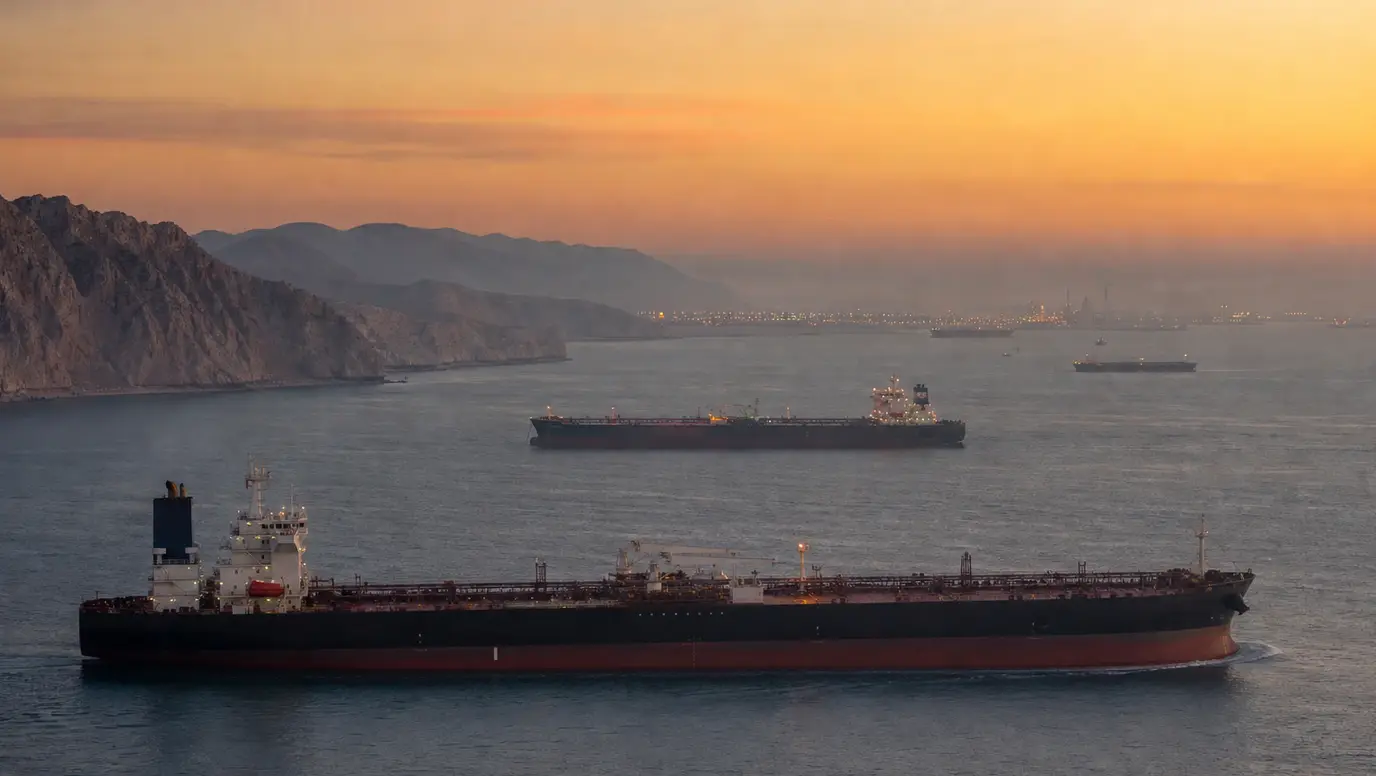
JUNE 29, 2026
Brent Holds Above $72 as Traders Test Fragile Hormuz Reopening
JUNE 28, 2026
WTI Bulls Face Inventory Split as Brent Loses War Premium Before Quarter-End