OCTOBER 8, 2026
WTI Crude Oil Jumps as Inventory Draw Meets Hormuz Shipping RiskWTI crude oil rallies as U.S. stock draws and Gulf shipping risk outweigh emergency supply-release efforts.

© 1box.site 2026

JULY 20, 2026
Brent crude moved back above $90 a barrel on Monday, July 20, as the energy market repriced the risk that Middle East shipping constraints could tighten physical supply just as traders were beginning to look for a calmer second half of the year. WTI crude also advanced, trading above $84 a barrel in early action, as buyers added a fresh geopolitical premium to front-month contracts.
The move marks a sharp shift in tone for oil prices. Only recently, traders had been weighing the possibility that softer demand and eventual supply normalization could cool the rally. Instead, the latest escalation around the Strait of Hormuz has put immediate shipment risk back at the center of the energy market, lifting both Brent crude and WTI crude while raising questions about fuel costs, refinery margins and inflation expectations.
The Strait of Hormuz remains the key pressure point for crude oil traders because even partial disruptions can affect tanker schedules, insurance costs and refiners' willingness to bid for replacement barrels. The latest price action suggests the market is not yet pricing a full shutdown, but it is no longer comfortable treating the risk as temporary background noise.
Brent crude's break above $90 is important because it shifts the benchmark into a zone where macro investors begin to reassess the inflation outlook. The rally has been amplified by the speed of the move: Brent surged strongly last week, and Monday's extension showed that traders are still paying up for prompt supply rather than waiting for confirmation of actual long-term losses.
WTI crude has followed the global benchmark higher, though the U.S. contract continues to reflect a somewhat different balance. Domestic production, storage levels and refinery demand can soften or intensify the response in WTI, but the direction remains heavily influenced by Brent when global shipping risk dominates the tape. A wider and sustained move above the mid-$80s would likely force traders to revisit assumptions about U.S. fuel prices into the late-summer demand window.
The energy market rally is not occurring in isolation. Higher oil prices are feeding directly into the debate over whether inflation pressures can keep easing while crude and refined products remain volatile. If Brent crude holds above $90, investors may become more cautious about bets on looser financial conditions, particularly if gasoline and diesel prices begin to respond more visibly.
That connection matters for energy traders because macro pressure can cut both ways. On one side, supply risk supports crude oil by making physical barrels more valuable. On the other, rising inflation expectations can lift yields, strengthen the U.S. dollar and eventually threaten demand if consumers and industrial buyers reduce usage. The result is a market that can rally quickly on disruption headlines but also become vulnerable to sharp pullbacks if demand fears return.
Refined products are another key signal. A crude rally driven only by futures positioning may fade if gasoline, diesel and jet fuel cracks do not confirm tighter end-user demand. But if shipping constraints begin to affect product flows as well as crude flows, the energy market could shift from a geopolitical premium to a more durable supply squeeze.
The next phase for Brent crude and WTI crude will depend on three practical indicators: tanker traffic through the region, evidence of delayed cargoes, and whether refiners seek alternative grades at higher prices. Traders will also monitor whether producers outside the immediate conflict zone can move more barrels into the market quickly enough to calm prompt-month contracts.
A sustained Brent crude close above $90 would keep the upside focus on the mid-$90s, especially if shipping insurance costs rise or cargo delays broaden. For WTI crude, the $84 to $86 area is the near-term battleground, with a firmer break likely to increase attention on U.S. gasoline pass-through and refinery feedstock costs.
For now, the energy market is sending a clear message: the supply cushion may exist on paper, but traders are demanding compensation for the risk that barrels cannot move where and when they are needed. Until shipment conditions improve, oil prices are likely to remain highly sensitive to every update from the Gulf, with Brent crude above $90 serving as the clearest signal that geopolitical risk has reclaimed control of the tape.
OCTOBER 8, 2026
WTI Crude Oil Jumps as Inventory Draw Meets Hormuz Shipping Risk
SEPTEMBER 30, 2026
WTI Crude Oil Futures Steady as Iran Sanctions Risk Meets Tight Fuel Market
SEPTEMBER 23, 2026
WTI Crude Oil Futures Hold Near Two-Week Low as Gulf Supply Return Tests Fuel Market
SEPTEMBER 14, 2026
WTI Oil Rally Extends as Strait of Hormuz Risk Reprices Energy Market
SEPTEMBER 7, 2026
WTI Crude Oil Futures Hold Near Six-Week High as Hormuz Risk Tightens Energy Market
AUGUST 30, 2026
WTI Crude Oil Slips as Hormuz Supply Relief Tests Energy Market Risk Premium
AUGUST 18, 2026
Brent Crude and WTI Oil Rise as Strait of Hormuz Risk Revives Energy Inflation Worries
AUGUST 10, 2026
Strait of Hormuz Delay Lifts Energy Market as Crude Oil Flow Risk Returns
AUGUST 2, 2026
WTI Crude Oil Faces OPEC+ Output Test as Strait of Hormuz Risk Meets Stock Draw
JULY 28, 2026
Strait of Hormuz Flows Keep WTI Crude on Alert as Oil Retreats
JULY 19, 2026
Brent Crude and WTI Crude Rally as Traders Test OPEC+ Supply Cushion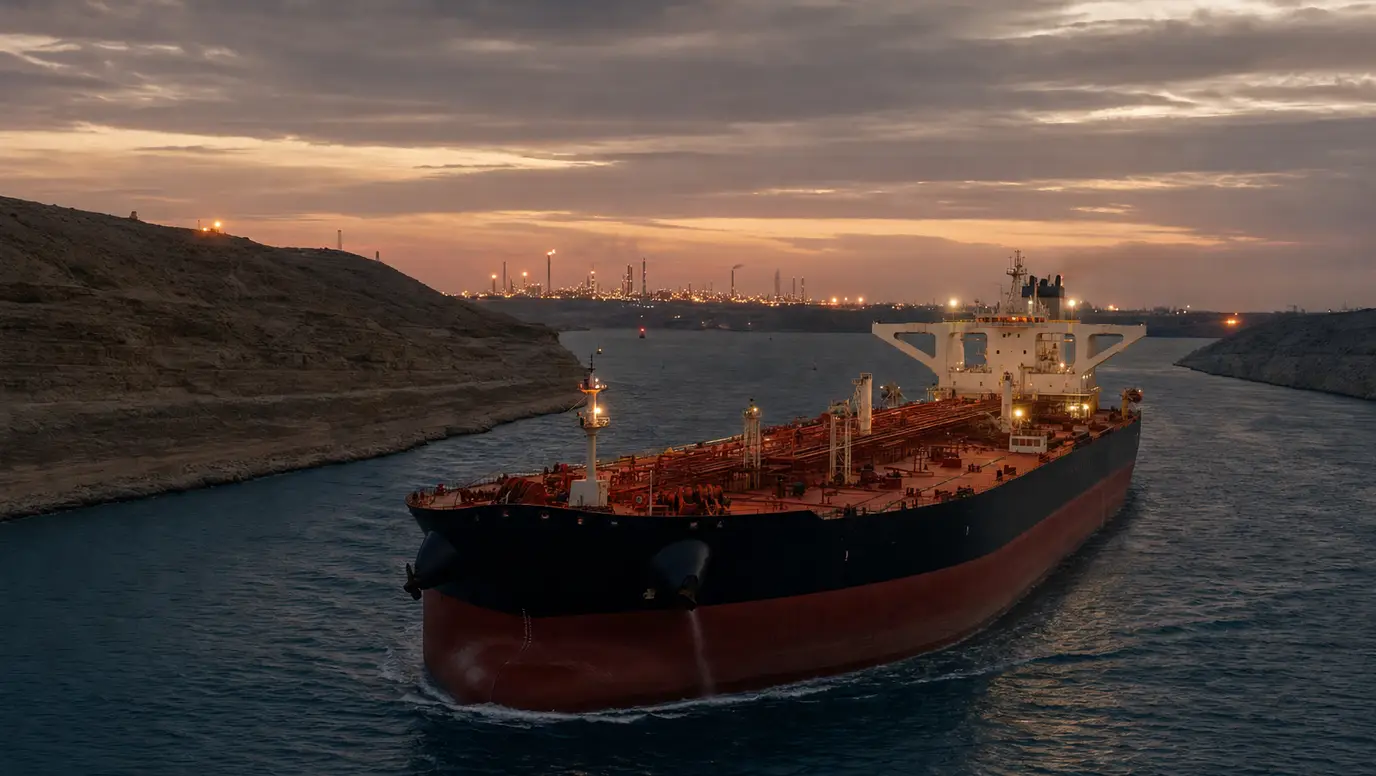
JULY 18, 2026
Brent Crude and WTI Crude Prices Near Weekend Gap Risk as Energy Market Reprices Supply Threat
JULY 17, 2026
Brent Crude and WTI Crude Hold Weekly Gains as Red Sea Threat Offsets US Dollar Rebound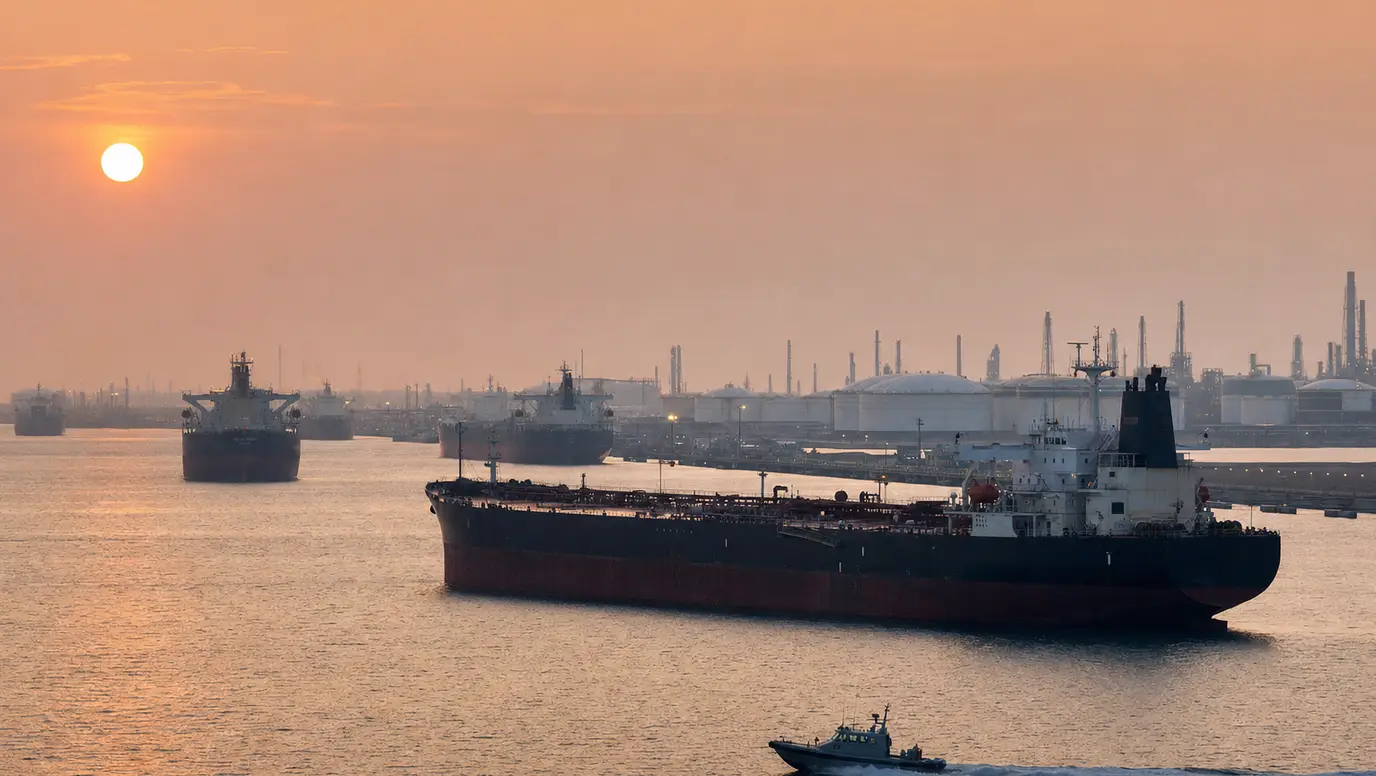
JULY 15, 2026
Brent Crude and WTI Crude Rise as Iran Port Blockade Puts Stockpile Cushion in Focus
JULY 14, 2026
Oil Market Shifts to Bypass Routes as Hormuz Risk Keeps Brent Premium Elevated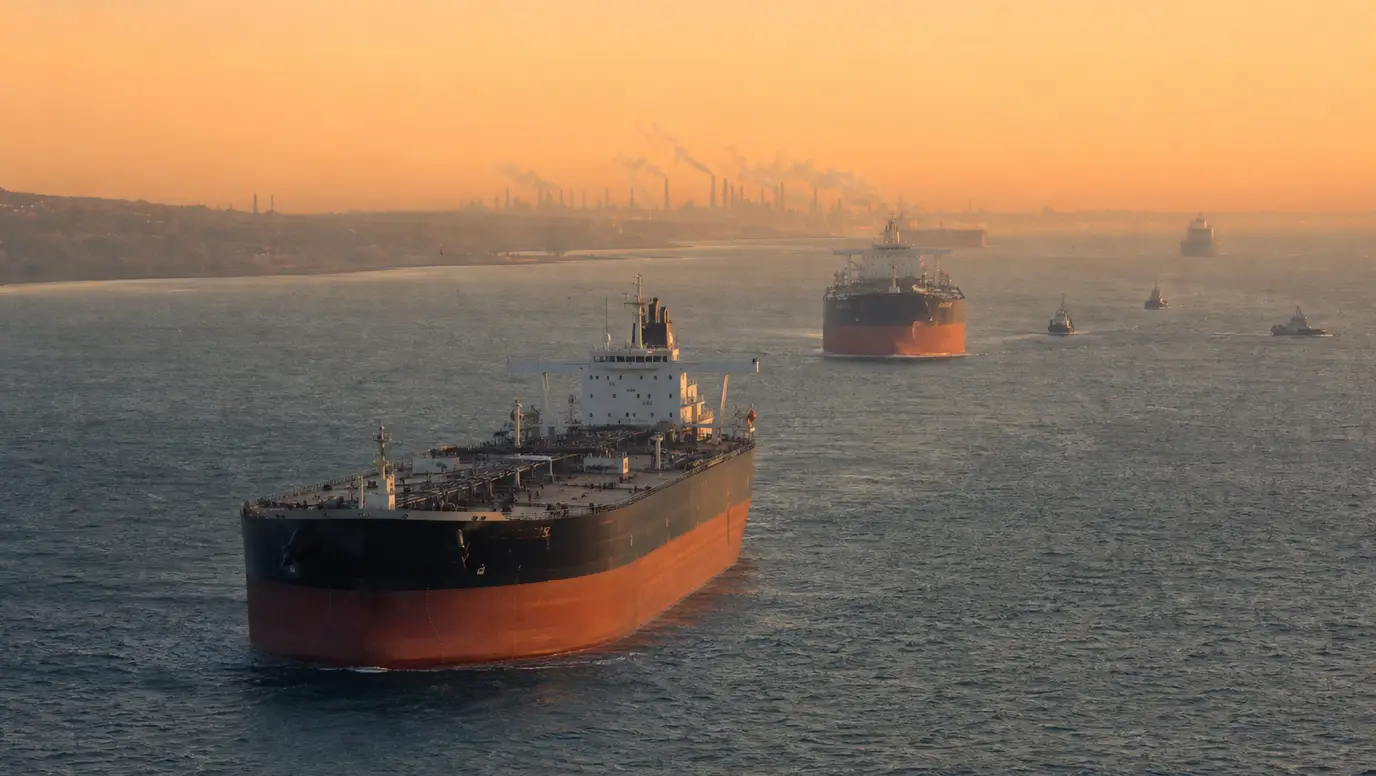
JULY 13, 2026
Brent Crude Jumps as Hormuz Escalation Reprices Energy Market Risk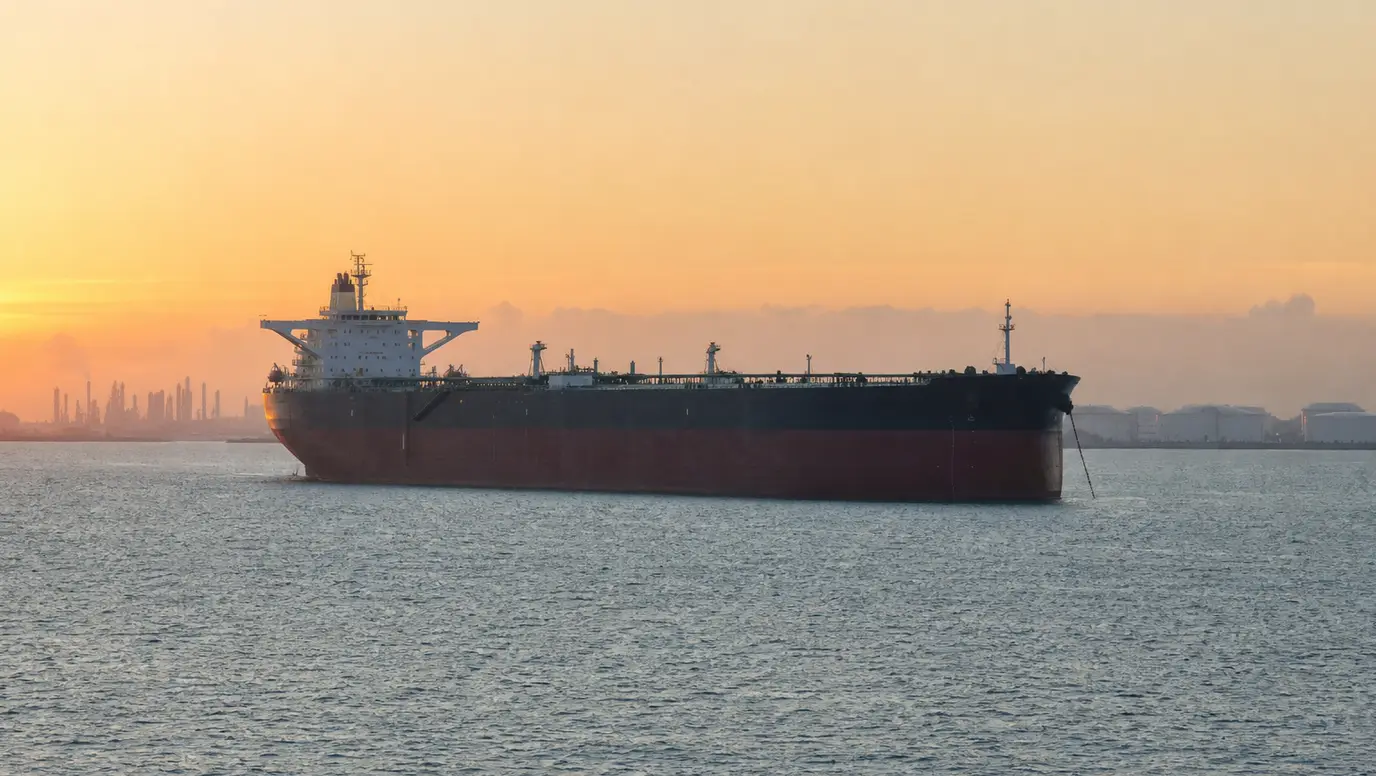
JULY 12, 2026
Crude Oil Faces China Demand Test as Floating Iranian Supply Builds
JULY 11, 2026
Energy Market Watches Tanker Risk as Crude Oil Rally Meets Demand Doubts
JULY 10, 2026
Crude Oil Turns to Glut Risk as OPEC+ Adds August Supply
JULY 9, 2026
Brent Nears $79 as Renewed Gulf Risk Rebuilds Crude Oil Premium
JULY 8, 2026
Crude Oil Faces Mixed Signal as U.S. Stock Build Collides With Fuel Draws
JULY 6, 2026
Crude Oil Slips as Hormuz Flows Normalize and Inventory Test Moves Into View
JULY 5, 2026
OPEC+ Output Hike Turns Energy Market Focus to Real Barrels as Brent Holds Near $72
JULY 4, 2026
Brent Holds Near $72 as OPEC+ August Supply Decision Tests Oil Market Floor
JULY 3, 2026
WTI Holds Near $68 as U.S. Stock Draws Challenge Oil Glut Narrative
JULY 2, 2026
Brent Slides Toward $70 as Iran Risk Premium Fades in Thin Holiday Trade
JULY 1, 2026
OPEC+ Supply Signal Caps Crude Oil Rebound as U.S. Stock Draws Support Prices
JUNE 30, 2026
Natural Gas Rally Outruns Softer Oil as Heat and LNG Demand Split Energy Market
JUNE 29, 2026
Brent Holds Above $72 as Traders Test Fragile Hormuz Reopening
JUNE 28, 2026
WTI Bulls Face Inventory Split as Brent Loses War Premium Before Quarter-End