
OCTOBER 23, 2026
Brent Crude Oil Extends Energy Market Surge as Houthi Strikes Lift Supply PremiumBrent crude oil climbs above $116 as Houthi strikes and Gulf shipping risk add a fresh supply premium to the energy market.

© 1box.site 2026
JULY 12, 2026
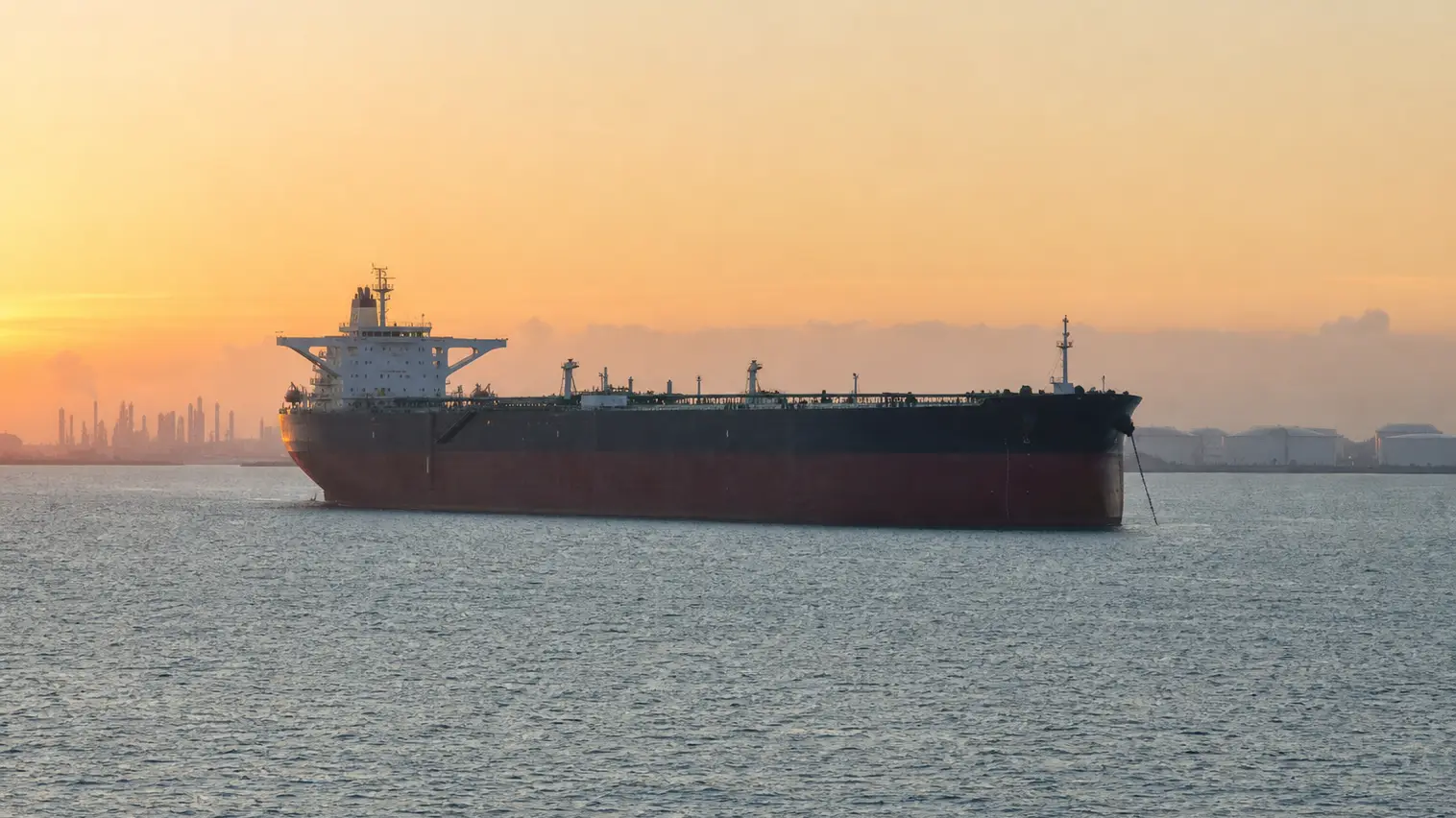
The energy market is entering the new week with crude oil traders focused less on a single headline shock and more on a complicated physical-market adjustment: Iranian barrels are reportedly building at sea while some Chinese independent refiners shift toward alternative Middle Eastern grades. That change has the potential to soften the immediate supply squeeze narrative even as geopolitical risk around Gulf shipping keeps a premium embedded in Brent Crude and WTI Crude.
The latest pattern suggests a market caught between two opposing forces. On one side, uncertainty around safe passage, sanctions enforcement and regional diplomacy continues to discourage aggressive short positioning in oil. On the other, weaker import appetite from key Asian buyers and a more cautious refining sector are limiting the market’s ability to extend rallies without fresh evidence of sustained demand.
For traders, the issue is not simply whether crude is available. It is whether the right grades are moving to the right refiners at workable discounts, insurance costs and delivery schedules. When barrels remain offshore longer than usual, the market can appear tight in one region and heavy in another, creating price volatility that is not always captured by headline futures moves.
Chinese independent refiners, often central to demand for discounted sanctioned crude, are again acting as a major swing factor for the energy market. Reports of slower buying of Iranian supply and greater interest in competing grades from Iraq, the United Arab Emirates and Qatar point to a pragmatic response to price, availability and operational risk.
If these refiners continue to favor rival barrels, floating Iranian supply could remain a bearish signal for physical differentials, especially in Asia. However, that does not automatically translate into a broad collapse in benchmark prices. Brent and WTI are still being supported by the possibility that shipping conditions worsen, insurance premiums rise, or diplomatic progress stalls.
The result is a split market. Physical traders are watching discounts, freight and refinery margins, while macro funds are tracking inflation expectations, central bank risk and the U.S. Dollar. A softer Chinese import impulse would normally weigh on oil, but the current geopolitical backdrop makes it difficult for traders to price crude as a straightforward oversupply story.
That tension is visible in the way rallies have been sold, yet dips remain shallow. Buyers are reluctant to chase crude higher after a sharp spring price shock dented demand, but sellers also face the risk that one shipping incident or policy reversal could quickly tighten prompt supply. This is keeping the energy market in a wide, headline-sensitive range.
Recent energy forecasts have pointed to lower U.S. gasoline prices in the third quarter compared with the second quarter, helped by lower crude assumptions and seasonal supply adjustments. That offers some relief to consumers and could ease part of the inflation pressure that dominated the market earlier in the year.
Still, the inflation story is not settled. Oil remains high enough to influence transport costs, corporate margins and central bank expectations, particularly if Brent Crude pushes back toward the upper end of its recent trading band. A renewed rise in fuel prices would complicate the broader market narrative by lifting input costs just as investors are assessing whether demand destruction is becoming more visible.
Refining margins are another important variable. If crude demand from China remains uneven while product demand in the United States proves resilient, refiners may protect margins by adjusting runs rather than simply absorbing every available barrel. That could keep crude inventories and floating storage in focus while limiting the speed at which lower feedstock costs pass through to end users.
For WTI Crude, U.S. inventory data will remain a near-term catalyst. Builds in crude stocks would reinforce the view that demand is struggling to absorb supply at current prices, while strong draws in gasoline or distillates could offset that signal by showing that end-user consumption is still firm. This mixed setup makes weekly inventory releases unusually important for short-term price direction.
The main question for the energy market is whether Brent’s geopolitical premium is durable. If Gulf shipping risk fades and Asian demand remains selective, crude could drift lower as traders focus on spare barrels and weaker refinery buying. If tensions rise again, the same floating barrels may matter less than the risk of disrupted loadings and longer voyages.
That makes the current market a test of confidence rather than a pure supply-demand calculation. Traders are weighing visible barrels against invisible risks: sanctions enforcement, insurance costs, route security and the willingness of refiners to hold larger inventories. Until those variables become clearer, crude oil is likely to trade with sharp intraday swings and limited conviction at the edges of its range.
For now, the strongest signal is caution. The build-up of Iranian supply at sea argues against an unchecked rally, while persistent regional risk argues against a clean bearish breakout. Energy investors should expect Brent Crude and WTI Crude to remain sensitive to China refinery buying, Gulf shipping headlines and U.S. fuel demand data through the coming sessions.
OCTOBER 23, 2026
Brent Crude Oil Extends Energy Market Surge as Houthi Strikes Lift Supply Premium
OCTOBER 20, 2026
WTI Crude Oil Futures Keep Energy Market on Edge as Strait of Hormuz Risk Lifts Premium
OCTOBER 17, 2026
Brent Crude Oil Tests $110 as Strategic Petroleum Reserve Move Fails to Calm Energy Market
OCTOBER 9, 2026
Brent Crude Oil Pulls Back as OPEC+ Hold and Iran Strike Pause Ease Energy Premium
OCTOBER 8, 2026
WTI Crude Oil Jumps as Inventory Draw Meets Hormuz Shipping Risk
OCTOBER 6, 2026
Distillate Fuel Squeeze Keeps Energy Market Alert as Diesel Margins Stay Elevated
OCTOBER 4, 2026
Brent Crude Holds Above $100 as OPEC+ Extends Output Pause
OCTOBER 2, 2026
Crude Oil Slides as OPEC+ Pause Bets Meet Returning Middle East Supply
SEPTEMBER 30, 2026
WTI Crude Oil Futures Steady as Iran Sanctions Risk Meets Tight Fuel Market
SEPTEMBER 27, 2026
Brent Crude Risk Premium Holds as OPEC+ Pause Keeps Energy Market on Edge
SEPTEMBER 23, 2026
WTI Crude Oil Futures Hold Near Two-Week Low as Gulf Supply Return Tests Fuel Market
SEPTEMBER 20, 2026
Brent Crude Futures Hold Near $104 as Saudi Pipeline Workaround Tests Oil Rally
SEPTEMBER 15, 2026
Brent Crude Holds Above $107 as Saudi Pipeline Closure Lifts Energy Risk Premium
SEPTEMBER 14, 2026
WTI Oil Rally Extends as Strait of Hormuz Risk Reprices Energy Market
SEPTEMBER 9, 2026
Brent Crude Futures Break $100 as Supply Shock Tightens Energy Market
SEPTEMBER 7, 2026
WTI Crude Oil Futures Hold Near Six-Week High as Hormuz Risk Tightens Energy Market
SEPTEMBER 3, 2026
OPEC+ Discount Shock Puts Energy Market on Brent Crude Supply Watch
AUGUST 31, 2026
Crude Oil Rally Puts Energy Market Back on Strait Risk Watch
AUGUST 30, 2026
WTI Crude Oil Slips as Hormuz Supply Relief Tests Energy Market Risk Premium
AUGUST 29, 2026
Venezuela Oil Deal Puts Brent Crude on Long-Term Supply Watch
AUGUST 21, 2026
Brent Crude Extends Weekly Gain as Iran Sanctions Threat Tightens Fuel Supply Watch
AUGUST 18, 2026
Brent Crude and WTI Oil Rise as Strait of Hormuz Risk Revives Energy Inflation Worries
AUGUST 15, 2026
OPEC+ September Hike Leaves Crude Market Watching Gulf Export Reliability
AUGUST 11, 2026
Brent Crude Whipsaws Near $90 as Red Sea Risk Tests Energy Market
AUGUST 10, 2026
Strait of Hormuz Delay Lifts Energy Market as Crude Oil Flow Risk Returns
AUGUST 6, 2026
Brent Crude Volatility Keeps Energy Market Focused on Iran Risk Premium
AUGUST 5, 2026
Propane Build Puts Energy Commodities on Winter Demand Watch
AUGUST 2, 2026
WTI Crude Oil Faces OPEC+ Output Test as Strait of Hormuz Risk Meets Stock Draw
JULY 31, 2026
Brent Crude Holds Risk Premium as Red Sea Disruptions Keep Energy Traders Defensive
JULY 29, 2026
Gasoline Cracks Lift Energy Commodities as Crude Rebounds on Inventory Draw