JULY 28, 2026
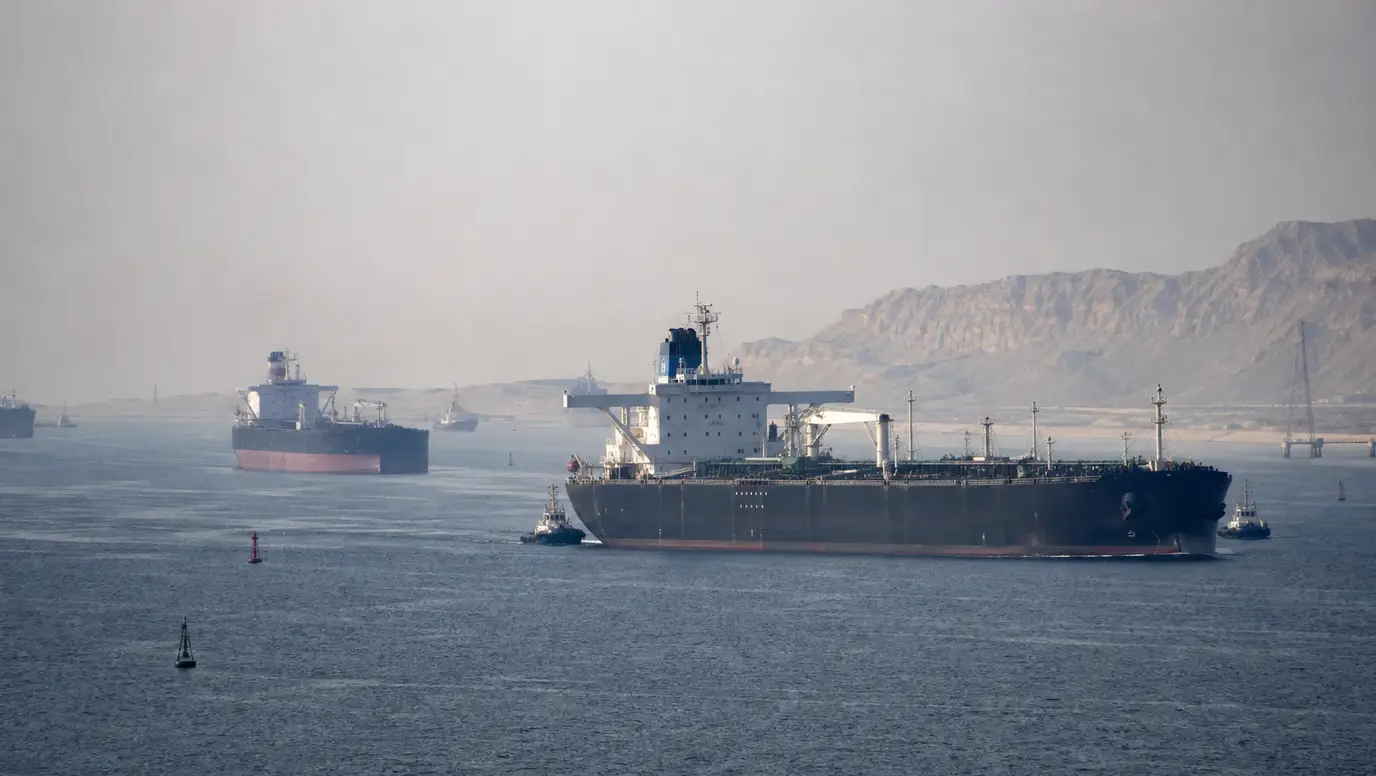
Strait of Hormuz Flows Keep WTI Crude on Alert as Oil RetreatsWTI crude eases near one-week lows, but reduced Strait of Hormuz flows keep the energy market focused on supply risk.

© 1box.site 2026

JUNE 19, 2026
Oil markets entered the end of the week in a more cautious phase after the sharp repricing triggered by the U.S.-Iran agreement to end hostilities and reopen the Strait of Hormuz. Brent Crude and WTI Crude have retreated from the most stressed levels of the conflict, but the decline has not turned into a clean bearish breakdown as traders wait for proof that cargo flows, insurance cover, tanker scheduling and port clearances can normalize in practice.
The strongest current news activity in the commodities space is concentrated in energy, where the market is reacting to fresh diplomatic developments, U.S. inventory data and changing expectations for global fuel inflation. Metals remain active, particularly across gold, silver and copper, but the immediate catalyst set is broader and more price-sensitive in oil because it affects crude, refined products, LNG routes and inflation expectations at the same time.
The initial reaction to the Hormuz agreement was lower crude pricing, reflecting a reduction in the extreme supply-disruption premium that had built into global benchmarks. However, the next stage of the trade is less about whether the agreement exists and more about whether physical flows recover without renewed political or security setbacks.
For Brent, the key issue is how quickly seaborne supply from the Gulf can return to predictable scheduling. For WTI, the reopening narrative is being balanced against domestic inventory signals and refinery demand. That split explains why the market has not simply erased the entire war premium in one move: traders are pricing relief, but not yet full normalization.
Shipping confidence is likely to become the most important short-term indicator. If tanker traffic improves steadily, freight costs ease and buyers regain confidence in delivery windows, crude could face renewed downside pressure. If delays persist or the diplomatic process stalls, oil may rebuild a risk premium even without a fresh military escalation.
Recent U.S. inventory figures showed a sizable weekly crude draw, keeping attention on the underlying tightness in the physical market. Commercial crude stocks remain below typical seasonal comfort levels, which gives buyers an argument to defend dips even as geopolitical risk cools.
Gasoline and distillate balances also matter because the U.S. summer driving season is underway. A softer crude market can ease inflation pressure, but refiners still need reliable crude supply and healthy margins to rebuild fuel inventories. If product demand holds firm, the market may treat lower oil prices as a correction rather than the start of a deeper downtrend.
Natural gas and LNG traders are also watching the same waterway risk. The Strait of Hormuz is central not only to oil shipments but also to LNG trade flows, so a durable reopening would reduce stress across the wider energy complex. Still, LNG pricing may react more slowly if buyers remain concerned about contract reliability and shipping risk.
The near-term outlook for Brent and WTI now depends on confirmation rather than announcement. A smooth reopening process would shift attention back toward demand, refinery runs, OPEC+ supply discipline and the U.S. dollar. In that scenario, rallies could be sold unless inventory data continue to point to tightening.
A more uneven reopening would leave crude vulnerable to two-way volatility. Traders may avoid aggressive short positions until they see several days of uninterrupted tanker movement and clearer evidence that sanctions, insurance and payment channels are no longer constraining cargo flows.
For now, the oil market is moving from crisis pricing to verification pricing. The war premium has narrowed, but it has not disappeared. Brent and WTI remain anchored by the expectation of improved supply, while tight inventories and execution risk continue to prevent a more decisive bearish turn.
JULY 28, 2026
Strait of Hormuz Flows Keep WTI Crude on Alert as Oil Retreats
JULY 20, 2026
Brent Crude Tops $90 as WTI Crude and Oil Prices React to Hormuz Shipment Risk
JULY 19, 2026
Brent Crude and WTI Crude Rally as Traders Test OPEC+ Supply Cushion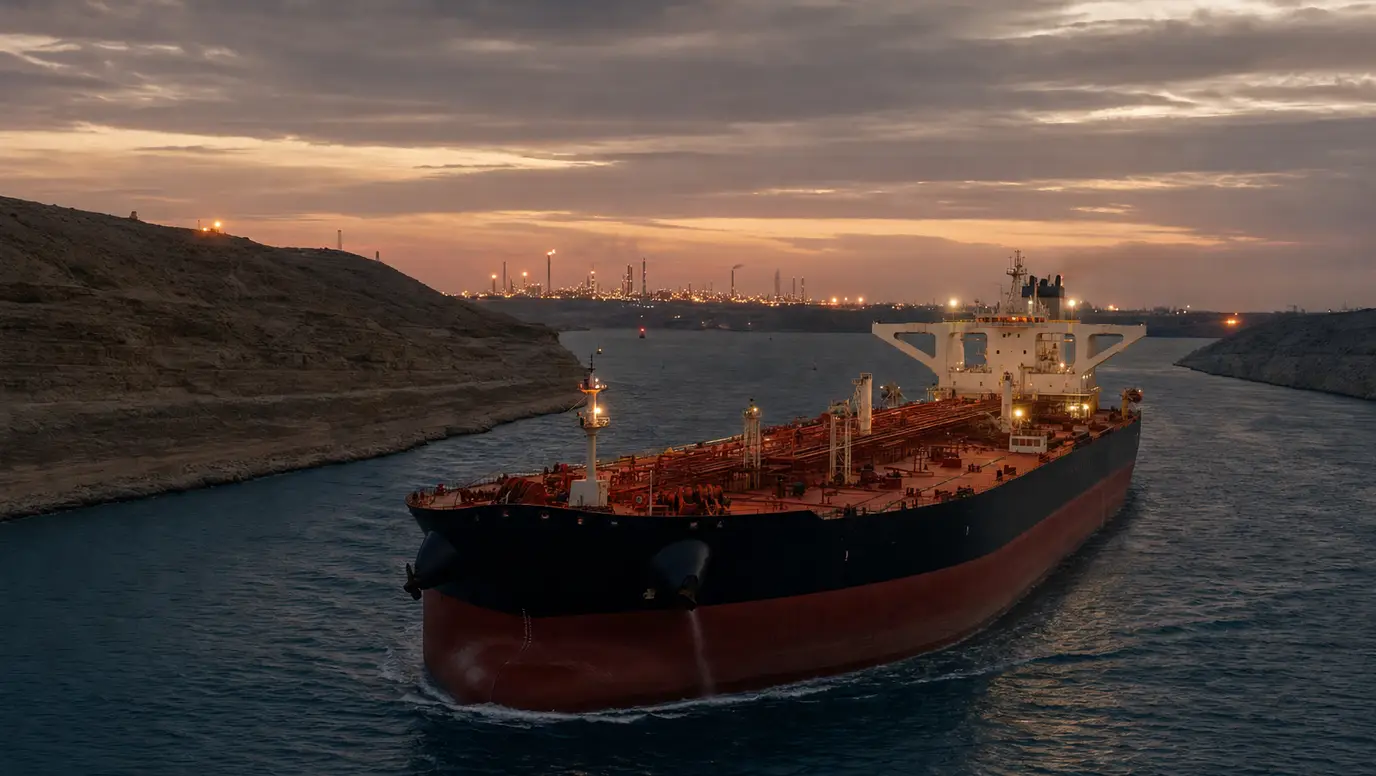
JULY 18, 2026
Brent Crude and WTI Crude Prices Near Weekend Gap Risk as Energy Market Reprices Supply Threat
JULY 17, 2026
Brent Crude and WTI Crude Hold Weekly Gains as Red Sea Threat Offsets US Dollar Rebound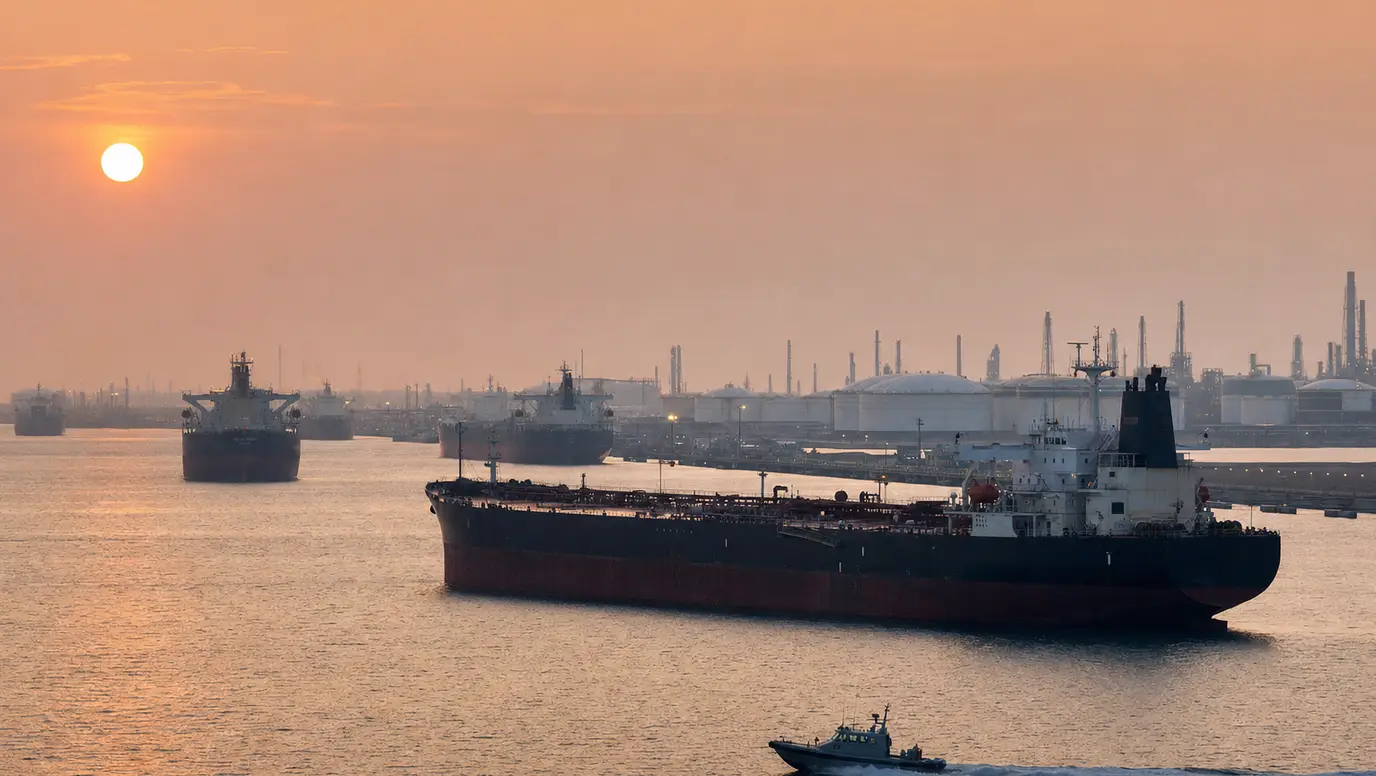
JULY 15, 2026
Brent Crude and WTI Crude Rise as Iran Port Blockade Puts Stockpile Cushion in Focus
JULY 14, 2026
Oil Market Shifts to Bypass Routes as Hormuz Risk Keeps Brent Premium Elevated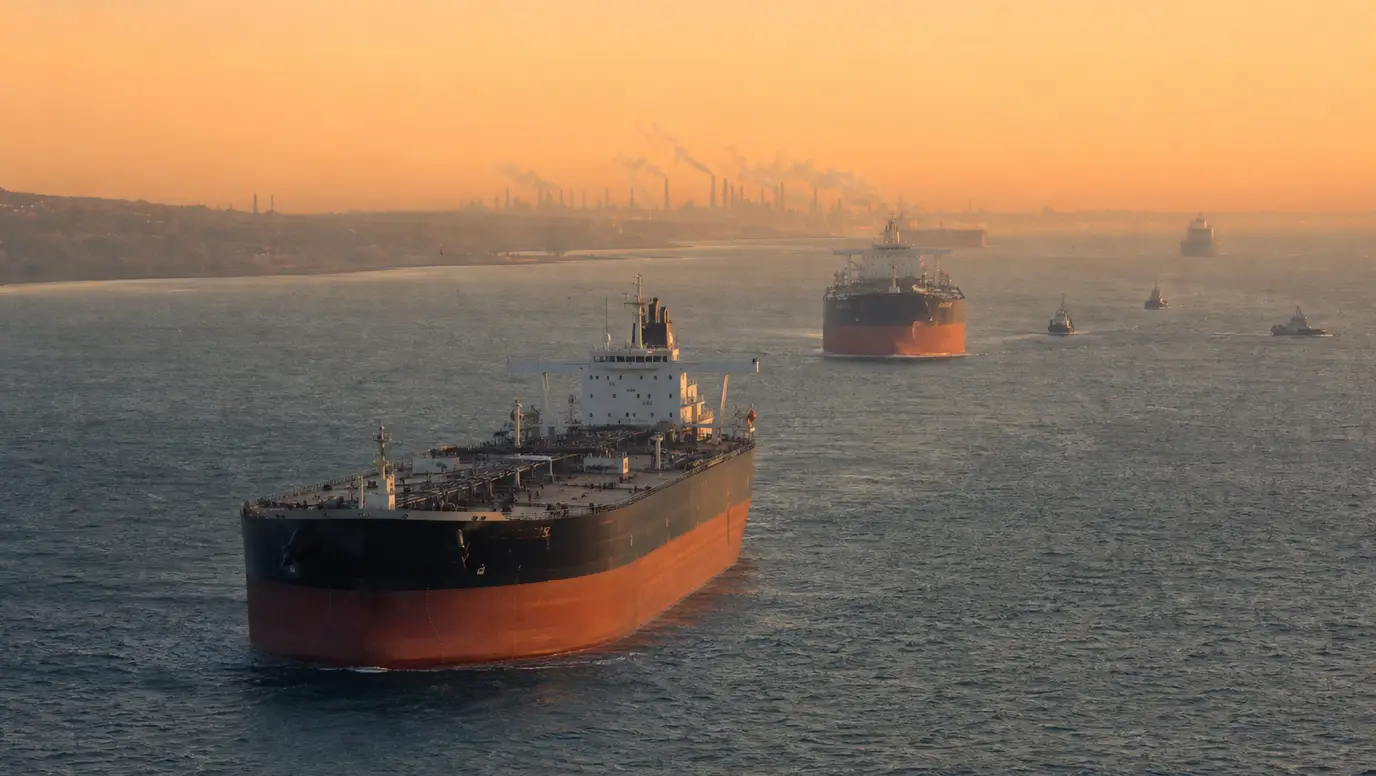
JULY 13, 2026
Brent Crude Jumps as Hormuz Escalation Reprices Energy Market Risk
JULY 12, 2026
Crude Oil Faces China Demand Test as Floating Iranian Supply Builds
JULY 11, 2026
Energy Market Watches Tanker Risk as Crude Oil Rally Meets Demand Doubts
JULY 10, 2026
Crude Oil Turns to Glut Risk as OPEC+ Adds August Supply
JULY 9, 2026
Brent Nears $79 as Renewed Gulf Risk Rebuilds Crude Oil Premium
JULY 8, 2026
Crude Oil Faces Mixed Signal as U.S. Stock Build Collides With Fuel Draws
JULY 6, 2026
Crude Oil Slips as Hormuz Flows Normalize and Inventory Test Moves Into View
JULY 5, 2026
OPEC+ Output Hike Turns Energy Market Focus to Real Barrels as Brent Holds Near $72
JULY 4, 2026
Brent Holds Near $72 as OPEC+ August Supply Decision Tests Oil Market Floor
JULY 3, 2026
WTI Holds Near $68 as U.S. Stock Draws Challenge Oil Glut Narrative
JULY 2, 2026
Brent Slides Toward $70 as Iran Risk Premium Fades in Thin Holiday Trade
JULY 1, 2026
OPEC+ Supply Signal Caps Crude Oil Rebound as U.S. Stock Draws Support Prices
JUNE 30, 2026
Natural Gas Rally Outruns Softer Oil as Heat and LNG Demand Split Energy Market
JUNE 29, 2026
Brent Holds Above $72 as Traders Test Fragile Hormuz Reopening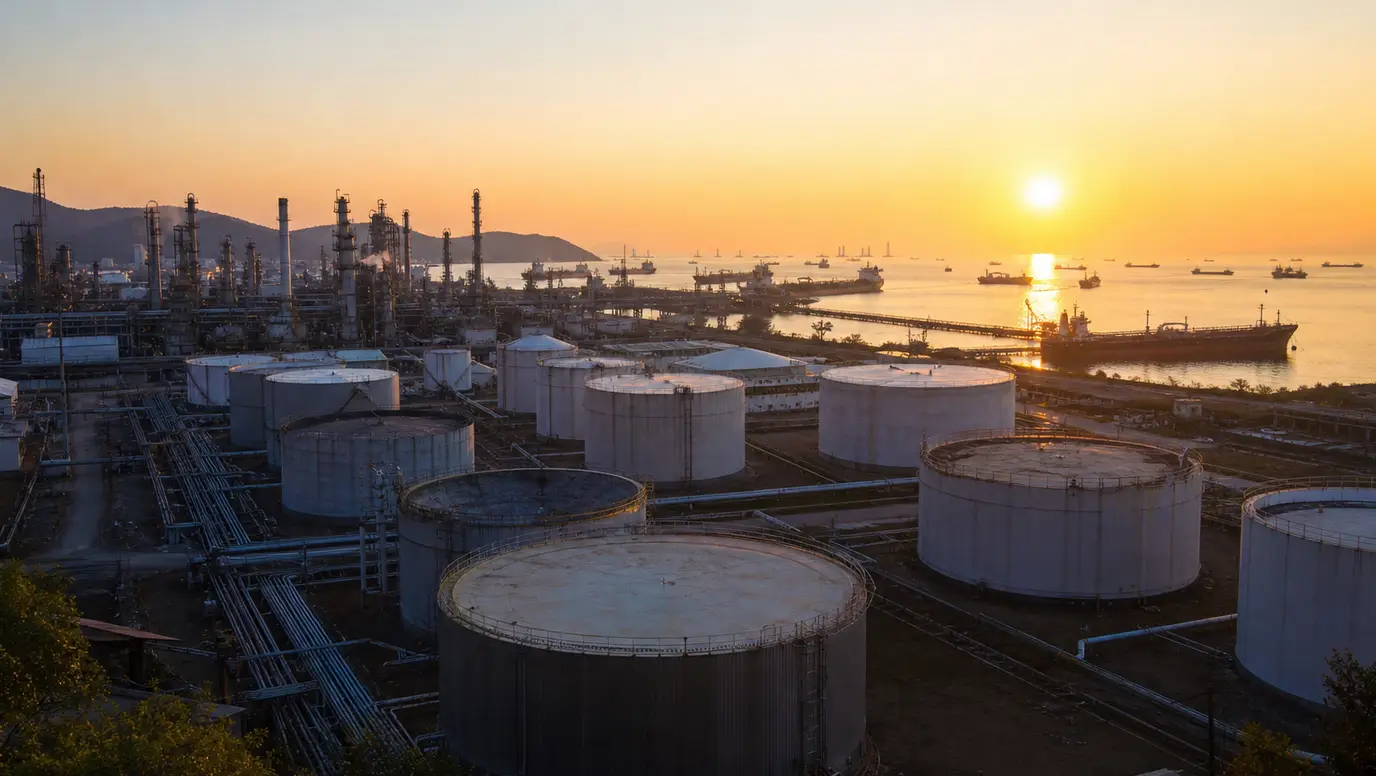
JUNE 28, 2026
WTI Bulls Face Inventory Split as Brent Loses War Premium Before Quarter-End
JUNE 27, 2026
Refinery Strain Keeps Energy Market on Edge as Oil Selloff Meets Fuel Stock Tightness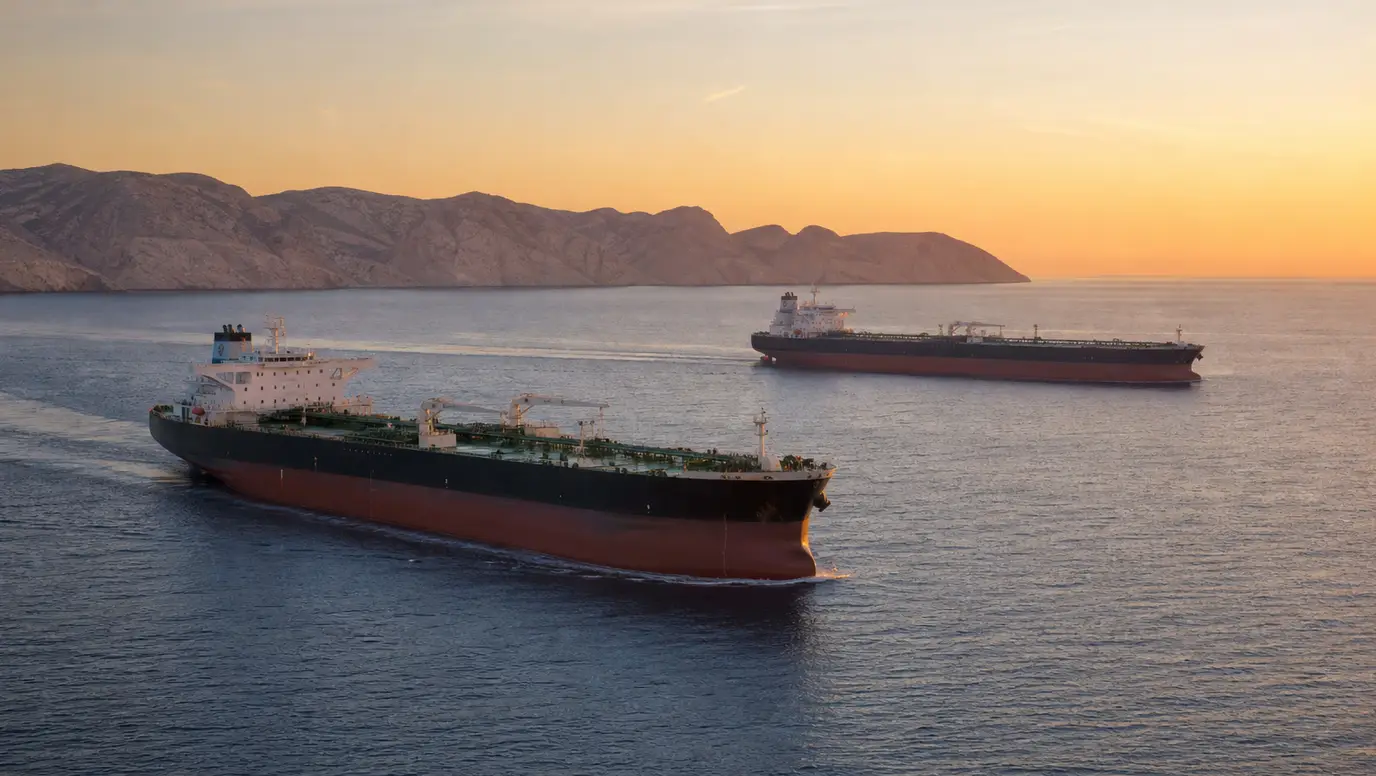
JUNE 25, 2026
Iraq Quota Threat Puts OPEC Discipline in Focus as Oil War Premium Evaporates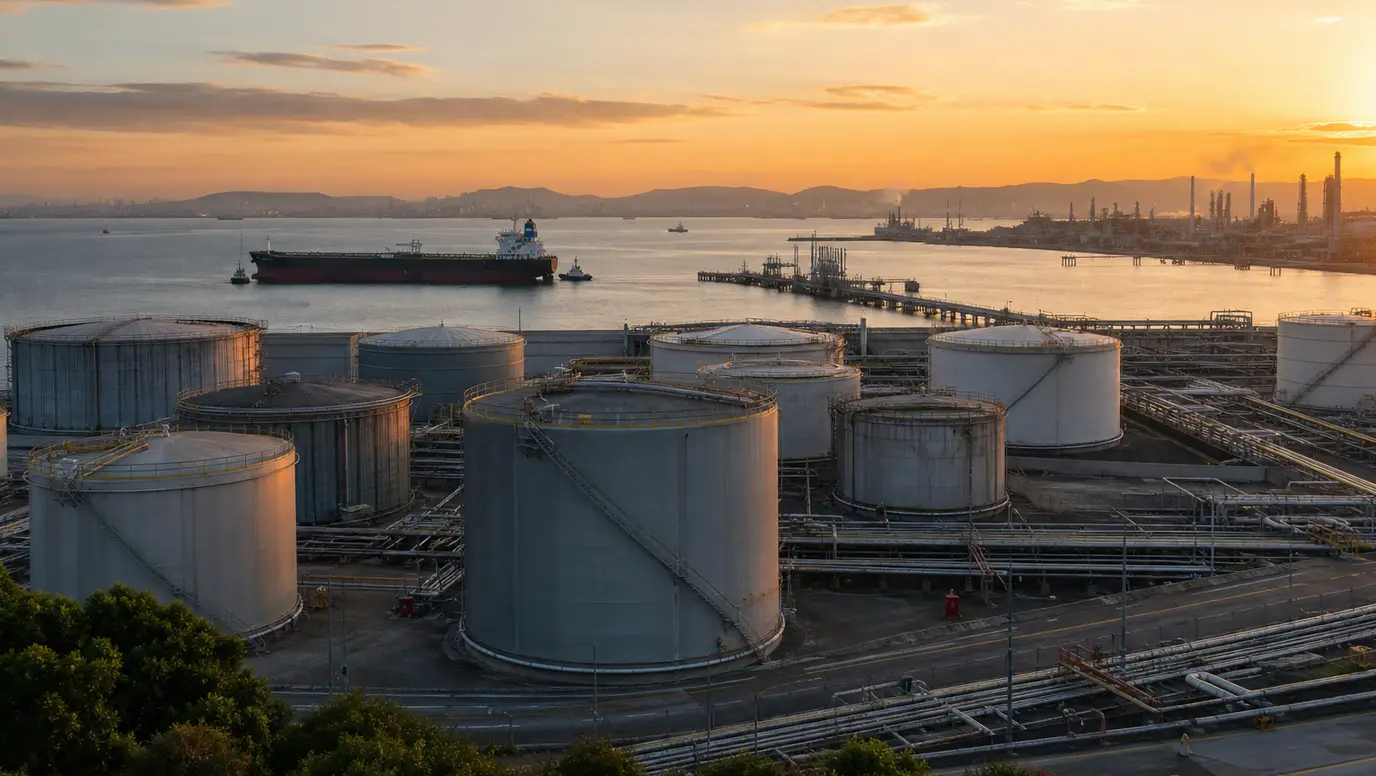
JUNE 24, 2026
Brent Slide Below $77 Turns Oil Market Focus to Inventories and Summer Fuel Demand
JUNE 23, 2026
Brent and WTI Fall Again as Traders Shift From War Premium to Hormuz Flow Checks
JUNE 22, 2026
Oil Risk Premium Fades as Brent and WTI Slide on Fresh U.S.-Iran Talks
JUNE 21, 2026
Brent and WTI Face Inventory Test as Oil Market Shrugs Off Demand-Bearish Forecasts
JUNE 20, 2026
Oil Traders Watch Tanker Flows as Brent Holds Near $80 After Risk-Premium Reset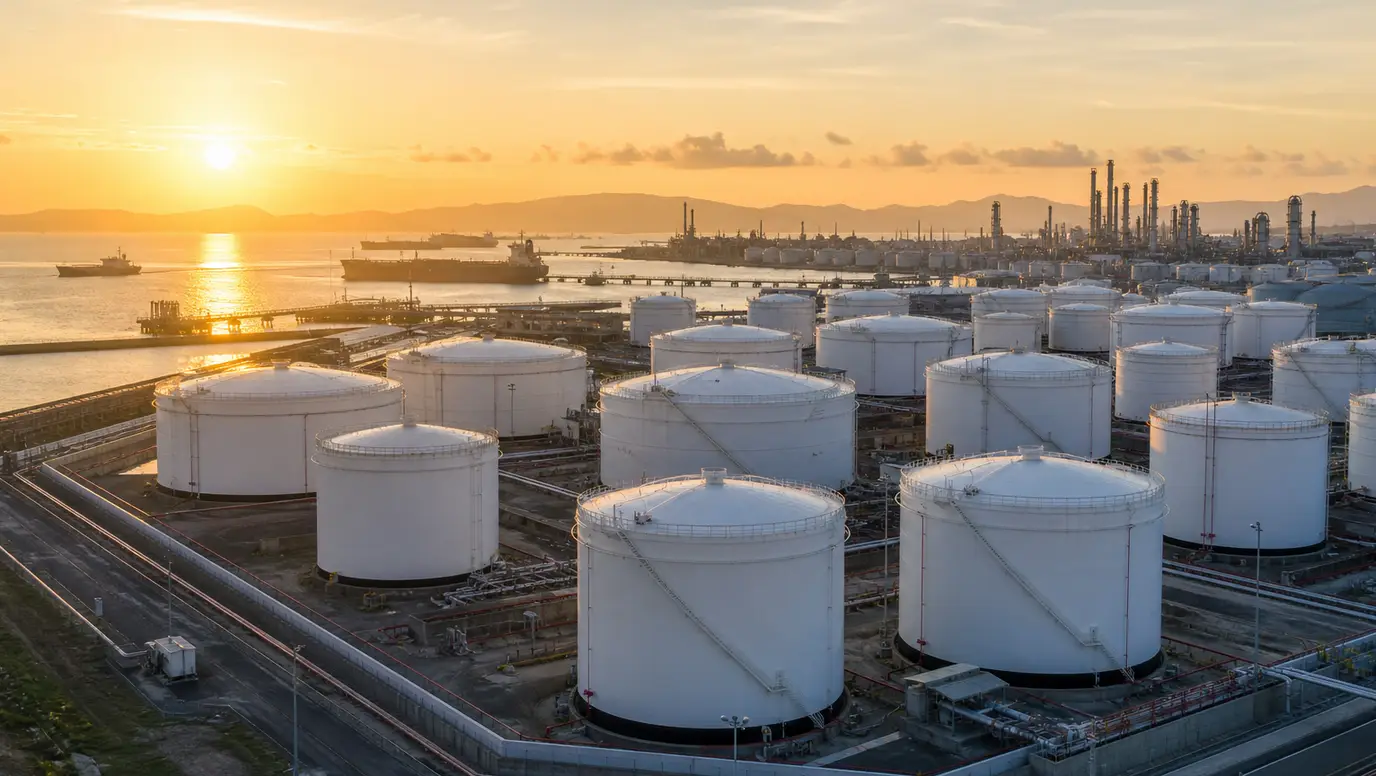
JUNE 17, 2026
WTI Rebounds as U.S. Stock Draw Puts a Floor Under Oil Selloff