OCTOBER 8, 2026
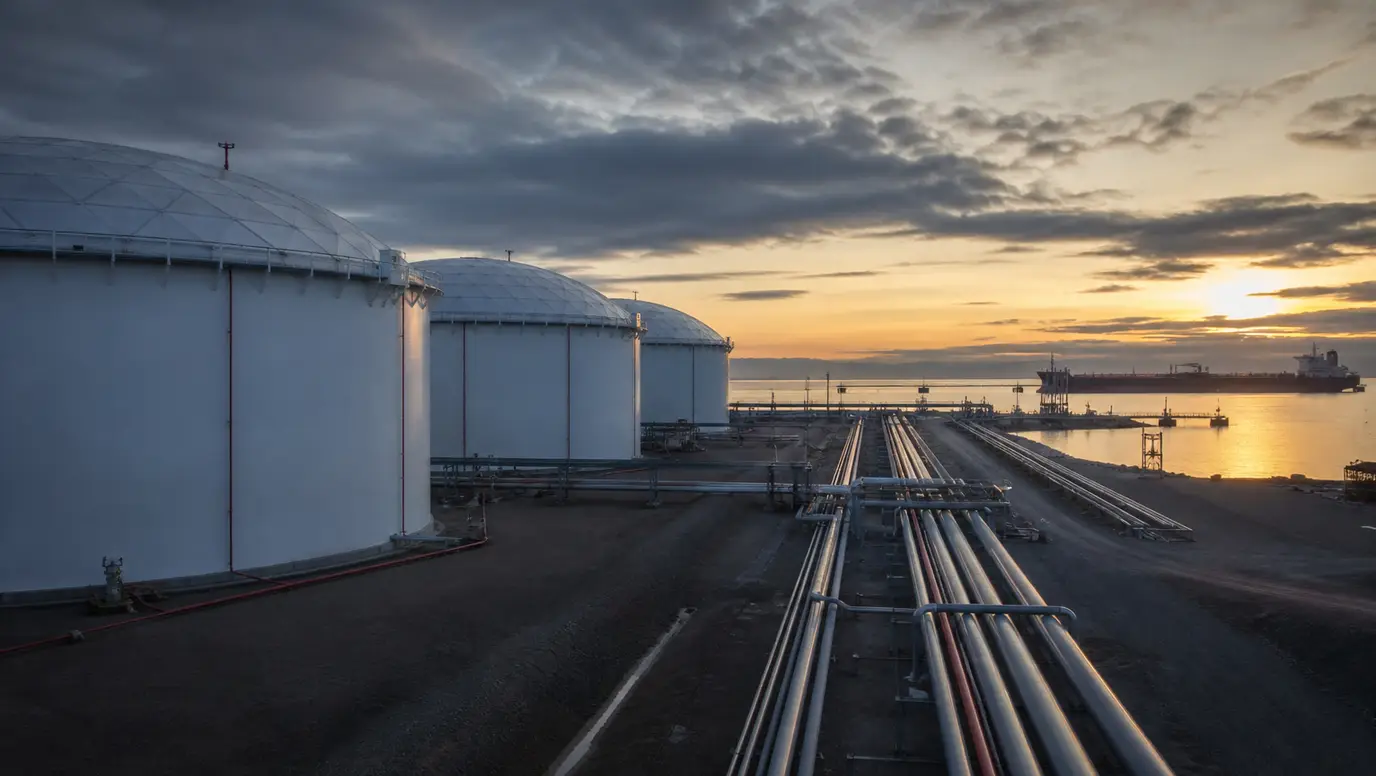
WTI Crude Oil Jumps as Inventory Draw Meets Hormuz Shipping RiskWTI crude oil rallies as U.S. stock draws and Gulf shipping risk outweigh emergency supply-release efforts.

© 1box.site 2026
JUNE 29, 2026
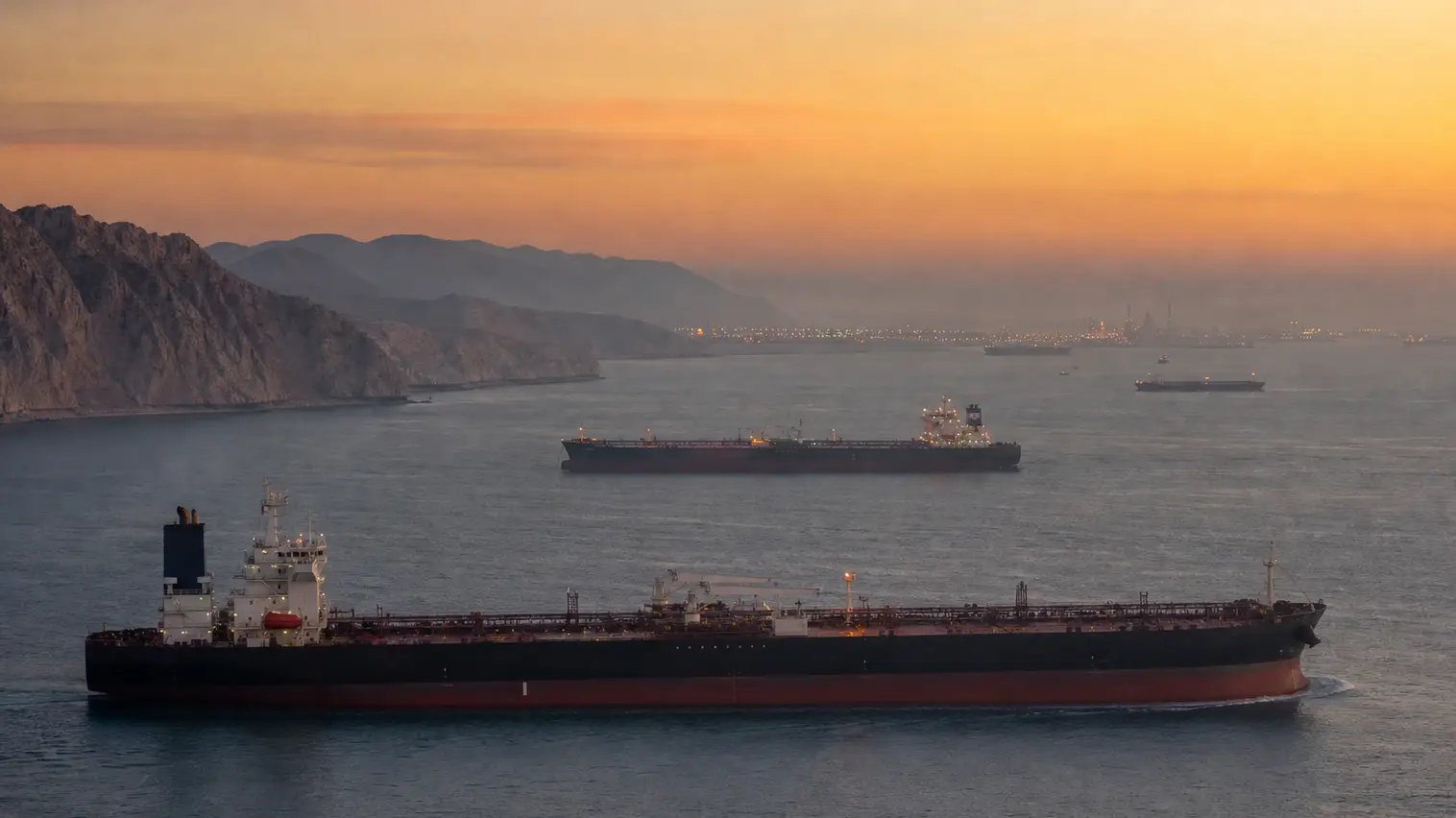
The energy market started the week with crude oil back on the defensive-but-not-broken footing that has defined late June trading. Brent crude held above $72 a barrel on Monday, June 29, 2026, as traders weighed renewed U.S.-Iran tensions against signs that shipments through the Strait of Hormuz are continuing to recover. U.S. West Texas Intermediate crude also traded near the $70 area, keeping the market close to the lower end of its recent conflict-driven range.
The move marks a shift from last week’s sharp unwinding of supply fears, when Brent posted a double-digit weekly decline as more tankers moved through the key waterway. The latest rebound suggests traders are reluctant to fully remove the Gulf risk premium while the reopening process remains exposed to military flare-ups, diplomatic setbacks and operational bottlenecks.
The Strait of Hormuz remains the core variable for the oil market. The passage is central to global crude and LNG trade, and even a partial disruption can rapidly change assumptions for refinery supply, freight costs and Asian import security. Recent shipping activity has improved from the worst of the disruption, but the market is not yet treating the route as fully normalized.
That uncertainty explains why crude prices rose after the latest weekend hostilities but stopped short of a stronger breakout. Energy producers in the Gulf are still moving barrels and LNG cargoes, which has helped cap panic buying. At the same time, the fact that the recovery is occurring alongside fresh vessel attacks and retaliatory strikes keeps traders from pricing crude as if the crisis has passed.
For Brent, the $72 to $74 zone is now acting as a short-term sentiment barometer. A sustained move above that range would signal that geopolitical risk is regaining control of the market. A retreat back toward last week’s lows would suggest traders are shifting attention from military headlines to the practical recovery in exports and loadings.
WTI’s position around $70 reflects a slightly different balance. U.S. crude is still sensitive to global supply shocks, but domestic production, refinery demand and inventory signals can soften the impact compared with Brent. The narrowing focus for U.S. traders is whether the latest Gulf risk lifts export demand and product margins enough to offset worries about inflation, interest rates and softer global consumption.
The market’s reaction also shows that oil traders are separating headline risk from physical availability. A short, contained flare-up may support prices without producing a full-scale rally. A slower-than-expected recovery in Hormuz traffic, however, would likely change that calculation quickly because it would raise the probability of delayed cargoes, higher insurance costs and tighter prompt supply.
Diplomacy is becoming as important as shipping data for near-term crude direction. Reports of renewed U.S.-Iran engagement over the waterway have helped prevent a larger price spike, but conflicting signals around the timing and substance of talks leave the market vulnerable to sudden reversals. Traders are likely to treat any verifiable progress on safe passage as bearish for crude, while another breakdown in negotiations could quickly lift both Brent and WTI.
The broader energy complex is also sending a cautious message. LNG flows through the Gulf remain a key watchpoint for importers, while natural gas prices are responding more to regional supply and weather conditions than to crude’s geopolitical premium. That split suggests the market is not yet pricing a systemic energy shock, but it is keeping a premium for tail risk.
For now, the strongest current news activity in markets is centered on energy because crude prices are reacting to both fresh geopolitical headlines and real-time physical flow signals. The immediate test is whether Brent can hold above $72 without new disruptions. If Hormuz traffic continues to rebuild and talks remain alive, oil may struggle to extend gains. If shipping confidence weakens again, the market’s rapid unwind of last week’s risk premium could prove premature.
OCTOBER 8, 2026
WTI Crude Oil Jumps as Inventory Draw Meets Hormuz Shipping Risk
SEPTEMBER 30, 2026
WTI Crude Oil Futures Steady as Iran Sanctions Risk Meets Tight Fuel Market
SEPTEMBER 23, 2026
WTI Crude Oil Futures Hold Near Two-Week Low as Gulf Supply Return Tests Fuel Market
SEPTEMBER 14, 2026
WTI Oil Rally Extends as Strait of Hormuz Risk Reprices Energy Market
SEPTEMBER 7, 2026
WTI Crude Oil Futures Hold Near Six-Week High as Hormuz Risk Tightens Energy Market
AUGUST 30, 2026
WTI Crude Oil Slips as Hormuz Supply Relief Tests Energy Market Risk Premium
AUGUST 18, 2026
Brent Crude and WTI Oil Rise as Strait of Hormuz Risk Revives Energy Inflation Worries
AUGUST 10, 2026
Strait of Hormuz Delay Lifts Energy Market as Crude Oil Flow Risk Returns
AUGUST 2, 2026
WTI Crude Oil Faces OPEC+ Output Test as Strait of Hormuz Risk Meets Stock Draw
JULY 28, 2026
Strait of Hormuz Flows Keep WTI Crude on Alert as Oil Retreats
JULY 20, 2026
Brent Crude Tops $90 as WTI Crude and Oil Prices React to Hormuz Shipment Risk
JULY 19, 2026
Brent Crude and WTI Crude Rally as Traders Test OPEC+ Supply Cushion
JULY 18, 2026
Brent Crude and WTI Crude Prices Near Weekend Gap Risk as Energy Market Reprices Supply Threat
JULY 17, 2026
Brent Crude and WTI Crude Hold Weekly Gains as Red Sea Threat Offsets US Dollar Rebound
JULY 15, 2026
Brent Crude and WTI Crude Rise as Iran Port Blockade Puts Stockpile Cushion in Focus
JULY 14, 2026
Oil Market Shifts to Bypass Routes as Hormuz Risk Keeps Brent Premium Elevated
JULY 13, 2026
Brent Crude Jumps as Hormuz Escalation Reprices Energy Market Risk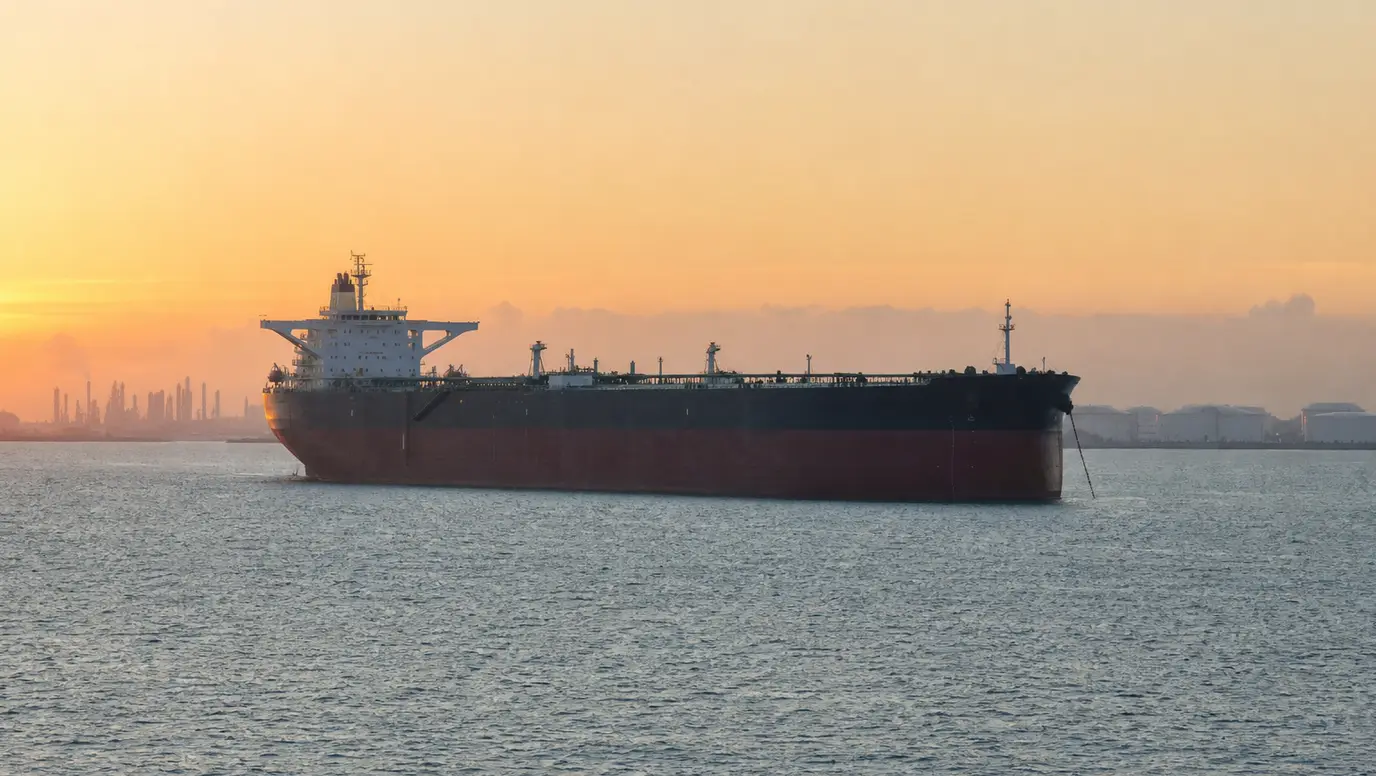
JULY 12, 2026
Crude Oil Faces China Demand Test as Floating Iranian Supply Builds
JULY 11, 2026
Energy Market Watches Tanker Risk as Crude Oil Rally Meets Demand Doubts
JULY 10, 2026
Crude Oil Turns to Glut Risk as OPEC+ Adds August Supply
JULY 9, 2026
Brent Nears $79 as Renewed Gulf Risk Rebuilds Crude Oil Premium
JULY 8, 2026
Crude Oil Faces Mixed Signal as U.S. Stock Build Collides With Fuel Draws
JULY 6, 2026
Crude Oil Slips as Hormuz Flows Normalize and Inventory Test Moves Into View
JULY 5, 2026
OPEC+ Output Hike Turns Energy Market Focus to Real Barrels as Brent Holds Near $72
JULY 4, 2026
Brent Holds Near $72 as OPEC+ August Supply Decision Tests Oil Market Floor
JULY 3, 2026
WTI Holds Near $68 as U.S. Stock Draws Challenge Oil Glut Narrative
JULY 2, 2026
Brent Slides Toward $70 as Iran Risk Premium Fades in Thin Holiday Trade
JULY 1, 2026
OPEC+ Supply Signal Caps Crude Oil Rebound as U.S. Stock Draws Support Prices
JUNE 30, 2026
Natural Gas Rally Outruns Softer Oil as Heat and LNG Demand Split Energy Market
JUNE 28, 2026
WTI Bulls Face Inventory Split as Brent Loses War Premium Before Quarter-End