
OCTOBER 20, 2026
WTI Crude Oil Futures Keep Energy Market on Edge as Strait of Hormuz Risk Lifts PremiumWTI crude oil futures stay firm as Gulf shipping risk and looming U.S. inventory data keep the energy market focused on supply premiums.

© 1box.site 2026

JUNE 27, 2026
The energy market entered the weekend with a more complicated signal than the headline drop in crude prices suggested. Brent Crude and WTI Crude came under pressure as traders reduced the premium attached to Middle East shipping disruption, but U.S. fuel balances remained tight enough to keep refiners, airlines and transport buyers cautious.
The latest weekly data showed U.S. commercial crude inventories falling sharply to levels still well below their five-year average, even as gasoline and distillate stocks posted builds. That combination points to a market where crude demand from refineries remains strong, but product supply is only slowly rebuilding after weeks of stress tied to summer demand, export pull and earlier logistics disruption.
The fall in oil prices reflects a shift in how traders are pricing geopolitical risk. More traffic through a key Gulf shipping route has encouraged the view that the worst-case supply shock is less likely, allowing some speculative length to unwind across crude futures. For energy investors, however, the price move is not the same as a fully normalized market.
Refinery utilization remains elevated, with U.S. plants running near the upper end of recent seasonal ranges. High operating rates can help rebuild gasoline, diesel and jet fuel inventories, but they also leave less room for error if unplanned outages emerge during the summer driving season or if export demand for U.S. products stays firm.
Gasoline inventories have improved, but demand indicators have been uneven rather than weak enough to remove price risk. Distillate stocks, which matter for trucking, agriculture, shipping and industrial activity, remain more sensitive because inventories are still materially below normal seasonal comfort levels. That is why the energy market is increasingly focused on refinery margins rather than crude prices alone.
The next phase for Brent Crude and WTI Crude may depend on whether the recent oil selloff feeds through into weaker product prices or instead supports refinery demand by improving margins. If crude falls faster than gasoline, diesel and jet fuel, refiners may have an incentive to keep runs high, extending the draw on crude stocks and limiting the downside for futures.
That dynamic is especially important because U.S. petroleum product exports have remained a major outlet for domestic supply. Overseas buyers have sought alternatives to disrupted barrels and fuel cargoes, keeping U.S. refiners tied to global balances rather than only domestic demand. A cooling of export demand would ease pressure, but a continuation of strong flows could keep product cracks supported.
For traders, the market now has two competing stories. The bearish story is that shipping normalization reduces the need for a geopolitical risk premium, particularly after crude had rallied earlier in the quarter on supply fears. The bullish story is that low crude inventories, high refinery runs and tight middle distillate balances could prevent a clean return to pre-crisis pricing.
Next week’s inventory figures will be closely watched for signs that the latest builds in gasoline and distillates are becoming a trend. A sustained rise in product stocks would confirm that refiners are catching up with demand and could reinforce downward pressure on crude. Another large crude draw, however, would suggest that the selloff may be running ahead of physical market relief.
Seasonal demand also matters. The late-June period usually brings stronger travel and freight activity, which can absorb new supply quickly if economic conditions remain resilient. At the same time, higher interest rate expectations and a firm U.S. Dollar can weigh on commodity sentiment by tightening financial conditions and making dollar-priced energy more expensive for some overseas buyers.
The result is an energy market that is no longer trading solely on disruption headlines, but is not yet comfortable enough to ignore supply risk. Brent and WTI may remain volatile as traders compare improving shipping conditions with still-tight refinery and inventory data. Until product stocks rebuild more convincingly, the oil market’s decline is likely to be treated as a repricing of risk rather than a full reset of fundamentals.
OCTOBER 20, 2026
WTI Crude Oil Futures Keep Energy Market on Edge as Strait of Hormuz Risk Lifts Premium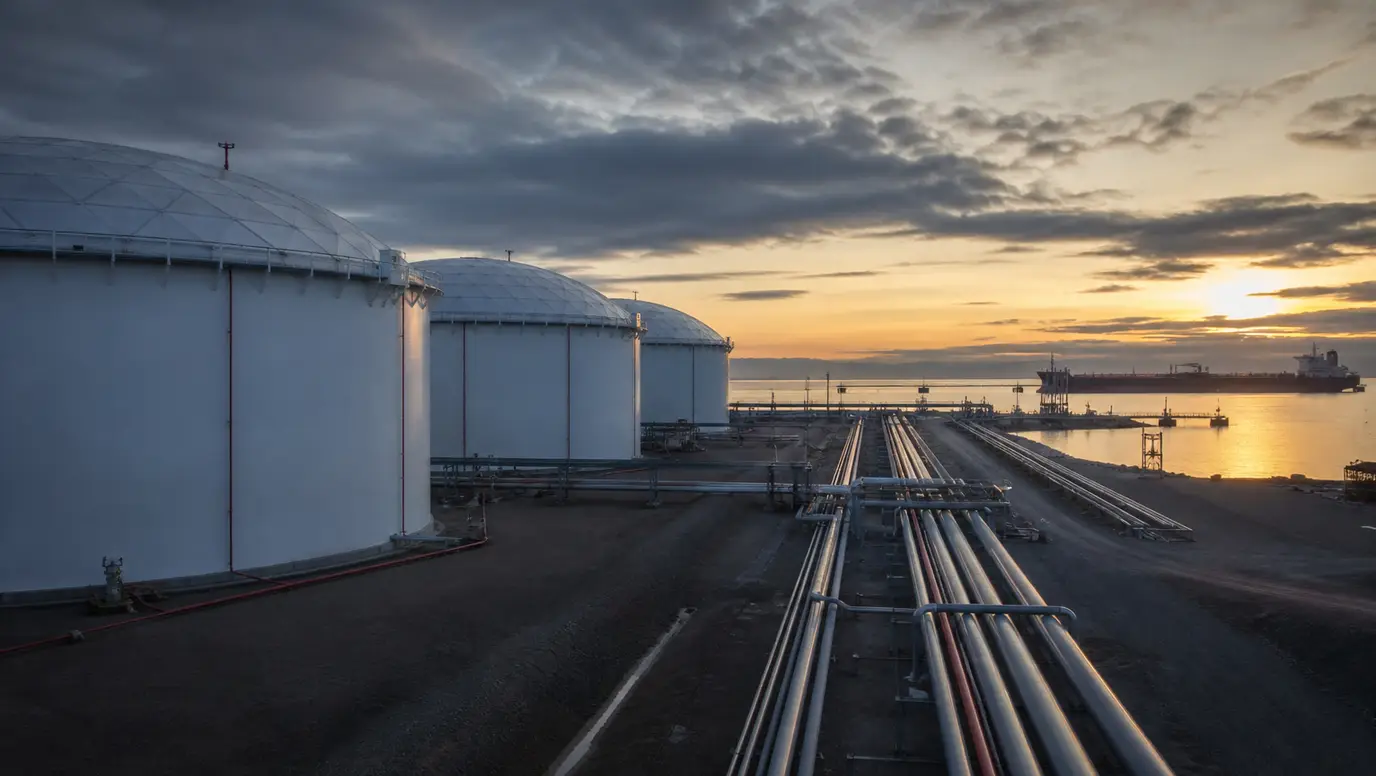
OCTOBER 8, 2026
WTI Crude Oil Jumps as Inventory Draw Meets Hormuz Shipping Risk
SEPTEMBER 30, 2026
WTI Crude Oil Futures Steady as Iran Sanctions Risk Meets Tight Fuel Market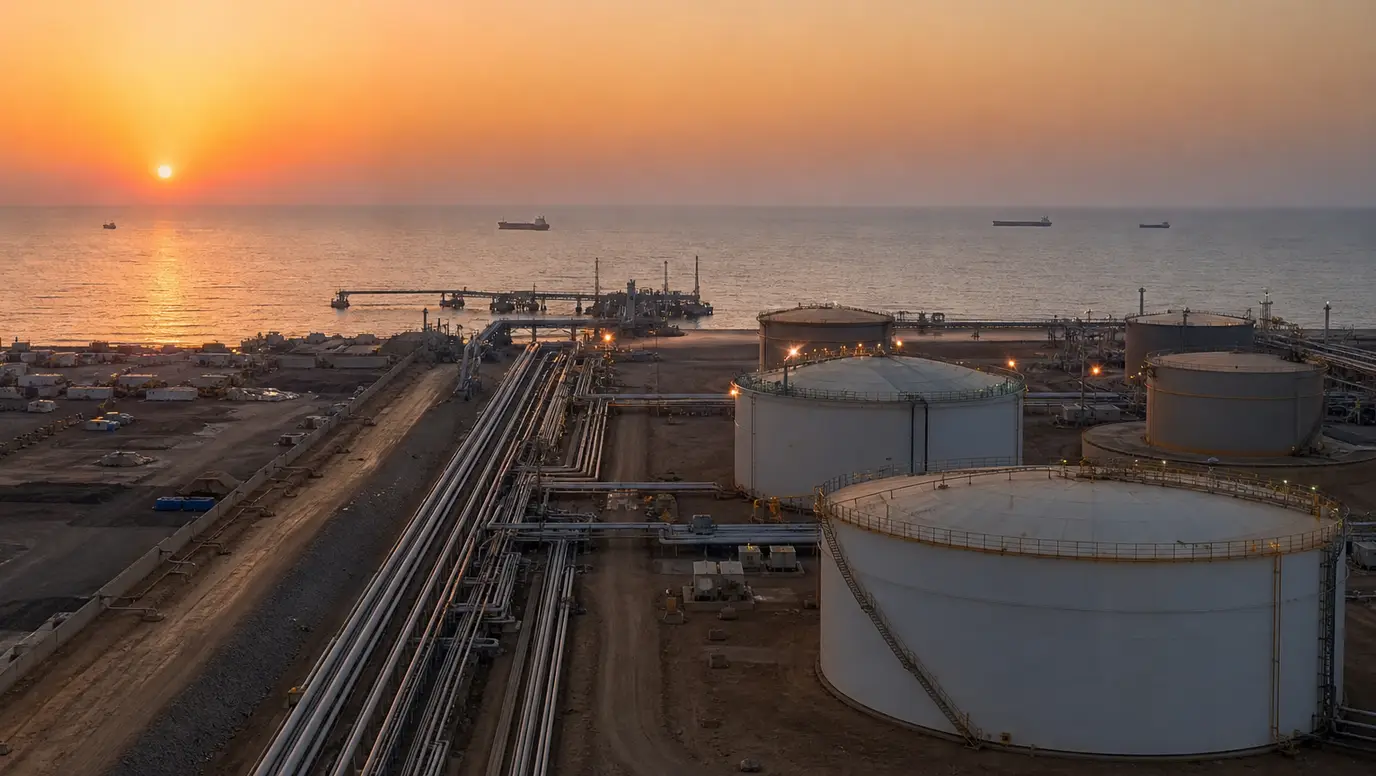
SEPTEMBER 23, 2026
WTI Crude Oil Futures Hold Near Two-Week Low as Gulf Supply Return Tests Fuel Market
SEPTEMBER 14, 2026
WTI Oil Rally Extends as Strait of Hormuz Risk Reprices Energy Market
SEPTEMBER 7, 2026
WTI Crude Oil Futures Hold Near Six-Week High as Hormuz Risk Tightens Energy Market
AUGUST 30, 2026
WTI Crude Oil Slips as Hormuz Supply Relief Tests Energy Market Risk Premium
AUGUST 18, 2026
Brent Crude and WTI Oil Rise as Strait of Hormuz Risk Revives Energy Inflation Worries
AUGUST 10, 2026
Strait of Hormuz Delay Lifts Energy Market as Crude Oil Flow Risk Returns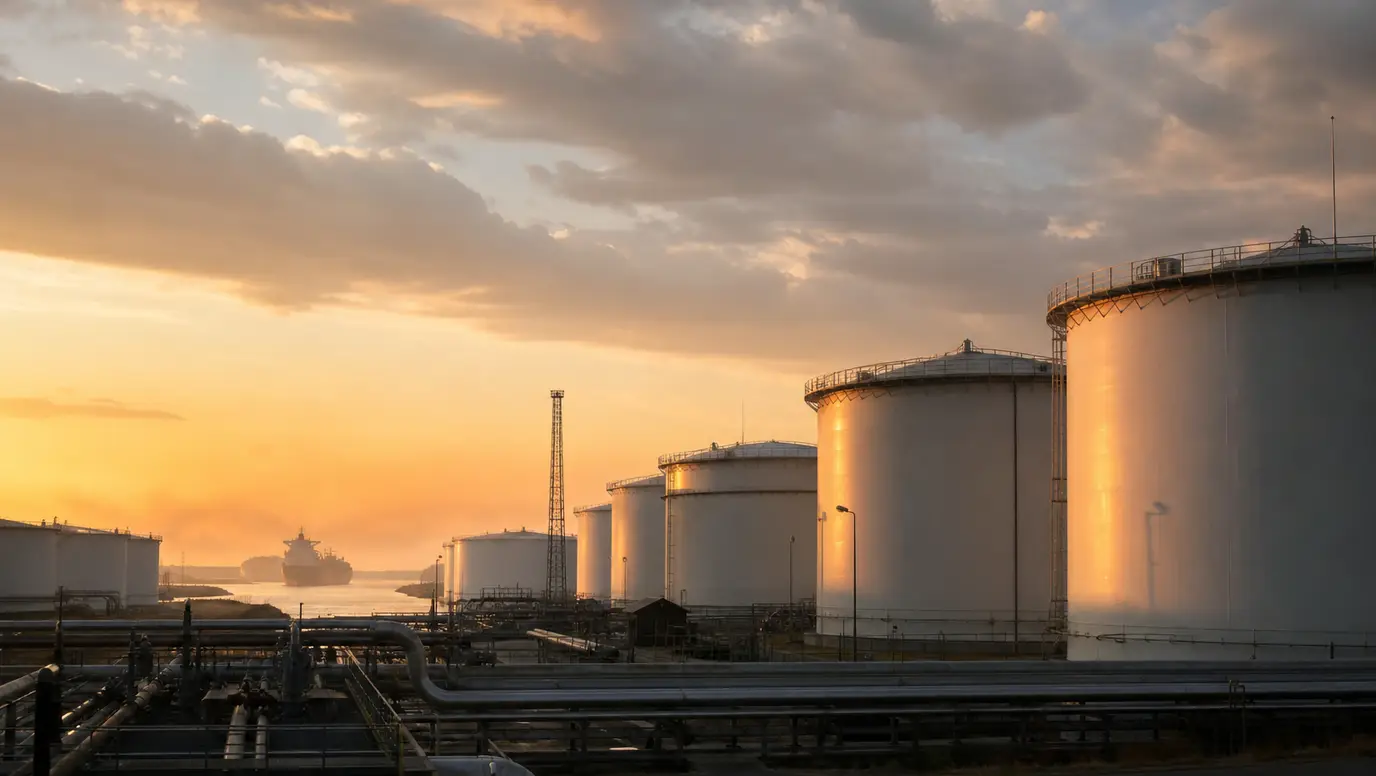
AUGUST 2, 2026
WTI Crude Oil Faces OPEC+ Output Test as Strait of Hormuz Risk Meets Stock Draw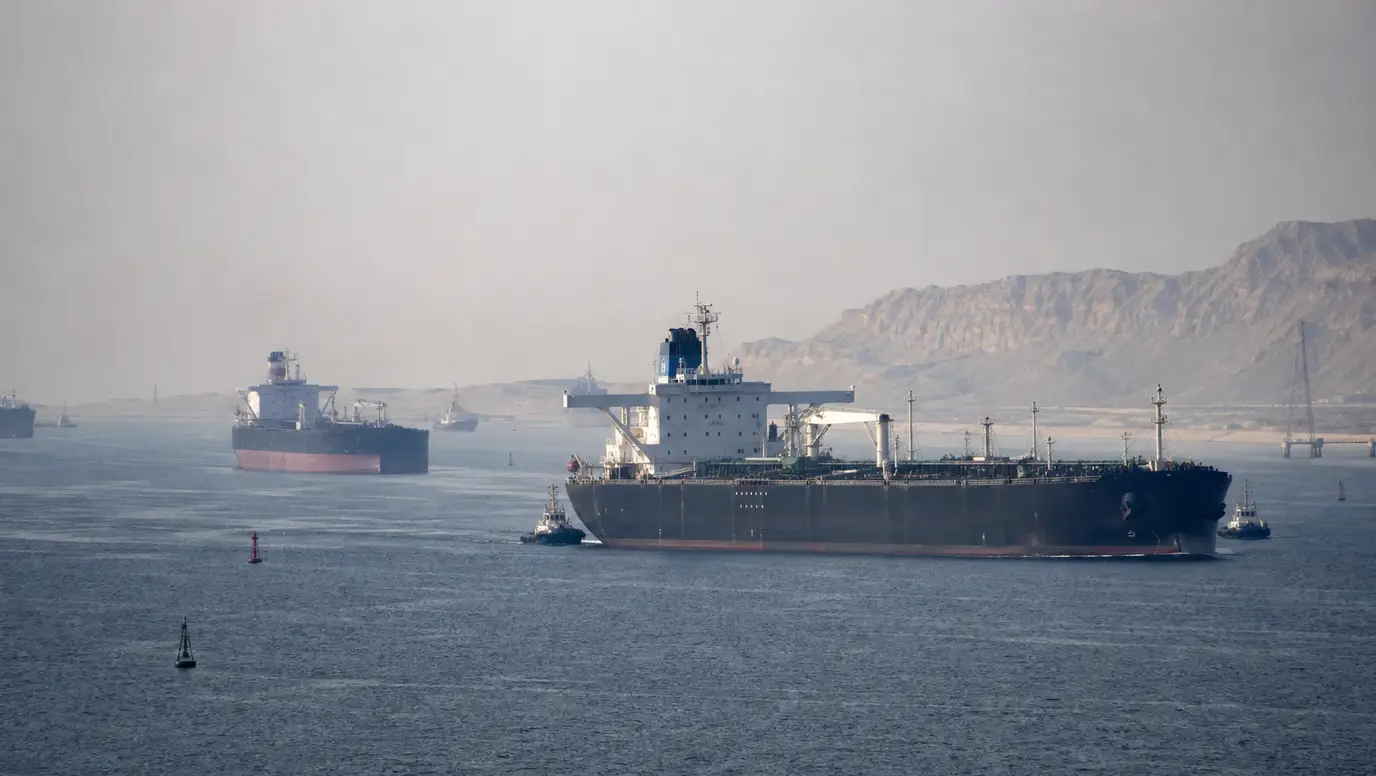
JULY 28, 2026
Strait of Hormuz Flows Keep WTI Crude on Alert as Oil Retreats
JULY 20, 2026
Brent Crude Tops $90 as WTI Crude and Oil Prices React to Hormuz Shipment Risk
JULY 19, 2026
Brent Crude and WTI Crude Rally as Traders Test OPEC+ Supply Cushion
JULY 18, 2026
Brent Crude and WTI Crude Prices Near Weekend Gap Risk as Energy Market Reprices Supply Threat
JULY 17, 2026
Brent Crude and WTI Crude Hold Weekly Gains as Red Sea Threat Offsets US Dollar Rebound
JULY 15, 2026
Brent Crude and WTI Crude Rise as Iran Port Blockade Puts Stockpile Cushion in Focus
JULY 14, 2026
Oil Market Shifts to Bypass Routes as Hormuz Risk Keeps Brent Premium Elevated
JULY 13, 2026
Brent Crude Jumps as Hormuz Escalation Reprices Energy Market Risk
JULY 12, 2026
Crude Oil Faces China Demand Test as Floating Iranian Supply Builds
JULY 11, 2026
Energy Market Watches Tanker Risk as Crude Oil Rally Meets Demand Doubts
JULY 10, 2026
Crude Oil Turns to Glut Risk as OPEC+ Adds August Supply
JULY 9, 2026
Brent Nears $79 as Renewed Gulf Risk Rebuilds Crude Oil Premium
JULY 8, 2026
Crude Oil Faces Mixed Signal as U.S. Stock Build Collides With Fuel Draws
JULY 6, 2026
Crude Oil Slips as Hormuz Flows Normalize and Inventory Test Moves Into View
JULY 5, 2026
OPEC+ Output Hike Turns Energy Market Focus to Real Barrels as Brent Holds Near $72
JULY 4, 2026
Brent Holds Near $72 as OPEC+ August Supply Decision Tests Oil Market Floor
JULY 3, 2026
WTI Holds Near $68 as U.S. Stock Draws Challenge Oil Glut Narrative
JULY 2, 2026
Brent Slides Toward $70 as Iran Risk Premium Fades in Thin Holiday Trade
JULY 1, 2026
OPEC+ Supply Signal Caps Crude Oil Rebound as U.S. Stock Draws Support Prices
JUNE 30, 2026
Natural Gas Rally Outruns Softer Oil as Heat and LNG Demand Split Energy Market