OCTOBER 8, 2026
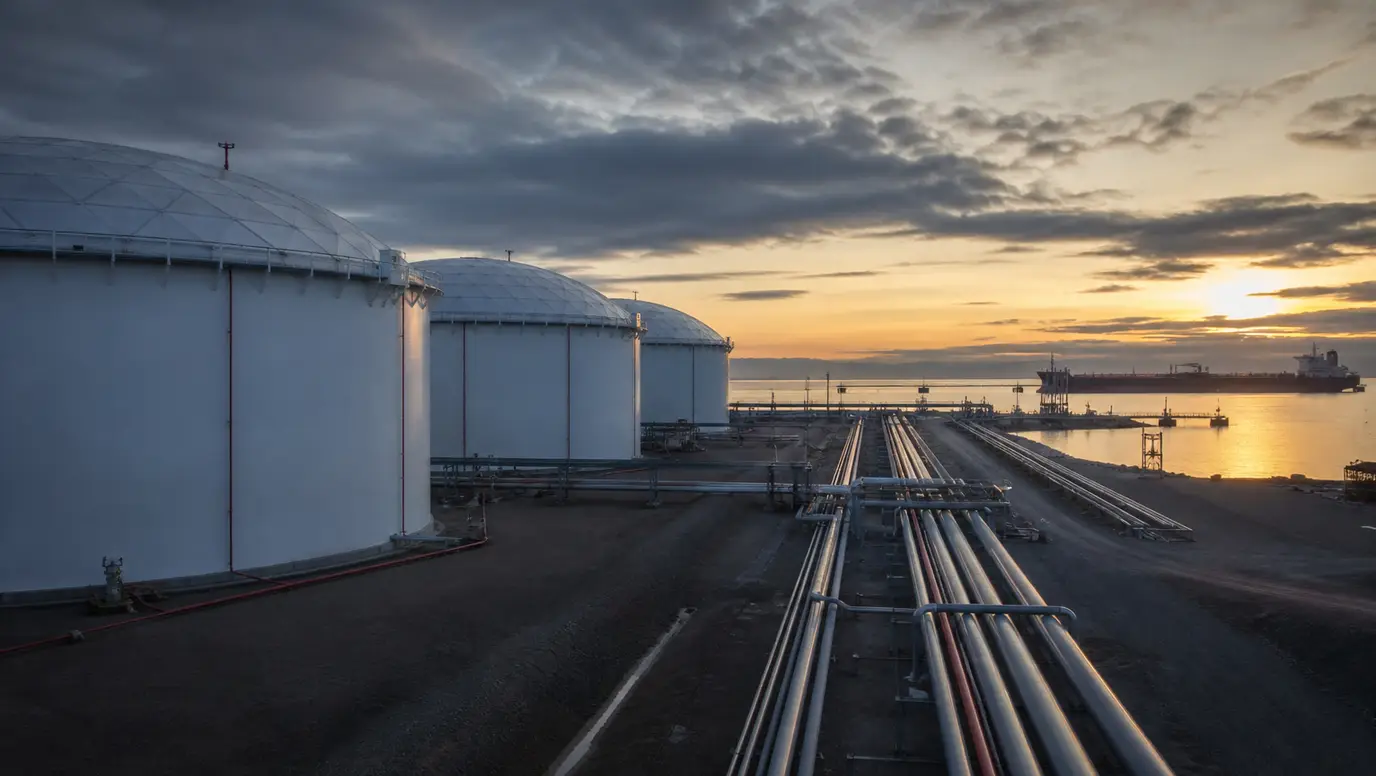
WTI Crude Oil Jumps as Inventory Draw Meets Hormuz Shipping RiskWTI crude oil rallies as U.S. stock draws and Gulf shipping risk outweigh emergency supply-release efforts.

© 1box.site 2026

JULY 18, 2026
The energy market entered the weekend with crude oil traders focused less on routine inventory signals and more on the risk of a disorderly price gap when futures reopen. Brent Crude was reported close to the psychologically important $90 area after a sharp late-week advance, while WTI Crude for August delivery also climbed strongly, reflecting renewed concern that Middle East hostilities could interfere with key export routes.
The latest move extends a volatile week for oil, with both benchmarks supported by supply-risk premiums tied to the Gulf and Red Sea corridors. The market is now weighing whether the latest escalation represents a short-term geopolitical shock or a more durable constraint on seaborne crude flows. That distinction matters for refiners, airlines, shipping companies and inflation-sensitive investors because a sustained rise in crude oil prices can quickly feed into diesel, jet fuel and gasoline costs.
Crude oil prices have been especially sensitive to headlines around the Strait of Hormuz, a critical artery for global petroleum shipments. Even without a full halt in traffic, tanker delays, higher insurance costs and route uncertainty can tighten effective supply by slowing cargo movement. Traders are also watching whether threats to Red Sea shipping create a second pressure point for energy flows, forcing more vessels to consider longer and more expensive routes.
The rally suggests that the market is rebuilding a geopolitical premium after earlier hopes for a cooling in tensions. Brent Crude’s push toward $90 signals that traders are preparing for a scenario in which spare capacity and strategic reserves may not fully offset logistical disruption. WTI Crude’s strength shows the same concern spreading into the U.S. benchmark, even though domestic supply conditions remain separate from Middle East export risk.
The renewed jump in crude oil prices also complicates the broader macro picture. Higher energy costs can slow disinflation, pressure consumer spending and challenge central banks that are already balancing growth risks against inflation persistence. For oil traders, that creates a feedback loop: geopolitical tension lifts crude, rising crude supports inflation expectations, and higher yields or a firmer US Dollar can then limit the upside in risk assets while adding volatility to commodities.
Refining margins and product inventories will be important next signals. If crude rises faster than fuel demand, refiners may resist chasing barrels at elevated levels. But if gasoline, diesel and jet fuel markets tighten at the same time, the price move could broaden beyond futures speculation and become a more visible cost issue for businesses and consumers.
With the strongest news flow concentrated in the energy market, traders are likely to begin the new week by watching three triggers: shipping access through major chokepoints, any official response from large producers, and whether buyers in Asia and Europe continue to pay up for prompt barrels. A calm weekend could remove some risk premium, but any sign of reduced flows may leave Brent Crude and WTI Crude exposed to another fast repricing.
For now, the message from the oil market is clear: energy traders are no longer treating the conflict risk as background noise. Brent near $90 and WTI above recent ranges put crude oil back at the center of the inflation, commodities and global growth debate.
OCTOBER 8, 2026
WTI Crude Oil Jumps as Inventory Draw Meets Hormuz Shipping Risk
SEPTEMBER 30, 2026
WTI Crude Oil Futures Steady as Iran Sanctions Risk Meets Tight Fuel Market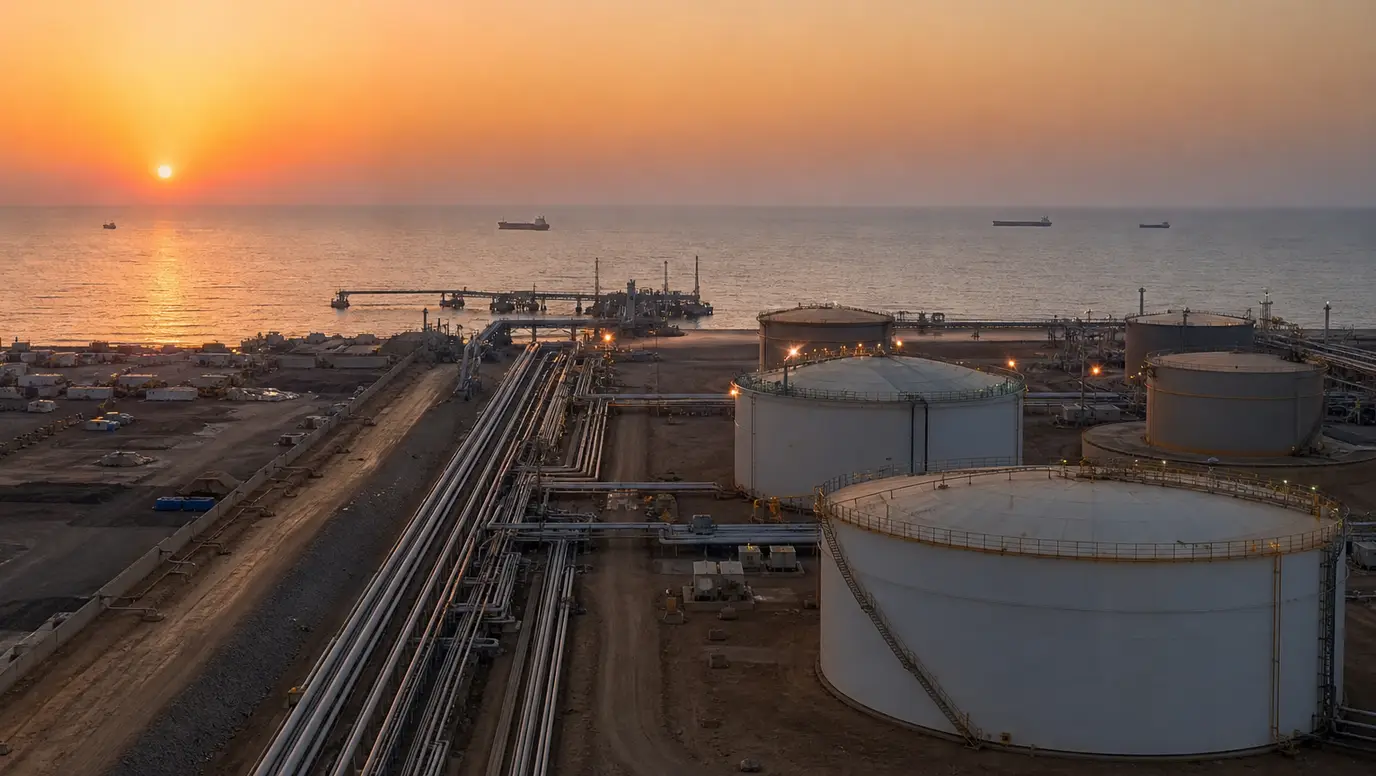
SEPTEMBER 23, 2026
WTI Crude Oil Futures Hold Near Two-Week Low as Gulf Supply Return Tests Fuel Market
SEPTEMBER 14, 2026
WTI Oil Rally Extends as Strait of Hormuz Risk Reprices Energy Market
SEPTEMBER 7, 2026
WTI Crude Oil Futures Hold Near Six-Week High as Hormuz Risk Tightens Energy Market
AUGUST 30, 2026
WTI Crude Oil Slips as Hormuz Supply Relief Tests Energy Market Risk Premium
AUGUST 18, 2026
Brent Crude and WTI Oil Rise as Strait of Hormuz Risk Revives Energy Inflation Worries
AUGUST 10, 2026
Strait of Hormuz Delay Lifts Energy Market as Crude Oil Flow Risk Returns
AUGUST 2, 2026
WTI Crude Oil Faces OPEC+ Output Test as Strait of Hormuz Risk Meets Stock Draw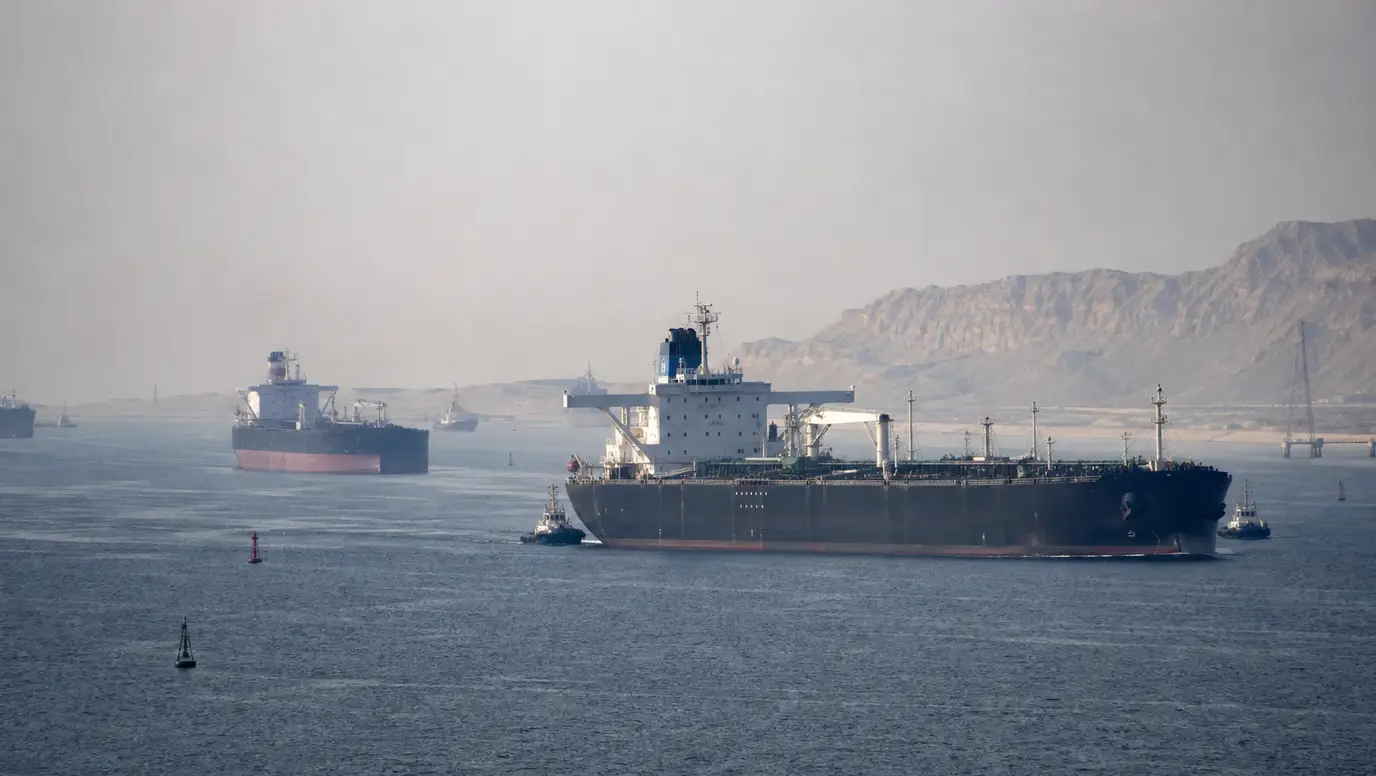
JULY 28, 2026
Strait of Hormuz Flows Keep WTI Crude on Alert as Oil Retreats
JULY 20, 2026
Brent Crude Tops $90 as WTI Crude and Oil Prices React to Hormuz Shipment Risk
JULY 19, 2026
Brent Crude and WTI Crude Rally as Traders Test OPEC+ Supply Cushion
JULY 17, 2026
Brent Crude and WTI Crude Hold Weekly Gains as Red Sea Threat Offsets US Dollar Rebound
JULY 15, 2026
Brent Crude and WTI Crude Rise as Iran Port Blockade Puts Stockpile Cushion in Focus
JULY 14, 2026
Oil Market Shifts to Bypass Routes as Hormuz Risk Keeps Brent Premium Elevated
JULY 13, 2026
Brent Crude Jumps as Hormuz Escalation Reprices Energy Market Risk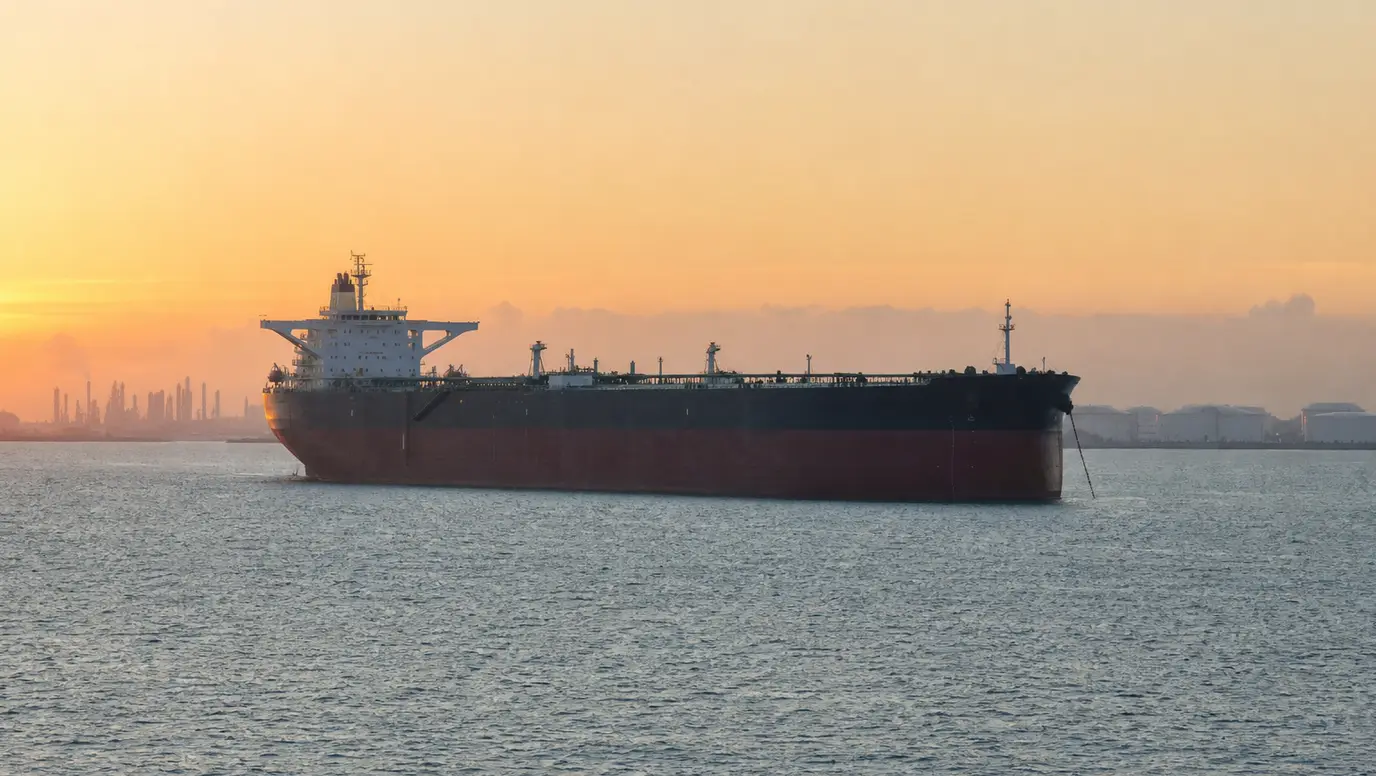
JULY 12, 2026
Crude Oil Faces China Demand Test as Floating Iranian Supply Builds
JULY 11, 2026
Energy Market Watches Tanker Risk as Crude Oil Rally Meets Demand Doubts
JULY 10, 2026
Crude Oil Turns to Glut Risk as OPEC+ Adds August Supply
JULY 9, 2026
Brent Nears $79 as Renewed Gulf Risk Rebuilds Crude Oil Premium
JULY 8, 2026
Crude Oil Faces Mixed Signal as U.S. Stock Build Collides With Fuel Draws
JULY 6, 2026
Crude Oil Slips as Hormuz Flows Normalize and Inventory Test Moves Into View
JULY 5, 2026
OPEC+ Output Hike Turns Energy Market Focus to Real Barrels as Brent Holds Near $72
JULY 4, 2026
Brent Holds Near $72 as OPEC+ August Supply Decision Tests Oil Market Floor
JULY 3, 2026
WTI Holds Near $68 as U.S. Stock Draws Challenge Oil Glut Narrative
JULY 2, 2026
Brent Slides Toward $70 as Iran Risk Premium Fades in Thin Holiday Trade
JULY 1, 2026
OPEC+ Supply Signal Caps Crude Oil Rebound as U.S. Stock Draws Support Prices
JUNE 30, 2026
Natural Gas Rally Outruns Softer Oil as Heat and LNG Demand Split Energy Market
JUNE 29, 2026
Brent Holds Above $72 as Traders Test Fragile Hormuz Reopening
JUNE 28, 2026
WTI Bulls Face Inventory Split as Brent Loses War Premium Before Quarter-End