
OCTOBER 23, 2026
Brent Crude Oil Extends Energy Market Surge as Houthi Strikes Lift Supply PremiumBrent crude oil climbs above $116 as Houthi strikes and Gulf shipping risk add a fresh supply premium to the energy market.

© 1box.site 2026

JULY 6, 2026
Crude oil started the week under renewed pressure as traders marked down the geopolitical risk premium attached to Middle East supply while waiting for the next U.S. inventory update to confirm whether summer fuel demand is absorbing available barrels.
Brent remained near the low-$70 area and WTI traded around the high-$60s after signs that energy flows through the Strait of Hormuz continued to normalize. The move leaves the energy market caught between easing supply anxiety and still-tight visible stocks in the United States, where recent draws have kept the downside from turning into a broader capitulation.
The immediate bearish driver is the perception that the market is no longer pricing an imminent disruption to Gulf exports. Tanker activity and export continuity have reduced the need for emergency buying, allowing traders to focus again on balances, refinery demand and the pace at which additional supply reaches physical markets.
That shift is important because the previous rally was heavily supported by disruption risk rather than a clear acceleration in end-user consumption. As the security premium fades, crude prices are becoming more sensitive to evidence of surplus or shortage in weekly stock data, refining margins and forward spreads.
Additional production targets for August are also weighing on sentiment, although the increase is still being treated as gradual rather than a flood of new barrels. The key question for traders is whether nominated supply turns into delivered cargoes quickly enough to rebuild inventories during the second half of the summer.
The next major test is the fresh U.S. petroleum stock report due later this week. Last week’s figures showed commercial crude inventories falling by 3.8 million barrels to 408.4 million barrels, while gasoline stocks dropped by 2.3 million barrels. Both crude and gasoline inventories were about 7% below their five-year seasonal averages, limiting the bearish impact of softer headline prices.
If the next report shows another draw in crude and refined products, bulls may argue that current prices are already discounting too much supply relief. A surprise build, especially in gasoline or distillates, would strengthen the view that the market is moving from a disruption-led rally into a supply-led correction.
Refinery runs and implied fuel demand will therefore matter as much as the headline crude number. During the summer driving season, a draw caused by strong product demand carries different implications from a draw caused by temporary refinery behavior or shifting import timing.
For Brent, the near-term battle is whether buyers can defend the low-$70 range as the Middle East risk premium shrinks. A sustained break below that zone would suggest that traders are becoming more comfortable with a looser third-quarter balance. For WTI, the high-$60 area remains the key reference point, with domestic stock data likely to decide whether dip-buying returns.
The broader energy-market tone is cautious rather than decisively bearish. Supply headlines have turned less supportive, but U.S. inventories remain lean by seasonal standards and refined-product demand has not yet given traders a clear signal of weakness. That leaves crude oil vulnerable to further headline-driven swings until fresh inventory and demand data provide a cleaner direction.
OCTOBER 23, 2026
Brent Crude Oil Extends Energy Market Surge as Houthi Strikes Lift Supply Premium
OCTOBER 20, 2026
WTI Crude Oil Futures Keep Energy Market on Edge as Strait of Hormuz Risk Lifts Premium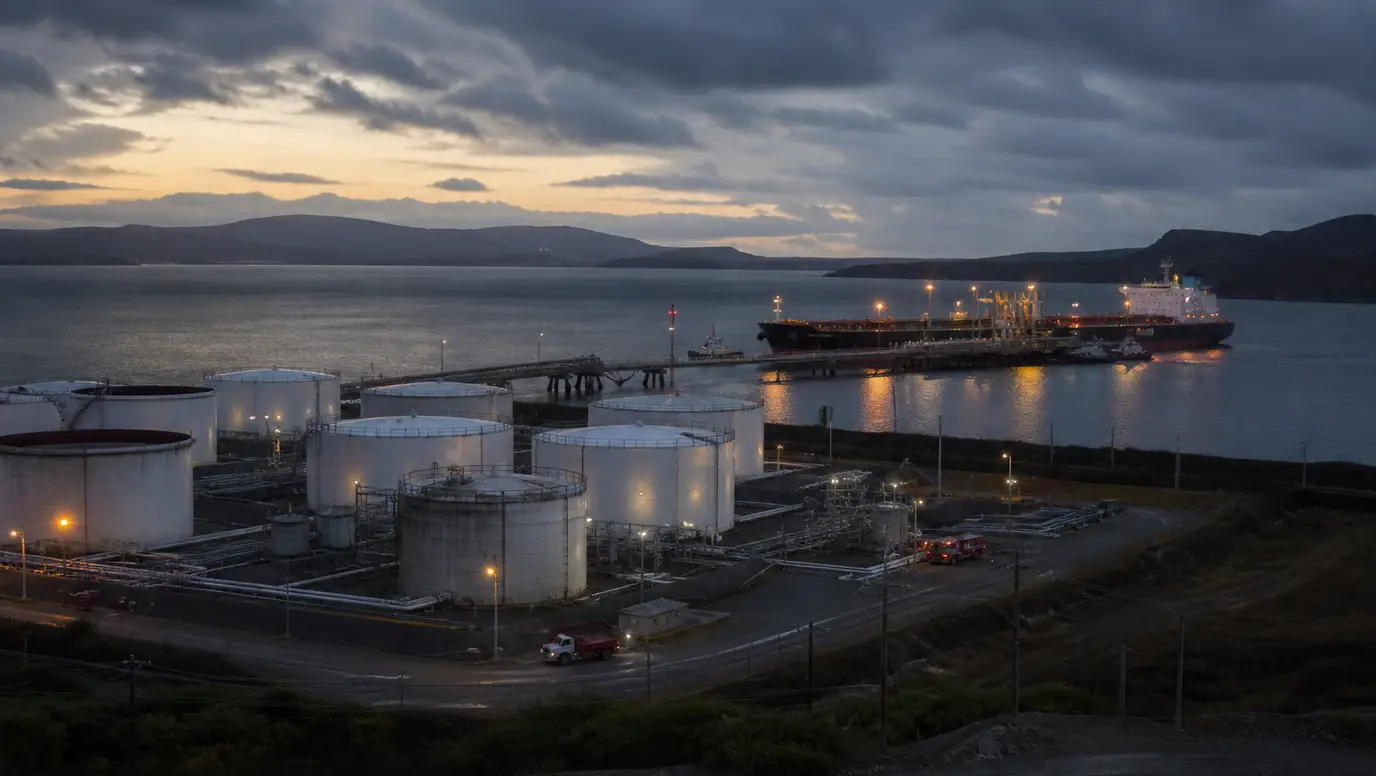
OCTOBER 17, 2026
Brent Crude Oil Tests $110 as Strategic Petroleum Reserve Move Fails to Calm Energy Market
OCTOBER 9, 2026
Brent Crude Oil Pulls Back as OPEC+ Hold and Iran Strike Pause Ease Energy Premium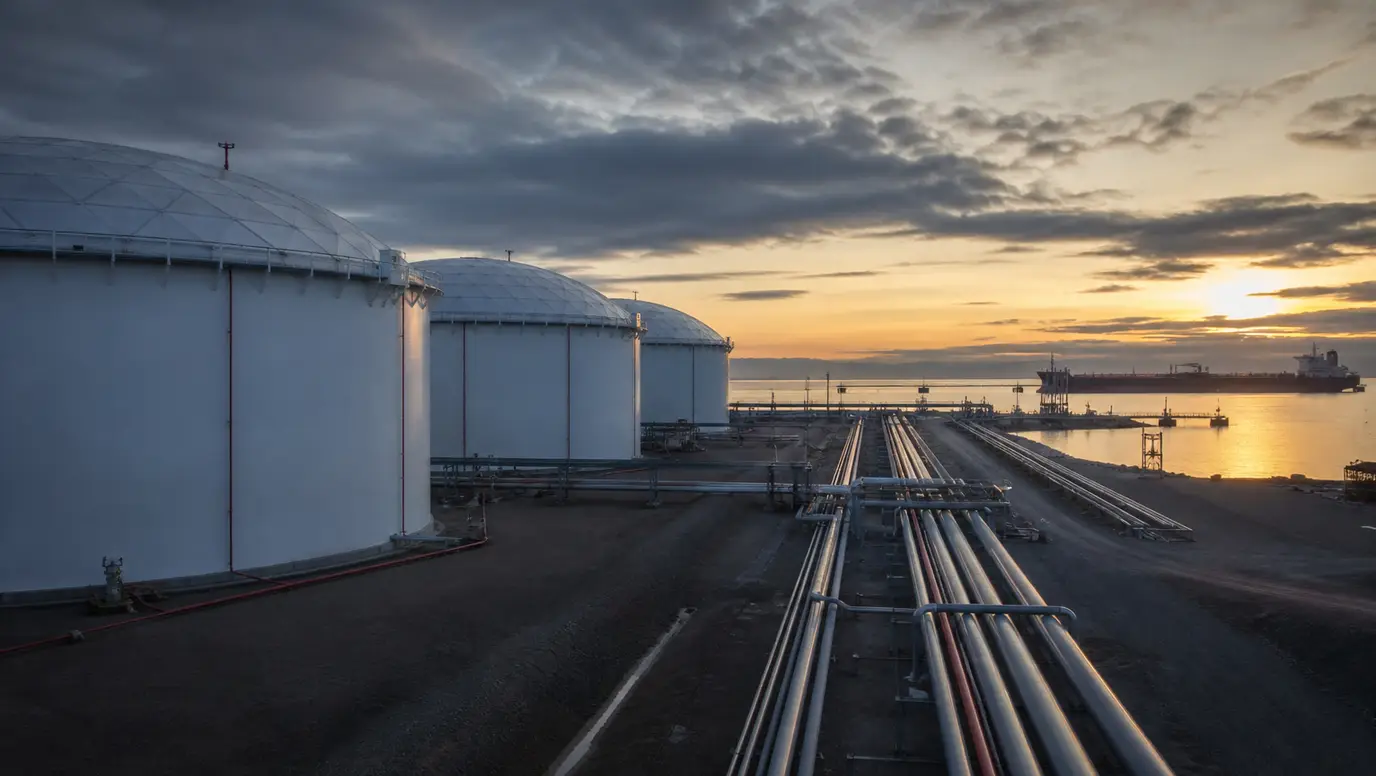
OCTOBER 8, 2026
WTI Crude Oil Jumps as Inventory Draw Meets Hormuz Shipping Risk
OCTOBER 6, 2026
Distillate Fuel Squeeze Keeps Energy Market Alert as Diesel Margins Stay Elevated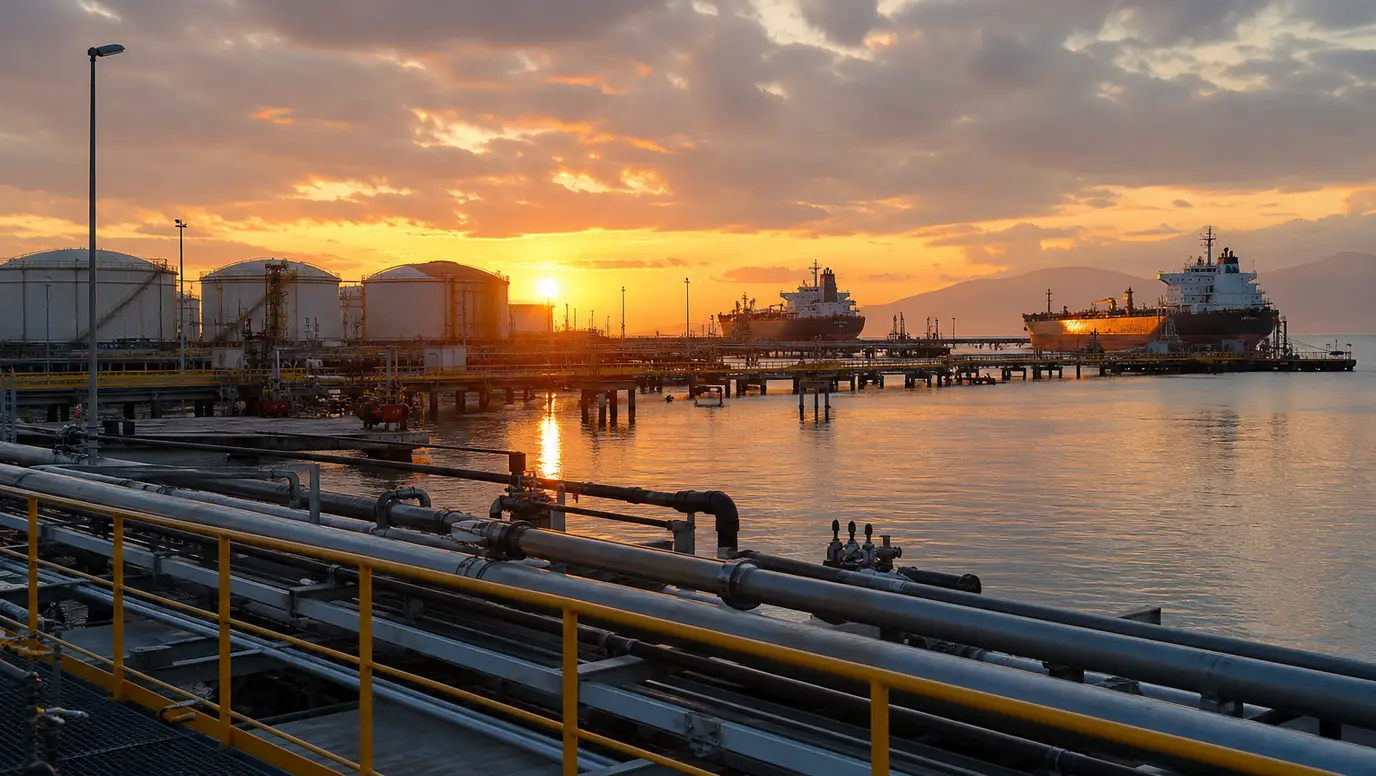
OCTOBER 4, 2026
Brent Crude Holds Above $100 as OPEC+ Extends Output Pause
OCTOBER 2, 2026
Crude Oil Slides as OPEC+ Pause Bets Meet Returning Middle East Supply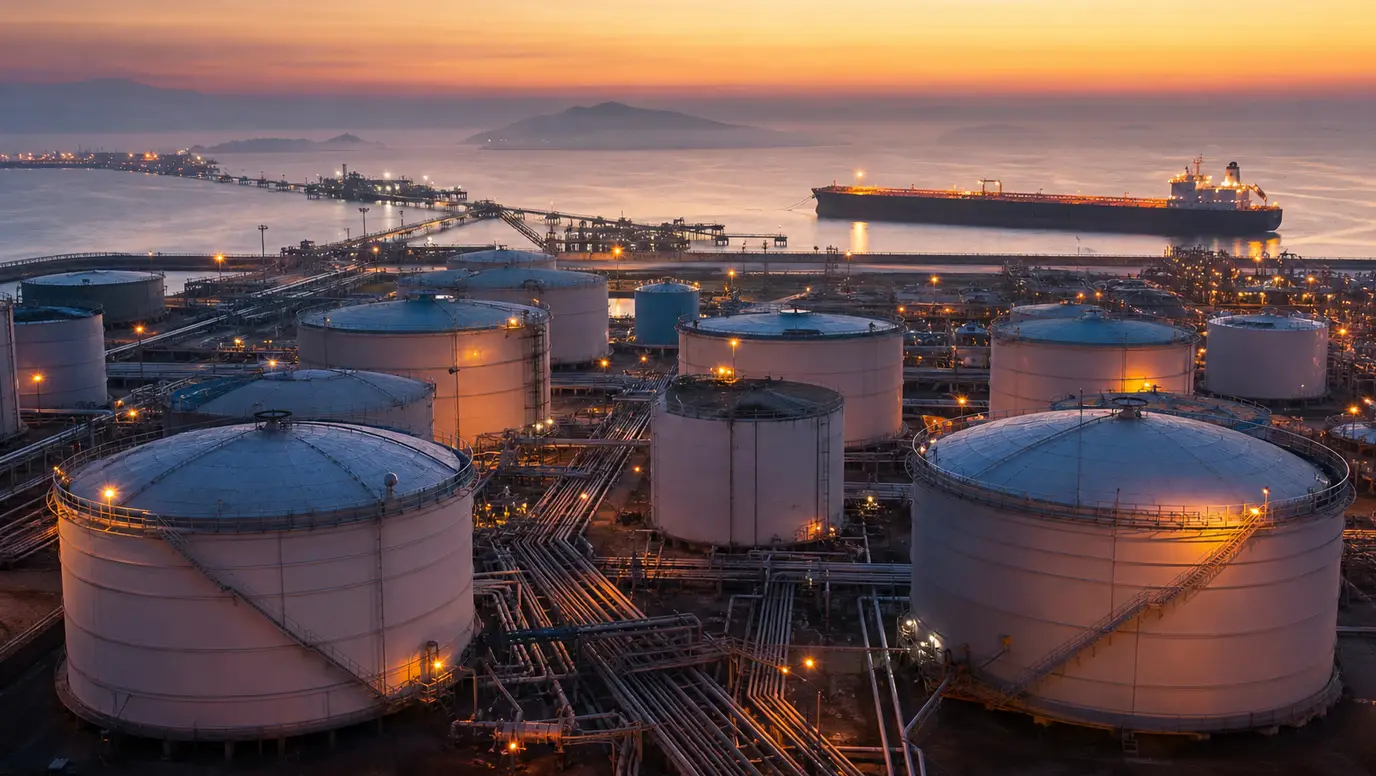
SEPTEMBER 30, 2026
WTI Crude Oil Futures Steady as Iran Sanctions Risk Meets Tight Fuel Market
SEPTEMBER 27, 2026
Brent Crude Risk Premium Holds as OPEC+ Pause Keeps Energy Market on Edge
SEPTEMBER 23, 2026
WTI Crude Oil Futures Hold Near Two-Week Low as Gulf Supply Return Tests Fuel Market
SEPTEMBER 20, 2026
Brent Crude Futures Hold Near $104 as Saudi Pipeline Workaround Tests Oil Rally
SEPTEMBER 15, 2026
Brent Crude Holds Above $107 as Saudi Pipeline Closure Lifts Energy Risk Premium
SEPTEMBER 14, 2026
WTI Oil Rally Extends as Strait of Hormuz Risk Reprices Energy Market
SEPTEMBER 9, 2026
Brent Crude Futures Break $100 as Supply Shock Tightens Energy Market
SEPTEMBER 7, 2026
WTI Crude Oil Futures Hold Near Six-Week High as Hormuz Risk Tightens Energy Market
SEPTEMBER 3, 2026
OPEC+ Discount Shock Puts Energy Market on Brent Crude Supply Watch
AUGUST 31, 2026
Crude Oil Rally Puts Energy Market Back on Strait Risk Watch
AUGUST 30, 2026
WTI Crude Oil Slips as Hormuz Supply Relief Tests Energy Market Risk Premium
AUGUST 29, 2026
Venezuela Oil Deal Puts Brent Crude on Long-Term Supply Watch
AUGUST 21, 2026
Brent Crude Extends Weekly Gain as Iran Sanctions Threat Tightens Fuel Supply Watch
AUGUST 18, 2026
Brent Crude and WTI Oil Rise as Strait of Hormuz Risk Revives Energy Inflation Worries
AUGUST 15, 2026
OPEC+ September Hike Leaves Crude Market Watching Gulf Export Reliability
AUGUST 11, 2026
Brent Crude Whipsaws Near $90 as Red Sea Risk Tests Energy Market
AUGUST 10, 2026
Strait of Hormuz Delay Lifts Energy Market as Crude Oil Flow Risk Returns
AUGUST 6, 2026
Brent Crude Volatility Keeps Energy Market Focused on Iran Risk Premium
AUGUST 5, 2026
Propane Build Puts Energy Commodities on Winter Demand Watch
AUGUST 2, 2026
WTI Crude Oil Faces OPEC+ Output Test as Strait of Hormuz Risk Meets Stock Draw
JULY 31, 2026
Brent Crude Holds Risk Premium as Red Sea Disruptions Keep Energy Traders Defensive
JULY 29, 2026
Gasoline Cracks Lift Energy Commodities as Crude Rebounds on Inventory Draw