OCTOBER 8, 2026
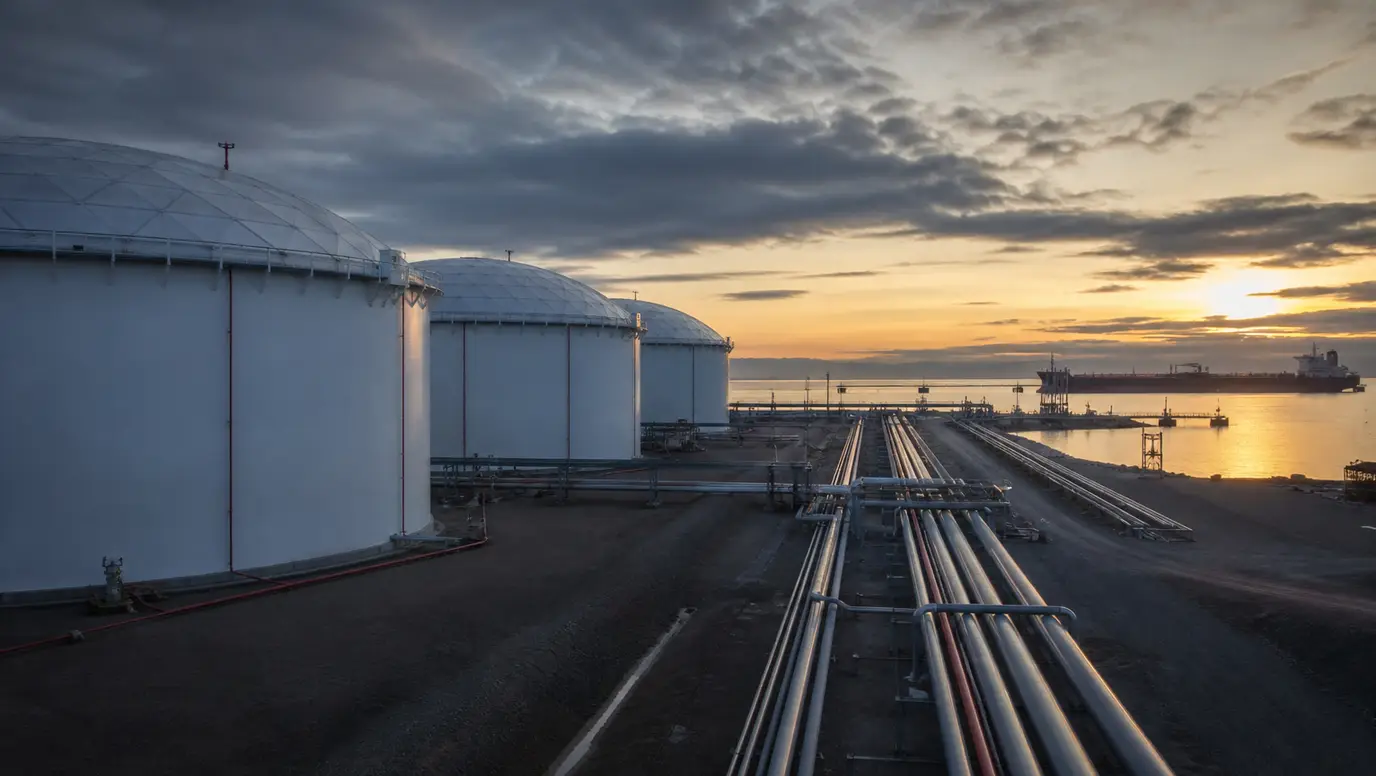
WTI Crude Oil Jumps as Inventory Draw Meets Hormuz Shipping RiskWTI crude oil rallies as U.S. stock draws and Gulf shipping risk outweigh emergency supply-release efforts.

© 1box.site 2026

AUGUST 30, 2026
WTI crude oil moved lower into the end of the week as traders reduced part of the geopolitical risk premium that had supported energy prices through much of August. The pullback came as the market weighed signs of possible easing in Gulf shipping stress against still-fragile supply routes, elevated inflation concerns, and slower demand signals.
The latest trading tone suggests that oil investors are becoming more selective about paying for headline risk. Earlier in the month, supply disruption fears helped keep crude benchmarks firm, but recent reports of additional flows and mine-clearance activity around key shipping lanes have encouraged some profit-taking. That has shifted attention back toward inventories, refinery demand, and the broader macro backdrop.
The Strait of Hormuz remains central to the crude oil outlook because even partial disruption can affect cargo timing, freight costs, and refinery buying behavior. However, the market response has become less one-directional as traders look for evidence that barrels are still moving through alternative or managed routes.
For WTI, that means geopolitical support is no longer enough to guarantee sustained upside. If shipping conditions continue to stabilize, the market may demand confirmation of tighter physical balances before rebuilding long positions. Conversely, any renewed disruption in Gulf flows could quickly restore a premium, particularly while spare logistical capacity remains limited.
The recent decline also reflects a more cautious view of demand. High energy prices can restrain consumption, especially if central banks keep financial conditions tight to contain inflation. For crude traders, that creates a difficult balance: supply risks remain real, but demand destruction becomes a stronger threat when prices stay elevated for too long.
With the immediate shock premium easing, weekly U.S. inventory data is likely to regain influence over short-term price direction. A sustained build in commercial crude stocks would reinforce the view that the market has absorbed some of the disruption risk, while larger-than-expected draws would challenge the bearish momentum and point to resilient refinery demand.
Refined products will also matter. Diesel, jet fuel, and gasoline margins can determine how aggressively refiners bid for crude. If product demand softens after the summer driving season, crude runs could ease and leave WTI more exposed to downside pressure. If margins stay firm, refiners may continue to support physical crude demand even as financial traders reduce risk.
For now, the energy market appears to be moving from a pure geopolitical shock trade toward a more data-driven phase. WTI crude oil may remain volatile, but the next leg is likely to depend on whether supply relief proves durable and whether inventory reports confirm that demand is strong enough to absorb available barrels.
OCTOBER 8, 2026
WTI Crude Oil Jumps as Inventory Draw Meets Hormuz Shipping Risk
SEPTEMBER 30, 2026
WTI Crude Oil Futures Steady as Iran Sanctions Risk Meets Tight Fuel Market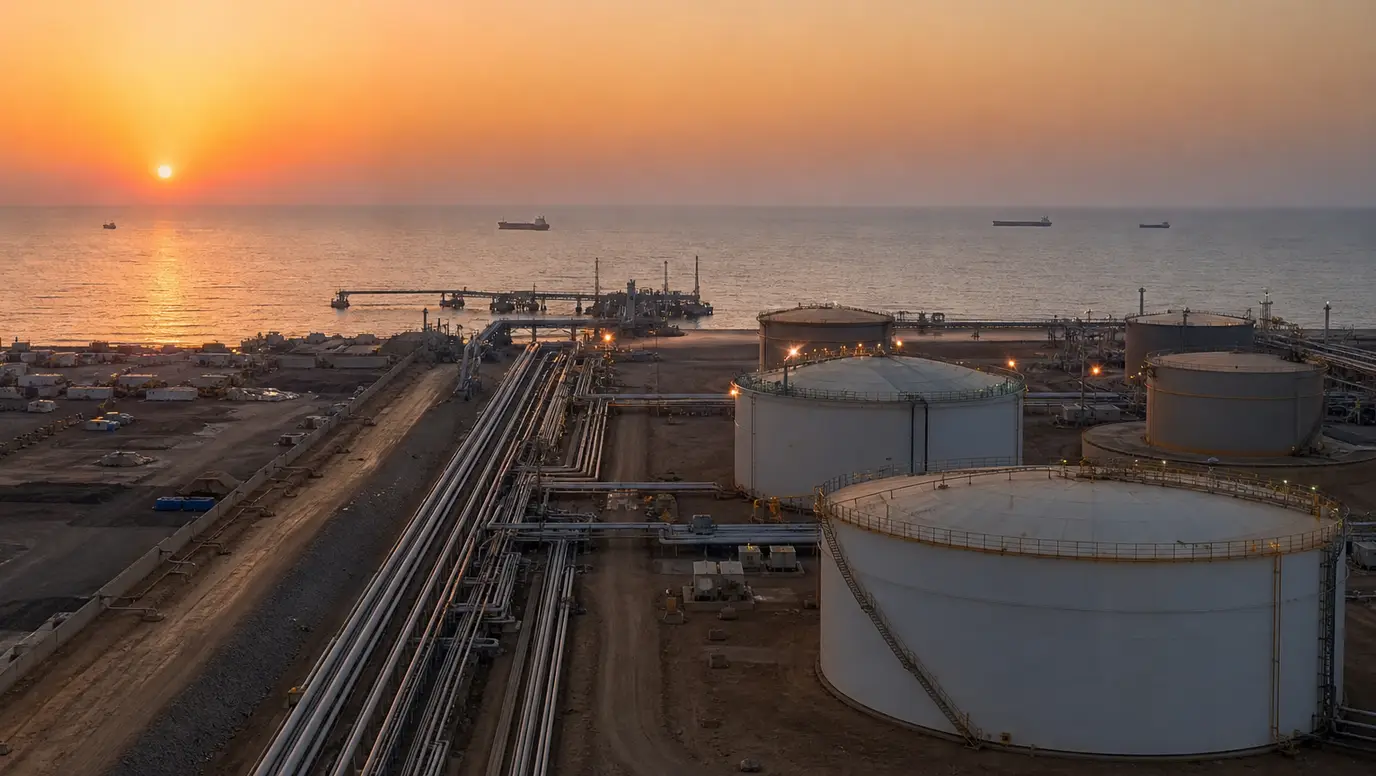
SEPTEMBER 23, 2026
WTI Crude Oil Futures Hold Near Two-Week Low as Gulf Supply Return Tests Fuel Market
SEPTEMBER 14, 2026
WTI Oil Rally Extends as Strait of Hormuz Risk Reprices Energy Market
SEPTEMBER 7, 2026
WTI Crude Oil Futures Hold Near Six-Week High as Hormuz Risk Tightens Energy Market
AUGUST 18, 2026
Brent Crude and WTI Oil Rise as Strait of Hormuz Risk Revives Energy Inflation Worries
AUGUST 10, 2026
Strait of Hormuz Delay Lifts Energy Market as Crude Oil Flow Risk Returns
AUGUST 2, 2026
WTI Crude Oil Faces OPEC+ Output Test as Strait of Hormuz Risk Meets Stock Draw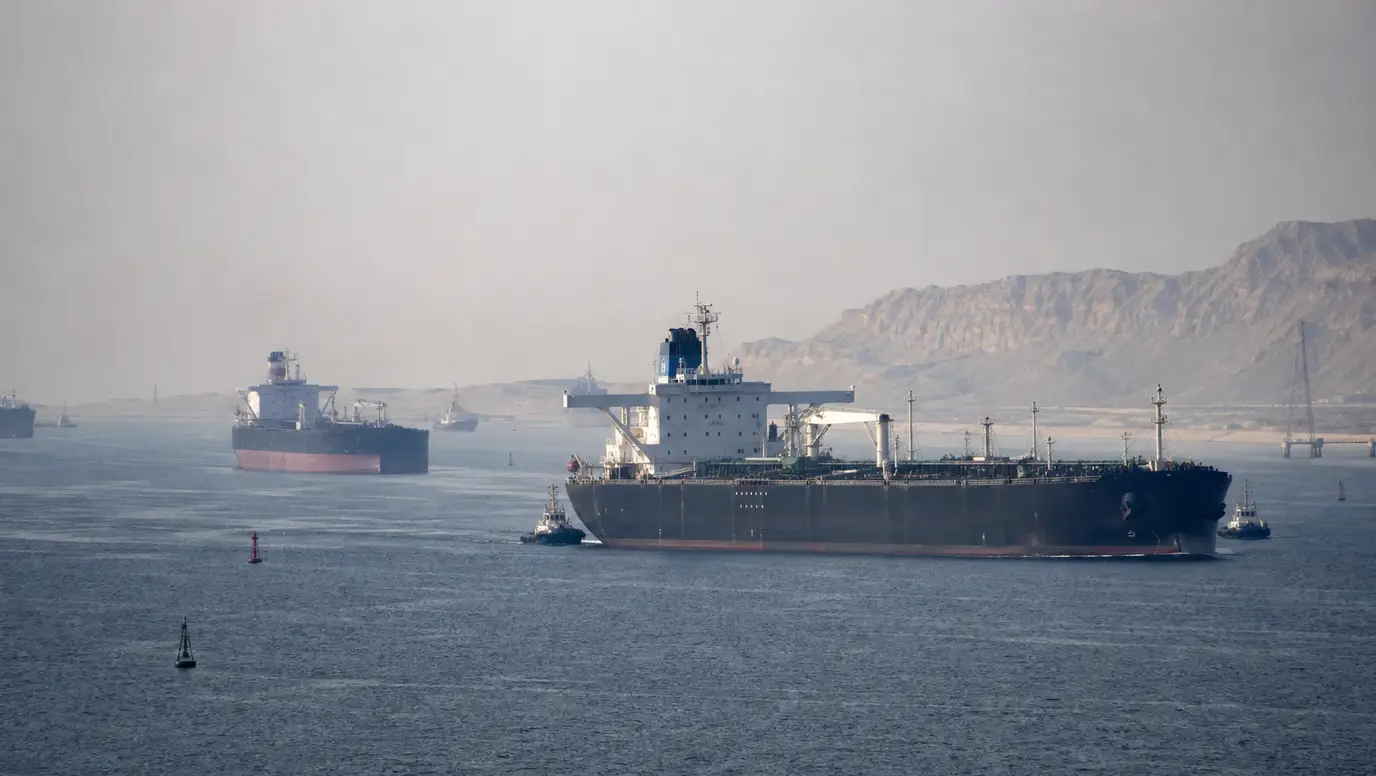
JULY 28, 2026
Strait of Hormuz Flows Keep WTI Crude on Alert as Oil Retreats
JULY 20, 2026
Brent Crude Tops $90 as WTI Crude and Oil Prices React to Hormuz Shipment Risk
JULY 19, 2026
Brent Crude and WTI Crude Rally as Traders Test OPEC+ Supply Cushion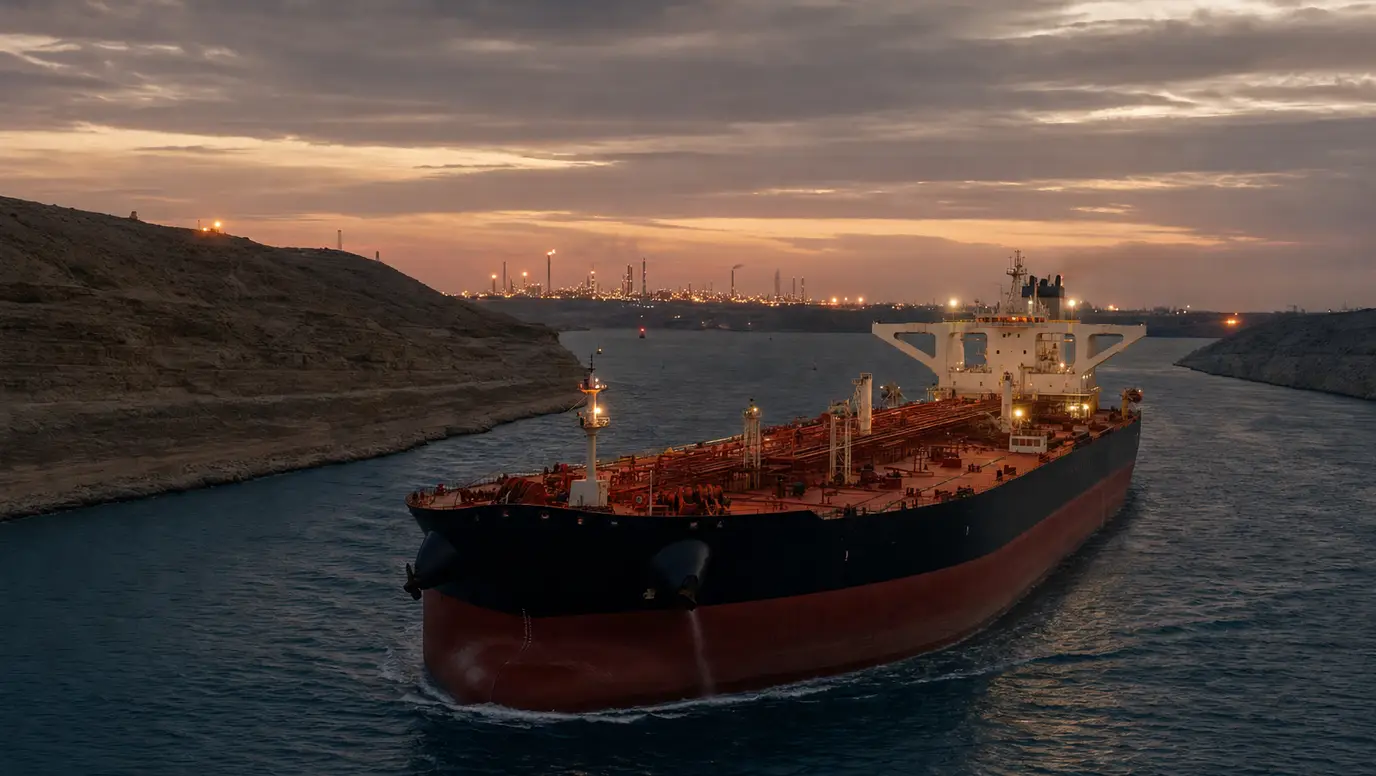
JULY 18, 2026
Brent Crude and WTI Crude Prices Near Weekend Gap Risk as Energy Market Reprices Supply Threat
JULY 17, 2026
Brent Crude and WTI Crude Hold Weekly Gains as Red Sea Threat Offsets US Dollar Rebound
JULY 15, 2026
Brent Crude and WTI Crude Rise as Iran Port Blockade Puts Stockpile Cushion in Focus
JULY 14, 2026
Oil Market Shifts to Bypass Routes as Hormuz Risk Keeps Brent Premium Elevated
JULY 13, 2026
Brent Crude Jumps as Hormuz Escalation Reprices Energy Market Risk
JULY 12, 2026
Crude Oil Faces China Demand Test as Floating Iranian Supply Builds
JULY 11, 2026
Energy Market Watches Tanker Risk as Crude Oil Rally Meets Demand Doubts
JULY 10, 2026
Crude Oil Turns to Glut Risk as OPEC+ Adds August Supply
JULY 9, 2026
Brent Nears $79 as Renewed Gulf Risk Rebuilds Crude Oil Premium
JULY 8, 2026
Crude Oil Faces Mixed Signal as U.S. Stock Build Collides With Fuel Draws
JULY 6, 2026
Crude Oil Slips as Hormuz Flows Normalize and Inventory Test Moves Into View
JULY 5, 2026
OPEC+ Output Hike Turns Energy Market Focus to Real Barrels as Brent Holds Near $72
JULY 4, 2026
Brent Holds Near $72 as OPEC+ August Supply Decision Tests Oil Market Floor
JULY 3, 2026
WTI Holds Near $68 as U.S. Stock Draws Challenge Oil Glut Narrative
JULY 2, 2026
Brent Slides Toward $70 as Iran Risk Premium Fades in Thin Holiday Trade
JULY 1, 2026
OPEC+ Supply Signal Caps Crude Oil Rebound as U.S. Stock Draws Support Prices
JUNE 30, 2026
Natural Gas Rally Outruns Softer Oil as Heat and LNG Demand Split Energy Market
JUNE 29, 2026
Brent Holds Above $72 as Traders Test Fragile Hormuz Reopening
JUNE 28, 2026
WTI Bulls Face Inventory Split as Brent Loses War Premium Before Quarter-End