
OCTOBER 23, 2026
Brent Crude Oil Extends Energy Market Surge as Houthi Strikes Lift Supply PremiumBrent crude oil climbs above $116 as Houthi strikes and Gulf shipping risk add a fresh supply premium to the energy market.

© 1box.site 2026

OCTOBER 4, 2026
Brent crude remained anchored above the $100 mark after OPEC+ kept November production targets unchanged, reinforcing the energy market’s focus on real supply availability rather than headline quota levels. The decision extends the current pause in output policy at a time when benchmark prices are still being pulled between emergency fuel-release plans, disrupted Middle East flows and resilient demand for refined products.
The move came after seven core members of the wider producer group agreed to maintain September 2026 required production levels for November. The group had already paused further increases for October, and the latest decision signals a preference for caution while the market assesses whether recent supply improvements are durable enough to loosen balances into year-end.
Brent settled at $102.25 a barrel on Friday, while WTI closed at $91.11. The gap between the two benchmarks remains an important signal for traders because international barrels are carrying a larger geopolitical and shipping-risk premium, while U.S. crude has been more exposed to shifting expectations around fuel inventories and reserve releases.
The OPEC+ decision is important because production ceilings are not the same as actual supply. Several producers have been pumping below stated targets as export disruptions and logistical constraints limit the number of barrels reaching buyers. That means a steady quota can still be supportive for prices if physical flows remain impaired.
For the market, the immediate question is whether the pause reduces downside pressure after last week’s pullback in crude. Brent slipped as traders reacted to discussions around coordinated fuel stock releases, but the benchmark’s ability to hold above $100 suggests that traders are not yet convinced emergency barrels will fully offset tight underlying balances.
The decision also shifts attention to the next policy checkpoint. The seven core OPEC+ members are expected to continue monthly reviews, with the next meeting scheduled for November 1. Until then, traders will watch export data, tanker movements, refinery runs and fuel cracks for evidence that the market is either loosening or tightening further.
Fuel markets remain the pressure point. Recent weakness in crude followed plans by European and allied governments to release additional diesel and crude reserves in an effort to cool prices and ease reliance on emergency imports. Those plans helped knock WTI lower and briefly tested Brent’s support, but they have not removed concerns about depleted refined-product buffers heading into the colder part of the year.
Diesel is especially important because it feeds directly into transport, manufacturing, agriculture and freight costs. If reserve releases cap diesel prices, crude may struggle to extend gains quickly. If the release proves too small or too temporary, refiners may continue bidding aggressively for crude and middle distillate feedstocks, keeping the energy complex tight.
That dynamic leaves Brent crude in a sensitive trading range. A sustained move above recent highs would likely require evidence that Middle East exports remain constrained or that fuel demand is absorbing emergency supply faster than expected. A break lower would require clearer signs that reserve releases, recovering shipments and softer macroeconomic demand are combining to rebuild inventories.
The Brent-WTI spread is likely to stay in focus this week. A wide spread can reflect stronger international risk premiums, constrained seaborne supply and higher demand for non-U.S. barrels. It can also influence refinery and export economics, shaping how aggressively buyers seek U.S. crude versus international grades.
For now, the latest OPEC+ pause gives the market a firm supply-side reference point: the group is not rushing to add more barrels on paper while actual flows remain uncertain. That keeps the burden of proof on bears who expect emergency reserve releases to trigger a deeper crude correction.
The broader message for the energy market is that policy headlines are moving prices quickly, but physical availability is still driving the medium-term tone. As long as Brent holds above $100 and OPEC+ keeps output steady, crude traders are likely to treat pullbacks as tests of supply confidence rather than evidence of a fully balanced market.
OCTOBER 23, 2026
Brent Crude Oil Extends Energy Market Surge as Houthi Strikes Lift Supply Premium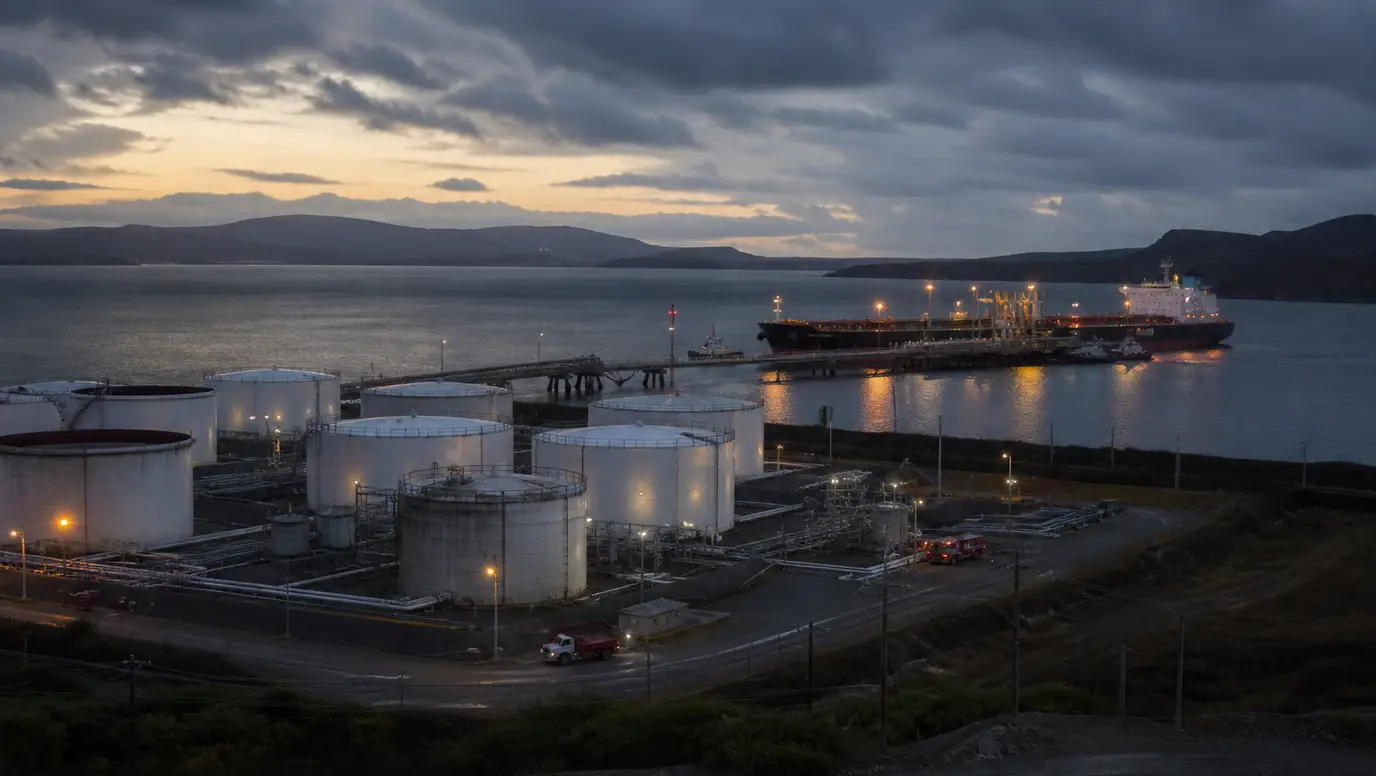
OCTOBER 17, 2026
Brent Crude Oil Tests $110 as Strategic Petroleum Reserve Move Fails to Calm Energy Market
OCTOBER 9, 2026
Brent Crude Oil Pulls Back as OPEC+ Hold and Iran Strike Pause Ease Energy Premium
OCTOBER 2, 2026
Crude Oil Slides as OPEC+ Pause Bets Meet Returning Middle East Supply
SEPTEMBER 27, 2026
Brent Crude Risk Premium Holds as OPEC+ Pause Keeps Energy Market on Edge
SEPTEMBER 20, 2026
Brent Crude Futures Hold Near $104 as Saudi Pipeline Workaround Tests Oil Rally
SEPTEMBER 15, 2026
Brent Crude Holds Above $107 as Saudi Pipeline Closure Lifts Energy Risk Premium
SEPTEMBER 12, 2026
Saudi Pipeline Shutdown Puts OPEC+ and Crude Oil on Red Sea Supply Watch
SEPTEMBER 9, 2026
Brent Crude Futures Break $100 as Supply Shock Tightens Energy Market
SEPTEMBER 3, 2026
OPEC+ Discount Shock Puts Energy Market on Brent Crude Supply Watch
AUGUST 29, 2026
Venezuela Oil Deal Puts Brent Crude on Long-Term Supply Watch
AUGUST 21, 2026
Brent Crude Extends Weekly Gain as Iran Sanctions Threat Tightens Fuel Supply Watch
AUGUST 18, 2026
Brent Crude and WTI Oil Rise as Strait of Hormuz Risk Revives Energy Inflation Worries
AUGUST 15, 2026
OPEC+ September Hike Leaves Crude Market Watching Gulf Export Reliability
AUGUST 11, 2026
Brent Crude Whipsaws Near $90 as Red Sea Risk Tests Energy Market
AUGUST 7, 2026
Crude Oil Market Weighs China Import Rebound as OPEC+ Supply Returns
AUGUST 6, 2026
Brent Crude Volatility Keeps Energy Market Focused on Iran Risk Premium
AUGUST 2, 2026
WTI Crude Oil Faces OPEC+ Output Test as Strait of Hormuz Risk Meets Stock Draw
JULY 31, 2026
Brent Crude Holds Risk Premium as Red Sea Disruptions Keep Energy Traders Defensive
JULY 24, 2026
Brent Holds Above $100 as Red Sea Tanker Risk Resets Energy Market Outlook
JULY 20, 2026
Brent Crude Tops $90 as WTI Crude and Oil Prices React to Hormuz Shipment Risk
JULY 19, 2026
Brent Crude and WTI Crude Rally as Traders Test OPEC+ Supply Cushion
JULY 18, 2026
Brent Crude and WTI Crude Prices Near Weekend Gap Risk as Energy Market Reprices Supply Threat
JULY 17, 2026
Brent Crude and WTI Crude Hold Weekly Gains as Red Sea Threat Offsets US Dollar Rebound
JULY 15, 2026
Brent Crude and WTI Crude Rise as Iran Port Blockade Puts Stockpile Cushion in Focus
JULY 14, 2026
Oil Market Shifts to Bypass Routes as Hormuz Risk Keeps Brent Premium Elevated
JULY 13, 2026
Brent Crude Jumps as Hormuz Escalation Reprices Energy Market Risk
JULY 12, 2026
Crude Oil Faces China Demand Test as Floating Iranian Supply Builds
JULY 11, 2026
Energy Market Watches Tanker Risk as Crude Oil Rally Meets Demand Doubts
JULY 10, 2026
Crude Oil Turns to Glut Risk as OPEC+ Adds August Supply