
JULY 6, 2026
Crude Oil Slips as Hormuz Flows Normalize and Inventory Test Moves Into ViewCrude oil weakens as Hormuz traffic normalizes and traders await fresh U.S. inventory data for demand confirmation.

© 1box.site 2026
JUNE 16, 2026
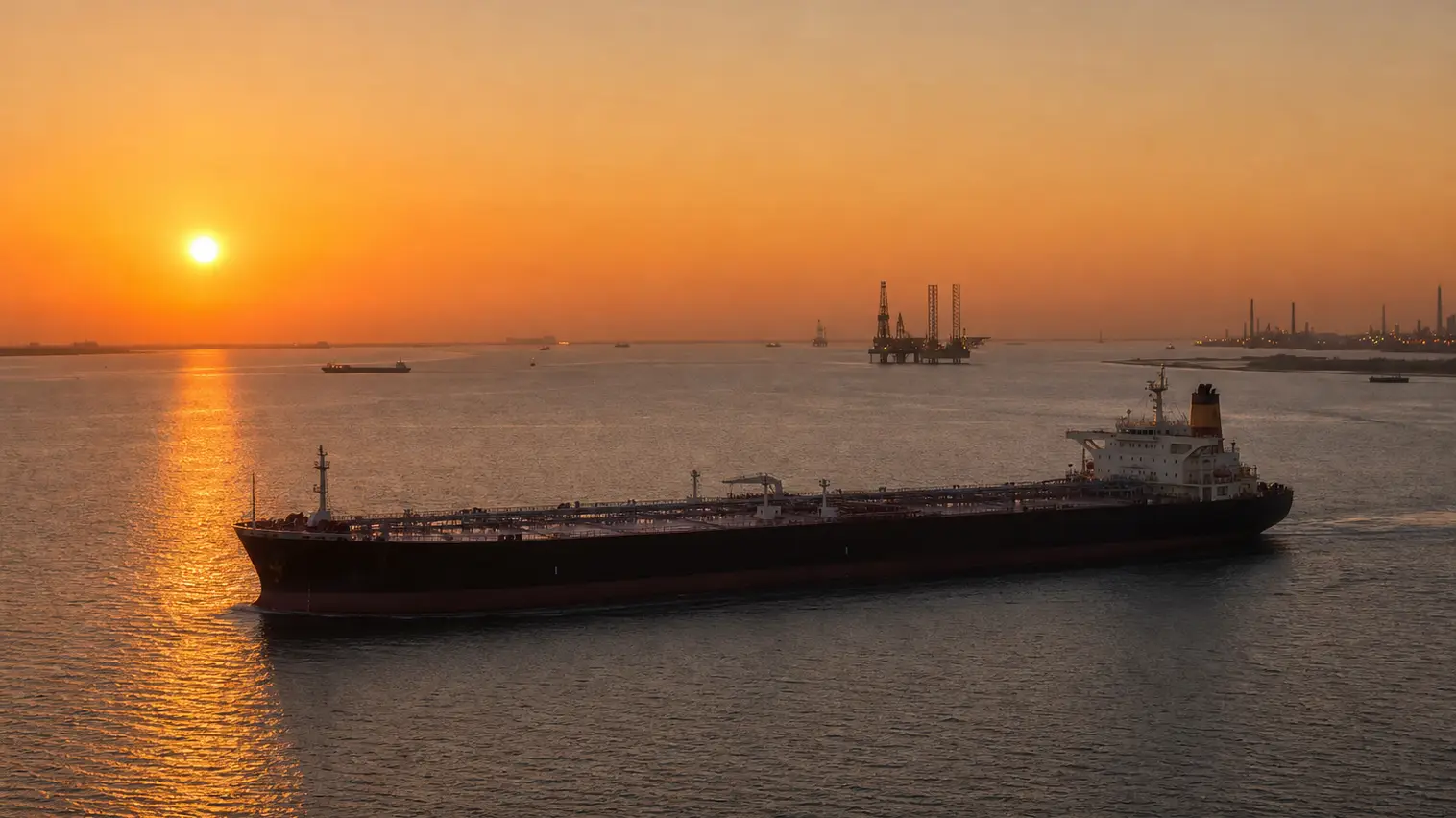
Oil prices extended their sharp retreat on Tuesday, June 16, as traders moved from pricing an emergency supply shock to assessing how quickly physical flows can actually restart through the Strait of Hormuz. Brent crude slipped below $80 a barrel intraday for the first time since early March, while WTI crude fell into the upper-$70s as the market digested a tentative U.S.-Iran framework aimed at ending the conflict and reopening the key Gulf shipping route.
The move deepened Monday’s selloff, when both benchmarks closed at three-month lows after the announcement of a preliminary deal. The decline reflects a rapid unwinding of the war-risk premium that had supported crude for months, but it does not yet signal a return to pre-crisis normality. Details of the agreement remain limited, and traders are still waiting for evidence that tankers, insurers and producers are ready to restore normal traffic.
The Strait of Hormuz remains central to the energy market because it is a critical corridor for Gulf crude, refined products and LNG exports. Even if the diplomatic process holds, the restart is unlikely to be instantaneous. Shipowners may require clearer security guarantees, insurers may reprice risk only gradually, and any inspection or clearance work in the waterway could slow the return of full-scale tanker movement.
That uncertainty is keeping a floor under prices even as headline risk fades. Traders are watching how many vessels actually enter the Gulf, whether stranded barrels begin moving into Asian refining systems, and how quickly regional producers can restore loading schedules. A swift reopening could pressure Brent toward the mid-$70s, but a slow or partial restart would leave the market vulnerable to another volatility spike.
The latest price action also reflects softer physical signals. Asian spot premiums have eased from crisis levels, and refiners are showing less urgency to chase barrels after weeks of high input costs. If Gulf exports normalize, buyers may gain more leverage just as summer demand is being tested by higher fuel prices and cautious global industrial activity.
Still, the bearish case is not one-way. Commercial inventories remain tight after months of disruption, strategic reserve releases have reduced emergency buffers, and the Northern Hemisphere driving season is underway. Those factors could slow the decline if consumers and refiners rebuild stocks faster than expected.
The energy market is also watching LNG flows because any sustained change in Hormuz traffic can affect global gas pricing. A smoother route for Gulf LNG cargoes would ease pressure on importers in Europe and Asia, while renewed shipping hesitation could quickly revive concerns about winter supply planning and power-sector fuel costs.
For inflation-sensitive markets, the key question is whether cheaper crude reaches consumers quickly enough to reduce gasoline and freight costs. Pump prices typically lag futures moves, and refiners may remain cautious until cargo schedules look reliable. That means the oil market’s next phase may depend less on political headlines and more on visible barrels, tanker movements and inventory data over the coming weeks.
JULY 6, 2026
Crude Oil Slips as Hormuz Flows Normalize and Inventory Test Moves Into View
JULY 5, 2026
OPEC+ Output Hike Turns Energy Market Focus to Real Barrels as Brent Holds Near $72
JULY 4, 2026
Brent Holds Near $72 as OPEC+ August Supply Decision Tests Oil Market Floor
JULY 3, 2026
WTI Holds Near $68 as U.S. Stock Draws Challenge Oil Glut Narrative
JULY 2, 2026
Brent Slides Toward $70 as Iran Risk Premium Fades in Thin Holiday Trade
JULY 1, 2026
OPEC+ Supply Signal Caps Crude Oil Rebound as U.S. Stock Draws Support Prices
JUNE 30, 2026
Natural Gas Rally Outruns Softer Oil as Heat and LNG Demand Split Energy Market
JUNE 29, 2026
Brent Holds Above $72 as Traders Test Fragile Hormuz Reopening
JUNE 28, 2026
WTI Bulls Face Inventory Split as Brent Loses War Premium Before Quarter-End
JUNE 27, 2026
Refinery Strain Keeps Energy Market on Edge as Oil Selloff Meets Fuel Stock Tightness
JUNE 25, 2026
Iraq Quota Threat Puts OPEC Discipline in Focus as Oil War Premium Evaporates
JUNE 24, 2026
Brent Slide Below $77 Turns Oil Market Focus to Inventories and Summer Fuel Demand
JUNE 23, 2026
Brent and WTI Fall Again as Traders Shift From War Premium to Hormuz Flow Checks
JUNE 22, 2026
Oil Risk Premium Fades as Brent and WTI Slide on Fresh U.S.-Iran Talks
JUNE 21, 2026
Brent and WTI Face Inventory Test as Oil Market Shrugs Off Demand-Bearish Forecasts
JUNE 20, 2026
Oil Traders Watch Tanker Flows as Brent Holds Near $80 After Risk-Premium Reset
JUNE 19, 2026
Brent and WTI Steady as Traders Test the Reality of Hormuz Reopening
JUNE 17, 2026
WTI Rebounds as U.S. Stock Draw Puts a Floor Under Oil Selloff
JUNE 15, 2026
Brent and WTI Slide as Hormuz Reopening Bets Reset Oil Risk Premium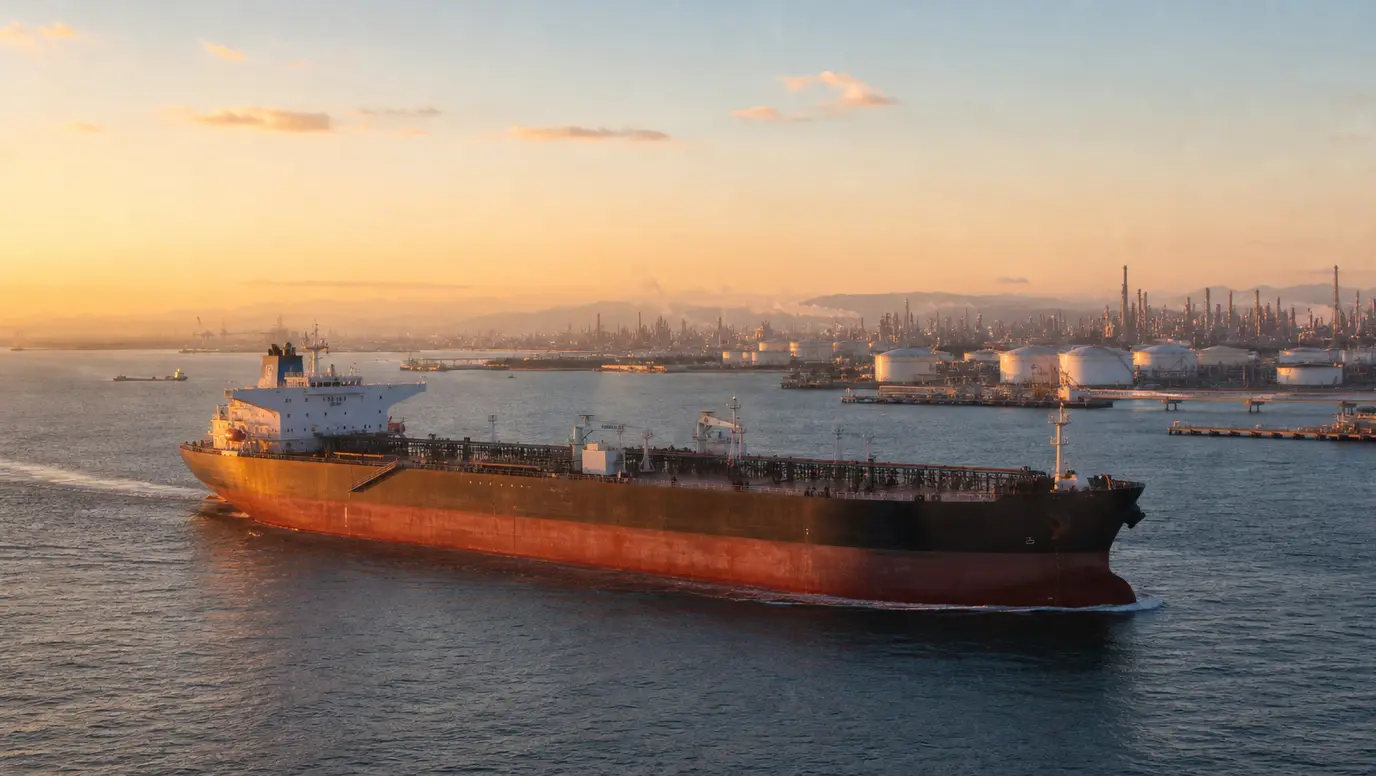
JUNE 14, 2026
Brent and WTI Enter New Week as Hormuz Risk Collides With Demand Shock
JUNE 12, 2026
Brent and WTI Hit Two-Month Lows as Iran Strike Risk Premium Unwinds
JUNE 11, 2026
Brent and WTI Rise as U.S. Crude Draw Tightens the Energy Market’s Prompt Supply Focus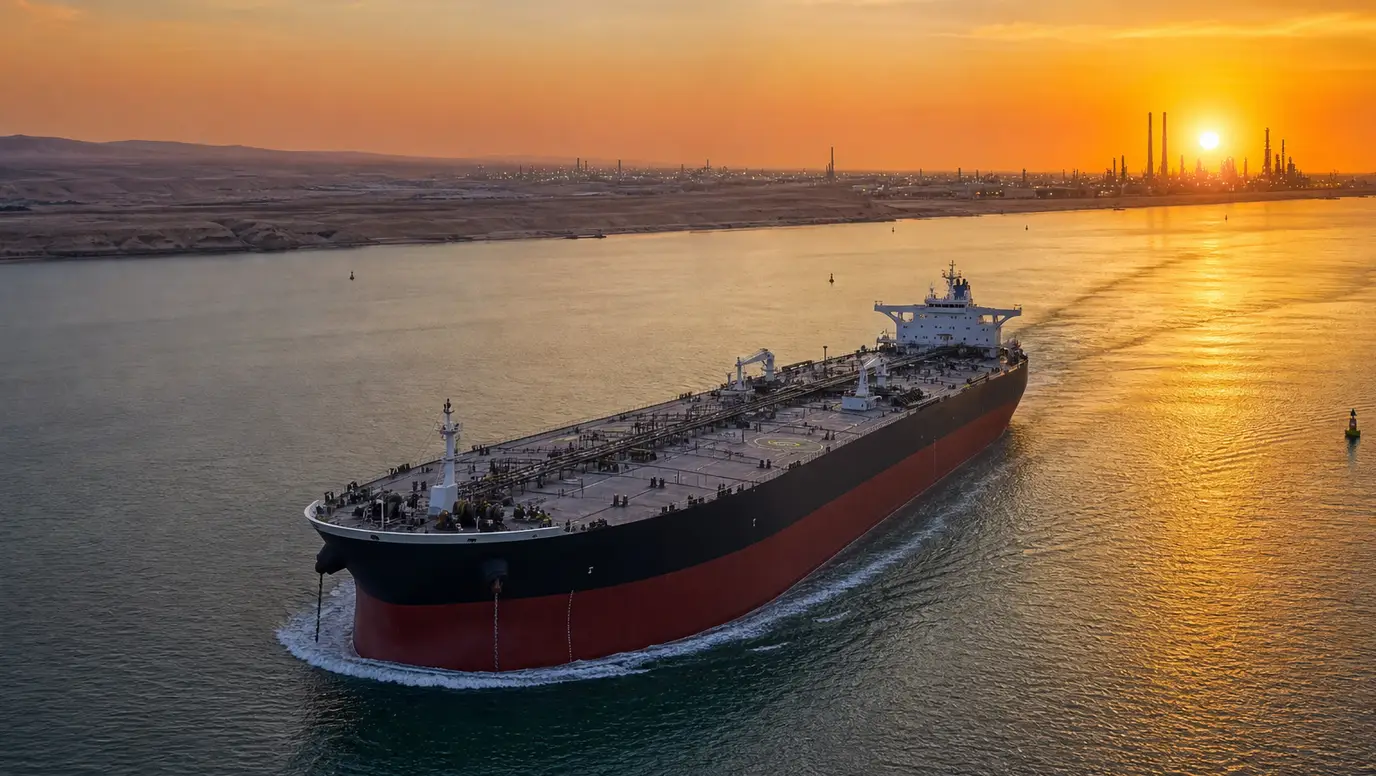
JUNE 10, 2026
Energy Market Faces Demand Destruction Test as Hormuz Risk Reshapes Oil Trade
JUNE 9, 2026
Brent and WTI Pull Back as Ceasefire Hopes Test Oil Market Risk Premium
JUNE 8, 2026
Oil Volatility Jumps as Brent Nears $100 and Traders Reprice Middle East Supply Risk
JUNE 7, 2026
OPEC+ Quota Hike Lands as Energy Market Doubts New Barrels Can Reach Buyers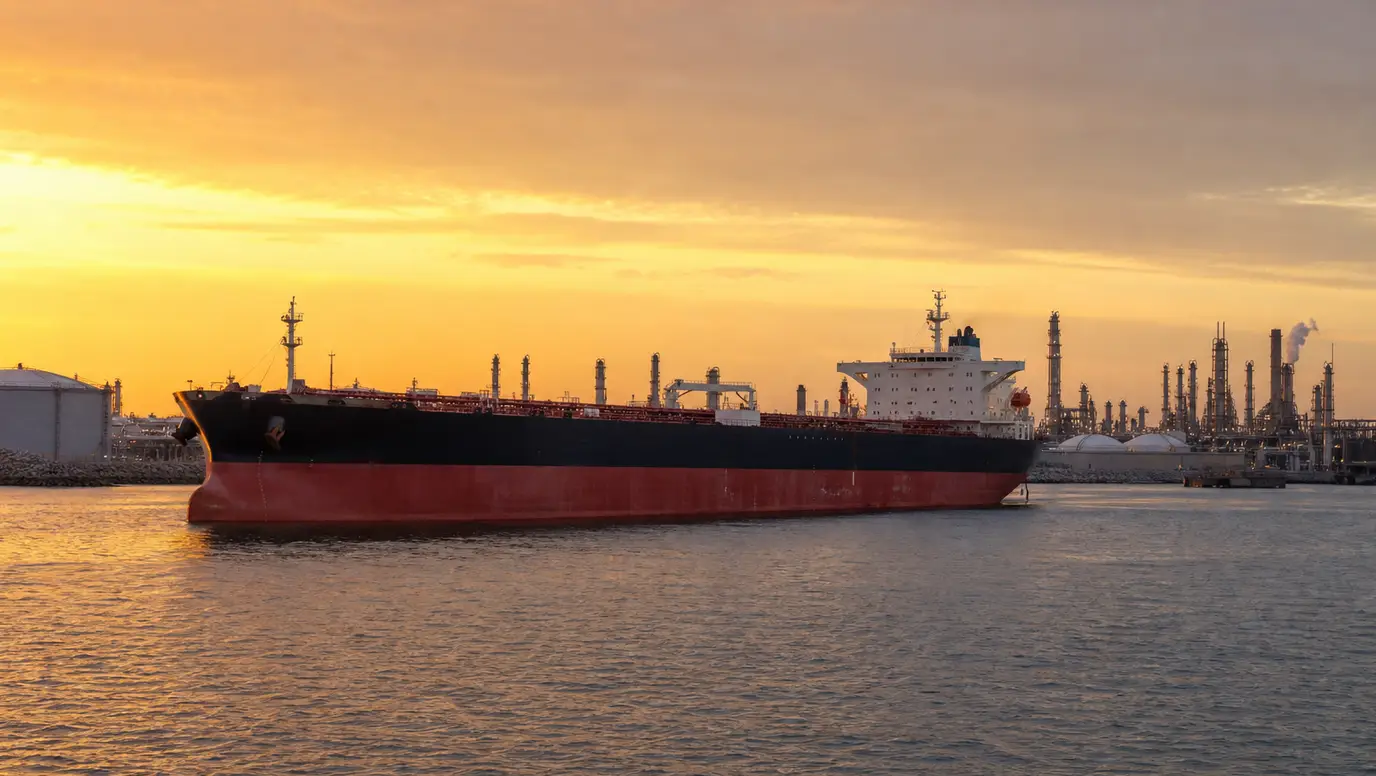
JUNE 6, 2026
OPEC+ Weekend Test Puts Oil Market on Alert as Crude Draw Tightens the Buffer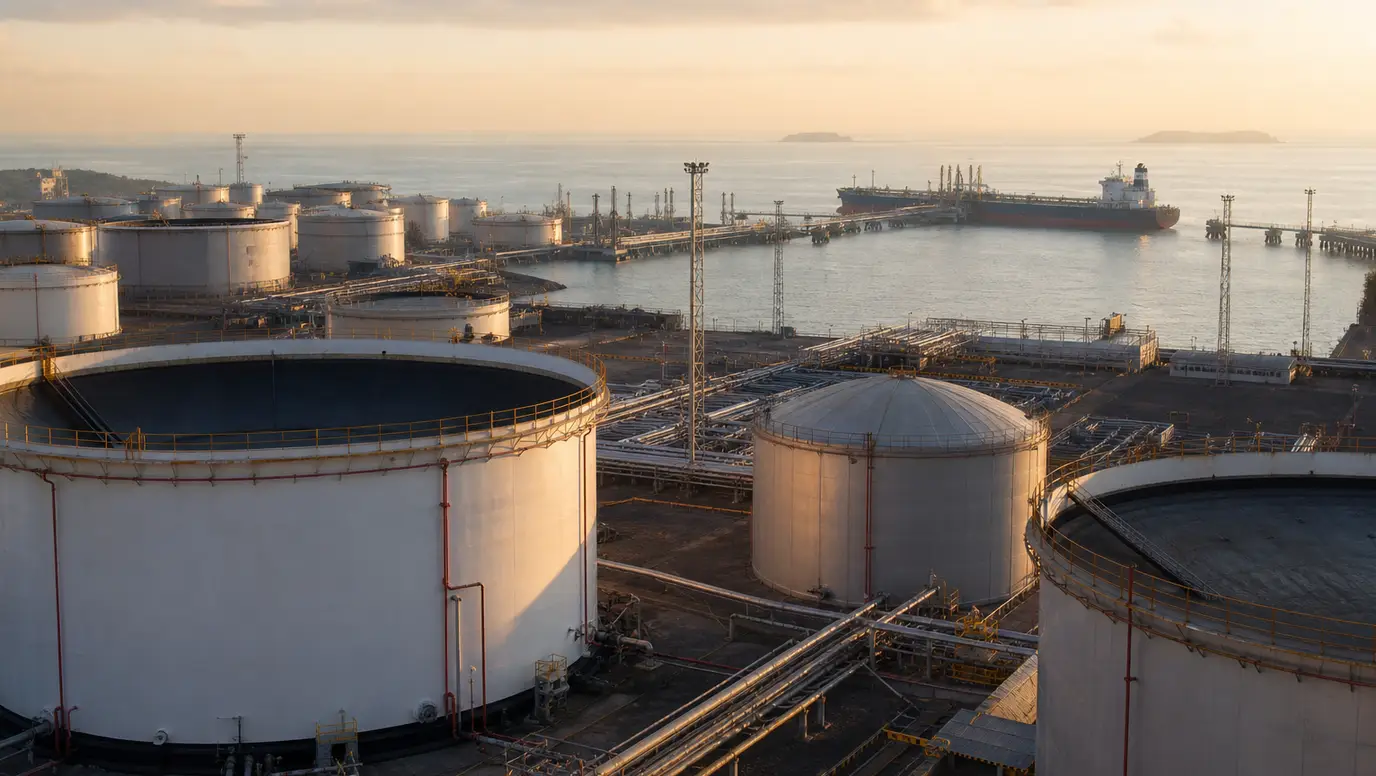
JUNE 4, 2026
U.S. Crude Draw Puts Energy Market Back on Physical Supply Watch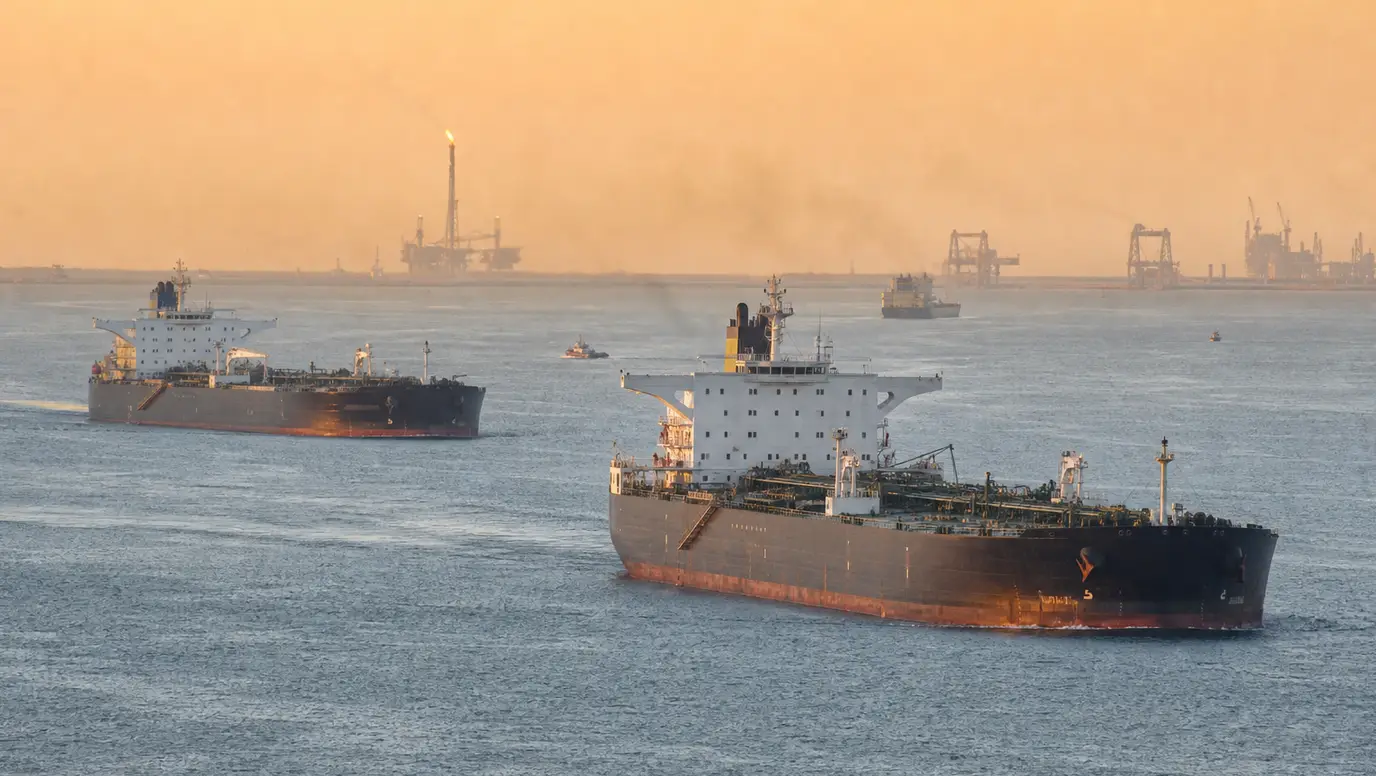
JUNE 3, 2026
Brent Pushes Toward $100 as Gulf Escalation Reprices Energy Risk
JUNE 2, 2026
Fuel Price Hedge Returns as Brent Near $94 Puts Energy Market on Inflation Watch