
JULY 2, 2026
Brent Slides Toward $70 as Iran Risk Premium Fades in Thin Holiday TradeBrent crude nears $70 as easing Iran supply fears and OPEC+ output expectations outweigh tight U.S. inventory signals.

© 1box.site 2026
JUNE 10, 2026
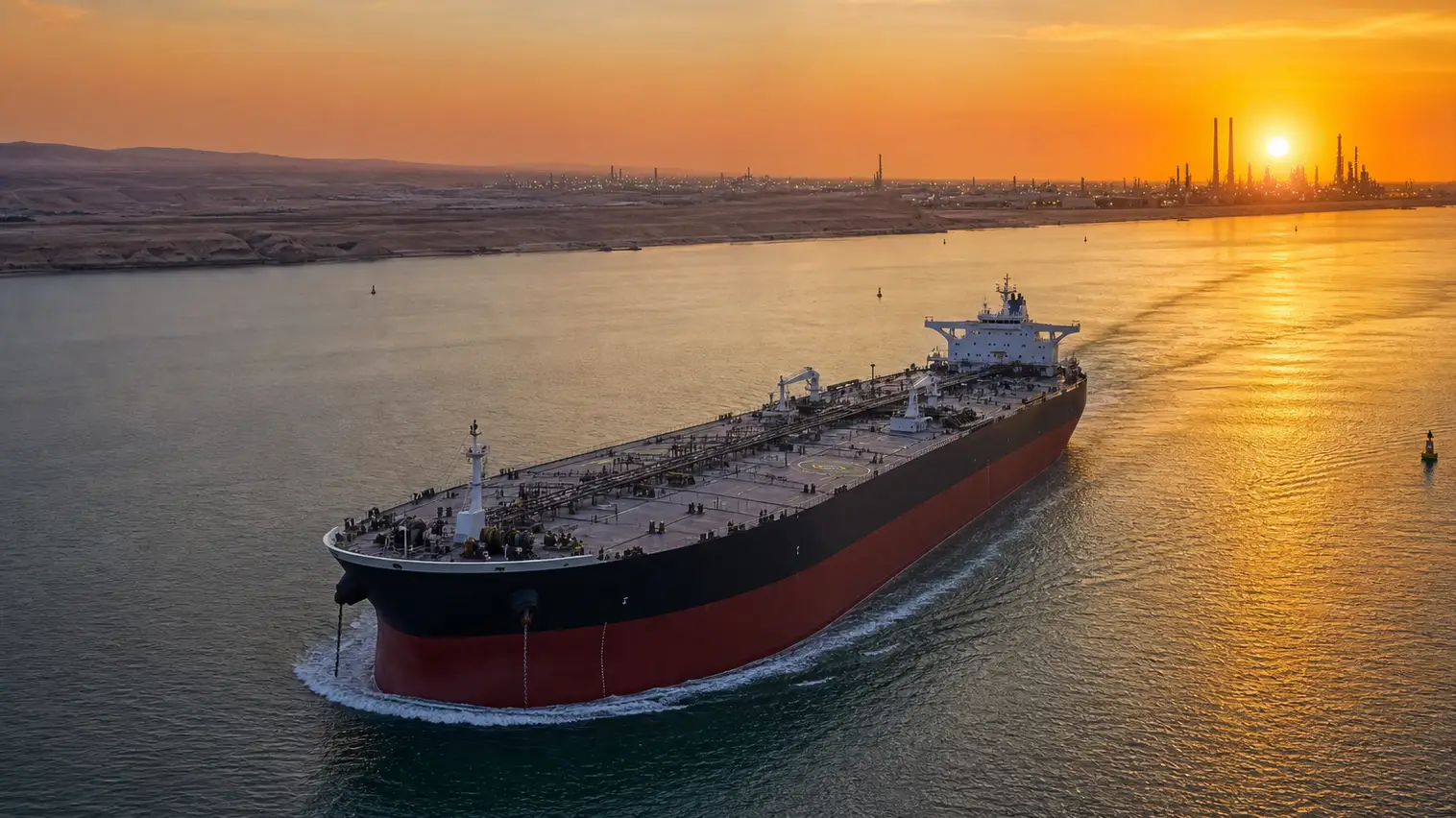
The energy market is entering a sharper demand-destruction phase as traders reassess how much of the geopolitical risk premium in crude can survive weaker consumption forecasts and shifting trade flows. Brent and WTI remain highly sensitive to headlines around the Strait of Hormuz, but the latest tone in the market is less about a one-day price spike and more about how long elevated fuel costs can restrain global usage.
Recent market activity suggests the oil complex is no longer reacting only to supply anxiety. The disruption to Middle East flows has kept a floor under crude prices, yet signs of softer demand in Asia, higher end-user fuel costs and changing refinery behavior are forcing traders to mark down the outlook for consumption. That creates a two-sided setup: supply risks can still trigger abrupt rallies, while weaker demand can cap follow-through when prices approach recent highs.
The most important change for energy traders is the market’s adjustment from shock pricing to persistence pricing. Earlier in the disruption cycle, crude moved largely on the possibility of a severe near-term supply squeeze. Now, the question is whether partial trade rerouting, strategic inventories, reduced refinery runs and slower demand can prevent another disorderly jump in Brent and WTI.
OPEC+ has continued to signal a willingness to lift production targets, but the market is treating those barrels cautiously. In a normal environment, additional quota supply would lean bearish for crude. In the current environment, the practical issue is whether incremental barrels can reach buyers efficiently while shipping routes, insurance costs and regional export logistics remain strained.
That distinction matters for price action. A headline increase in output targets may cool speculative buying for a session, but it does not automatically rebuild physical availability in the regions most exposed to the disruption. As a result, crude traders are likely to keep assigning a risk premium to Brent and WTI until there is clearer evidence that seaborne flows and regional production are normalizing.
The bearish counterweight is demand. High fuel prices are already changing behavior across refining, transportation and industrial consumption. If the energy shock keeps squeezing margins, refiners may reduce runs, importers may delay purchases and governments may lean more heavily on conservation measures or stock releases. Those responses can soften the immediate impact of lost supply, but they also point to a weaker economic backdrop for oil demand.
Asia remains the key region to watch because it is highly exposed to imported crude and refined product costs. If price-sensitive buyers continue to pull back, the market could see a wider gap between headline geopolitical risk and actual spot demand. That would make rallies vulnerable to profit-taking, especially if Brent approaches levels that previously triggered visible consumption pressure.
For WTI, the story is also tied to U.S. export demand. Disrupted Middle East flows have increased interest in alternative supply, supporting U.S. crude and product exports. However, stronger export pull can tighten domestic balances and keep U.S. fuel markets sensitive to inventory draws during the summer demand season.
Natural gas is adding another layer to the energy-market story. Warmer weather is lifting power-sector demand, while LNG trade remains linked to the same shipping and regional security concerns affecting crude. U.S. gas prices have not matched the intensity of the oil move, partly because domestic supply remains more comfortable, but summer power burn could keep Henry Hub volatility elevated.
The broader energy market therefore has two competing themes. Oil is being supported by geopolitical disruption and uncertain supply recovery, while gas is being pulled between strong seasonal demand and resilient production. For investors, that split may keep crude-linked assets more sensitive to geopolitical headlines, while natural gas trades more directly on weather, storage and LNG utilization.
The near-term setup favors continued volatility rather than a clean directional trend. Bulls can point to ongoing transit risk, constrained Middle East flows and uncertainty around the timing of a full recovery in exports. Bears can point to weaker demand forecasts, elevated prices pressuring consumption and the possibility that OPEC+ messaging limits speculative upside.
For now, the energy market is likely to trade as a balance between physical risk and demand fatigue. A confirmed improvement in shipping conditions would remove part of the risk premium quickly. Conversely, any renewed escalation around key export routes could force traders to reprice Brent and WTI higher even if macro demand indicators remain soft.
That leaves crude oil in a fragile middle ground. Prices are high enough to damage demand, but supply risk remains serious enough to prevent a decisive bearish reset. Until the market sees either sustained flow normalization or a clearer collapse in consumption, energy traders should expect sharp intraday swings and a continued premium for uncertainty.
JULY 2, 2026
Brent Slides Toward $70 as Iran Risk Premium Fades in Thin Holiday Trade
JULY 1, 2026
OPEC+ Supply Signal Caps Crude Oil Rebound as U.S. Stock Draws Support Prices
JUNE 30, 2026
Natural Gas Rally Outruns Softer Oil as Heat and LNG Demand Split Energy Market
JUNE 29, 2026
Brent Holds Above $72 as Traders Test Fragile Hormuz Reopening
JUNE 28, 2026
WTI Bulls Face Inventory Split as Brent Loses War Premium Before Quarter-End
JUNE 27, 2026
Refinery Strain Keeps Energy Market on Edge as Oil Selloff Meets Fuel Stock Tightness
JUNE 25, 2026
Iraq Quota Threat Puts OPEC Discipline in Focus as Oil War Premium Evaporates
JUNE 24, 2026
Brent Slide Below $77 Turns Oil Market Focus to Inventories and Summer Fuel Demand
JUNE 23, 2026
Brent and WTI Fall Again as Traders Shift From War Premium to Hormuz Flow Checks
JUNE 22, 2026
Oil Risk Premium Fades as Brent and WTI Slide on Fresh U.S.-Iran Talks
JUNE 21, 2026
Brent and WTI Face Inventory Test as Oil Market Shrugs Off Demand-Bearish Forecasts
JUNE 20, 2026
Oil Traders Watch Tanker Flows as Brent Holds Near $80 After Risk-Premium Reset
JUNE 19, 2026
Brent and WTI Steady as Traders Test the Reality of Hormuz Reopening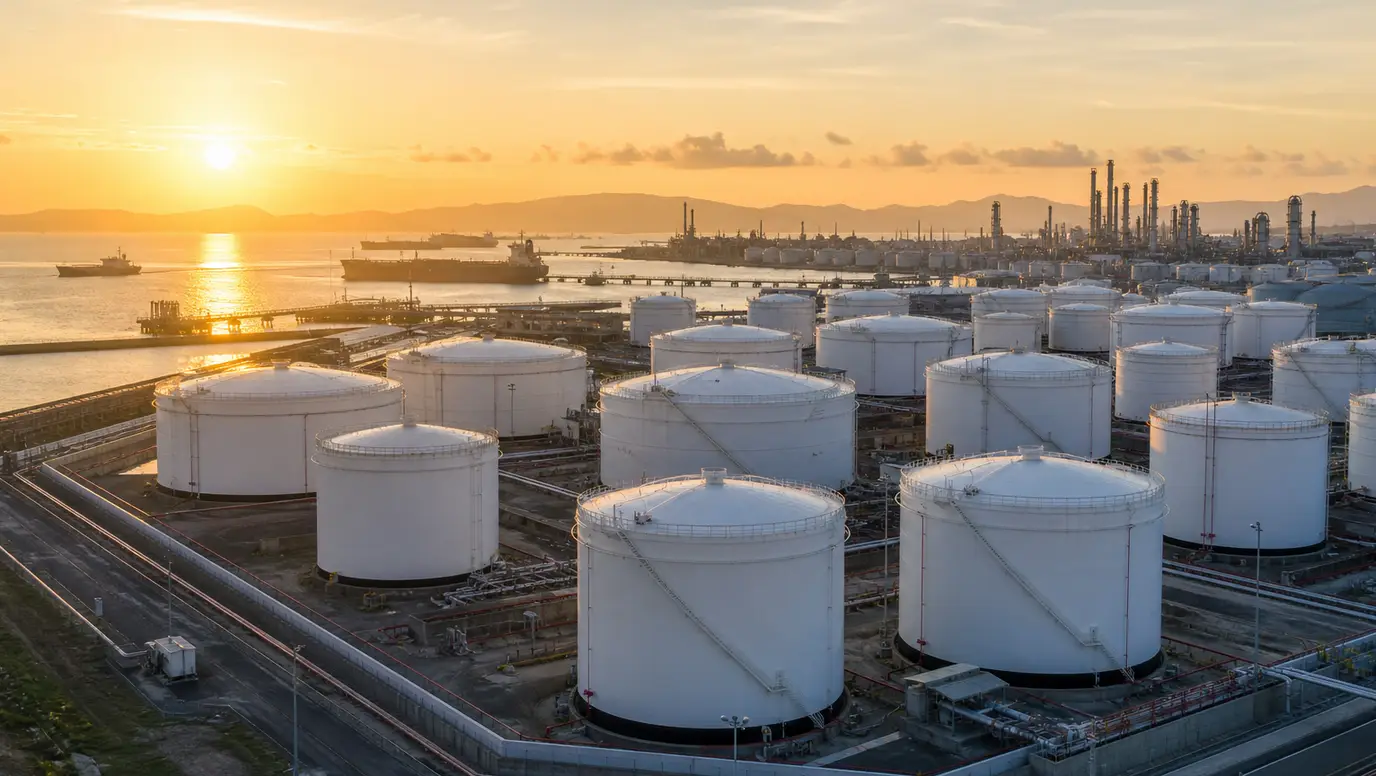
JUNE 17, 2026
WTI Rebounds as U.S. Stock Draw Puts a Floor Under Oil Selloff
JUNE 16, 2026
Brent Tests $80 as Oil Market Shifts From Hormuz Shock to Restart Risk
JUNE 15, 2026
Brent and WTI Slide as Hormuz Reopening Bets Reset Oil Risk Premium
JUNE 14, 2026
Brent and WTI Enter New Week as Hormuz Risk Collides With Demand Shock
JUNE 12, 2026
Brent and WTI Hit Two-Month Lows as Iran Strike Risk Premium Unwinds
JUNE 11, 2026
Brent and WTI Rise as U.S. Crude Draw Tightens the Energy Market’s Prompt Supply Focus
JUNE 9, 2026
Brent and WTI Pull Back as Ceasefire Hopes Test Oil Market Risk Premium
JUNE 8, 2026
Oil Volatility Jumps as Brent Nears $100 and Traders Reprice Middle East Supply Risk
JUNE 7, 2026
OPEC+ Quota Hike Lands as Energy Market Doubts New Barrels Can Reach Buyers
JUNE 6, 2026
OPEC+ Weekend Test Puts Oil Market on Alert as Crude Draw Tightens the Buffer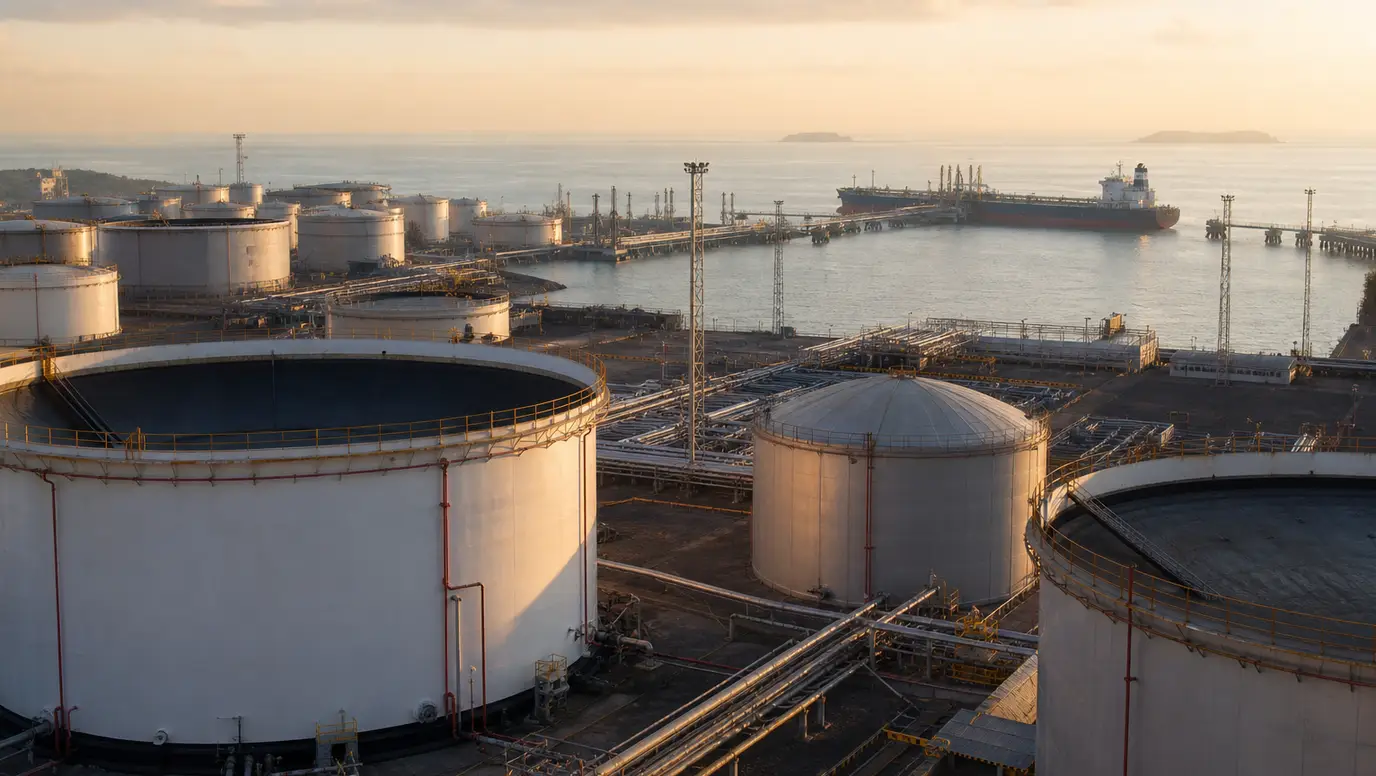
JUNE 4, 2026
U.S. Crude Draw Puts Energy Market Back on Physical Supply Watch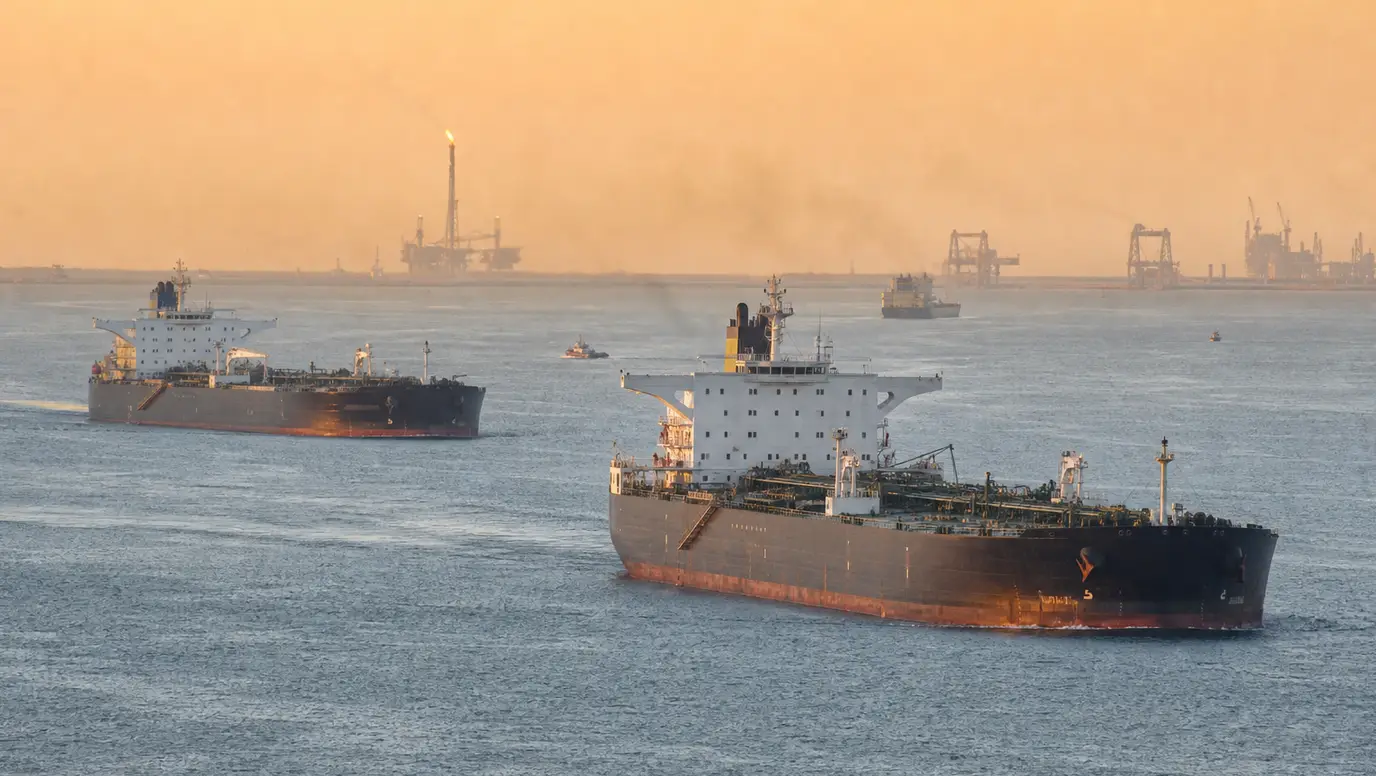
JUNE 3, 2026
Brent Pushes Toward $100 as Gulf Escalation Reprices Energy Risk
JUNE 2, 2026
Fuel Price Hedge Returns as Brent Near $94 Puts Energy Market on Inflation Watch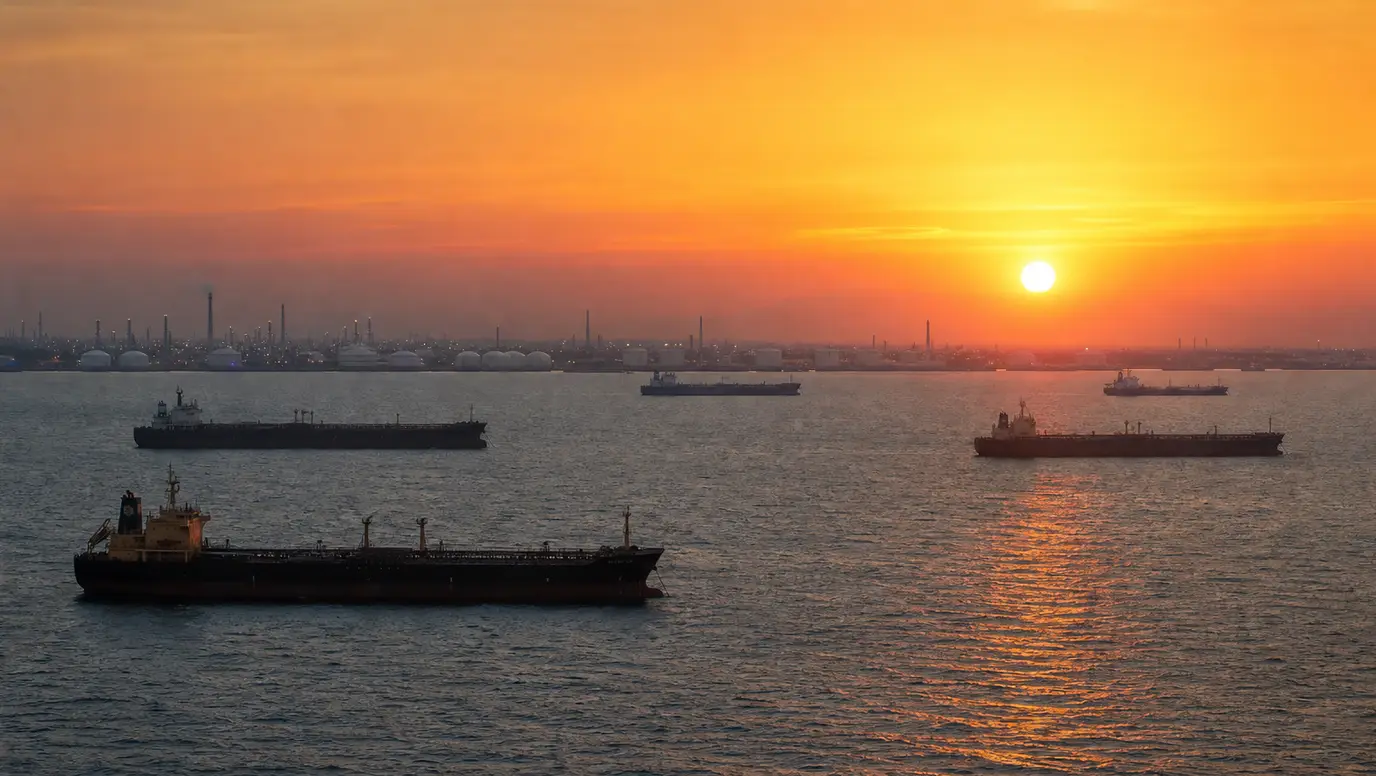
JUNE 1, 2026
Oil Rally Accelerates as Hormuz Reopening Hopes Fade and Supply Risk Returns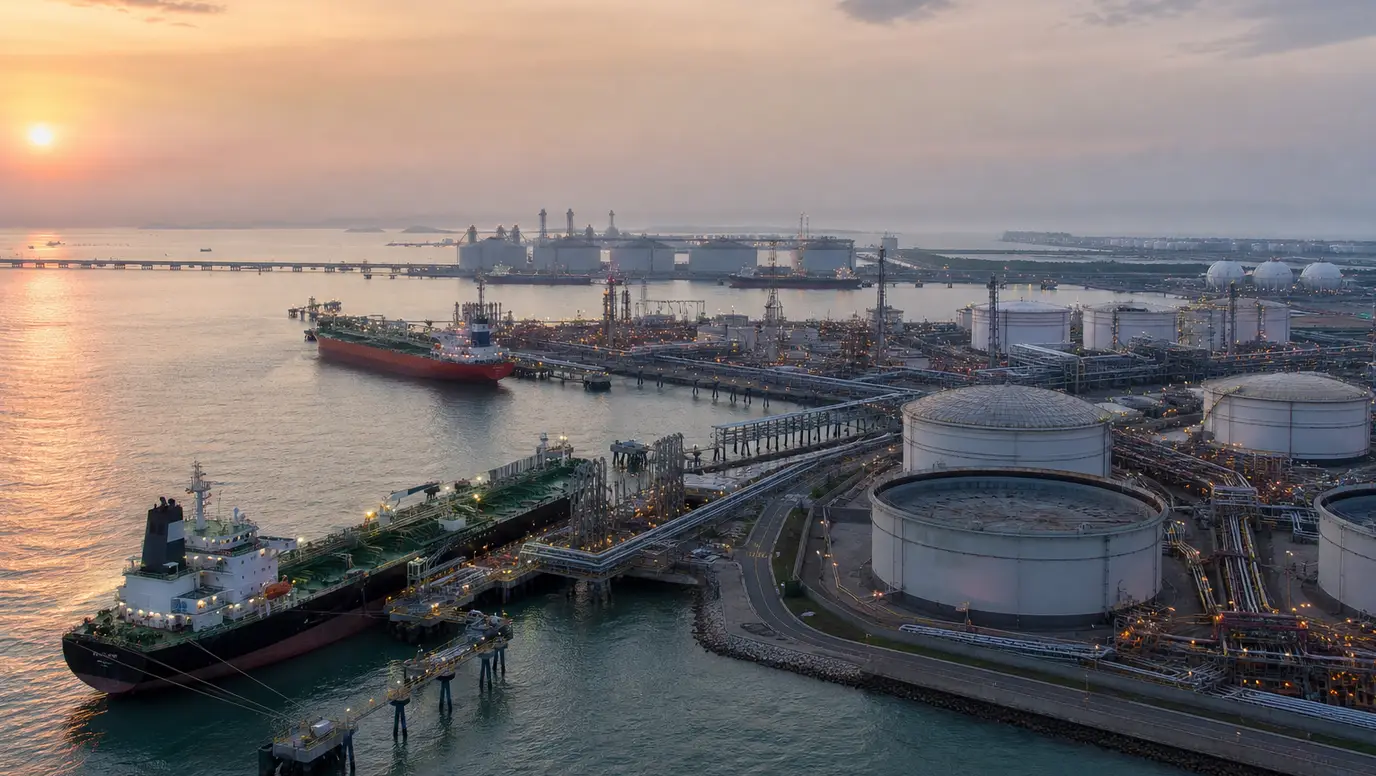
MAY 31, 2026
Oil Enters June With Ceasefire Discount Facing an OPEC+ Supply Test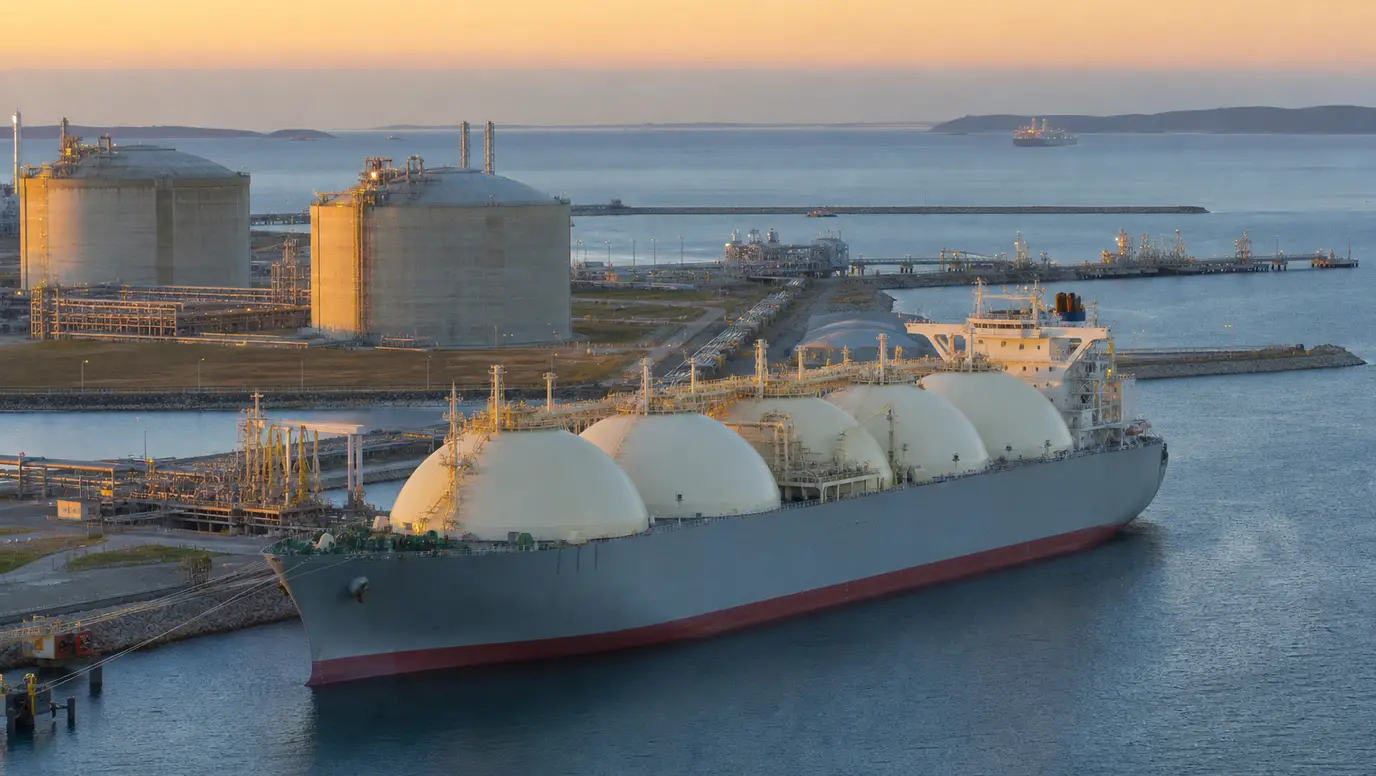
MAY 30, 2026
LNG Squeeze Keeps Energy Market on Edge as Summer Demand Nears
MAY 29, 2026
Oil Forecasts Rise Again as Supply Recovery Doubts Blunt Crude Price Dip