
JUNE 27, 2026
Refinery Strain Keeps Energy Market on Edge as Oil Selloff Meets Fuel Stock TightnessOil’s weekly drop has not erased supply risk as U.S. refinery runs, low crude stocks and firm distillate exports keep energy traders cautious.

© 1box.site 2026
MAY 31, 2026
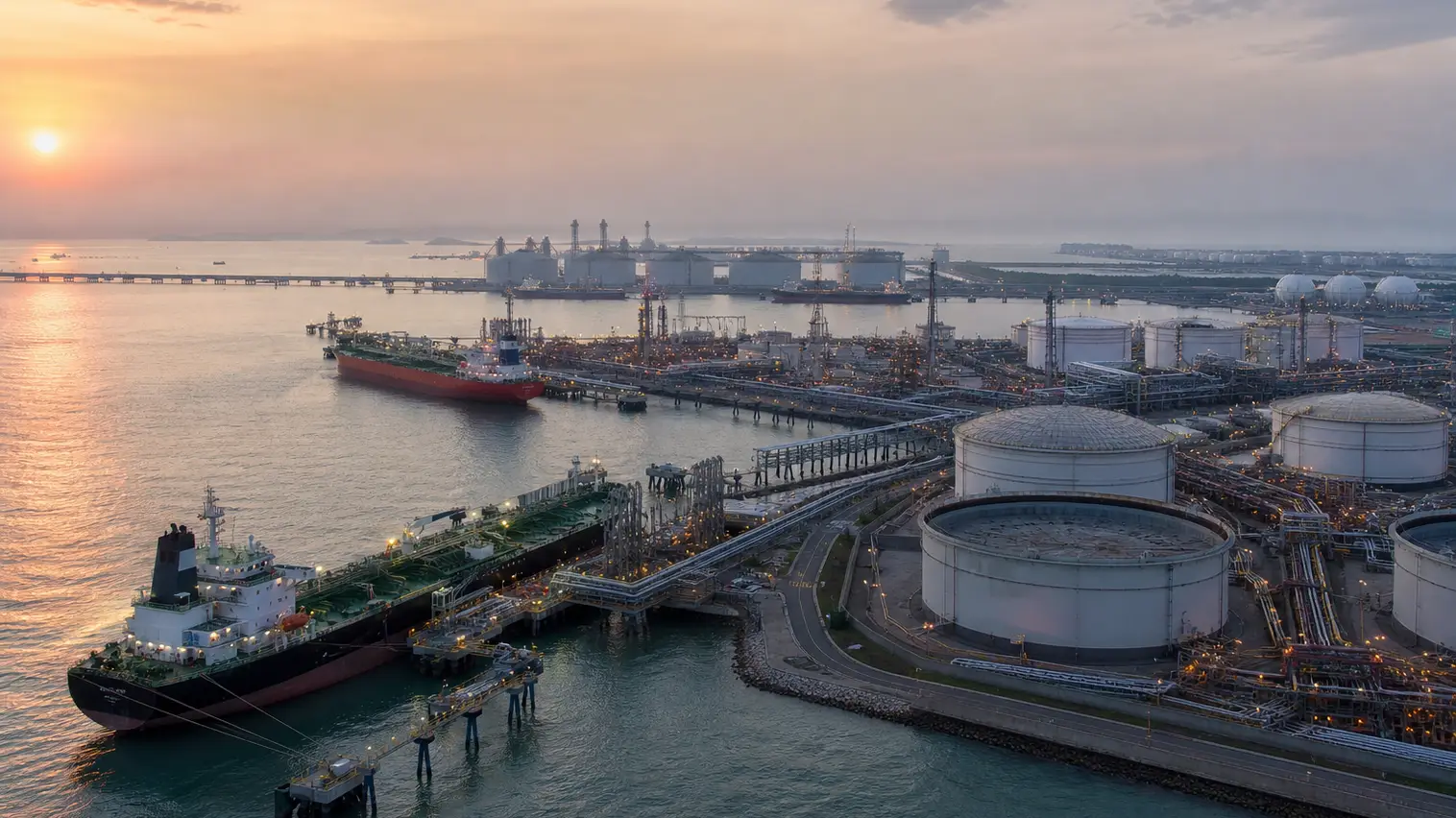
Crude oil is heading into June with a very different tone from the panic bid that dominated parts of spring. Brent has retreated from its late-April surge and is trading closer to the psychologically important $100 area, while WTI has also given back a large share of its geopolitical premium. The move reflects a market that is starting to price in a possible easing of U.S.-Iran tensions, but not a clean return to pre-crisis energy conditions.
The fresh focus for energy traders is the gap between diplomatic optimism and physical-market reality. A ceasefire framework can quickly remove fear from futures prices, yet tanker scheduling, insurance costs, port congestion and confidence in Gulf transit routes typically recover more slowly. That mismatch is why the oil market is entering the new month with lower prices but still-elevated sensitivity to every headline on shipping access, refinery margins and producer policy.
The sharpest change in the energy market has been the reduction of the war premium embedded in crude benchmarks. Traders who paid up for immediate supply protection earlier in May have been forced to reassess positions as diplomatic signals improved and fears of a prolonged disruption through the Strait of Hormuz eased. That shift has helped push Brent toward one of its weakest monthly performances since the pandemic-era collapse, even though the underlying supply chain remains far from normal.
For consumers and central banks, cheaper crude is a welcome development after months of concern that energy costs would keep inflation sticky. Lower oil prices can filter into gasoline and diesel markets with a lag, but the pass-through is uneven when refineries, shippers and fuel distributors are still paying elevated risk and logistics costs. As a result, the inflation relief from crude’s retreat may be less immediate than the headline futures move suggests.
Energy desks are also watching whether the decline becomes self-limiting. If prices fall too quickly, some producers may push back against additional supply increases, while physical buyers could use the pullback to rebuild inventories ahead of summer demand. That creates a market in which bearish macro signals and bullish physical hedging can coexist, especially if gasoline consumption strengthens in the United States and power-sector demand lifts gas burn during hotter weather.
The next major policy catalyst is the early-June OPEC+ review. The group has already signaled a modest June supply increase, but the effectiveness of any new barrels depends on whether they can reach buyers without fresh disruption. This is the central tension for the cartel and its partners: prices have fallen on peace hopes, yet the market still needs proof that exports, shipping lanes and customer confidence are normalizing.
A conservative production decision would suggest that producers are not convinced the risk premium has fully vanished. A larger increase, by contrast, could reinforce the downward pressure on Brent and WTI if traders believe physical flows are recovering faster than expected. The balance is delicate because too much supply guidance could deepen the price slide, while too little could revive inflation anxiety if demand indicators remain firm.
The policy backdrop is complicated by the changing structure of producer coordination. Recent disruptions have exposed how vulnerable the market remains to regional chokepoints, while questions over future output discipline have made the supply outlook less predictable. Traders are therefore likely to judge the next OPEC+ message not only by the size of any quota change, but by the tone around compliance, spare capacity and the group’s willingness to respond quickly if the Gulf risk premium returns.
Oil is not the only energy contract carrying geopolitical residue into June. LNG markets remain sensitive to Asian cooling demand, European refill needs and any delays affecting cargoes from the Gulf. Even as crude prices have softened, gas traders are still evaluating whether a hotter-than-normal summer could tighten global competition for flexible LNG supply.
In the United States, natural gas fundamentals are also becoming more important for the broader energy complex. LNG export demand, storage builds, power-sector consumption and maintenance schedules are all shaping sentiment before the peak cooling season. If heat arrives early or feedgas demand rebounds after maintenance, gas prices could resist the softer tone seen in crude.
That divergence matters for investors because it shows the energy market is no longer trading on a single geopolitical shock. Crude is responding to diplomacy and OPEC+ policy, while LNG and natural gas are leaning more heavily on summer weather, export capacity and regional balances. A calmer oil tape does not automatically mean the entire energy complex has moved into surplus.
The near-term setup favors caution. A sustained break lower in crude would require visible evidence that shipments are moving more freely, inventories are stabilizing and OPEC+ is comfortable allowing more supply into the market. Without those confirmations, short positions may remain vulnerable to abrupt reversals on any sign of renewed regional stress.
For now, the energy market is pricing a partial de-escalation rather than a full reset. Brent and WTI have lost much of their emergency premium, but the June trading map is crowded with risks: an OPEC+ decision, U.S. fuel-demand data, LNG competition, refinery margins and the credibility of ceasefire enforcement. That makes the start of the month less about one headline and more about whether lower prices can survive contact with physical supply conditions.
JUNE 27, 2026
Refinery Strain Keeps Energy Market on Edge as Oil Selloff Meets Fuel Stock Tightness
JUNE 25, 2026
Iraq Quota Threat Puts OPEC Discipline in Focus as Oil War Premium Evaporates
JUNE 24, 2026
Brent Slide Below $77 Turns Oil Market Focus to Inventories and Summer Fuel Demand
JUNE 23, 2026
Brent and WTI Fall Again as Traders Shift From War Premium to Hormuz Flow Checks
JUNE 22, 2026
Oil Risk Premium Fades as Brent and WTI Slide on Fresh U.S.-Iran Talks
JUNE 21, 2026
Brent and WTI Face Inventory Test as Oil Market Shrugs Off Demand-Bearish Forecasts
JUNE 20, 2026
Oil Traders Watch Tanker Flows as Brent Holds Near $80 After Risk-Premium Reset
JUNE 19, 2026
Brent and WTI Steady as Traders Test the Reality of Hormuz Reopening
JUNE 17, 2026
WTI Rebounds as U.S. Stock Draw Puts a Floor Under Oil Selloff
JUNE 16, 2026
Brent Tests $80 as Oil Market Shifts From Hormuz Shock to Restart Risk
JUNE 15, 2026
Brent and WTI Slide as Hormuz Reopening Bets Reset Oil Risk Premium
JUNE 14, 2026
Brent and WTI Enter New Week as Hormuz Risk Collides With Demand Shock
JUNE 12, 2026
Brent and WTI Hit Two-Month Lows as Iran Strike Risk Premium Unwinds
JUNE 11, 2026
Brent and WTI Rise as U.S. Crude Draw Tightens the Energy Market’s Prompt Supply Focus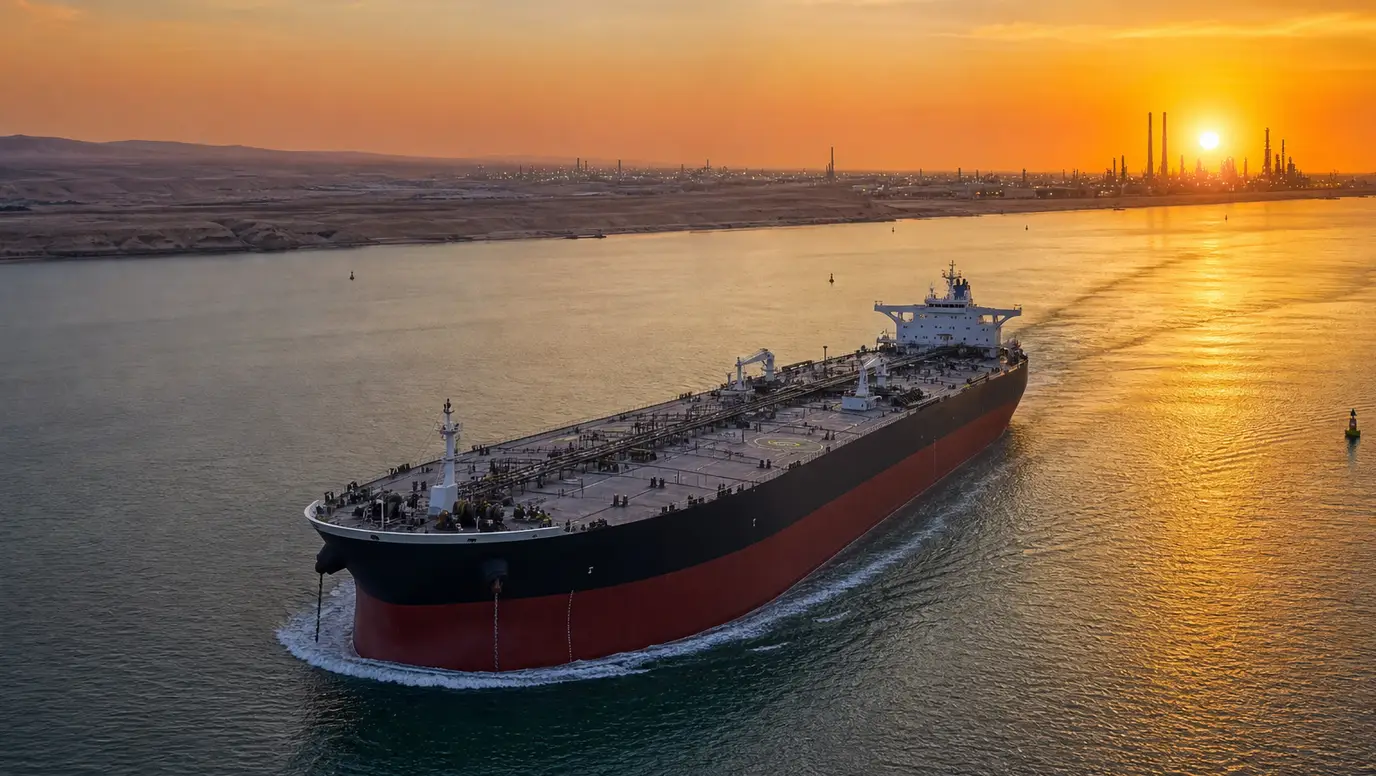
JUNE 10, 2026
Energy Market Faces Demand Destruction Test as Hormuz Risk Reshapes Oil Trade
JUNE 9, 2026
Brent and WTI Pull Back as Ceasefire Hopes Test Oil Market Risk Premium
JUNE 8, 2026
Oil Volatility Jumps as Brent Nears $100 and Traders Reprice Middle East Supply Risk
JUNE 7, 2026
OPEC+ Quota Hike Lands as Energy Market Doubts New Barrels Can Reach Buyers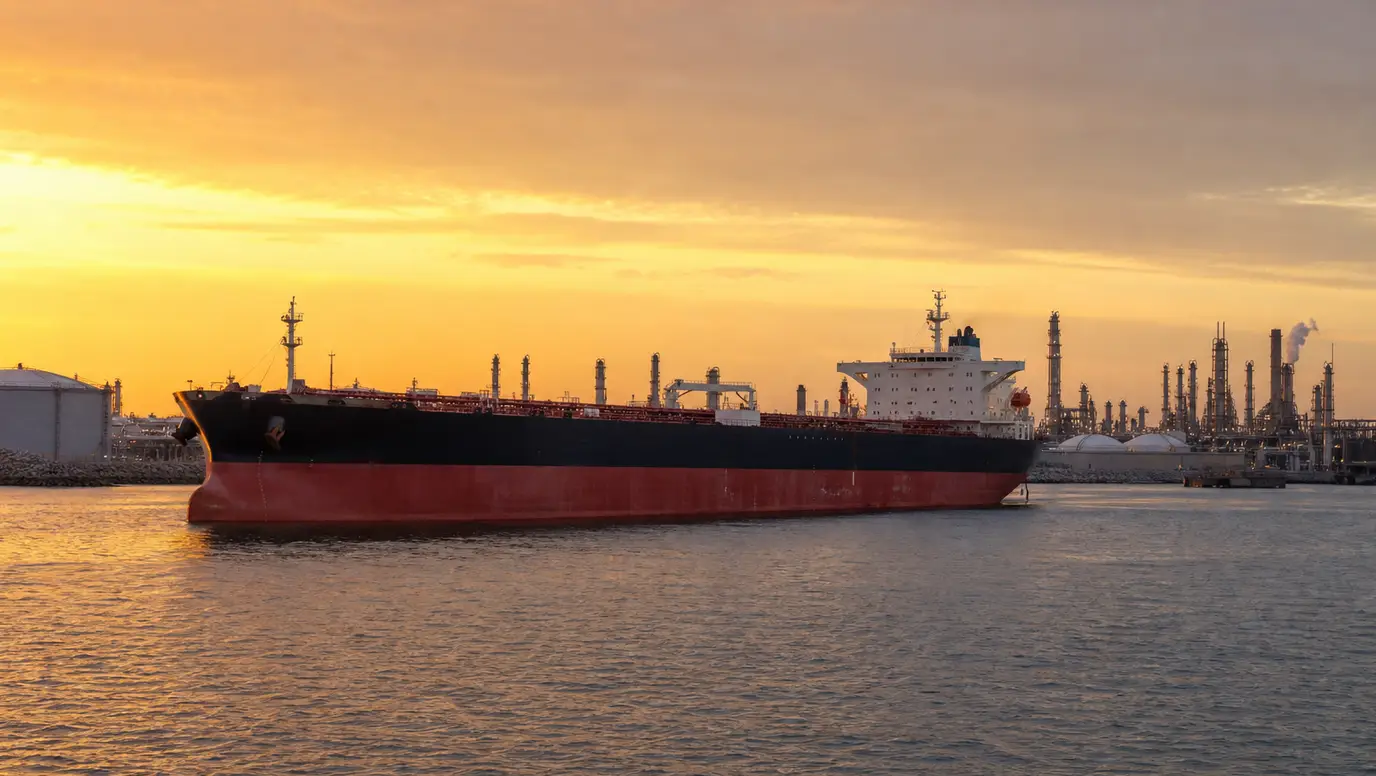
JUNE 6, 2026
OPEC+ Weekend Test Puts Oil Market on Alert as Crude Draw Tightens the Buffer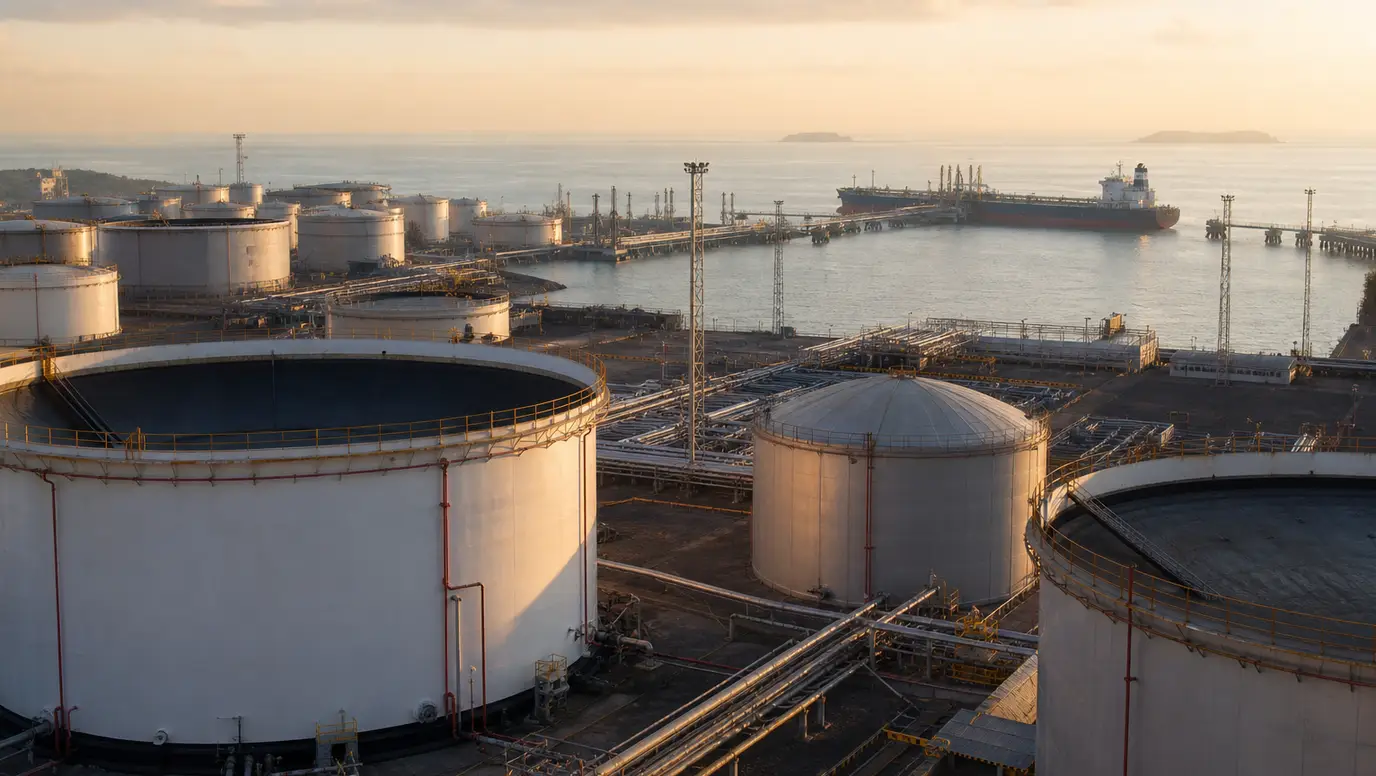
JUNE 4, 2026
U.S. Crude Draw Puts Energy Market Back on Physical Supply Watch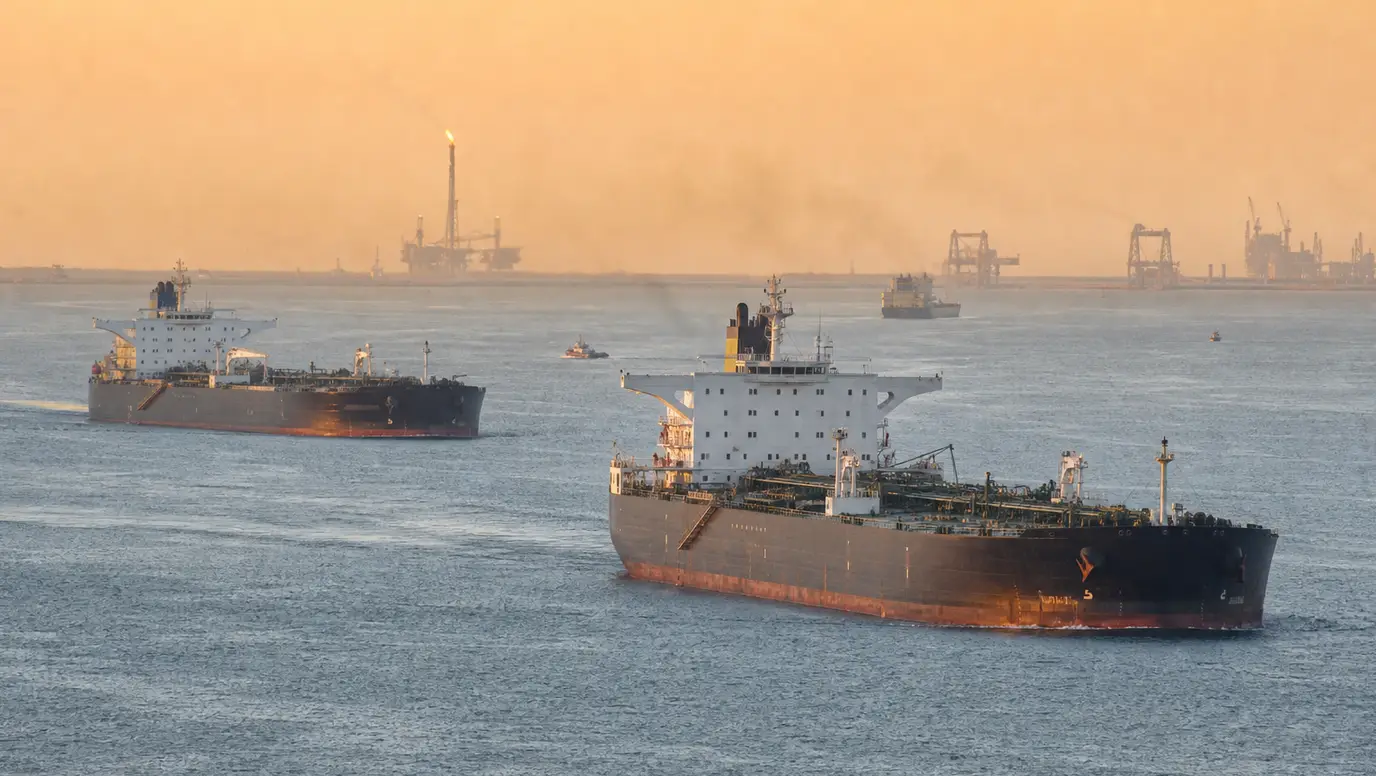
JUNE 3, 2026
Brent Pushes Toward $100 as Gulf Escalation Reprices Energy Risk
JUNE 2, 2026
Fuel Price Hedge Returns as Brent Near $94 Puts Energy Market on Inflation Watch
JUNE 1, 2026
Oil Rally Accelerates as Hormuz Reopening Hopes Fade and Supply Risk Returns
MAY 30, 2026
LNG Squeeze Keeps Energy Market on Edge as Summer Demand Nears
MAY 29, 2026
Oil Forecasts Rise Again as Supply Recovery Doubts Blunt Crude Price Dip
MAY 28, 2026
Oil Volatility Holds as Traders Test How Fast Hormuz Risk Can Unwind
MAY 27, 2026
Gas and Crude Retreat as Shipping-Risk Premium Eases Across Energy Markets
MAY 26, 2026
Brent Whipsaws Near $100 as Hormuz Reopening Timetable Keeps Oil Risk Premium Alive
MAY 25, 2026
Oil Slides as U.S.-Iran Deal Hopes Cut Into War Premium
MAY 20, 2026
Oil Retreats as Traders Weigh U.S. Inventory Draw Against Hormuz Supply Risk