
JULY 2, 2026
Brent Slides Toward $70 as Iran Risk Premium Fades in Thin Holiday TradeBrent crude nears $70 as easing Iran supply fears and OPEC+ output expectations outweigh tight U.S. inventory signals.

© 1box.site 2026

JUNE 9, 2026
Crude oil prices moved lower on Tuesday as traders trimmed part of the geopolitical premium built into the market, with Brent and WTI easing after the latest pause in direct hostilities in the Middle East. The move did not signal a clean return to pre-shock conditions, but it showed that the energy market is becoming more selective about paying for worst-case supply scenarios.
Brent remained in the low-to-mid $90s per barrel area, while WTI traded close to the low $90s, leaving both benchmarks well above levels seen before the latest phase of regional supply stress. The pullback followed a sharp volatility burst in the previous session, when headlines around strikes, ceasefire prospects, and shipping-risk assumptions pushed traders to rapidly reprice barrels tied to the Gulf and surrounding export routes.
The immediate question for the oil market is whether the latest retreat is a genuine de-escalation trade or only a short pause in a still-fragile supply environment. Physical traders remain cautious because shipping insurance, tanker scheduling, refinery procurement, and replacement cargo planning do not normalize as quickly as futures prices move.
The latest price action suggests that speculative length is being reduced as the market waits for stronger confirmation that regional flows can keep improving. When crude prices rallied earlier, buyers were paying for the possibility of deeper disruption to exports, tighter product balances, and a longer period of rerouted cargoes. Tuesday’s softer tone indicates that some of that emergency premium is being unwound.
Still, the downside has been limited by the lack of confidence around supply restoration. Even if headline risk cools, a sustained drop in Brent and WTI would likely require visible evidence of smoother tanker movement, improving availability of prompt barrels, and fewer signals of stress in refined products. Without that confirmation, dips may continue to attract hedging demand from refiners, airlines, and industrial fuel users.
OPEC+ policy also remains a complicating factor. Recent quota discussions have pointed to incremental supply additions, but the market is focused less on headline targets and more on whether extra barrels can actually reach buyers in a disrupted logistics environment. That gap between nominal production policy and deliverable supply is keeping crude vulnerable to renewed price spikes.
Fresh short-term energy projections have reinforced the view that global inventories are still drawing heavily in the current quarter. That matters because a market with thin buffers reacts more violently to even modest supply interruptions. In this environment, a one-day decline in futures does not necessarily remove the underlying tightness from the energy complex.
U.S. inventory data due this week will be watched closely for signs of whether domestic crude stocks are cushioning the global shock or being pulled lower by exports, refinery demand, and strategic supply adjustments. A larger-than-expected draw would likely put the focus back on physical tightness, while a build could give sellers more confidence that the recent risk premium has peaked for now.
Refined products are another key pressure point. Summer driving demand, aviation fuel consumption, and diesel availability can all influence crude pricing when geopolitical risk is elevated. If product cracks stay firm, refiners may continue to bid aggressively for crude even as futures traders mark down the geopolitical premium.
For now, the energy market is trading between two competing forces: improving ceasefire expectations and still-tight supply fundamentals. That combination can produce choppy price action, with rallies fading on diplomatic progress and selloffs stalling when traders remember that inventories remain vulnerable.
A decisive move lower would likely require several sessions of calmer regional headlines, stable shipping conditions, and inventory data that show less stress across crude and products. Conversely, any renewed disruption to export infrastructure, tanker routes, or regional production could quickly restore the premium that faded during Tuesday’s trade.
Until clearer evidence arrives, Brent and WTI are likely to remain sensitive to headlines and physical-market signals rather than moving on macro sentiment alone. The pullback has cooled the urgency in oil, but it has not removed the energy market’s central risk: supply buffers are still too thin for traders to ignore geopolitical uncertainty.
JULY 2, 2026
Brent Slides Toward $70 as Iran Risk Premium Fades in Thin Holiday Trade
JULY 1, 2026
OPEC+ Supply Signal Caps Crude Oil Rebound as U.S. Stock Draws Support Prices
JUNE 30, 2026
Natural Gas Rally Outruns Softer Oil as Heat and LNG Demand Split Energy Market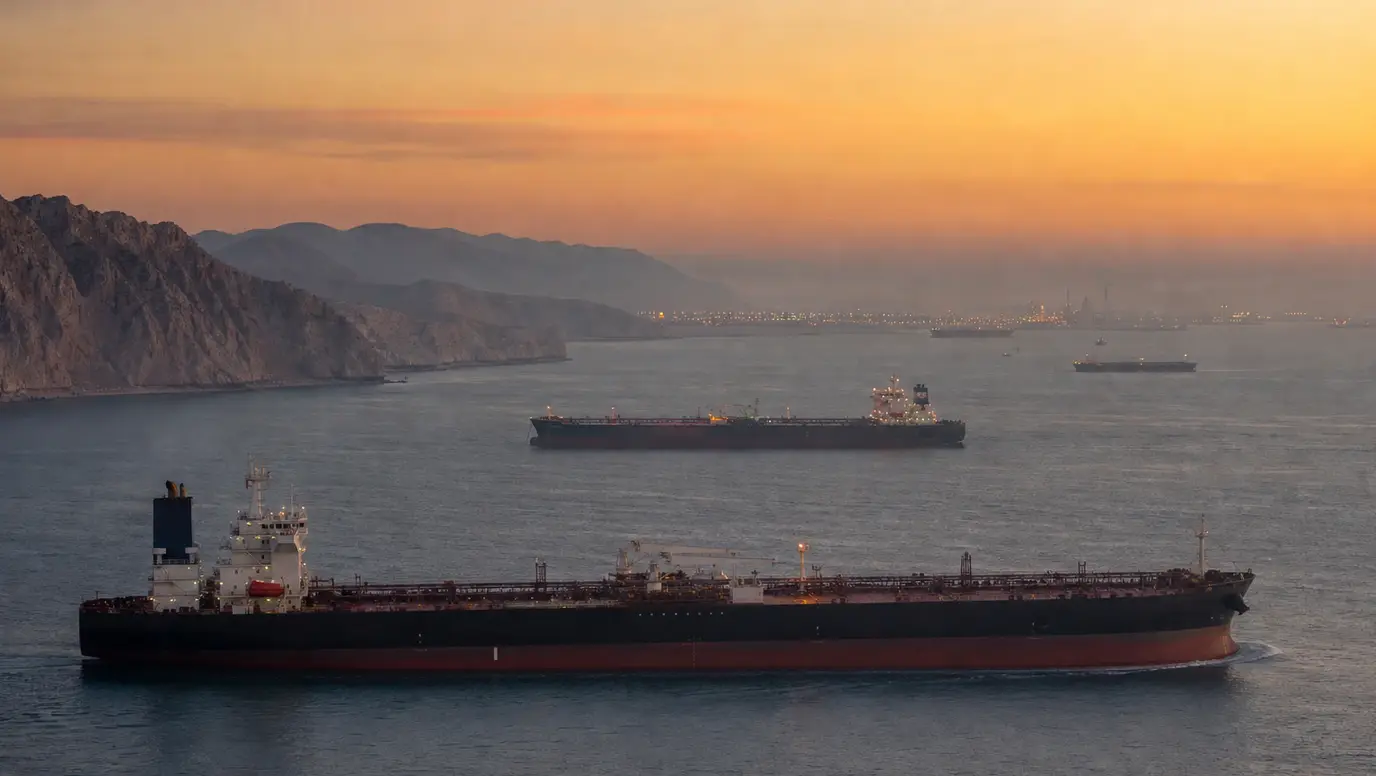
JUNE 29, 2026
Brent Holds Above $72 as Traders Test Fragile Hormuz Reopening
JUNE 28, 2026
WTI Bulls Face Inventory Split as Brent Loses War Premium Before Quarter-End
JUNE 27, 2026
Refinery Strain Keeps Energy Market on Edge as Oil Selloff Meets Fuel Stock Tightness
JUNE 25, 2026
Iraq Quota Threat Puts OPEC Discipline in Focus as Oil War Premium Evaporates
JUNE 24, 2026
Brent Slide Below $77 Turns Oil Market Focus to Inventories and Summer Fuel Demand
JUNE 23, 2026
Brent and WTI Fall Again as Traders Shift From War Premium to Hormuz Flow Checks
JUNE 22, 2026
Oil Risk Premium Fades as Brent and WTI Slide on Fresh U.S.-Iran Talks
JUNE 21, 2026
Brent and WTI Face Inventory Test as Oil Market Shrugs Off Demand-Bearish Forecasts
JUNE 20, 2026
Oil Traders Watch Tanker Flows as Brent Holds Near $80 After Risk-Premium Reset
JUNE 19, 2026
Brent and WTI Steady as Traders Test the Reality of Hormuz Reopening
JUNE 17, 2026
WTI Rebounds as U.S. Stock Draw Puts a Floor Under Oil Selloff
JUNE 16, 2026
Brent Tests $80 as Oil Market Shifts From Hormuz Shock to Restart Risk
JUNE 15, 2026
Brent and WTI Slide as Hormuz Reopening Bets Reset Oil Risk Premium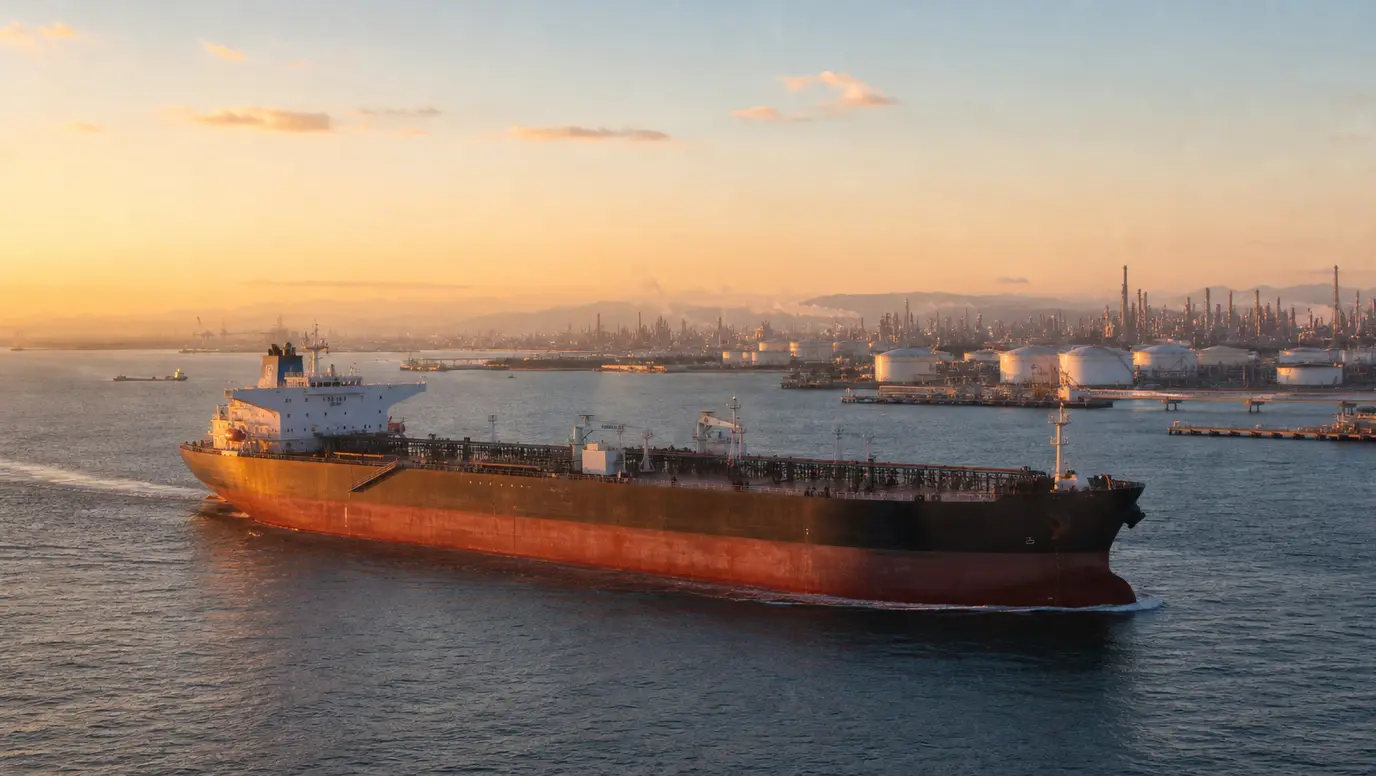
JUNE 14, 2026
Brent and WTI Enter New Week as Hormuz Risk Collides With Demand Shock
JUNE 12, 2026
Brent and WTI Hit Two-Month Lows as Iran Strike Risk Premium Unwinds
JUNE 11, 2026
Brent and WTI Rise as U.S. Crude Draw Tightens the Energy Market’s Prompt Supply Focus
JUNE 10, 2026
Energy Market Faces Demand Destruction Test as Hormuz Risk Reshapes Oil Trade
JUNE 8, 2026
Oil Volatility Jumps as Brent Nears $100 and Traders Reprice Middle East Supply Risk
JUNE 7, 2026
OPEC+ Quota Hike Lands as Energy Market Doubts New Barrels Can Reach Buyers
JUNE 6, 2026
OPEC+ Weekend Test Puts Oil Market on Alert as Crude Draw Tightens the Buffer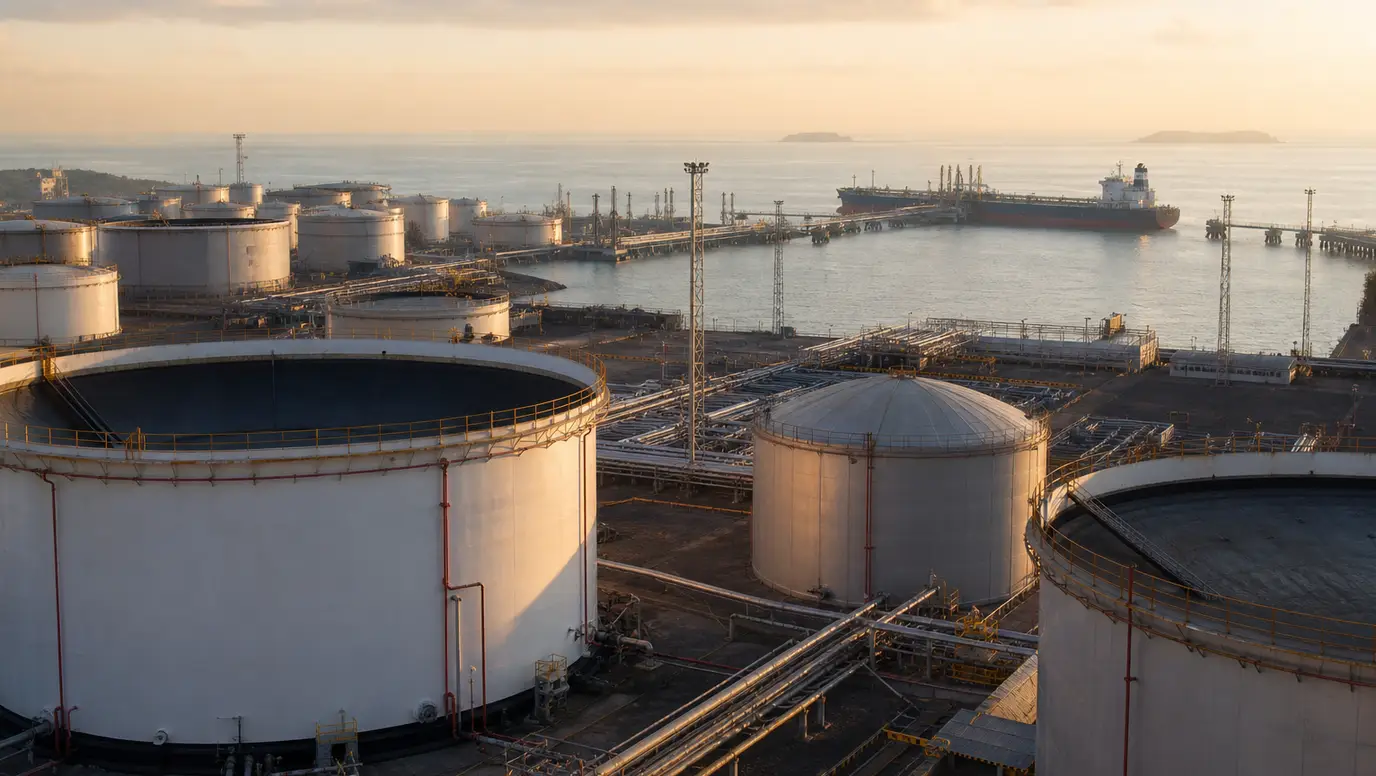
JUNE 4, 2026
U.S. Crude Draw Puts Energy Market Back on Physical Supply Watch
JUNE 3, 2026
Brent Pushes Toward $100 as Gulf Escalation Reprices Energy Risk
JUNE 2, 2026
Fuel Price Hedge Returns as Brent Near $94 Puts Energy Market on Inflation Watch
JUNE 1, 2026
Oil Rally Accelerates as Hormuz Reopening Hopes Fade and Supply Risk Returns
MAY 31, 2026
Oil Enters June With Ceasefire Discount Facing an OPEC+ Supply Test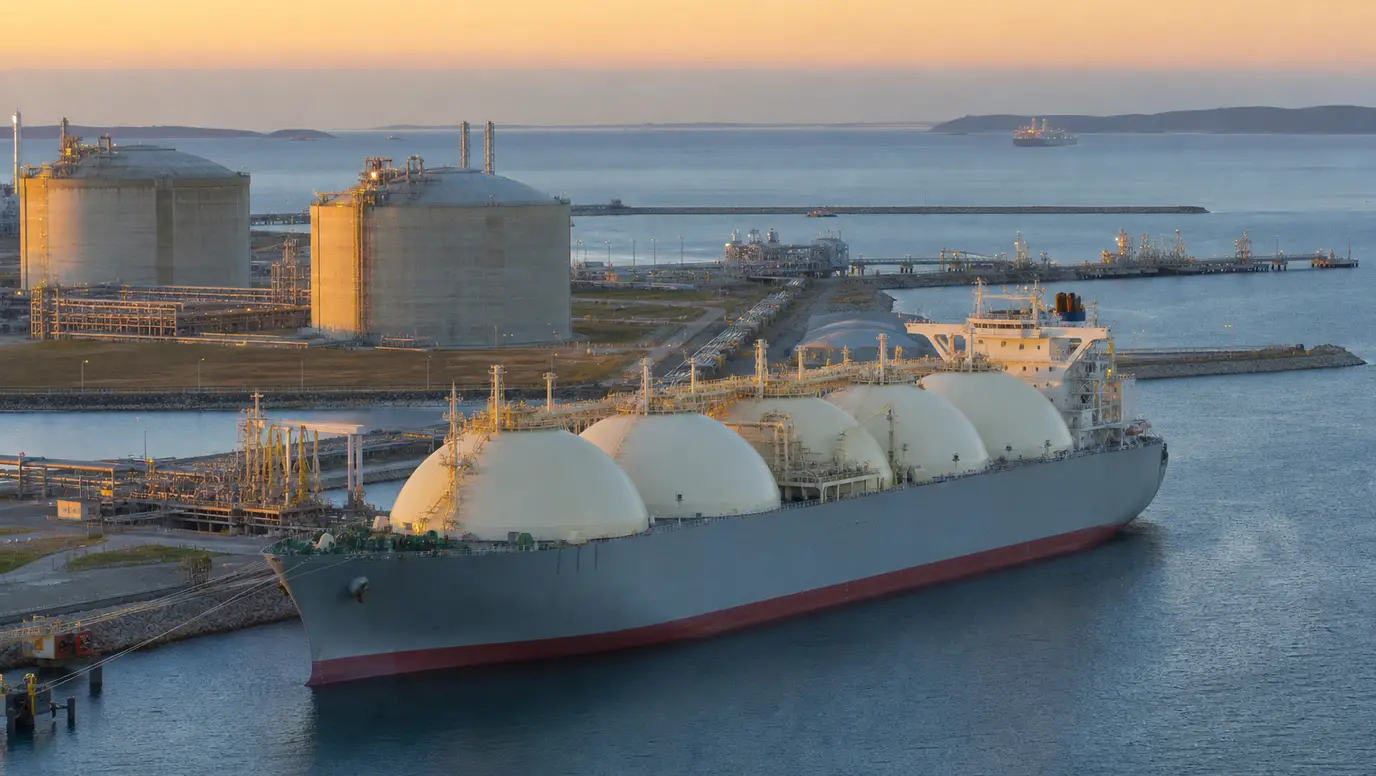
MAY 30, 2026
LNG Squeeze Keeps Energy Market on Edge as Summer Demand Nears
MAY 29, 2026
Oil Forecasts Rise Again as Supply Recovery Doubts Blunt Crude Price Dip