SEPTEMBER 30, 2026
WTI Crude Oil Futures Steady as Iran Sanctions Risk Meets Tight Fuel MarketWTI crude oil steadies as Iran sanctions risk and tight fuel supply offset recovering Middle East exports before U.S. inventory data.

© 1box.site 2026
MAY 30, 2026
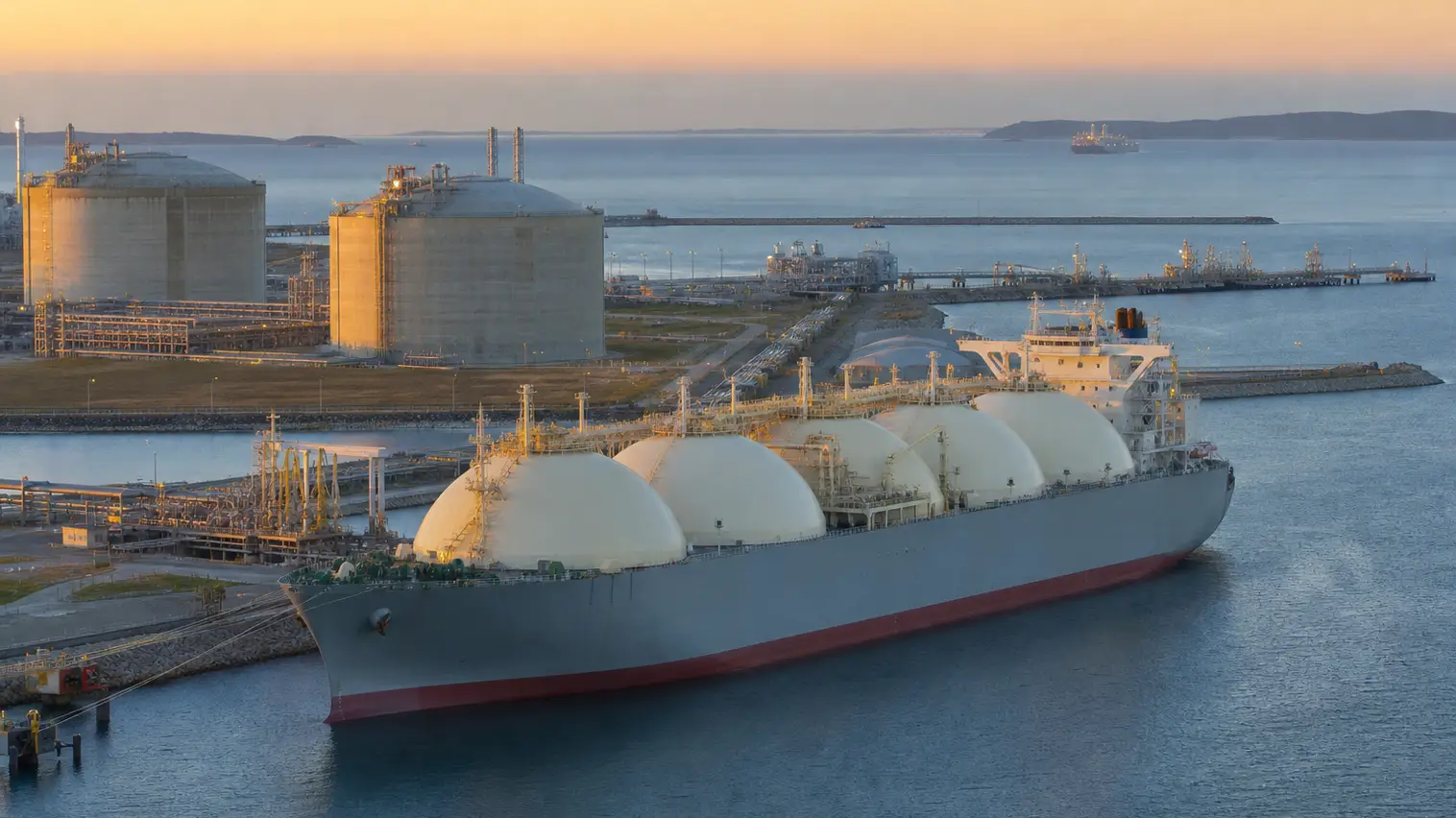
Energy markets are entering the final days of May with attention shifting from headline crude swings to a broader fuel-risk premium across liquefied natural gas, refined products and oil-linked inflation expectations. After weeks dominated by Middle East shipping disruption and fast-moving peace headlines, traders are increasingly focused on whether physical flows can normalize quickly enough before summer cooling demand tightens the global gas balance.
The strongest fresh activity across the market complex is in energy, where crude oil remains sensitive to diplomatic signals while LNG and natural gas are developing a more durable supply story. Brent and WTI have pulled back from the most stressed levels seen earlier in the conflict, but the retreat has not removed concern that tankers, insurers and buyers may need time to rebuild normal trading patterns even if political risk eases.
The key change for investors is that the gas market is no longer being treated as a side effect of the oil shock. LNG availability has tightened after disruptions to Middle East routing, while buyers in Asia and Europe are preparing for a period in which weather, storage needs and shipping constraints could all compete for the same flexible cargoes.
That creates a different kind of risk from a simple crude-price spike. Oil can reprice quickly on a ceasefire headline, but LNG supply chains are more logistical, with vessel availability, regasification schedules and storage targets shaping how fast relief reaches consumers. If Asian cooling demand rises into the northern hemisphere summer, spot cargo competition could intensify just as Europe continues its storage refill cycle.
U.S. natural gas has not fully mirrored the international LNG stress because domestic storage, production and regional weather remain important offsets. Even so, traders are watching whether stronger export economics pull more attention toward LNG feedgas demand, especially if global prices stay elevated relative to U.S. benchmarks. That link matters for utilities, industrial users and inflation-sensitive macro desks that now treat energy costs as a direct input into rate expectations.
Crude traders have welcomed signs that a broader diplomatic settlement could reduce the war premium embedded in Brent. The front of the oil curve has eased from panic conditions, and some of the most aggressive upside scenarios have been repriced. However, the market is still distinguishing between a political announcement and verified, sustained passage for commercial vessels.
That distinction is especially important for Gulf producers. OPEC+ has signaled a willingness to raise output targets, but additional barrels only matter if they can reach customers without elevated freight, insurance and timing risk. For now, the production headlines are being weighed against the reality that inventories, refinery runs and seaborne flows remain vulnerable to delays.
Gasoline and diesel markets are also part of the story. If crude stabilizes but refinery margins remain firm because of logistical bottlenecks or seasonal demand, consumers may not see immediate relief at the pump. That keeps energy prices politically and economically sensitive even when futures markets appear calmer than they were earlier in the month.
The next phase of the energy trade is likely to depend on confirmation rather than expectation. Tanker movement through critical routes, inventory data, LNG cargo pricing and OPEC+ messaging will carry more weight than broad risk-on sentiment. A smooth reopening of flows could pressure Brent, WTI and international gas prices further, while any delay would keep the market vulnerable to sharp rebounds.
For investors, the practical takeaway is that energy volatility has broadened. The market is no longer only asking whether crude should trade above or below a specific headline level. It is asking whether the global fuel system has enough flexibility to absorb a summer demand surge after weeks of disrupted routing and defensive stock management.
That makes LNG the cleaner barometer for underlying stress. If LNG prices stay firm while oil softens, it would suggest traders are still paying for physical scarcity rather than geopolitical fear alone. If both crude and LNG retreat together, the market may conclude that the energy shock is finally moving from crisis pricing toward normalization.
SEPTEMBER 30, 2026
WTI Crude Oil Futures Steady as Iran Sanctions Risk Meets Tight Fuel Market
SEPTEMBER 23, 2026
WTI Crude Oil Futures Hold Near Two-Week Low as Gulf Supply Return Tests Fuel Market
SEPTEMBER 14, 2026
WTI Oil Rally Extends as Strait of Hormuz Risk Reprices Energy Market
SEPTEMBER 7, 2026
WTI Crude Oil Futures Hold Near Six-Week High as Hormuz Risk Tightens Energy Market
AUGUST 30, 2026
WTI Crude Oil Slips as Hormuz Supply Relief Tests Energy Market Risk Premium
AUGUST 18, 2026
Brent Crude and WTI Oil Rise as Strait of Hormuz Risk Revives Energy Inflation Worries
AUGUST 10, 2026
Strait of Hormuz Delay Lifts Energy Market as Crude Oil Flow Risk Returns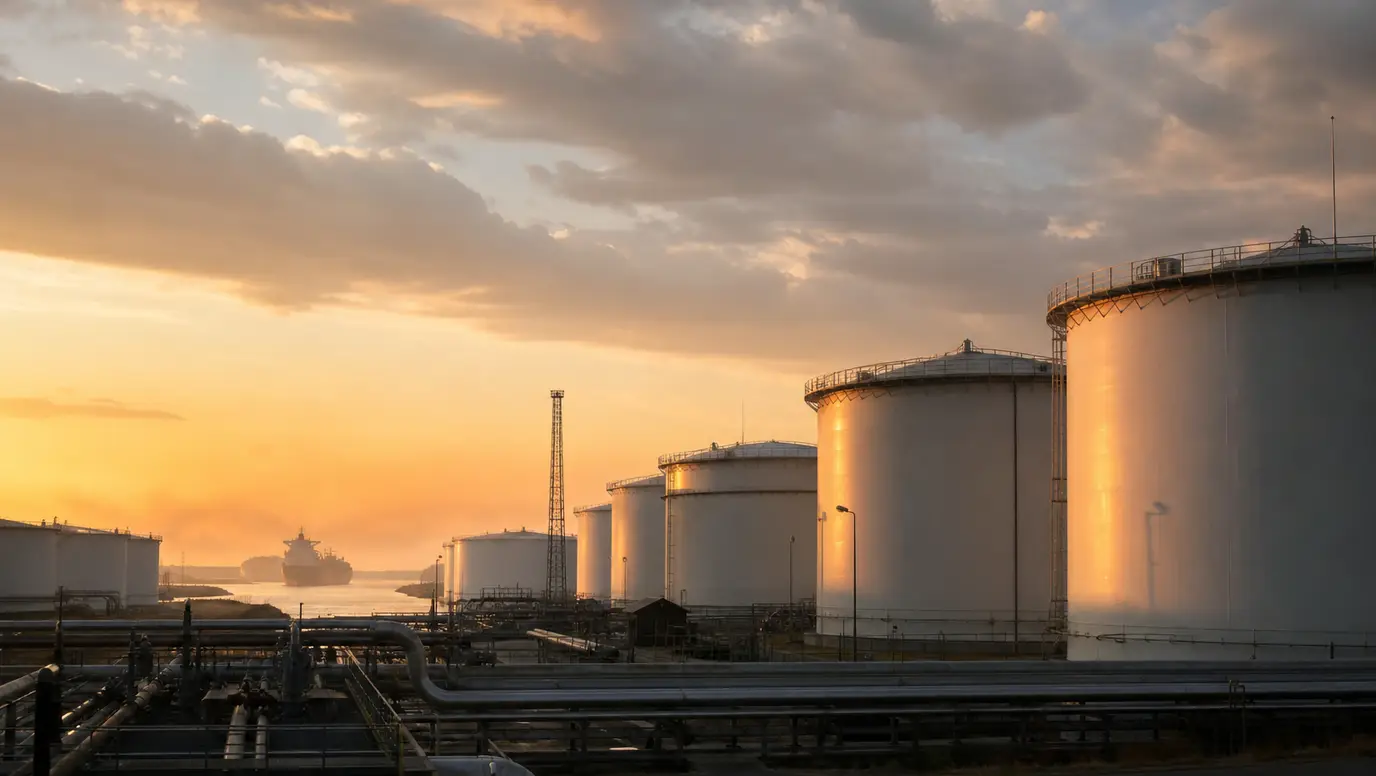
AUGUST 2, 2026
WTI Crude Oil Faces OPEC+ Output Test as Strait of Hormuz Risk Meets Stock Draw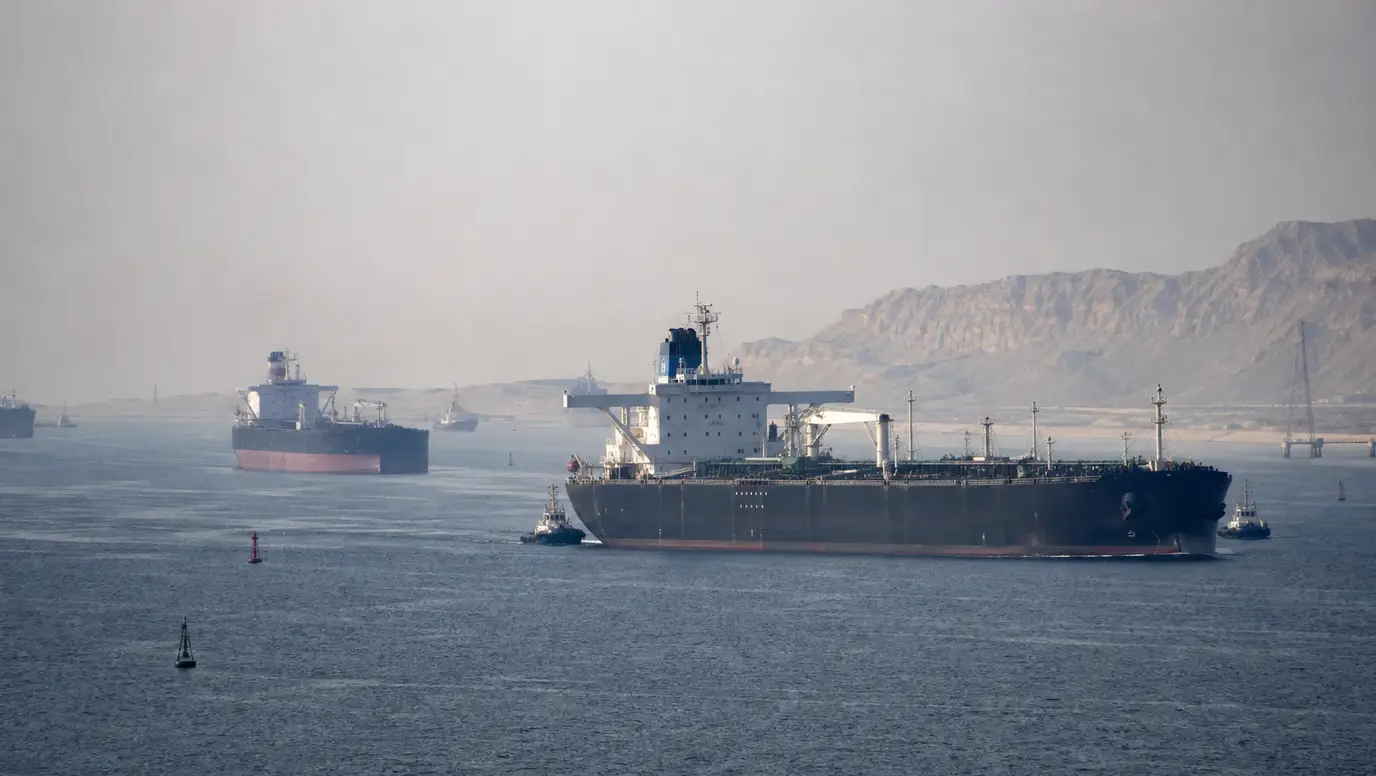
JULY 28, 2026
Strait of Hormuz Flows Keep WTI Crude on Alert as Oil Retreats
JULY 20, 2026
Brent Crude Tops $90 as WTI Crude and Oil Prices React to Hormuz Shipment Risk
JULY 19, 2026
Brent Crude and WTI Crude Rally as Traders Test OPEC+ Supply Cushion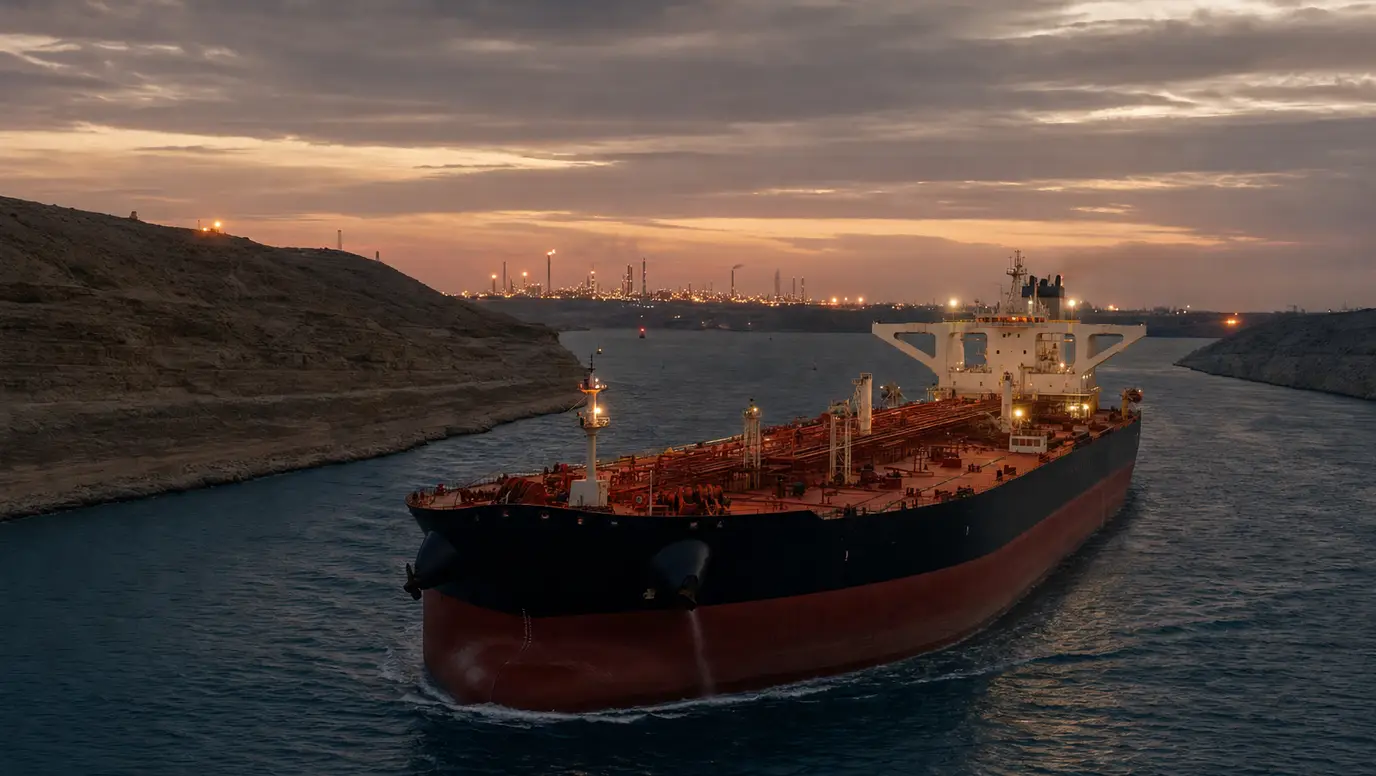
JULY 18, 2026
Brent Crude and WTI Crude Prices Near Weekend Gap Risk as Energy Market Reprices Supply Threat
JULY 17, 2026
Brent Crude and WTI Crude Hold Weekly Gains as Red Sea Threat Offsets US Dollar Rebound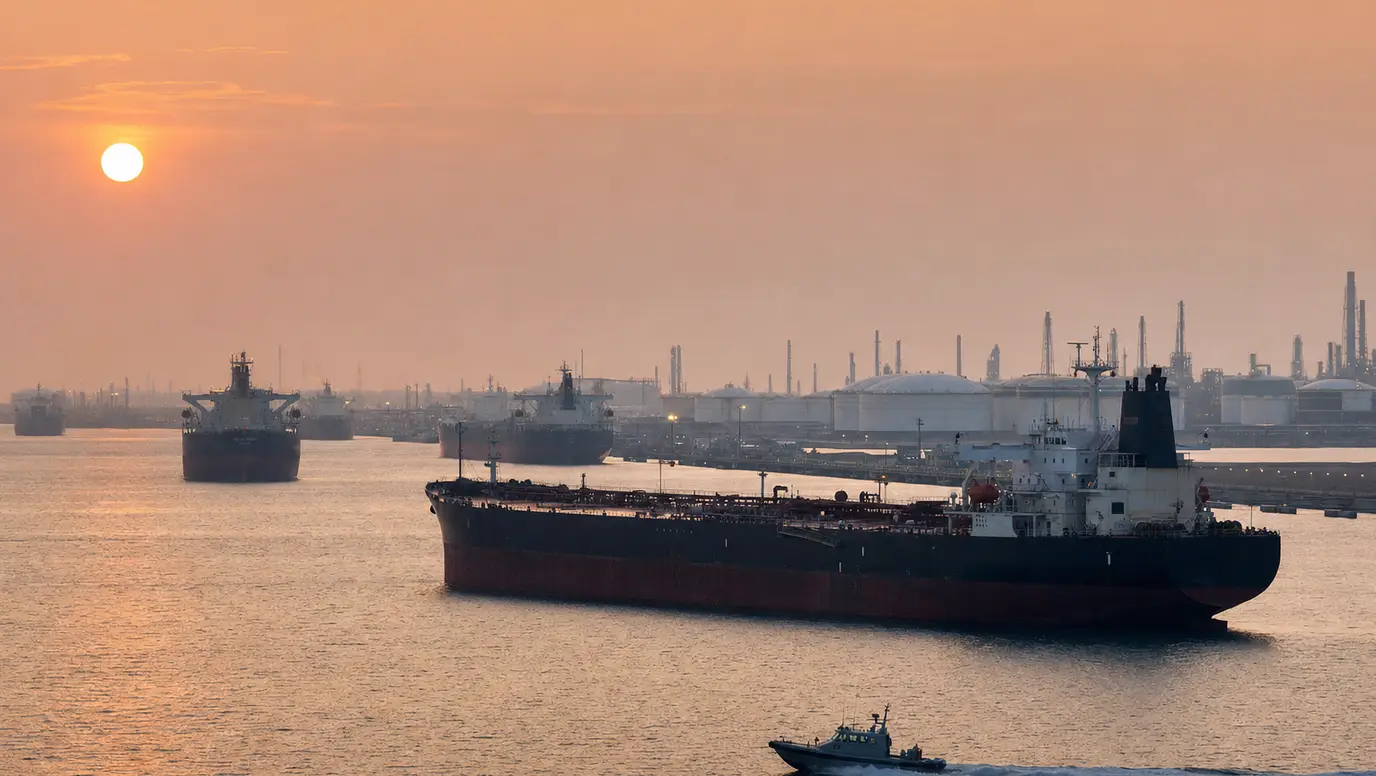
JULY 15, 2026
Brent Crude and WTI Crude Rise as Iran Port Blockade Puts Stockpile Cushion in Focus
JULY 14, 2026
Oil Market Shifts to Bypass Routes as Hormuz Risk Keeps Brent Premium Elevated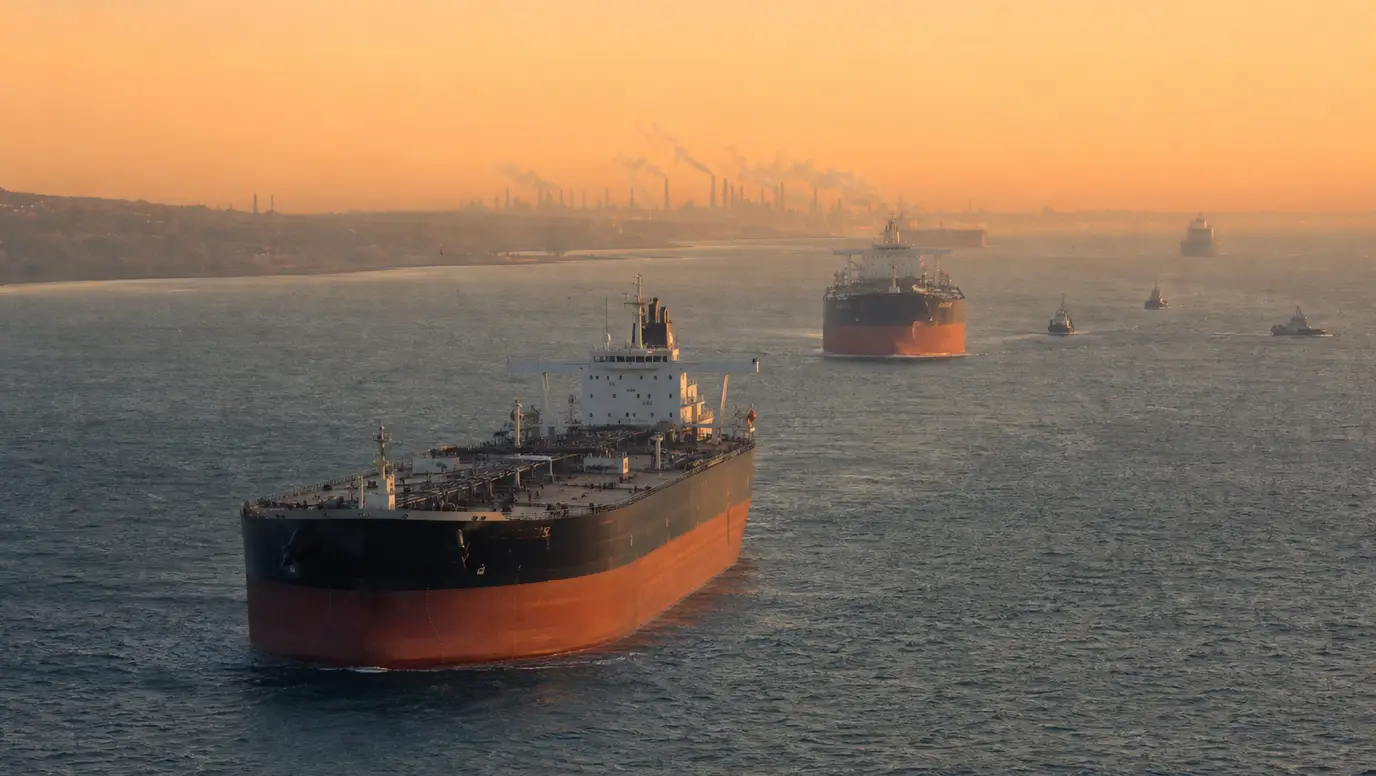
JULY 13, 2026
Brent Crude Jumps as Hormuz Escalation Reprices Energy Market Risk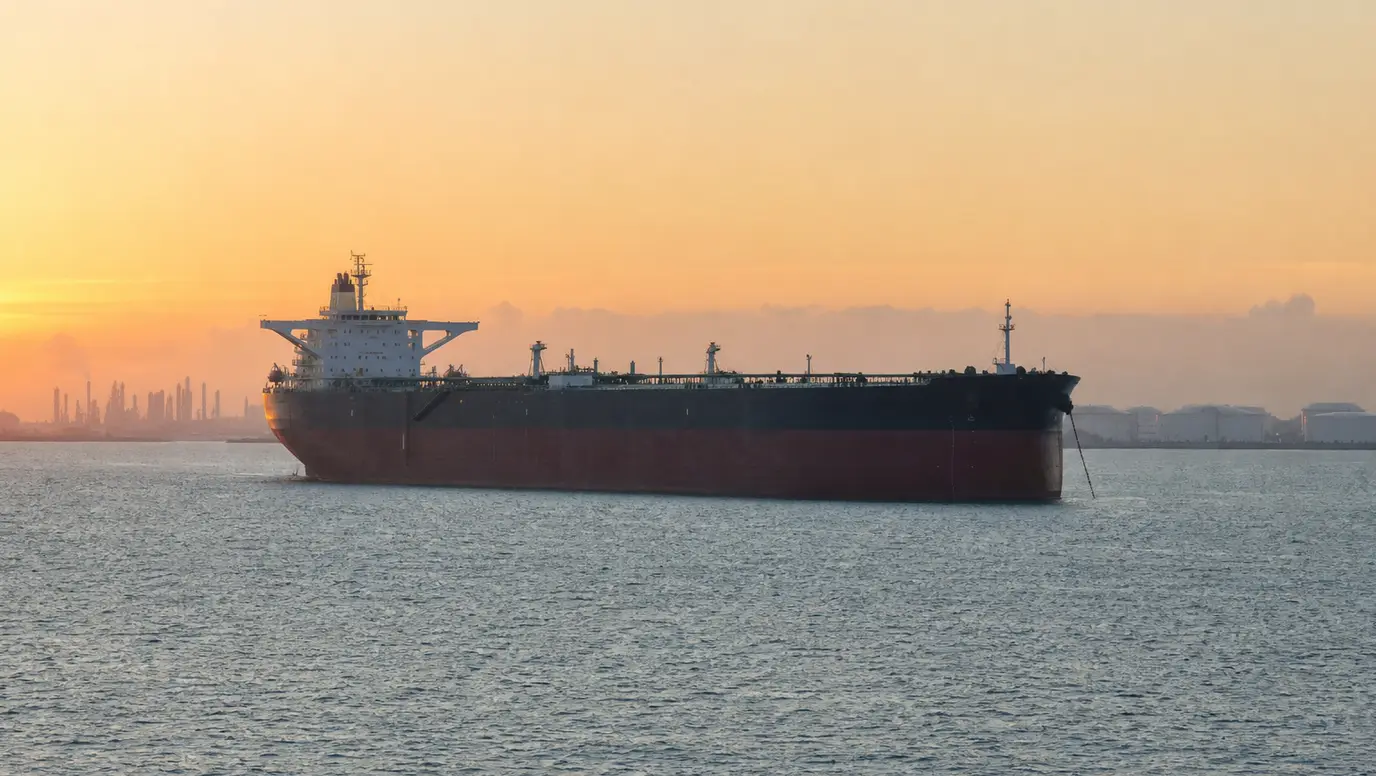
JULY 12, 2026
Crude Oil Faces China Demand Test as Floating Iranian Supply Builds
JULY 11, 2026
Energy Market Watches Tanker Risk as Crude Oil Rally Meets Demand Doubts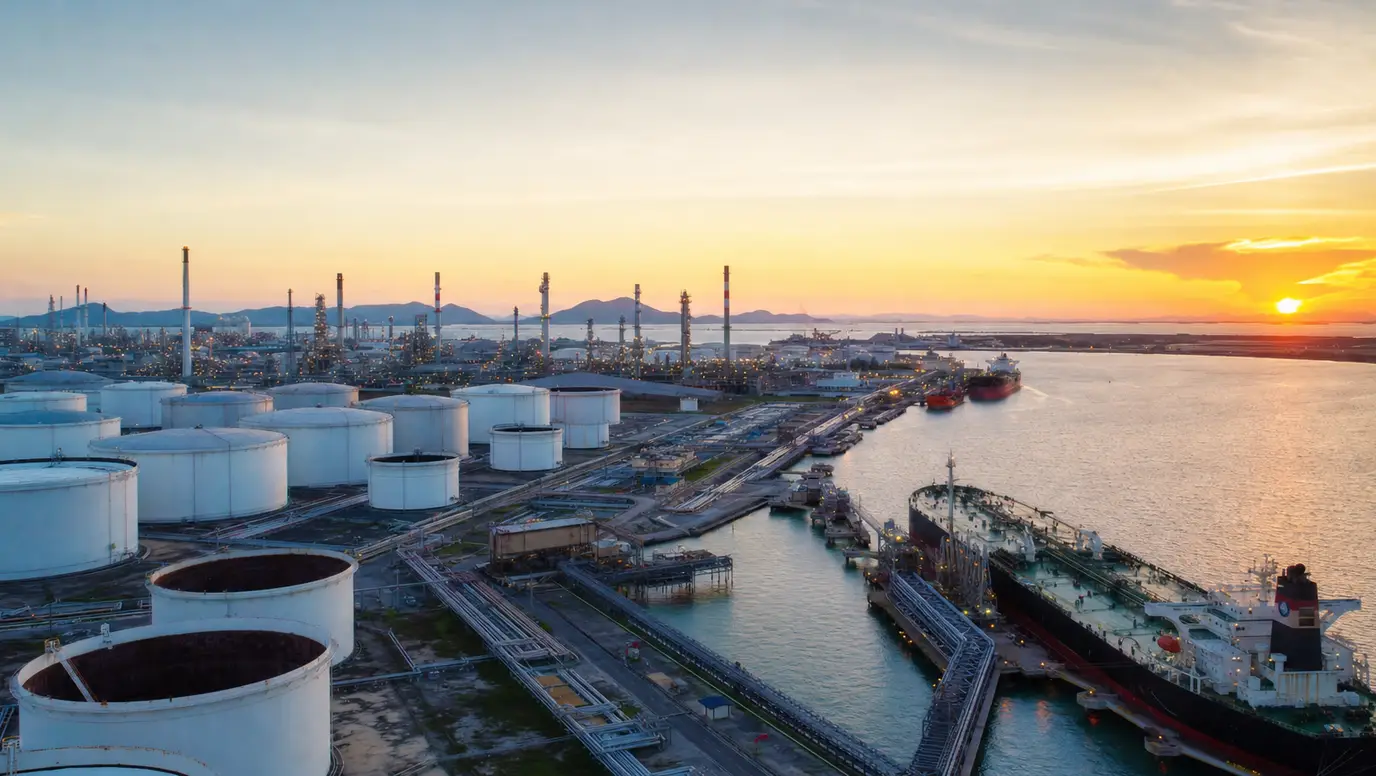
JULY 10, 2026
Crude Oil Turns to Glut Risk as OPEC+ Adds August Supply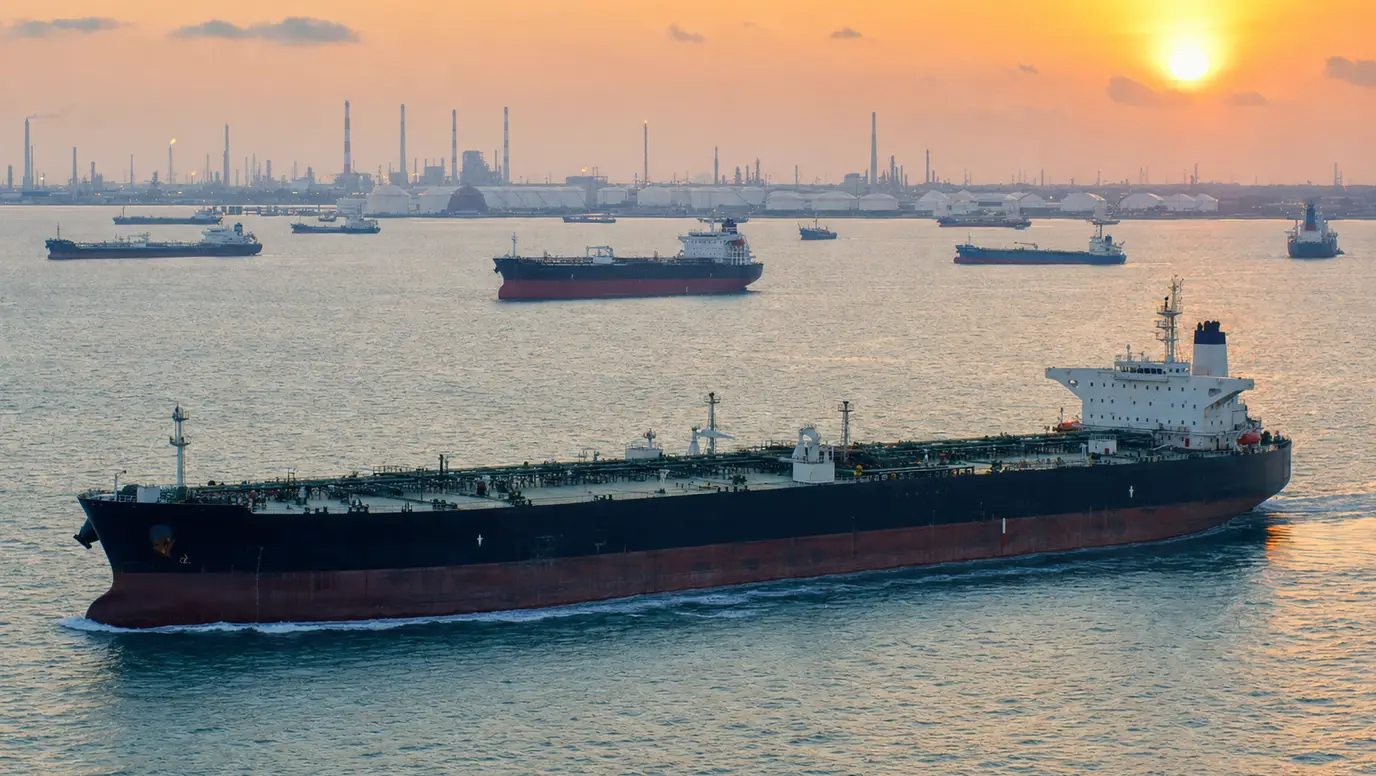
JULY 9, 2026
Brent Nears $79 as Renewed Gulf Risk Rebuilds Crude Oil Premium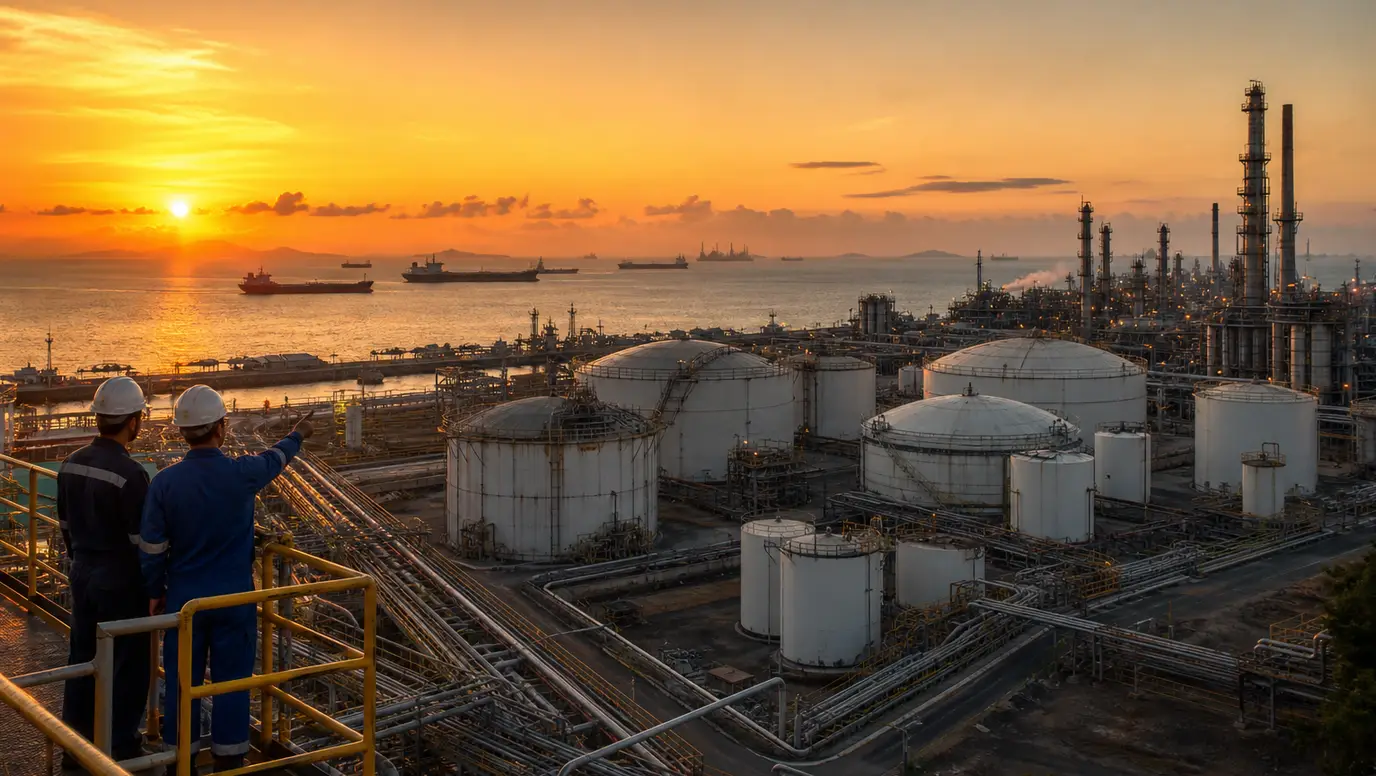
JULY 8, 2026
Crude Oil Faces Mixed Signal as U.S. Stock Build Collides With Fuel Draws
JULY 6, 2026
Crude Oil Slips as Hormuz Flows Normalize and Inventory Test Moves Into View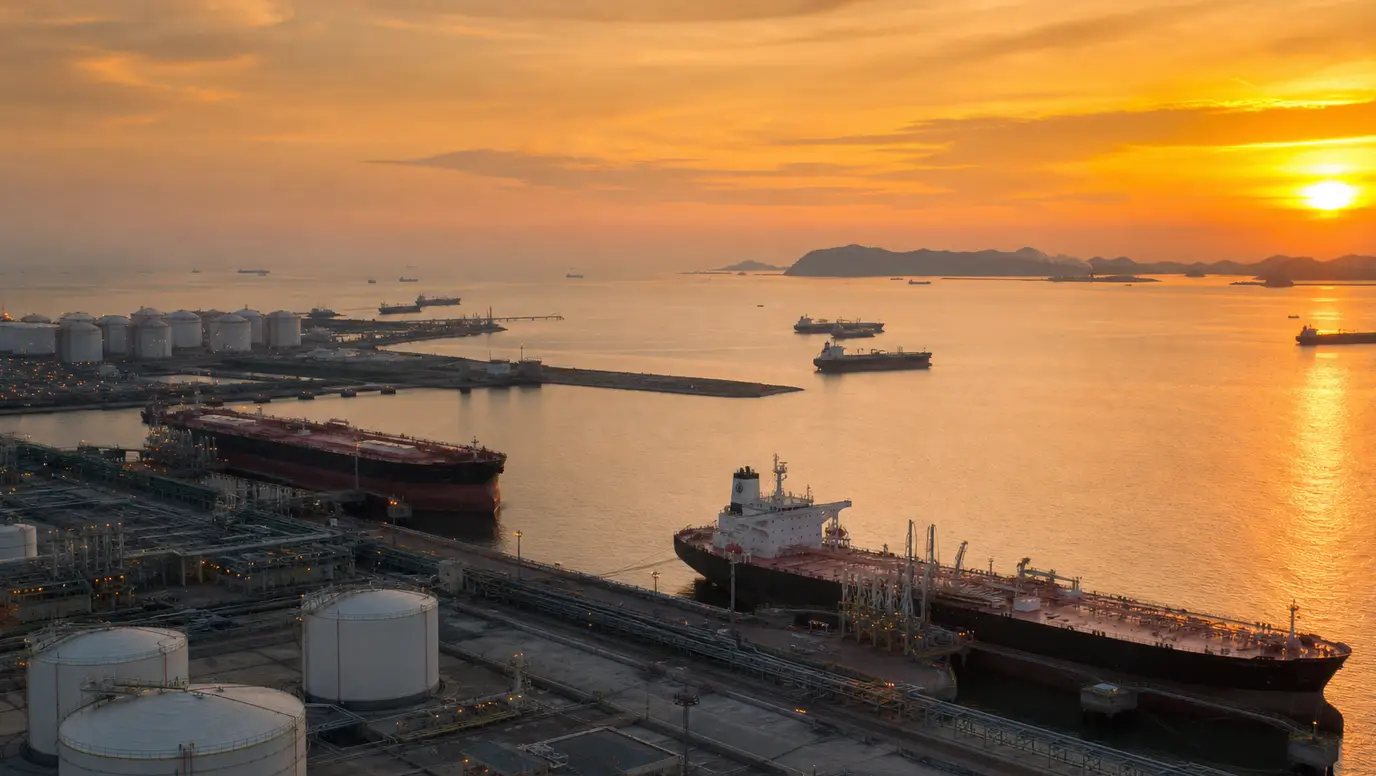
JULY 5, 2026
OPEC+ Output Hike Turns Energy Market Focus to Real Barrels as Brent Holds Near $72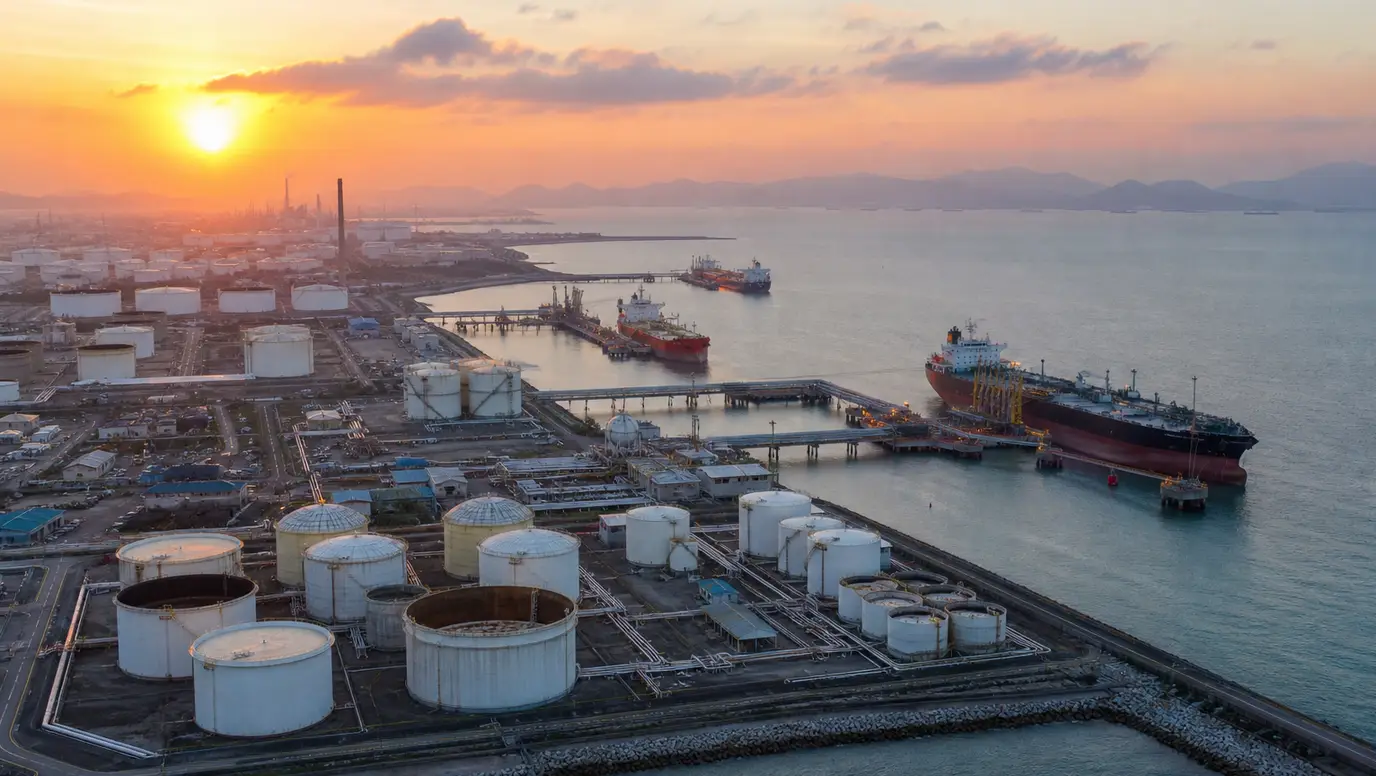
JULY 4, 2026
Brent Holds Near $72 as OPEC+ August Supply Decision Tests Oil Market Floor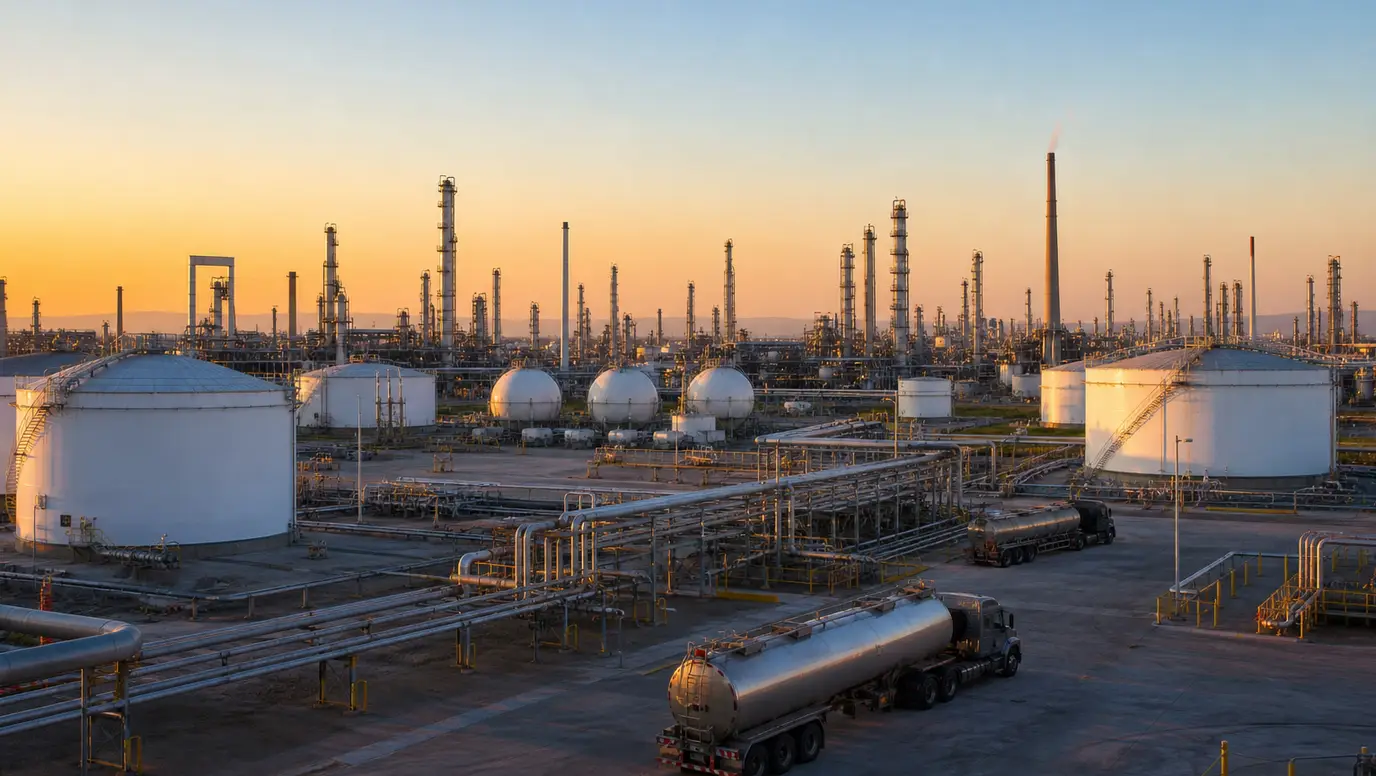
JULY 3, 2026
WTI Holds Near $68 as U.S. Stock Draws Challenge Oil Glut Narrative
JULY 2, 2026
Brent Slides Toward $70 as Iran Risk Premium Fades in Thin Holiday Trade
JULY 1, 2026
OPEC+ Supply Signal Caps Crude Oil Rebound as U.S. Stock Draws Support Prices
JUNE 30, 2026
Natural Gas Rally Outruns Softer Oil as Heat and LNG Demand Split Energy Market
JUNE 29, 2026
Brent Holds Above $72 as Traders Test Fragile Hormuz Reopening
JUNE 28, 2026
WTI Bulls Face Inventory Split as Brent Loses War Premium Before Quarter-End