
JUNE 27, 2026
Refinery Strain Keeps Energy Market on Edge as Oil Selloff Meets Fuel Stock TightnessOil’s weekly drop has not erased supply risk as U.S. refinery runs, low crude stocks and firm distillate exports keep energy traders cautious.

© 1box.site 2026

JUNE 6, 2026
The energy market is entering the new trading week with a sharper focus on producer policy after a large U.S. crude stock draw reinforced the view that physical supply is tighter than headline demand concerns suggest. Brent crude has remained anchored in the upper-$90s area, while WTI has traded in the mid-$90s, leaving traders reluctant to remove the geopolitical and inventory premium before OPEC+ gives a clearer signal on July supply.
The immediate question for oil desks is whether any additional quota increase from the producer group would translate into meaningful near-term barrels. In normal conditions, a modest supply adjustment could cool prices by changing expectations for balances later in the summer. In the current market, however, shipping risk, regional disruptions and strong refinery runs mean traders are likely to judge the decision less by the headline number and more by deliverability.
That makes the weekend meeting a volatility event rather than a straightforward bearish catalyst. If OPEC+ signals more supply but avoids an aggressive move, Brent could remain supported by the lack of spare physical cushion. If the group surprises with a larger increase or a more coordinated effort to reassure buyers, the first reaction could be lower prices, especially if macro traders use the announcement as a reason to take profit after the latest rally.
The latest weekly U.S. figures showed commercial crude inventories falling by roughly 8 million barrels in the week ended May 29, bringing stockpiles to about 433.7 million barrels and leaving them below the five-year seasonal average. That draw was important because it arrived as the market was already pricing summer transport demand, high refinery utilization and lingering uncertainty around Middle East flows.
For futures traders, the size of the draw matters as much as the direction. A normal seasonal decline can be absorbed if global supply chains look stable. A sharper decline, coming while Brent is already carrying a risk premium, makes it harder for sellers to argue that the market is comfortably supplied. It also increases sensitivity to any fresh disruption in exports, shipping insurance, refinery outages or product inventories.
WTI’s discount to Brent remains a key signal to watch. U.S. crude has some insulation from seaborne supply stress, but domestic inventories and Cushing flows are still central to short-term price direction. A narrowing Brent-WTI spread would suggest international tightness is feeding more directly into the U.S. market, while a widening spread would indicate the global benchmark is carrying most of the geopolitical premium.
Producer policy is complicated by the difference between stated quotas and barrels that can actually reach buyers. Some members have limited capacity to raise output quickly, while others may be cautious about releasing spare capacity into a market where geopolitical risk can shift by the day. That is why traders may treat a small planned increase as a messaging tool rather than an immediate solution to tight balances.
The group also has to manage two opposing risks. If it moves too slowly, elevated oil prices could keep pressure on fuel costs and inflation expectations, strengthening the link between energy markets and central-bank policy. If it moves too quickly, it could trigger a sharp price pullback just as members are benefiting from higher revenue and as the demand outlook remains uneven across regions.
For refiners and importers, the more relevant issue is reliability. Buyers want evidence that additional supply can move through trade routes without major delays or cost spikes. Until that confidence improves, the market may continue to price optionality into Brent, especially for cargoes tied to regions exposed to maritime disruption.
Oil is also trading against a firmer U.S. dollar and higher yields after stronger labor-market data reduced expectations for near-term monetary easing. A stronger dollar can cap commodity rallies by making crude more expensive for non-U.S. buyers, while higher yields can reduce risk appetite across futures markets. So far, those macro headwinds have slowed the rally but have not fully reversed the supply-driven bid.
This creates a two-speed market. Financial traders are watching the dollar, inflation expectations and broader risk sentiment. Physical traders are focused on inventories, shipping constraints and refinery demand. When both groups point in the same direction, price moves can accelerate quickly. When they diverge, as they are now, Brent and WTI can swing sharply inside wide ranges without establishing a durable trend.
The next signal will come from how prices respond after the OPEC+ decision. A muted selloff despite any supply increase would suggest the market still doubts that new barrels can rebuild inventories quickly. A deeper break lower would show that traders believe the producer group can reduce the risk premium before peak summer demand tightens balances further.
For now, the energy market remains biased toward caution. Crude is no longer trading only on demand forecasts; it is trading on the availability of real barrels, the credibility of producer guidance and the speed at which inventories can be rebuilt. That leaves the coming week set up for another test of whether policy headlines can overpower a physical market that still looks tight.
JUNE 27, 2026
Refinery Strain Keeps Energy Market on Edge as Oil Selloff Meets Fuel Stock Tightness
JUNE 25, 2026
Iraq Quota Threat Puts OPEC Discipline in Focus as Oil War Premium Evaporates
JUNE 24, 2026
Brent Slide Below $77 Turns Oil Market Focus to Inventories and Summer Fuel Demand
JUNE 23, 2026
Brent and WTI Fall Again as Traders Shift From War Premium to Hormuz Flow Checks
JUNE 22, 2026
Oil Risk Premium Fades as Brent and WTI Slide on Fresh U.S.-Iran Talks
JUNE 21, 2026
Brent and WTI Face Inventory Test as Oil Market Shrugs Off Demand-Bearish Forecasts
JUNE 20, 2026
Oil Traders Watch Tanker Flows as Brent Holds Near $80 After Risk-Premium Reset
JUNE 19, 2026
Brent and WTI Steady as Traders Test the Reality of Hormuz Reopening
JUNE 17, 2026
WTI Rebounds as U.S. Stock Draw Puts a Floor Under Oil Selloff
JUNE 16, 2026
Brent Tests $80 as Oil Market Shifts From Hormuz Shock to Restart Risk
JUNE 15, 2026
Brent and WTI Slide as Hormuz Reopening Bets Reset Oil Risk Premium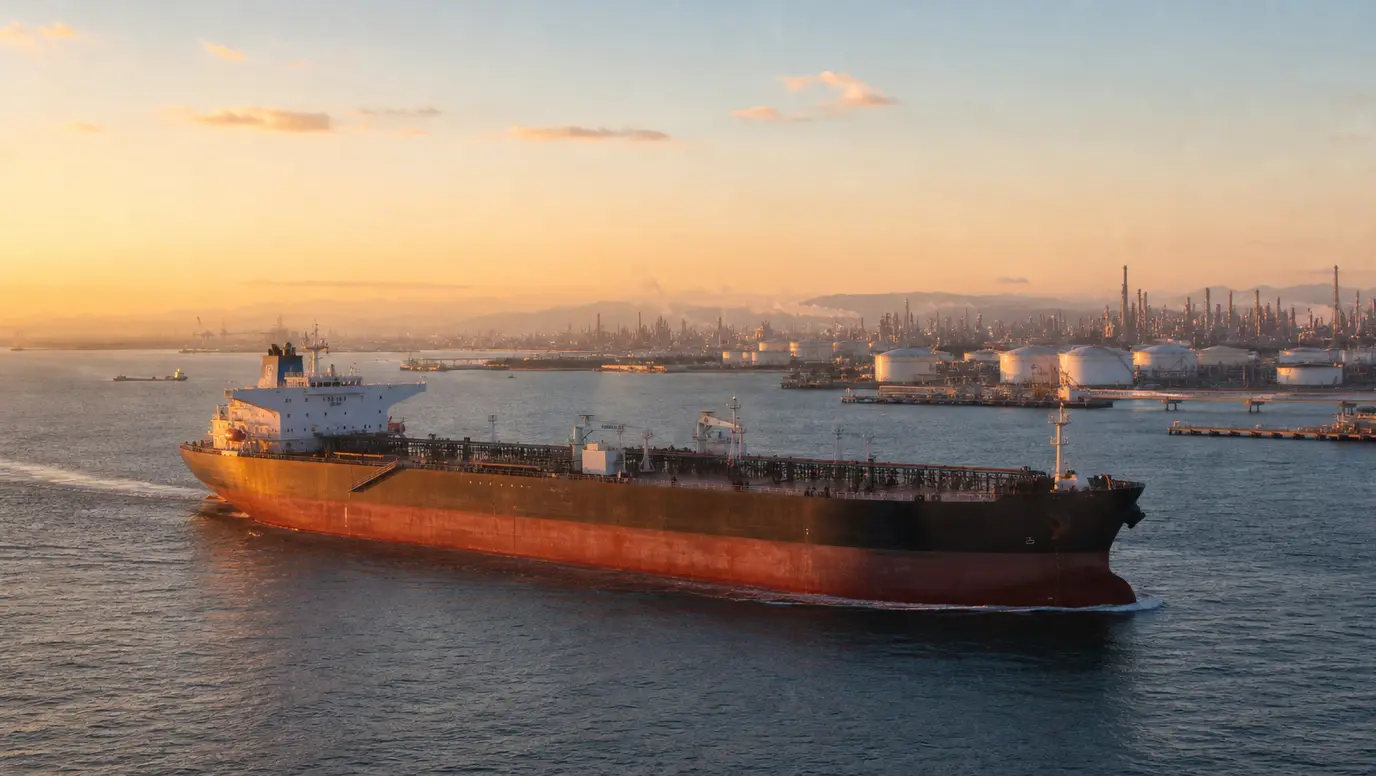
JUNE 14, 2026
Brent and WTI Enter New Week as Hormuz Risk Collides With Demand Shock
JUNE 12, 2026
Brent and WTI Hit Two-Month Lows as Iran Strike Risk Premium Unwinds
JUNE 11, 2026
Brent and WTI Rise as U.S. Crude Draw Tightens the Energy Market’s Prompt Supply Focus
JUNE 10, 2026
Energy Market Faces Demand Destruction Test as Hormuz Risk Reshapes Oil Trade
JUNE 9, 2026
Brent and WTI Pull Back as Ceasefire Hopes Test Oil Market Risk Premium
JUNE 8, 2026
Oil Volatility Jumps as Brent Nears $100 and Traders Reprice Middle East Supply Risk
JUNE 7, 2026
OPEC+ Quota Hike Lands as Energy Market Doubts New Barrels Can Reach Buyers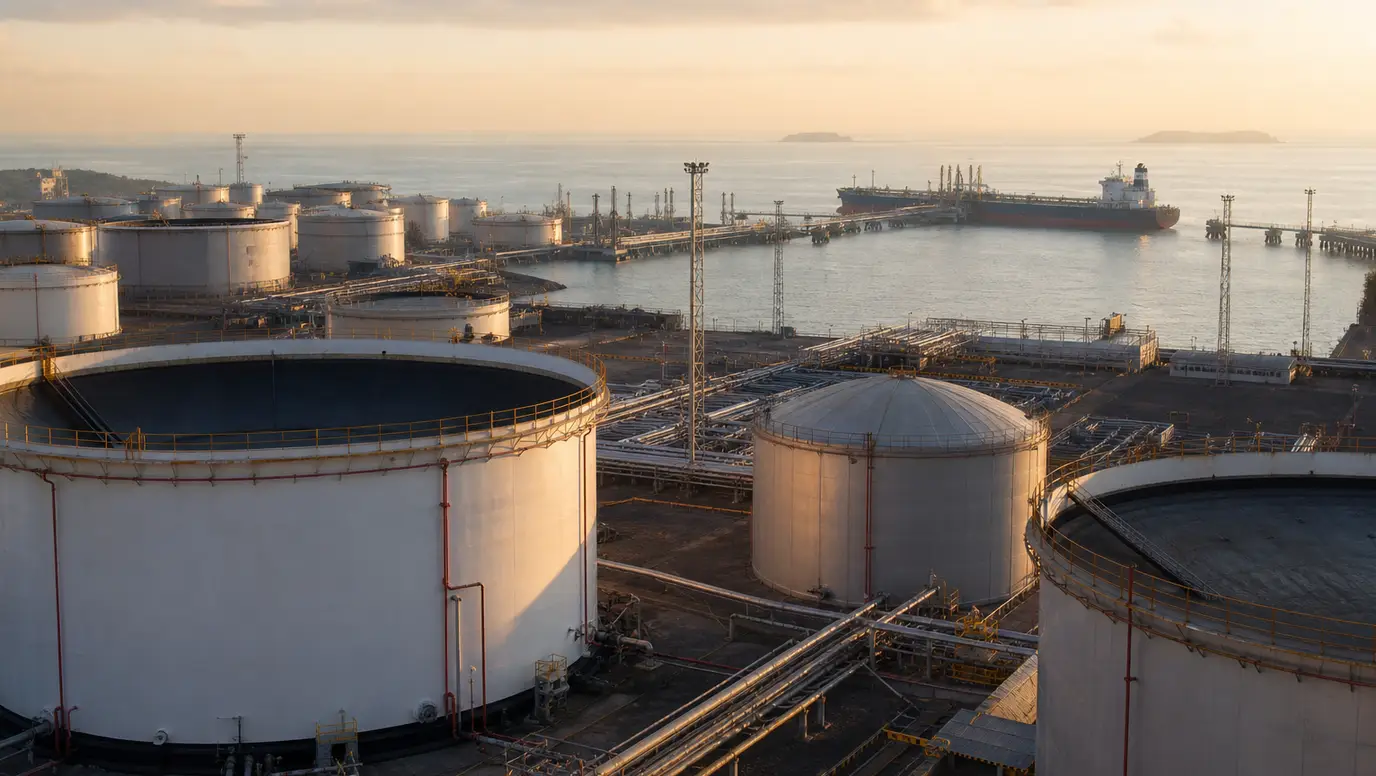
JUNE 4, 2026
U.S. Crude Draw Puts Energy Market Back on Physical Supply Watch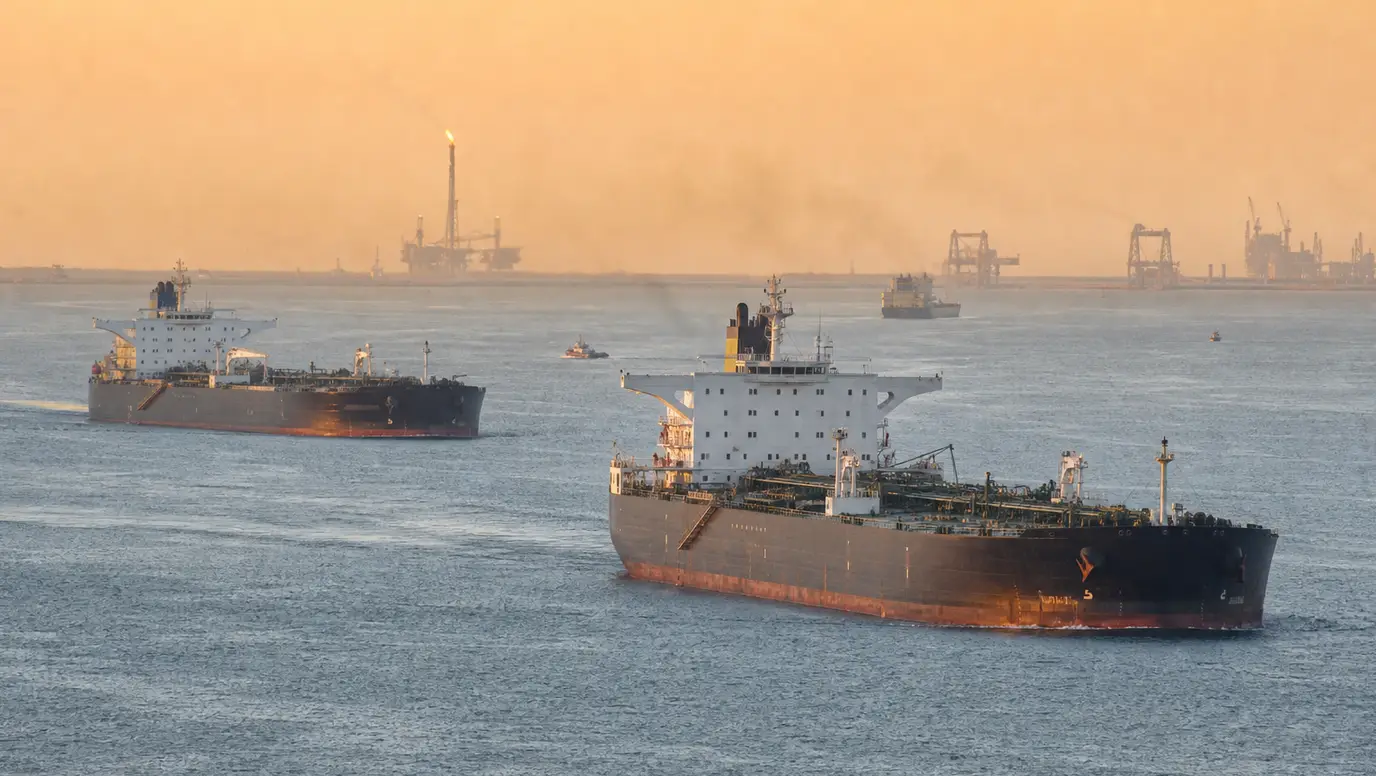
JUNE 3, 2026
Brent Pushes Toward $100 as Gulf Escalation Reprices Energy Risk
JUNE 2, 2026
Fuel Price Hedge Returns as Brent Near $94 Puts Energy Market on Inflation Watch
JUNE 1, 2026
Oil Rally Accelerates as Hormuz Reopening Hopes Fade and Supply Risk Returns
MAY 31, 2026
Oil Enters June With Ceasefire Discount Facing an OPEC+ Supply Test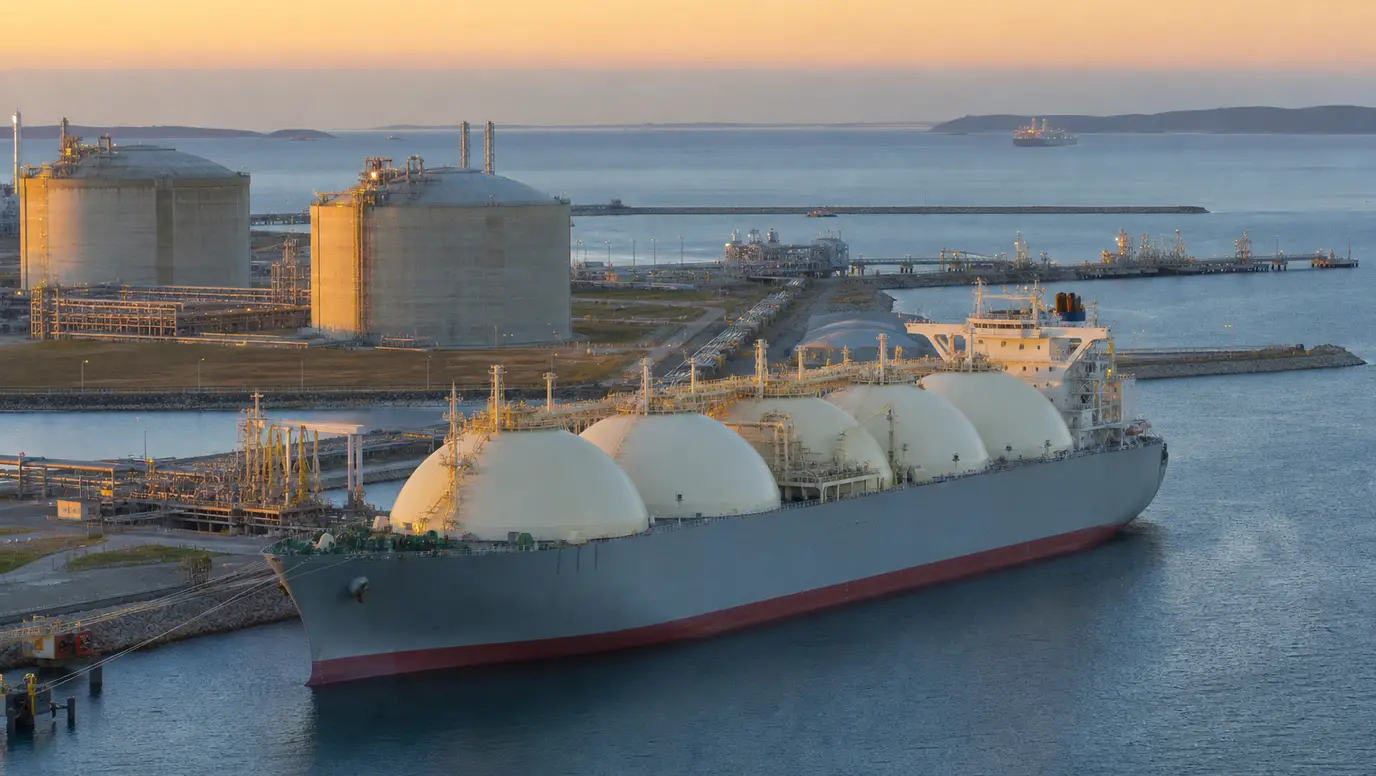
MAY 30, 2026
LNG Squeeze Keeps Energy Market on Edge as Summer Demand Nears
MAY 29, 2026
Oil Forecasts Rise Again as Supply Recovery Doubts Blunt Crude Price Dip
MAY 28, 2026
Oil Volatility Holds as Traders Test How Fast Hormuz Risk Can Unwind
MAY 27, 2026
Gas and Crude Retreat as Shipping-Risk Premium Eases Across Energy Markets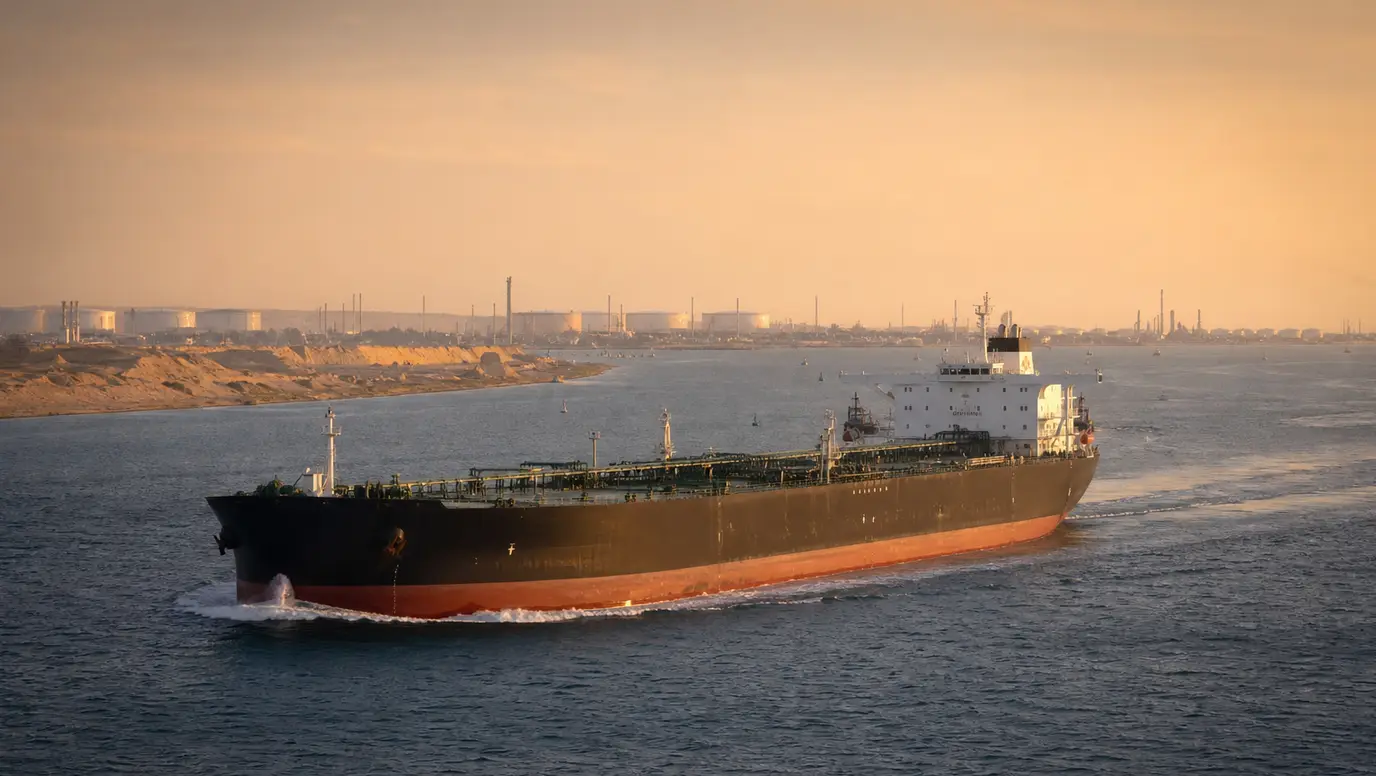
MAY 26, 2026
Brent Whipsaws Near $100 as Hormuz Reopening Timetable Keeps Oil Risk Premium Alive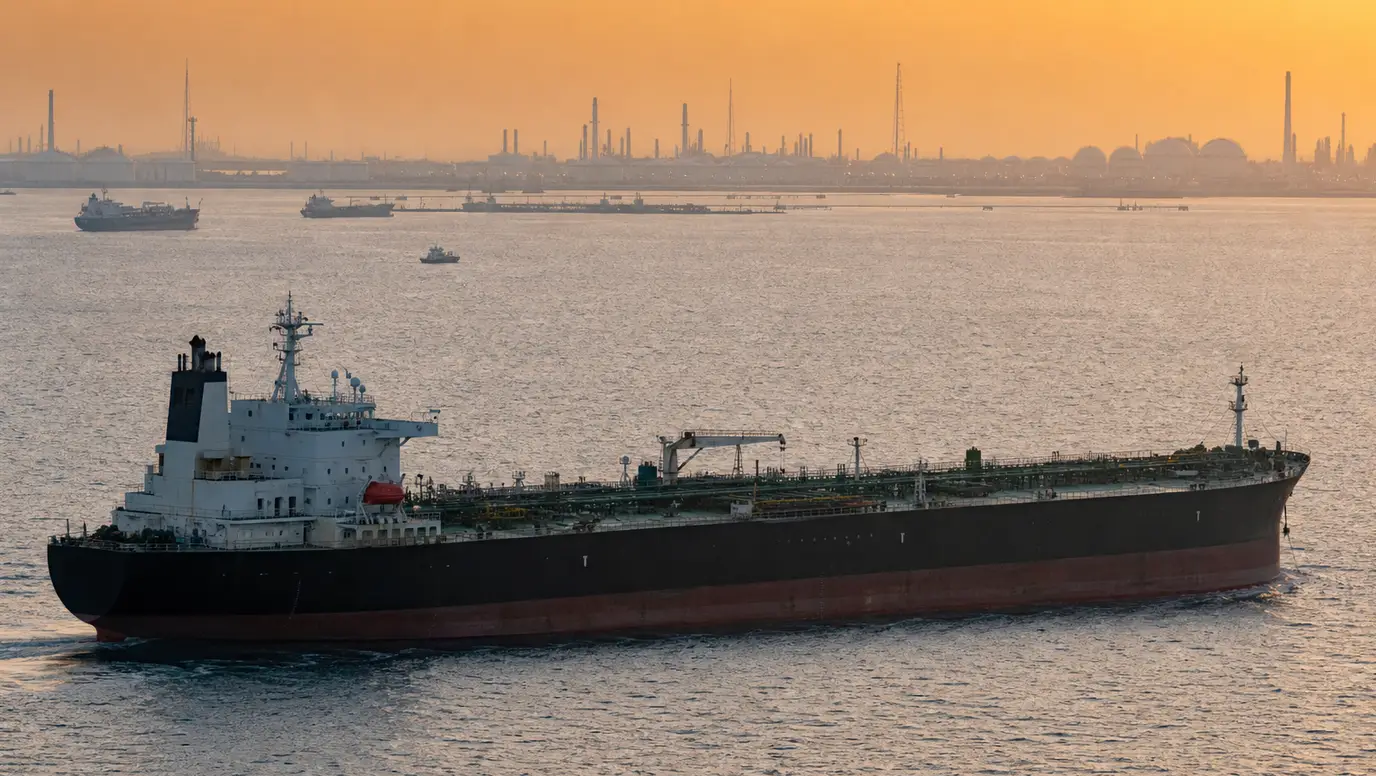
MAY 25, 2026
Oil Slides as U.S.-Iran Deal Hopes Cut Into War Premium
MAY 20, 2026
Oil Retreats as Traders Weigh U.S. Inventory Draw Against Hormuz Supply Risk