
JUNE 27, 2026
Refinery Strain Keeps Energy Market on Edge as Oil Selloff Meets Fuel Stock TightnessOil’s weekly drop has not erased supply risk as U.S. refinery runs, low crude stocks and firm distillate exports keep energy traders cautious.

© 1box.site 2026
MAY 26, 2026
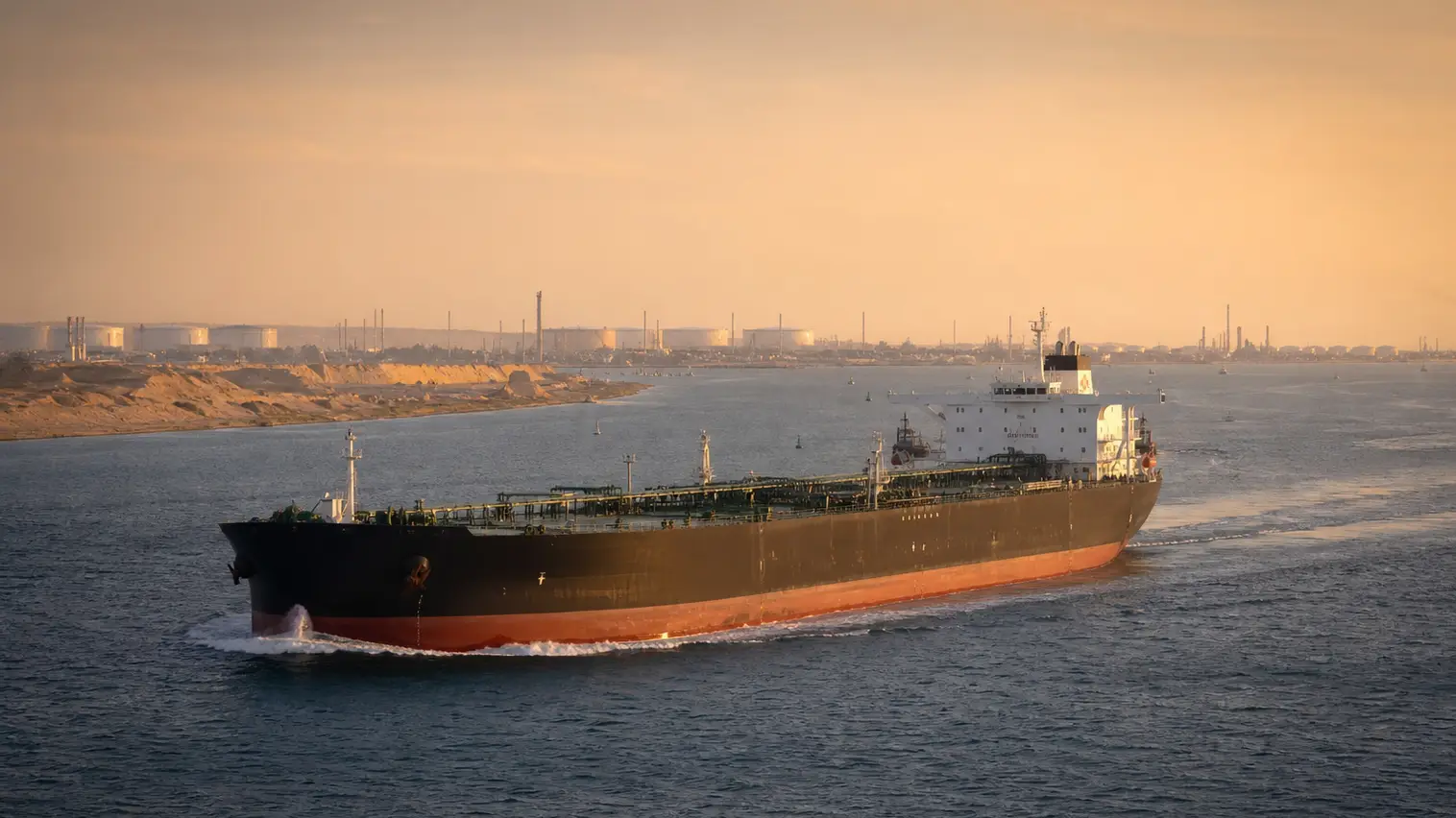
Oil markets stayed highly reactive on Tuesday as Brent crude hovered around the psychologically important $100-a-barrel area, with traders no longer pricing a simple straight-line decline from Middle East risk but instead weighing how quickly disrupted shipping and production can actually return.
The strongest current news flow across the major market sections is in energy, where crude prices are being driven by a fast-changing mix of U.S.-Iran diplomacy, Strait of Hormuz security, tanker availability, OPEC+ supply planning and still-elevated fuel costs. Metals and foreign exchange remain sensitive to yields, the dollar and risk appetite, but the direct impact of energy supply uncertainty is producing the sharper headline risk for commodities and inflation expectations.
Brent’s pullback from recent highs has reflected optimism that negotiations could lead to a reopening of the Strait of Hormuz, the key Gulf waterway used for a large share of global oil and LNG trade. Yet the market reaction has been uneven because a political framework is not the same as normalized physical flows. Tanker owners, insurers, refiners and cargo buyers still need confidence that vessels can move safely and predictably before the war premium can disappear.
The near-term oil debate has shifted from whether a deal can be announced to whether barrels can be delivered on schedule. Even if shipping lanes reopen, the market may still face delays tied to security checks, mine-clearing risks, port congestion, repositioning of vessels and the restart of shut-in production. That is why crude has struggled to break decisively lower despite the sharp unwind in speculative length.
For refiners, the issue is not only the headline price of Brent or WTI but the reliability of feedstock arrivals. Asian buyers that rely heavily on Gulf crude have spent recent weeks adjusting procurement patterns, while European and U.S. grades have drawn additional attention as alternatives. Those shifts can keep regional differentials firm even when futures prices soften.
WTI has also remained volatile, with the U.S. benchmark trading at a discount to Brent but still reflecting global supply tightness. A wider Brent-WTI spread can support U.S. export demand, particularly if overseas refiners continue looking for replacement barrels. However, any sustained drop in geopolitical risk would test how much of that export pull is structural and how much is temporary crisis demand.
OPEC+ is becoming a secondary but important driver for the next leg of the oil trade. Several producers have been signaling modest monthly output increases, yet the practical effect depends on whether barrels can move freely through regional infrastructure. In a market disrupted by shipping constraints, a quota increase may matter less than the location and deliverability of available supply.
That leaves traders watching the next producer-group discussions for two signals: whether exporters want to lean against high prices, and whether they believe demand can absorb additional barrels once the immediate security premium fades. A cautious increase would likely be interpreted as an attempt to stabilize prices without flooding a fragile market. A more aggressive move would raise the risk of a faster correction in Brent if Hormuz traffic improves at the same time.
Demand is also becoming more price-sensitive. Elevated gasoline, diesel and jet fuel costs have already forced consumers and businesses to adjust, and a lasting period near $100 Brent could curb consumption growth. That demand response is one reason rallies may face resistance, even while supply risks prevent a clean bearish reversal.
The broader financial-market consequence is inflation uncertainty. Lower crude prices would ease pressure on fuel costs, freight rates and inflation expectations, potentially reducing stress in bond and currency markets. But if the reopening process proves slow, energy could remain a stubborn source of price pressure through the summer demand season.
LNG markets are part of the same story. The Strait of Hormuz is not only an oil chokepoint; it is also critical for gas flows from the Gulf. Any delay in restoring confidence among ship operators could keep Asian and European gas buyers alert, especially ahead of seasonal restocking needs. That connection helps explain why energy news is dominating the market agenda more forcefully than movements in metals or currencies.
For now, the oil market appears to be pricing a partial relief scenario rather than a full normalization. Brent below recent highs suggests traders believe diplomacy has reduced the probability of a worst-case supply shock. Brent still near $100 suggests they are not ready to assume that tankers, insurers and refiners will return to business as usual immediately.
The key levels ahead are therefore less about a single futures settlement and more about confirmation from the physical market. Sustained vessel traffic, narrower regional crude premiums and softer refined-product margins would signal that the risk premium is genuinely eroding. Until then, crude is likely to remain vulnerable to sharp two-way moves, with every diplomatic headline and shipping update capable of resetting the short-term trend.
JUNE 27, 2026
Refinery Strain Keeps Energy Market on Edge as Oil Selloff Meets Fuel Stock Tightness
JUNE 25, 2026
Iraq Quota Threat Puts OPEC Discipline in Focus as Oil War Premium Evaporates
JUNE 24, 2026
Brent Slide Below $77 Turns Oil Market Focus to Inventories and Summer Fuel Demand
JUNE 23, 2026
Brent and WTI Fall Again as Traders Shift From War Premium to Hormuz Flow Checks
JUNE 22, 2026
Oil Risk Premium Fades as Brent and WTI Slide on Fresh U.S.-Iran Talks
JUNE 21, 2026
Brent and WTI Face Inventory Test as Oil Market Shrugs Off Demand-Bearish Forecasts
JUNE 20, 2026
Oil Traders Watch Tanker Flows as Brent Holds Near $80 After Risk-Premium Reset
JUNE 19, 2026
Brent and WTI Steady as Traders Test the Reality of Hormuz Reopening
JUNE 17, 2026
WTI Rebounds as U.S. Stock Draw Puts a Floor Under Oil Selloff
JUNE 16, 2026
Brent Tests $80 as Oil Market Shifts From Hormuz Shock to Restart Risk
JUNE 15, 2026
Brent and WTI Slide as Hormuz Reopening Bets Reset Oil Risk Premium
JUNE 14, 2026
Brent and WTI Enter New Week as Hormuz Risk Collides With Demand Shock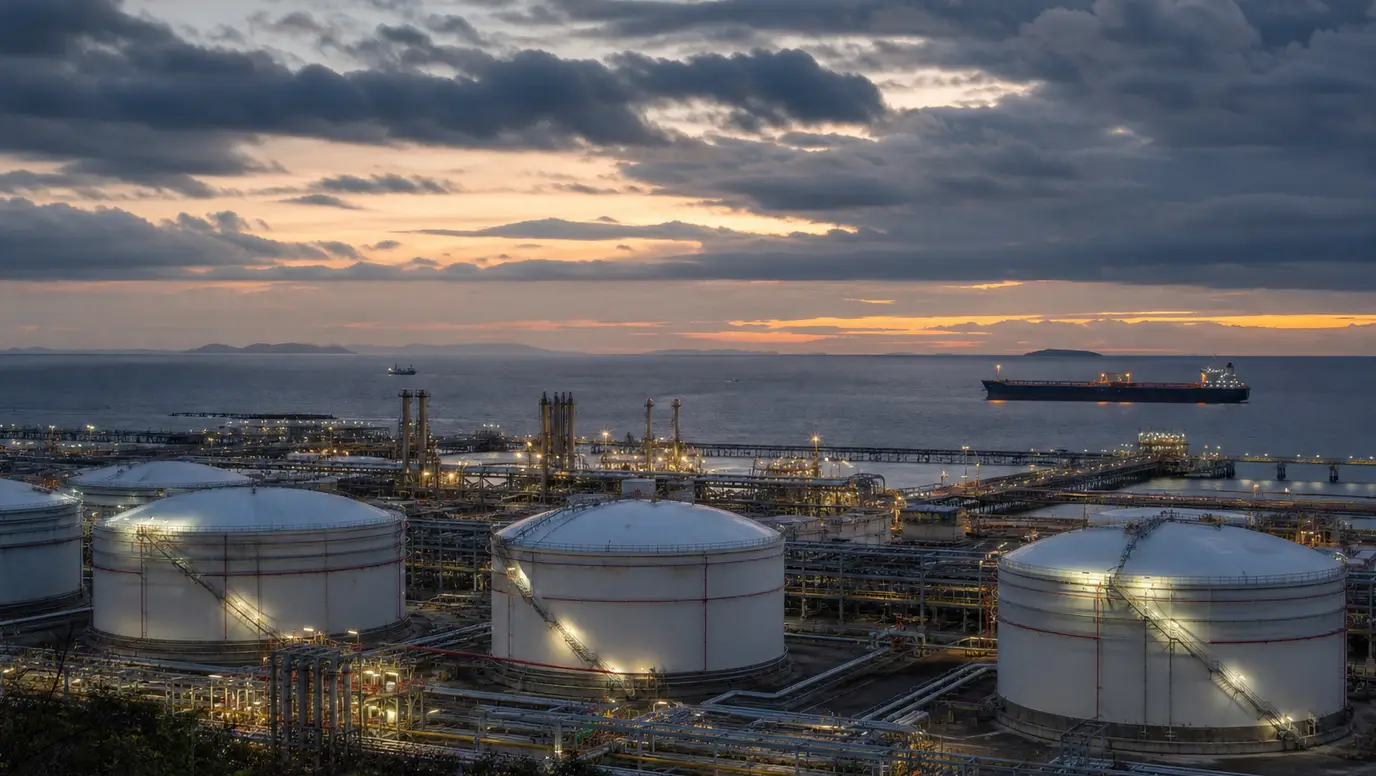
JUNE 12, 2026
Brent and WTI Hit Two-Month Lows as Iran Strike Risk Premium Unwinds
JUNE 11, 2026
Brent and WTI Rise as U.S. Crude Draw Tightens the Energy Market’s Prompt Supply Focus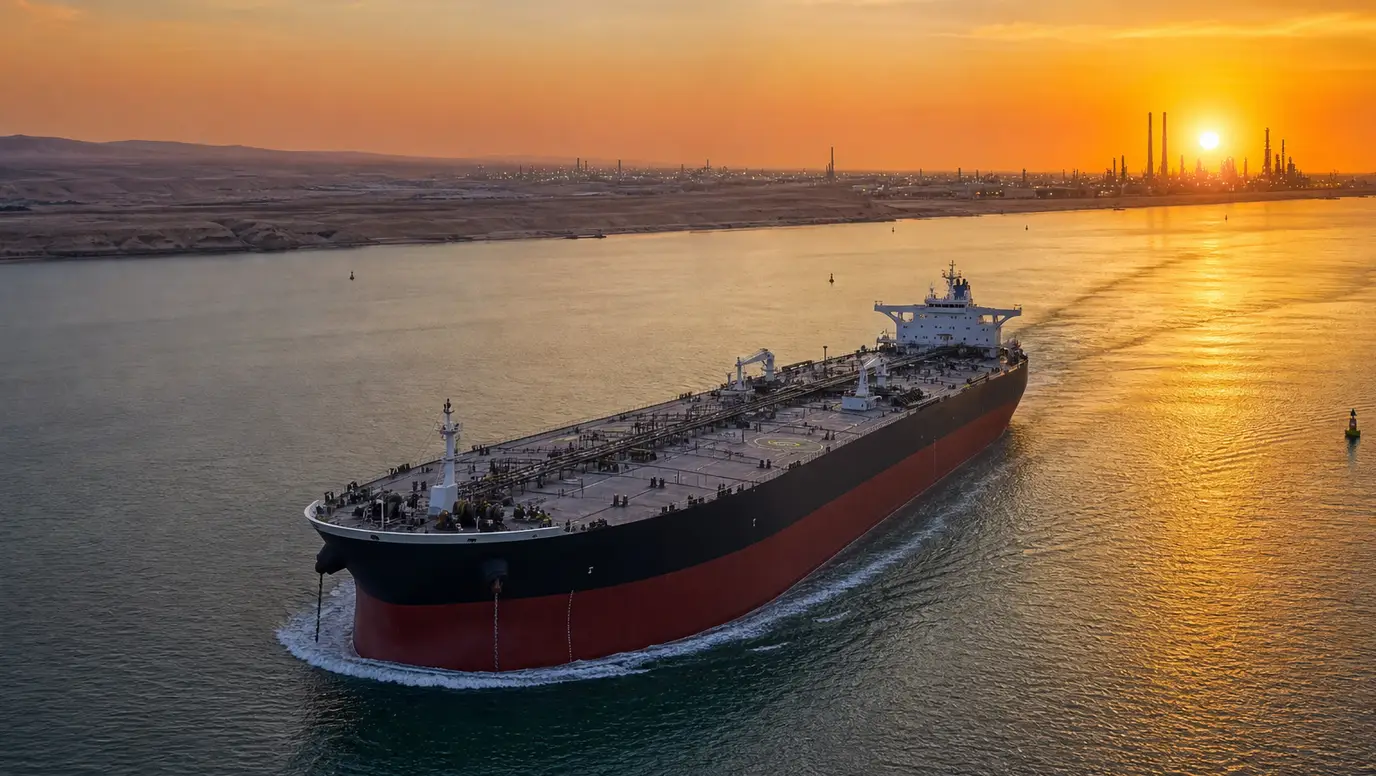
JUNE 10, 2026
Energy Market Faces Demand Destruction Test as Hormuz Risk Reshapes Oil Trade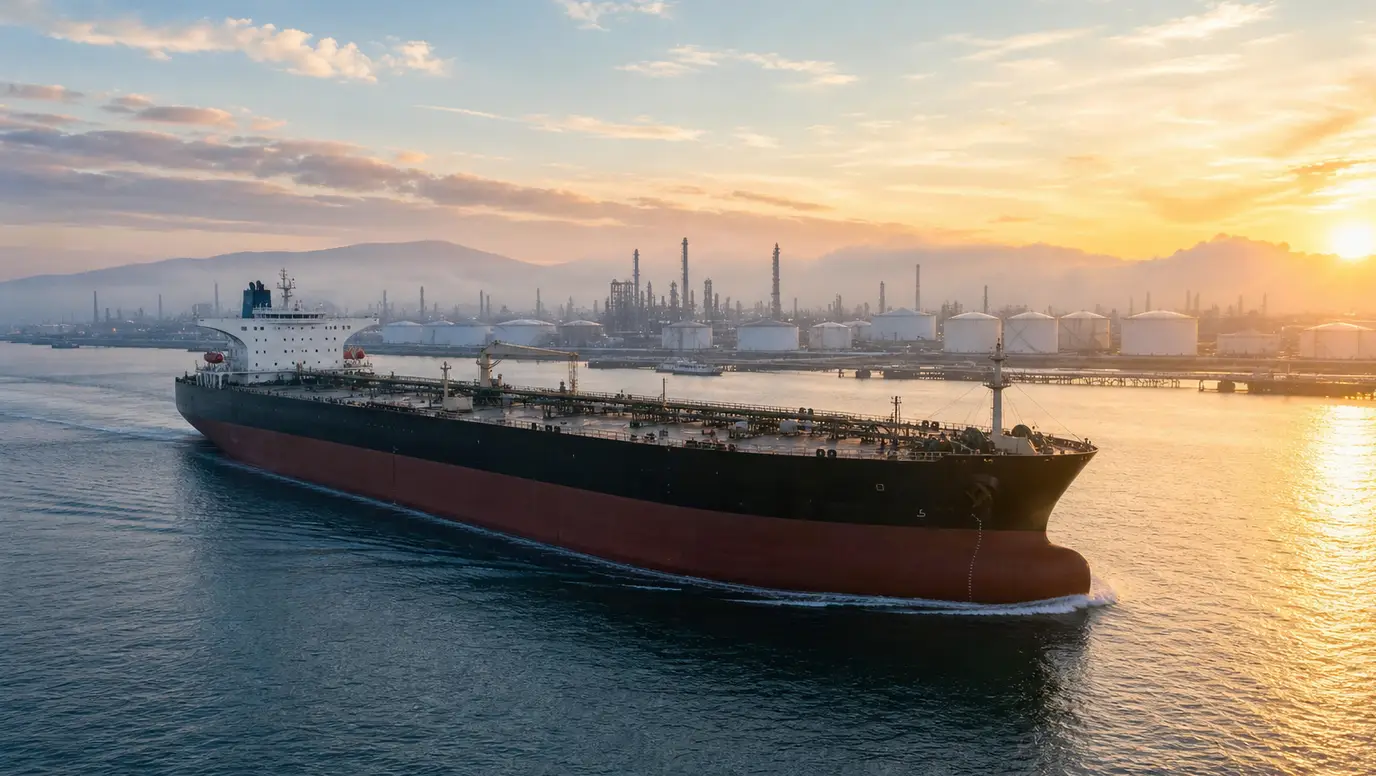
JUNE 9, 2026
Brent and WTI Pull Back as Ceasefire Hopes Test Oil Market Risk Premium
JUNE 8, 2026
Oil Volatility Jumps as Brent Nears $100 and Traders Reprice Middle East Supply Risk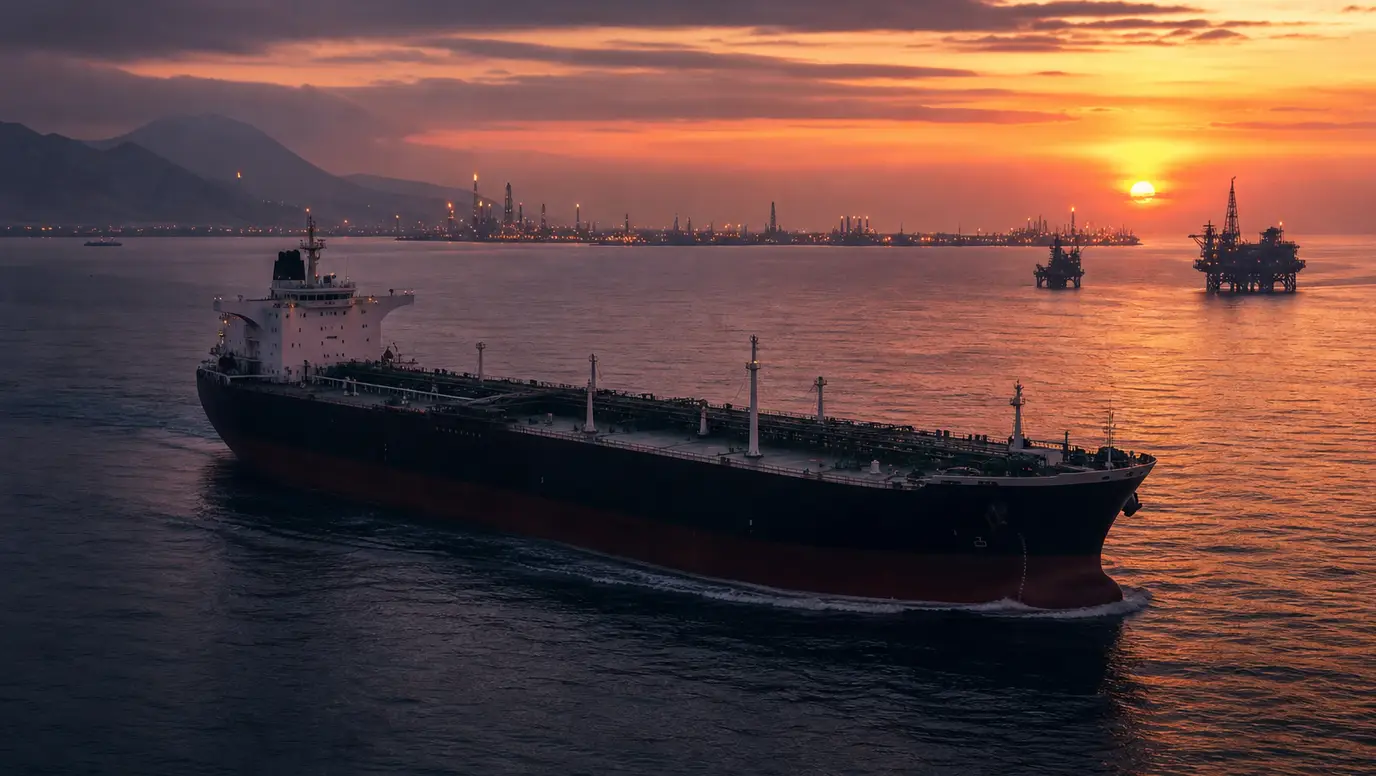
JUNE 7, 2026
OPEC+ Quota Hike Lands as Energy Market Doubts New Barrels Can Reach Buyers
JUNE 6, 2026
OPEC+ Weekend Test Puts Oil Market on Alert as Crude Draw Tightens the Buffer
JUNE 4, 2026
U.S. Crude Draw Puts Energy Market Back on Physical Supply Watch
JUNE 3, 2026
Brent Pushes Toward $100 as Gulf Escalation Reprices Energy Risk
JUNE 2, 2026
Fuel Price Hedge Returns as Brent Near $94 Puts Energy Market on Inflation Watch
JUNE 1, 2026
Oil Rally Accelerates as Hormuz Reopening Hopes Fade and Supply Risk Returns
MAY 31, 2026
Oil Enters June With Ceasefire Discount Facing an OPEC+ Supply Test
MAY 30, 2026
LNG Squeeze Keeps Energy Market on Edge as Summer Demand Nears
MAY 29, 2026
Oil Forecasts Rise Again as Supply Recovery Doubts Blunt Crude Price Dip
MAY 28, 2026
Oil Volatility Holds as Traders Test How Fast Hormuz Risk Can Unwind
MAY 27, 2026
Gas and Crude Retreat as Shipping-Risk Premium Eases Across Energy Markets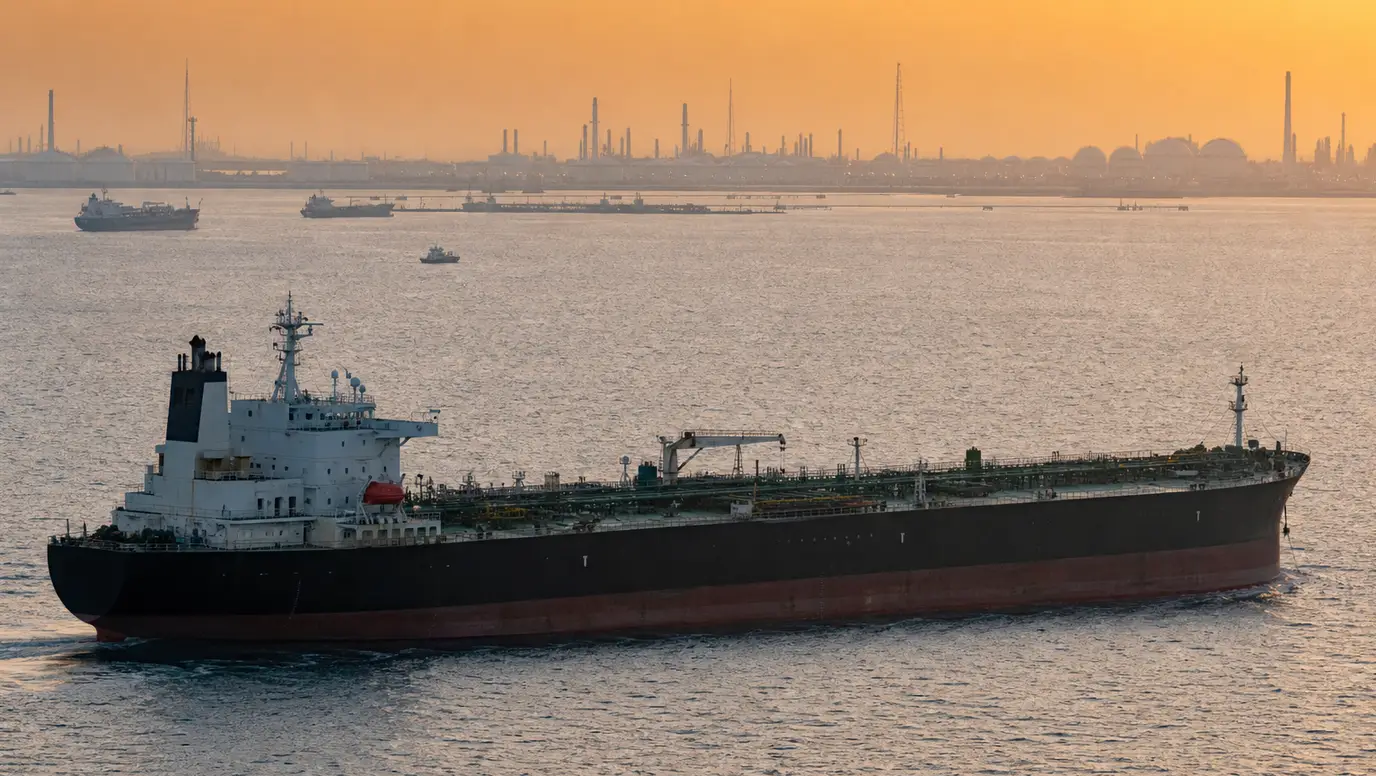
MAY 25, 2026
Oil Slides as U.S.-Iran Deal Hopes Cut Into War Premium
MAY 20, 2026
Oil Retreats as Traders Weigh U.S. Inventory Draw Against Hormuz Supply Risk