
JUNE 27, 2026
Refinery Strain Keeps Energy Market on Edge as Oil Selloff Meets Fuel Stock TightnessOil’s weekly drop has not erased supply risk as U.S. refinery runs, low crude stocks and firm distillate exports keep energy traders cautious.

© 1box.site 2026
MAY 25, 2026
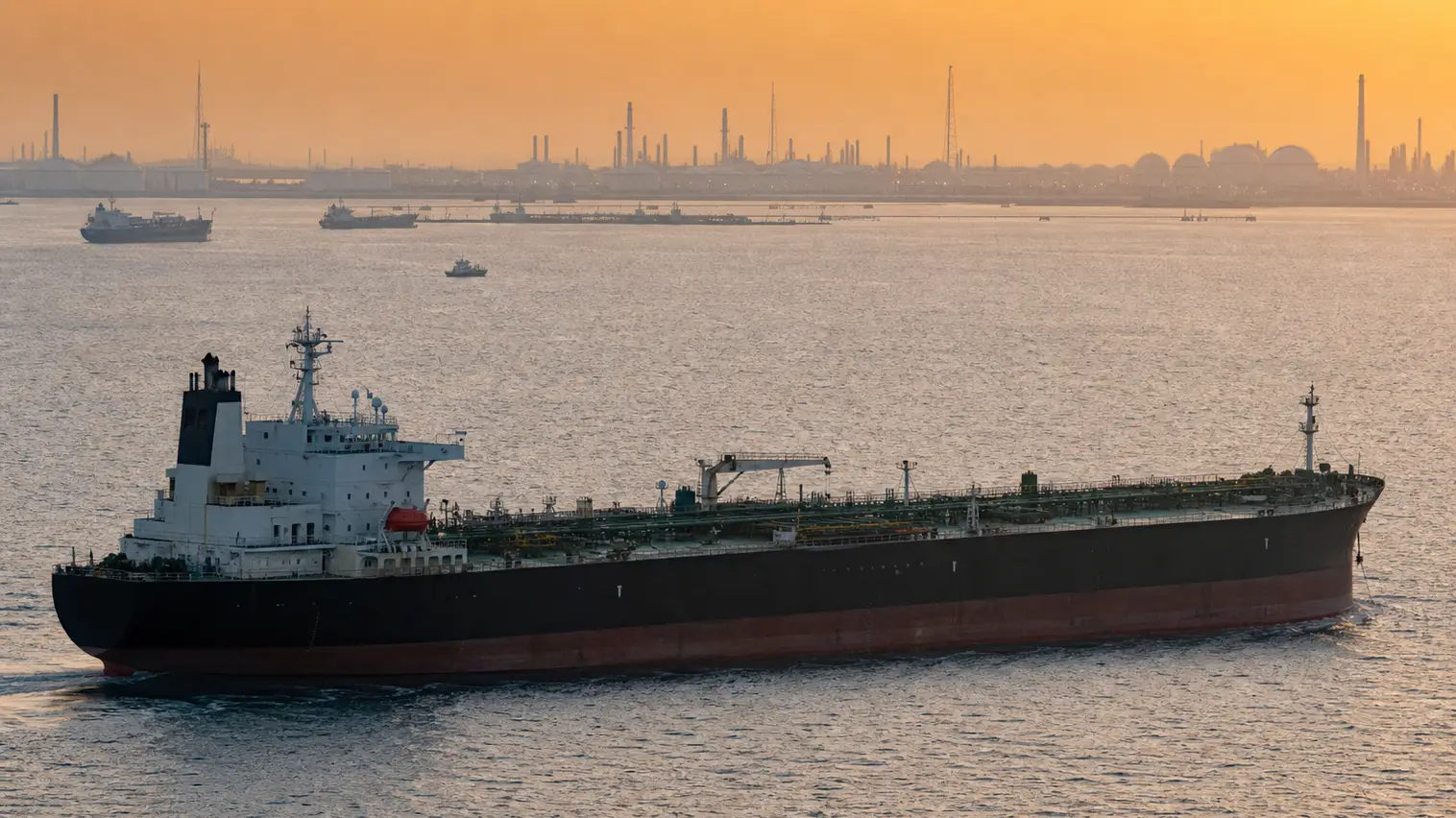
Oil prices fell sharply on Monday as traders reduced the geopolitical premium built into crude after fresh signs that the United States and Iran could be moving closer to a framework that would ease the conflict and potentially reopen safer flows through the Strait of Hormuz.
Brent crude moved back below the psychologically important $100-a-barrel level in early trading, while West Texas Intermediate also dropped to a two-week low. The move marked one of the clearest signs this month that energy markets are prepared to price in diplomatic progress, even before a final agreement is confirmed.
The pullback followed weeks of volatile trading in which supply disruption fears, tanker delays and uncertainty over Middle East exports kept crude elevated. A softer oil price also eased some immediate inflation concerns, but the market remains highly sensitive to any change in the status of talks or shipping security.
The latest decline shows how quickly crude can give back gains when traders see a path toward lower disruption risk. A deal that extends a ceasefire, restores confidence in vessel movement and allows more regional crude to reach buyers would directly challenge the shortage narrative that pushed Brent above recent trading ranges.
Still, market participants are treating the selloff with caution. Diplomatic signals have improved, but key terms remain uncertain, and any reopening of shipping lanes would likely be gradual. Even if a political agreement is reached, insurers, shipowners and energy companies may wait for evidence that transit is safe before returning to normal schedules.
That hesitation matters because the Strait of Hormuz remains central to global energy flows. Any delay in clearing backlogs, rerouting cargoes or restoring full export capacity could keep physical crude markets tighter than the headline price move suggests.
For Brent, the break below $100 is an important sentiment shift. It signals that speculative buyers are less willing to chase crude higher unless fresh evidence emerges that supply risks are worsening. For WTI, the decline reflects both global risk repricing and expectations that cheaper seaborne crude could reduce pressure on U.S. energy costs.
The next test for the market will be whether prices stabilize near current levels or rebound if negotiations stall. A confirmed deal could push the energy complex into a broader risk-premium unwind, especially if tanker traffic improves and regional producers signal that exports are normalizing.
However, a failed negotiation could quickly reverse the move. Crude traders are likely to remain defensive because the market is still balancing diplomatic optimism against unresolved physical constraints. Until ships move more freely and buyers regain confidence in delivery schedules, the drop in oil may be treated as relief rather than a full reset.
The sharp price reaction underscores a key point for the energy market: headlines can move futures immediately, but physical supply conditions will decide whether lower prices last. Refiners and importers will be watching cargo availability, freight costs and insurance rates for confirmation that the apparent easing in risk is reaching the real market.
If those indicators improve, the pressure on Brent and WTI could continue as traders reassess the size of the war premium embedded in crude. If they do not, oil may remain volatile near recent support levels, with every diplomatic update capable of producing another fast move.
For now, the energy market has shifted from pricing an escalating disruption to testing whether a diplomatic off-ramp can deliver actual supply relief. That makes the coming sessions critical for crude, fuel costs and broader commodity sentiment.
JUNE 27, 2026
Refinery Strain Keeps Energy Market on Edge as Oil Selloff Meets Fuel Stock Tightness
JUNE 25, 2026
Iraq Quota Threat Puts OPEC Discipline in Focus as Oil War Premium Evaporates
JUNE 24, 2026
Brent Slide Below $77 Turns Oil Market Focus to Inventories and Summer Fuel Demand
JUNE 23, 2026
Brent and WTI Fall Again as Traders Shift From War Premium to Hormuz Flow Checks
JUNE 22, 2026
Oil Risk Premium Fades as Brent and WTI Slide on Fresh U.S.-Iran Talks
JUNE 21, 2026
Brent and WTI Face Inventory Test as Oil Market Shrugs Off Demand-Bearish Forecasts
JUNE 20, 2026
Oil Traders Watch Tanker Flows as Brent Holds Near $80 After Risk-Premium Reset
JUNE 19, 2026
Brent and WTI Steady as Traders Test the Reality of Hormuz Reopening
JUNE 17, 2026
WTI Rebounds as U.S. Stock Draw Puts a Floor Under Oil Selloff
JUNE 16, 2026
Brent Tests $80 as Oil Market Shifts From Hormuz Shock to Restart Risk
JUNE 15, 2026
Brent and WTI Slide as Hormuz Reopening Bets Reset Oil Risk Premium
JUNE 14, 2026
Brent and WTI Enter New Week as Hormuz Risk Collides With Demand Shock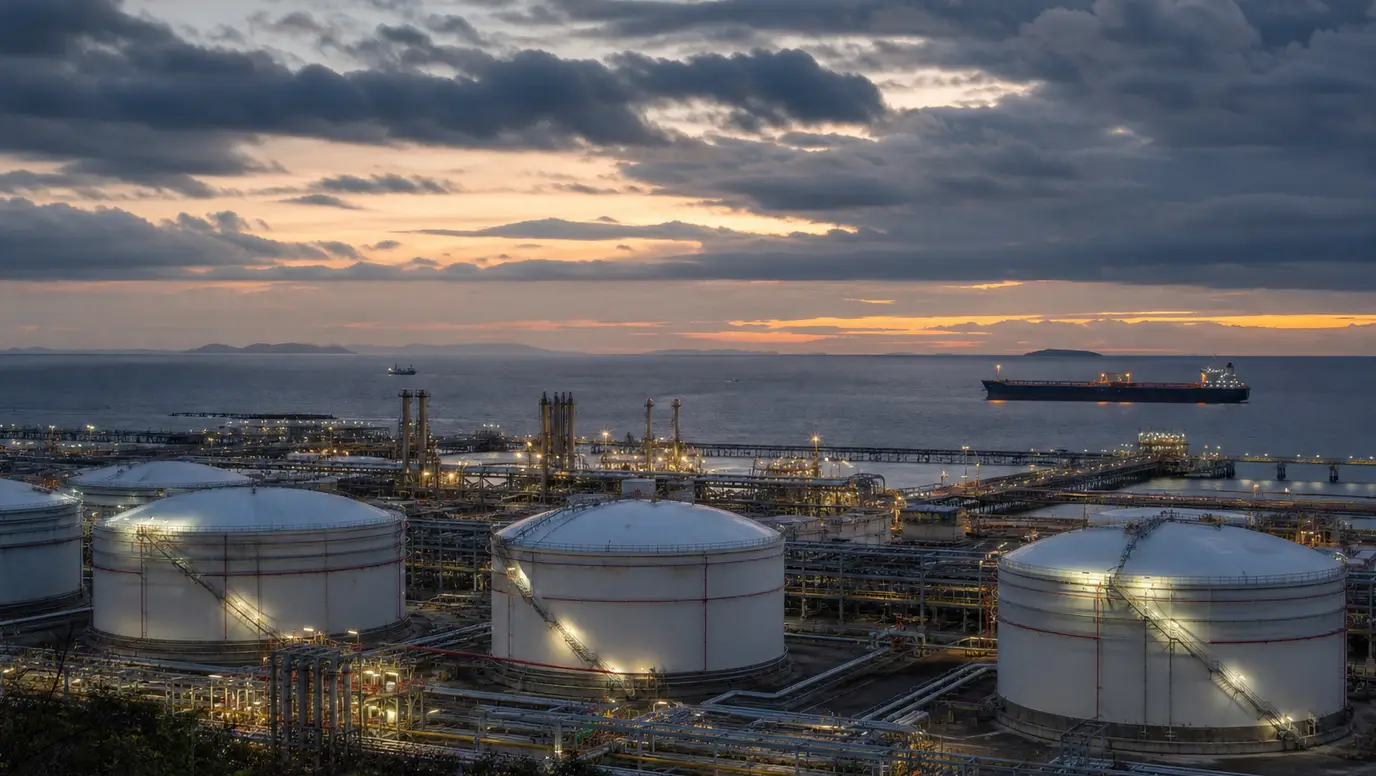
JUNE 12, 2026
Brent and WTI Hit Two-Month Lows as Iran Strike Risk Premium Unwinds
JUNE 11, 2026
Brent and WTI Rise as U.S. Crude Draw Tightens the Energy Market’s Prompt Supply Focus
JUNE 10, 2026
Energy Market Faces Demand Destruction Test as Hormuz Risk Reshapes Oil Trade
JUNE 9, 2026
Brent and WTI Pull Back as Ceasefire Hopes Test Oil Market Risk Premium
JUNE 8, 2026
Oil Volatility Jumps as Brent Nears $100 and Traders Reprice Middle East Supply Risk
JUNE 7, 2026
OPEC+ Quota Hike Lands as Energy Market Doubts New Barrels Can Reach Buyers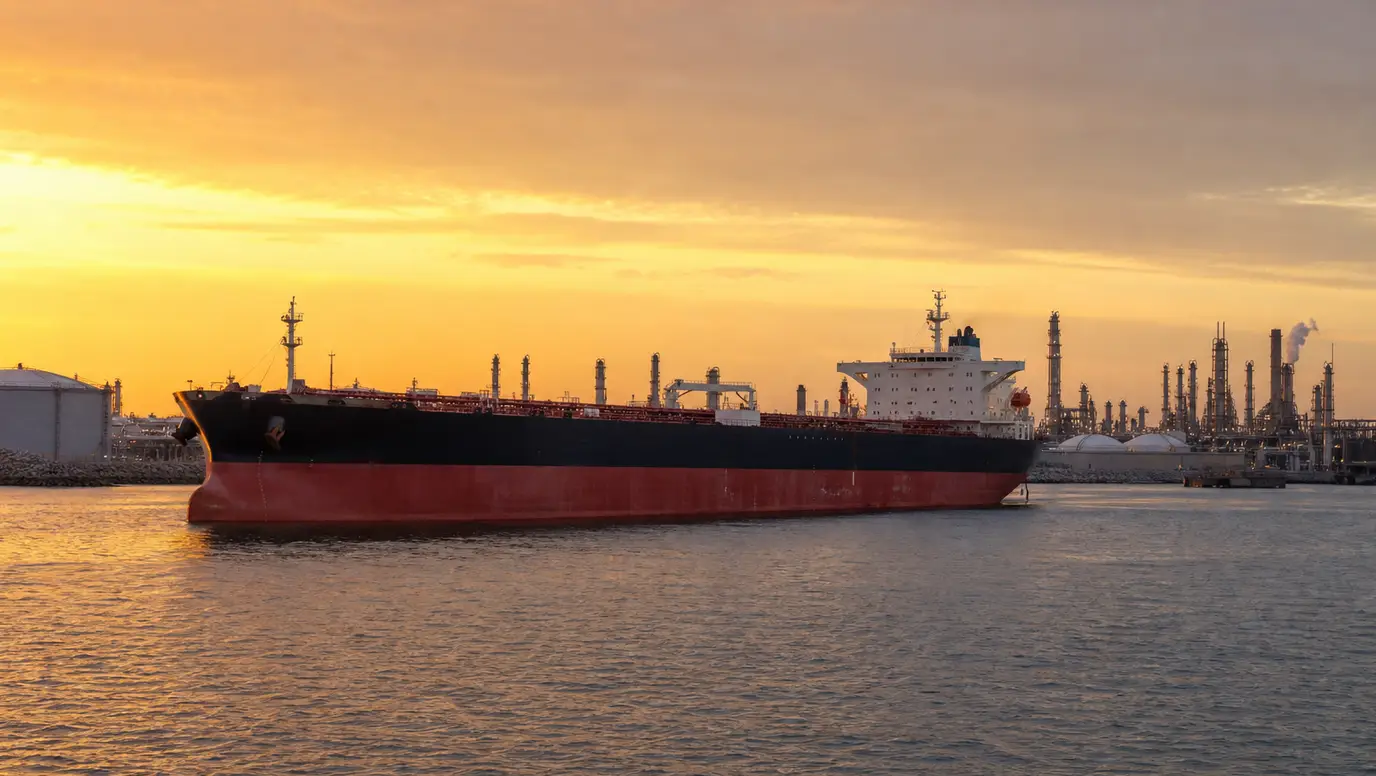
JUNE 6, 2026
OPEC+ Weekend Test Puts Oil Market on Alert as Crude Draw Tightens the Buffer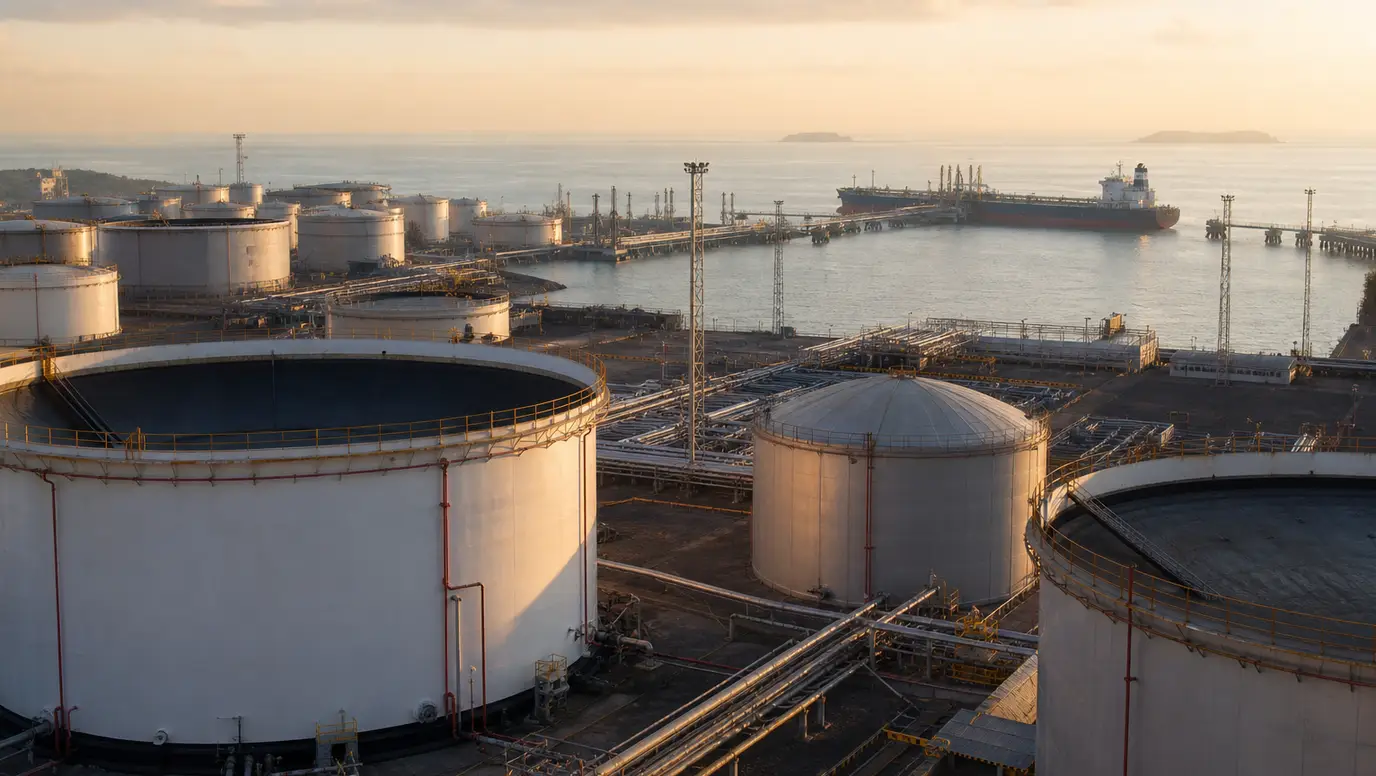
JUNE 4, 2026
U.S. Crude Draw Puts Energy Market Back on Physical Supply Watch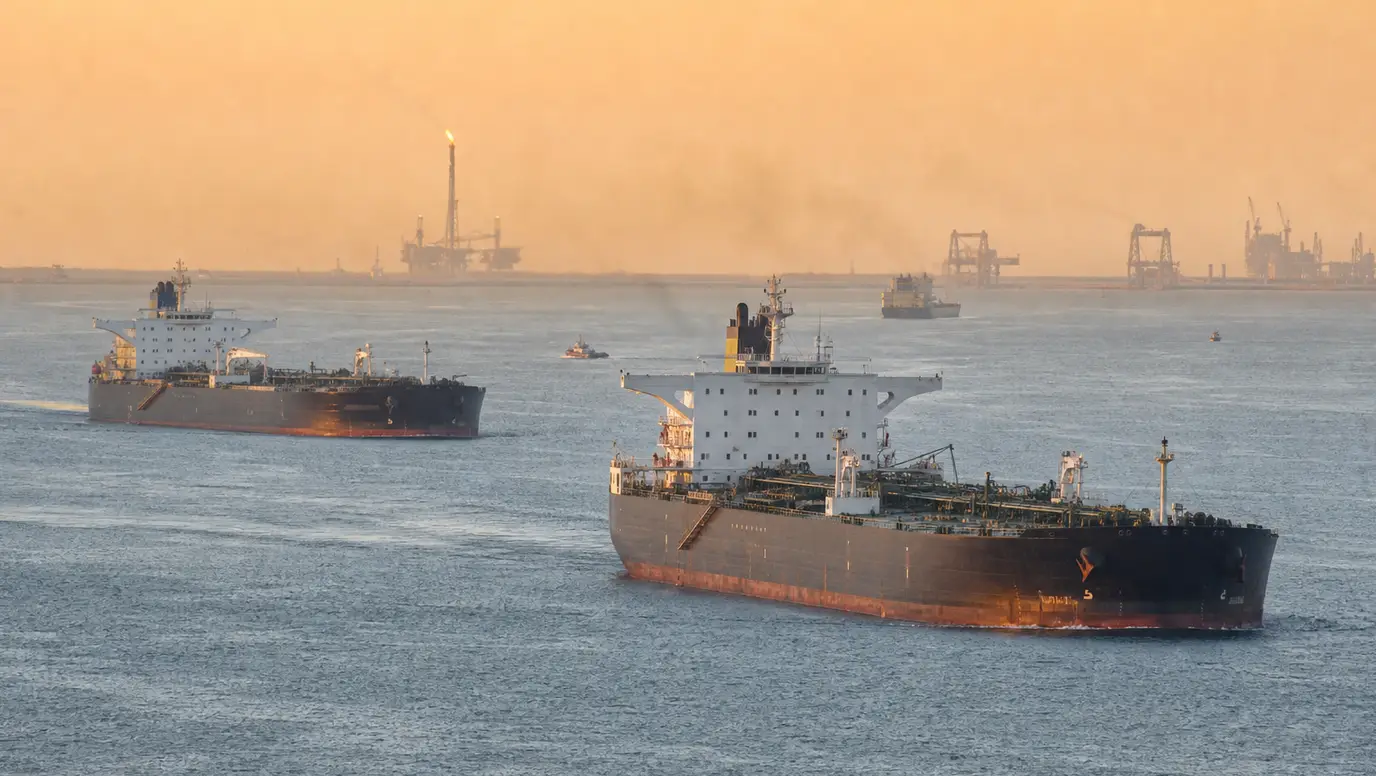
JUNE 3, 2026
Brent Pushes Toward $100 as Gulf Escalation Reprices Energy Risk
JUNE 2, 2026
Fuel Price Hedge Returns as Brent Near $94 Puts Energy Market on Inflation Watch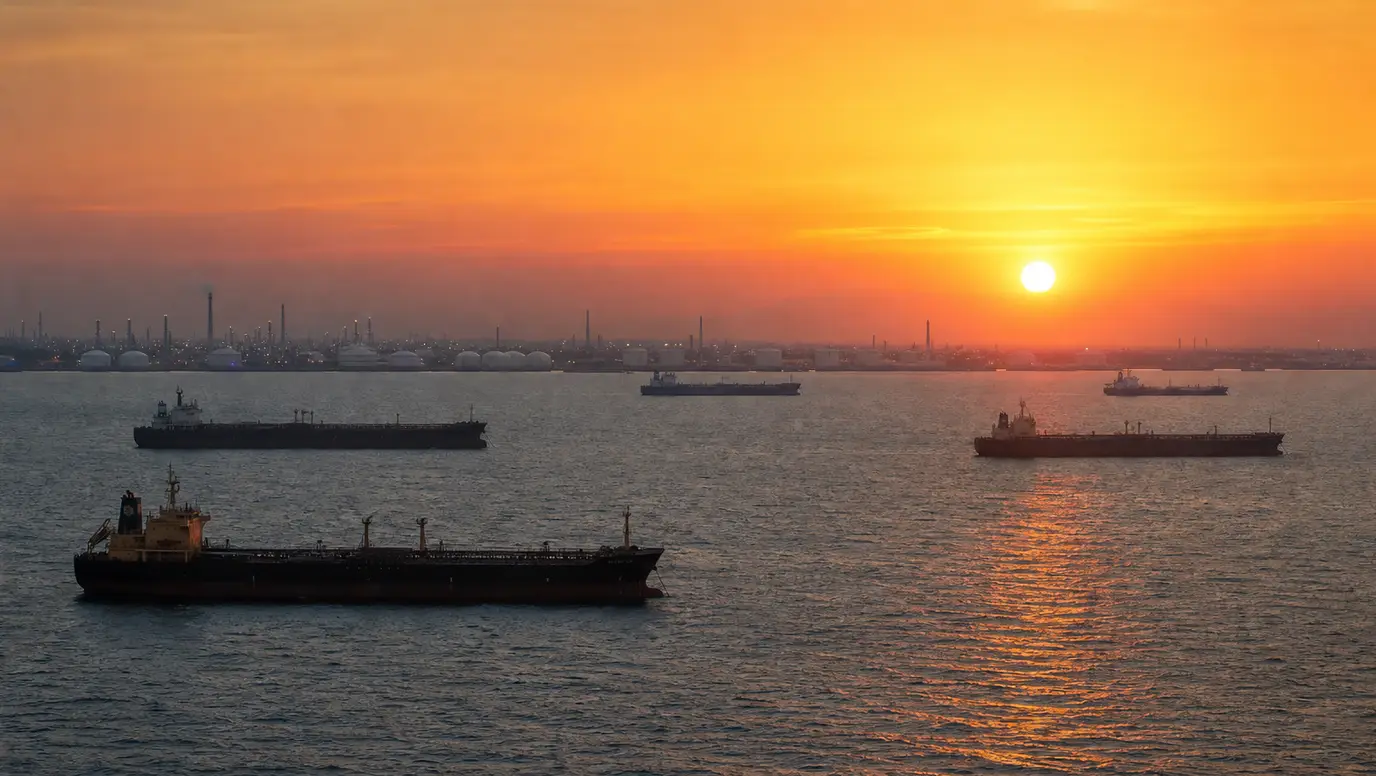
JUNE 1, 2026
Oil Rally Accelerates as Hormuz Reopening Hopes Fade and Supply Risk Returns
MAY 31, 2026
Oil Enters June With Ceasefire Discount Facing an OPEC+ Supply Test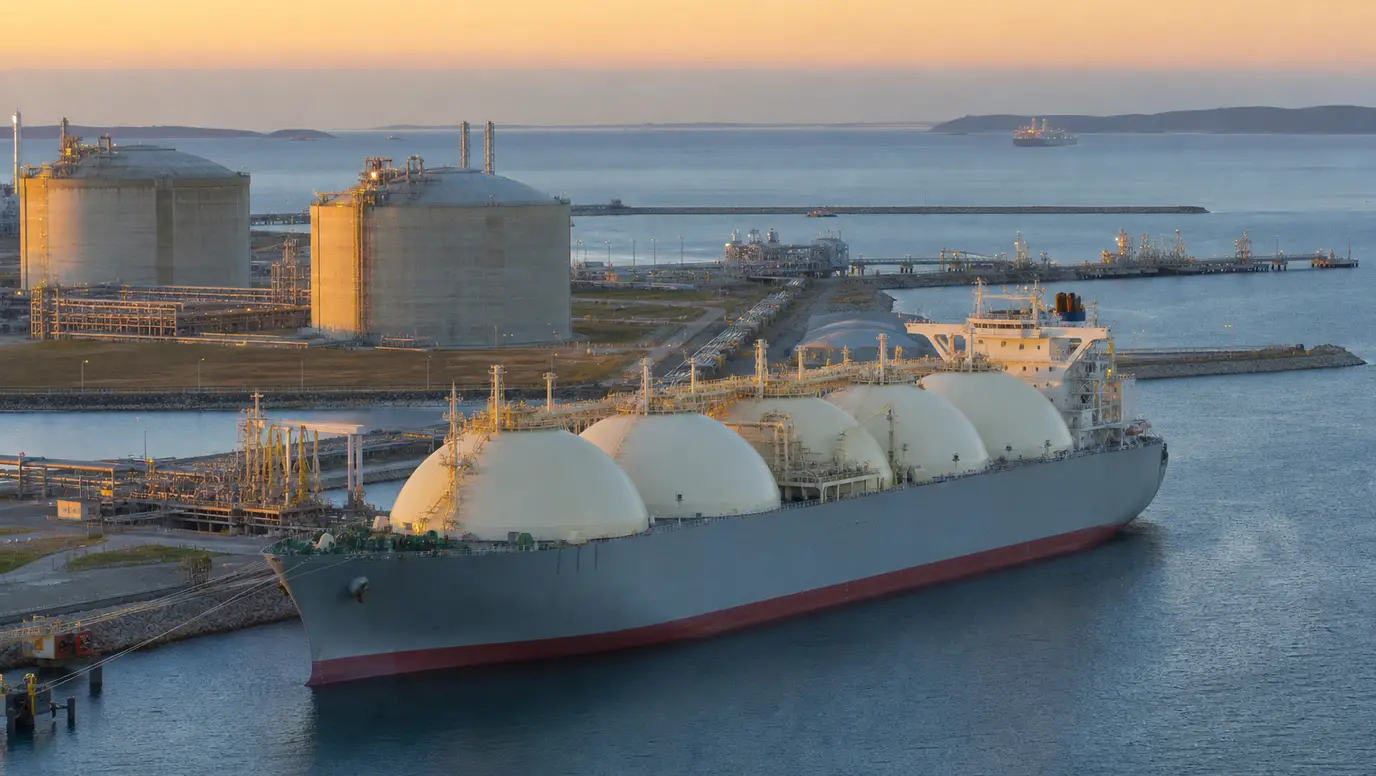
MAY 30, 2026
LNG Squeeze Keeps Energy Market on Edge as Summer Demand Nears
MAY 29, 2026
Oil Forecasts Rise Again as Supply Recovery Doubts Blunt Crude Price Dip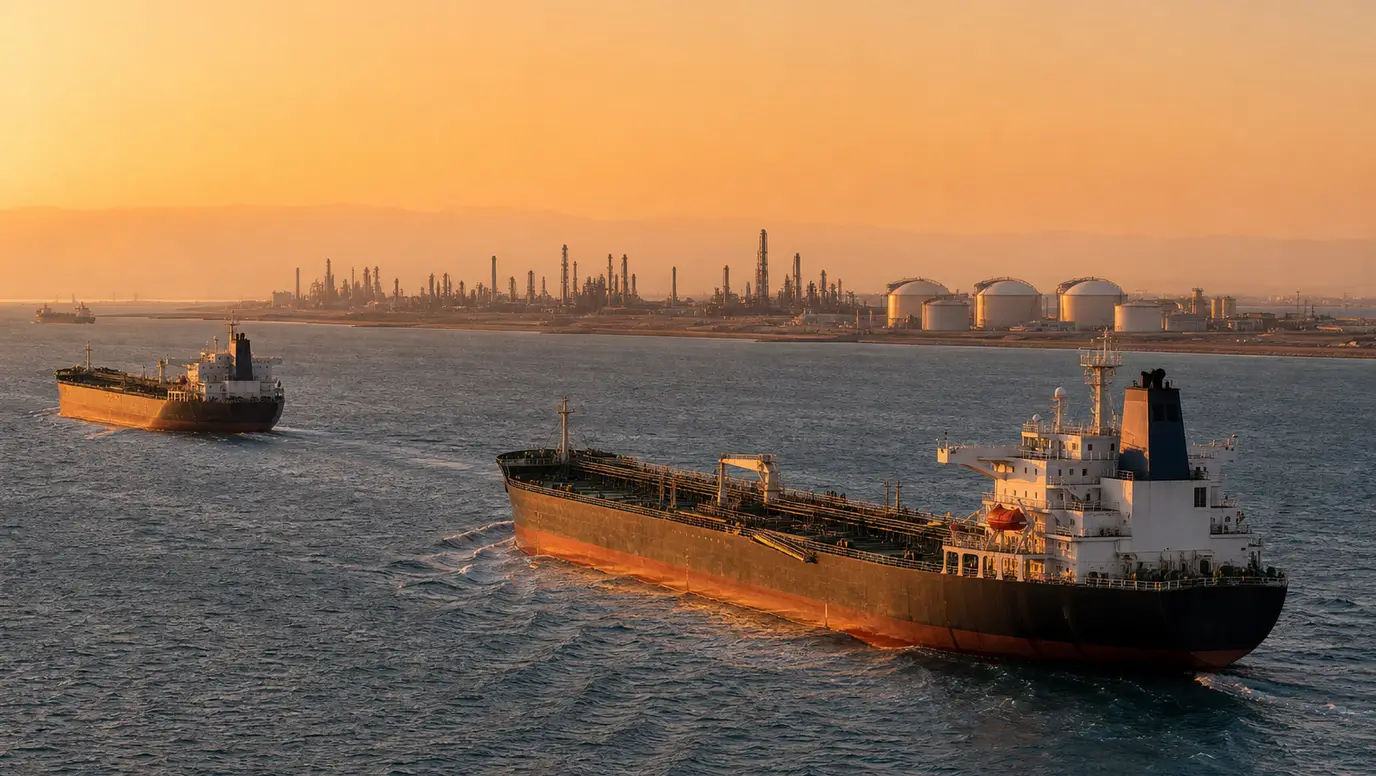
MAY 28, 2026
Oil Volatility Holds as Traders Test How Fast Hormuz Risk Can Unwind
MAY 27, 2026
Gas and Crude Retreat as Shipping-Risk Premium Eases Across Energy Markets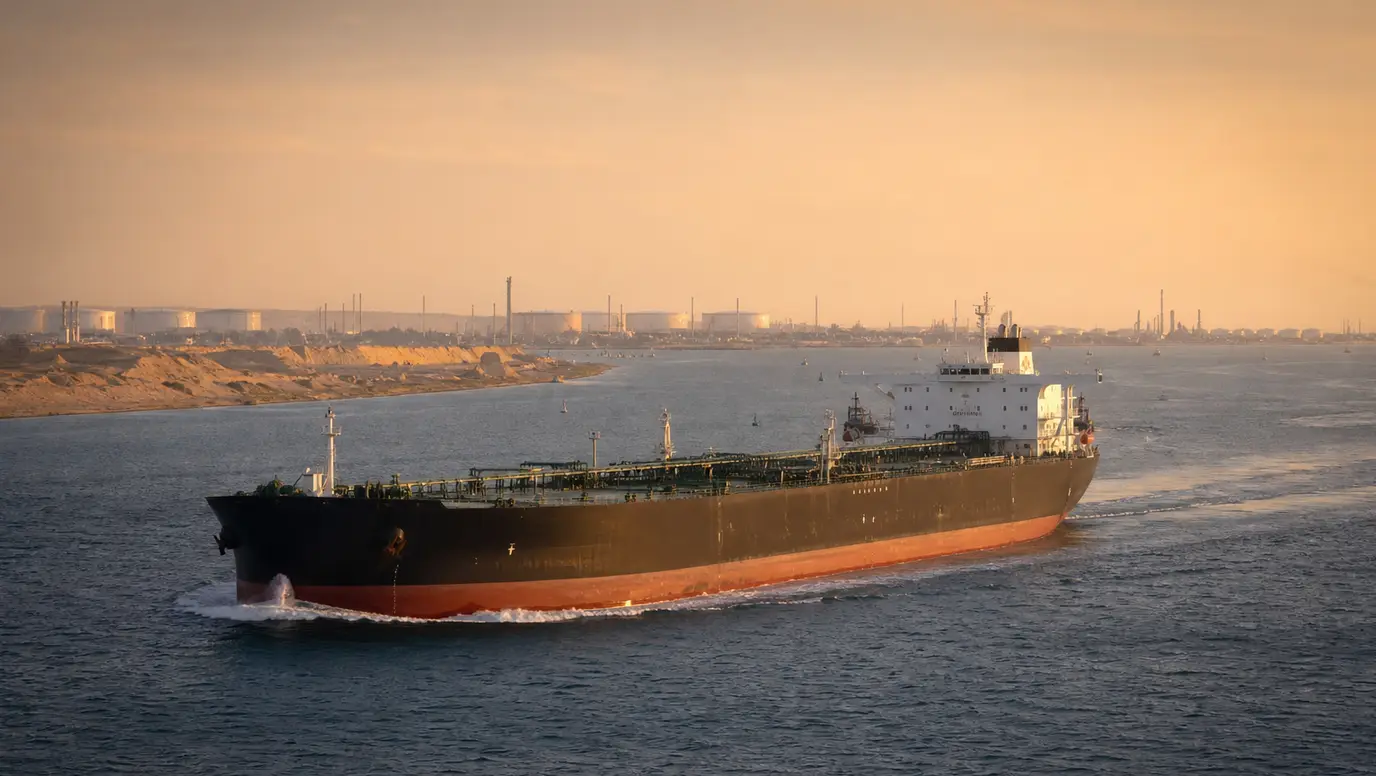
MAY 26, 2026
Brent Whipsaws Near $100 as Hormuz Reopening Timetable Keeps Oil Risk Premium Alive
MAY 20, 2026
Oil Retreats as Traders Weigh U.S. Inventory Draw Against Hormuz Supply Risk