
JULY 6, 2026
Crude Oil Slips as Hormuz Flows Normalize and Inventory Test Moves Into ViewCrude oil weakens as Hormuz traffic normalizes and traders await fresh U.S. inventory data for demand confirmation.

© 1box.site 2026
JUNE 14, 2026
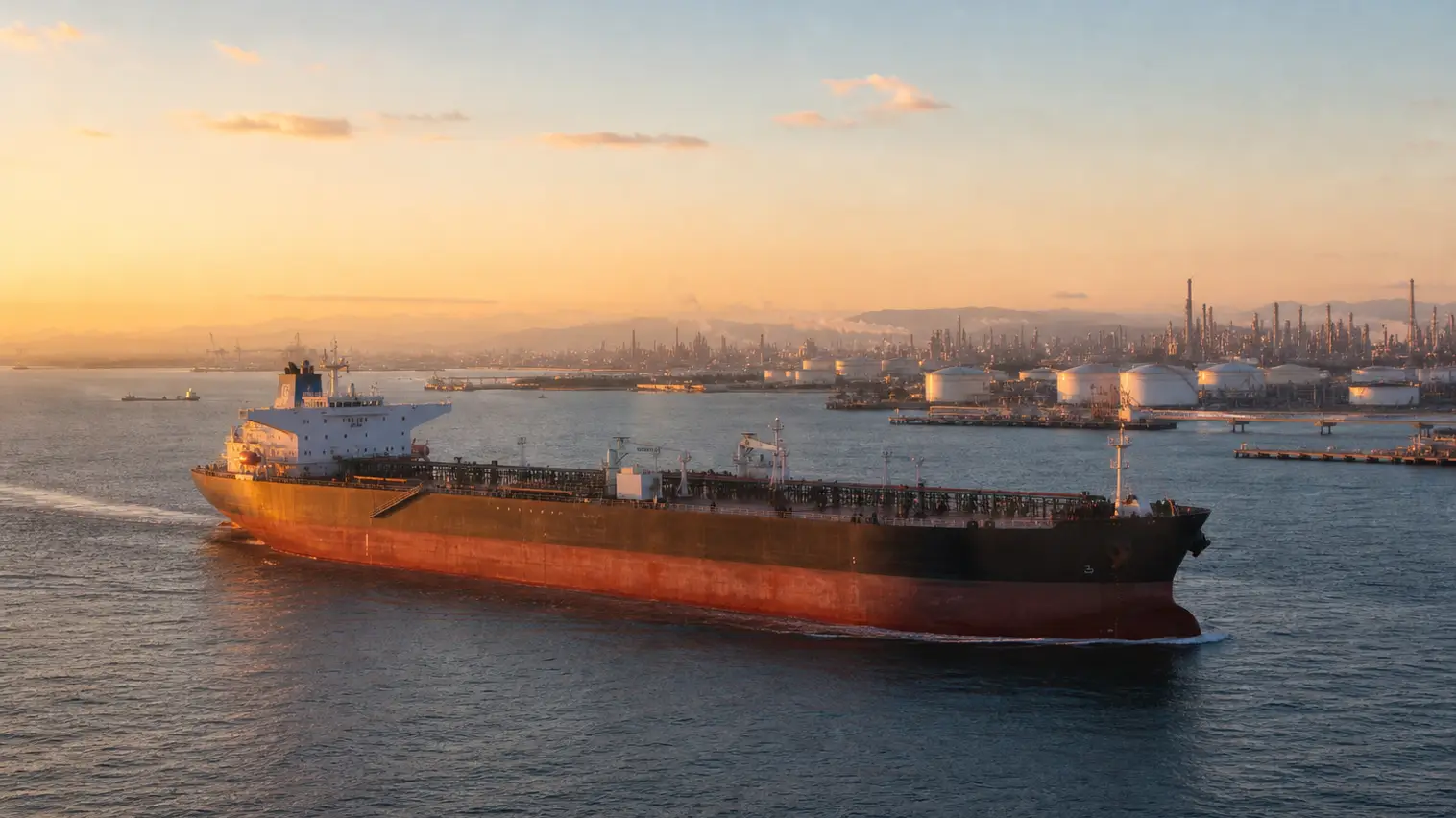
Brent crude and WTI crude are entering the new trading week with the energy market split between two powerful forces: a persistent supply-risk premium linked to Middle East shipping disruptions and a fresh reassessment of global demand after high prices began to curb consumption.
The strongest current news flow across major market sections is in energy, where oil traders are still pricing the consequences of constrained Gulf exports, reduced inventories and changing demand expectations. Metals remain sensitive to the Federal Reserve and Treasury yields, while forex attention is concentrated on the dollar and yen before policy signals. However, the oil market has the clearest combination of fresh geopolitical risk, official forecast revisions and immediate price implications.
The latest setup leaves crude benchmarks vulnerable to sharp intraday swings. Brent has struggled to hold a consistent risk premium after earlier gains, while WTI remains exposed to any shift in U.S. inventory expectations, refinery runs or headlines around Gulf shipping traffic. Traders are no longer treating the situation as a simple supply squeeze. Instead, the market is weighing whether elevated prices have already destroyed enough demand to cap further upside.
The main bullish argument is still rooted in physical supply. Oil flows from the Gulf remain under scrutiny, and any renewed restriction around a major transit route would quickly tighten prompt barrels. Even when headline prices retreat, refiners and physical traders continue to watch freight rates, tanker availability and regional export schedules for signs that supply chains are not normalizing as quickly as futures markets imply.
Low inventory tolerance is also shaping the trade. Recent official projections point to a drawdown in global oil stocks, with inventories in developed economies expected to move toward historically tight levels if disruptions persist. That matters because lower stock buffers make the market more reactive to refinery outages, storm risks, unplanned field maintenance and any incremental escalation in the Middle East.
For Brent, this means dips may attract buyers if the market sees evidence that seaborne supply remains constrained. For WTI, the domestic lens is slightly different: traders are focused on U.S. crude stocks, export demand, refinery utilization and the spread between U.S. and international grades. A widening Brent-WTI spread could support U.S. exports, while a narrowing spread would suggest the global risk premium is fading.
The bearish side of the oil trade is becoming harder to ignore. High fuel prices, reduced availability in some regions and government efforts to curb consumption have weighed on demand expectations. The market is increasingly asking whether consumers, airlines, freight companies and industrial users are adjusting fast enough to offset the supply shock.
This is why crude has not moved in a straight line despite the geopolitical backdrop. If demand forecasts continue to be revised lower, traders may conclude that the supply shortage is being met by weaker consumption rather than by a sustained price spike. That would limit the upside for Brent and WTI, especially if macro data point to slower industrial activity or softer transport demand.
The demand question also connects directly to central bank risk. Higher energy prices can feed inflation, but weaker fuel consumption can signal stress in the real economy. For oil traders, that creates a difficult balance: inflation-sensitive markets may keep interest-rate expectations firm, while weaker demand may reduce confidence in crude’s ability to extend rallies.
The next catalyst is likely to come from a combination of inventory data, shipping signals and macro expectations. A meaningful crude draw, stronger refinery demand or renewed disruption headlines could bring buyers back into Brent and WTI. Conversely, evidence of slowing consumption or improving Gulf flows would strengthen the case for further risk-premium unwinding.
Technical levels are also important after recent volatility. If Brent fails to reclaim recent resistance, momentum funds may stay cautious and wait for clearer confirmation from physical markets. WTI could remain more sensitive to U.S. stockpile data and the pace of refinery demand into the summer driving period.
For now, the energy market is not trading a single story. It is trading a collision between supply insecurity and demand fatigue. That makes crude vulnerable to headline-driven reversals and keeps risk management central for investors watching Brent crude, WTI crude and broader commodity prices this week.
JULY 6, 2026
Crude Oil Slips as Hormuz Flows Normalize and Inventory Test Moves Into View
JULY 5, 2026
OPEC+ Output Hike Turns Energy Market Focus to Real Barrels as Brent Holds Near $72
JULY 4, 2026
Brent Holds Near $72 as OPEC+ August Supply Decision Tests Oil Market Floor
JULY 3, 2026
WTI Holds Near $68 as U.S. Stock Draws Challenge Oil Glut Narrative
JULY 2, 2026
Brent Slides Toward $70 as Iran Risk Premium Fades in Thin Holiday Trade
JULY 1, 2026
OPEC+ Supply Signal Caps Crude Oil Rebound as U.S. Stock Draws Support Prices
JUNE 30, 2026
Natural Gas Rally Outruns Softer Oil as Heat and LNG Demand Split Energy Market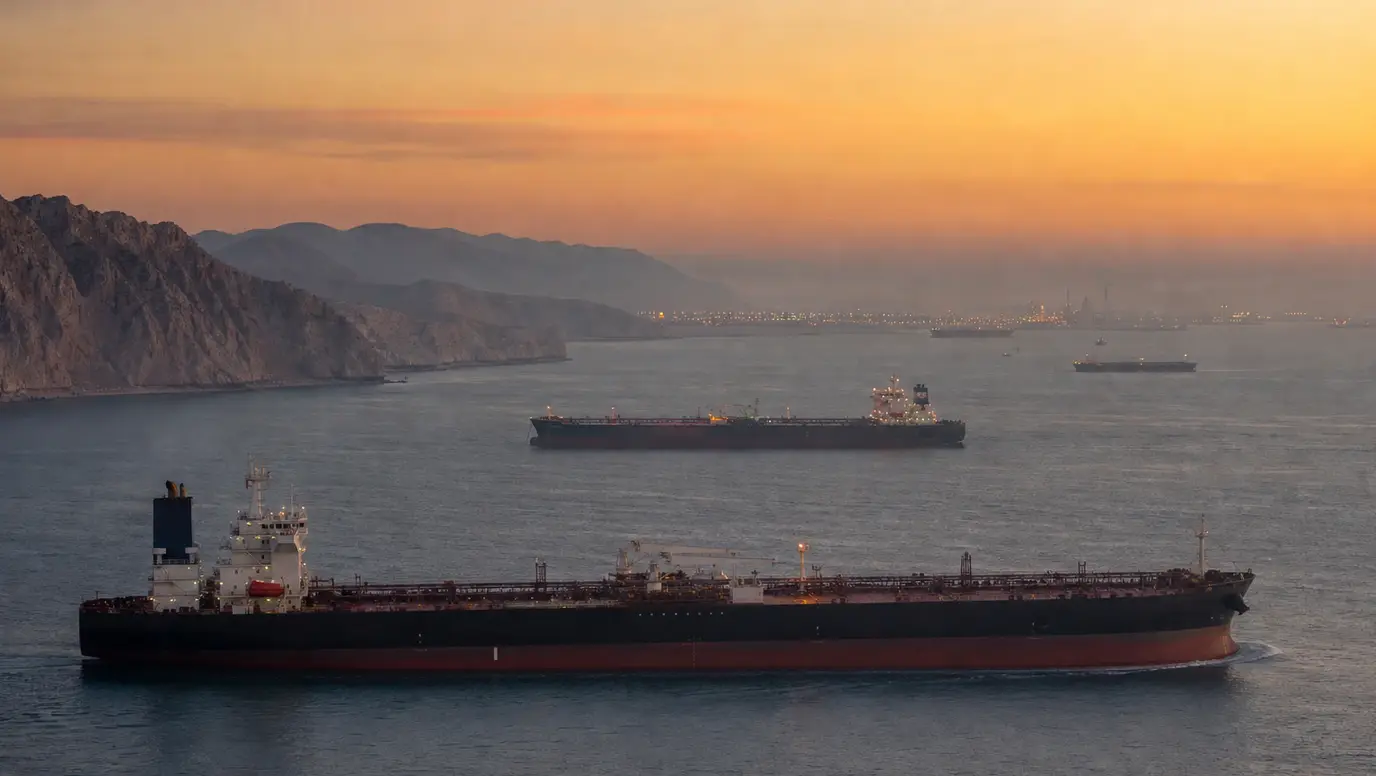
JUNE 29, 2026
Brent Holds Above $72 as Traders Test Fragile Hormuz Reopening
JUNE 28, 2026
WTI Bulls Face Inventory Split as Brent Loses War Premium Before Quarter-End
JUNE 27, 2026
Refinery Strain Keeps Energy Market on Edge as Oil Selloff Meets Fuel Stock Tightness
JUNE 25, 2026
Iraq Quota Threat Puts OPEC Discipline in Focus as Oil War Premium Evaporates
JUNE 24, 2026
Brent Slide Below $77 Turns Oil Market Focus to Inventories and Summer Fuel Demand
JUNE 23, 2026
Brent and WTI Fall Again as Traders Shift From War Premium to Hormuz Flow Checks
JUNE 22, 2026
Oil Risk Premium Fades as Brent and WTI Slide on Fresh U.S.-Iran Talks
JUNE 21, 2026
Brent and WTI Face Inventory Test as Oil Market Shrugs Off Demand-Bearish Forecasts
JUNE 20, 2026
Oil Traders Watch Tanker Flows as Brent Holds Near $80 After Risk-Premium Reset
JUNE 19, 2026
Brent and WTI Steady as Traders Test the Reality of Hormuz Reopening
JUNE 17, 2026
WTI Rebounds as U.S. Stock Draw Puts a Floor Under Oil Selloff
JUNE 16, 2026
Brent Tests $80 as Oil Market Shifts From Hormuz Shock to Restart Risk
JUNE 15, 2026
Brent and WTI Slide as Hormuz Reopening Bets Reset Oil Risk Premium
JUNE 12, 2026
Brent and WTI Hit Two-Month Lows as Iran Strike Risk Premium Unwinds
JUNE 11, 2026
Brent and WTI Rise as U.S. Crude Draw Tightens the Energy Market’s Prompt Supply Focus
JUNE 10, 2026
Energy Market Faces Demand Destruction Test as Hormuz Risk Reshapes Oil Trade
JUNE 9, 2026
Brent and WTI Pull Back as Ceasefire Hopes Test Oil Market Risk Premium
JUNE 8, 2026
Oil Volatility Jumps as Brent Nears $100 and Traders Reprice Middle East Supply Risk
JUNE 7, 2026
OPEC+ Quota Hike Lands as Energy Market Doubts New Barrels Can Reach Buyers
JUNE 6, 2026
OPEC+ Weekend Test Puts Oil Market on Alert as Crude Draw Tightens the Buffer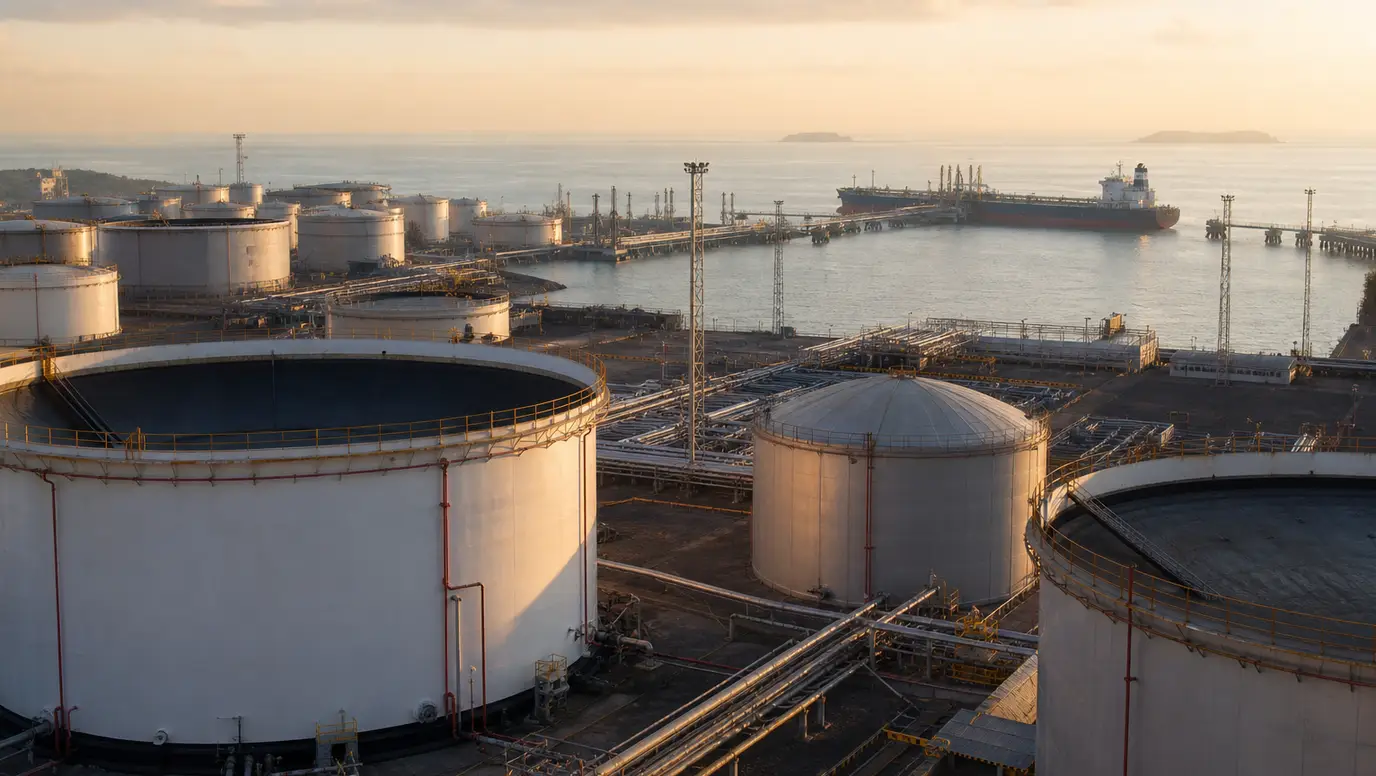
JUNE 4, 2026
U.S. Crude Draw Puts Energy Market Back on Physical Supply Watch
JUNE 3, 2026
Brent Pushes Toward $100 as Gulf Escalation Reprices Energy Risk
JUNE 2, 2026
Fuel Price Hedge Returns as Brent Near $94 Puts Energy Market on Inflation Watch