
JUNE 27, 2026
Refinery Strain Keeps Energy Market on Edge as Oil Selloff Meets Fuel Stock TightnessOil’s weekly drop has not erased supply risk as U.S. refinery runs, low crude stocks and firm distillate exports keep energy traders cautious.

© 1box.site 2026
JUNE 3, 2026
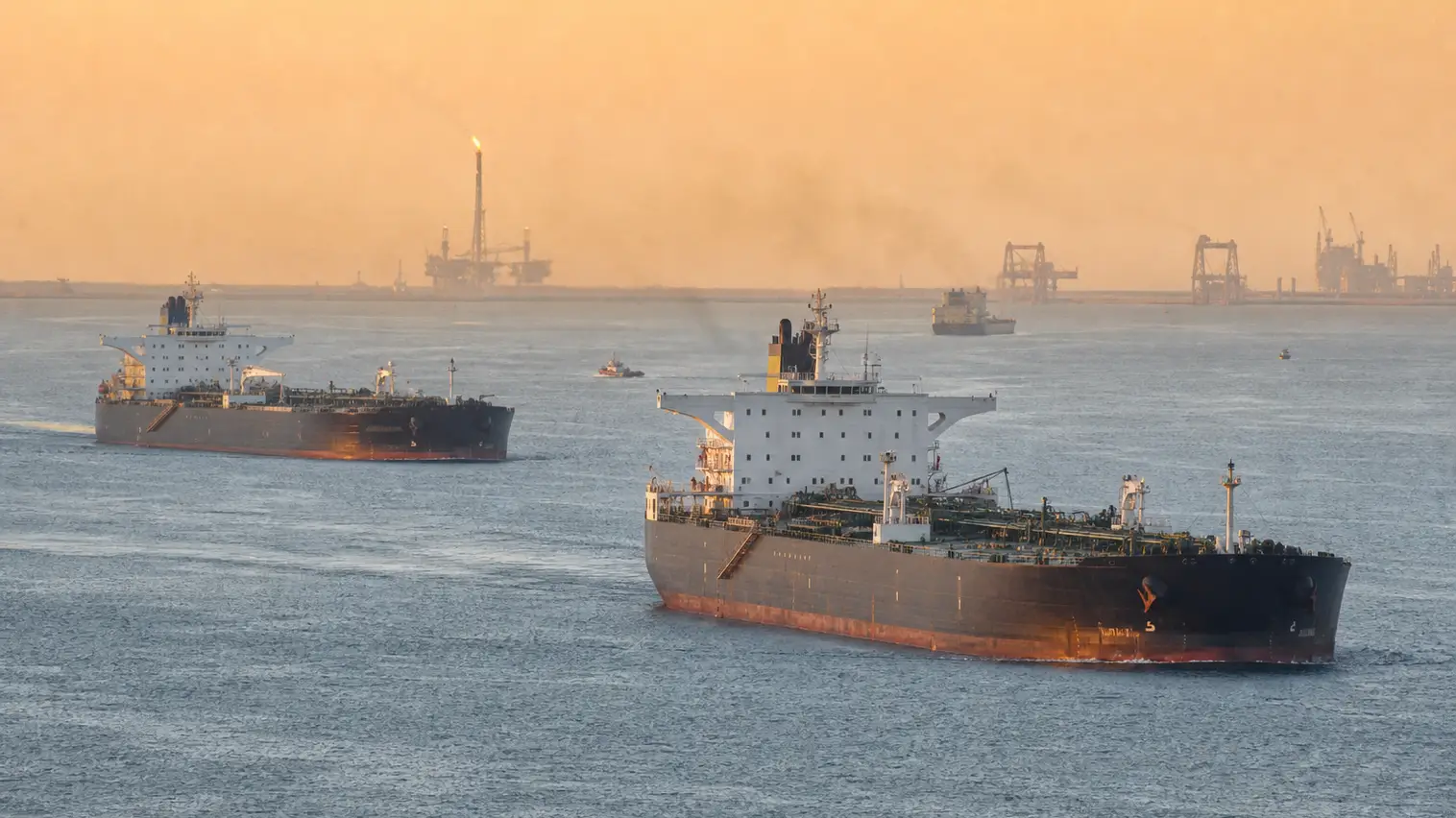
Oil traders moved quickly back into defensive mode on Wednesday as renewed hostilities around the Gulf pushed Brent crude toward the psychologically important $100-a-barrel area and lifted West Texas Intermediate close to the mid-$90s. The move marked a fresh escalation in an energy market that had briefly tried to price in a lower geopolitical premium after earlier hopes for calmer shipping conditions and renewed diplomacy.
Brent was quoted around $97 a barrel in early trade, while WTI hovered near $95, leaving both benchmarks within reach of levels that can quickly feed into inflation expectations, fuel hedging activity and broader risk appetite. The latest rally followed reports of Iranian missile fire toward Kuwait and Bahrain and a subsequent U.S. strike on a military control site near the Strait of Hormuz, reinforcing the market’s view that physical supply risk remains difficult to discount.
The immediate price action was not just a reaction to one headline. It reflected a broader repricing of vulnerability across crude, refined products and liquefied natural gas routes tied to the Gulf. Even without a confirmed new loss of barrels, the possibility of delayed cargoes, higher insurance costs or tighter shipping availability is enough to keep buyers from aggressively fading the rally.
The key shift for the energy market is that geopolitical risk has returned as the dominant short-term driver. Earlier in the week, traders were balancing supply concerns against the possibility that diplomacy could cap the rally. Wednesday’s renewed escalation weakened that assumption and left the market more sensitive to any signal that the Strait of Hormuz could remain constrained through June.
That matters because the strait is not only central to crude exports from major Gulf producers, but also an important corridor for LNG flows. When that route is perceived as threatened, the risk premium can spread beyond Brent and WTI into natural gas, power generation costs, freight rates and downstream products such as jet fuel and diesel. The result is a wider energy-market shock rather than a simple crude-price story.
OPEC+ supply policy is also playing a more complicated role. The group has signaled a modest quota increase for June, but traders are treating that headline cautiously because paper quotas do not automatically translate into near-term physical relief if shipping constraints remain unresolved. In practical terms, additional barrels have less price impact if the market is worried about whether cargoes can move smoothly to refiners and end users.
For refiners, the latest crude advance creates another margin test. Higher feedstock costs can be manageable when product demand is strong, but the timing is sensitive as the Northern Hemisphere enters the summer travel and cooling-demand season. If crude keeps rising while consumers push back against higher fuel prices, refining margins could become more uneven across regions.
WTI’s move toward $95 highlights how U.S. crude is being pulled into a global risk event even though domestic supply remains more insulated than seaborne Gulf flows. The U.S. benchmark can still react sharply when Brent strengthens, especially if traders expect exports, refinery demand or inventory draws to tighten the domestic balance. Weekly U.S. inventory data due later in the session may therefore carry more weight than usual, particularly if it confirms a draw in crude or refined products.
Natural gas is sending a more mixed signal. U.S. gas futures recently eased as LNG export-plant maintenance reduced near-term feedgas demand, but that softness does not fully remove the bullish risk from global LNG. If Gulf shipping tension persists, Asian and European buyers may continue to price in security-of-supply concerns even when U.S. domestic gas looks comparatively well supplied.
The inflation channel is the main reason the energy move matters beyond commodity desks. Crude near $100 can influence gasoline expectations, airline fuel costs, freight pricing and central-bank assumptions about the path of consumer prices. For investors, that raises the risk that a stronger oil market limits the room for interest-rate relief, even if growth indicators elsewhere begin to soften.
Energy equities and commodity-linked currencies may find support if the rally holds, but the broader market impact is less straightforward. A moderate oil increase can lift producers and service companies; a disorderly move toward triple digits can pressure consumers, transport firms and interest-rate-sensitive assets. That is why the next stage of trading may depend less on the exact level of Brent and more on whether the market sees a credible path to de-escalation.
The immediate technical focus is whether Brent can sustain trade above the mid-$90s and build momentum toward $100, or whether sellers use the latest spike to lock in gains. A close below the recent breakout zone would suggest that the market still sees the escalation as manageable. A firm hold near $97 or higher would point to a deeper shift in positioning and a more durable supply-risk premium.
For now, the energy market is behaving as though uncertainty itself has value. Until shipping conditions, diplomatic signals and inventory data provide a clearer counterweight, crude buyers are likely to remain willing to pay up for protection against another disruption. That keeps Brent Crude, WTI Crude and LNG firmly at the center of the global macro trade.
JUNE 27, 2026
Refinery Strain Keeps Energy Market on Edge as Oil Selloff Meets Fuel Stock Tightness
JUNE 25, 2026
Iraq Quota Threat Puts OPEC Discipline in Focus as Oil War Premium Evaporates
JUNE 24, 2026
Brent Slide Below $77 Turns Oil Market Focus to Inventories and Summer Fuel Demand
JUNE 23, 2026
Brent and WTI Fall Again as Traders Shift From War Premium to Hormuz Flow Checks
JUNE 22, 2026
Oil Risk Premium Fades as Brent and WTI Slide on Fresh U.S.-Iran Talks
JUNE 21, 2026
Brent and WTI Face Inventory Test as Oil Market Shrugs Off Demand-Bearish Forecasts
JUNE 20, 2026
Oil Traders Watch Tanker Flows as Brent Holds Near $80 After Risk-Premium Reset
JUNE 19, 2026
Brent and WTI Steady as Traders Test the Reality of Hormuz Reopening
JUNE 17, 2026
WTI Rebounds as U.S. Stock Draw Puts a Floor Under Oil Selloff
JUNE 16, 2026
Brent Tests $80 as Oil Market Shifts From Hormuz Shock to Restart Risk
JUNE 15, 2026
Brent and WTI Slide as Hormuz Reopening Bets Reset Oil Risk Premium
JUNE 14, 2026
Brent and WTI Enter New Week as Hormuz Risk Collides With Demand Shock
JUNE 12, 2026
Brent and WTI Hit Two-Month Lows as Iran Strike Risk Premium Unwinds
JUNE 11, 2026
Brent and WTI Rise as U.S. Crude Draw Tightens the Energy Market’s Prompt Supply Focus
JUNE 10, 2026
Energy Market Faces Demand Destruction Test as Hormuz Risk Reshapes Oil Trade
JUNE 9, 2026
Brent and WTI Pull Back as Ceasefire Hopes Test Oil Market Risk Premium
JUNE 8, 2026
Oil Volatility Jumps as Brent Nears $100 and Traders Reprice Middle East Supply Risk
JUNE 7, 2026
OPEC+ Quota Hike Lands as Energy Market Doubts New Barrels Can Reach Buyers
JUNE 6, 2026
OPEC+ Weekend Test Puts Oil Market on Alert as Crude Draw Tightens the Buffer
JUNE 4, 2026
U.S. Crude Draw Puts Energy Market Back on Physical Supply Watch
JUNE 2, 2026
Fuel Price Hedge Returns as Brent Near $94 Puts Energy Market on Inflation Watch
JUNE 1, 2026
Oil Rally Accelerates as Hormuz Reopening Hopes Fade and Supply Risk Returns
MAY 31, 2026
Oil Enters June With Ceasefire Discount Facing an OPEC+ Supply Test
MAY 30, 2026
LNG Squeeze Keeps Energy Market on Edge as Summer Demand Nears
MAY 29, 2026
Oil Forecasts Rise Again as Supply Recovery Doubts Blunt Crude Price Dip
MAY 28, 2026
Oil Volatility Holds as Traders Test How Fast Hormuz Risk Can Unwind
MAY 27, 2026
Gas and Crude Retreat as Shipping-Risk Premium Eases Across Energy Markets
MAY 26, 2026
Brent Whipsaws Near $100 as Hormuz Reopening Timetable Keeps Oil Risk Premium Alive
MAY 25, 2026
Oil Slides as U.S.-Iran Deal Hopes Cut Into War Premium
MAY 20, 2026
Oil Retreats as Traders Weigh U.S. Inventory Draw Against Hormuz Supply Risk