
JUNE 27, 2026
Refinery Strain Keeps Energy Market on Edge as Oil Selloff Meets Fuel Stock TightnessOil’s weekly drop has not erased supply risk as U.S. refinery runs, low crude stocks and firm distillate exports keep energy traders cautious.

© 1box.site 2026

JUNE 7, 2026
The energy market is opening the new week with the clearest fresh catalyst across major commodity and currency desks after key OPEC+ producers agreed to another increase in oil output targets for July. The move adds a formal supply signal to a market already dominated by war-risk pricing, restricted Gulf flows and sharp swings in Brent Crude and WTI Crude.
Seven core OPEC+ members approved a 188,000 barrel-per-day target increase from July, extending a gradual unwinding of earlier voluntary curbs. On paper, that should look bearish for crude. In practice, traders are treating the decision more cautiously because the physical market is still constrained by disruptions around the Strait of Hormuz and by the reduced ability of several Gulf producers to deliver full volumes to customers.
The result is a more complicated oil setup than a simple supply-hike headline suggests. Brent and WTI have recently traded with a geopolitical premium, while refiners, shipping desks and energy importers remain focused on whether barrels can move reliably rather than whether production quotas are higher on paper.
The latest OPEC+ decision follows earlier target increases implemented from April through June. The July adjustment keeps the group on a path of measured additions, but the market impact depends on actual barrels rather than announced limits. That distinction matters because reported output has fallen sharply from pre-crisis levels as export routes, insurance costs and shipping availability have become major constraints.
For oil traders, the central question is no longer only how much OPEC+ is willing to pump. It is whether incremental supply can be lifted, loaded, insured and delivered without major delays. That is why the quota hike has not removed the risk premium from crude prices. If Gulf exports remain impaired, additional targets may function more as a signal of policy intent than as immediate relief for refiners.
The timing also matters. Northern Hemisphere summer demand is approaching its strongest period, with gasoline consumption, air travel and power-sector fuel needs all under closer watch. Any sign that the quota hike is not translating into prompt cargo availability could keep front-month crude contracts supported even if longer-dated prices respond to the promise of future supply.
Brent Crude remains especially sensitive to seaborne supply risk because the benchmark reflects international cargo flows. WTI Crude is more directly tied to North American balances, but it is still influenced by global risk appetite, export demand and the broader inflation signal from energy prices. Recent trade has shown that even headlines suggesting diplomatic progress can trigger sharp intraday pullbacks, while renewed doubts over de-escalation can quickly restore buying interest.
Freight conditions are becoming part of the price equation. Higher shipping risk, longer route planning and uncertainty around cargo scheduling can tighten delivered crude availability even when nominal production capacity exists. That dynamic is also relevant for LNG, because energy buyers in Asia and Europe are monitoring whether the same regional bottlenecks could spill into natural gas trade and power-generation costs.
Inventory data will therefore carry extra weight in the coming sessions. A sustained draw in commercial crude stocks would suggest that the market is still absorbing less supply than it needs. A surprise build, by contrast, could give traders confidence that alternative flows, demand softness or strategic adjustments are cushioning the disruption.
The oil market’s importance now extends beyond the commodity complex. Higher crude prices can feed fuel costs, transportation expenses and inflation expectations, making energy a direct input for bond yields, central-bank pricing and the US Dollar. That macro link is one reason crude remains a key cross-market driver even when headline equity or currency moves appear to be led by interest-rate expectations.
For now, the July OPEC+ increase offers a partial counterweight to the supply shock but not a full solution. The market is likely to reward evidence of real exports more than promises of higher targets. Until traders see steadier Gulf flows, lower freight stress and more comfortable inventories, Brent and WTI may continue to trade with elevated sensitivity to every update on regional security and producer compliance.
The near-term energy market bias is therefore balanced but fragile: quota policy leans toward added supply, while logistics and geopolitics keep the physical market tight. That tension should keep oil volatility high as traders test whether OPEC+ can turn higher targets into deliverable barrels.
JUNE 27, 2026
Refinery Strain Keeps Energy Market on Edge as Oil Selloff Meets Fuel Stock Tightness
JUNE 25, 2026
Iraq Quota Threat Puts OPEC Discipline in Focus as Oil War Premium Evaporates
JUNE 24, 2026
Brent Slide Below $77 Turns Oil Market Focus to Inventories and Summer Fuel Demand
JUNE 23, 2026
Brent and WTI Fall Again as Traders Shift From War Premium to Hormuz Flow Checks
JUNE 22, 2026
Oil Risk Premium Fades as Brent and WTI Slide on Fresh U.S.-Iran Talks
JUNE 21, 2026
Brent and WTI Face Inventory Test as Oil Market Shrugs Off Demand-Bearish Forecasts
JUNE 20, 2026
Oil Traders Watch Tanker Flows as Brent Holds Near $80 After Risk-Premium Reset
JUNE 19, 2026
Brent and WTI Steady as Traders Test the Reality of Hormuz Reopening
JUNE 17, 2026
WTI Rebounds as U.S. Stock Draw Puts a Floor Under Oil Selloff
JUNE 16, 2026
Brent Tests $80 as Oil Market Shifts From Hormuz Shock to Restart Risk
JUNE 15, 2026
Brent and WTI Slide as Hormuz Reopening Bets Reset Oil Risk Premium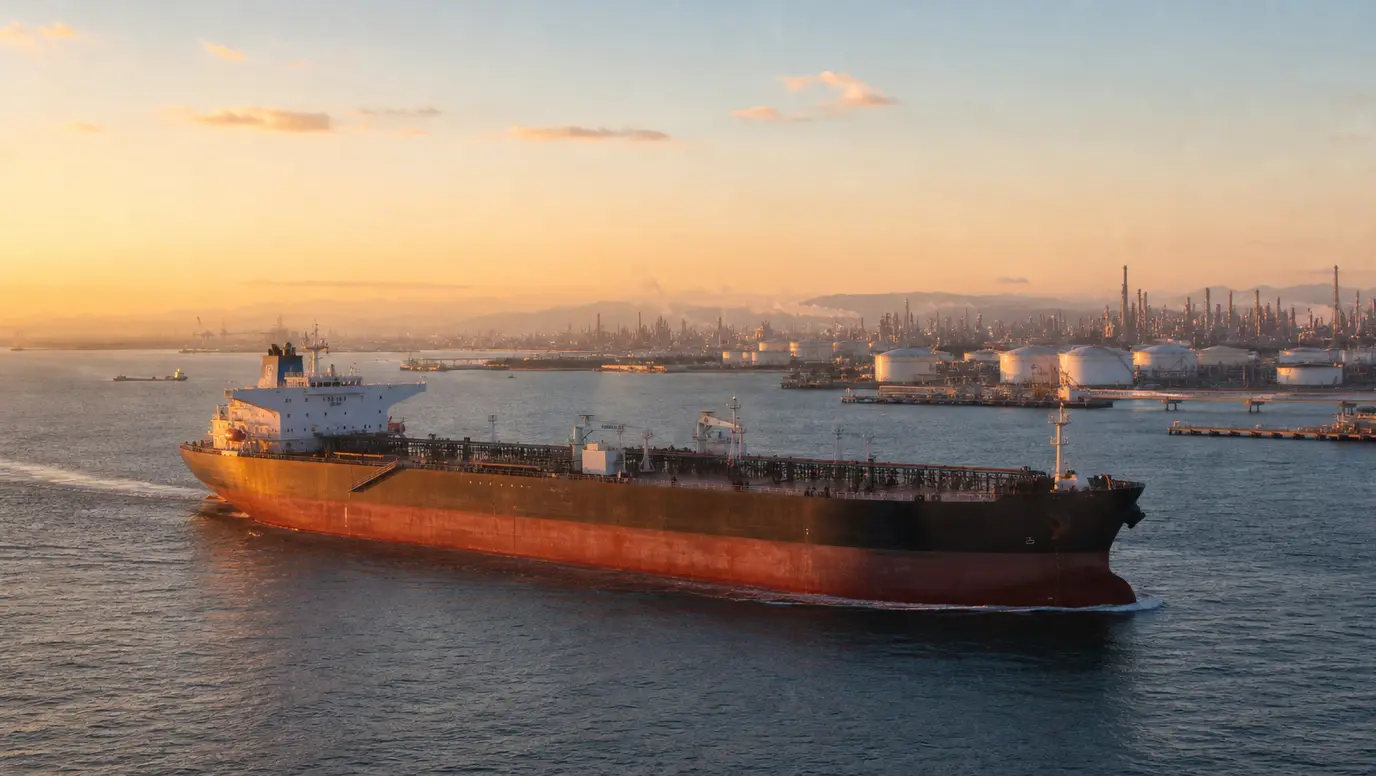
JUNE 14, 2026
Brent and WTI Enter New Week as Hormuz Risk Collides With Demand Shock
JUNE 12, 2026
Brent and WTI Hit Two-Month Lows as Iran Strike Risk Premium Unwinds
JUNE 11, 2026
Brent and WTI Rise as U.S. Crude Draw Tightens the Energy Market’s Prompt Supply Focus
JUNE 10, 2026
Energy Market Faces Demand Destruction Test as Hormuz Risk Reshapes Oil Trade
JUNE 9, 2026
Brent and WTI Pull Back as Ceasefire Hopes Test Oil Market Risk Premium
JUNE 8, 2026
Oil Volatility Jumps as Brent Nears $100 and Traders Reprice Middle East Supply Risk
JUNE 6, 2026
OPEC+ Weekend Test Puts Oil Market on Alert as Crude Draw Tightens the Buffer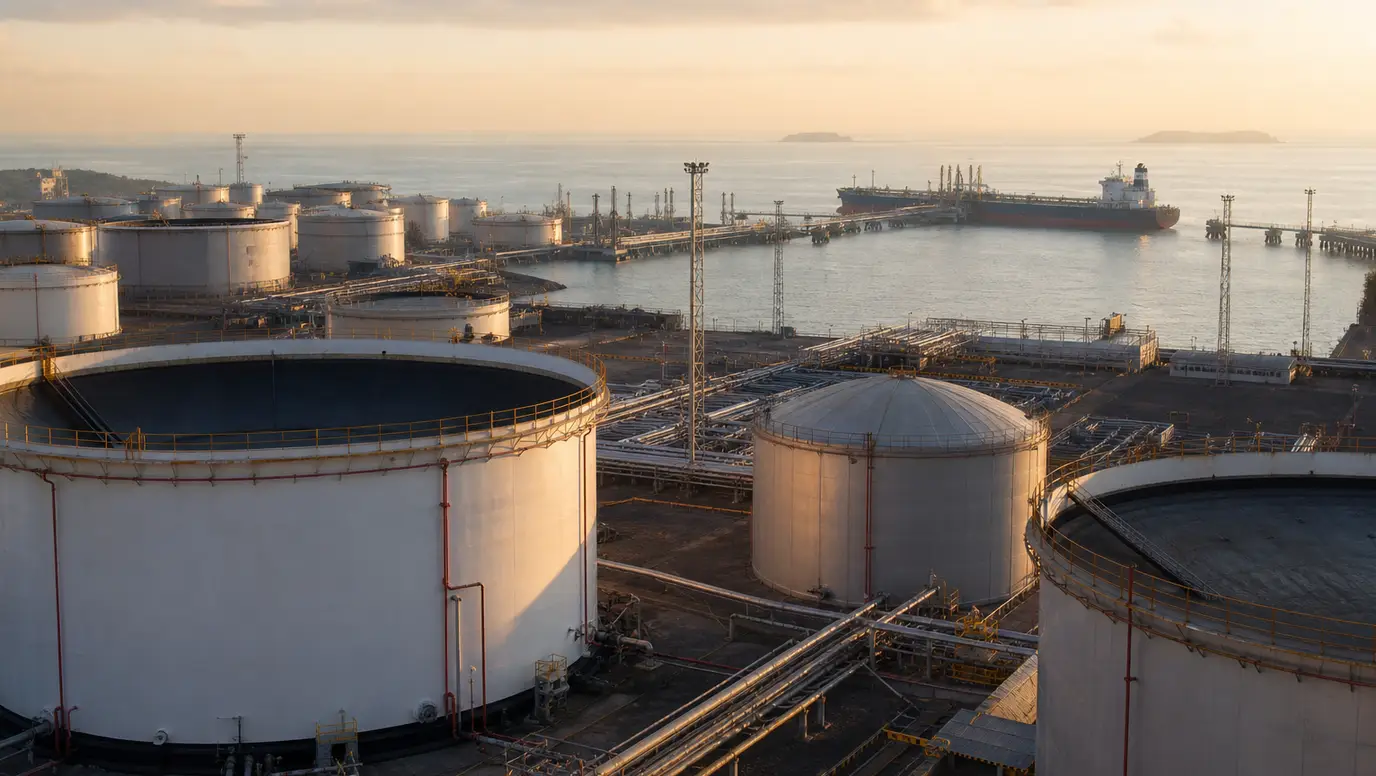
JUNE 4, 2026
U.S. Crude Draw Puts Energy Market Back on Physical Supply Watch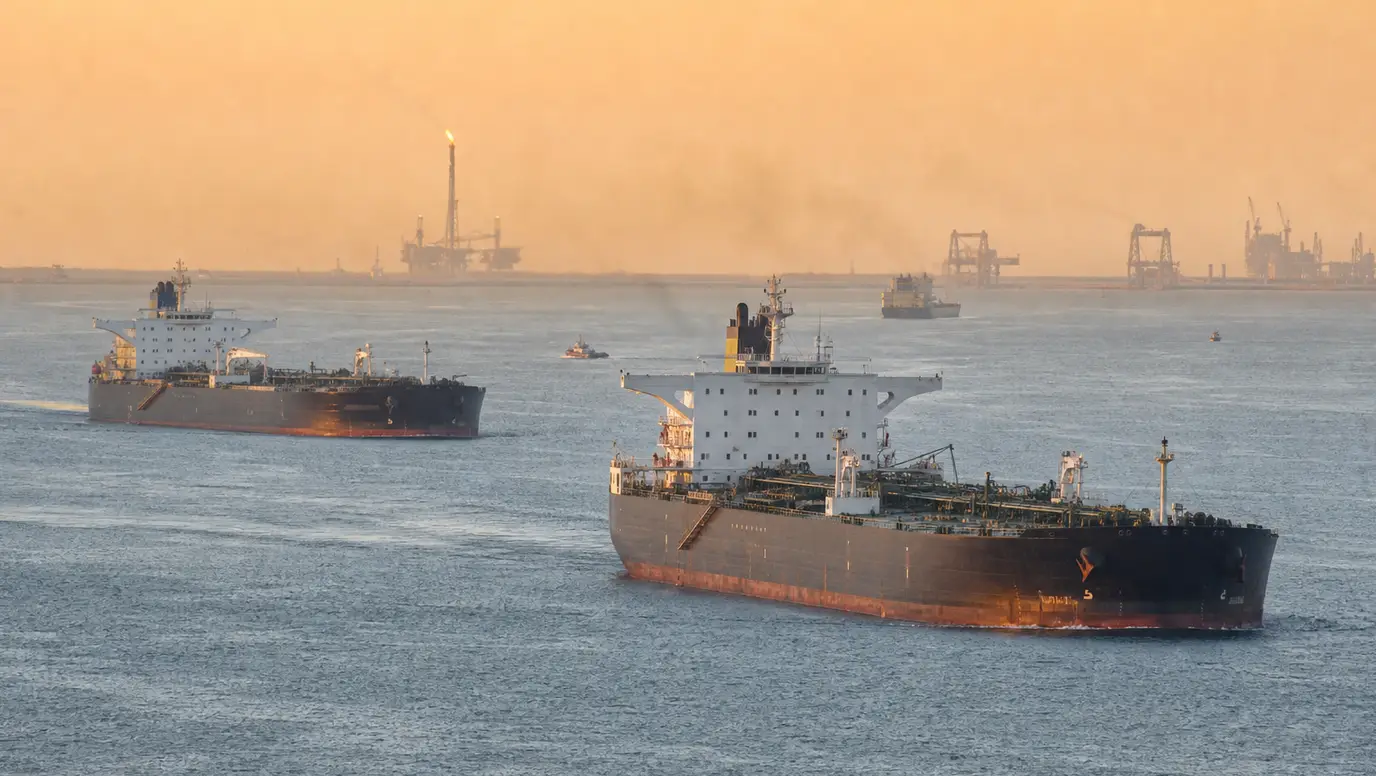
JUNE 3, 2026
Brent Pushes Toward $100 as Gulf Escalation Reprices Energy Risk
JUNE 2, 2026
Fuel Price Hedge Returns as Brent Near $94 Puts Energy Market on Inflation Watch
JUNE 1, 2026
Oil Rally Accelerates as Hormuz Reopening Hopes Fade and Supply Risk Returns
MAY 31, 2026
Oil Enters June With Ceasefire Discount Facing an OPEC+ Supply Test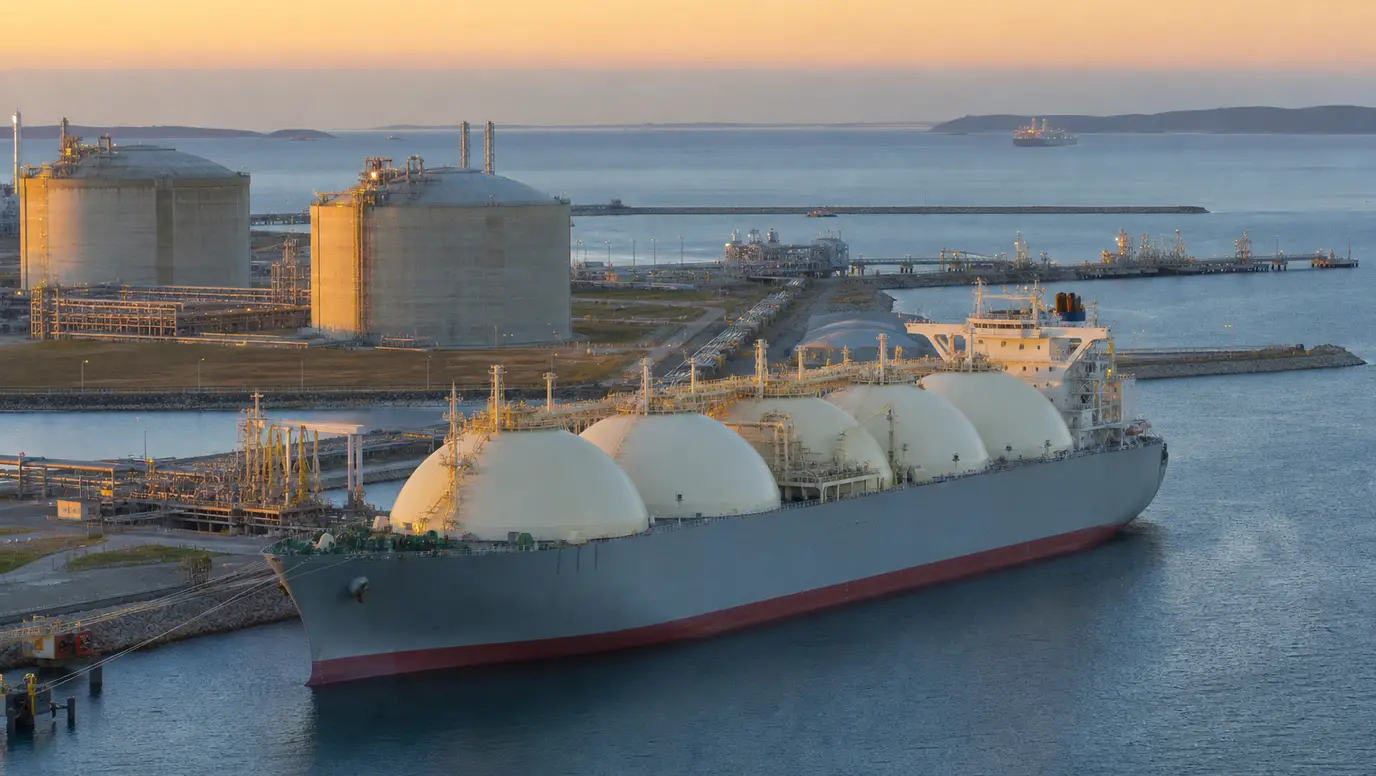
MAY 30, 2026
LNG Squeeze Keeps Energy Market on Edge as Summer Demand Nears
MAY 29, 2026
Oil Forecasts Rise Again as Supply Recovery Doubts Blunt Crude Price Dip
MAY 28, 2026
Oil Volatility Holds as Traders Test How Fast Hormuz Risk Can Unwind
MAY 27, 2026
Gas and Crude Retreat as Shipping-Risk Premium Eases Across Energy Markets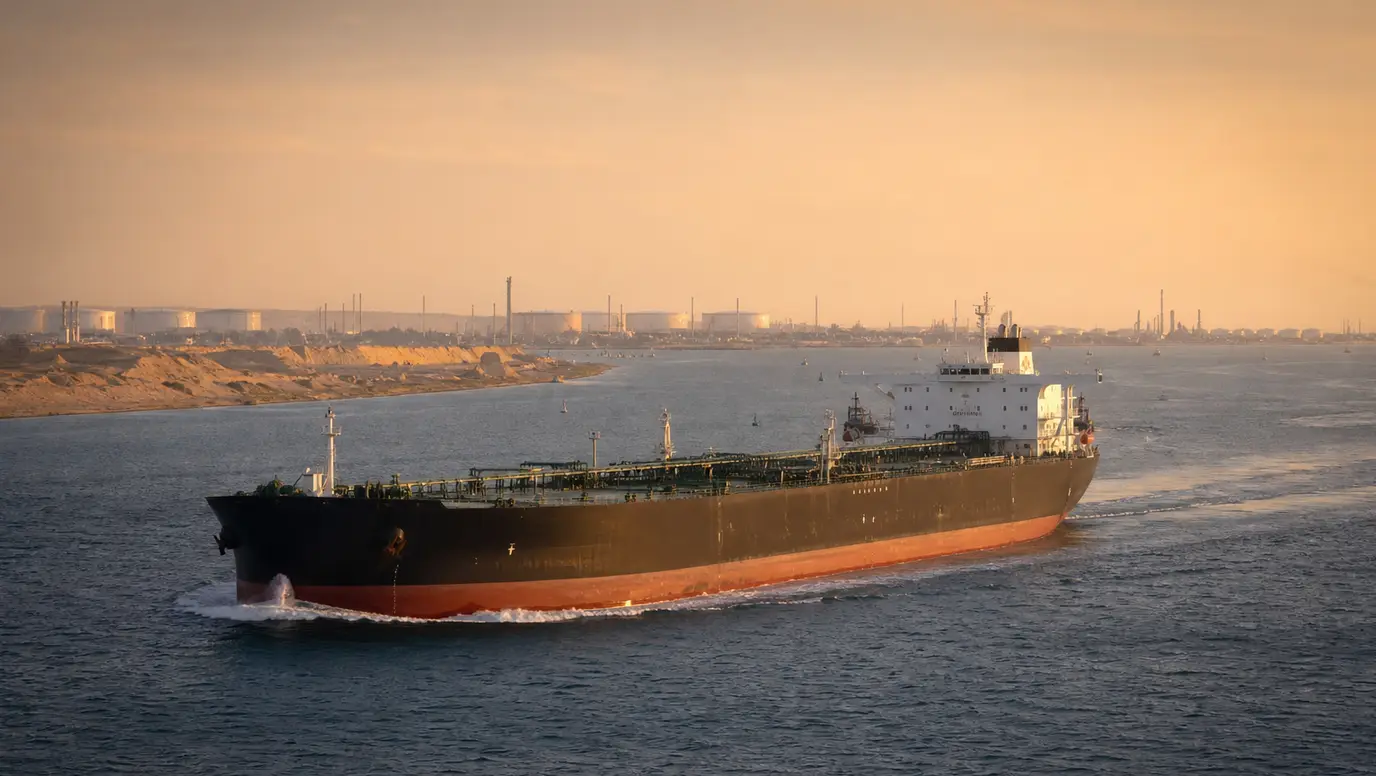
MAY 26, 2026
Brent Whipsaws Near $100 as Hormuz Reopening Timetable Keeps Oil Risk Premium Alive
MAY 25, 2026
Oil Slides as U.S.-Iran Deal Hopes Cut Into War Premium
MAY 20, 2026
Oil Retreats as Traders Weigh U.S. Inventory Draw Against Hormuz Supply Risk