
JUNE 27, 2026
Refinery Strain Keeps Energy Market on Edge as Oil Selloff Meets Fuel Stock TightnessOil’s weekly drop has not erased supply risk as U.S. refinery runs, low crude stocks and firm distillate exports keep energy traders cautious.

© 1box.site 2026
MAY 28, 2026
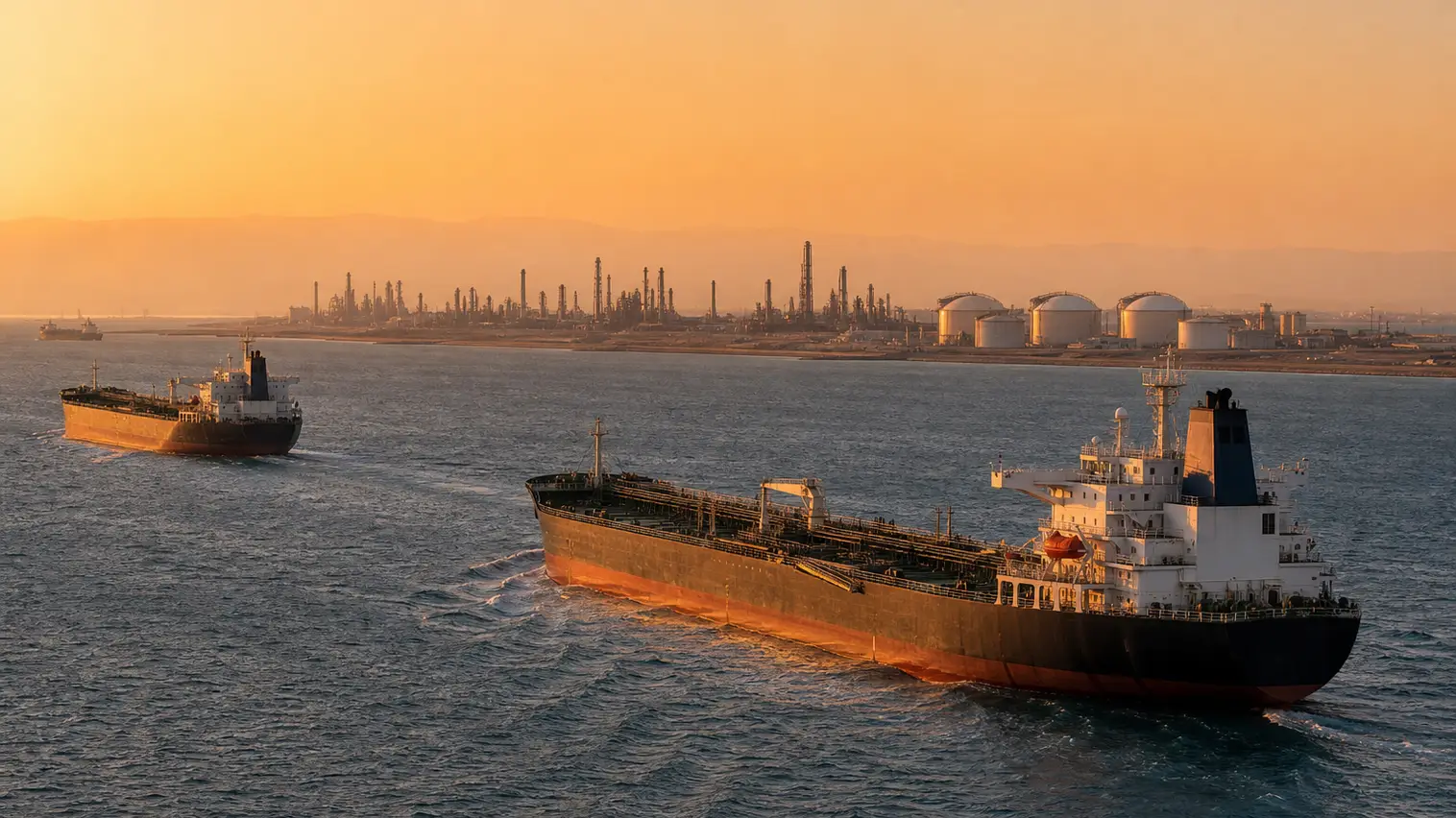
Oil markets remained highly sensitive on Thursday as traders reassessed how quickly the geopolitical risk premium built into crude can unwind if shipping flows through the Strait of Hormuz continue to improve. Brent crude traded near the mid-$90s per barrel area in early activity, while WTI held below $90 after another sharp move lower, leaving the energy market caught between diplomatic optimism and persistent supply uncertainty.
The latest price action shows that the crude complex is no longer moving on a simple shortage narrative. Instead, traders are pricing a wider range of outcomes: a gradual reopening of a key transit route, delayed restoration of normal cargo traffic, potential retaliatory disruptions, and the risk that low inventories amplify every headline. That combination has kept intraday swings elevated even as the immediate panic bid in oil has faded.
The central question for energy desks is whether any progress on U.S.-Iran talks can translate into sustained tanker movement and a reliable flow of crude, condensate and refined products. Even if more vessels are able to move, the market may require repeated evidence of safe passage before removing the full risk premium from Brent and WTI.
This is why the decline in prices has not necessarily turned the oil outlook outright bearish. Official short-term projections still point to heavy inventory withdrawals during the current quarter, reflecting the lag between improved sentiment and actual supply normalization. If inventories continue to tighten while refineries prepare for peak summer demand, downside in crude could remain uneven rather than smooth.
Brent’s premium over WTI is also being watched closely. A wider spread can encourage demand for U.S. barrels, but export flows depend on shipping economics, refinery needs and confidence that Atlantic Basin supply can offset disrupted Middle East volumes. For now, the spread remains a barometer of how much global stress is still embedded in the market.
Natural gas has not fully followed crude lower, highlighting a different set of risks in the broader energy market. LNG-linked concerns remain important because Gulf shipping disruptions can affect not only crude oil but also liquefied natural gas cargoes moving toward Asia and Europe. That has kept gas traders focused on shipping availability, storage levels and weather-driven demand rather than crude direction alone.
Seasonal demand is also becoming more relevant. In the United States, warmer weather can lift power-sector gas burn, while Europe and Asia are already looking ahead to summer cooling needs and later storage refill requirements. Any renewed disruption to LNG cargo scheduling would risk tightening regional balances even if crude prices continue to soften.
The next phase for oil and gas will likely depend on confirmation rather than single headlines. Traders will be watching vessel-tracking signals, refinery run rates, inventory data and producer guidance to determine whether the market is moving from crisis pricing toward a more conventional supply-demand setup.
If shipping flows improve steadily, Brent could continue drifting toward levels implied by a reduced geopolitical premium. However, if transit remains irregular or talks lose momentum, crude may quickly recover part of its recent decline. That leaves energy investors with a market where volatility itself is the clearest signal: risk is lower than at the peak of the crisis, but it has not disappeared.
JUNE 27, 2026
Refinery Strain Keeps Energy Market on Edge as Oil Selloff Meets Fuel Stock Tightness
JUNE 25, 2026
Iraq Quota Threat Puts OPEC Discipline in Focus as Oil War Premium Evaporates
JUNE 24, 2026
Brent Slide Below $77 Turns Oil Market Focus to Inventories and Summer Fuel Demand
JUNE 23, 2026
Brent and WTI Fall Again as Traders Shift From War Premium to Hormuz Flow Checks
JUNE 22, 2026
Oil Risk Premium Fades as Brent and WTI Slide on Fresh U.S.-Iran Talks
JUNE 21, 2026
Brent and WTI Face Inventory Test as Oil Market Shrugs Off Demand-Bearish Forecasts
JUNE 20, 2026
Oil Traders Watch Tanker Flows as Brent Holds Near $80 After Risk-Premium Reset
JUNE 19, 2026
Brent and WTI Steady as Traders Test the Reality of Hormuz Reopening
JUNE 17, 2026
WTI Rebounds as U.S. Stock Draw Puts a Floor Under Oil Selloff
JUNE 16, 2026
Brent Tests $80 as Oil Market Shifts From Hormuz Shock to Restart Risk
JUNE 15, 2026
Brent and WTI Slide as Hormuz Reopening Bets Reset Oil Risk Premium
JUNE 14, 2026
Brent and WTI Enter New Week as Hormuz Risk Collides With Demand Shock
JUNE 12, 2026
Brent and WTI Hit Two-Month Lows as Iran Strike Risk Premium Unwinds
JUNE 11, 2026
Brent and WTI Rise as U.S. Crude Draw Tightens the Energy Market’s Prompt Supply Focus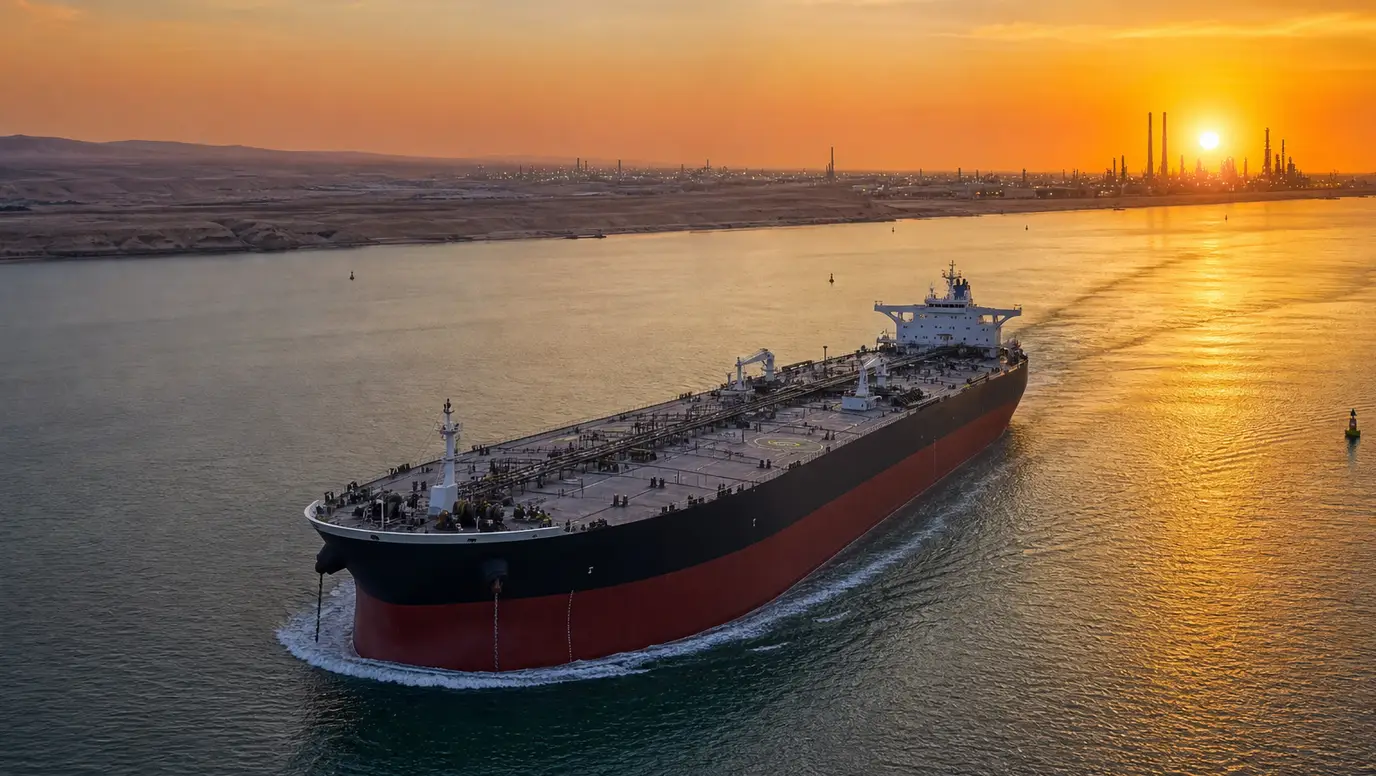
JUNE 10, 2026
Energy Market Faces Demand Destruction Test as Hormuz Risk Reshapes Oil Trade
JUNE 9, 2026
Brent and WTI Pull Back as Ceasefire Hopes Test Oil Market Risk Premium
JUNE 8, 2026
Oil Volatility Jumps as Brent Nears $100 and Traders Reprice Middle East Supply Risk
JUNE 7, 2026
OPEC+ Quota Hike Lands as Energy Market Doubts New Barrels Can Reach Buyers
JUNE 6, 2026
OPEC+ Weekend Test Puts Oil Market on Alert as Crude Draw Tightens the Buffer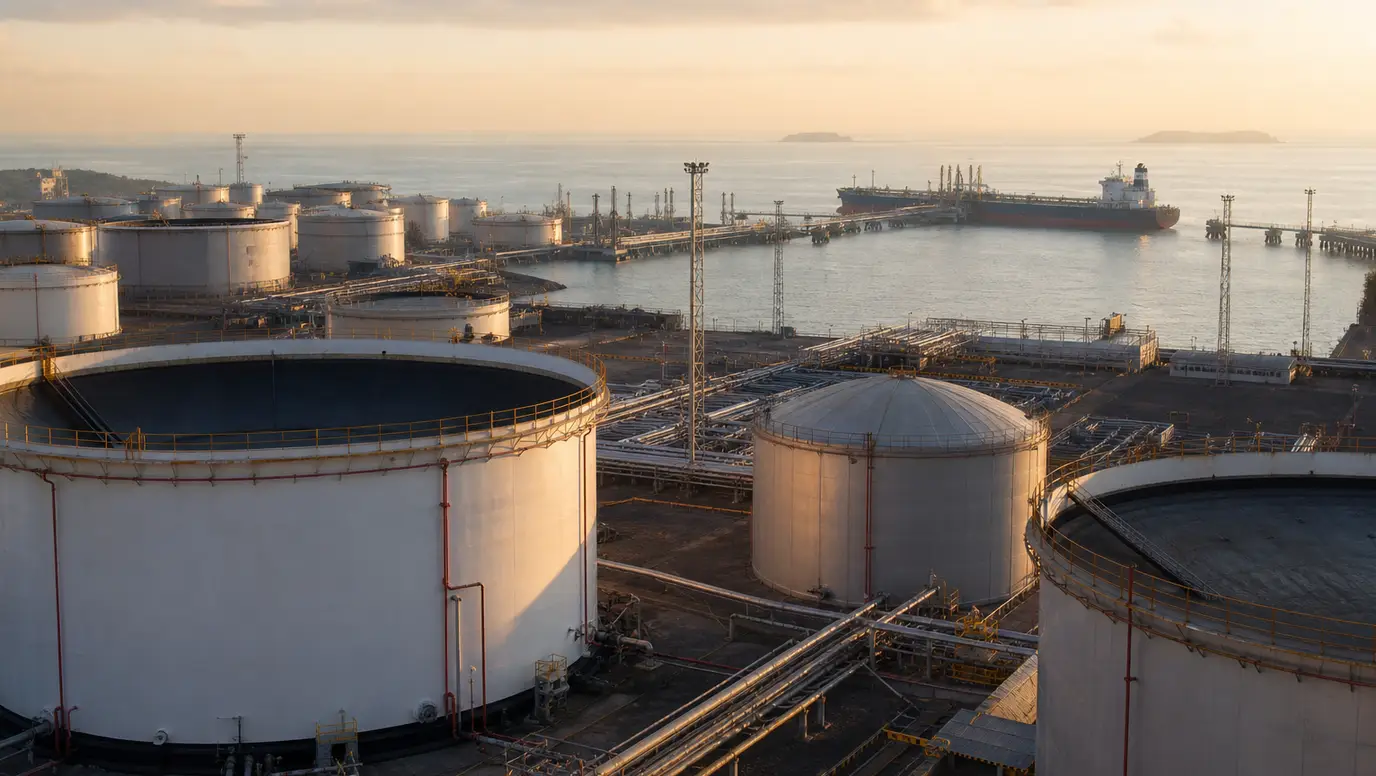
JUNE 4, 2026
U.S. Crude Draw Puts Energy Market Back on Physical Supply Watch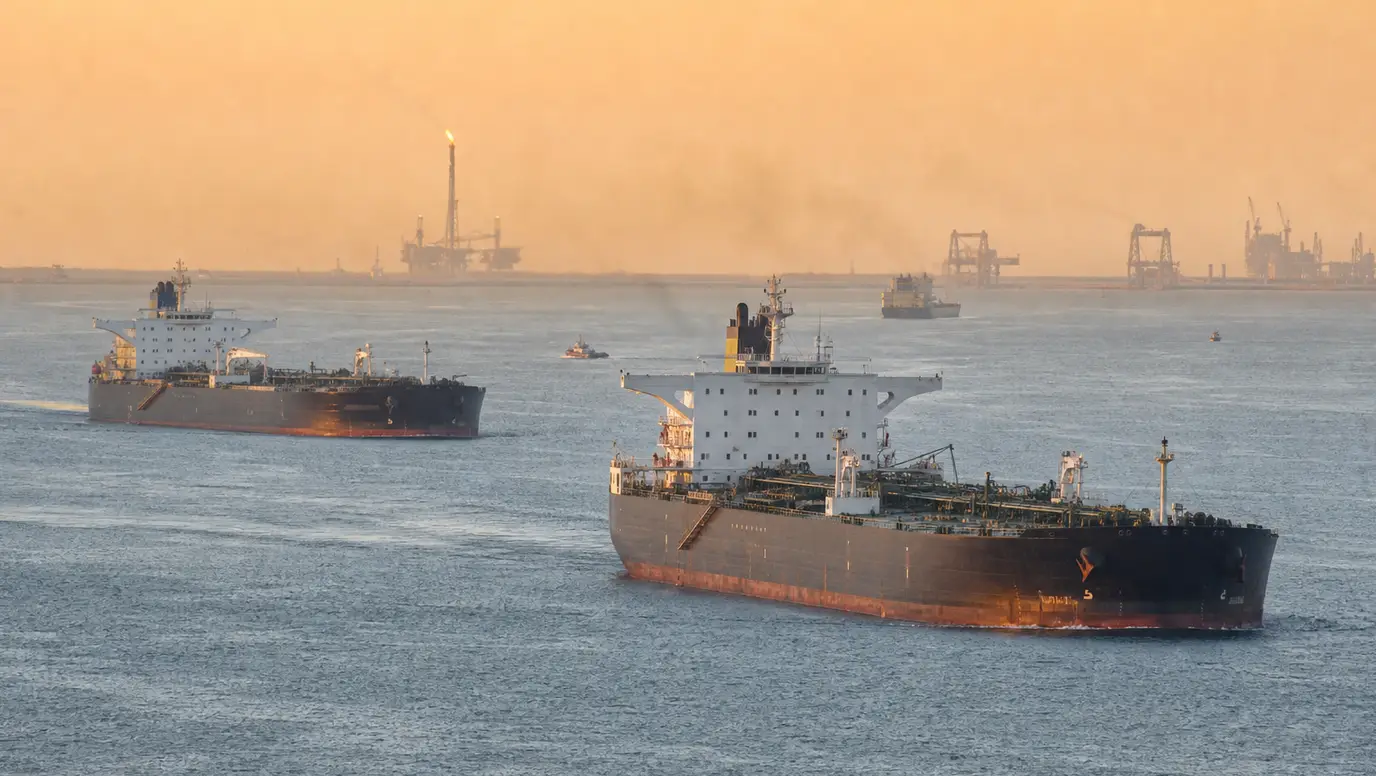
JUNE 3, 2026
Brent Pushes Toward $100 as Gulf Escalation Reprices Energy Risk
JUNE 2, 2026
Fuel Price Hedge Returns as Brent Near $94 Puts Energy Market on Inflation Watch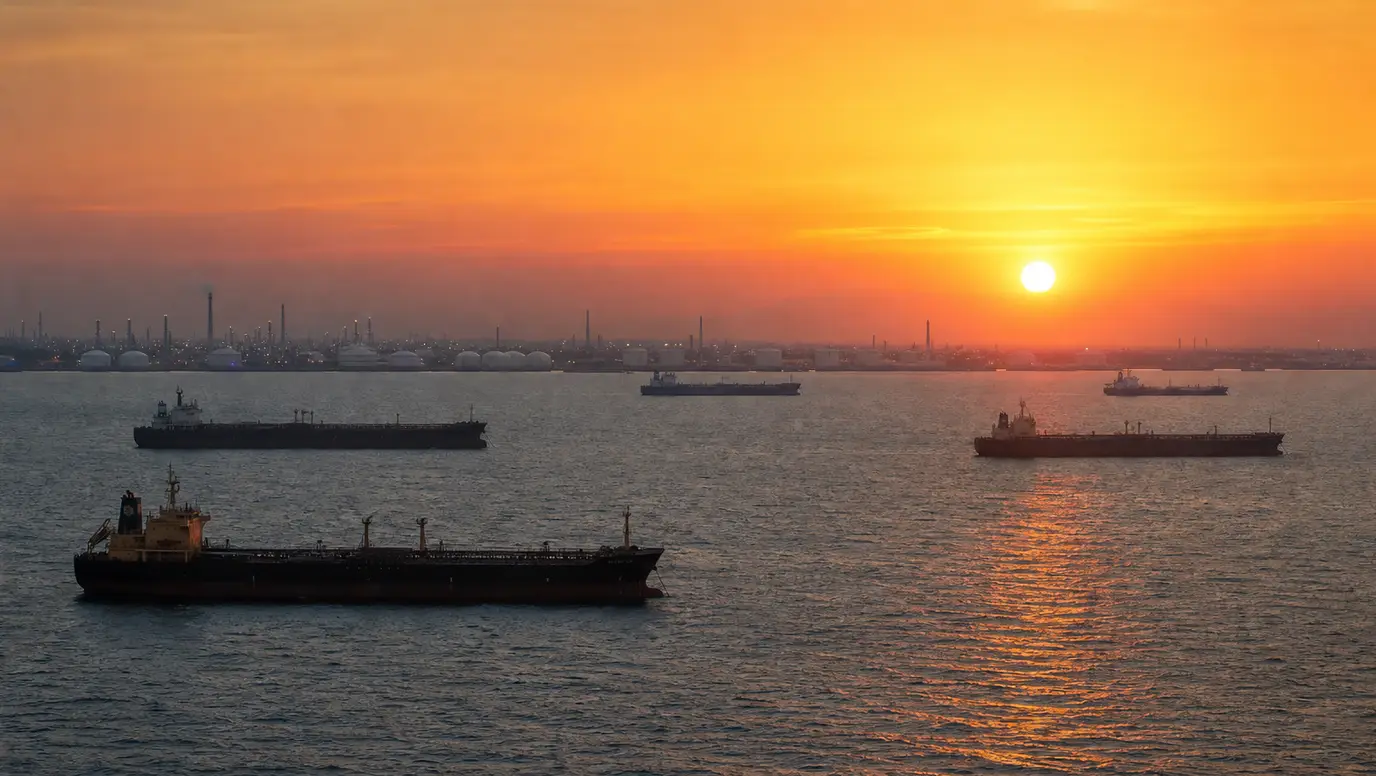
JUNE 1, 2026
Oil Rally Accelerates as Hormuz Reopening Hopes Fade and Supply Risk Returns
MAY 31, 2026
Oil Enters June With Ceasefire Discount Facing an OPEC+ Supply Test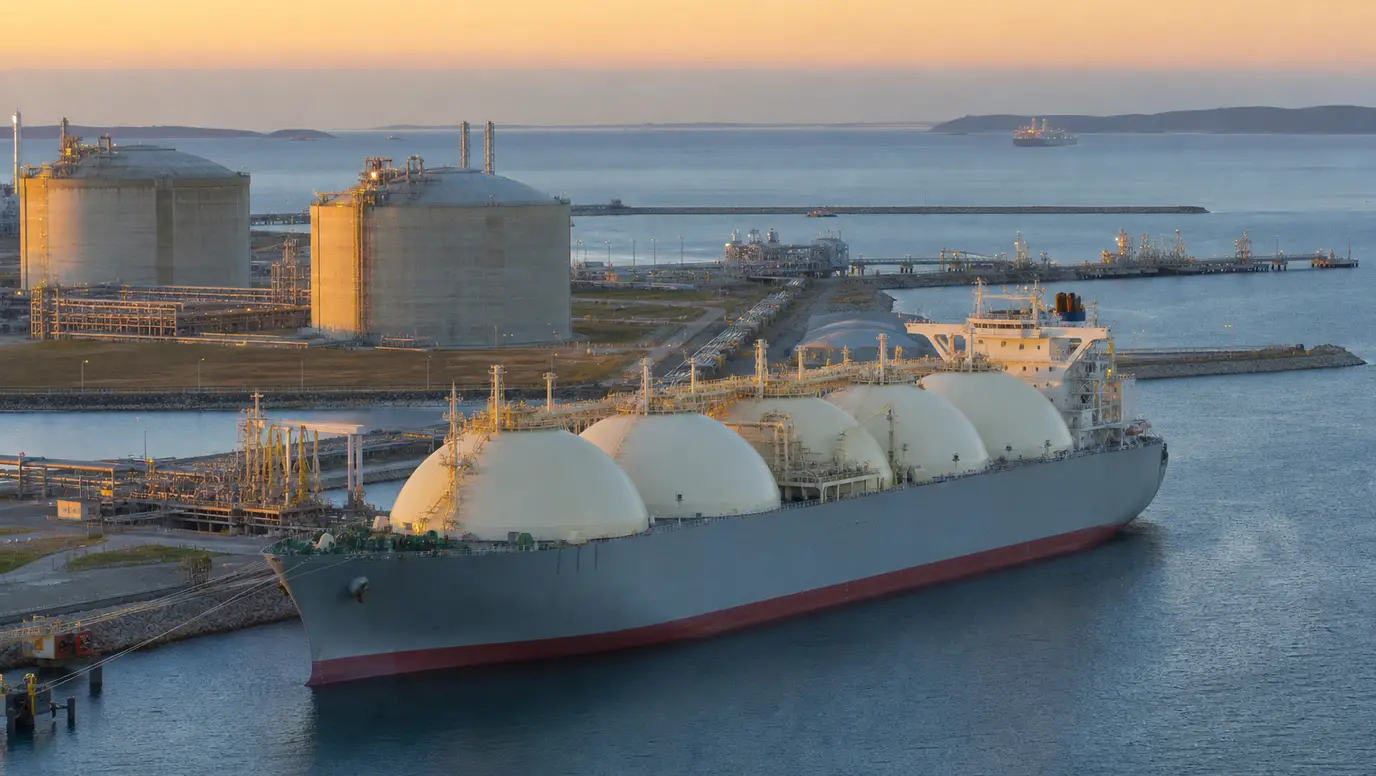
MAY 30, 2026
LNG Squeeze Keeps Energy Market on Edge as Summer Demand Nears
MAY 29, 2026
Oil Forecasts Rise Again as Supply Recovery Doubts Blunt Crude Price Dip
MAY 27, 2026
Gas and Crude Retreat as Shipping-Risk Premium Eases Across Energy Markets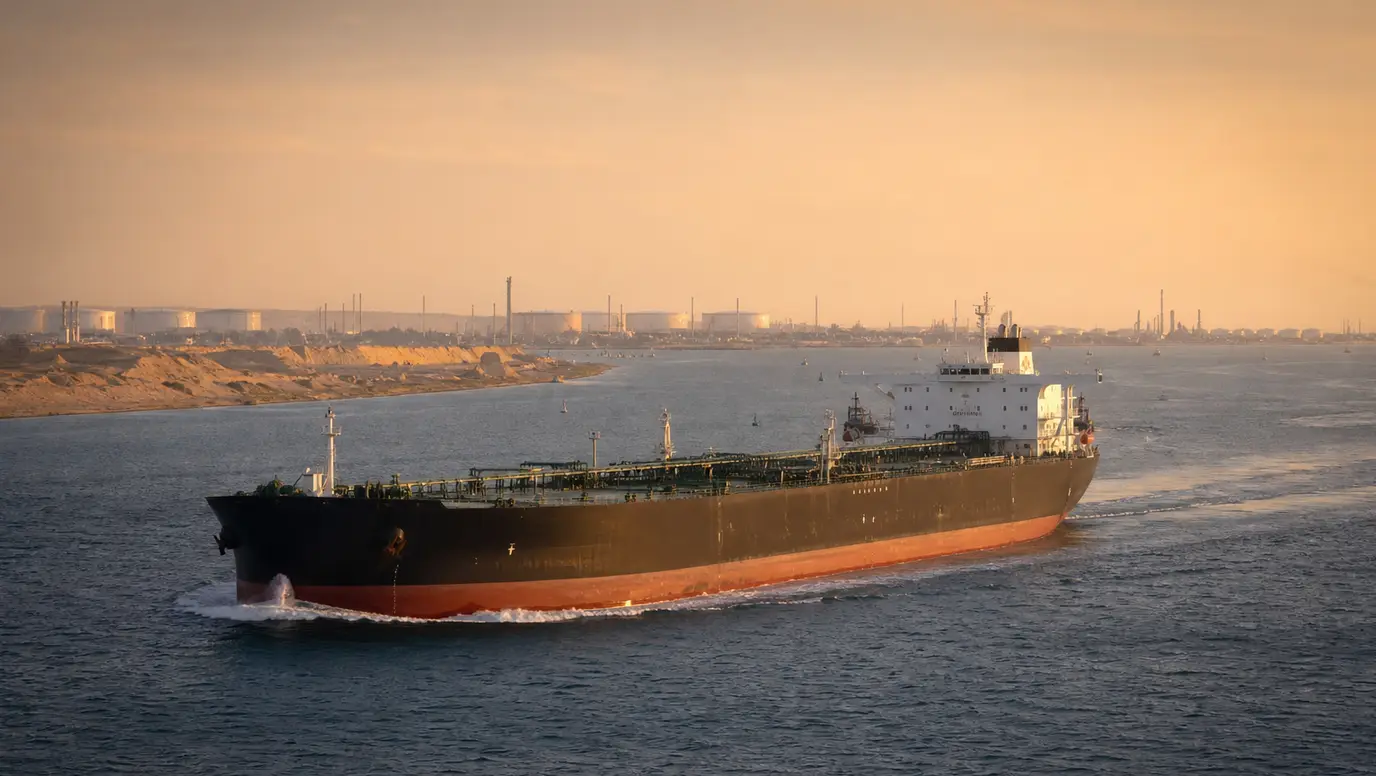
MAY 26, 2026
Brent Whipsaws Near $100 as Hormuz Reopening Timetable Keeps Oil Risk Premium Alive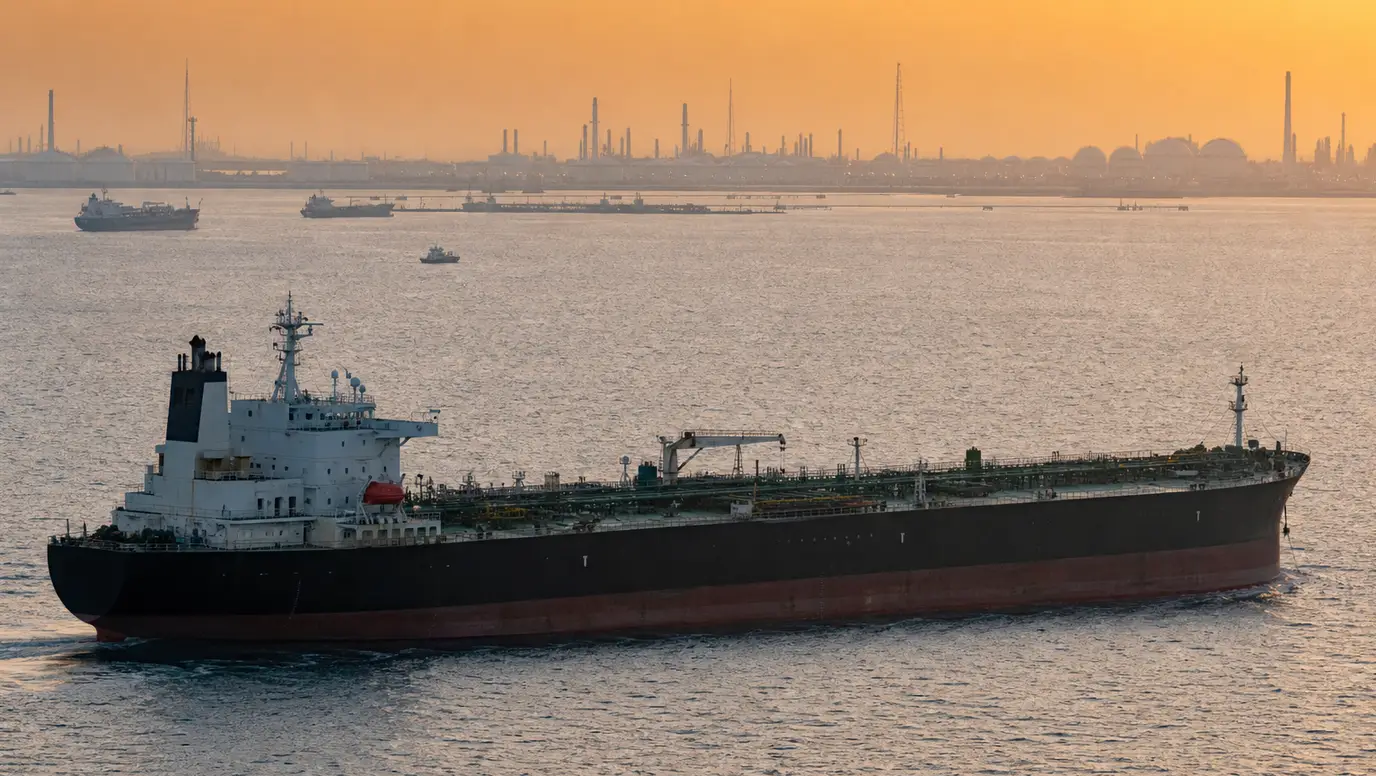
MAY 25, 2026
Oil Slides as U.S.-Iran Deal Hopes Cut Into War Premium
MAY 20, 2026
Oil Retreats as Traders Weigh U.S. Inventory Draw Against Hormuz Supply Risk