JUNE 10, 2026
Energy Market Faces Demand Destruction Test as Hormuz Risk Reshapes Oil TradeOil traders weigh weaker demand signals, OPEC+ supply pledges and Hormuz disruption as Brent and WTI hold a volatile risk premium.

© 1box.site 2026

MAY 20, 2026
Oil prices pulled back on Wednesday, but the retreat looked more like a pause in a highly volatile rally than a clear break in the energy market’s supply-risk premium.
Benchmark Brent crude traded in the mid-$100s per barrel after falling more than 5% during the session, while U.S. West Texas Intermediate also declined but remained near triple-digit territory. The move came as traders took profit from recent gains and reassessed whether diplomatic headlines could eventually allow more crude flows to resume from the Persian Gulf.
The decline in futures was notable because it arrived alongside another tight reading from the physical market. Weekly U.S. data showed crude inventories fell by 7.9 million barrels in the week ended May 15, a much larger draw than many traders had expected. Stocks at the Cushing, Oklahoma delivery hub also dropped, reinforcing the view that available prompt supply remains constrained.
The latest inventory report complicated the market reaction. Normally, a sharp fall in crude and gasoline stocks would support prices. This time, futures still dropped as investors focused on the possibility of easing geopolitical tensions and on the broader relief trade across inflation-sensitive assets.
Gasoline inventories fell by 1.5 million barrels, while total product supplied, a common proxy for demand, rose to more than 20 million barrels per day. Gasoline consumption also edged higher, suggesting that U.S. fuel demand has not yet cracked despite elevated pump prices heading into the summer driving season.
Refinery activity remained high by historical standards, with utilization above 91%, although runs slipped slightly from the prior week. Distillate inventories, which include diesel and heating oil, rose modestly, offering some relief for the industrial and freight-linked part of the fuel market.
The key issue for crude traders is that today’s price decline does not remove the underlying supply problem. Commercial inventories are being drawn down at the same time that global buyers are competing for replacement barrels outside the Middle East. That leaves the market sensitive to any fresh disruption, shipping delay, or sign that emergency supply channels are not enough to cover lost flows.
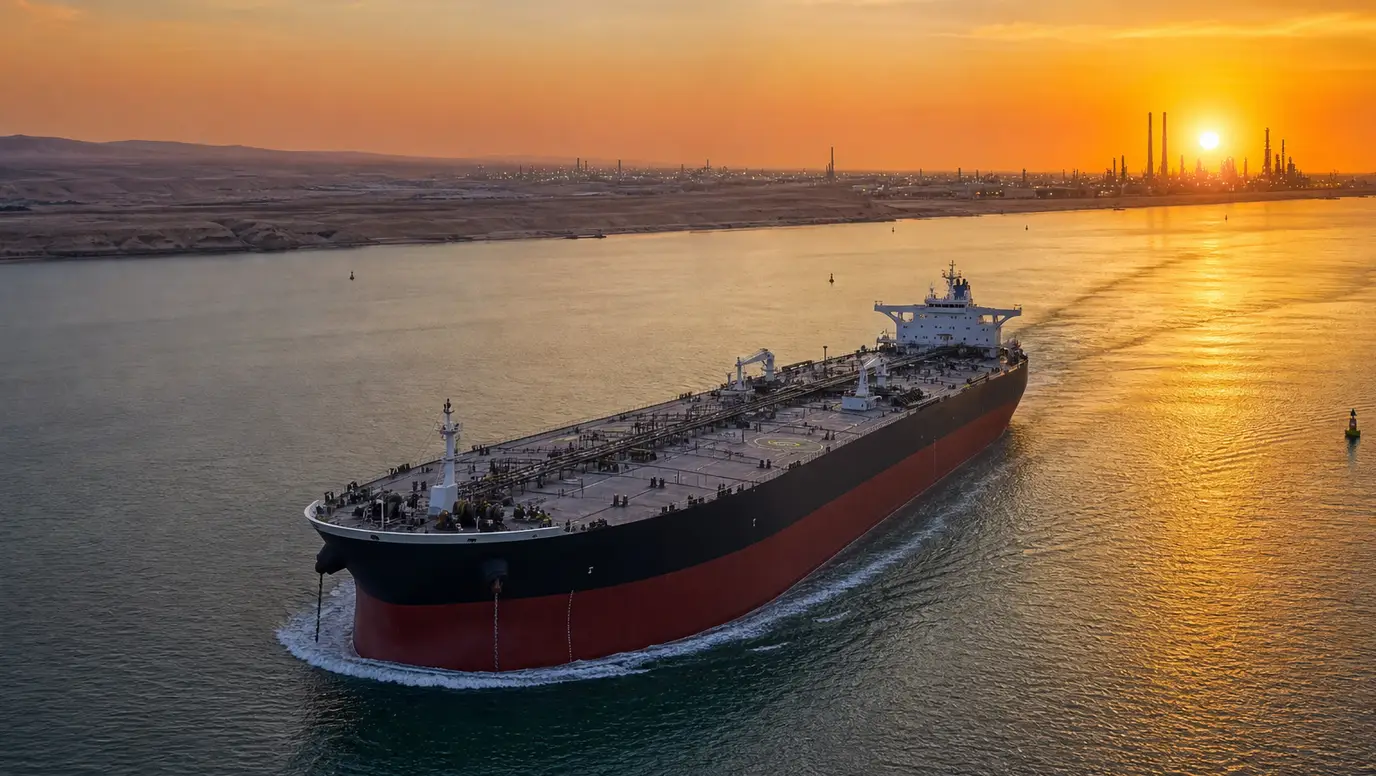
The Strait of Hormuz remains the central driver of the energy-market risk premium. Before the latest conflict, the route carried close to a fifth of global oil supply, making it one of the most important chokepoints in the world energy system. Its effective closure has forced refiners and trading houses to reroute supply, draw on inventories, and pay up for alternative cargoes.
Recent market forecasts assume that flows could begin to recover gradually around late May or early June, but they also warn that production and trade patterns may take many months to normalize. That means even a ceasefire or partial reopening would not automatically return the market to pre-conflict conditions.
The result is a market caught between two opposing forces. On one side, high prices can curb consumption, pressure refiners, and encourage non-Middle East producers to increase exports. On the other side, the scale of lost Gulf supply keeps the market vulnerable to rapid rebounds whenever diplomatic optimism fades.
Brent is still far above levels seen before the war began, and that matters for inflation expectations, freight costs, airline fuel budgets, petrochemical margins, and consumer spending. The pullback in oil helped ease some pressure on government bond yields during the session, but energy traders remain reluctant to price in a lasting surplus while inventories are falling.
The next phase for the oil market will likely depend on two variables: whether summer fuel demand stays resilient and whether shipping through the Gulf shows credible signs of recovery. If U.S. gasoline consumption continues to rise while global crude stocks keep falling, dips in prices may attract buyers even after sharp intraday declines.
For now, the energy market is trading less on a single inventory number and more on the balance between physical tightness and political expectations. Wednesday’s selloff shows that crude can fall quickly when hopes for de-escalation improve. The inventory data, however, show why the market is not yet comfortable treating that decline as the start of a sustained downtrend.
Until traders see consistent evidence that Gulf flows are returning and inventories are rebuilding, crude is likely to remain volatile, headline-driven, and structurally supported above pre-conflict levels.
JUNE 10, 2026
Energy Market Faces Demand Destruction Test as Hormuz Risk Reshapes Oil Trade
JUNE 9, 2026
Brent and WTI Pull Back as Ceasefire Hopes Test Oil Market Risk Premium
JUNE 8, 2026
Oil Volatility Jumps as Brent Nears $100 and Traders Reprice Middle East Supply Risk
JUNE 7, 2026
OPEC+ Quota Hike Lands as Energy Market Doubts New Barrels Can Reach Buyers
JUNE 6, 2026
OPEC+ Weekend Test Puts Oil Market on Alert as Crude Draw Tightens the Buffer
JUNE 4, 2026
U.S. Crude Draw Puts Energy Market Back on Physical Supply Watch
JUNE 3, 2026
Brent Pushes Toward $100 as Gulf Escalation Reprices Energy Risk
JUNE 2, 2026
Fuel Price Hedge Returns as Brent Near $94 Puts Energy Market on Inflation Watch
JUNE 1, 2026
Oil Rally Accelerates as Hormuz Reopening Hopes Fade and Supply Risk Returns
MAY 31, 2026
Oil Enters June With Ceasefire Discount Facing an OPEC+ Supply Test
MAY 30, 2026
LNG Squeeze Keeps Energy Market on Edge as Summer Demand Nears
MAY 29, 2026
Oil Forecasts Rise Again as Supply Recovery Doubts Blunt Crude Price Dip
MAY 28, 2026
Oil Volatility Holds as Traders Test How Fast Hormuz Risk Can Unwind
MAY 27, 2026
Gas and Crude Retreat as Shipping-Risk Premium Eases Across Energy Markets
MAY 26, 2026
Brent Whipsaws Near $100 as Hormuz Reopening Timetable Keeps Oil Risk Premium Alive
MAY 25, 2026
Oil Slides as U.S.-Iran Deal Hopes Cut Into War Premium