
JUNE 30, 2026
Natural Gas Rally Outruns Softer Oil as Heat and LNG Demand Split Energy MarketNatural gas gains on heat and LNG demand while Brent and WTI ease as traders reassess Middle East risk and U.S. inventory signals.

© 1box.site 2026

JUNE 8, 2026
Oil returned to the center of global market risk on Monday as Brent crude moved back toward the $100-a-barrel threshold and U.S. West Texas Intermediate held above $90, forcing traders to price a larger geopolitical premium into the energy complex. The latest rally was driven less by routine supply data than by renewed concern that conflict in the Middle East could interrupt seaborne flows at a time when summer fuel demand is beginning to rise.
Brent traded near $96 a barrel in Asian hours, while WTI advanced to roughly $93, keeping both benchmarks close to multi-month highs. The move followed a sharp intraday surge that later cooled as headlines suggested the immediate military exchange may not be escalating as quickly as feared. Even after that partial fade, the market remained highly sensitive to any sign that shipping, export capacity or regional production could be affected.
The most important signal for energy traders is that the oil market is now reacting first to security headlines and only second to formal production announcements. A further increase in OPEC+ output would normally cap rallies by pointing to more available barrels. In the current setting, however, the market is questioning how many of those barrels can reliably reach buyers if regional logistics remain stressed.
That uncertainty is why Brent has been able to hold a sizeable risk premium despite concerns about demand elasticity at higher prices. The Strait of Hormuz remains the focal point because of its role in moving a large share of global crude and liquefied natural gas trade. Any perceived threat to that route can quickly widen the spread between paper balances and physical availability, especially for refiners that rely on Middle Eastern grades.
The rally also comes as the Northern Hemisphere enters the more fuel-intensive summer period. Gasoline, jet fuel and power-sector demand can all strengthen seasonally, leaving less room for supply disruption. If crude stays near current levels, traders will watch whether refiners absorb higher feedstock costs or begin to trim runs, a decision that could determine whether the price shock moves into refined products more aggressively.
The Brent premium over WTI is again becoming an important gauge of international supply anxiety. Brent is more directly tied to seaborne trade and Middle East exposure, while WTI reflects a North American market with stronger domestic production buffers. A persistent Brent-led rally would suggest that traders are paying up for globally deliverable barrels, not simply repricing the entire crude curve in line with macro risk.
For U.S. consumers and inflation watchers, WTI above $90 is still significant. Higher crude prices can filter into gasoline, diesel and aviation fuel, complicating the broader disinflation narrative just as markets await fresh U.S. inflation data. Energy’s renewed strength could therefore influence expectations for Federal Reserve policy even if the initial move is rooted in overseas supply risk.
Natural gas is also part of the watch list. U.S. gas prices have been more contained than crude, helped by adequate supply and storage levels, but LNG flows give the gas market an indirect link to the same shipping risk. If global buyers become more nervous about cargo availability, LNG-linked demand could provide additional support to North American gas even without an immediate domestic shortage.
The next phase of the trade will depend on whether the market receives confirmation of a real physical disruption or merely continues to price a risk premium. A sustained move in Brent toward $100 would likely require evidence of delayed cargoes, reduced exports, damaged infrastructure or a lasting rerouting of shipping. Without those signals, some fast-money accounts may treat the rally as vulnerable to profit-taking after the first wave of geopolitical buying.
Still, the energy market has shifted into a more defensive posture. Options demand, refinery margins, tanker rates and prompt spreads are likely to receive more attention than broad inventory narratives in the coming sessions. For now, crude is no longer trading as a simple balance-sheet story. It is trading as a supply-security story, and that keeps volatility elevated even when prices pull back from their intraday highs.
The immediate takeaway is that Brent near $100 has become a live scenario again. Unless diplomatic signals stabilize the region or physical flows show clear resilience, the oil market is likely to remain exposed to abrupt headline-driven moves, with WTI, refined products and LNG sentiment all taking cues from the same geopolitical risk premium.
JUNE 30, 2026
Natural Gas Rally Outruns Softer Oil as Heat and LNG Demand Split Energy Market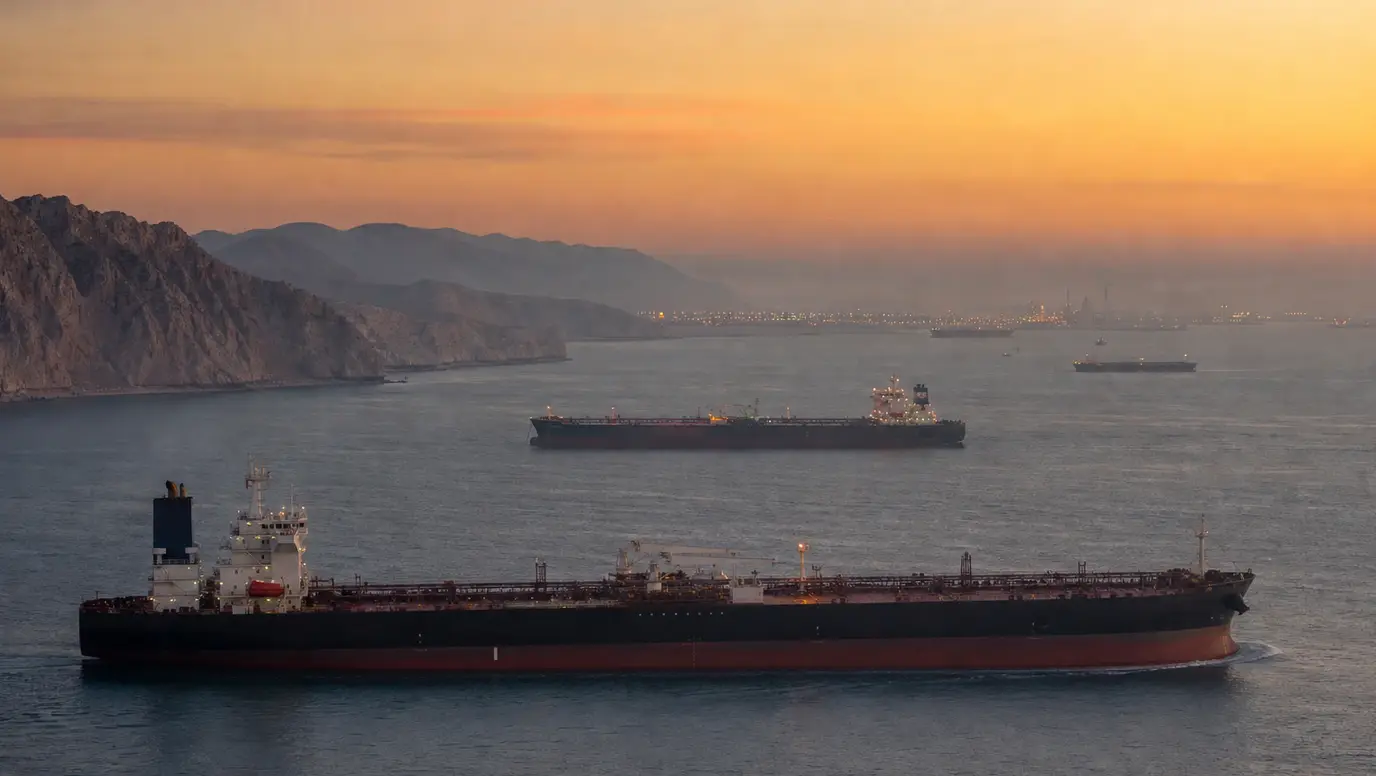
JUNE 29, 2026
Brent Holds Above $72 as Traders Test Fragile Hormuz Reopening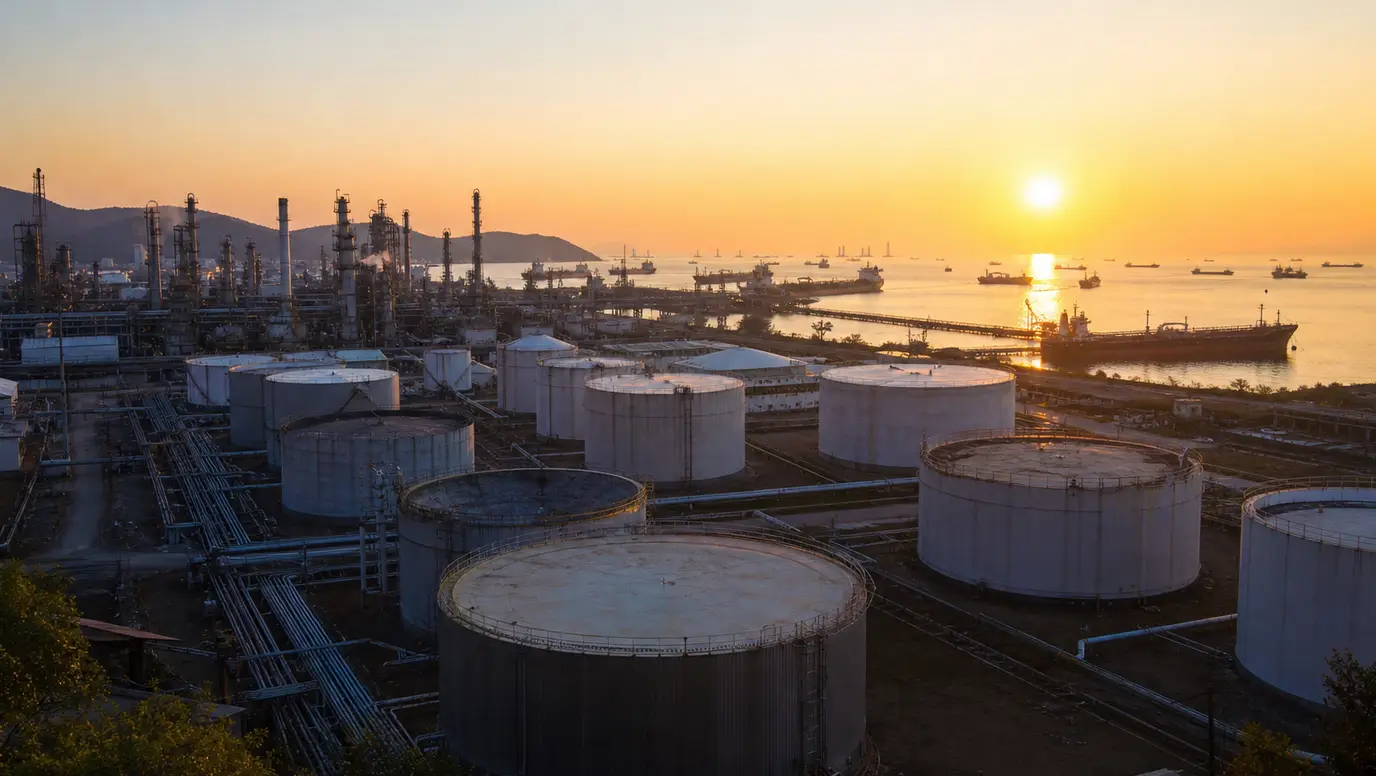
JUNE 28, 2026
WTI Bulls Face Inventory Split as Brent Loses War Premium Before Quarter-End
JUNE 27, 2026
Refinery Strain Keeps Energy Market on Edge as Oil Selloff Meets Fuel Stock Tightness
JUNE 25, 2026
Iraq Quota Threat Puts OPEC Discipline in Focus as Oil War Premium Evaporates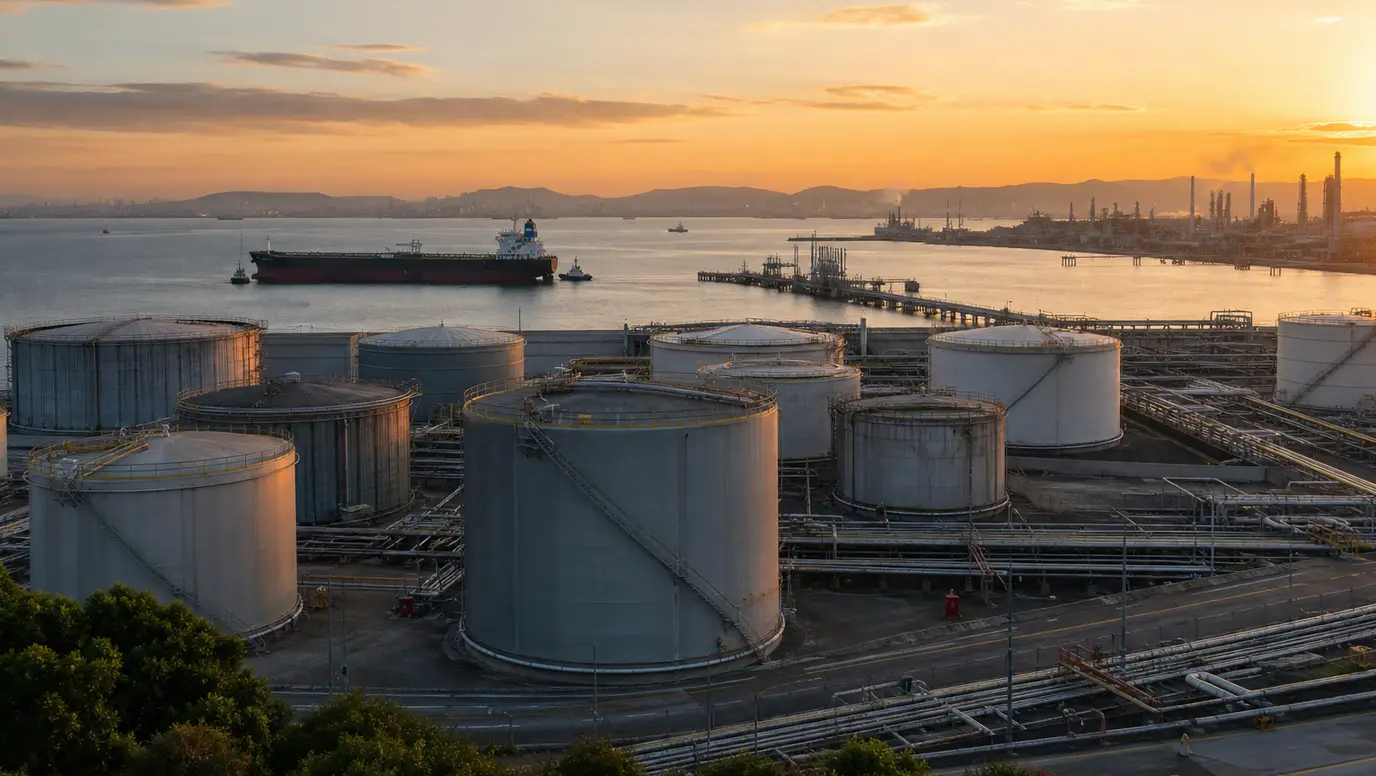
JUNE 24, 2026
Brent Slide Below $77 Turns Oil Market Focus to Inventories and Summer Fuel Demand
JUNE 23, 2026
Brent and WTI Fall Again as Traders Shift From War Premium to Hormuz Flow Checks
JUNE 22, 2026
Oil Risk Premium Fades as Brent and WTI Slide on Fresh U.S.-Iran Talks
JUNE 21, 2026
Brent and WTI Face Inventory Test as Oil Market Shrugs Off Demand-Bearish Forecasts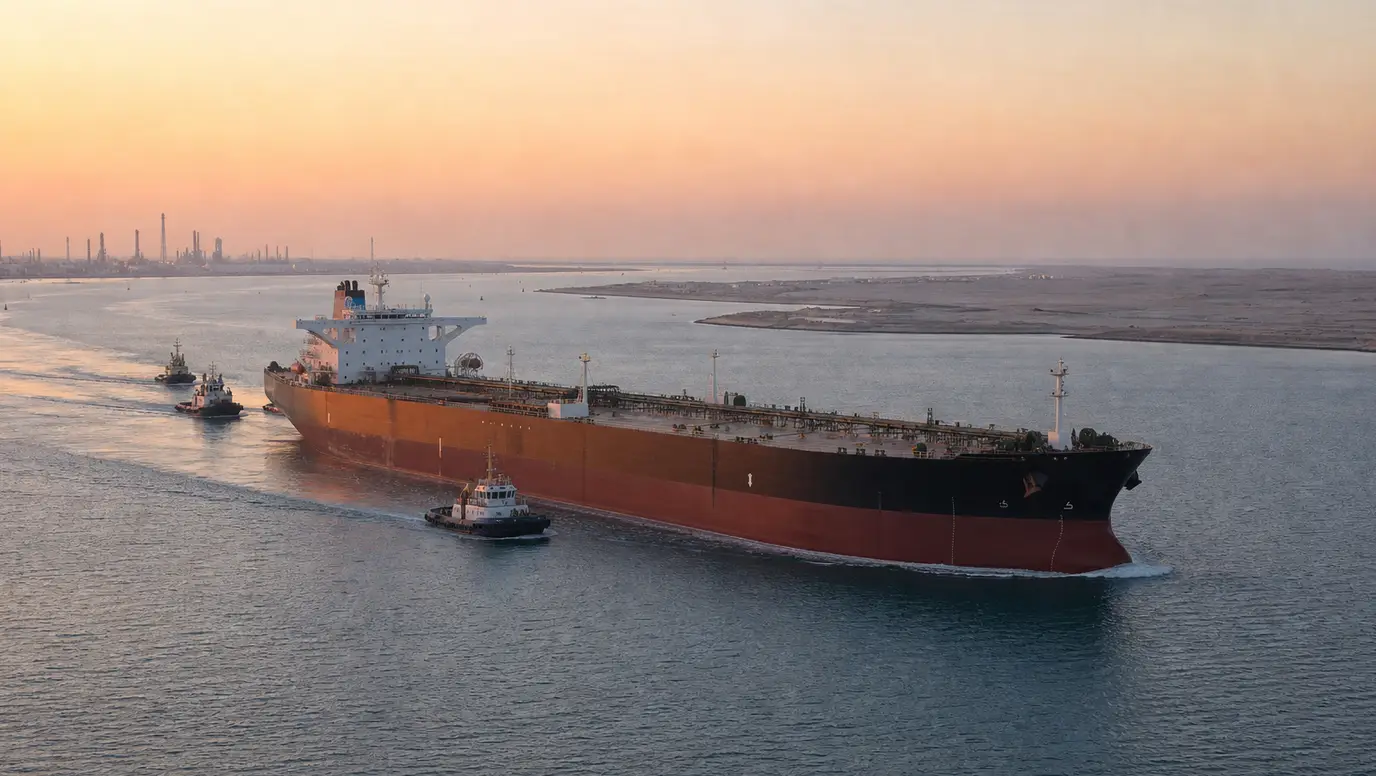
JUNE 20, 2026
Oil Traders Watch Tanker Flows as Brent Holds Near $80 After Risk-Premium Reset
JUNE 19, 2026
Brent and WTI Steady as Traders Test the Reality of Hormuz Reopening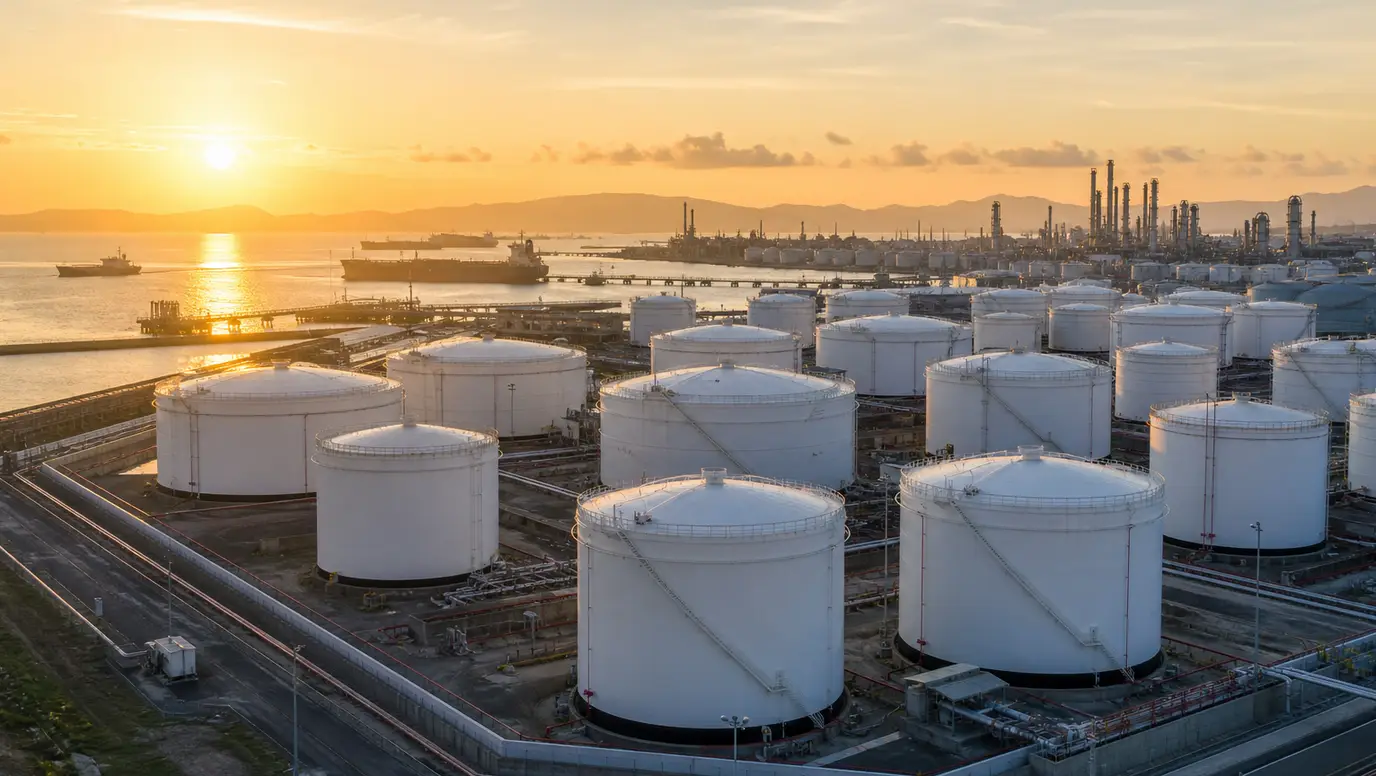
JUNE 17, 2026
WTI Rebounds as U.S. Stock Draw Puts a Floor Under Oil Selloff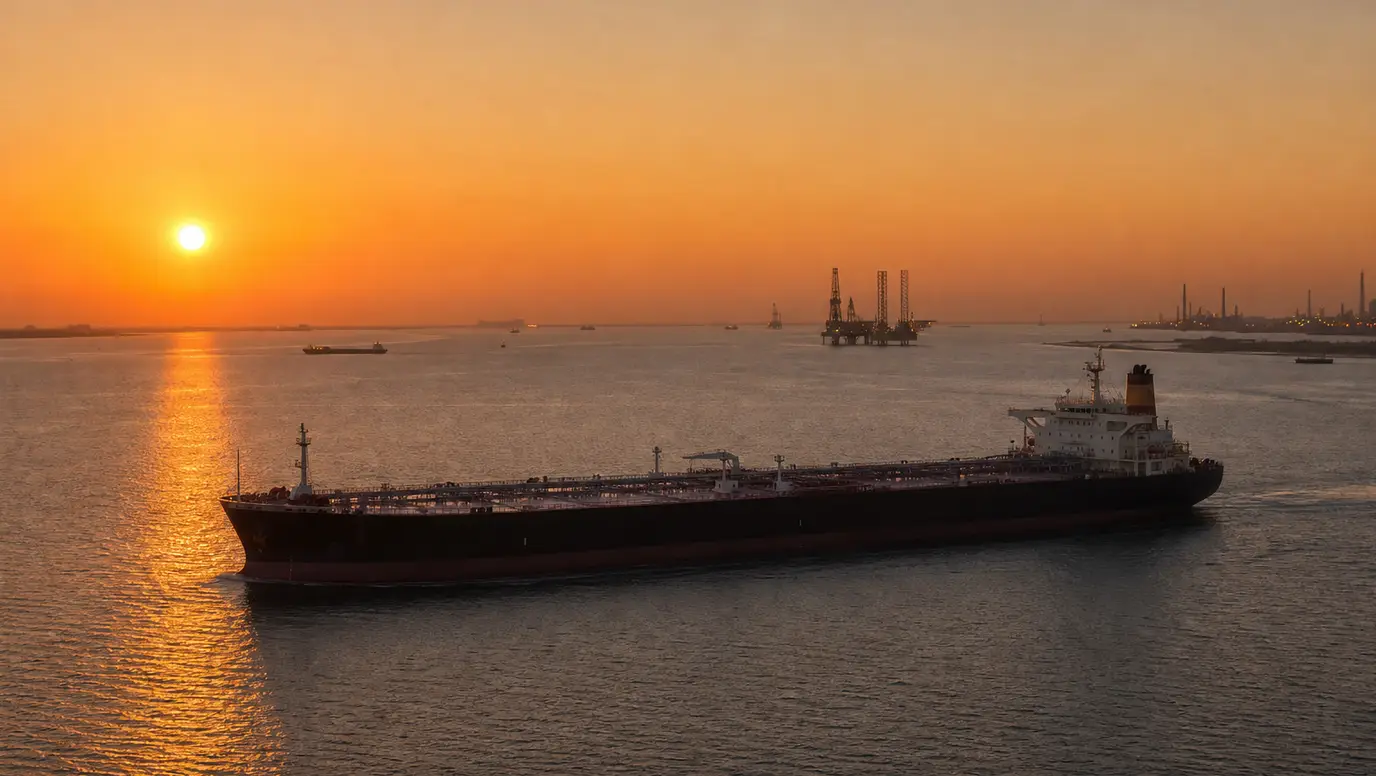
JUNE 16, 2026
Brent Tests $80 as Oil Market Shifts From Hormuz Shock to Restart Risk
JUNE 15, 2026
Brent and WTI Slide as Hormuz Reopening Bets Reset Oil Risk Premium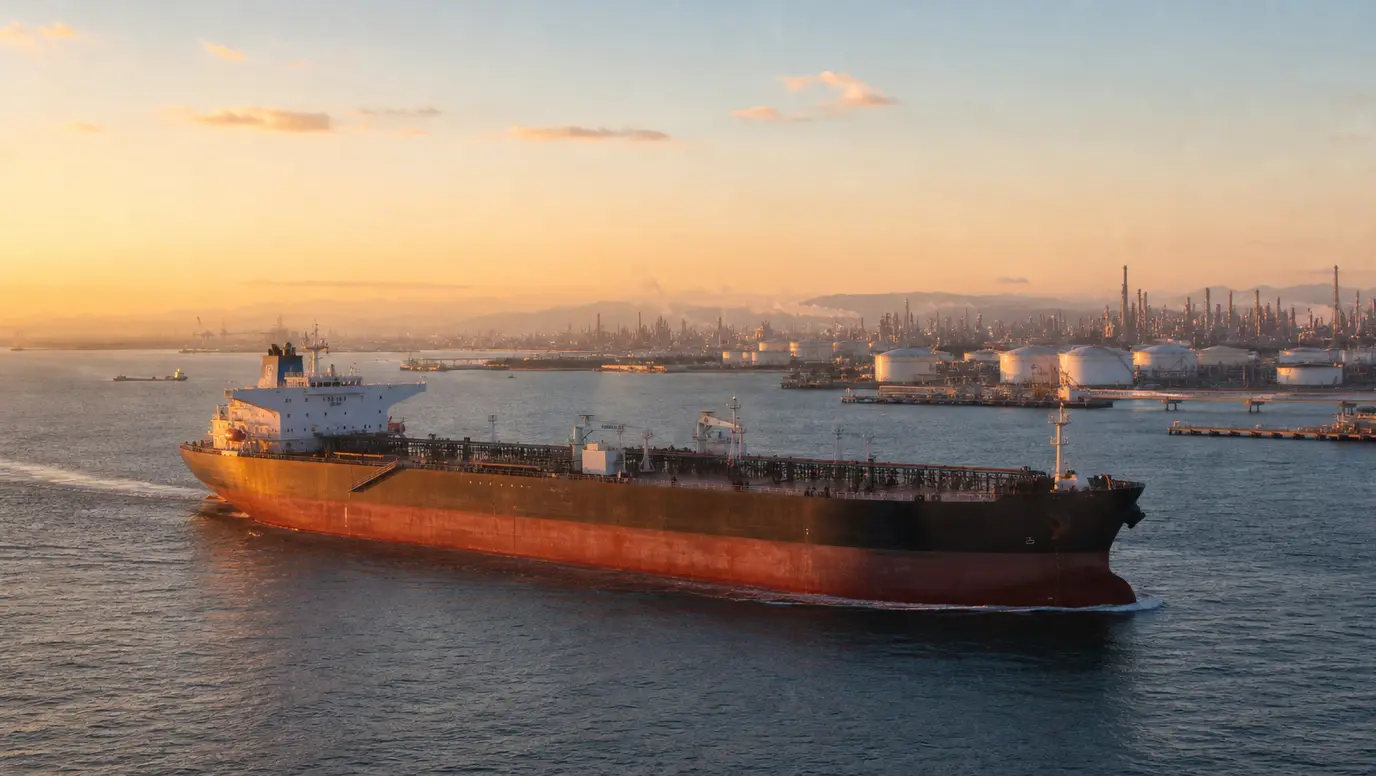
JUNE 14, 2026
Brent and WTI Enter New Week as Hormuz Risk Collides With Demand Shock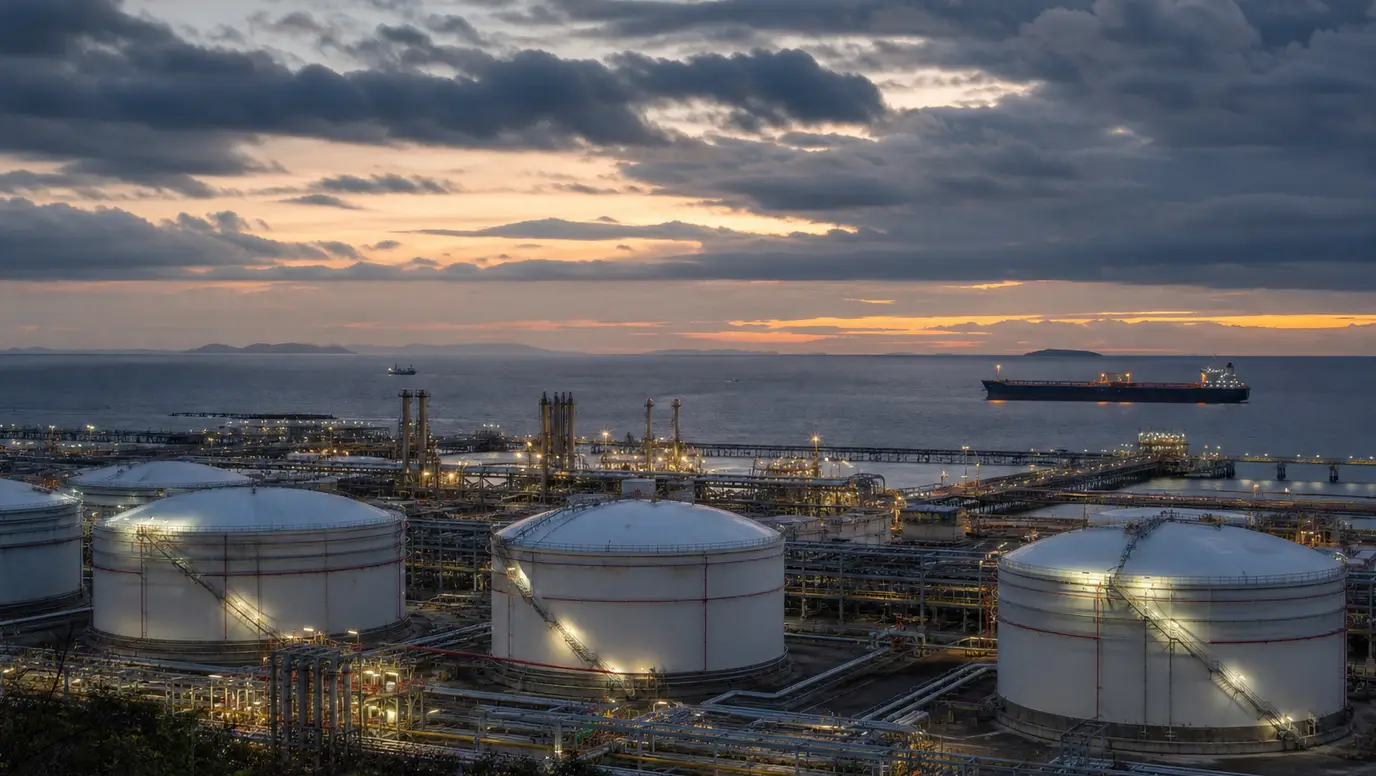
JUNE 12, 2026
Brent and WTI Hit Two-Month Lows as Iran Strike Risk Premium Unwinds
JUNE 11, 2026
Brent and WTI Rise as U.S. Crude Draw Tightens the Energy Market’s Prompt Supply Focus
JUNE 10, 2026
Energy Market Faces Demand Destruction Test as Hormuz Risk Reshapes Oil Trade
JUNE 9, 2026
Brent and WTI Pull Back as Ceasefire Hopes Test Oil Market Risk Premium
JUNE 7, 2026
OPEC+ Quota Hike Lands as Energy Market Doubts New Barrels Can Reach Buyers
JUNE 6, 2026
OPEC+ Weekend Test Puts Oil Market on Alert as Crude Draw Tightens the Buffer
JUNE 4, 2026
U.S. Crude Draw Puts Energy Market Back on Physical Supply Watch
JUNE 3, 2026
Brent Pushes Toward $100 as Gulf Escalation Reprices Energy Risk
JUNE 2, 2026
Fuel Price Hedge Returns as Brent Near $94 Puts Energy Market on Inflation Watch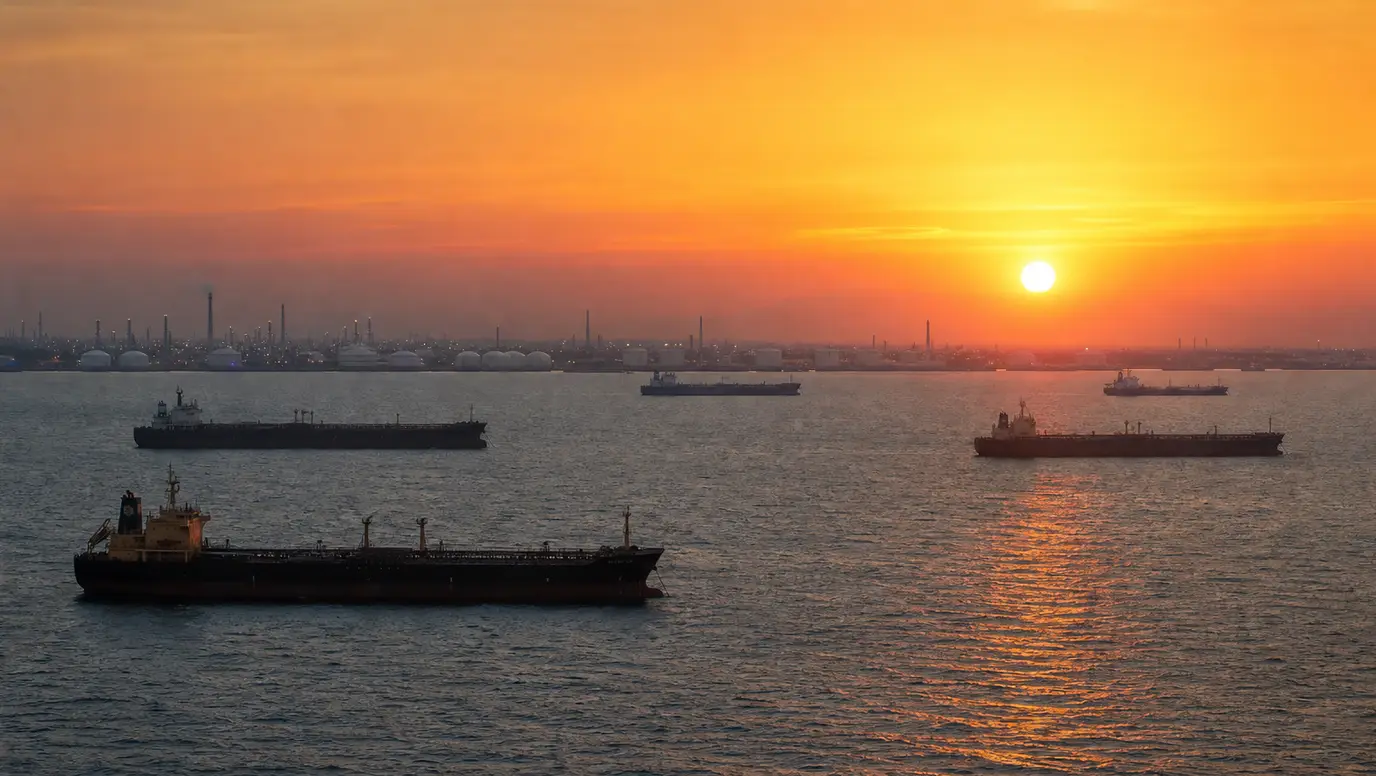
JUNE 1, 2026
Oil Rally Accelerates as Hormuz Reopening Hopes Fade and Supply Risk Returns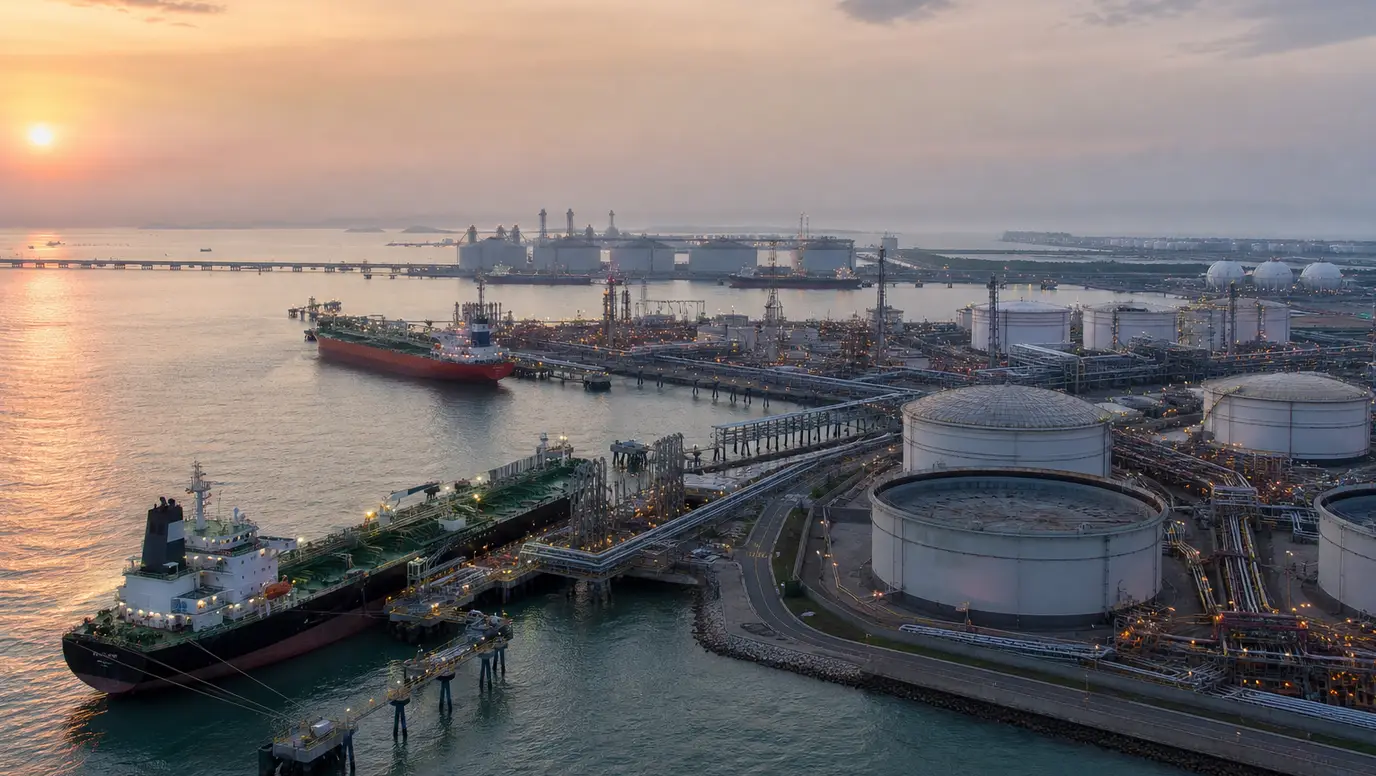
MAY 31, 2026
Oil Enters June With Ceasefire Discount Facing an OPEC+ Supply Test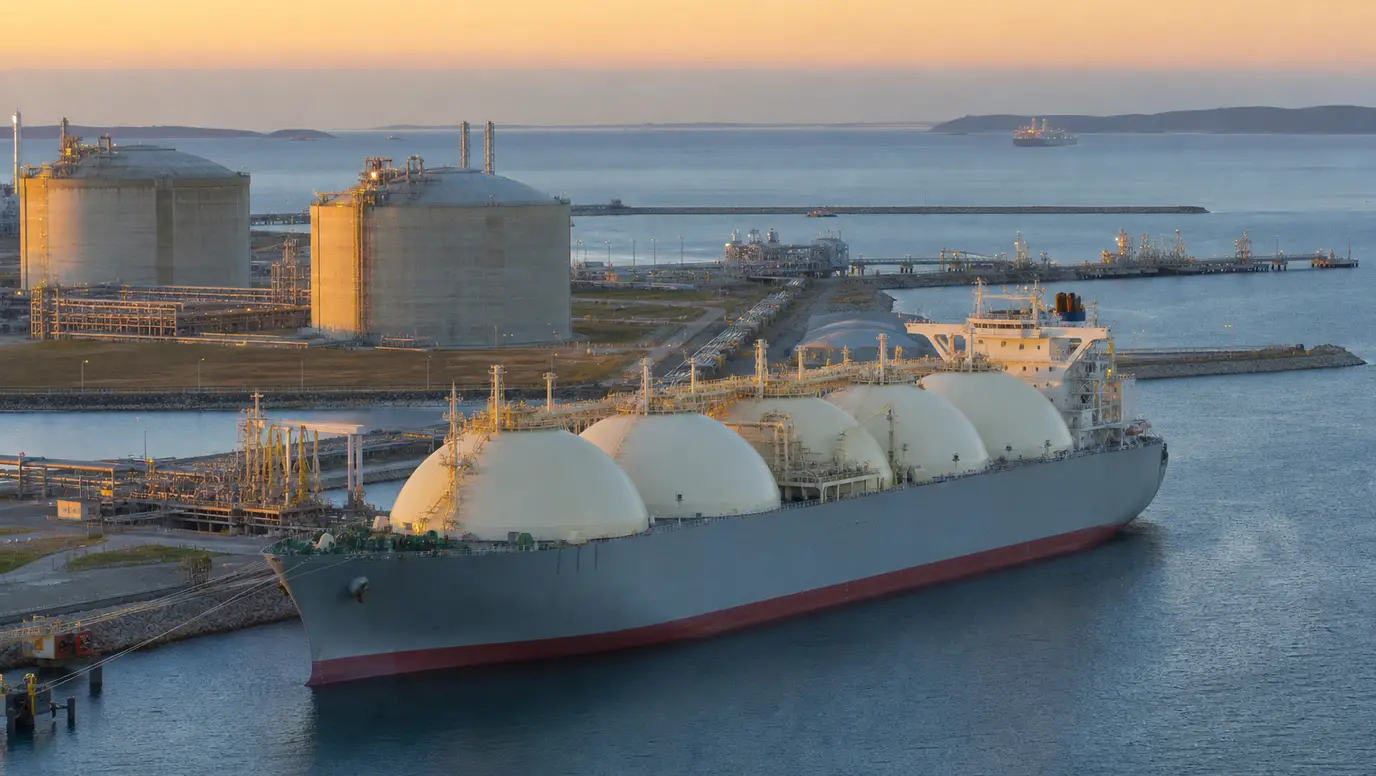
MAY 30, 2026
LNG Squeeze Keeps Energy Market on Edge as Summer Demand Nears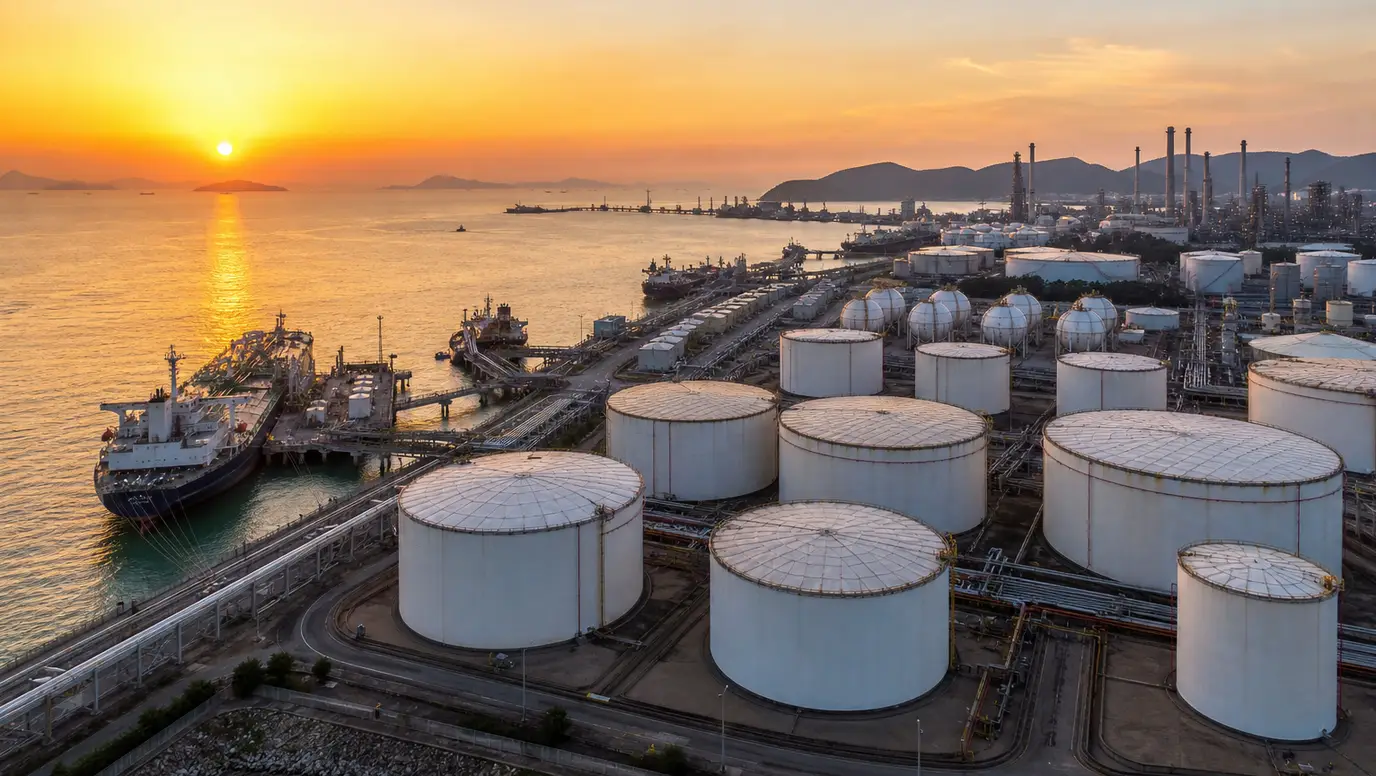
MAY 29, 2026
Oil Forecasts Rise Again as Supply Recovery Doubts Blunt Crude Price Dip
MAY 28, 2026
Oil Volatility Holds as Traders Test How Fast Hormuz Risk Can Unwind
MAY 27, 2026
Gas and Crude Retreat as Shipping-Risk Premium Eases Across Energy Markets