
JUNE 27, 2026
Refinery Strain Keeps Energy Market on Edge as Oil Selloff Meets Fuel Stock TightnessOil’s weekly drop has not erased supply risk as U.S. refinery runs, low crude stocks and firm distillate exports keep energy traders cautious.

© 1box.site 2026

JUNE 2, 2026
Oil markets remained the most active corner of the major market sections on Tuesday as crude prices held close to multi-month highs, keeping traders focused on fuel inflation, shipping risk and the next signals from U.S.-Iran negotiations. Brent crude traded around the mid-$90s per barrel after giving back part of the previous session’s jump, while WTI stayed near the low-$90s, leaving both benchmarks well above the levels seen before the latest escalation in Middle East supply risk.
The move was not a simple continuation rally. Instead, energy traders appeared to be pricing a wider range of outcomes: a possible diplomatic breakthrough that could ease the risk premium, a slower-than-expected recovery in tanker traffic, and another round of inventory draws as refiners prepare for stronger summer demand. That mix kept volatility elevated even as headline prices eased from intraday highs.
The latest trading pattern suggests the market is moving from a sudden shock phase into a more persistent risk-premium phase. Reports of continuing talks have prevented a clean breakout above recent highs, but the absence of a confirmed and durable reopening of key Gulf shipping routes has also limited downside momentum. For refiners, airlines and fuel distributors, that means hedging demand remains a live driver rather than a short-term reaction.
The Strait of Hormuz remains central to the energy market because it is one of the world’s most important corridors for crude and liquefied natural gas shipments. Even a partial disruption can affect freight costs, cargo scheduling and regional pricing spreads. Traders are therefore watching not only political statements but also physical vessel movement, insurance costs and the pace at which delayed cargoes can be cleared.
That distinction matters for price direction. A signed agreement could trigger a sharp initial selloff in crude, but a gradual logistics recovery would likely slow the return to pre-crisis pricing. If tanker traffic normalizes only in stages, Brent may remain supported by a lingering security premium, especially while inventories in consuming regions remain tight.
The stronger energy-market signal is now spreading beyond crude futures into the inflation debate. Elevated oil prices can feed into gasoline, diesel, jet fuel and shipping costs with a lag, complicating expectations for central bank policy and consumer spending. That makes energy a cross-market driver for currencies, bonds and equity sectors, but the core story remains inside the oil complex: traders are asking how much of the crude premium will reach end-user fuel prices.
Preliminary market surveys point to another draw in U.S. crude inventories for the latest reporting week, with gasoline and distillate stocks also expected to remain under scrutiny. A larger-than-expected decline would reinforce the view that supply cushions are thin heading into peak travel and cooling demand. A surprise build, by contrast, could soften the rally by suggesting that high prices are already limiting consumption.
Refined products are especially important because consumers feel them faster than they feel crude benchmarks. If gasoline and diesel cracks remain firm while crude holds near current levels, the market may start to price a longer inflation tail. That would support energy producers and some refiners, but it could pressure transport-sensitive industries and oil-importing economies.
Natural gas and LNG flows add another layer of support for the broader energy market. Any uncertainty around Gulf exports can tighten import expectations in Asia and Europe, where buyers are sensitive to both shipping delays and seasonal demand swings. Even when crude prices pause, LNG concerns can keep the energy complex active because power generation and industrial users have fewer quick substitutes.
Demand signals are mixed but not weak enough to remove the risk premium. High prices may curb marginal consumption, yet summer travel, refinery runs and power-sector demand are keeping traders reluctant to abandon bullish hedges too quickly. At the same time, non-OPEC supply growth and the possibility of restored Middle East flows argue against an unchecked surge unless negotiations fail or shipping conditions worsen.
For now, the energy market’s base case appears to be volatile consolidation rather than calm. Brent near $94 and WTI near $91 are high enough to keep inflation concerns alive, but not high enough to show that traders have fully priced a lasting supply breakdown. The next decisive move will likely depend on whether diplomatic headlines are matched by visible improvements in physical flows and inventory data.
JUNE 27, 2026
Refinery Strain Keeps Energy Market on Edge as Oil Selloff Meets Fuel Stock Tightness
JUNE 25, 2026
Iraq Quota Threat Puts OPEC Discipline in Focus as Oil War Premium Evaporates
JUNE 24, 2026
Brent Slide Below $77 Turns Oil Market Focus to Inventories and Summer Fuel Demand
JUNE 23, 2026
Brent and WTI Fall Again as Traders Shift From War Premium to Hormuz Flow Checks
JUNE 22, 2026
Oil Risk Premium Fades as Brent and WTI Slide on Fresh U.S.-Iran Talks
JUNE 21, 2026
Brent and WTI Face Inventory Test as Oil Market Shrugs Off Demand-Bearish Forecasts
JUNE 20, 2026
Oil Traders Watch Tanker Flows as Brent Holds Near $80 After Risk-Premium Reset
JUNE 19, 2026
Brent and WTI Steady as Traders Test the Reality of Hormuz Reopening
JUNE 17, 2026
WTI Rebounds as U.S. Stock Draw Puts a Floor Under Oil Selloff
JUNE 16, 2026
Brent Tests $80 as Oil Market Shifts From Hormuz Shock to Restart Risk
JUNE 15, 2026
Brent and WTI Slide as Hormuz Reopening Bets Reset Oil Risk Premium
JUNE 14, 2026
Brent and WTI Enter New Week as Hormuz Risk Collides With Demand Shock
JUNE 12, 2026
Brent and WTI Hit Two-Month Lows as Iran Strike Risk Premium Unwinds
JUNE 11, 2026
Brent and WTI Rise as U.S. Crude Draw Tightens the Energy Market’s Prompt Supply Focus
JUNE 10, 2026
Energy Market Faces Demand Destruction Test as Hormuz Risk Reshapes Oil Trade
JUNE 9, 2026
Brent and WTI Pull Back as Ceasefire Hopes Test Oil Market Risk Premium
JUNE 8, 2026
Oil Volatility Jumps as Brent Nears $100 and Traders Reprice Middle East Supply Risk
JUNE 7, 2026
OPEC+ Quota Hike Lands as Energy Market Doubts New Barrels Can Reach Buyers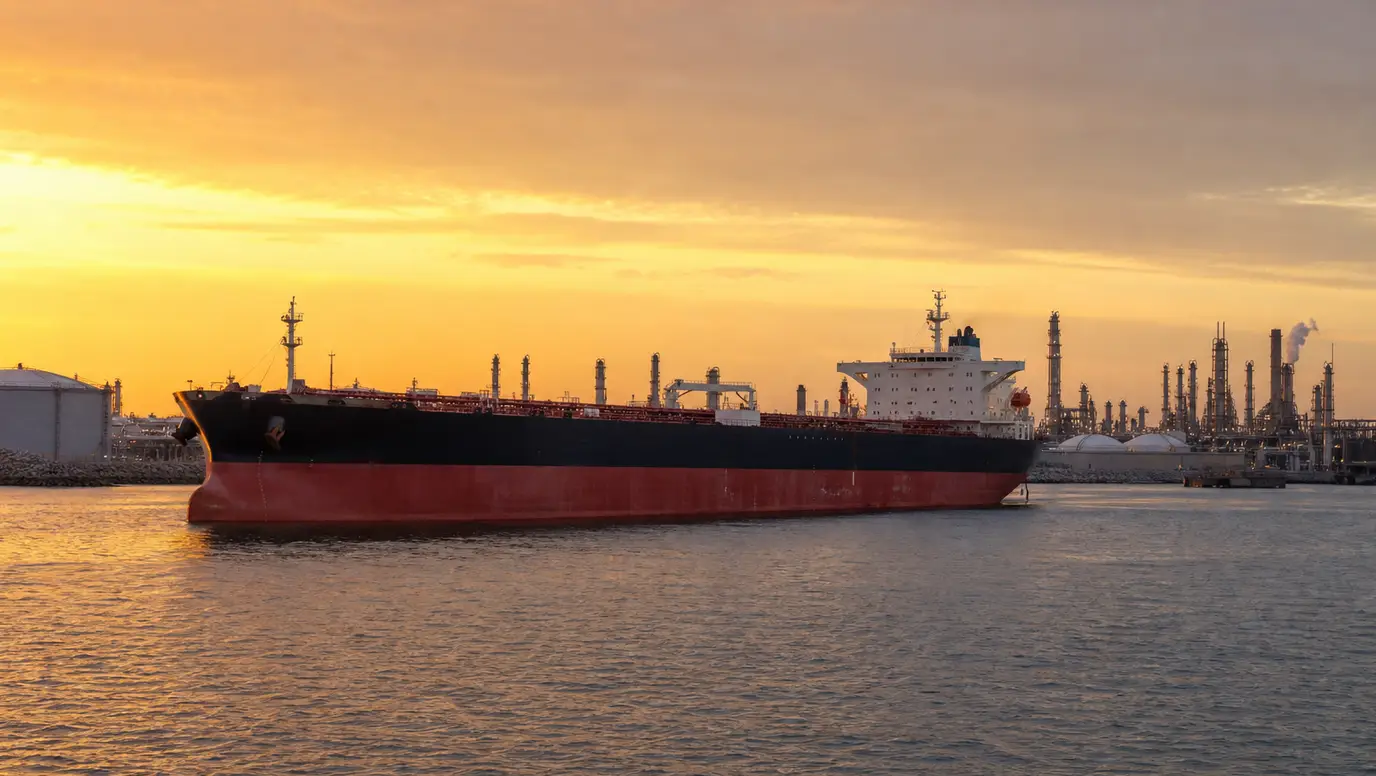
JUNE 6, 2026
OPEC+ Weekend Test Puts Oil Market on Alert as Crude Draw Tightens the Buffer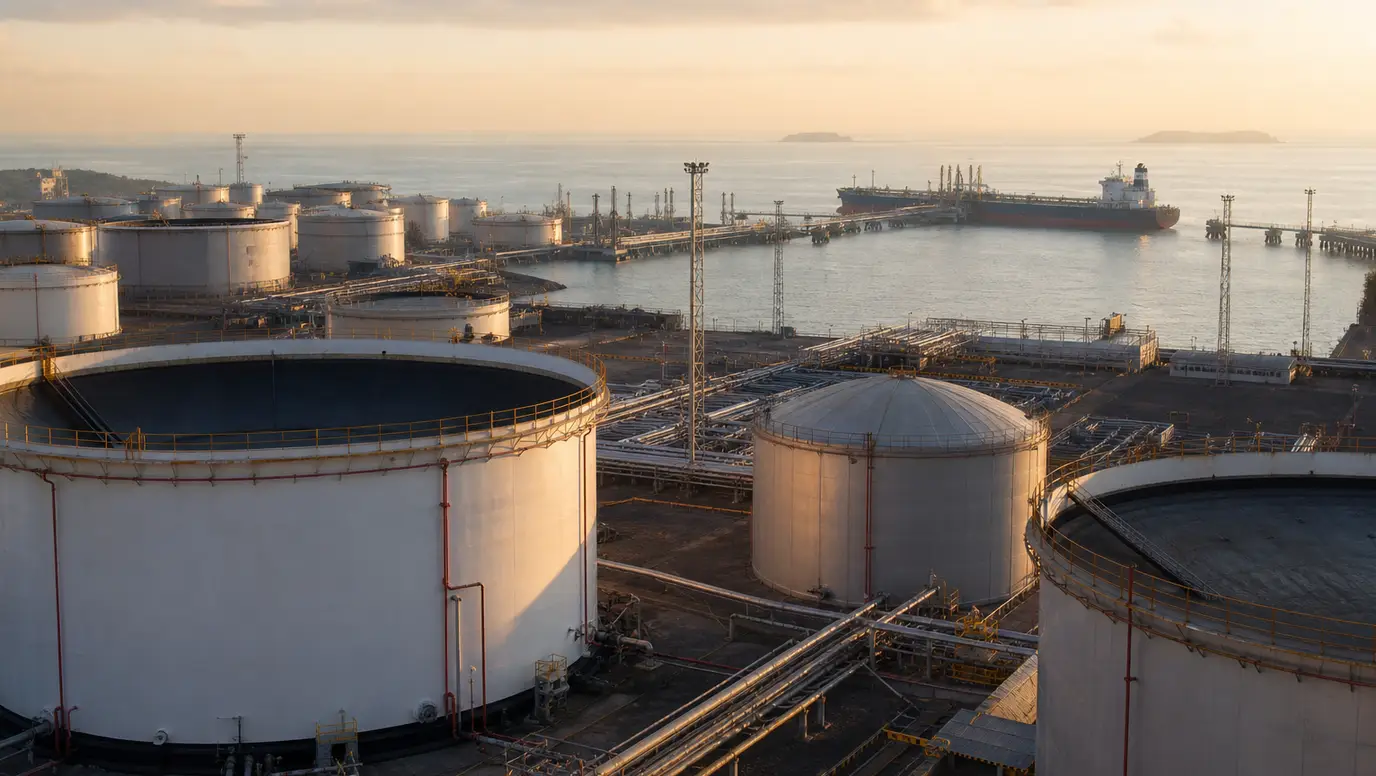
JUNE 4, 2026
U.S. Crude Draw Puts Energy Market Back on Physical Supply Watch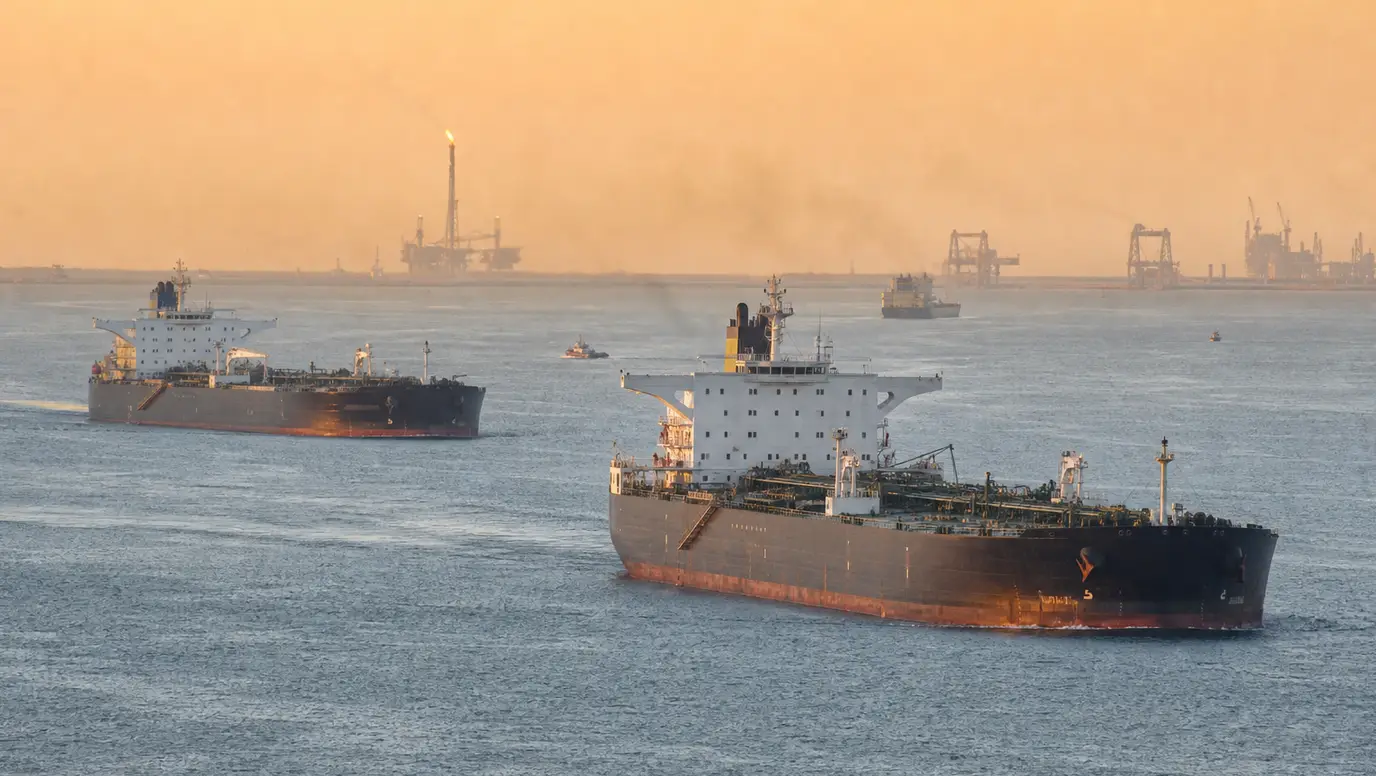
JUNE 3, 2026
Brent Pushes Toward $100 as Gulf Escalation Reprices Energy Risk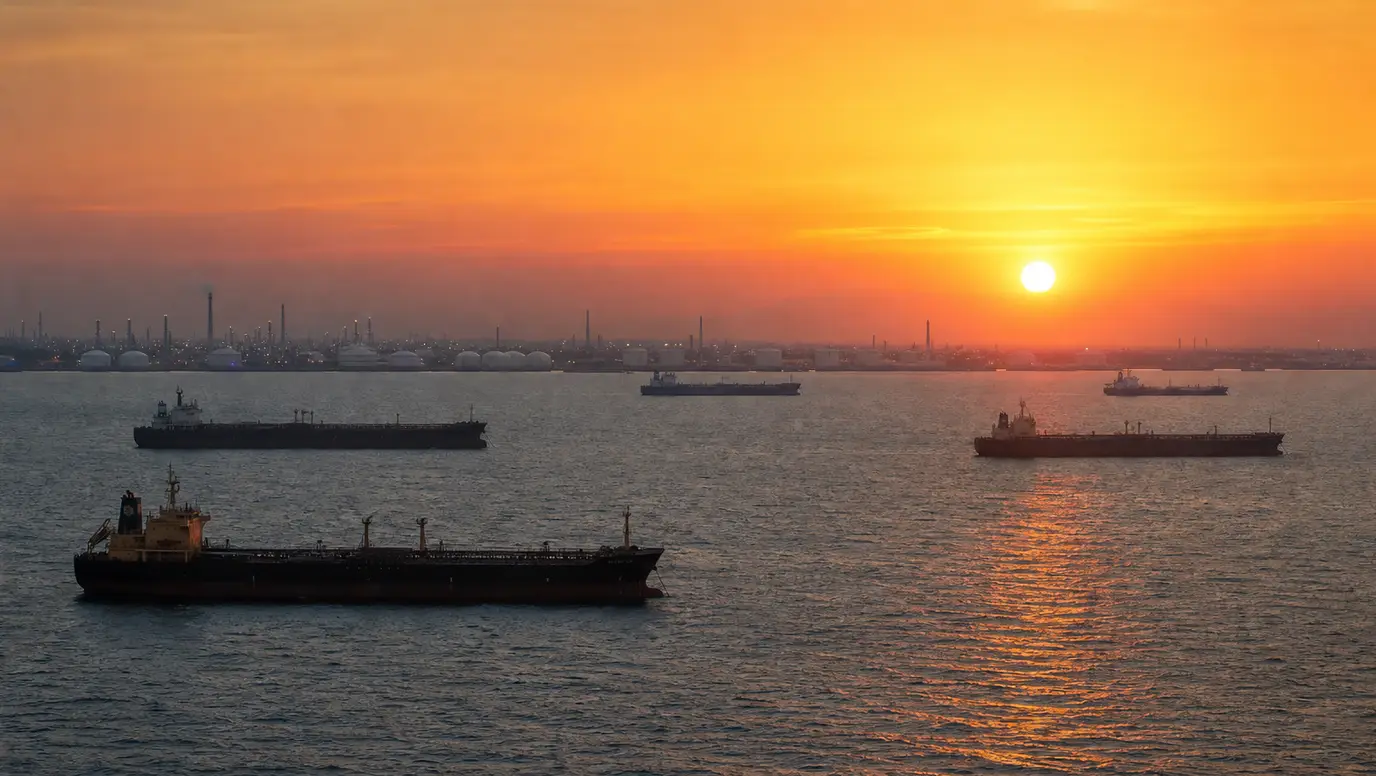
JUNE 1, 2026
Oil Rally Accelerates as Hormuz Reopening Hopes Fade and Supply Risk Returns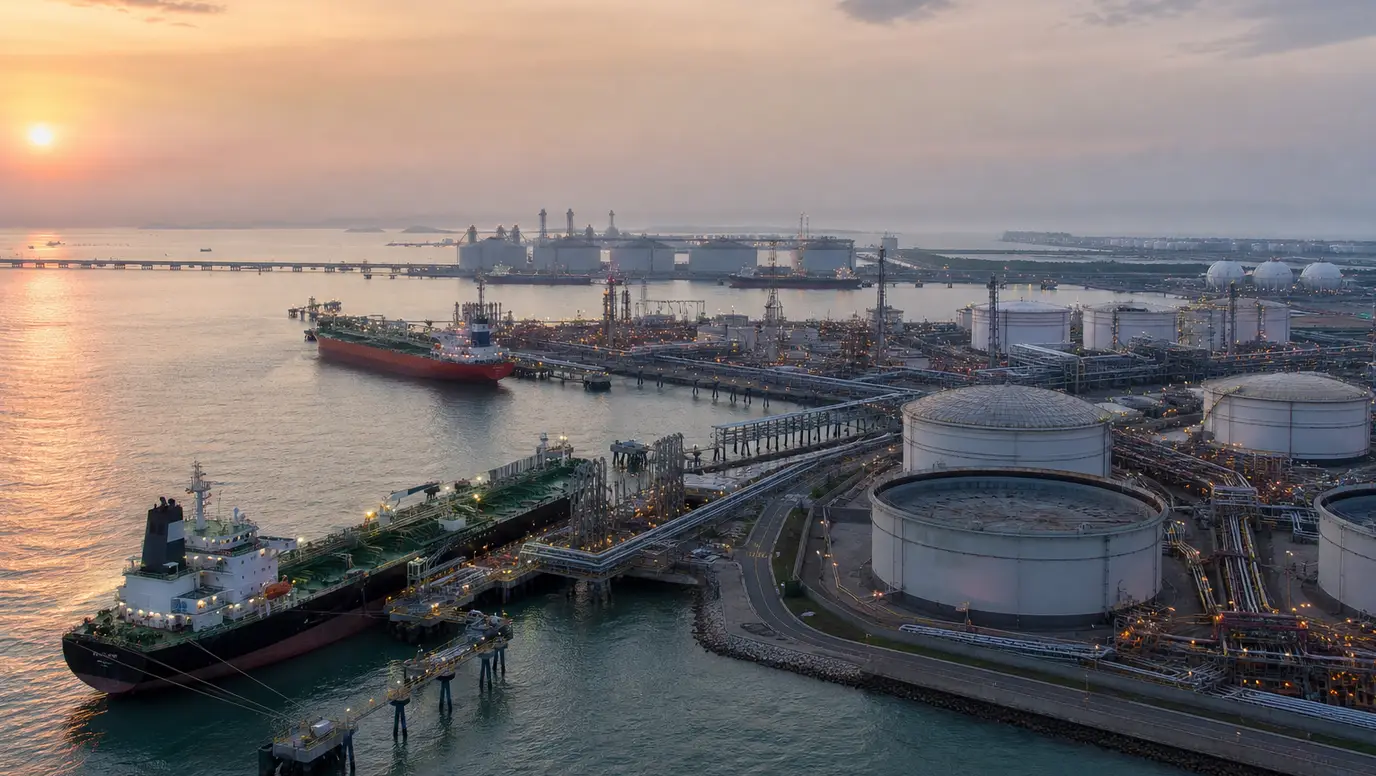
MAY 31, 2026
Oil Enters June With Ceasefire Discount Facing an OPEC+ Supply Test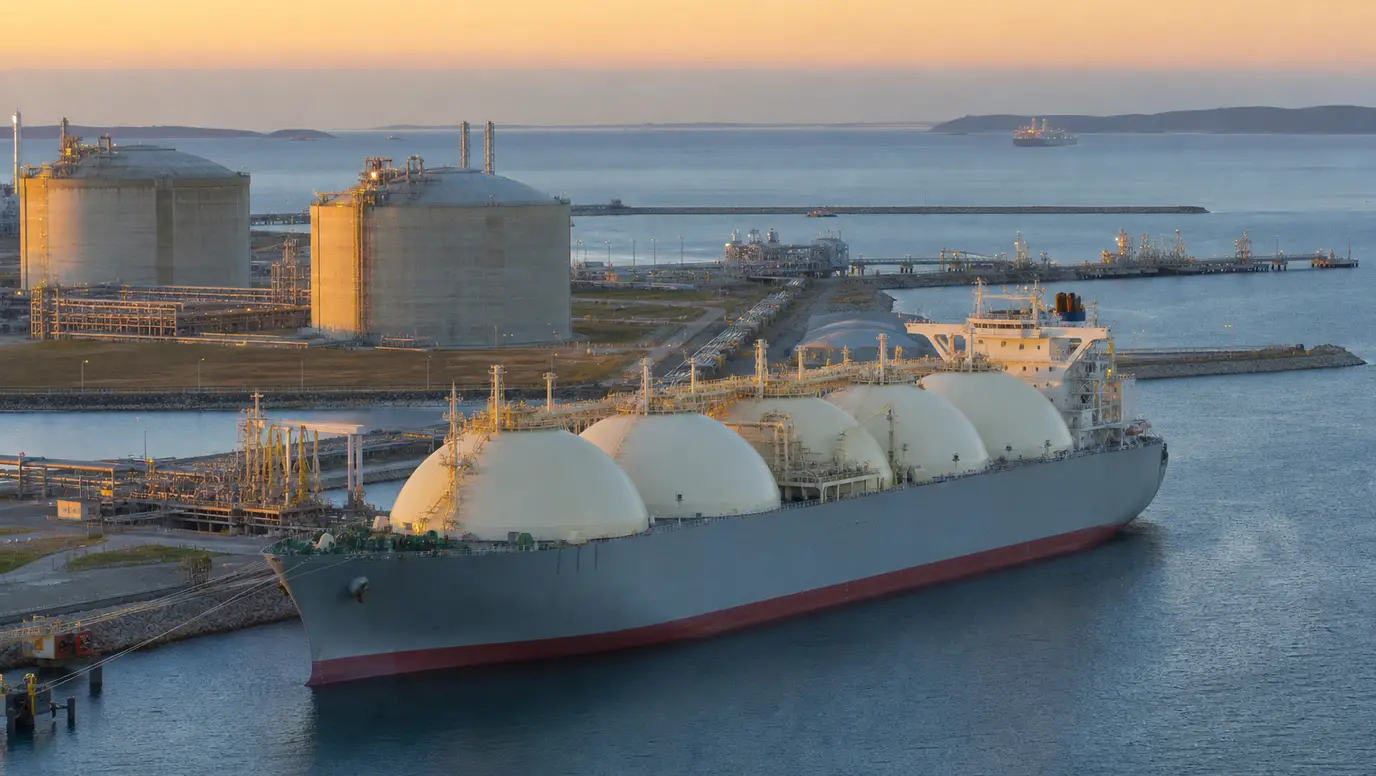
MAY 30, 2026
LNG Squeeze Keeps Energy Market on Edge as Summer Demand Nears
MAY 29, 2026
Oil Forecasts Rise Again as Supply Recovery Doubts Blunt Crude Price Dip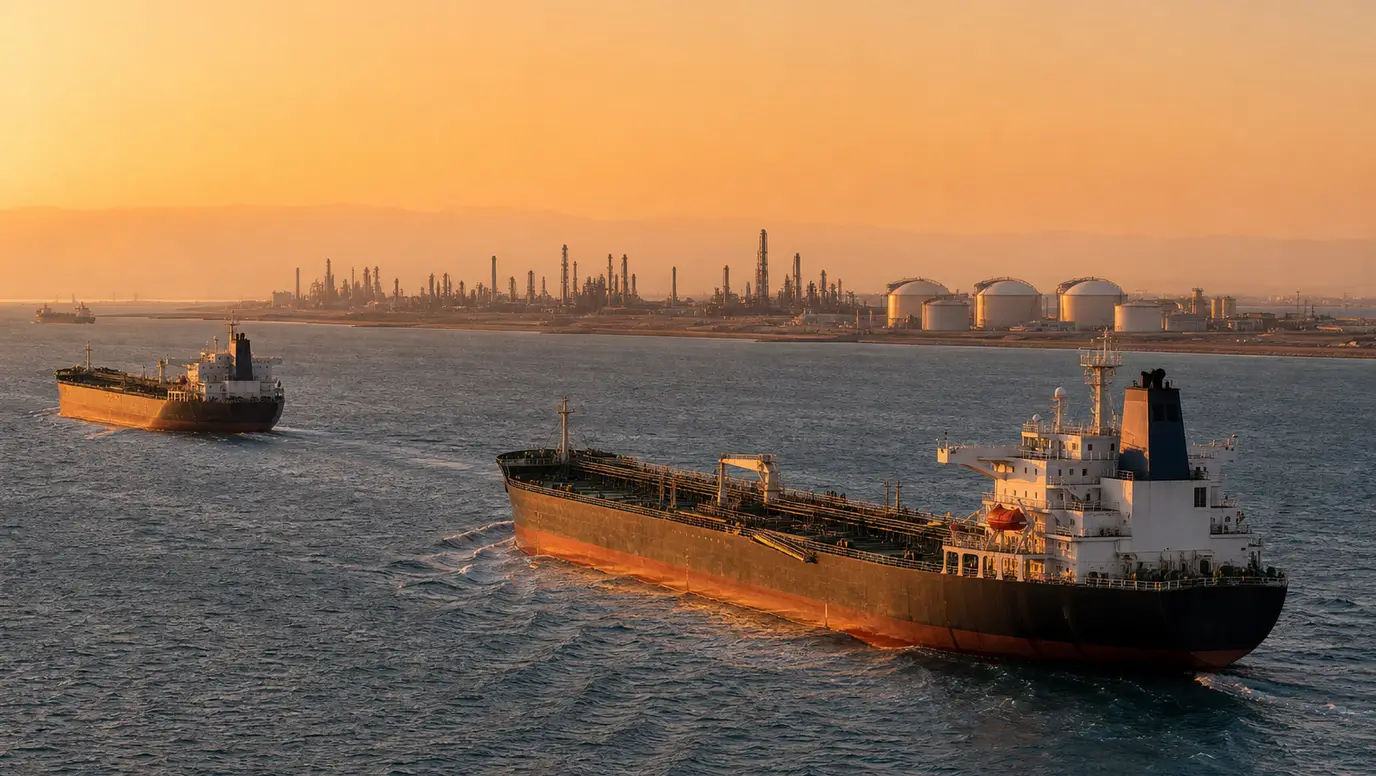
MAY 28, 2026
Oil Volatility Holds as Traders Test How Fast Hormuz Risk Can Unwind
MAY 27, 2026
Gas and Crude Retreat as Shipping-Risk Premium Eases Across Energy Markets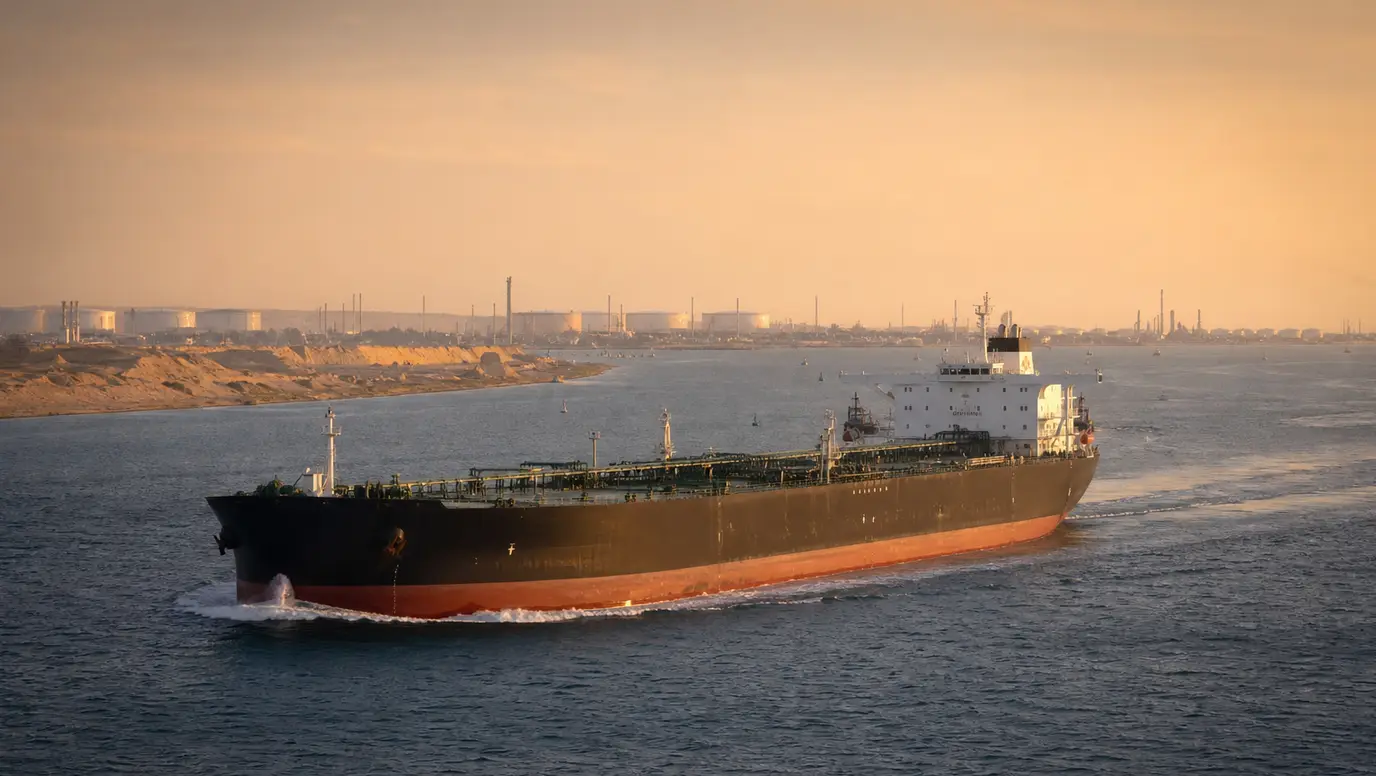
MAY 26, 2026
Brent Whipsaws Near $100 as Hormuz Reopening Timetable Keeps Oil Risk Premium Alive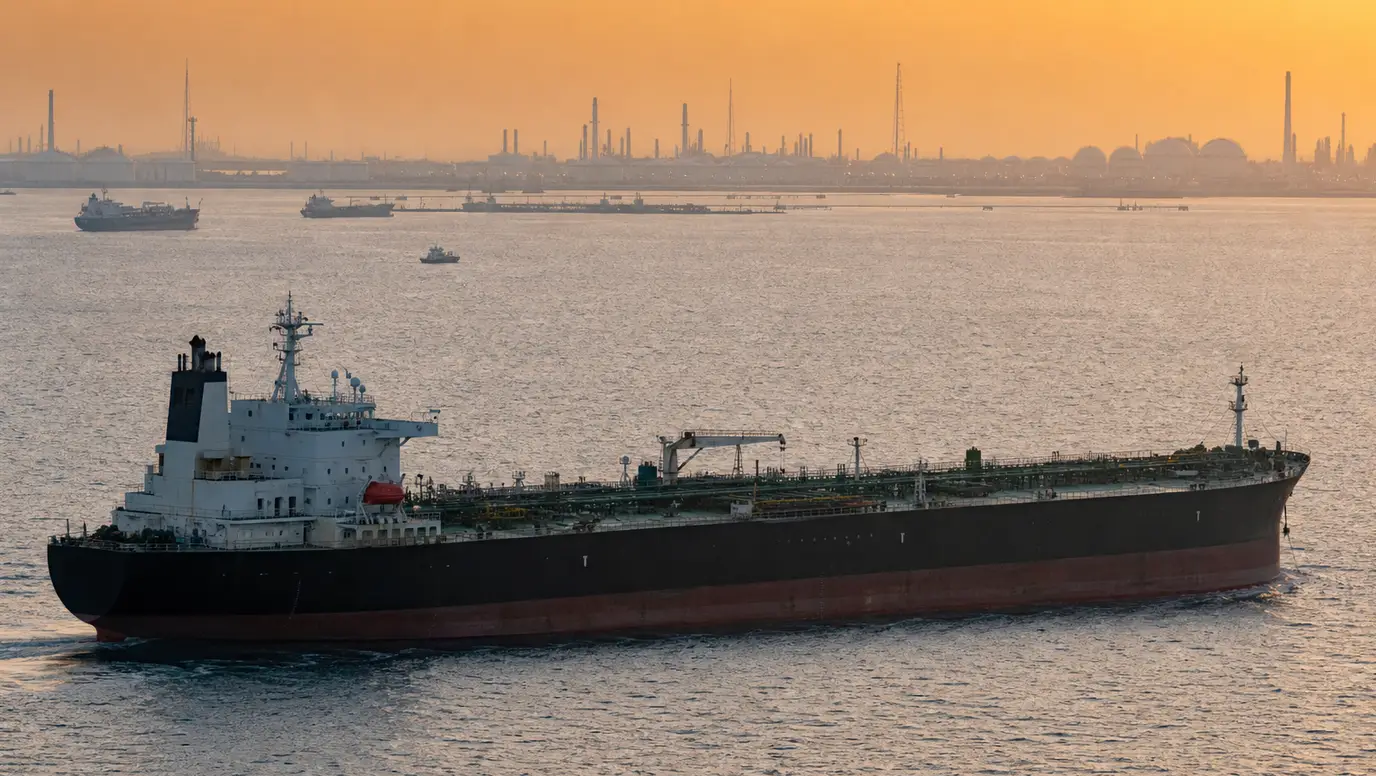
MAY 25, 2026
Oil Slides as U.S.-Iran Deal Hopes Cut Into War Premium
MAY 20, 2026
Oil Retreats as Traders Weigh U.S. Inventory Draw Against Hormuz Supply Risk