
JUNE 27, 2026
Refinery Strain Keeps Energy Market on Edge as Oil Selloff Meets Fuel Stock TightnessOil’s weekly drop has not erased supply risk as U.S. refinery runs, low crude stocks and firm distillate exports keep energy traders cautious.

© 1box.site 2026
JUNE 1, 2026
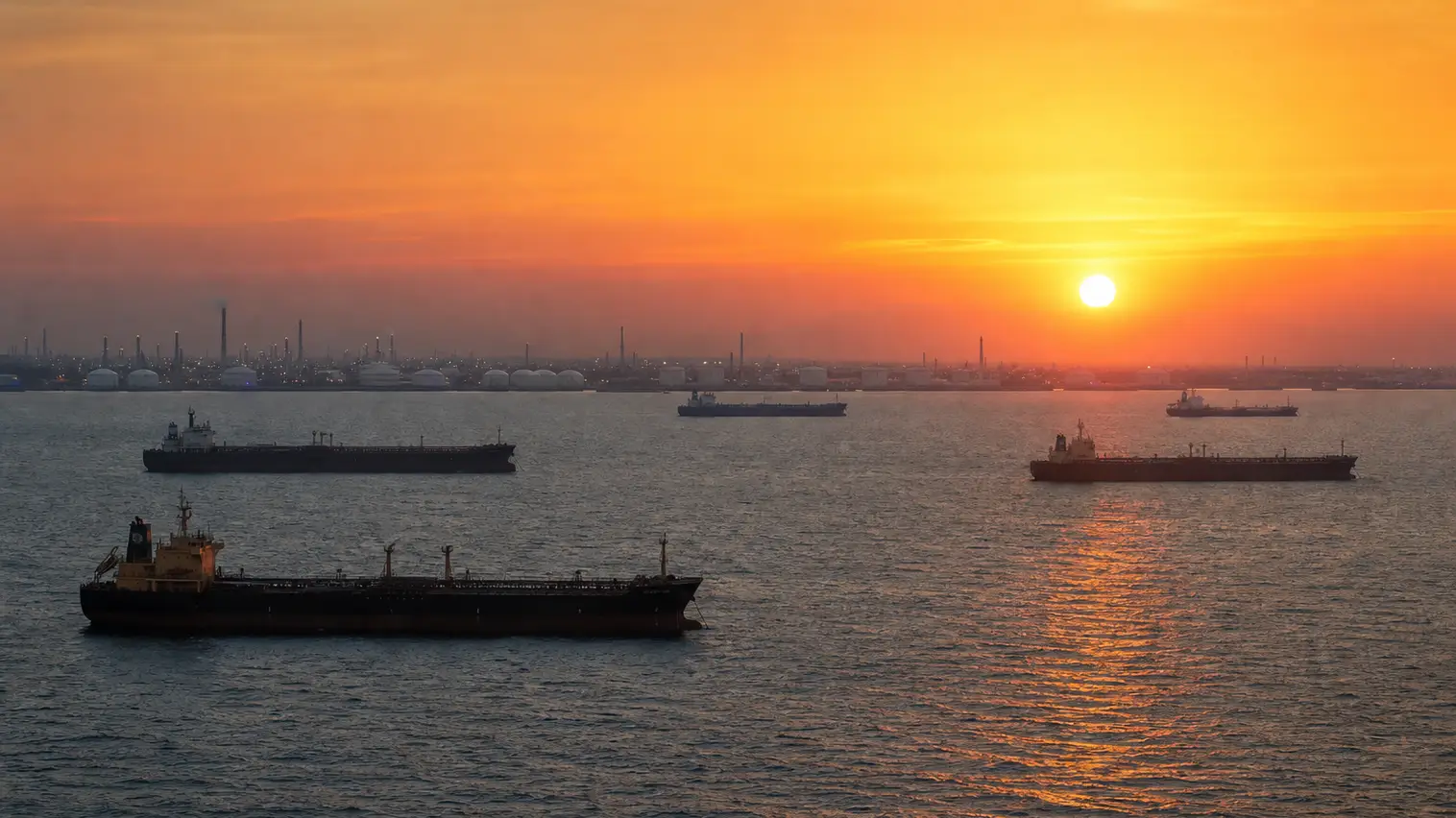
Oil markets opened June with a fresh burst of volatility as traders reassessed the chances of a quick reopening of the Strait of Hormuz and priced in renewed risk across seaborne crude and LNG flows. The move shifted attention back to physical supply security after a brief period in which ceasefire hopes had reduced part of the geopolitical premium embedded in crude benchmarks.
West Texas Intermediate futures traded near the mid-$90s in early Monday dealing, while Brent also moved sharply higher as the market reacted to new Middle East escalation and uncertainty over whether a proposed extension of the U.S.-Iran ceasefire can be finalized. The Strait of Hormuz remains central to the energy market because it is a critical corridor for crude oil and LNG shipments, making even partial disruption a direct concern for refiners, power producers and inflation-sensitive investors.
The latest price action suggests the market is no longer treating the Hormuz disruption as a short-lived headline risk. Instead, traders are weighing how quickly Gulf exports could normalize even if diplomacy produces a framework agreement. Tanker scheduling, insurance costs, port operations and refinery procurement cycles all mean that a political breakthrough would not automatically translate into immediate supply relief.
That distinction matters for the energy market because recent volatility has been driven less by demand optimism and more by the availability of deliverable barrels. If shipping lanes remain constrained, refiners may have to compete more aggressively for alternative grades, while buyers of diesel, jet fuel and LNG could face tighter spot availability during the summer demand period.
OPEC+ has signaled a willingness to lift output targets, but the practical impact remains limited while export routes are disrupted. A quota increase can reassure paper markets that spare capacity exists, yet it does little for near-term supply if producers cannot move barrels efficiently to customers. This gap between announced capacity and physical delivery is likely to keep crude spreads sensitive to shipping updates and diplomatic headlines.
The oil rally is also feeding into broader macro concerns. Higher crude prices can lift transport and petrochemical costs, while pressure on LNG flows may add stress to power markets as the Northern Hemisphere moves deeper into summer cooling demand. That combination gives the energy market a direct link to central bank expectations, especially if fuel costs begin to push inflation forecasts higher again.
For now, the strongest bullish impulse comes from uncertainty rather than confirmed long-term supply loss. Still, the market’s reaction shows that traders are reluctant to remove the geopolitical premium until there is evidence of sustained tanker movement through the waterway. A durable reopening of Hormuz would likely cool part of the rally, but any further escalation could extend the squeeze across Brent, WTI and regional fuel markets.
The immediate focus is therefore on three signals: whether ceasefire talks produce an enforceable shipping arrangement, whether Gulf exports show measurable recovery, and whether OPEC+ guidance changes from symbolic quota support to physically deliverable supply. Until those signals improve, energy traders are likely to keep paying a premium for security of supply.
JUNE 27, 2026
Refinery Strain Keeps Energy Market on Edge as Oil Selloff Meets Fuel Stock Tightness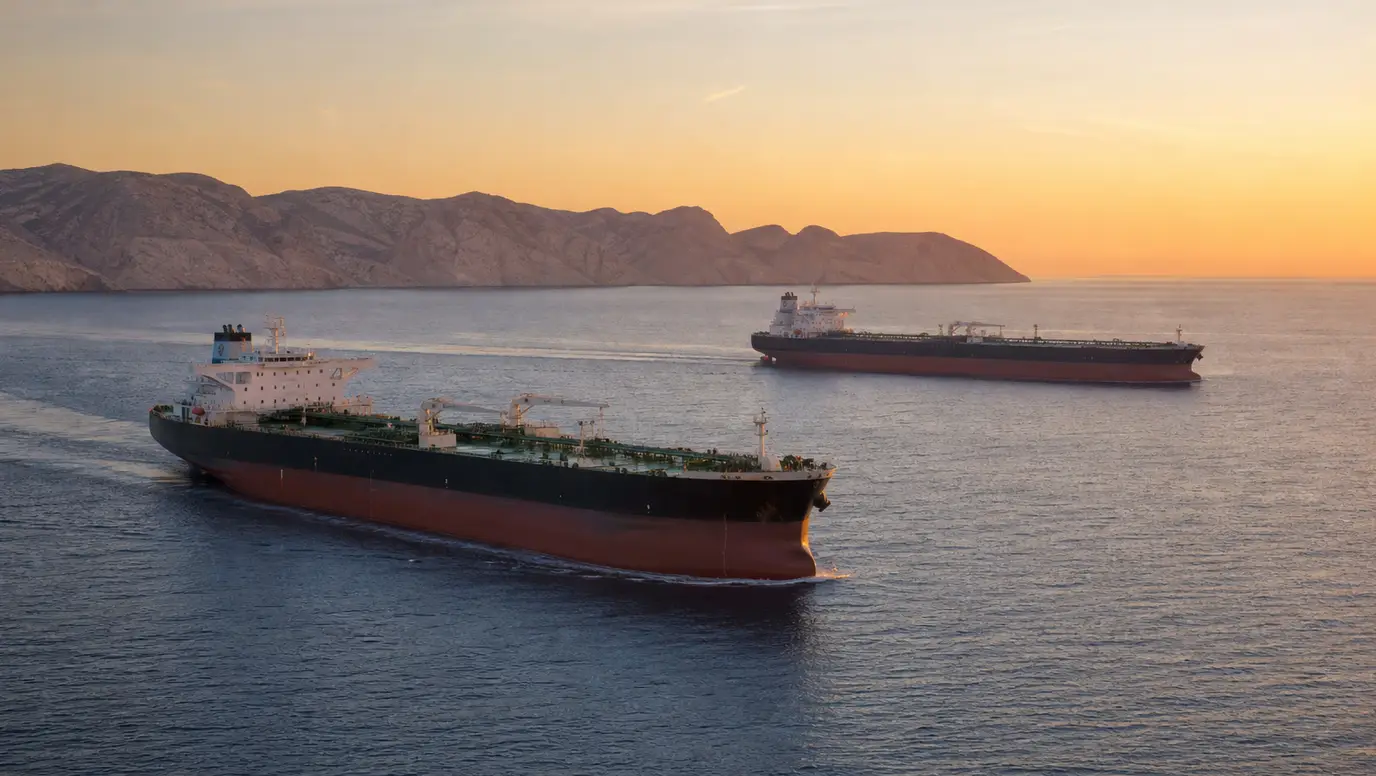
JUNE 25, 2026
Iraq Quota Threat Puts OPEC Discipline in Focus as Oil War Premium Evaporates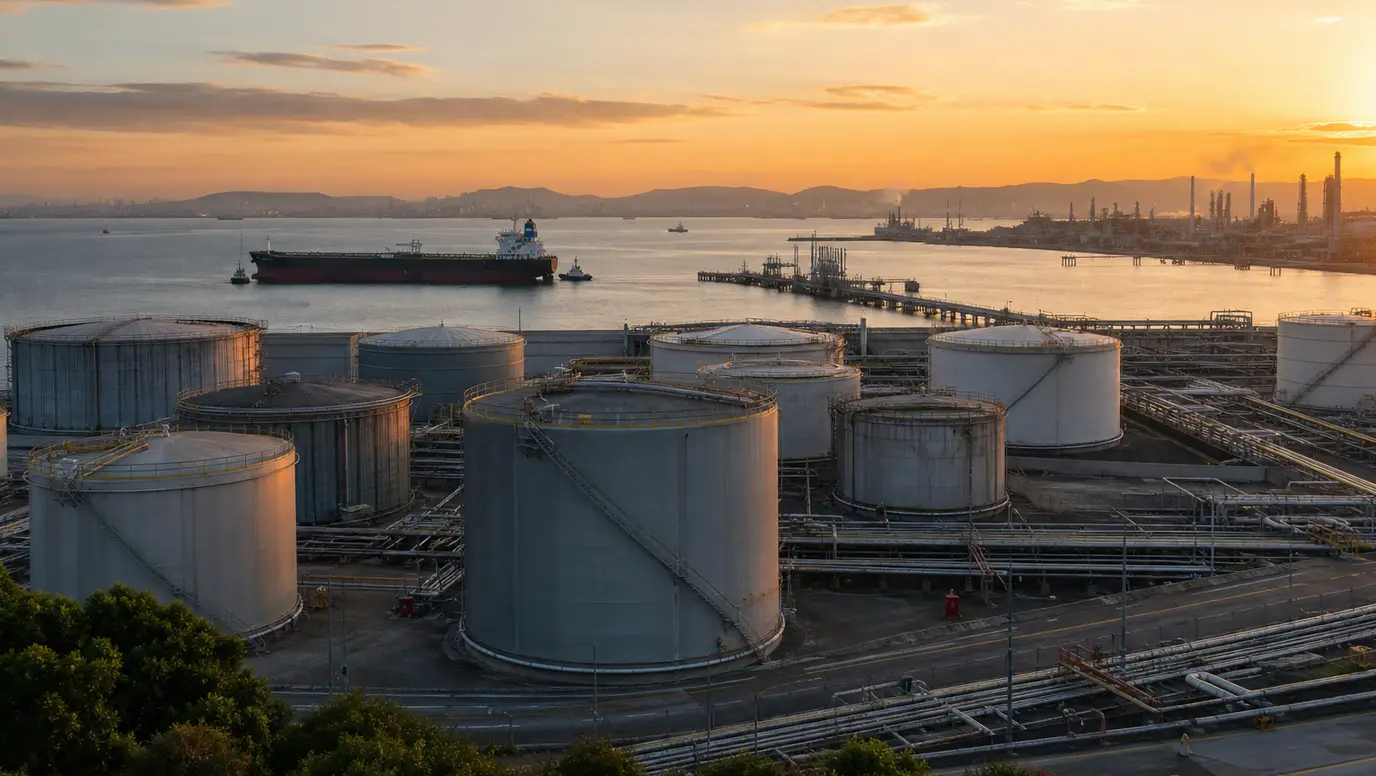
JUNE 24, 2026
Brent Slide Below $77 Turns Oil Market Focus to Inventories and Summer Fuel Demand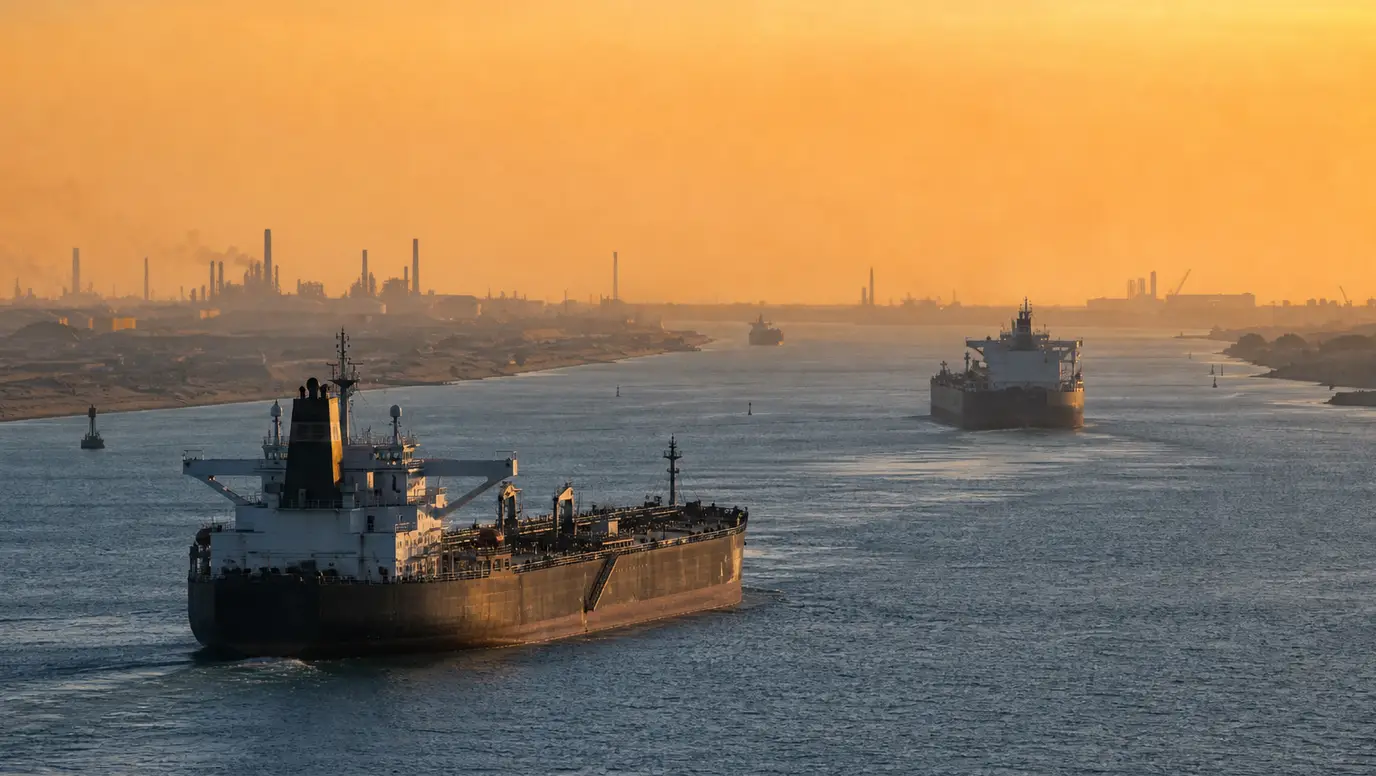
JUNE 23, 2026
Brent and WTI Fall Again as Traders Shift From War Premium to Hormuz Flow Checks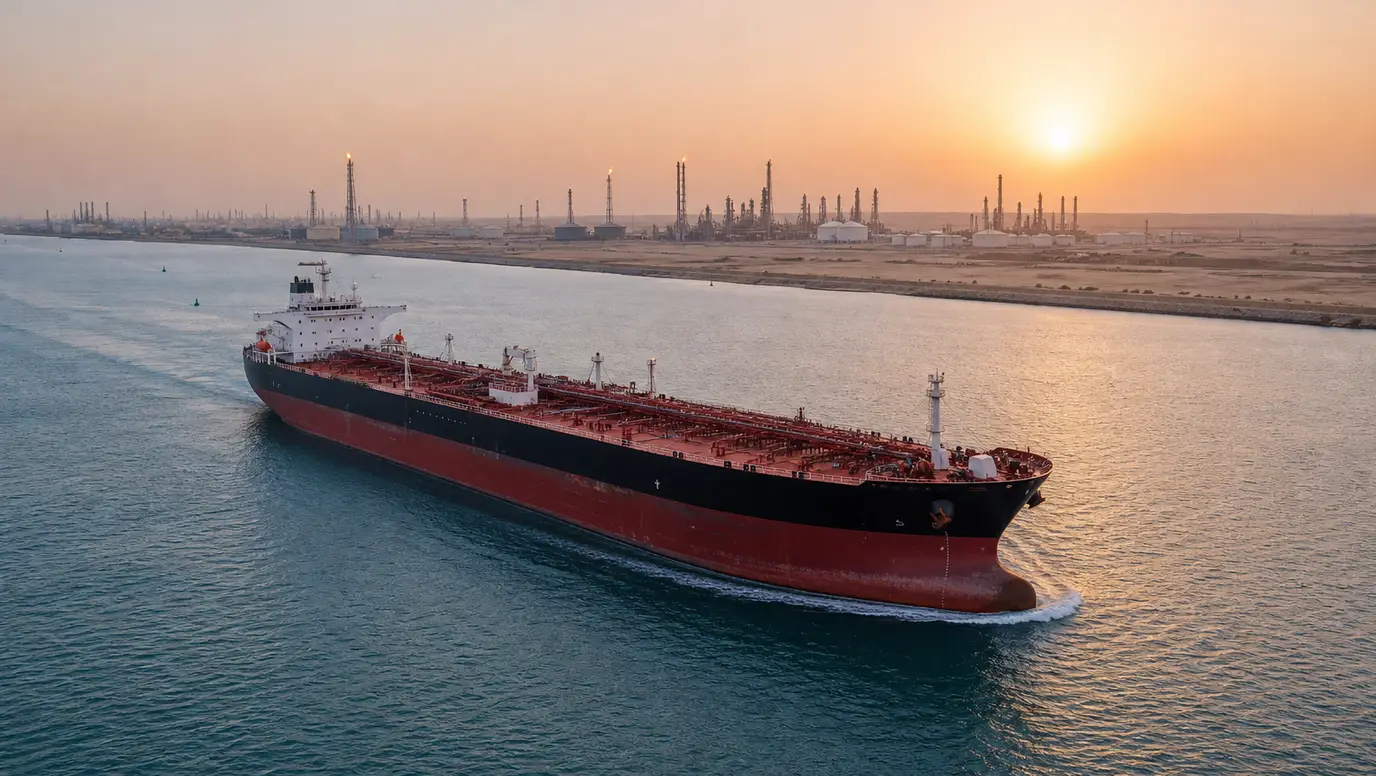
JUNE 22, 2026
Oil Risk Premium Fades as Brent and WTI Slide on Fresh U.S.-Iran Talks
JUNE 21, 2026
Brent and WTI Face Inventory Test as Oil Market Shrugs Off Demand-Bearish Forecasts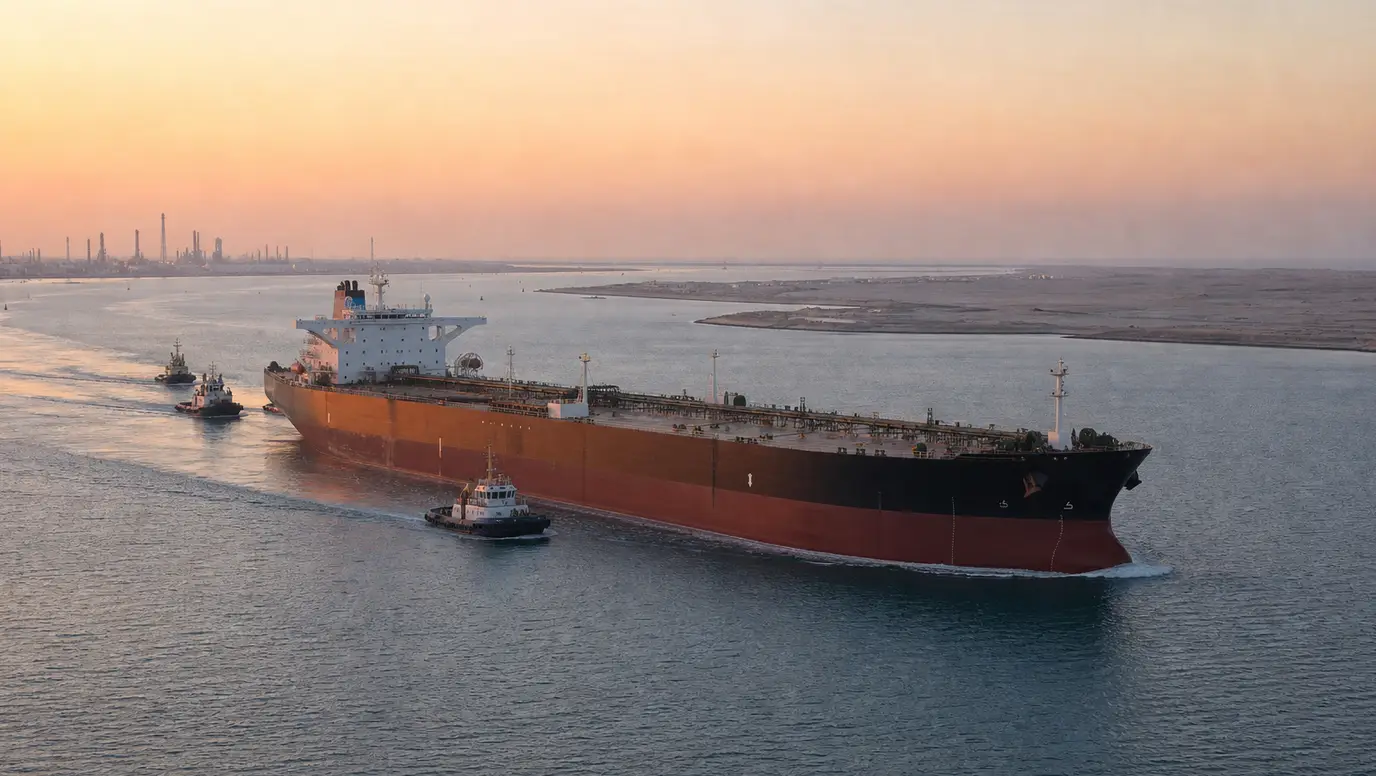
JUNE 20, 2026
Oil Traders Watch Tanker Flows as Brent Holds Near $80 After Risk-Premium Reset
JUNE 19, 2026
Brent and WTI Steady as Traders Test the Reality of Hormuz Reopening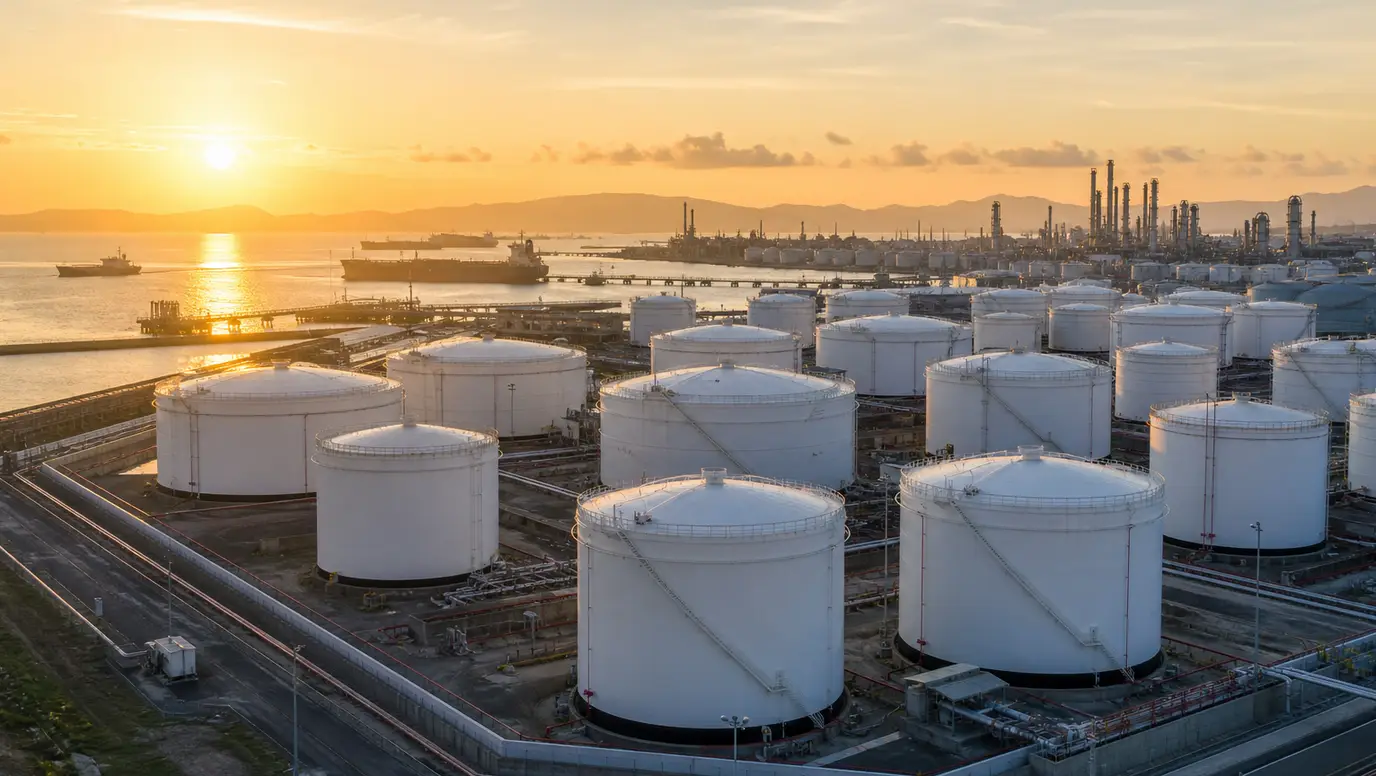
JUNE 17, 2026
WTI Rebounds as U.S. Stock Draw Puts a Floor Under Oil Selloff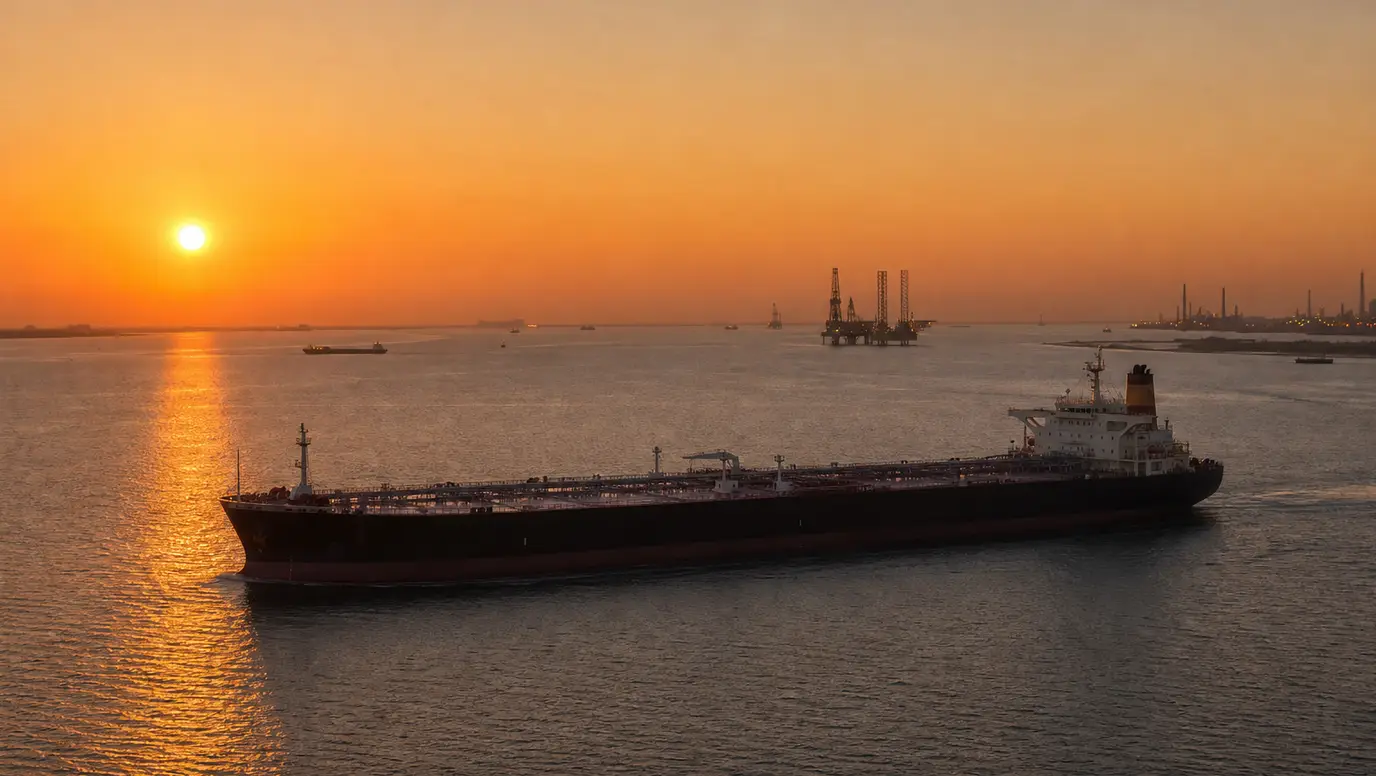
JUNE 16, 2026
Brent Tests $80 as Oil Market Shifts From Hormuz Shock to Restart Risk
JUNE 15, 2026
Brent and WTI Slide as Hormuz Reopening Bets Reset Oil Risk Premium
JUNE 14, 2026
Brent and WTI Enter New Week as Hormuz Risk Collides With Demand Shock
JUNE 12, 2026
Brent and WTI Hit Two-Month Lows as Iran Strike Risk Premium Unwinds
JUNE 11, 2026
Brent and WTI Rise as U.S. Crude Draw Tightens the Energy Market’s Prompt Supply Focus
JUNE 10, 2026
Energy Market Faces Demand Destruction Test as Hormuz Risk Reshapes Oil Trade
JUNE 9, 2026
Brent and WTI Pull Back as Ceasefire Hopes Test Oil Market Risk Premium
JUNE 8, 2026
Oil Volatility Jumps as Brent Nears $100 and Traders Reprice Middle East Supply Risk
JUNE 7, 2026
OPEC+ Quota Hike Lands as Energy Market Doubts New Barrels Can Reach Buyers
JUNE 6, 2026
OPEC+ Weekend Test Puts Oil Market on Alert as Crude Draw Tightens the Buffer
JUNE 4, 2026
U.S. Crude Draw Puts Energy Market Back on Physical Supply Watch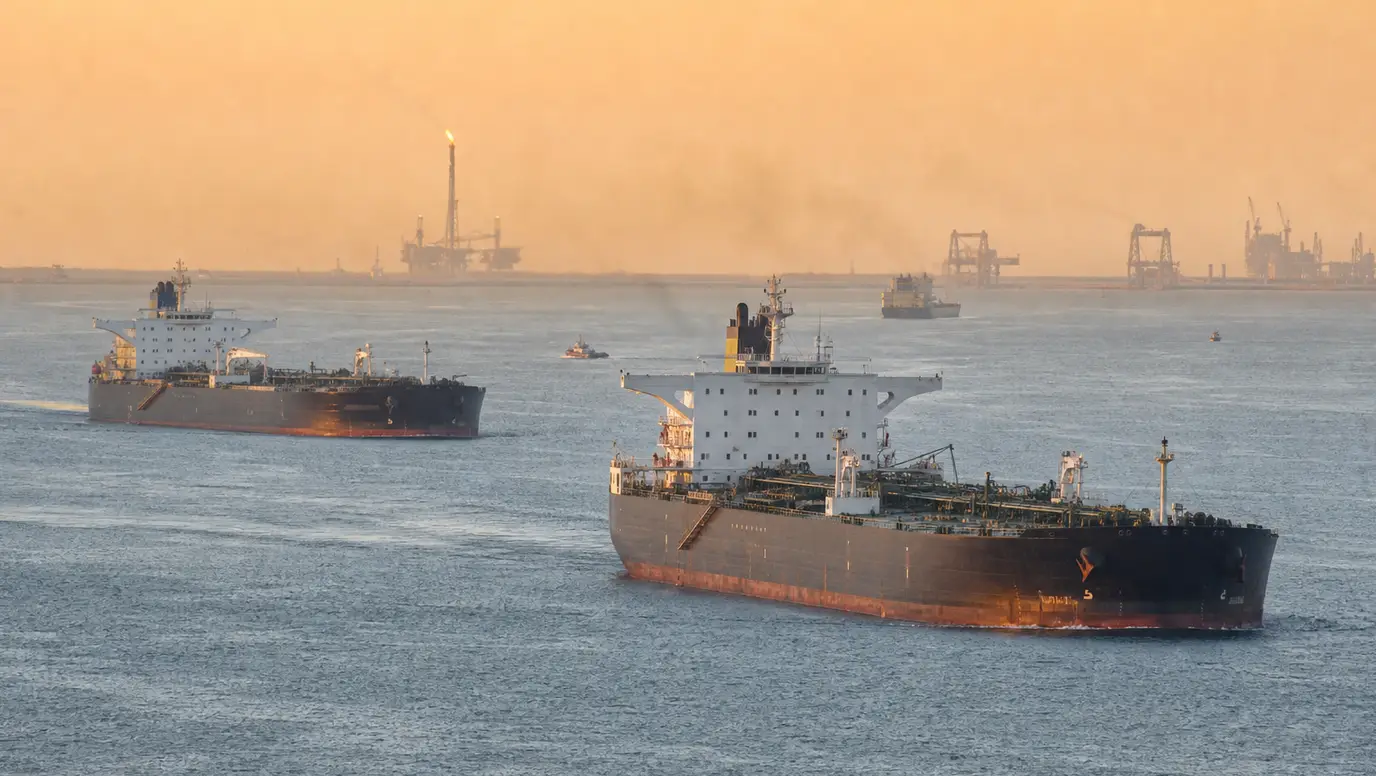
JUNE 3, 2026
Brent Pushes Toward $100 as Gulf Escalation Reprices Energy Risk
JUNE 2, 2026
Fuel Price Hedge Returns as Brent Near $94 Puts Energy Market on Inflation Watch
MAY 31, 2026
Oil Enters June With Ceasefire Discount Facing an OPEC+ Supply Test
MAY 30, 2026
LNG Squeeze Keeps Energy Market on Edge as Summer Demand Nears
MAY 29, 2026
Oil Forecasts Rise Again as Supply Recovery Doubts Blunt Crude Price Dip
MAY 28, 2026
Oil Volatility Holds as Traders Test How Fast Hormuz Risk Can Unwind
MAY 27, 2026
Gas and Crude Retreat as Shipping-Risk Premium Eases Across Energy Markets
MAY 26, 2026
Brent Whipsaws Near $100 as Hormuz Reopening Timetable Keeps Oil Risk Premium Alive
MAY 25, 2026
Oil Slides as U.S.-Iran Deal Hopes Cut Into War Premium
MAY 20, 2026
Oil Retreats as Traders Weigh U.S. Inventory Draw Against Hormuz Supply Risk