
JULY 6, 2026
Crude Oil Slips as Hormuz Flows Normalize and Inventory Test Moves Into ViewCrude oil weakens as Hormuz traffic normalizes and traders await fresh U.S. inventory data for demand confirmation.

© 1box.site 2026

JUNE 15, 2026
Energy markets drew the strongest fresh news activity among major market sections as crude traders reacted to a tentative U.S.-Iran agreement that could extend a ceasefire and begin reopening the Strait of Hormuz. The shift triggered a sharp repricing in oil futures, with Brent crude falling toward the low $80s per barrel and WTI also under pressure as traders cut part of the geopolitical premium built into the market during months of restricted Gulf flows.
The move does not erase the supply shock that has shaped the oil market through the second quarter. Brent remains well above levels seen before the conflict intensified, and the market is still pricing a slow normalization rather than an immediate return to prewar trade patterns. Still, Monday’s decline marks a clear change in tone: the front end of the oil curve is now responding less to worst-case disruption scenarios and more to the possibility that tanker traffic, refinery feedstock availability and product supply could improve through the summer.
The Strait of Hormuz has been the central transmission channel for the energy shock, because a large share of global crude, condensate, refined products and liquefied natural gas normally moves through the narrow waterway. Any durable reopening would reduce the probability of forced rerouting, emergency stock releases and refinery disruptions in import-dependent regions.
For traders, the key question is no longer simply whether a headline agreement exists, but whether it can translate into measurable shipping recovery. Insurance costs, naval security arrangements, port scheduling, tanker availability and the condition of interrupted supply chains will all influence how quickly barrels can return to the market. That means the first price reaction may be faster than the physical recovery.
Brent’s retreat toward roughly $83 per barrel is significant because it pulls the benchmark back near levels last seen before the most intense phase of the disruption. However, the market has not fully surrendered the war premium. Before the conflict-driven surge, Brent had traded closer to the $70 area, and traders may hesitate to rebuild short positions aggressively until they see sustained traffic through the strait.
WTI is also being pulled lower by the same geopolitical repricing, though the U.S. benchmark remains influenced by domestic inventory trends, export flows and refinery demand. Recent draws in U.S. crude stocks had reinforced fears that global buffers were thinning. If Gulf flows improve, those inventory concerns may ease, but only gradually.
The oil selloff carries broader macro implications because energy prices have been a major driver of inflation anxiety. A sustained decline in crude could ease pressure on gasoline, diesel and jet fuel prices, giving consumers and central banks some relief after months of elevated energy costs. The immediate impact on pump prices, however, is likely to be uneven because refining margins, regional inventories and distribution costs can delay the pass-through from crude futures to retail fuel.
Lower crude prices may also soften the inflation premium embedded in bond yields and currency markets. That matters for the energy sector because oil has recently traded not only as a physical supply story but also as a macro asset linked to the U.S. dollar, interest-rate expectations and global risk appetite. If crude continues to fall, some of the pressure on energy-importing economies could ease, while oil-exporting countries may face a more complicated revenue outlook.
For OPEC+ producers, the timing is delicate. The group has already been navigating modest quota increases while trying to avoid destabilizing a market distorted by conflict-related supply losses. A reopening of Hormuz could make incremental production increases more meaningful, but it could also expose the market to a faster unwinding of scarcity pricing if demand has weakened under the weight of high prices.
The next phase of the oil trade will depend on evidence from the physical market. Tanker movements, loading programs, floating storage, Asian refinery buying and U.S. inventory reports are likely to carry more weight than diplomatic statements alone. If shipments rise steadily and inventories stop drawing down, Brent and WTI could remain under pressure as the market removes more of the crisis premium.
A slower or contested reopening would create a different setup. In that case, the latest decline could be treated as a relief rally in reverse: a rapid price drop that leaves crude vulnerable to renewed spikes if the agreement falters. That risk is why volatility may remain high even as headline prices fall.
For now, the energy market has shifted from panic pricing to verification pricing. Brent and WTI are no longer trading as if a prolonged choke point is the only outcome, but the benchmarks are not yet reflecting a fully normalized oil system. The balance between diplomatic follow-through and physical supply recovery will determine whether Monday’s selloff becomes the start of a deeper oil correction or simply a pause in a still-fragile energy shock.
JULY 6, 2026
Crude Oil Slips as Hormuz Flows Normalize and Inventory Test Moves Into View
JULY 5, 2026
OPEC+ Output Hike Turns Energy Market Focus to Real Barrels as Brent Holds Near $72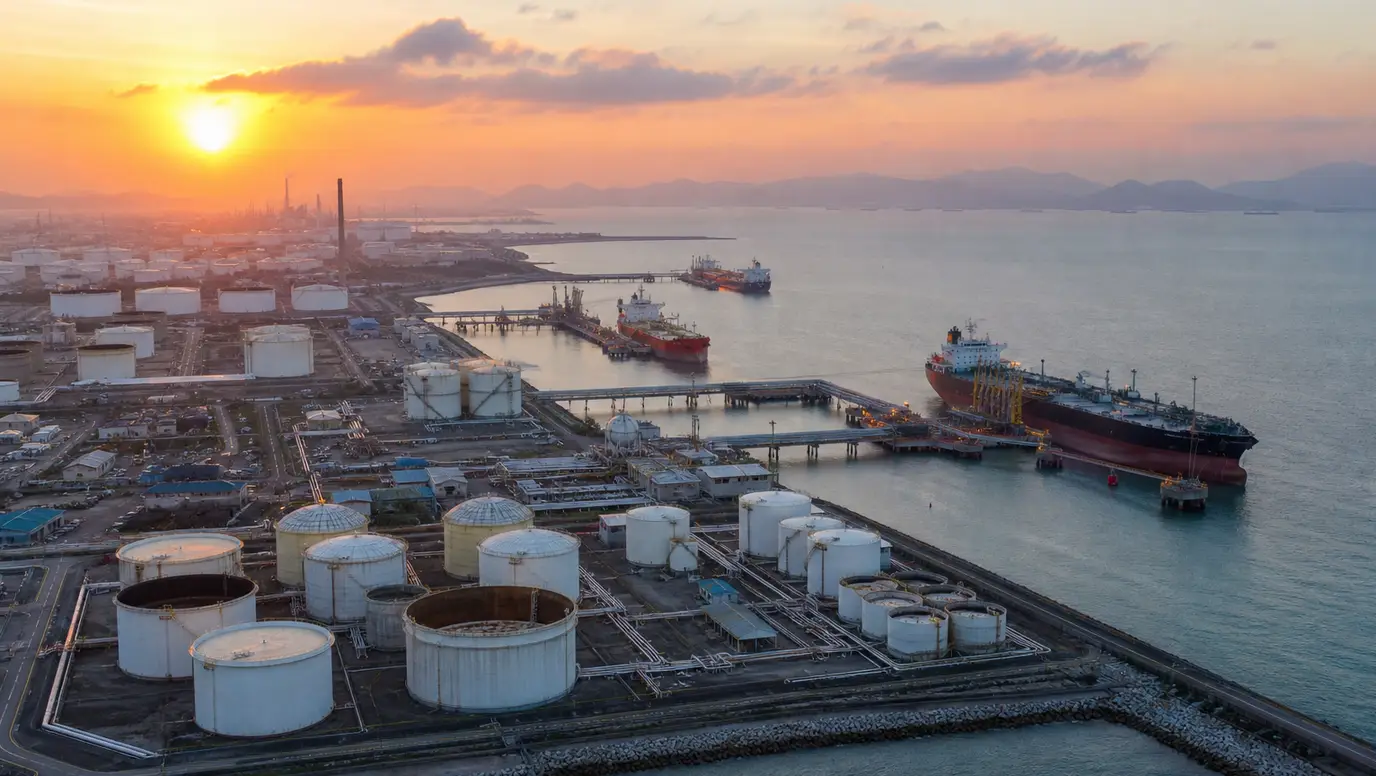
JULY 4, 2026
Brent Holds Near $72 as OPEC+ August Supply Decision Tests Oil Market Floor
JULY 3, 2026
WTI Holds Near $68 as U.S. Stock Draws Challenge Oil Glut Narrative
JULY 2, 2026
Brent Slides Toward $70 as Iran Risk Premium Fades in Thin Holiday Trade
JULY 1, 2026
OPEC+ Supply Signal Caps Crude Oil Rebound as U.S. Stock Draws Support Prices
JUNE 30, 2026
Natural Gas Rally Outruns Softer Oil as Heat and LNG Demand Split Energy Market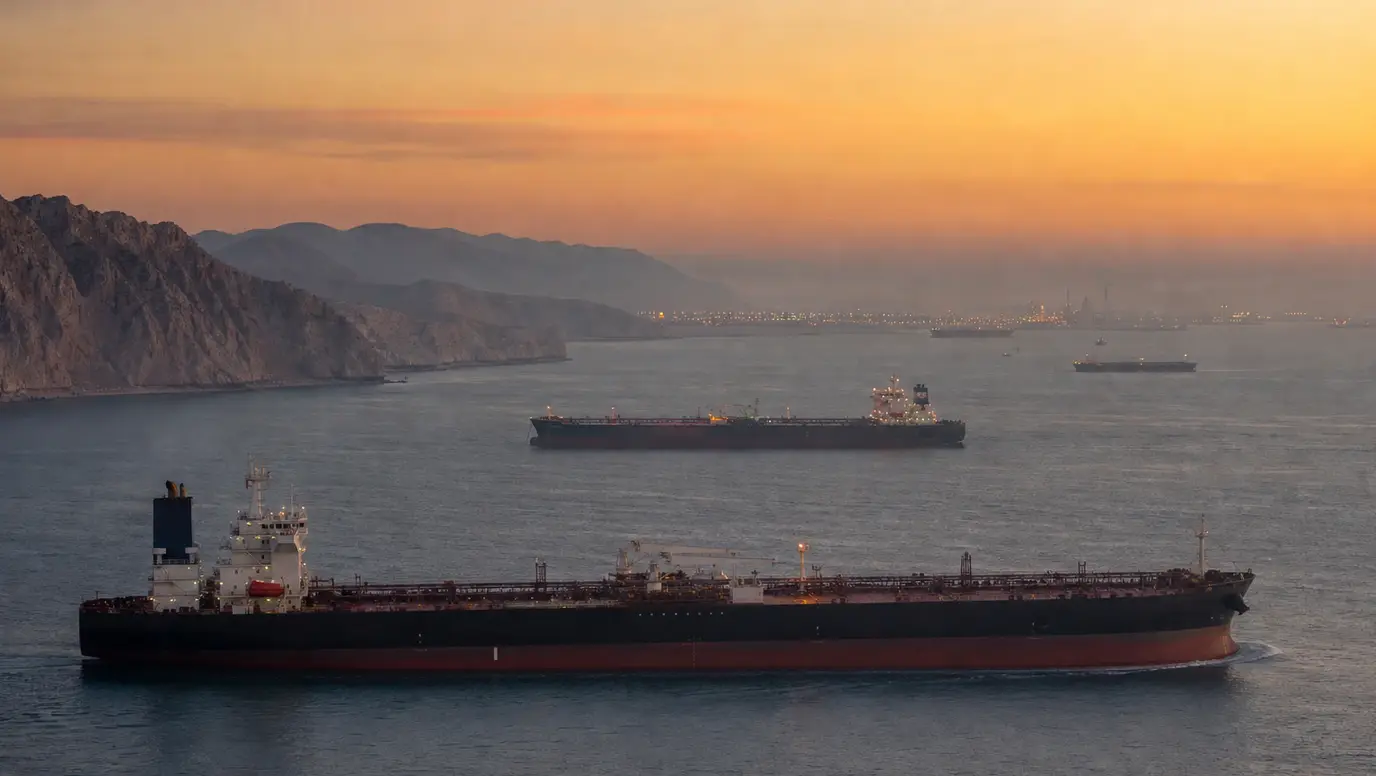
JUNE 29, 2026
Brent Holds Above $72 as Traders Test Fragile Hormuz Reopening
JUNE 28, 2026
WTI Bulls Face Inventory Split as Brent Loses War Premium Before Quarter-End
JUNE 27, 2026
Refinery Strain Keeps Energy Market on Edge as Oil Selloff Meets Fuel Stock Tightness
JUNE 25, 2026
Iraq Quota Threat Puts OPEC Discipline in Focus as Oil War Premium Evaporates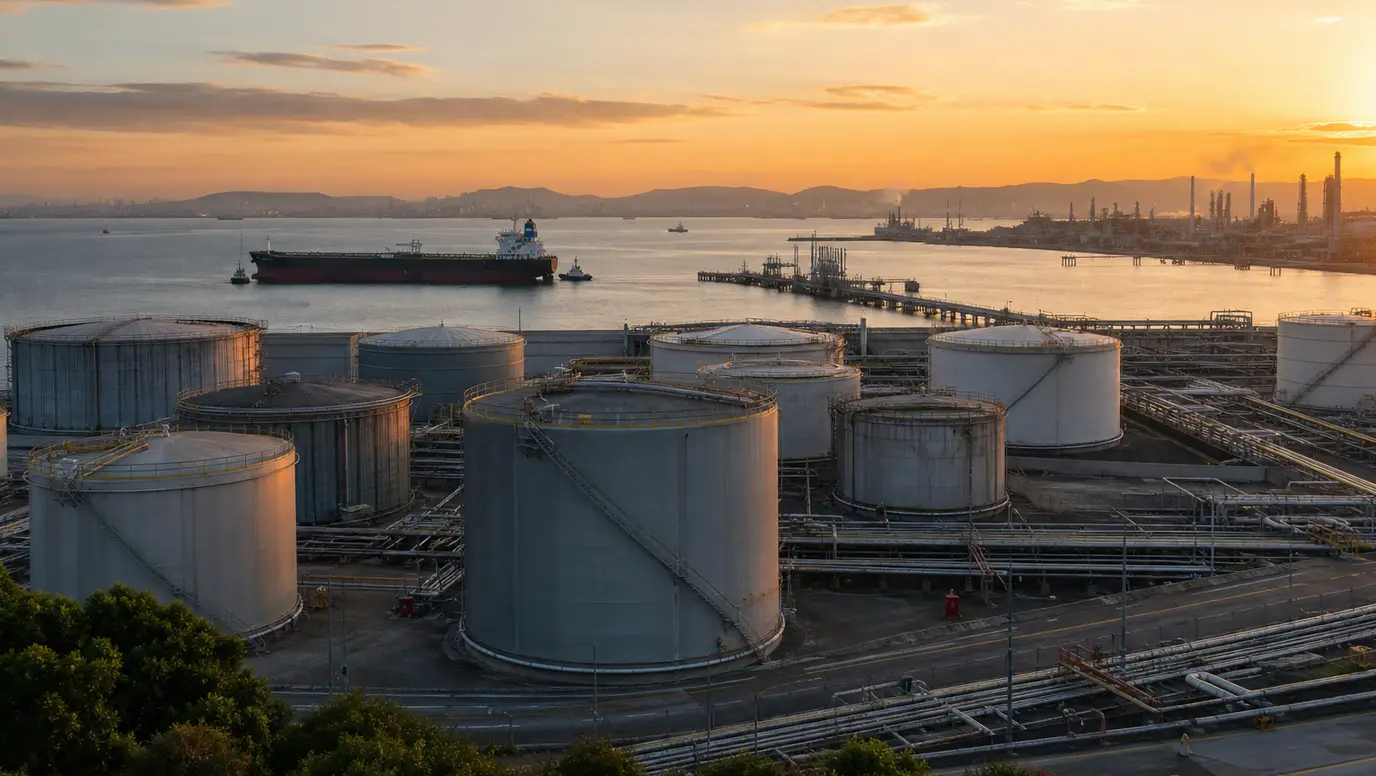
JUNE 24, 2026
Brent Slide Below $77 Turns Oil Market Focus to Inventories and Summer Fuel Demand
JUNE 23, 2026
Brent and WTI Fall Again as Traders Shift From War Premium to Hormuz Flow Checks
JUNE 22, 2026
Oil Risk Premium Fades as Brent and WTI Slide on Fresh U.S.-Iran Talks
JUNE 21, 2026
Brent and WTI Face Inventory Test as Oil Market Shrugs Off Demand-Bearish Forecasts
JUNE 20, 2026
Oil Traders Watch Tanker Flows as Brent Holds Near $80 After Risk-Premium Reset
JUNE 19, 2026
Brent and WTI Steady as Traders Test the Reality of Hormuz Reopening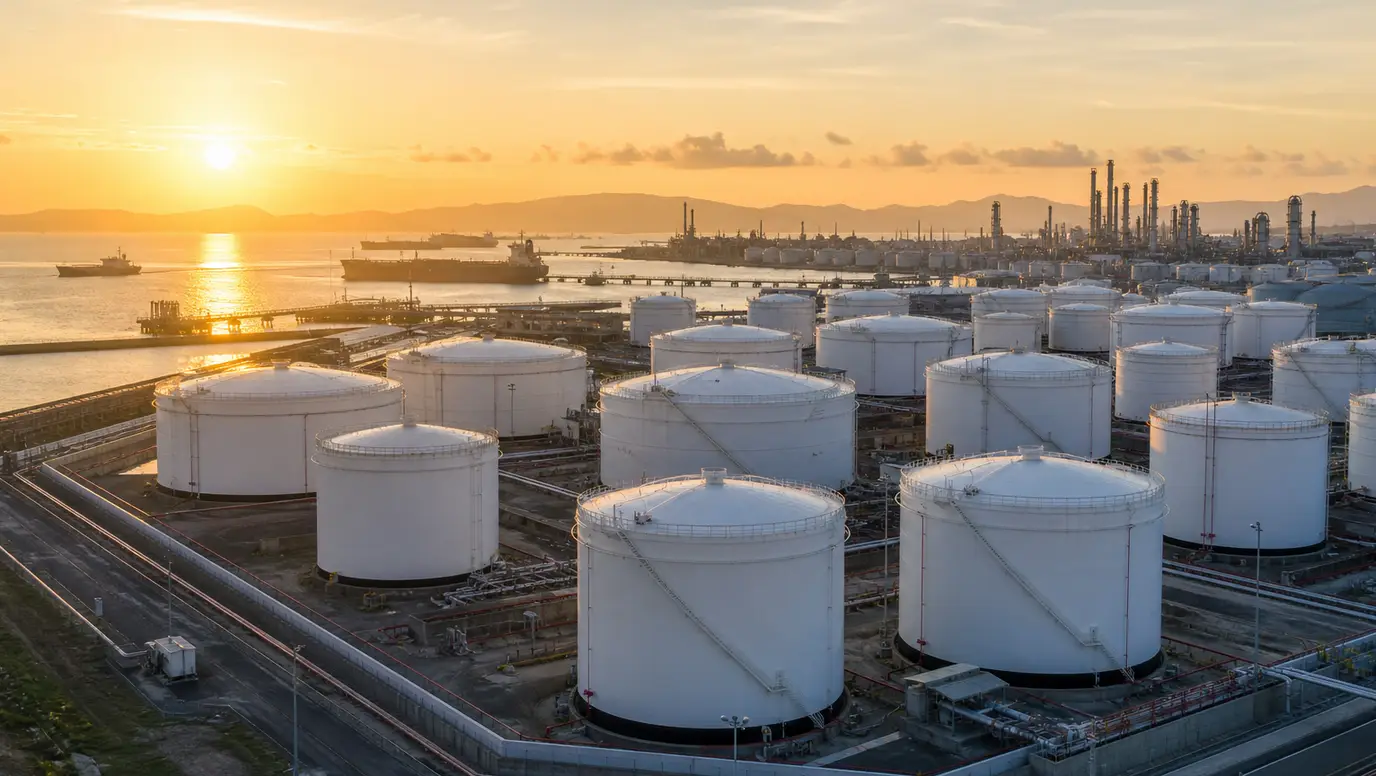
JUNE 17, 2026
WTI Rebounds as U.S. Stock Draw Puts a Floor Under Oil Selloff
JUNE 16, 2026
Brent Tests $80 as Oil Market Shifts From Hormuz Shock to Restart Risk
JUNE 14, 2026
Brent and WTI Enter New Week as Hormuz Risk Collides With Demand Shock
JUNE 12, 2026
Brent and WTI Hit Two-Month Lows as Iran Strike Risk Premium Unwinds
JUNE 11, 2026
Brent and WTI Rise as U.S. Crude Draw Tightens the Energy Market’s Prompt Supply Focus
JUNE 10, 2026
Energy Market Faces Demand Destruction Test as Hormuz Risk Reshapes Oil Trade
JUNE 9, 2026
Brent and WTI Pull Back as Ceasefire Hopes Test Oil Market Risk Premium
JUNE 8, 2026
Oil Volatility Jumps as Brent Nears $100 and Traders Reprice Middle East Supply Risk
JUNE 7, 2026
OPEC+ Quota Hike Lands as Energy Market Doubts New Barrels Can Reach Buyers
JUNE 6, 2026
OPEC+ Weekend Test Puts Oil Market on Alert as Crude Draw Tightens the Buffer
JUNE 4, 2026
U.S. Crude Draw Puts Energy Market Back on Physical Supply Watch
JUNE 3, 2026
Brent Pushes Toward $100 as Gulf Escalation Reprices Energy Risk
JUNE 2, 2026
Fuel Price Hedge Returns as Brent Near $94 Puts Energy Market on Inflation Watch