OCTOBER 8, 2026
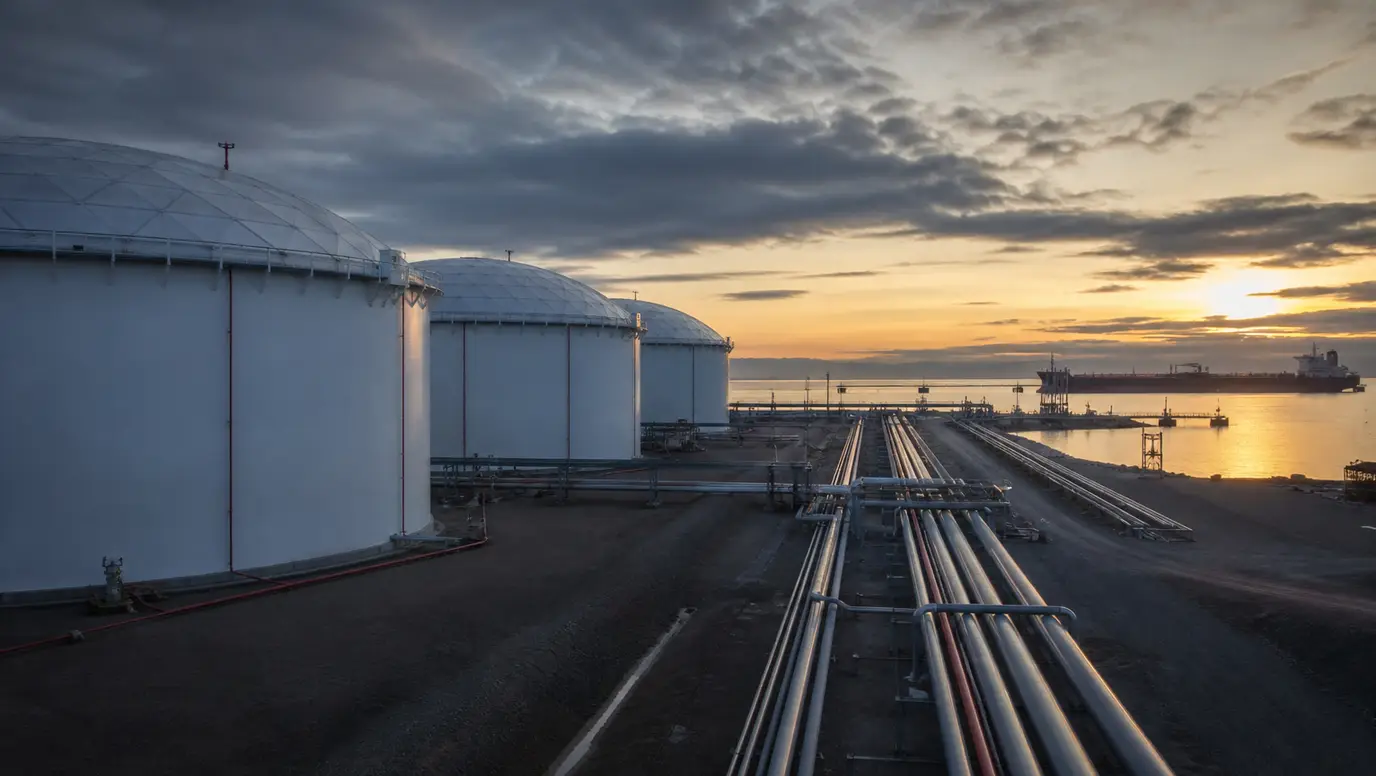
WTI Crude Oil Jumps as Inventory Draw Meets Hormuz Shipping RiskWTI crude oil rallies as U.S. stock draws and Gulf shipping risk outweigh emergency supply-release efforts.

© 1box.site 2026

AUGUST 31, 2026
Crude oil moved higher on Monday as renewed military tension between the United States and Iran pushed geopolitical risk back to the center of the energy market. The latest move came after reports of fresh strikes linked to the Strait of Hormuz area, a key transit route for global seaborne oil flows, prompting traders to rebuild a risk premium that had faded in recent sessions.
The rally was not only a supply story. Higher oil prices also revived concerns that fuel costs could complicate the inflation outlook at a time when investors are already reassessing the path of Federal Reserve policy. That combination left the energy market sensitive to every headline on shipping security, regional retaliation risks and the durability of physical supply flows.
Benchmark crude contracts advanced sharply in early Monday trading, with Brent moving back above the psychologically important 90-dollar area in some market indications and U.S. crude also gaining. The price action showed how quickly the market can reprice tail risk when the Strait of Hormuz returns to the headlines.
For energy traders, the immediate question is whether the latest escalation threatens actual exports or remains a short-lived geopolitical shock. A sustained disruption to tankers, insurance coverage or port operations would likely support a larger and more durable premium. If flows remain uninterrupted, however, some of the move could fade as refiners and physical buyers wait for clearer evidence of a supply squeeze.
The timing adds another layer of sensitivity. Energy markets had already been balancing uncertain demand signals, tight product inventories in some regions and central bank concerns about inflation. A renewed jump in crude oil therefore risks spilling into gasoline, diesel and broader fuel pricing expectations, especially if volatility persists into the U.S. jobs-data week.
The crude oil rally also matters because it arrives as bond markets and equity traders are debating whether higher inflation pressure could keep monetary policy tighter for longer. Energy is one of the fastest channels through which geopolitical stress can affect consumer prices, transport costs and industrial margins.
Demand remains the key counterweight. If higher prices coincide with signs of slower manufacturing activity or weaker consumer spending, crude oil may struggle to extend gains beyond the initial risk premium. Conversely, resilient demand data would make the market more vulnerable to an upside breakout if Middle East tensions continue to rise.
For now, the energy market is likely to trade headline by headline. Traders will monitor shipping signals around the Strait, official comments from regional powers, inventory data and any shift in refinery buying. Until those indicators confirm that supply routes are secure, crude oil is likely to retain a firmer geopolitical premium than it held at the end of last week.
OCTOBER 8, 2026
WTI Crude Oil Jumps as Inventory Draw Meets Hormuz Shipping Risk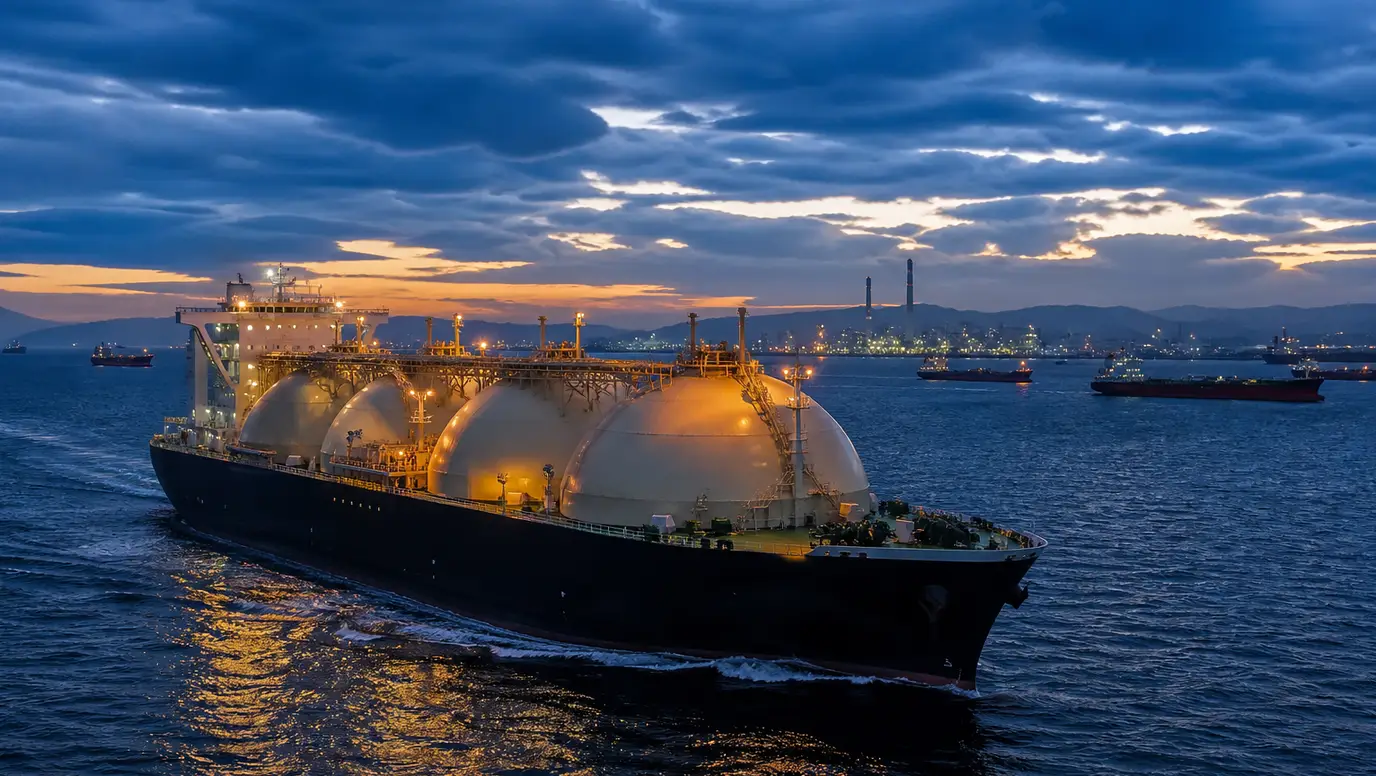
SEPTEMBER 21, 2026
LNG Gas Prices Hit 45-Month High as Hormuz Risk Tightens Winter Supply
SEPTEMBER 14, 2026
WTI Oil Rally Extends as Strait of Hormuz Risk Reprices Energy Market
SEPTEMBER 7, 2026
WTI Crude Oil Futures Hold Near Six-Week High as Hormuz Risk Tightens Energy Market
AUGUST 30, 2026
WTI Crude Oil Slips as Hormuz Supply Relief Tests Energy Market Risk Premium
AUGUST 23, 2026
Crude Oil Keeps Strait of Hormuz Premium as Fuel Transit Signals Stir Energy Market
AUGUST 18, 2026
Brent Crude and WTI Oil Rise as Strait of Hormuz Risk Revives Energy Inflation Worries
AUGUST 10, 2026
Strait of Hormuz Delay Lifts Energy Market as Crude Oil Flow Risk Returns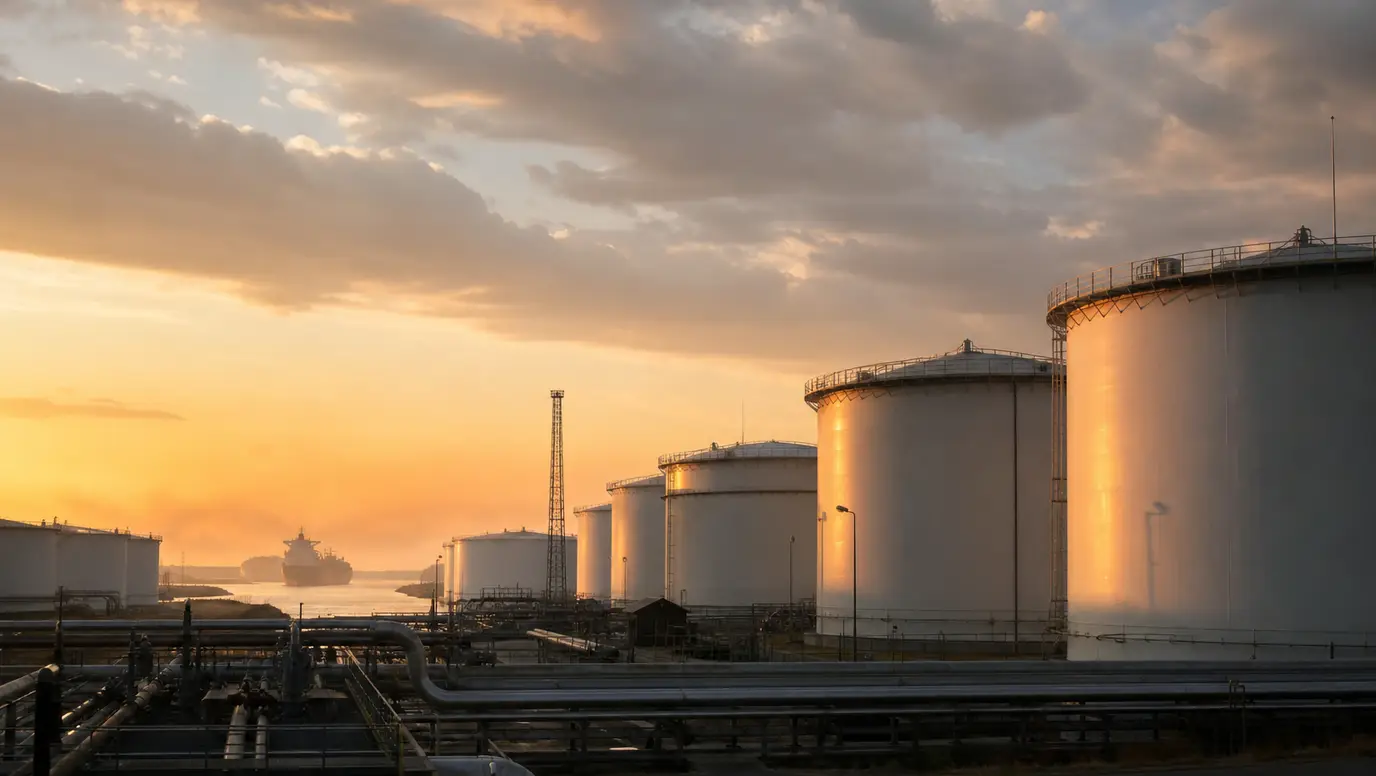
AUGUST 2, 2026
WTI Crude Oil Faces OPEC+ Output Test as Strait of Hormuz Risk Meets Stock Draw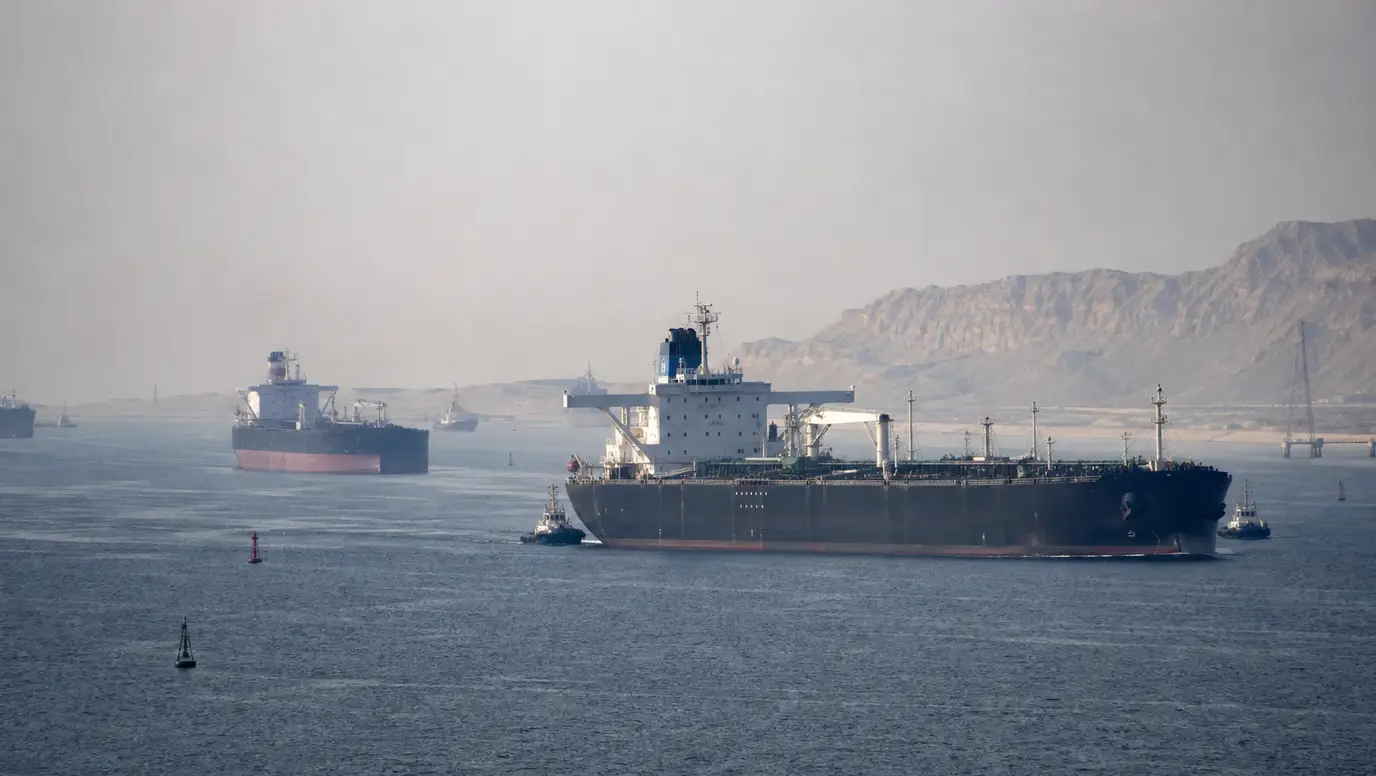
JULY 28, 2026
Strait of Hormuz Flows Keep WTI Crude on Alert as Oil Retreats
JULY 21, 2026
LNG Supply Race Overtakes Oil as Gas Prices Jump on Hormuz Disruption
JULY 20, 2026
Brent Crude Tops $90 as WTI Crude and Oil Prices React to Hormuz Shipment Risk