OCTOBER 8, 2026
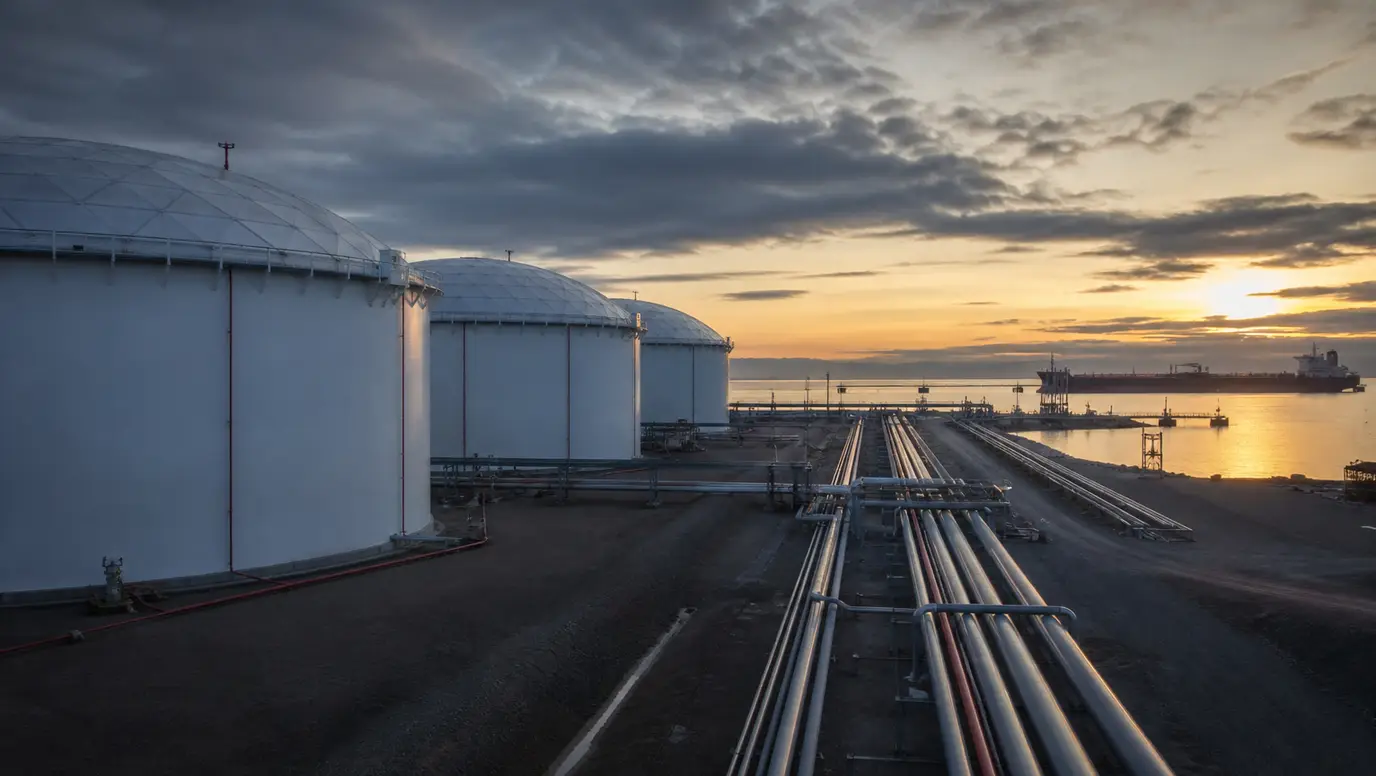
WTI Crude Oil Jumps as Inventory Draw Meets Hormuz Shipping RiskWTI crude oil rallies as U.S. stock draws and Gulf shipping risk outweigh emergency supply-release efforts.

© 1box.site 2026
AUGUST 23, 2026
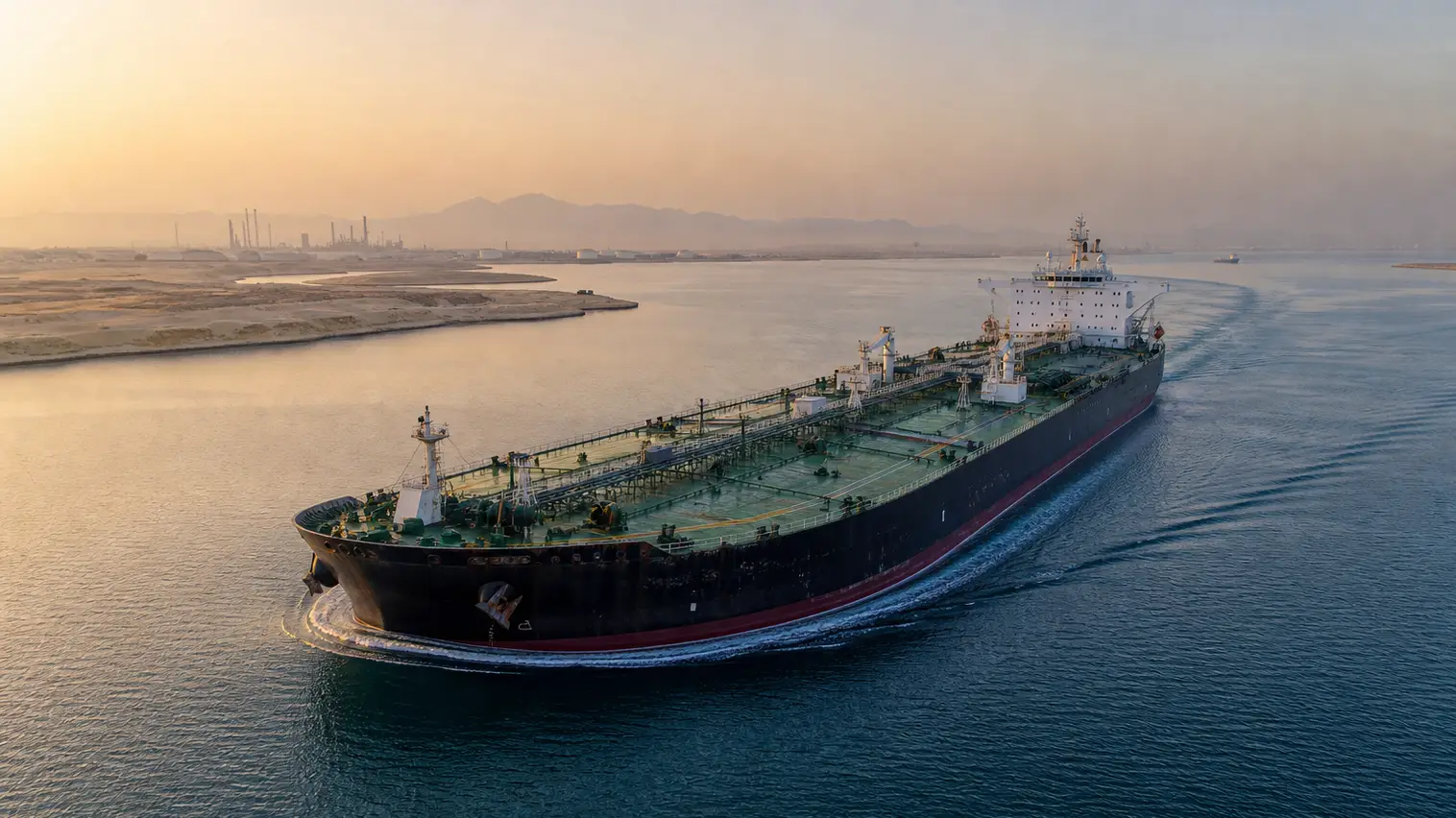
Crude oil entered the new week with a firm geopolitical premium as traders weighed mixed signals from the Strait of Hormuz, where limited transit reports have not yet removed the broader risk hanging over global fuel supply. The latest market tone suggests that energy traders are less focused on a single headline price move and more focused on whether vessel flows can normalize without another disruption.
The risk backdrop has kept U.S. benchmark crude elevated after recent sessions brought prices near multi-week highs. West Texas Intermediate has been supported by concern that even partial constraints around the Gulf export corridor could tighten prompt supply, lift freight costs, and keep refiners cautious about forward purchases. Brent has carried the same risk premium, but the U.S. contract is especially sensitive to shifts in inventory data, refinery demand, and macro expectations for American fuel consumption.
The Strait of Hormuz remains the most important variable for the energy market because it connects Gulf producers with key Asian buyers and also influences pricing for liquefied natural gas, refined products, and tanker insurance. Reports that some cargoes have continued moving through the channel have offered limited relief, but they have not been strong enough to convince traders that normal flows have returned.
That leaves crude oil caught between two competing forces. On one side, any evidence of safe passage can cool the risk premium quickly. On the other, any renewed threat to tankers, port infrastructure, or regional financial channels can push traders back into defensive positioning. The result is a market that may struggle to trend lower even when conventional fundamentals, including demand worries or inventory builds, would normally pressure prices.
Fuel traders are also watching whether higher crude costs begin to feed more clearly into gasoline, diesel, and jet fuel margins. Refiners may hesitate to chase expensive barrels if end-user demand weakens, but they also cannot ignore the risk that replacement cargoes become harder to source. This tension can keep product markets volatile even when headline crude prices appear range-bound.
For the U.S. market, the next test is whether domestic inventories can offset the international supply-risk narrative. A larger stock cushion would help limit panic buying, while a drawdown during peak seasonal demand could reinforce the view that WTI still needs a geopolitical premium. Traders will also watch the U.S. dollar and Treasury yields, because a firmer dollar can weigh on commodities while lower yields may encourage broader risk appetite.
Near term, crude oil is likely to remain event-driven rather than purely data-driven. A credible path toward more predictable Hormuz traffic would remove some upside pressure and could trigger profit-taking in WTI and Brent. However, a prolonged period of uncertain fuel transit could keep buyers active on dips, especially if refiners seek to secure supply before autumn maintenance schedules tighten available capacity.
For investors, the key signal is no longer simply whether crude oil rallies on Middle East headlines. The more important question is whether each rally holds after the first reaction. If prices remain firm despite bearish inventory or demand news, it would show that the Strait of Hormuz premium is still controlling the energy market. If crude starts ignoring regional risk and responding more to stock builds, the market may be preparing to reprice toward weaker demand fundamentals.
OCTOBER 8, 2026
WTI Crude Oil Jumps as Inventory Draw Meets Hormuz Shipping Risk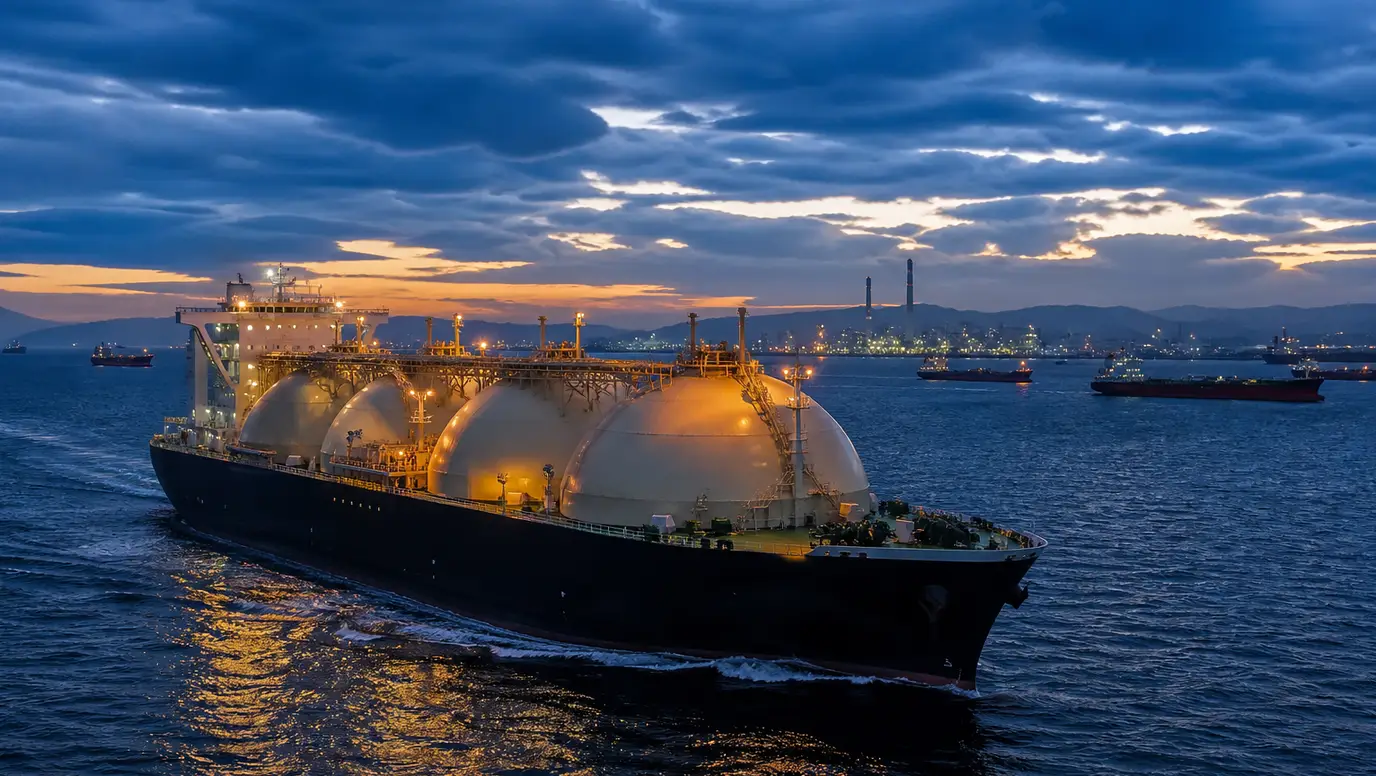
SEPTEMBER 21, 2026
LNG Gas Prices Hit 45-Month High as Hormuz Risk Tightens Winter Supply
SEPTEMBER 14, 2026
WTI Oil Rally Extends as Strait of Hormuz Risk Reprices Energy Market
SEPTEMBER 7, 2026
WTI Crude Oil Futures Hold Near Six-Week High as Hormuz Risk Tightens Energy Market
AUGUST 31, 2026
Crude Oil Rally Puts Energy Market Back on Strait Risk Watch
AUGUST 30, 2026
WTI Crude Oil Slips as Hormuz Supply Relief Tests Energy Market Risk Premium
AUGUST 18, 2026
Brent Crude and WTI Oil Rise as Strait of Hormuz Risk Revives Energy Inflation Worries
AUGUST 10, 2026
Strait of Hormuz Delay Lifts Energy Market as Crude Oil Flow Risk Returns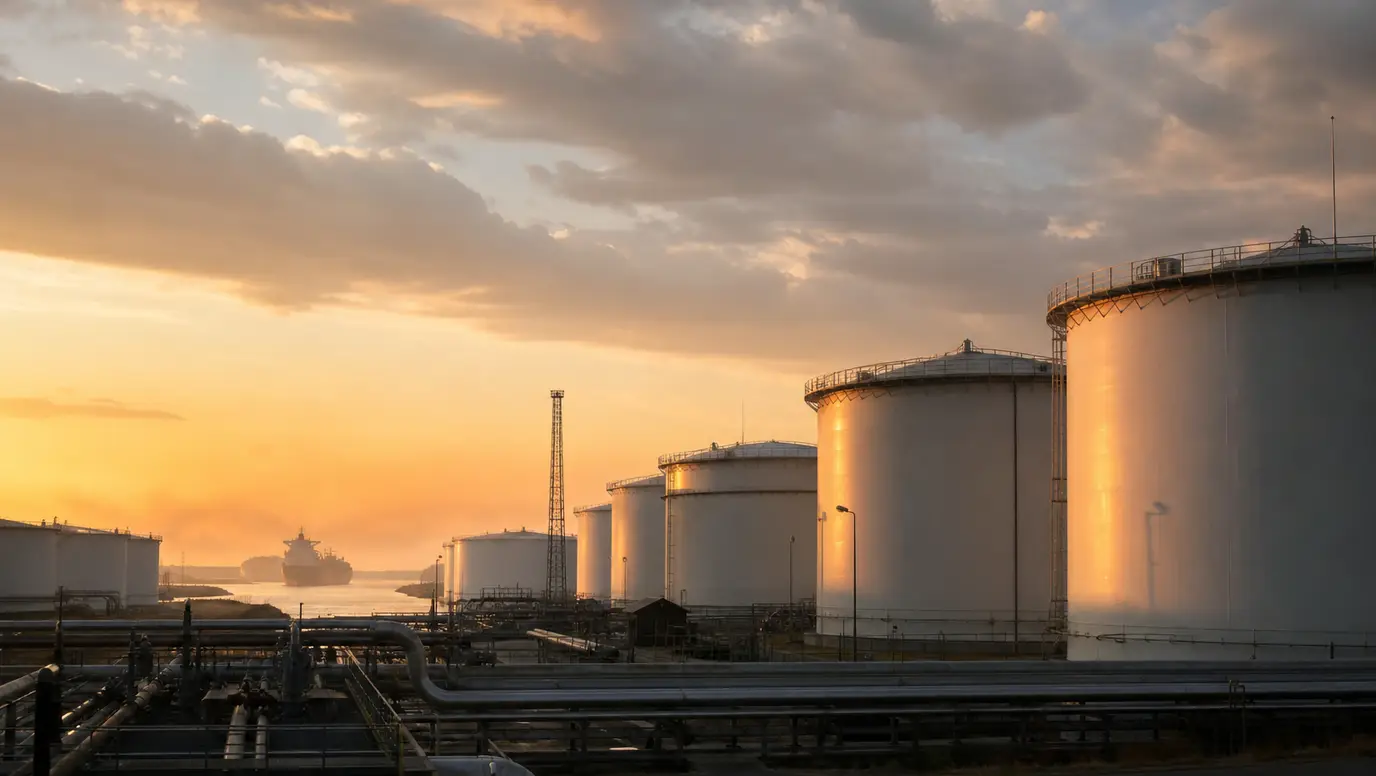
AUGUST 2, 2026
WTI Crude Oil Faces OPEC+ Output Test as Strait of Hormuz Risk Meets Stock Draw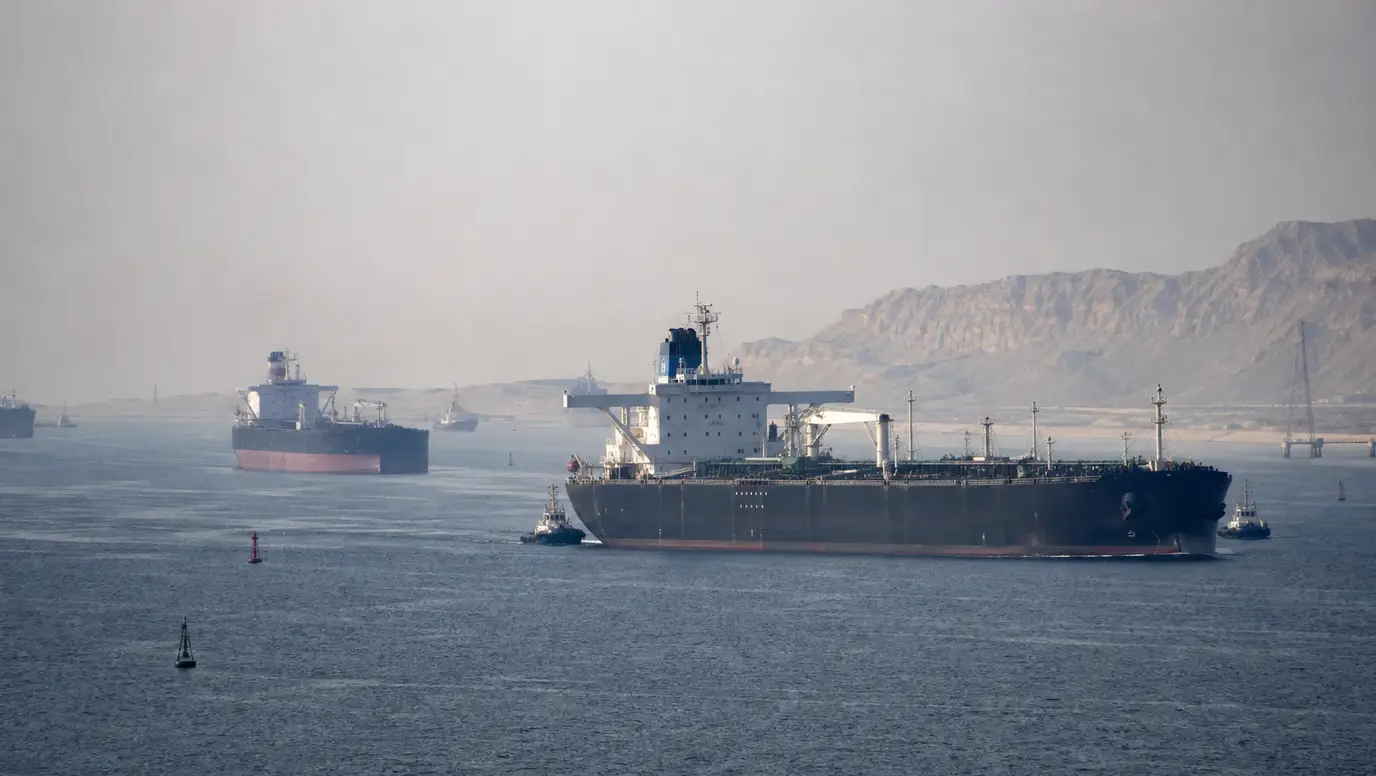
JULY 28, 2026
Strait of Hormuz Flows Keep WTI Crude on Alert as Oil Retreats
JULY 21, 2026
LNG Supply Race Overtakes Oil as Gas Prices Jump on Hormuz Disruption
JULY 20, 2026
Brent Crude Tops $90 as WTI Crude and Oil Prices React to Hormuz Shipment Risk