OCTOBER 14, 2026
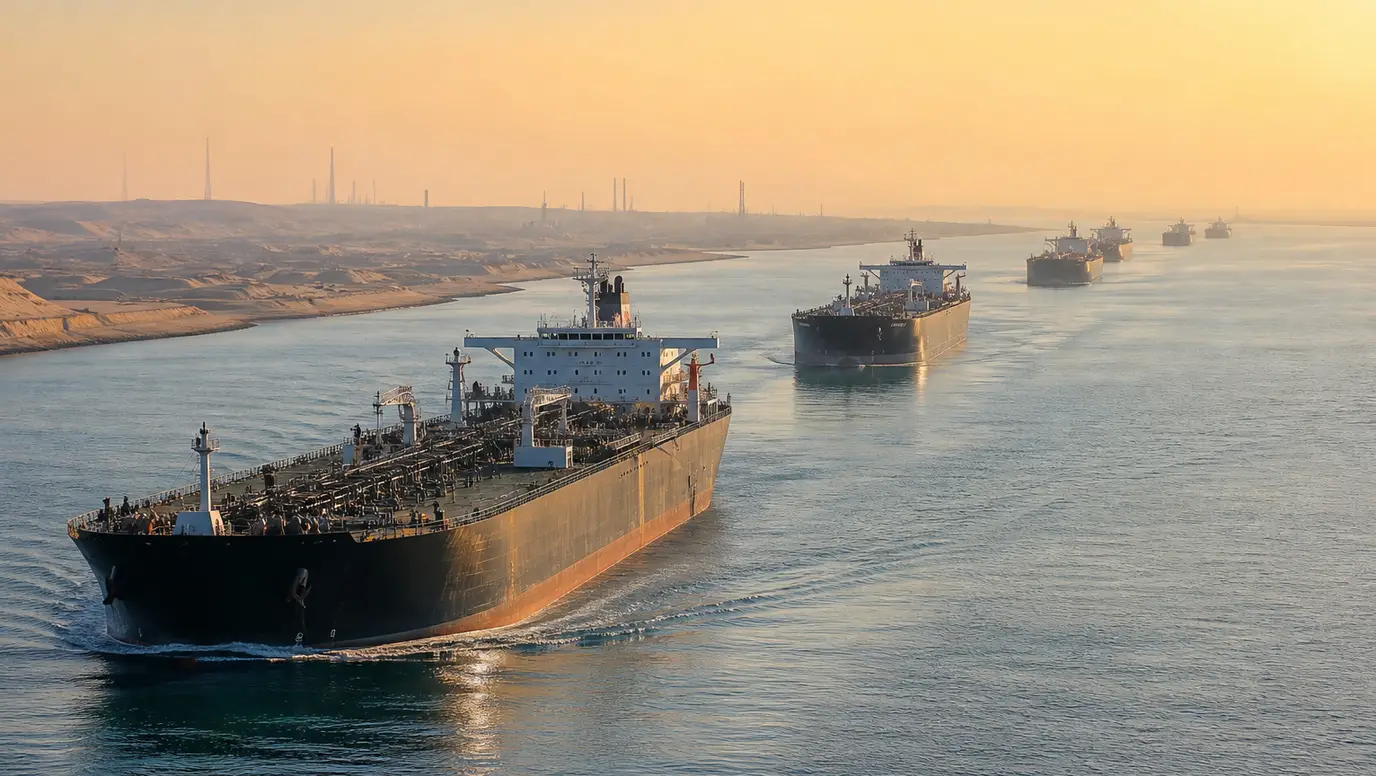
Crude Oil Demand Forecast Cut as Strait of Hormuz Flows Keep Energy Market TightCrude oil demand forecasts weaken, but low inventories and Strait of Hormuz risks keep the energy market tight before fresh U.S. stock data.

© 1box.site 2026
SEPTEMBER 21, 2026
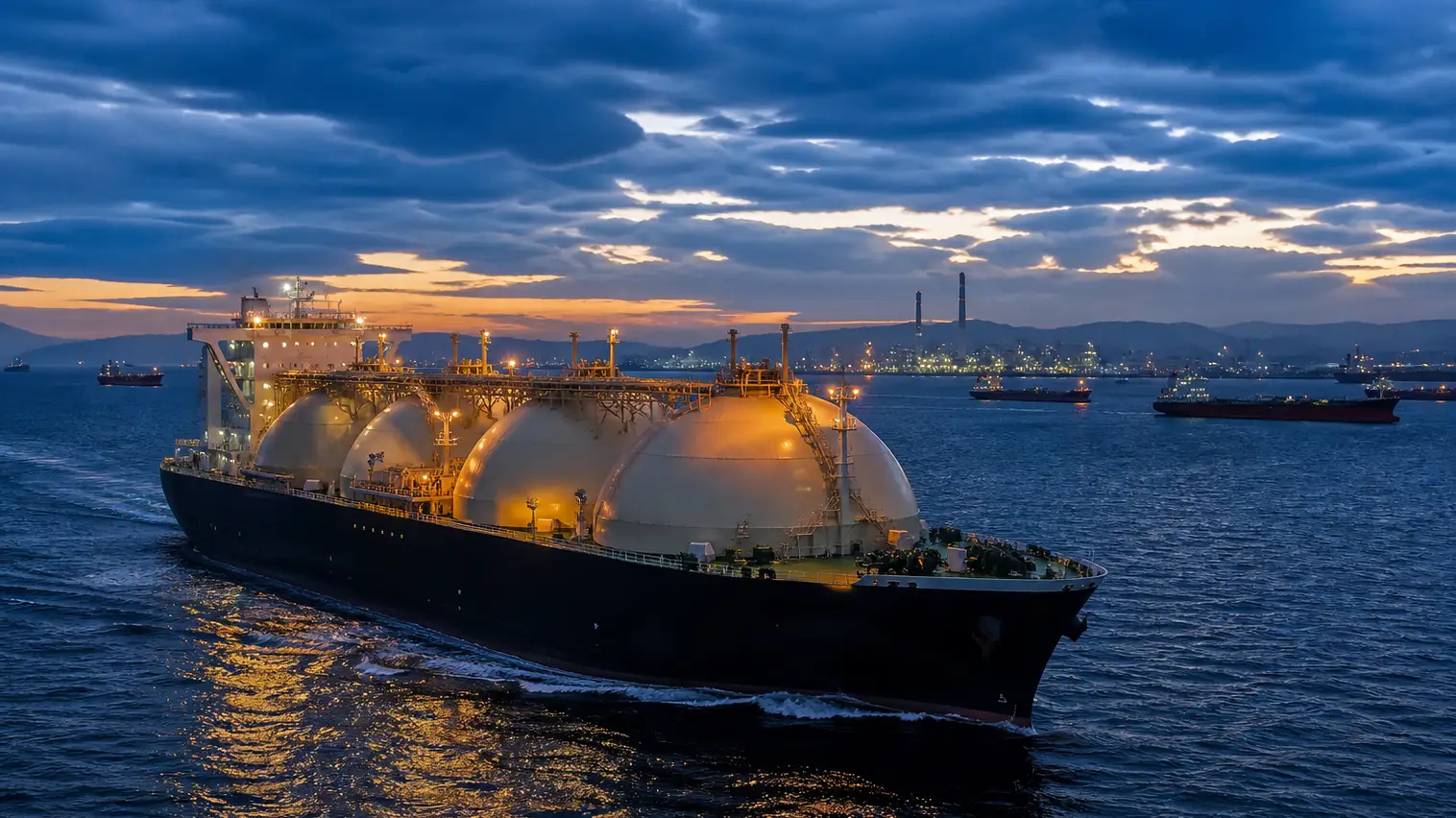
LNG gas prices moved back to the center of the energy market after spot cargo values for northeast Asia rose to a fresh 45-month high, reinforcing concerns that winter supply buffers are thinner than traders expected. The latest advance reflects a combination of Middle East shipping disruption, stronger pre-winter buying in South Asia and renewed competition between Asian and European importers for flexible cargoes.
The move is significant because LNG has become the balancing fuel for global gas markets. When pipeline supply is constrained or storage levels are low, buyers must turn to seaborne cargoes, where prices can respond quickly to shipping delays, geopolitical risk and weather-sensitive demand. That makes the current rally a potential inflation signal for power, heating and industrial fuel costs heading into the fourth quarter.
Market attention remains fixed on the Strait of Hormuz, where restricted traffic has complicated the movement of Gulf energy exports. Even limited disruption to LNG flows can have an outsized effect because a large share of Middle East liquefaction capacity normally relies on that route to reach customers in Asia and Europe.
Traders are also watching reports that some Gulf cargoes have been forced into unusual logistics workarounds, including ship-to-ship transfers and altered delivery schedules. Those measures can keep some volumes moving, but they add freight cost, raise execution risk and reduce the reliability of prompt supply. As a result, buyers with winter exposure are paying more for available cargoes rather than waiting for a clearer geopolitical outcome.
The supply concern is not only about cargoes already on the water. If equipment deliveries, maintenance schedules or expansion work at major LNG projects are delayed, the market may have to price in a longer period of tightness. That risk is especially important because new liquefaction capacity was expected to ease the global gas balance over the next several years.
Asia is setting a firmer tone in the spot market as utilities and industrial consumers prepare for colder months. South Asian demand has added to northeast Asian buying interest, while price-sensitive importers face a difficult choice between securing cargoes now or reducing consumption later if prices rise further.
Europe is also vulnerable because regional storage levels are lower than normal for this stage of the season. That does not guarantee a winter shortage, but it reduces the margin for error if cold weather arrives early, wind generation underperforms or pipeline supply becomes less flexible. In that environment, European buyers may need to compete more aggressively with Asia for Atlantic Basin and Middle East-linked LNG.
For the broader energy market, the key question is whether high LNG prices remain a regional shock or spread into wider commodity pricing. Expensive gas can lift power prices, support switching demand into oil products in some markets and increase pressure on governments to shield households and manufacturers from rising energy bills.
The next phase of the LNG rally will likely depend on three variables: shipping access through key waterways, the pace of storage injections before winter and weather forecasts across major consuming regions. A mild start to the heating season could cool the rally, while another round of shipping disruption or colder forecasts would likely keep the market defensive.
U.S. LNG supply is also becoming more important as global buyers seek alternatives to constrained Gulf volumes. Strong export availability from the Atlantic Basin could help limit the upside, but planned maintenance, feedgas swings and port congestion remain short-term risks. That means the market is likely to stay sensitive to operational headlines even if headline prices pause after the recent surge.
For now, LNG gas prices are signaling that the energy market is not fully comfortable with winter supply. Until traders see steadier shipping flows and stronger storage cushions, the risk premium in global gas is likely to remain elevated.
OCTOBER 14, 2026
Crude Oil Demand Forecast Cut as Strait of Hormuz Flows Keep Energy Market Tight
OCTOBER 8, 2026
WTI Crude Oil Jumps as Inventory Draw Meets Hormuz Shipping Risk
SEPTEMBER 14, 2026
WTI Oil Rally Extends as Strait of Hormuz Risk Reprices Energy Market
SEPTEMBER 7, 2026
WTI Crude Oil Futures Hold Near Six-Week High as Hormuz Risk Tightens Energy Market
AUGUST 31, 2026
Crude Oil Rally Puts Energy Market Back on Strait Risk Watch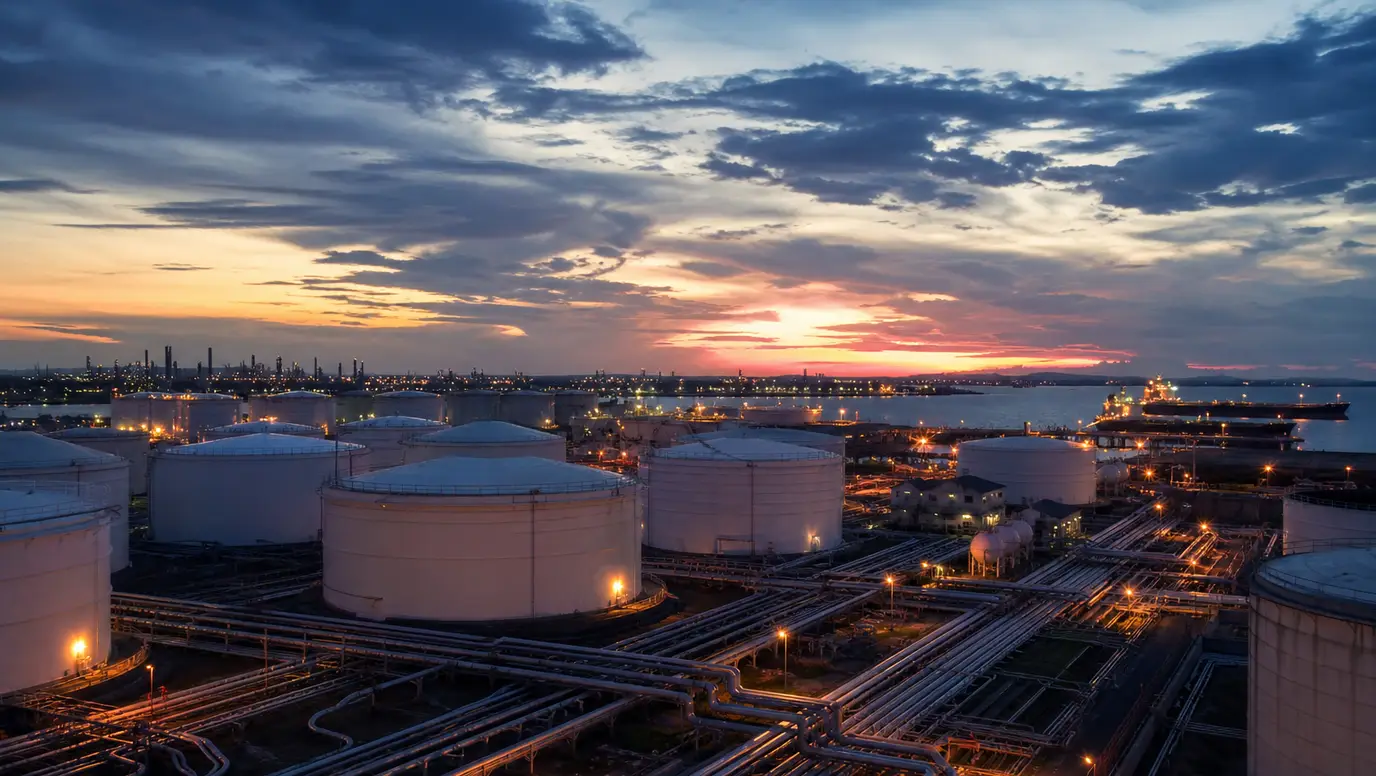
AUGUST 30, 2026
WTI Crude Oil Slips as Hormuz Supply Relief Tests Energy Market Risk Premium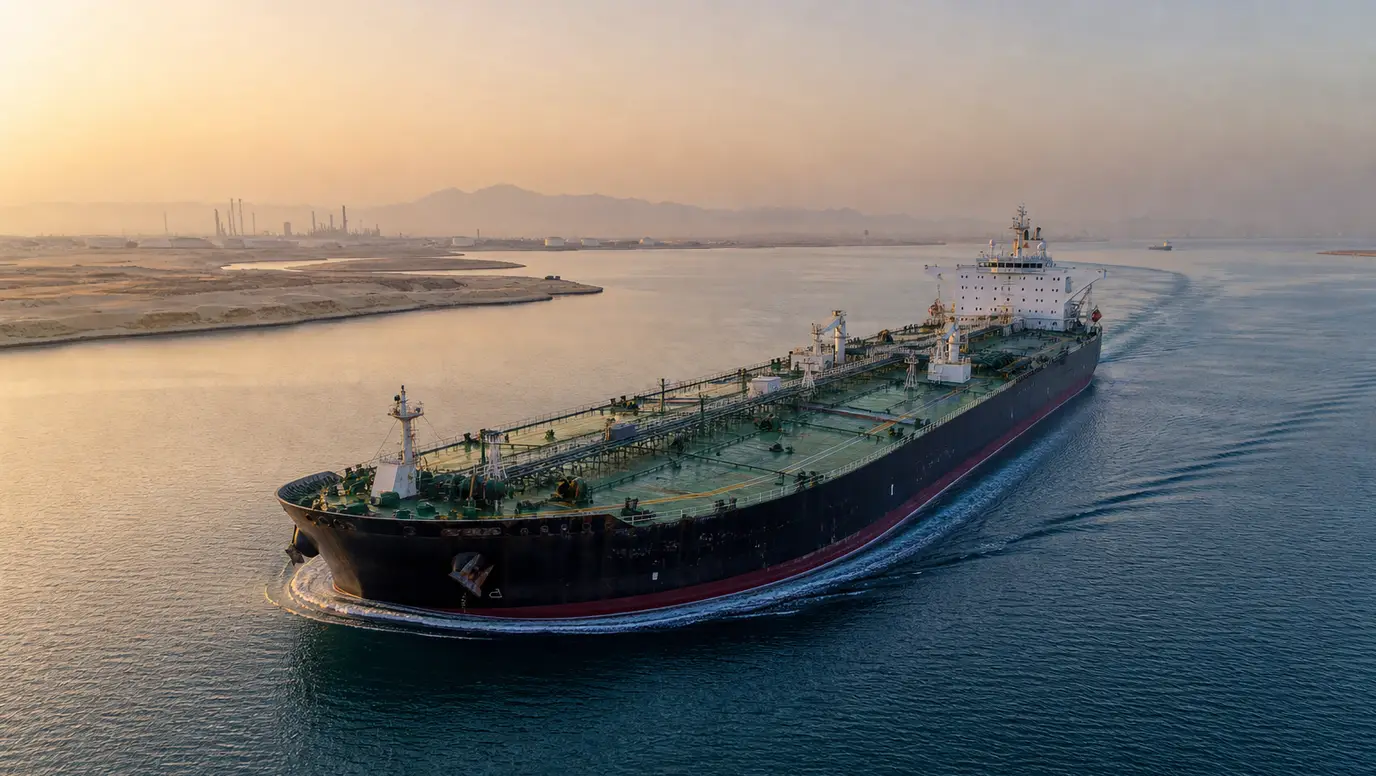
AUGUST 23, 2026
Crude Oil Keeps Strait of Hormuz Premium as Fuel Transit Signals Stir Energy Market
AUGUST 18, 2026
Brent Crude and WTI Oil Rise as Strait of Hormuz Risk Revives Energy Inflation Worries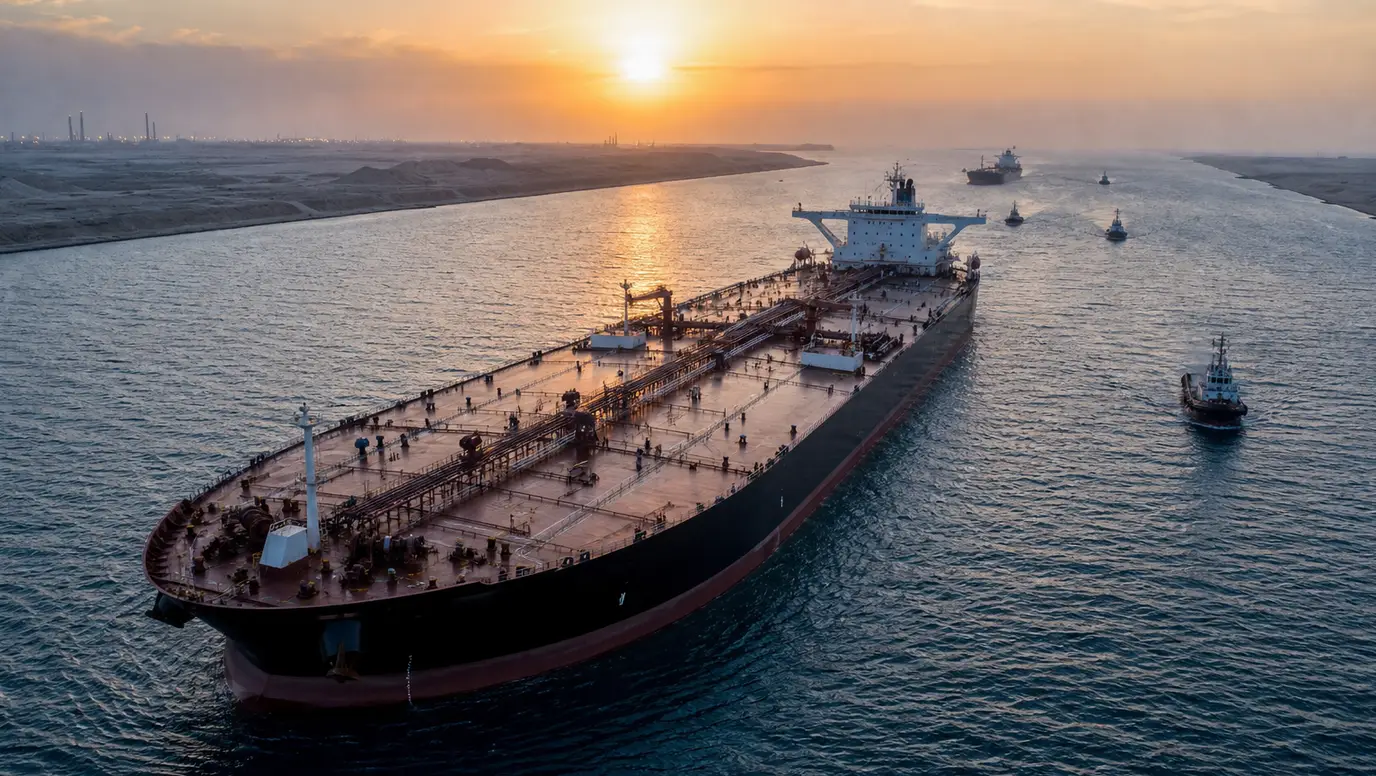
AUGUST 10, 2026
Strait of Hormuz Delay Lifts Energy Market as Crude Oil Flow Risk Returns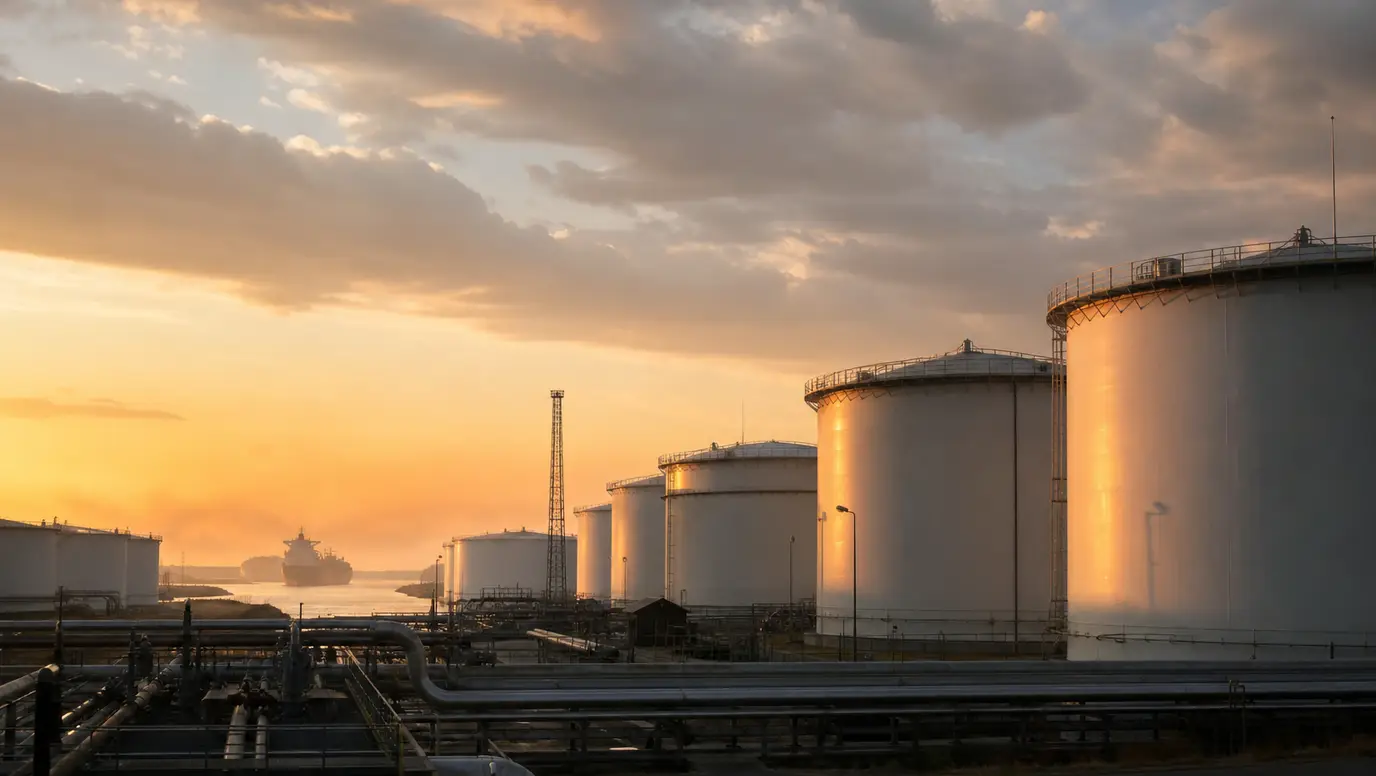
AUGUST 2, 2026
WTI Crude Oil Faces OPEC+ Output Test as Strait of Hormuz Risk Meets Stock Draw
JULY 28, 2026
Strait of Hormuz Flows Keep WTI Crude on Alert as Oil Retreats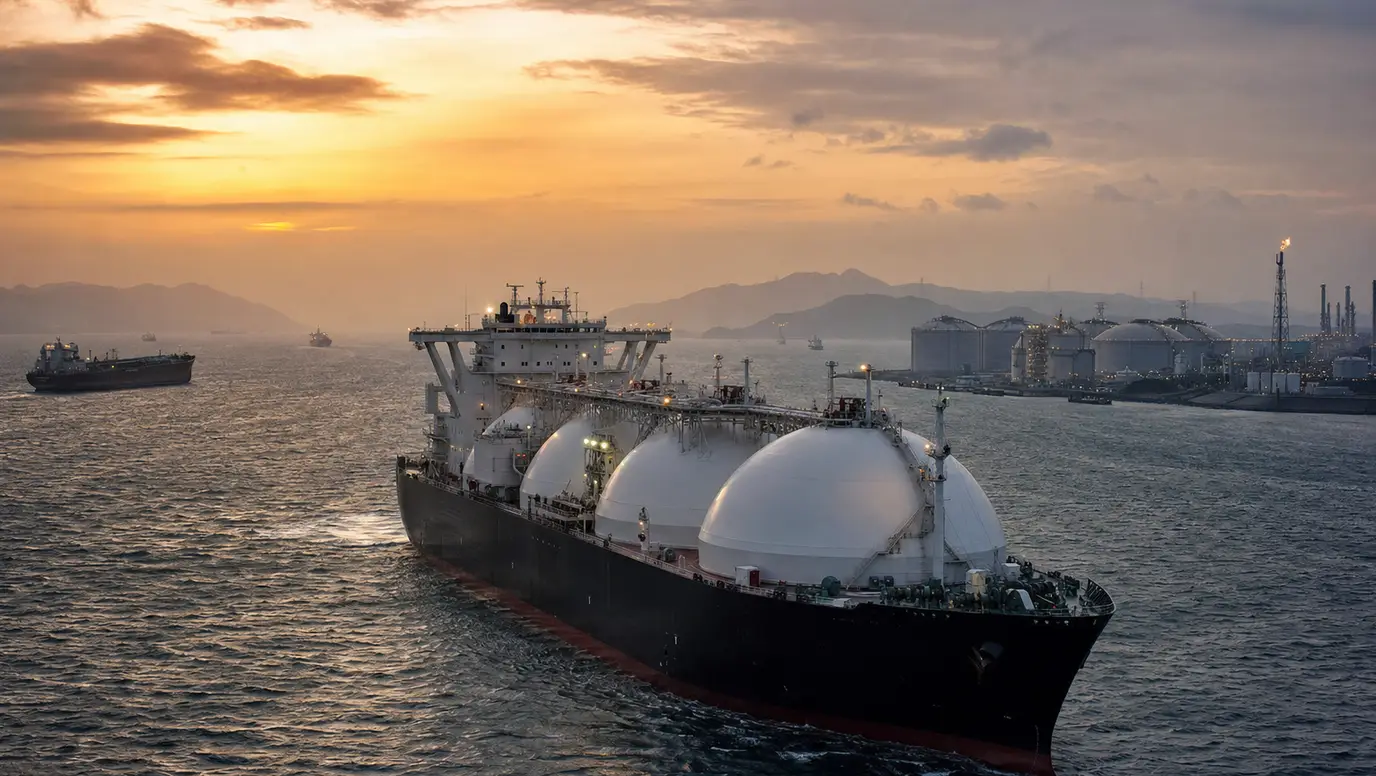
JULY 21, 2026
LNG Supply Race Overtakes Oil as Gas Prices Jump on Hormuz Disruption
JULY 20, 2026
Brent Crude Tops $90 as WTI Crude and Oil Prices React to Hormuz Shipment Risk