OCTOBER 14, 2026
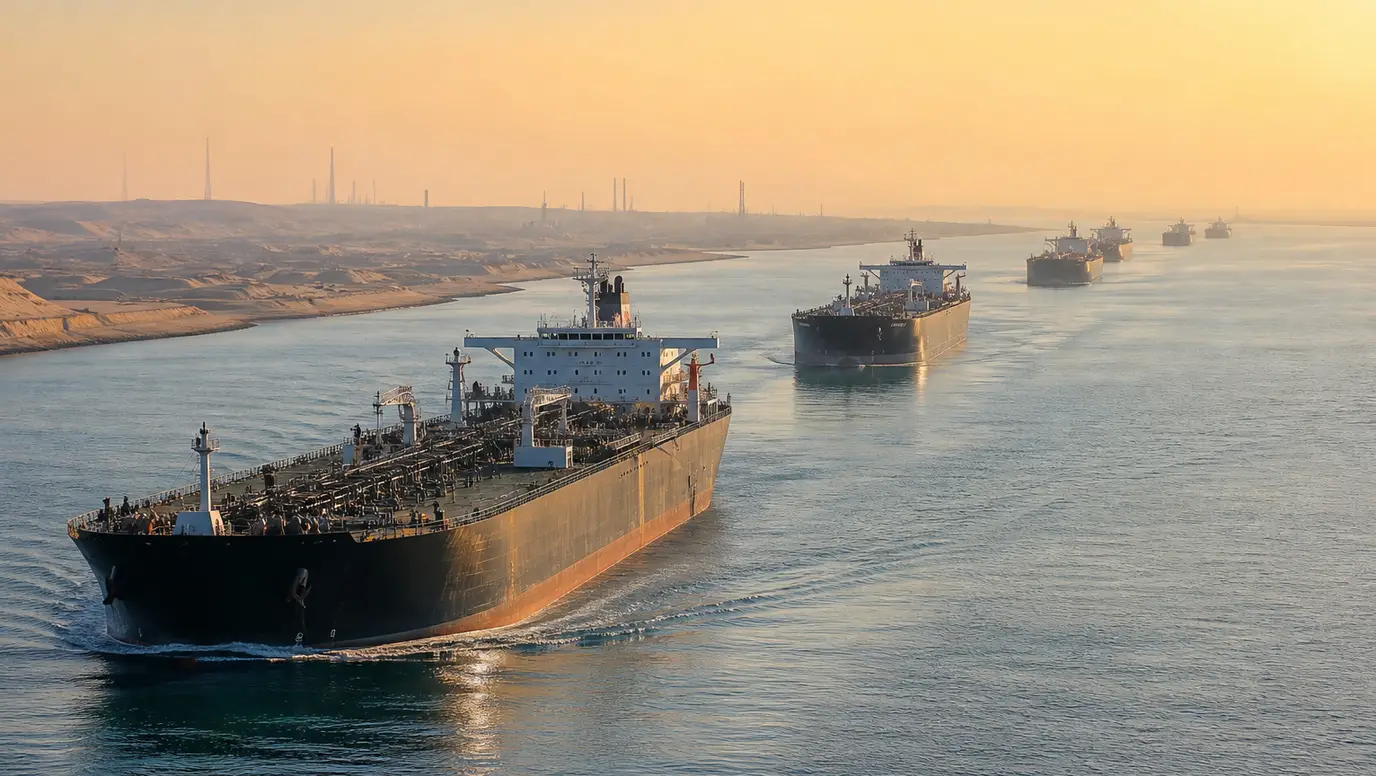
Crude Oil Demand Forecast Cut as Strait of Hormuz Flows Keep Energy Market TightCrude oil demand forecasts weaken, but low inventories and Strait of Hormuz risks keep the energy market tight before fresh U.S. stock data.

© 1box.site 2026
JULY 21, 2026
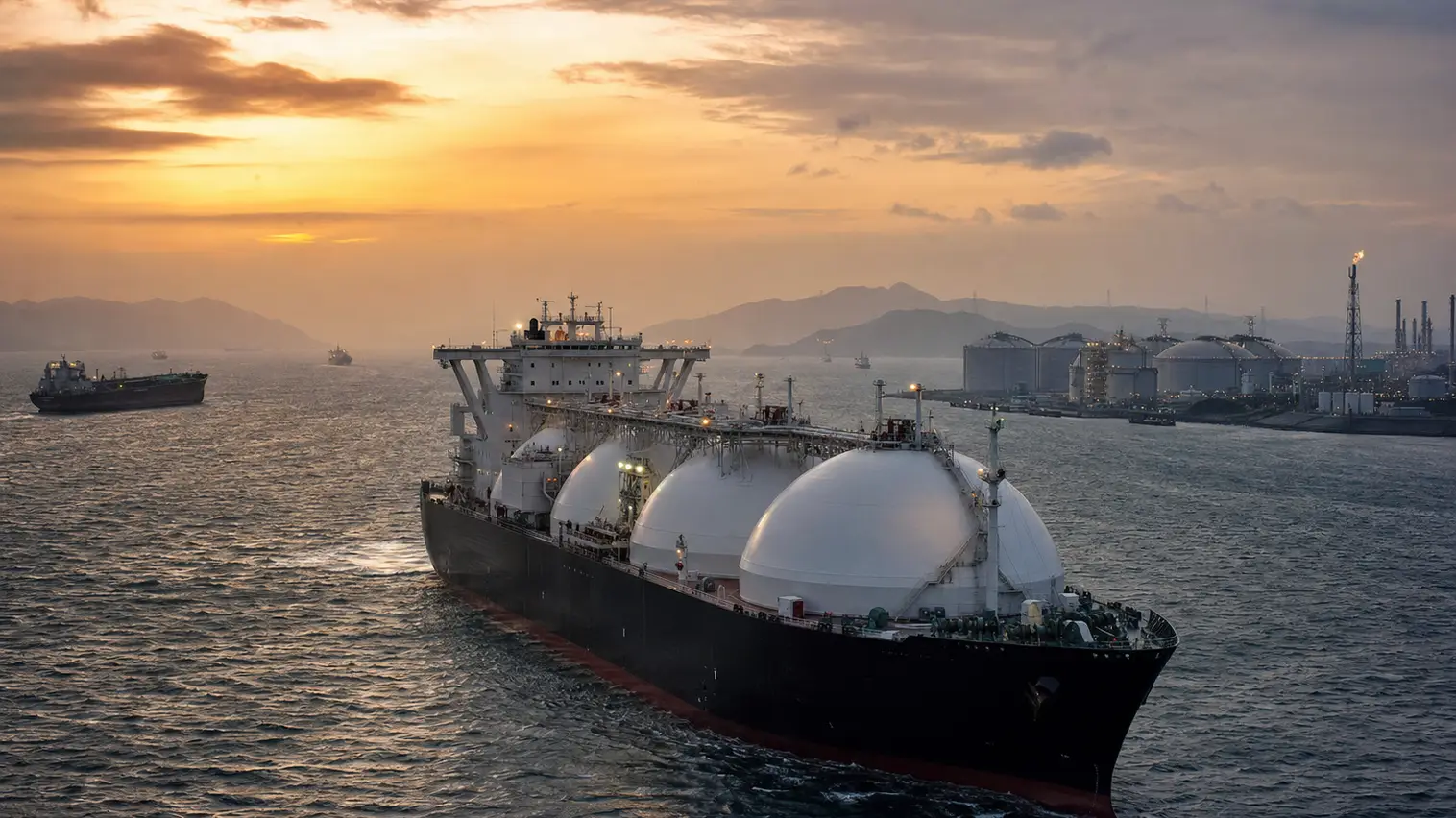
The strongest fresh news flow across global markets is again coming from energy, where the focus is shifting from headline crude oil moves to the tighter and more fragile liquefied natural gas trade. Brent and WTI remain sensitive to Middle East risk, but the sharper pressure point for traders is now LNG availability, European storage rebuilding and the competition between European utilities and Asian buyers for flexible cargoes.
Gas prices have moved higher as renewed disruption around the Strait of Hormuz revives concern over Persian Gulf LNG flows. The move matters because the gas market has less immediate flexibility than crude oil: rerouting cargoes, replacing Qatari or regional supply and accelerating storage injections all carry higher costs when summer cooling demand is rising.
Oil is still the broader inflation signal, but LNG is becoming the more acute supply story. A prolonged interruption to Gulf shipping would not only reduce available cargoes but also intensify the bidding war between Europe and Northeast Asia. That dynamic is especially important as Europe tries to rebuild inventories before winter while Asian buyers prepare for peak cooling demand.
European benchmark gas has been trading with a geopolitical premium as storage levels remain well below the comfort zone usually preferred this close to the heating season. Even modest delays in LNG deliveries can force utilities to pay up for replacement cargoes, reduce industrial demand or lean more heavily on pipeline supply where available.
Asian spot LNG has also firmed, reflecting the same concern that the global cargo pool is thinner than expected. When Asian prices rise enough to pull Atlantic cargoes away from Europe, the TTF market can react quickly, making European gas more sensitive to weather forecasts, shipping headlines and storage data.
Crude oil remains central to the wider market reaction because higher Brent and WTI prices feed directly into fuel costs, freight rates and inflation expectations. However, the latest move in energy is not just an oil shock. It is a broader repricing of fuel security, with gas, LNG and refined products all reflecting the risk that supply routes remain constrained longer than traders expected.
For central banks and equity markets, the distinction is important. Oil affects headline inflation quickly, while gas affects power costs, fertilizer production, industrial margins and household energy bills with a longer lag. If LNG prices remain elevated, the pressure could show up in European manufacturing data and in utility hedging costs before winter.
The next phase for gas prices will depend on three linked signals: whether LNG shipping normalizes through the Gulf, whether Europe can accelerate storage injections, and whether heatwaves lift power-sector gas demand in Europe or Asia. Any improvement on shipping could remove part of the risk premium, but a slow recovery would keep volatility high.
For now, the energy market is treating LNG as the bottleneck that could turn a regional conflict into a global fuel-price problem. That keeps gas prices exposed to sudden moves and leaves crude oil traders watching the same disruption channel from a different angle: if LNG stress persists, the broader energy complex may remain supported even when oil-specific inventory data looks less bullish.
OCTOBER 14, 2026
Crude Oil Demand Forecast Cut as Strait of Hormuz Flows Keep Energy Market Tight
OCTOBER 8, 2026
WTI Crude Oil Jumps as Inventory Draw Meets Hormuz Shipping Risk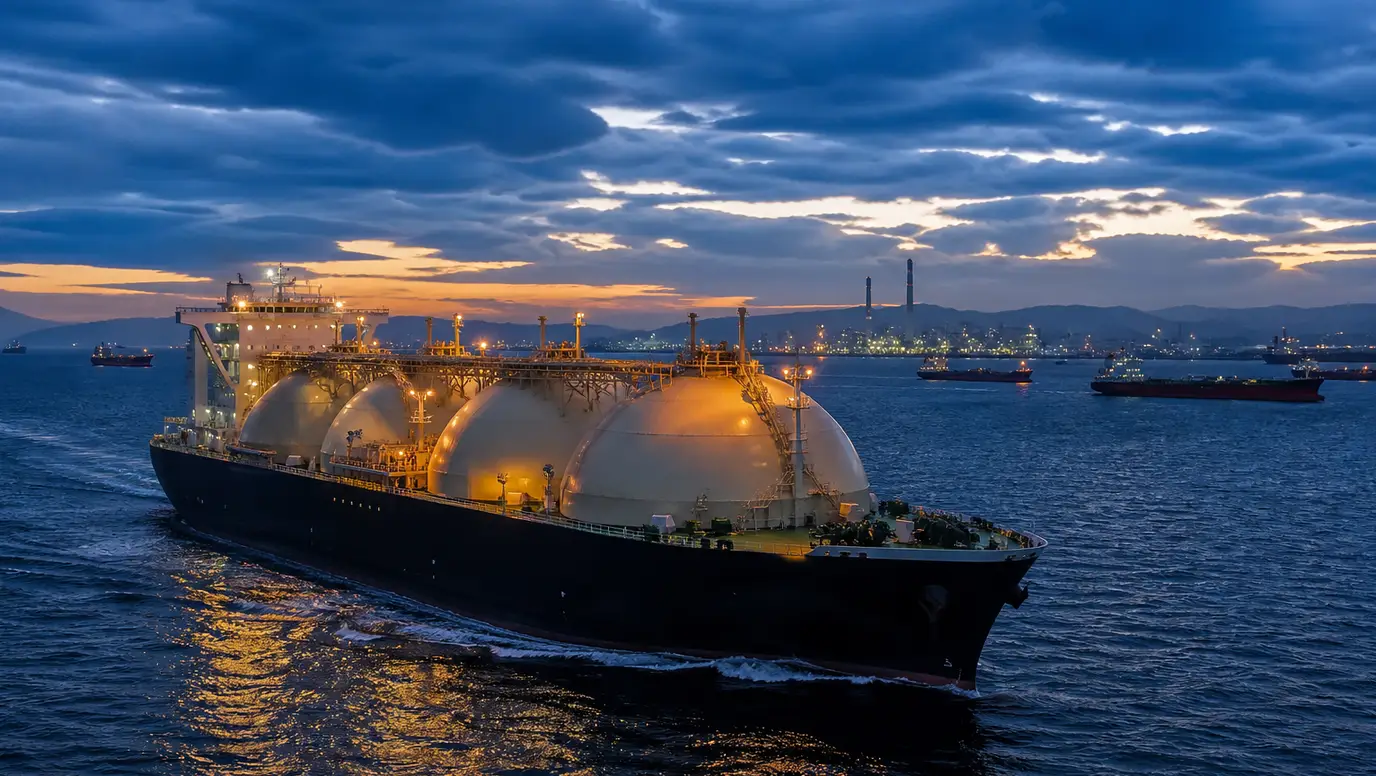
SEPTEMBER 21, 2026
LNG Gas Prices Hit 45-Month High as Hormuz Risk Tightens Winter Supply
SEPTEMBER 14, 2026
WTI Oil Rally Extends as Strait of Hormuz Risk Reprices Energy Market
SEPTEMBER 7, 2026
WTI Crude Oil Futures Hold Near Six-Week High as Hormuz Risk Tightens Energy Market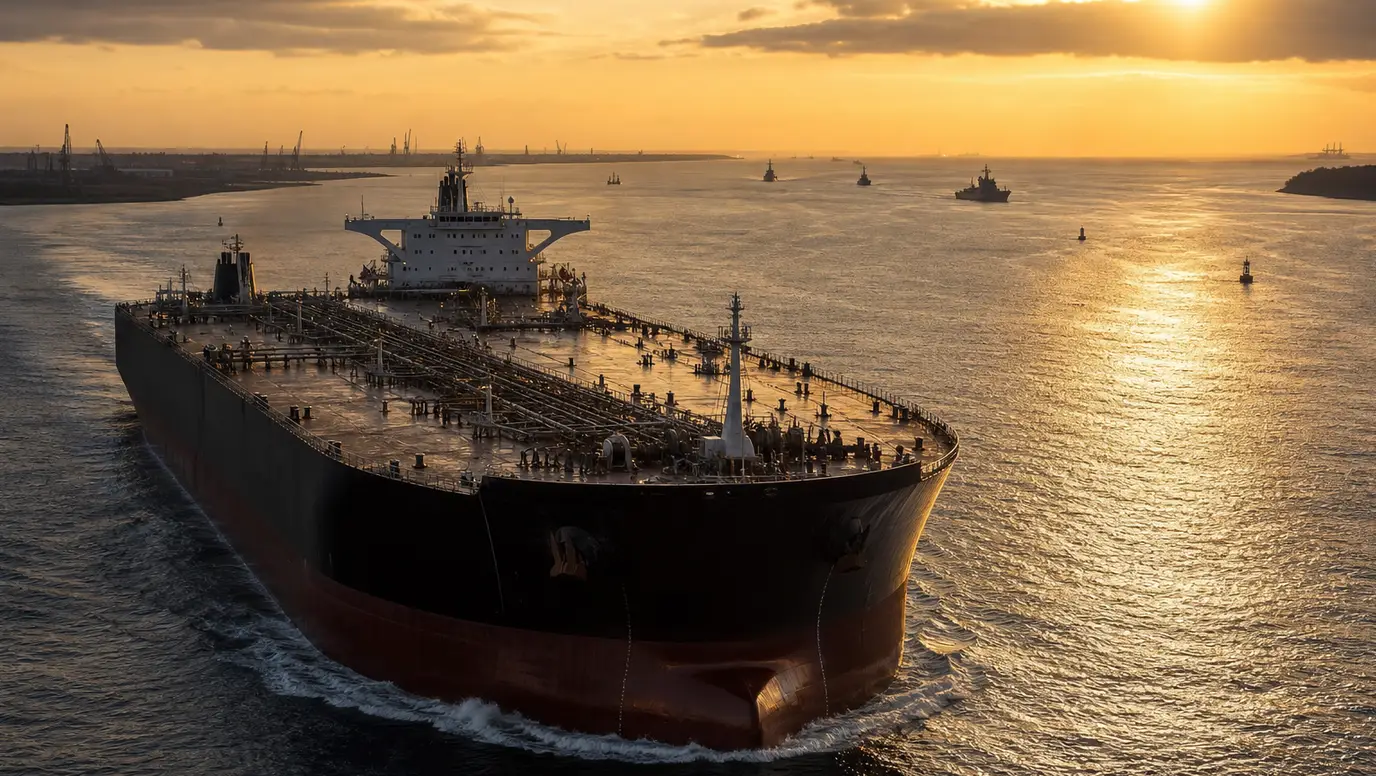
AUGUST 31, 2026
Crude Oil Rally Puts Energy Market Back on Strait Risk Watch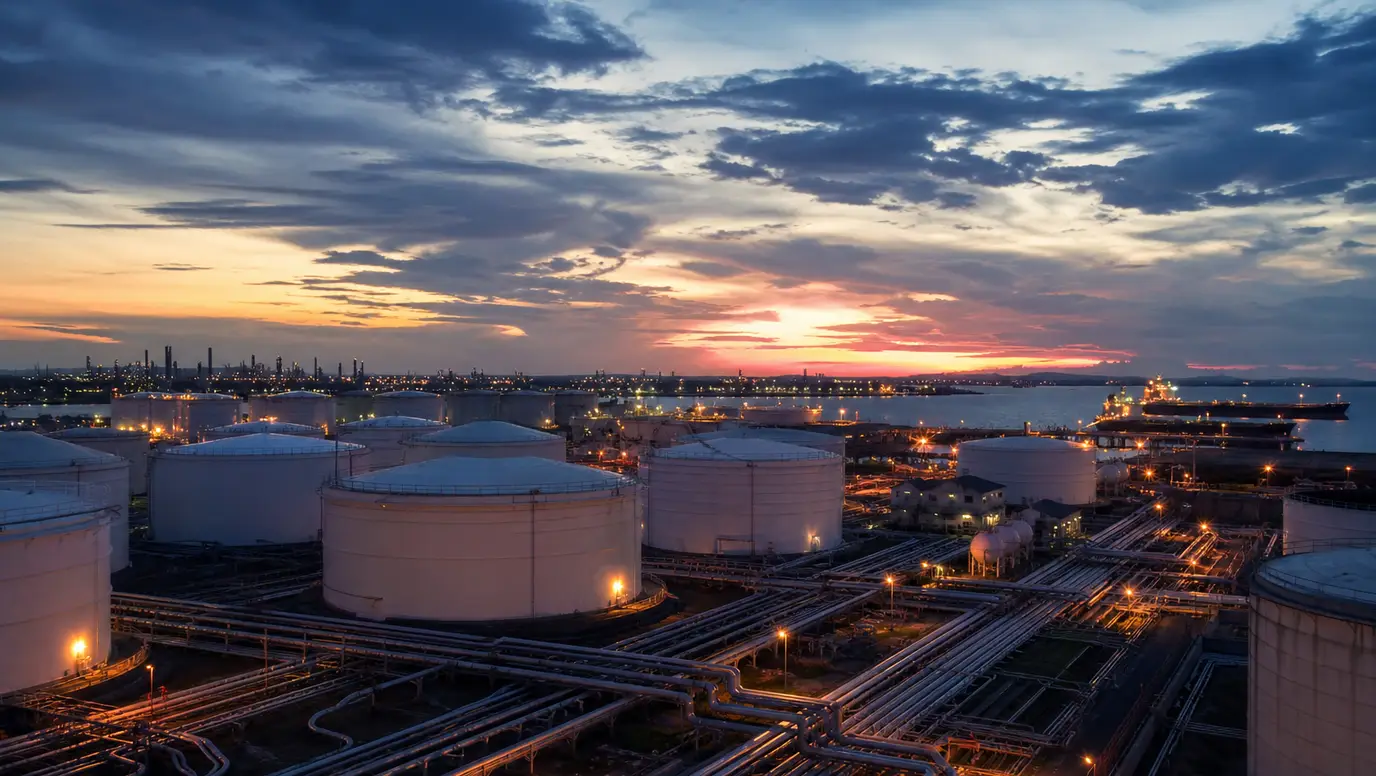
AUGUST 30, 2026
WTI Crude Oil Slips as Hormuz Supply Relief Tests Energy Market Risk Premium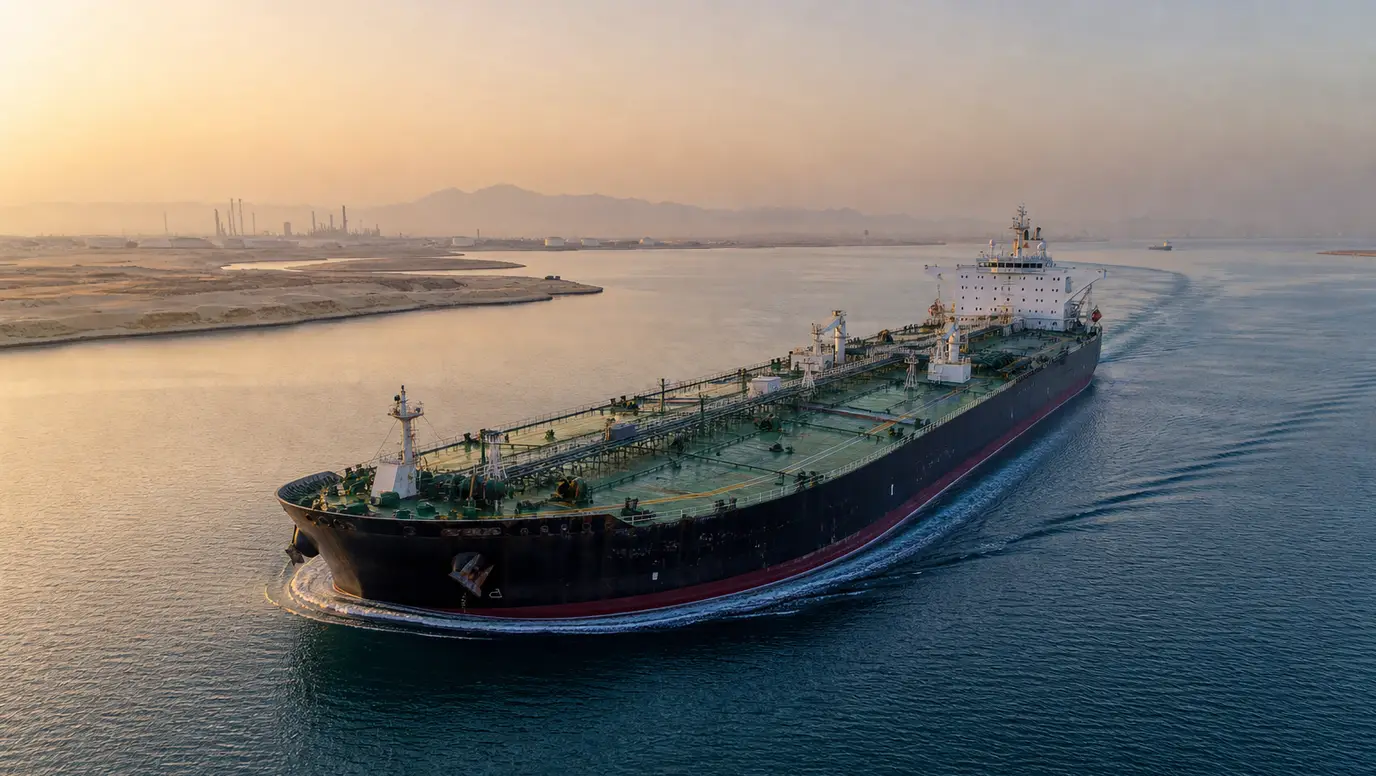
AUGUST 23, 2026
Crude Oil Keeps Strait of Hormuz Premium as Fuel Transit Signals Stir Energy Market
AUGUST 18, 2026
Brent Crude and WTI Oil Rise as Strait of Hormuz Risk Revives Energy Inflation Worries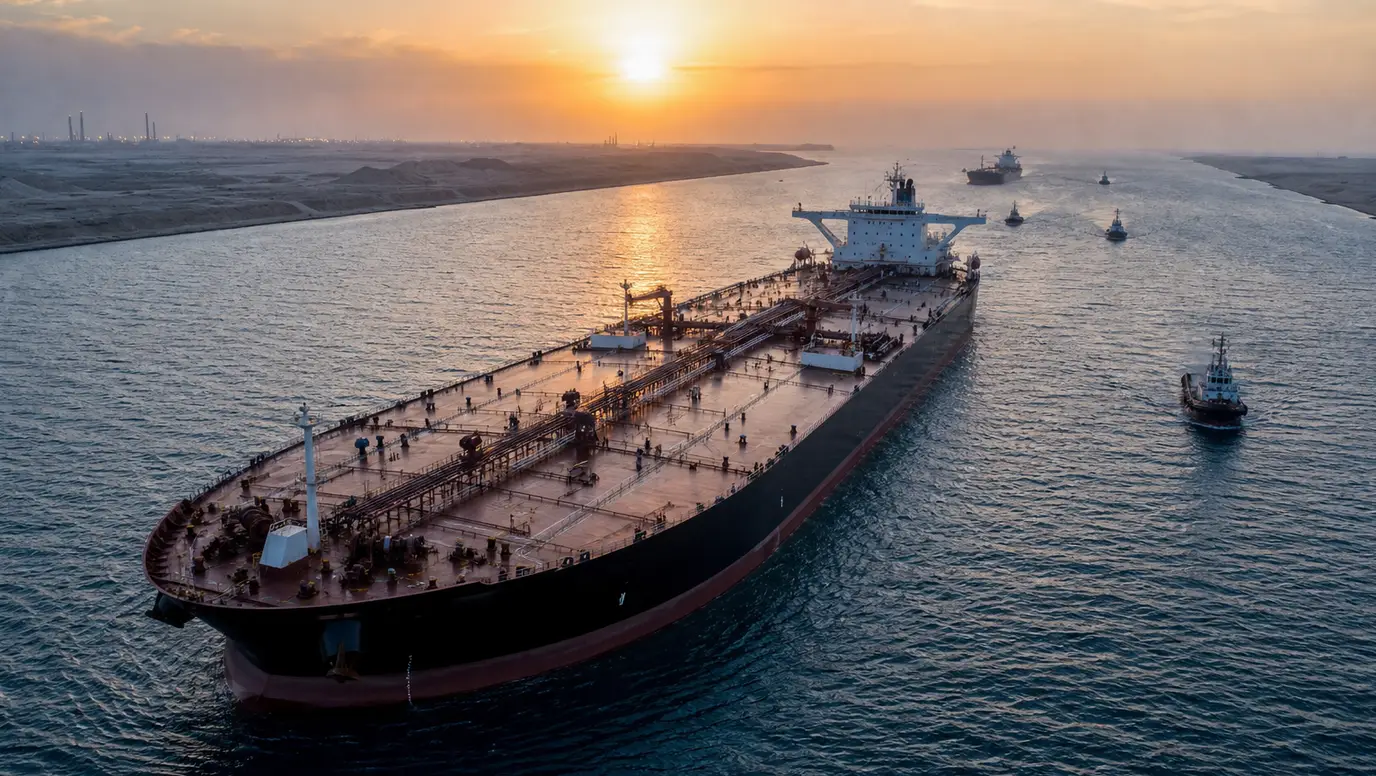
AUGUST 10, 2026
Strait of Hormuz Delay Lifts Energy Market as Crude Oil Flow Risk Returns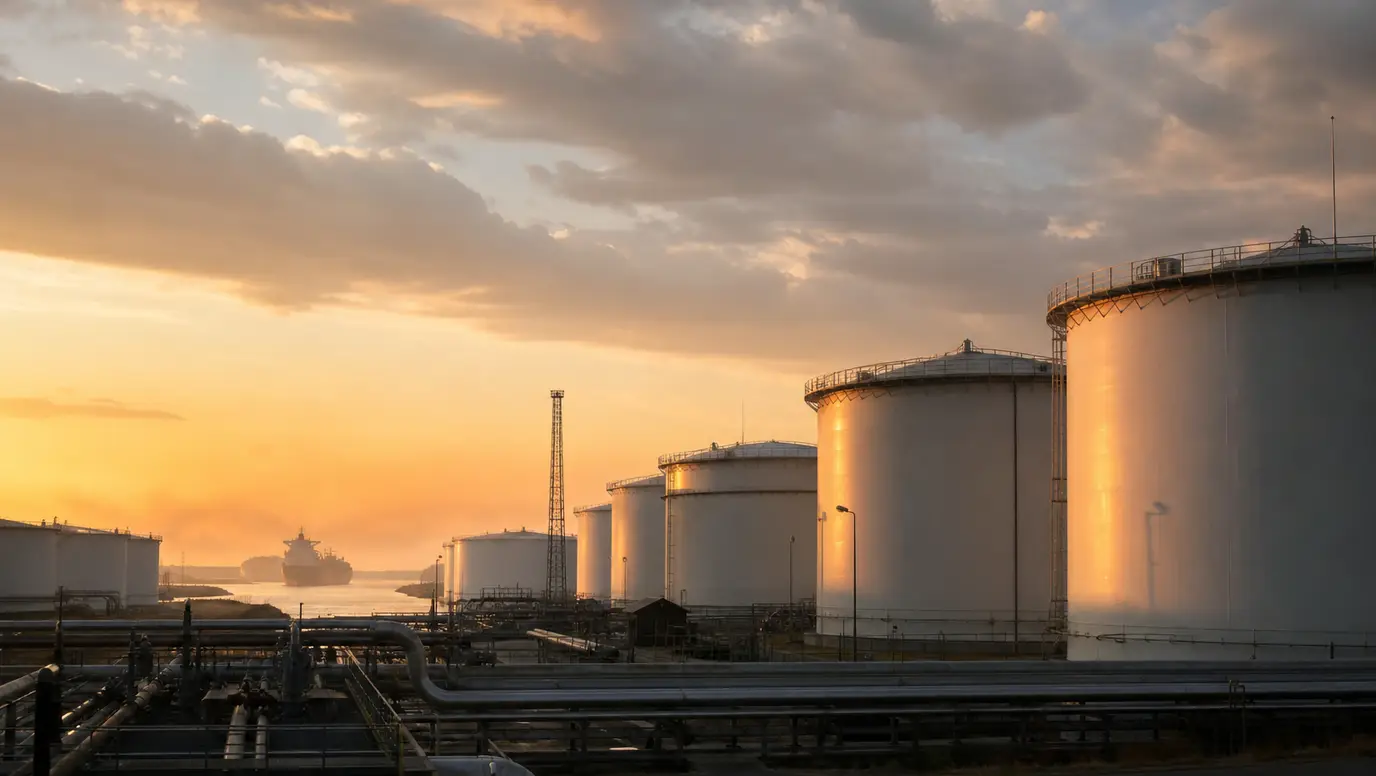
AUGUST 2, 2026
WTI Crude Oil Faces OPEC+ Output Test as Strait of Hormuz Risk Meets Stock Draw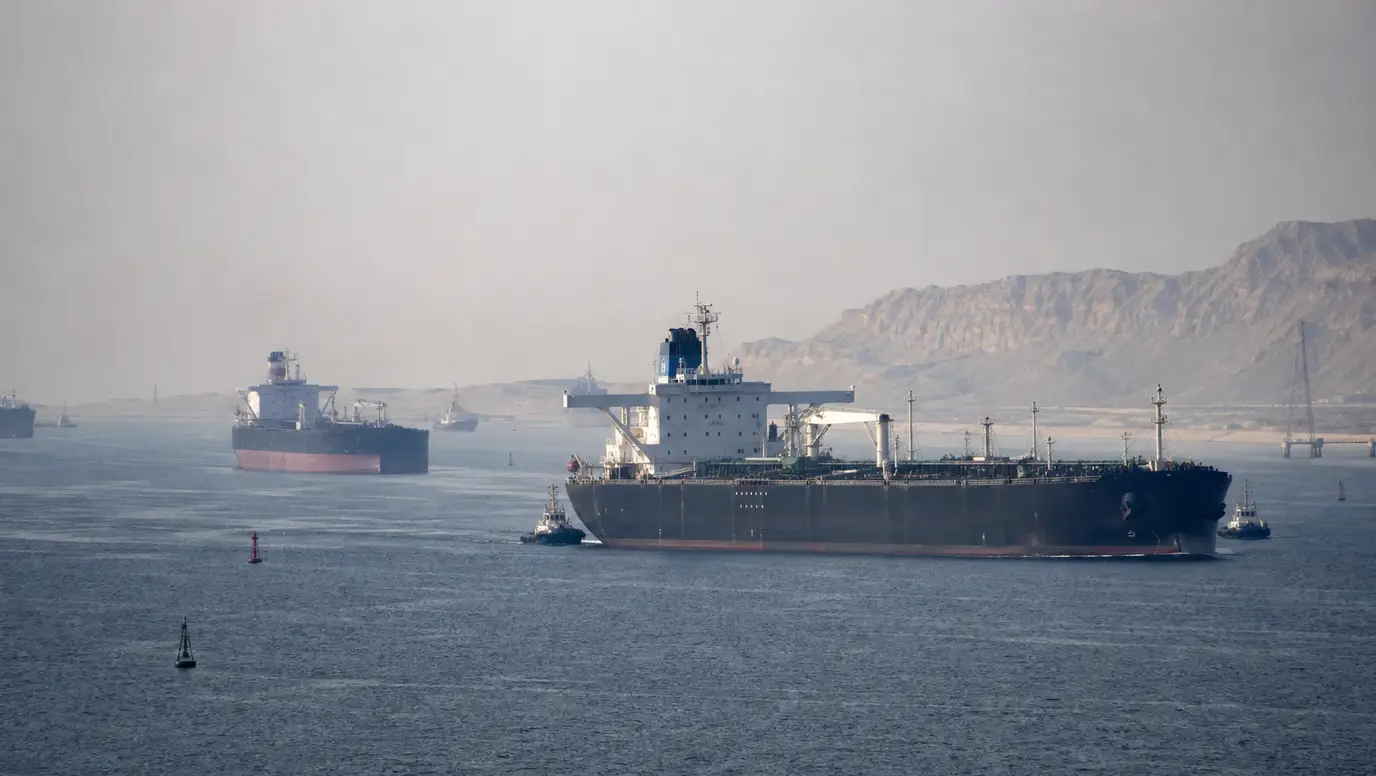
JULY 28, 2026
Strait of Hormuz Flows Keep WTI Crude on Alert as Oil Retreats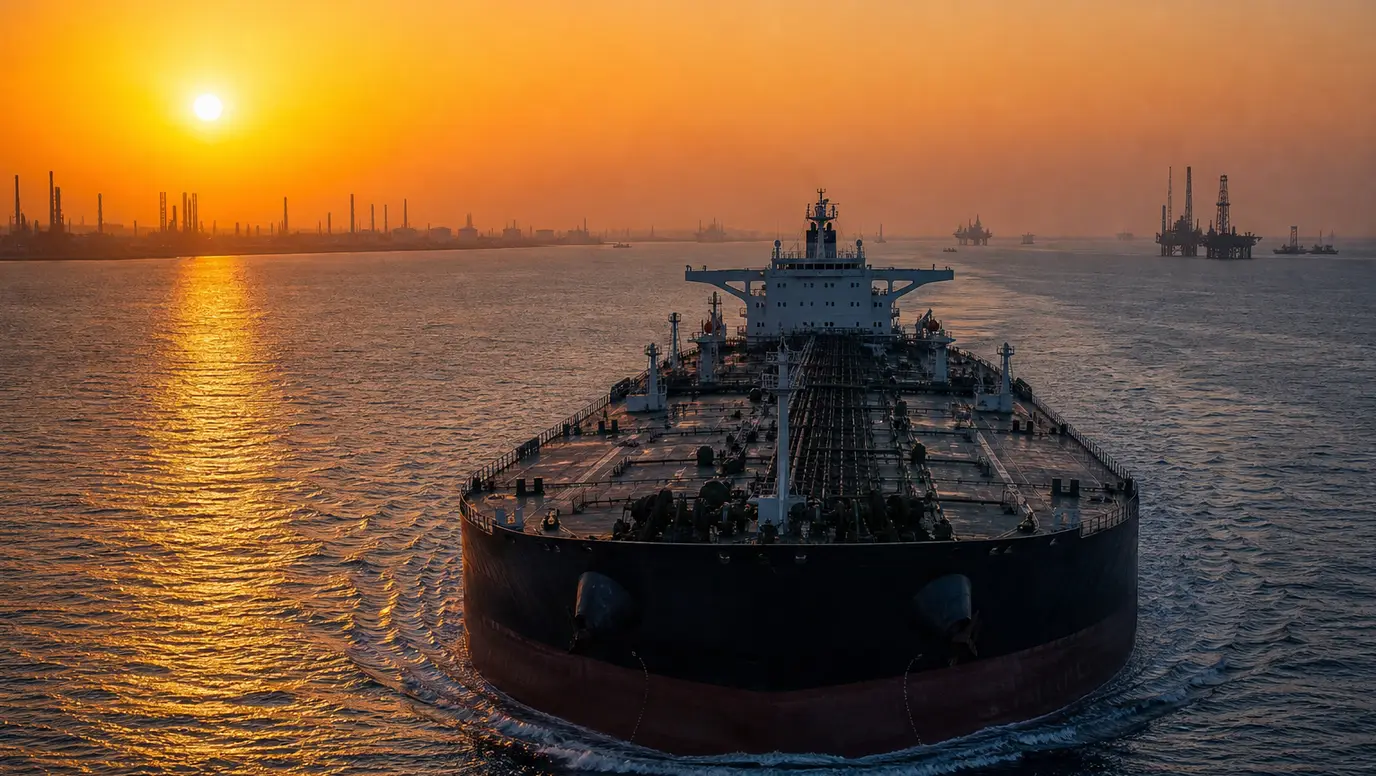
JULY 20, 2026
Brent Crude Tops $90 as WTI Crude and Oil Prices React to Hormuz Shipment Risk