
OCTOBER 23, 2026
Brent Crude Oil Extends Energy Market Surge as Houthi Strikes Lift Supply PremiumBrent crude oil climbs above $116 as Houthi strikes and Gulf shipping risk add a fresh supply premium to the energy market.

© 1box.site 2026

SEPTEMBER 20, 2026
Brent crude futures are entering the new trading week near $104 a barrel, with the energy market trying to decide whether a Saudi export workaround is enough to cool a rally built on geopolitical risk, tight spare capacity concerns and resilient refinery demand.
The latest price action marks a shift from the panic buying seen earlier in September. Brent pulled back into the end of last week, while U.S. crude also eased, as traders reacted to signs that Saudi Arabia may be able to reroute some barrels and limit the immediate impact of damage to a key export corridor. Even so, prices remain elevated by recent standards, leaving crude highly sensitive to any fresh headline from the Middle East, shipping routes or OPEC+ policy.
The central question for oil traders is no longer only whether supply has been disrupted, but how quickly exporters can adapt. Reports of ship-to-ship transfers near Oman and efforts to restore part of Saudi Arabia’s East-West pipeline capacity have reduced the most extreme shortage fears. That has helped cap Brent after its recent spike, but it has not removed the risk premium entirely.
The East-West route matters because it can move Saudi crude toward the Red Sea, offering an alternative to Gulf shipping lanes when the Strait of Hormuz becomes more difficult or expensive to navigate. If repairs progress and replacement logistics hold, Brent may struggle to extend the rally without a new disruption. If delays persist, cargo cancellations increase, or insurance and freight costs rise again, the market could quickly rebuild a larger geopolitical premium.
This is why the pullback in Brent should not be read as a clear bearish reversal. The market has moved from shock pricing to verification pricing: traders are now testing whether physical barrels are still arriving where refiners need them, rather than simply reacting to the first reports of damage.
Fresh U.S. petroleum figures added a second layer to the crude outlook. Commercial crude inventories excluding the strategic reserve slipped by 0.6 million barrels to 423.4 million barrels in the week ended September 11, while refinery utilization stayed high at 96.8%. That combination suggests U.S. refiners are still pulling strongly on crude supply even as end-product demand shows signs of unevenness.
Total product supplied over the latest four-week period averaged about 20.5 million barrels per day, slightly below the same period a year earlier. Gasoline inventories rose modestly and distillate stocks also increased, but the broader inventory picture remains tight enough to keep crude dips limited when geopolitical risk is elevated.
For Brent, the U.S. data is important because it shows the market is not dealing with a demand collapse that would easily absorb a Middle East supply shock. Instead, crude is trading in a narrow balance: demand is not booming, but inventories are not loose enough to make traders comfortable with prolonged export disruption.
OPEC+ policy remains another stabilizing factor under prices. The producer group’s recent review of market conditions kept attention on supply management just as geopolitical tensions complicated physical trade flows. Traders are likely to watch for any signal that major producers are willing to add barrels into a high-price environment or, instead, prefer to defend revenue while letting logistics determine near-term flows.
A rapid and visible recovery in Saudi export capacity could pull some speculative length out of Brent futures. However, sustained prices above $100 also show that the market is still paying for uncertainty. In this environment, even neutral OPEC+ language can be supportive if it does not point to a clear increase in available supply.
The technical setup now leaves Brent with an important near-term range. A hold above the low-$100 area would suggest traders still see supply risk as unresolved. A break back below that zone would indicate confidence that Saudi workarounds are functioning and that U.S. inventory cover is adequate. On the upside, renewed concern over pipeline repairs, Hormuz traffic, or refinery crude availability could quickly bring the recent highs back into view.
For now, the energy market is treating Brent crude less like a simple demand story and more like a logistics stress test. The next decisive move may depend on whether barrels keep moving smoothly despite damaged infrastructure, or whether the workaround proves too fragile for a market already short on patience.
OCTOBER 23, 2026
Brent Crude Oil Extends Energy Market Surge as Houthi Strikes Lift Supply Premium
OCTOBER 20, 2026
WTI Crude Oil Futures Keep Energy Market on Edge as Strait of Hormuz Risk Lifts Premium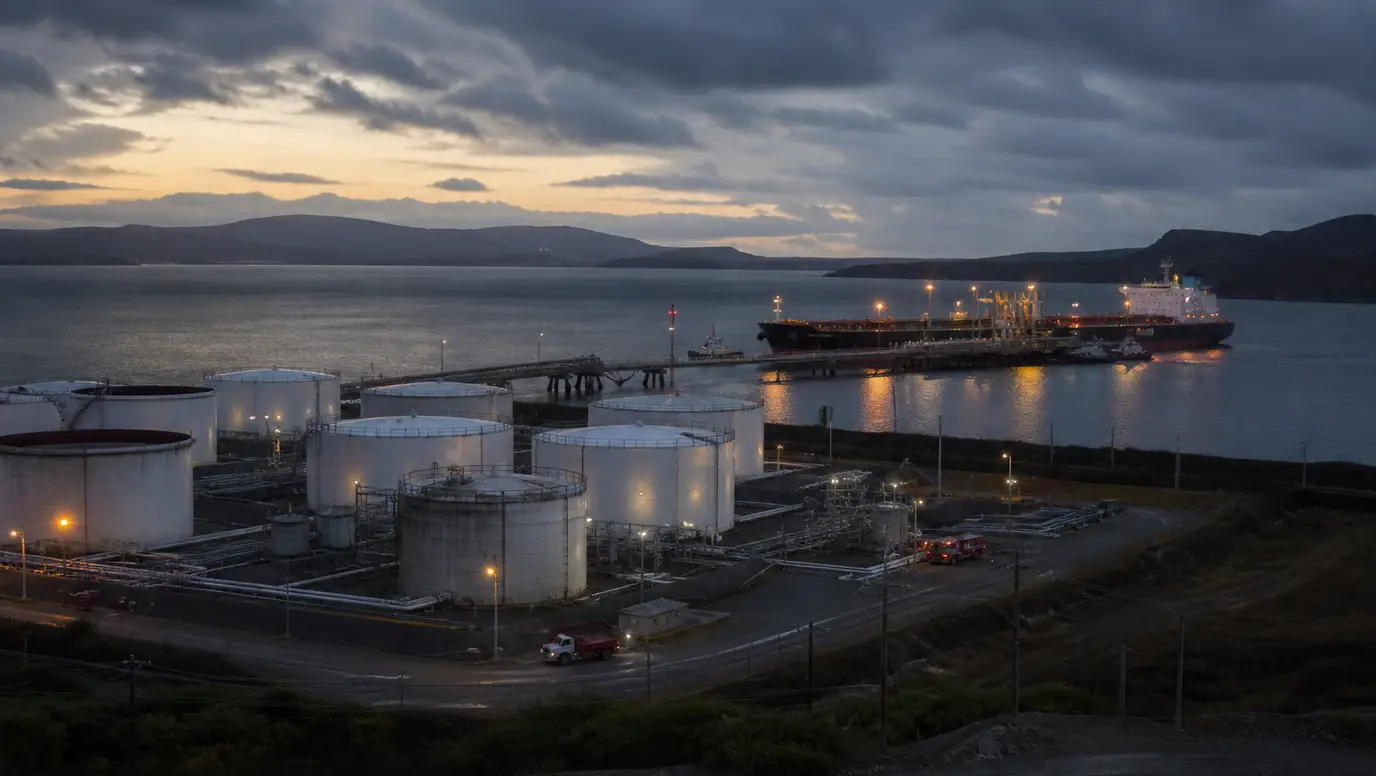
OCTOBER 17, 2026
Brent Crude Oil Tests $110 as Strategic Petroleum Reserve Move Fails to Calm Energy Market
OCTOBER 9, 2026
Brent Crude Oil Pulls Back as OPEC+ Hold and Iran Strike Pause Ease Energy Premium
OCTOBER 4, 2026
Brent Crude Holds Above $100 as OPEC+ Extends Output Pause
SEPTEMBER 30, 2026
WTI Crude Oil Futures Steady as Iran Sanctions Risk Meets Tight Fuel Market
SEPTEMBER 27, 2026
Brent Crude Risk Premium Holds as OPEC+ Pause Keeps Energy Market on Edge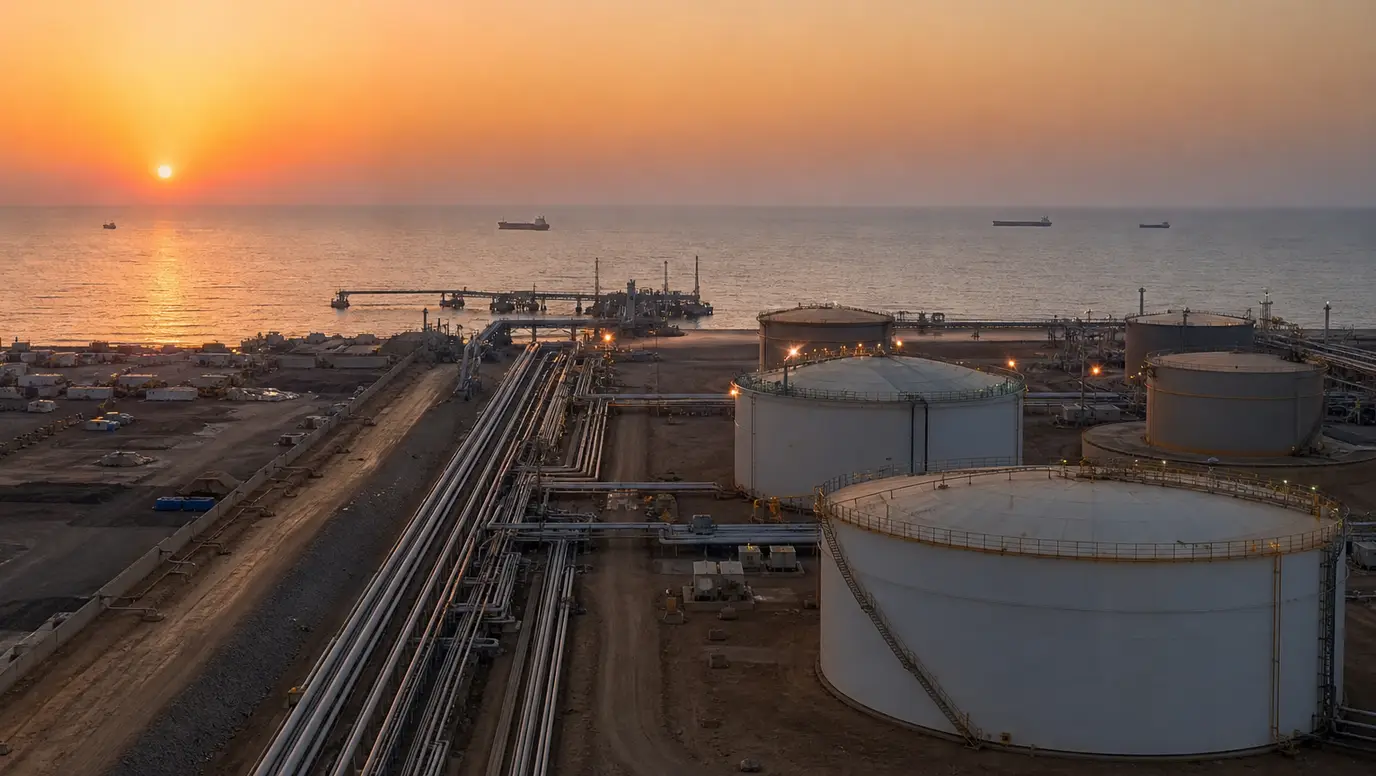
SEPTEMBER 23, 2026
WTI Crude Oil Futures Hold Near Two-Week Low as Gulf Supply Return Tests Fuel Market
SEPTEMBER 15, 2026
Brent Crude Holds Above $107 as Saudi Pipeline Closure Lifts Energy Risk Premium
SEPTEMBER 9, 2026
Brent Crude Futures Break $100 as Supply Shock Tightens Energy Market
SEPTEMBER 7, 2026
WTI Crude Oil Futures Hold Near Six-Week High as Hormuz Risk Tightens Energy Market
SEPTEMBER 3, 2026
OPEC+ Discount Shock Puts Energy Market on Brent Crude Supply Watch
AUGUST 29, 2026
Venezuela Oil Deal Puts Brent Crude on Long-Term Supply Watch
AUGUST 21, 2026
Brent Crude Extends Weekly Gain as Iran Sanctions Threat Tightens Fuel Supply Watch
AUGUST 18, 2026
Brent Crude and WTI Oil Rise as Strait of Hormuz Risk Revives Energy Inflation Worries
AUGUST 11, 2026
Brent Crude Whipsaws Near $90 as Red Sea Risk Tests Energy Market
AUGUST 6, 2026
Brent Crude Volatility Keeps Energy Market Focused on Iran Risk Premium
JULY 31, 2026
Brent Crude Holds Risk Premium as Red Sea Disruptions Keep Energy Traders Defensive
JULY 24, 2026
Brent Holds Above $100 as Red Sea Tanker Risk Resets Energy Market Outlook
JULY 20, 2026
Brent Crude Tops $90 as WTI Crude and Oil Prices React to Hormuz Shipment Risk
JULY 19, 2026
Brent Crude and WTI Crude Rally as Traders Test OPEC+ Supply Cushion
JULY 18, 2026
Brent Crude and WTI Crude Prices Near Weekend Gap Risk as Energy Market Reprices Supply Threat
JULY 17, 2026
Brent Crude and WTI Crude Hold Weekly Gains as Red Sea Threat Offsets US Dollar Rebound
JULY 15, 2026
Brent Crude and WTI Crude Rise as Iran Port Blockade Puts Stockpile Cushion in Focus
JULY 14, 2026
Oil Market Shifts to Bypass Routes as Hormuz Risk Keeps Brent Premium Elevated
JULY 13, 2026
Brent Crude Jumps as Hormuz Escalation Reprices Energy Market Risk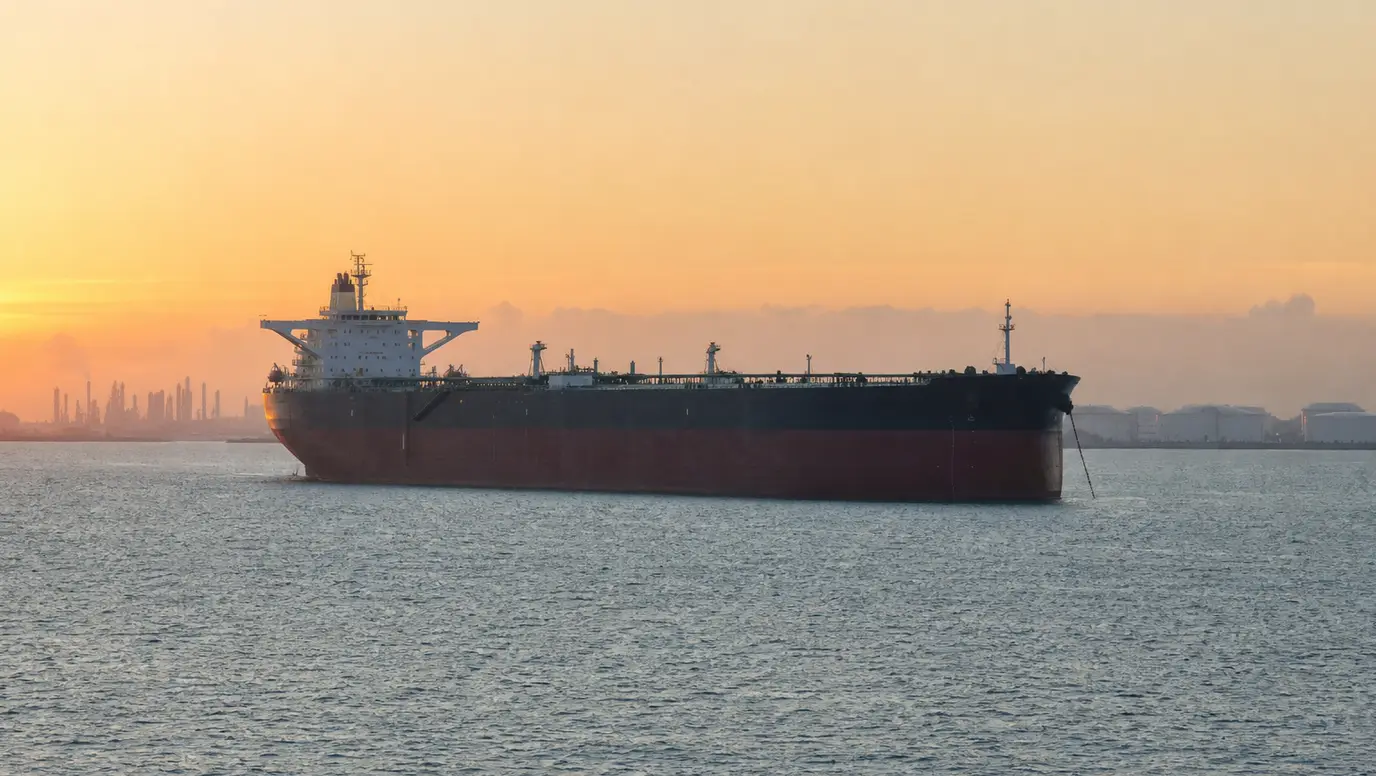
JULY 12, 2026
Crude Oil Faces China Demand Test as Floating Iranian Supply Builds
JULY 11, 2026
Energy Market Watches Tanker Risk as Crude Oil Rally Meets Demand Doubts
JULY 10, 2026
Crude Oil Turns to Glut Risk as OPEC+ Adds August Supply
JULY 9, 2026
Brent Nears $79 as Renewed Gulf Risk Rebuilds Crude Oil Premium