
OCTOBER 23, 2026
Brent Crude Oil Extends Energy Market Surge as Houthi Strikes Lift Supply PremiumBrent crude oil climbs above $116 as Houthi strikes and Gulf shipping risk add a fresh supply premium to the energy market.

© 1box.site 2026
SEPTEMBER 15, 2026
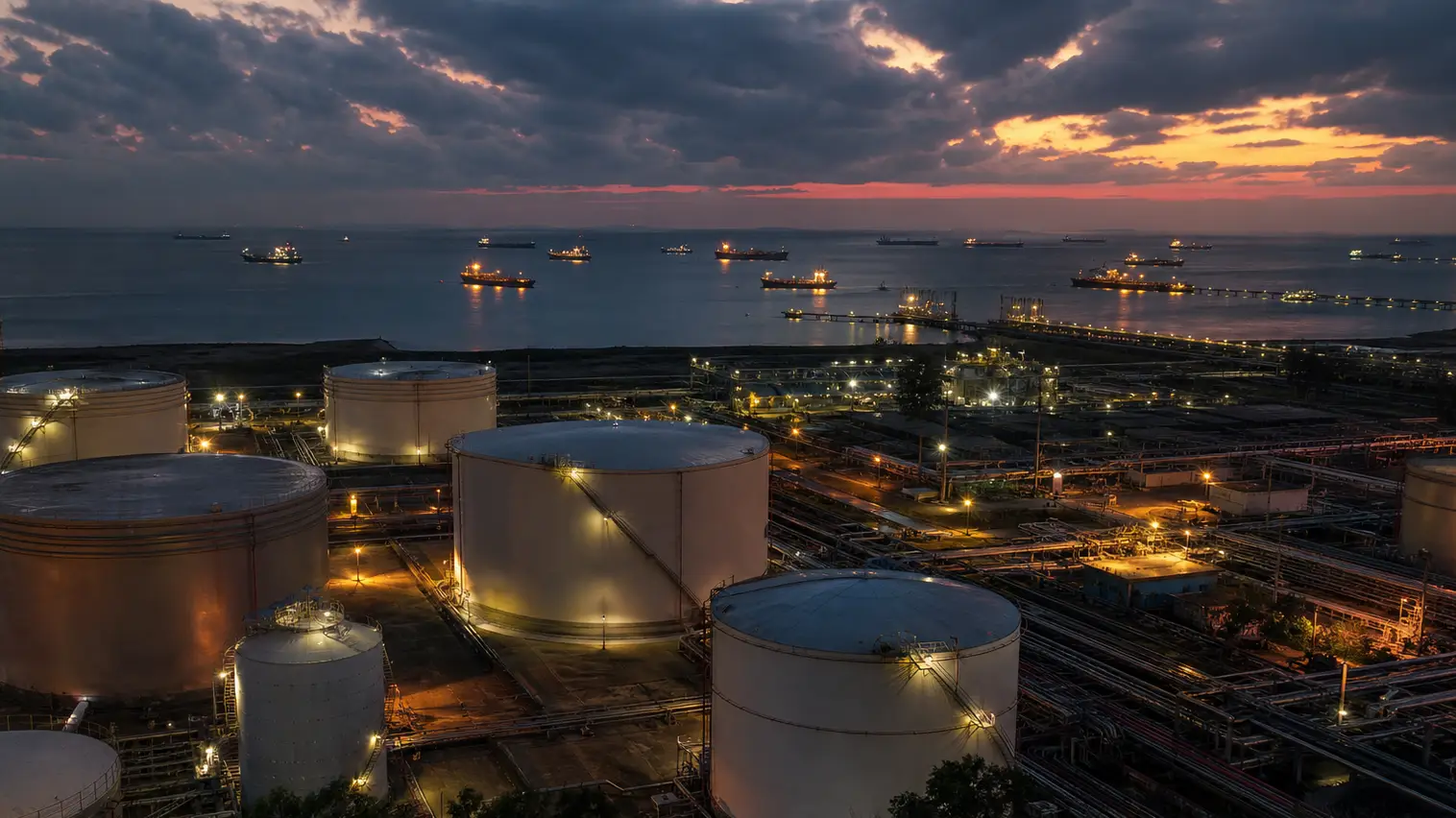
Brent crude remained above the $107-a-barrel area on Tuesday as traders priced a larger risk premium into global oil after Saudi Arabia shut a key pipeline route following a recent attack. The move has sharpened concern that already fragile supply chains could face additional strain if regional tensions continue to affect export flexibility.
The latest rally gives the energy market a clear lead over metals in fresh news activity. While gold and base metals are moving mainly in response to the stronger US dollar and elevated Treasury yields, oil is being driven by a direct supply-security shock with broader implications for fuel costs, shipping routes and inflation expectations.
The Saudi East-West pipeline is closely watched because it can help move crude toward the Red Sea while reducing reliance on Gulf chokepoints. Its closure does not automatically remove all Saudi exports from the market, but it reduces operational flexibility at a time when traders are already sensitive to any sign of disrupted flows.
For Brent crude, the immediate issue is not only lost volume risk but also the potential repricing of insurance, freight and refinery procurement costs. A sustained disruption could encourage refiners to compete more aggressively for prompt barrels, especially in regions with limited short-term alternatives.
The market reaction also reflects how quickly geopolitical risk can spill into benchmark pricing. Brent has become the focal point because it is more exposed to global seaborne supply expectations than domestic US benchmarks, making it a cleaner gauge of international energy stress.
The oil advance is arriving just as investors prepare for a major Federal Reserve policy decision. Higher crude prices can complicate the inflation outlook by lifting transport, petrochemical and heating costs, particularly if the move feeds into refined fuels such as gasoline, jet fuel and diesel.
That inflation channel is already weighing on risk appetite. Equity markets in Asia and Australia came under pressure as investors assessed whether higher energy costs could force central banks to stay restrictive for longer. The stronger US dollar and higher bond yields have added to the pressure on commodity-linked assets.
Natural gas prices in Europe have also moved higher alongside oil, reinforcing the view that the latest shock is not limited to one benchmark. A combined rise in crude and gas can tighten financial conditions for energy importers and increase hedging demand among utilities, airlines and industrial buyers.
The key near-term question is how long the Saudi pipeline remains closed and whether alternative export routes can absorb the disruption without creating bottlenecks. Traders will also monitor official inventory data, tanker movements and refinery buying patterns for signs that the physical market is tightening beyond the initial risk premium.
If Brent holds above $107, the market may begin to test how much demand destruction is needed to offset supply anxiety. A quick reopening could cool the rally, but a prolonged outage would keep energy inflation risk at the center of global market pricing.
For now, the energy market is being driven by a classic supply-security shock: limited spare logistical flexibility, elevated geopolitical risk and a macro backdrop already sensitive to inflation. That combination leaves Brent crude positioned as one of the most important benchmarks for investors to watch this week.
OCTOBER 23, 2026
Brent Crude Oil Extends Energy Market Surge as Houthi Strikes Lift Supply Premium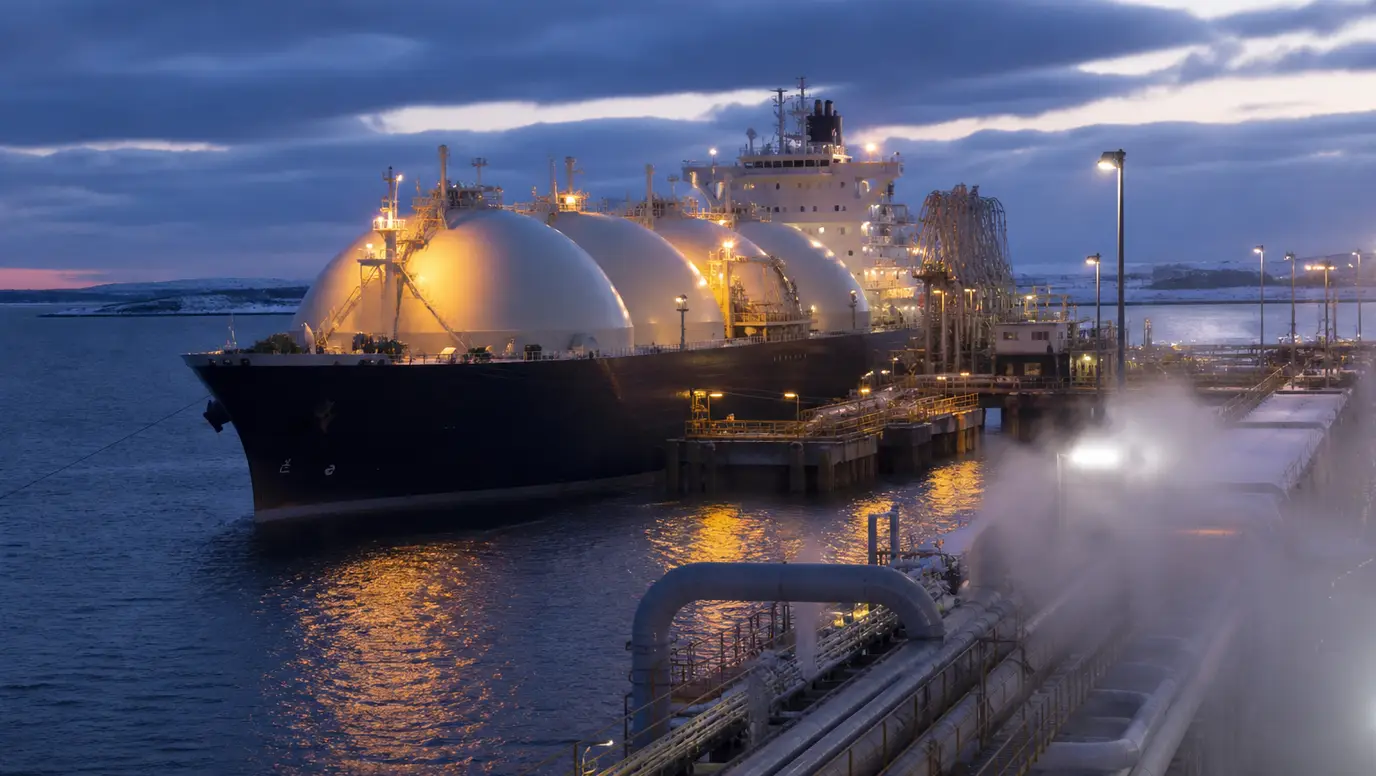
OCTOBER 22, 2026
LNG Spot Prices Climb as Asia-Europe Winter Bidding War Reprices Energy Market Risk
OCTOBER 16, 2026
PJM Power Emergency Puts Backup Fuel and Demand Response in Energy Market Focus
OCTOBER 11, 2026
LNG Fuel Market Cools as Winter Energy Risk Keeps Buyers on Alert
OCTOBER 8, 2026
WTI Crude Oil Jumps as Inventory Draw Meets Hormuz Shipping Risk
OCTOBER 6, 2026
Distillate Fuel Squeeze Keeps Energy Market Alert as Diesel Margins Stay Elevated
OCTOBER 2, 2026
Crude Oil Slides as OPEC+ Pause Bets Meet Returning Middle East Supply
SEPTEMBER 21, 2026
LNG Gas Prices Hit 45-Month High as Hormuz Risk Tightens Winter Supply
SEPTEMBER 19, 2026
Gasoline Futures Climb as Refinery Outage and Pump Price Jump Put Fuel Market on Alert
SEPTEMBER 14, 2026
WTI Oil Rally Extends as Strait of Hormuz Risk Reprices Energy Market
SEPTEMBER 13, 2026
Henry Hub Slips as Gas Storage Cushion Offsets Winter Demand Risk
SEPTEMBER 8, 2026
Natural Gas Climbs as LNG Bidding Puts Energy Market on Winter Storage Watch
SEPTEMBER 7, 2026
WTI Crude Oil Futures Hold Near Six-Week High as Hormuz Risk Tightens Energy Market
SEPTEMBER 5, 2026
Gasoline Fuel Margins Put Energy Market on Pump Price Watch
SEPTEMBER 4, 2026
Diesel Fuel Record Puts Energy Market on Transport Inflation Watch
SEPTEMBER 2, 2026
Natural Gas Surge Lifts Energies as LNG Supply Fears Return
AUGUST 31, 2026
Crude Oil Rally Puts Energy Market Back on Strait Risk Watch
AUGUST 30, 2026
WTI Crude Oil Slips as Hormuz Supply Relief Tests Energy Market Risk Premium
AUGUST 29, 2026
Venezuela Oil Deal Puts Brent Crude on Long-Term Supply Watch
AUGUST 27, 2026
OPEC+ Influence Test Puts Energy Market on China Demand Watch
AUGUST 26, 2026
Distillate Fuel Draw Puts Energy Market on Diesel Supply Watch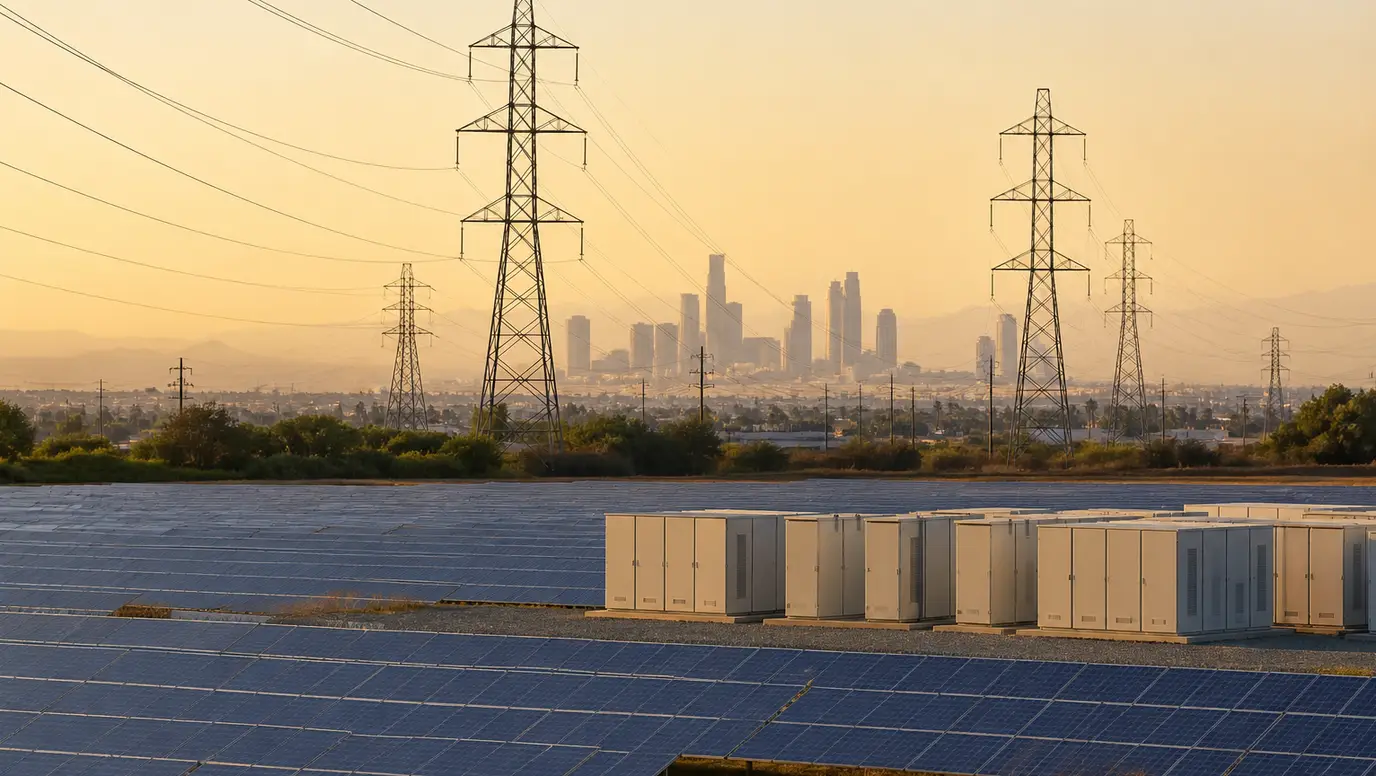
AUGUST 19, 2026
Solar Power Takes Energy Market Spotlight as Heat Tests US Power Grid
AUGUST 15, 2026
OPEC+ September Hike Leaves Crude Market Watching Gulf Export Reliability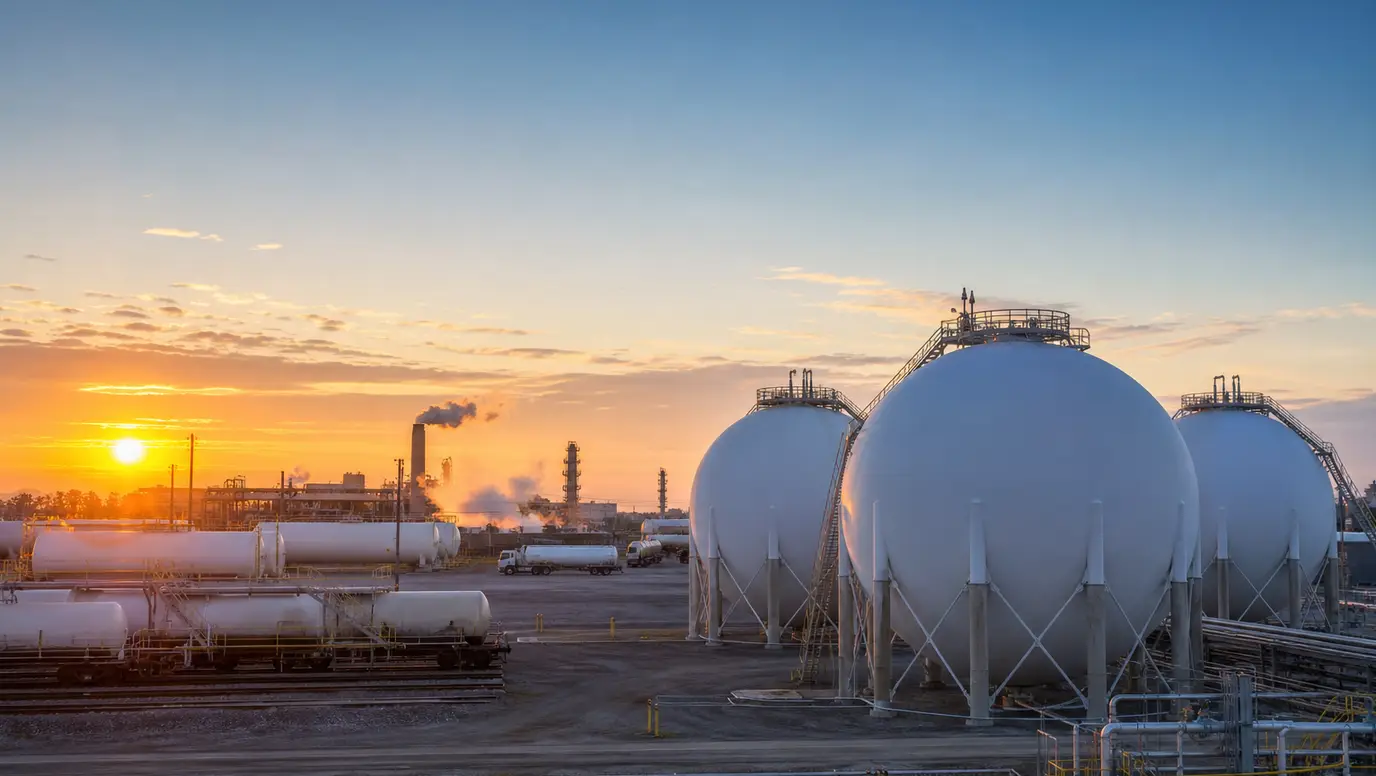
AUGUST 13, 2026
Propane Fuel Glut Widens as US Energy Stocks Rise Above Seasonal Average
AUGUST 11, 2026
Brent Crude Whipsaws Near $90 as Red Sea Risk Tests Energy Market
AUGUST 6, 2026
Brent Crude Volatility Keeps Energy Market Focused on Iran Risk Premium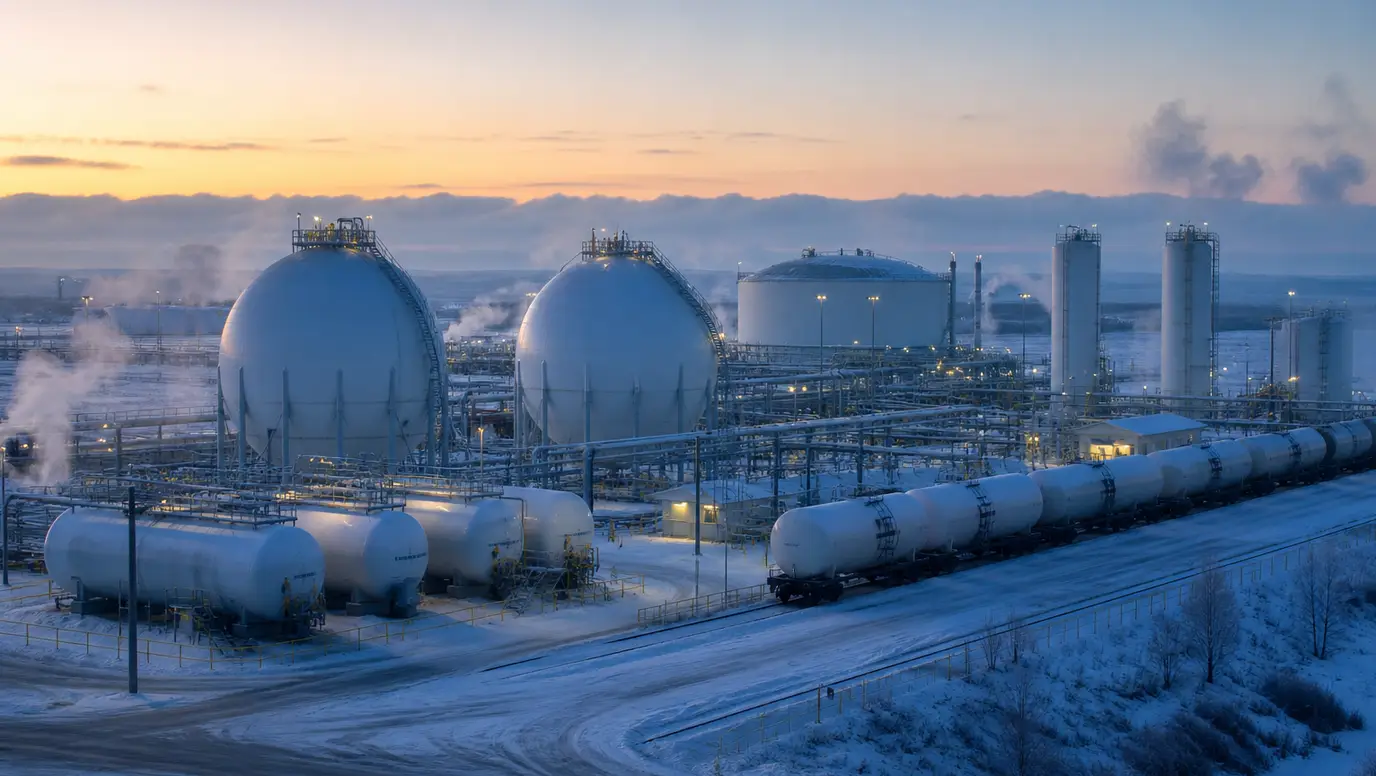
AUGUST 5, 2026
Propane Build Puts Energy Commodities on Winter Demand Watch
JULY 31, 2026
Brent Crude Holds Risk Premium as Red Sea Disruptions Keep Energy Traders Defensive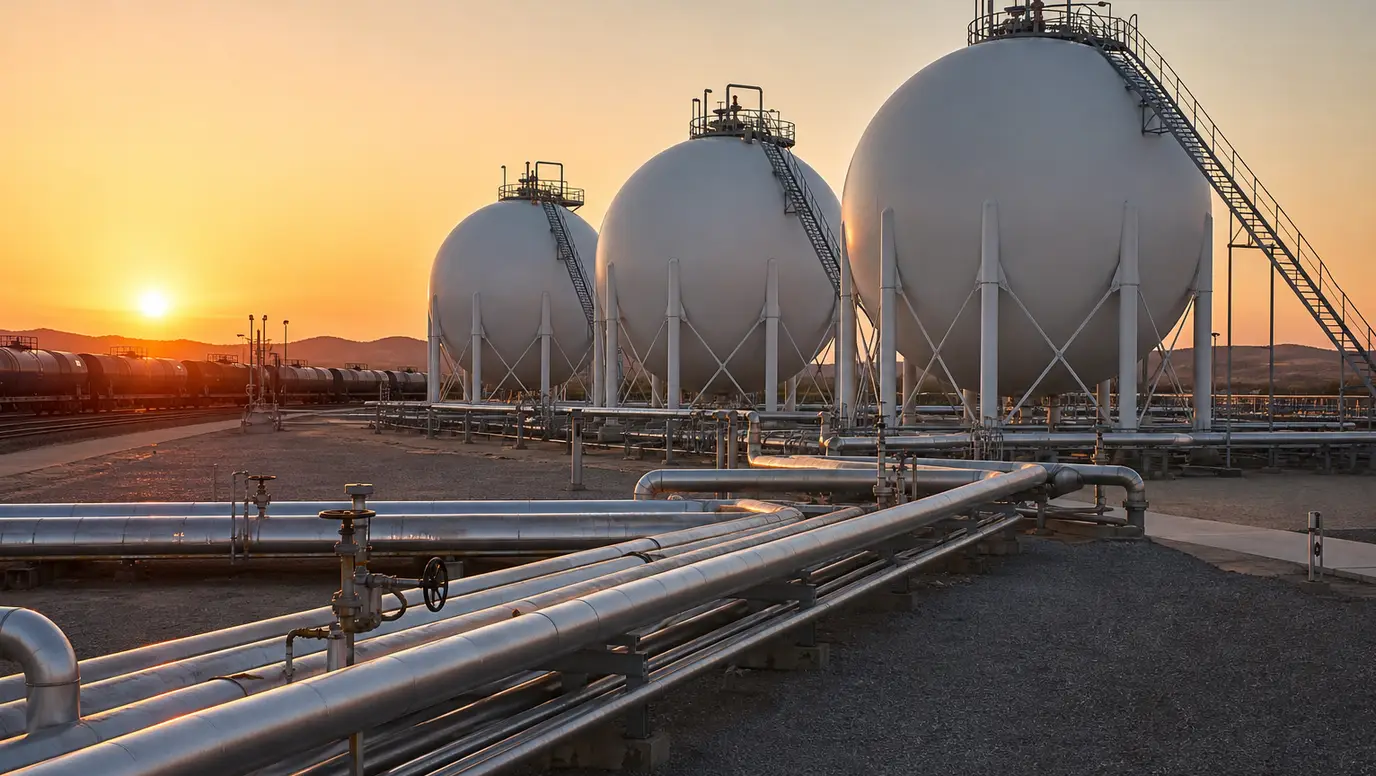
JULY 25, 2026
Propane Build Puts Energies and Commodities on Summer Storage Watch
JULY 24, 2026
Brent Holds Above $100 as Red Sea Tanker Risk Resets Energy Market Outlook