
OCTOBER 23, 2026
Brent Crude Oil Extends Energy Market Surge as Houthi Strikes Lift Supply PremiumBrent crude oil climbs above $116 as Houthi strikes and Gulf shipping risk add a fresh supply premium to the energy market.

© 1box.site 2026

SEPTEMBER 4, 2026
Diesel fuel has moved to the center of the energy market after U.S. retail prices reached record levels, sharpening concerns that fuel costs could feed into freight rates, farm expenses and consumer goods prices. The move extends a broader rally in middle distillates, the refined products used in trucking, construction, agriculture, shipping and parts of industrial heating.
The latest surge is not only a pump-price story. For traders, diesel is a key indicator of real-economy stress because it sits close to the flow of goods through supply chains. When diesel rises faster than crude oil, it often signals refinery constraints, tight product inventories or a sudden shift in demand that the wider energy market has not fully priced.
The diesel rally has been amplified by constrained refining capacity and disruptions affecting global fuel flows. Crude oil prices remain important, but the stronger message is coming from refining margins, where the premium for turning crude into diesel has widened as buyers compete for limited product barrels.
That dynamic matters because crude oil can stabilize while end-user fuel costs continue to rise. If refiners cannot quickly increase diesel output, or if maintenance and regional bottlenecks limit supply, transport fuel can stay elevated even without a fresh breakout in benchmark crude. That is why energy desks are watching product balances as closely as headline oil futures.
Geopolitical risk is adding another layer of support. Restrictions and security concerns around key shipping routes have increased the market’s sensitivity to any interruption in seaborne fuel trade. At the same time, refinery outages and damage in several regions have reduced the cushion available to meet unexpected demand.
The market impact could extend beyond energy portfolios. Diesel is embedded in delivery costs, warehouse logistics, construction equipment and farm operations. A sustained rise can raise the cost of moving food, raw materials and manufactured goods, keeping pressure on companies already dealing with wage, financing and inventory costs.
That makes the diesel record a potential macroeconomic issue. Central banks usually look through short-term fuel volatility, but a prolonged transport-cost shock can work its way into core prices if businesses pass higher logistics expenses to customers. For investors, the question is whether the fuel rally remains a narrow refining squeeze or becomes a broader inflation impulse.
Equity markets are likely to separate winners and losers. Refiners with strong middle-distillate output may benefit from higher margins, while airlines, retailers, trucking firms and agricultural suppliers could face renewed cost pressure. In commodities, diesel strength may also support related futures spreads and keep volatility elevated across the energy complex.
The next test for the energy market is whether high prices begin to curb consumption. Demand destruction usually appears first in discretionary freight, weaker industrial runs or delayed construction activity. If fuel use holds up despite record prices, diesel could remain tight into the next seasonal demand window.
Inventory data will be critical. A meaningful build in distillate stocks would ease the immediate pressure, while another draw could reinforce the view that supply is too thin for current demand. Traders will also monitor refinery utilization, import flows and export demand to judge whether the market can rebalance without a sharp price correction.
For now, the diesel fuel record is a warning that energy inflation risk has not disappeared. Even if crude oil benchmarks pause, the refined-products market is signaling stress in the part of the energy chain that most directly touches transport and goods prices.
OCTOBER 23, 2026
Brent Crude Oil Extends Energy Market Surge as Houthi Strikes Lift Supply Premium
OCTOBER 19, 2026
Gasoline Energy Market Tightens as Russia Fuel Shortage Raises Refinery Risk
OCTOBER 18, 2026
Distillate Fuel Futures Stay Bid as Diesel Reserve Release Meets Winter Supply Risk
OCTOBER 17, 2026
Airline Stocks Face Fuel-Cost Test as Earnings Season Moves Beyond AI
OCTOBER 16, 2026
PJM Power Emergency Puts Backup Fuel and Demand Response in Energy Market Focus
OCTOBER 13, 2026
Gasoline Fuel Futures Stay Elevated as Low US Inventories Keep Refinery Risk in Focus
OCTOBER 12, 2026
Diesel Fuel Futures Slide as Russia Supply Deal Tests Distillate Shortage
OCTOBER 11, 2026
LNG Fuel Market Cools as Winter Energy Risk Keeps Buyers on Alert
OCTOBER 9, 2026
Delta Air Lines Stock Falls as Fuel Costs Cut Into Airline Profit Outlook
OCTOBER 7, 2026
Gasoline Futures Climb as Gulf Storm Puts Fuel Supply on Alert
OCTOBER 6, 2026
Distillate Fuel Squeeze Keeps Energy Market Alert as Diesel Margins Stay Elevated
OCTOBER 3, 2026
Propane Leads Energy Commodities Watch as U.S. Exports Hit Record
OCTOBER 1, 2026
Gasoline Futures Rise as Fuel Export Curbs Tighten Energy Market
SEPTEMBER 30, 2026
WTI Crude Oil Futures Steady as Iran Sanctions Risk Meets Tight Fuel Market
SEPTEMBER 28, 2026
Distillate Fuel Futures Rise as Tight Diesel Stocks Put Energy Market on Supply Alert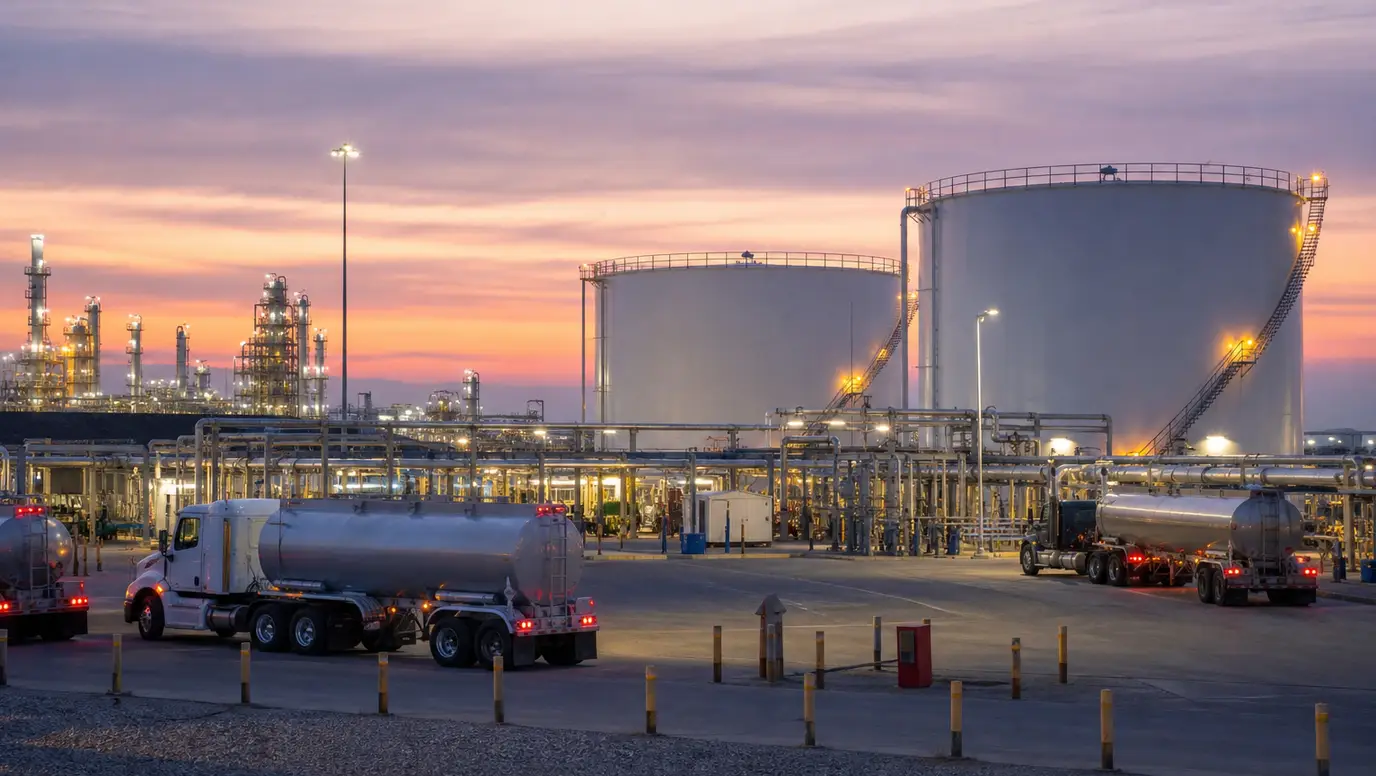
SEPTEMBER 26, 2026
Gasoline Futures Stay Volatile as U.S. Stock Draw Tightens Fuel Market Cushion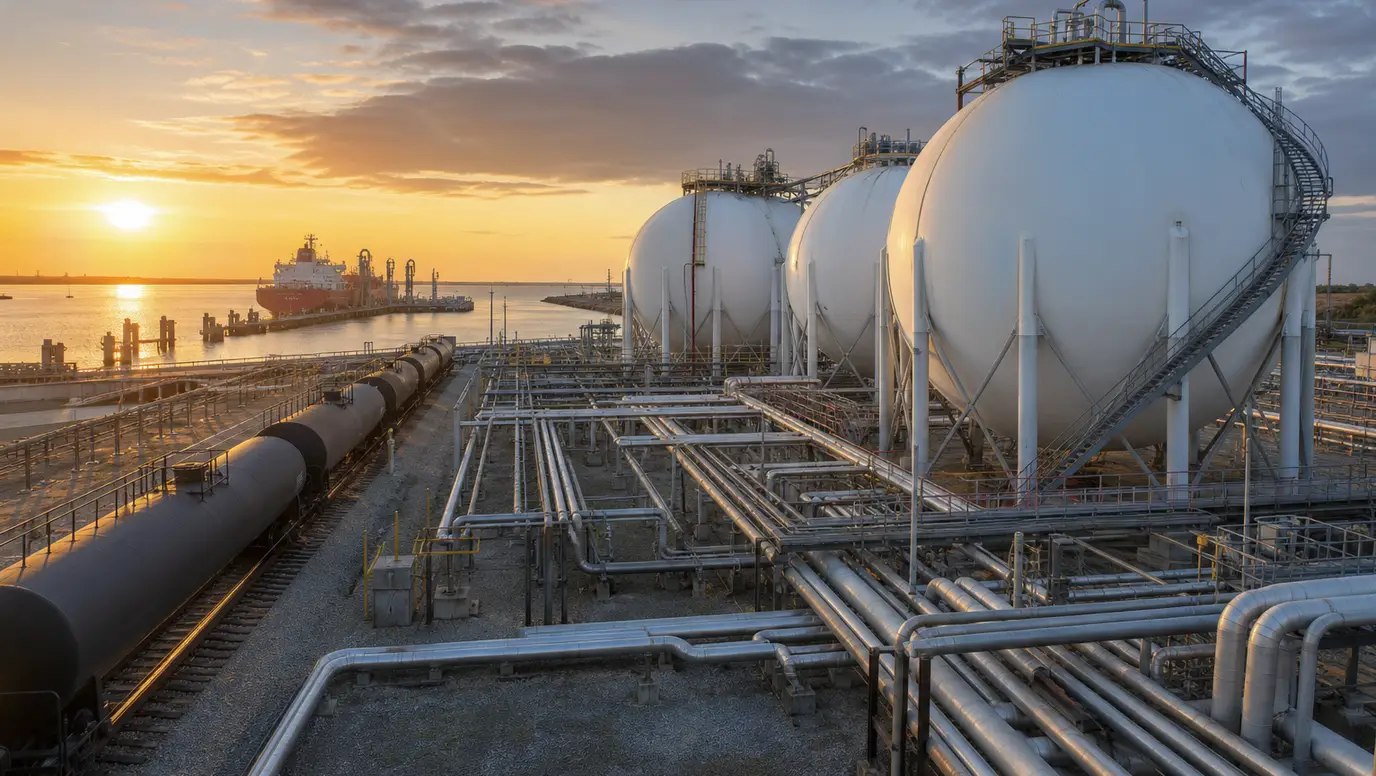
SEPTEMBER 24, 2026
Propane Fuel Prices Firm as U.S. Stock Draw Puts Mont Belvieu on Export Watch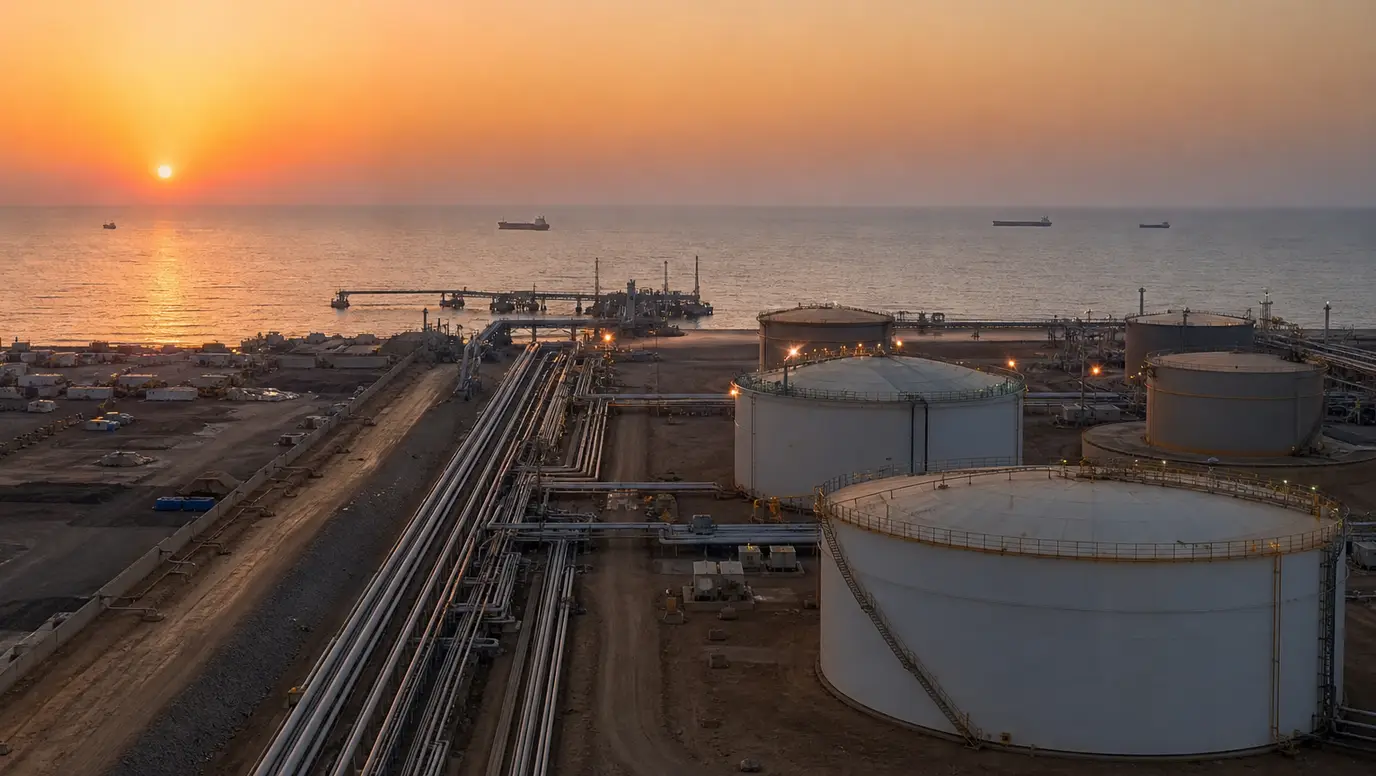
SEPTEMBER 23, 2026
WTI Crude Oil Futures Hold Near Two-Week Low as Gulf Supply Return Tests Fuel Market
SEPTEMBER 22, 2026
Distillate Fuel Futures Surge as Refinery Outages Widen Energy Market Crack Spread
SEPTEMBER 19, 2026
Gasoline Futures Climb as Refinery Outage and Pump Price Jump Put Fuel Market on Alert
SEPTEMBER 17, 2026
Propane Fuel Draw Tests Energy Market as Exports Offset U.S. Stock Cushion
SEPTEMBER 16, 2026
Distillate Fuel Squeeze Puts Commodity Futures on Diesel Inflation Watch
SEPTEMBER 11, 2026
Diesel Fuel Shock Puts Oil Market on Freight Inflation Watch
SEPTEMBER 10, 2026
Distillate Fuel Rally Spreads to Gasoline as Refinery Outages Tighten Energy Market
SEPTEMBER 6, 2026
Propane Fuel Draw Puts Energy Commodities on Winter Supply Watch
SEPTEMBER 5, 2026
Gasoline Fuel Margins Put Energy Market on Pump Price Watch
SEPTEMBER 1, 2026
Distillate Fuel Rally Tightens Energy Market as Diesel Stocks Sink
AUGUST 26, 2026
Distillate Fuel Draw Puts Energy Market on Diesel Supply Watch
AUGUST 25, 2026
Gasoline Futures Slide as Fuel Waiver Puts Energy Commodities on Pump Price Watch
AUGUST 24, 2026
Propane Stockpile Puts Fuel Traders on Winter Demand Watch