
OCTOBER 12, 2026
Diesel Fuel Futures Slide as Russia Supply Deal Tests Distillate ShortageDiesel fuel futures ease as a Russia supply proposal cools prices, but low distillate stocks keep the energy market on winter alert.

© 1box.site 2026

SEPTEMBER 22, 2026
Distillate fuel futures moved back into the center of the energy market on Tuesday as traders priced a widening shortage of refinery output rather than a simple crude-oil supply story. The move stood out because crude benchmarks have eased from recent highs, while diesel, heating oil and other middle distillates continued to carry a much stronger scarcity premium.
The latest price action suggests the market is shifting its focus from headline crude barrels to the capacity needed to turn those barrels into usable fuel. That distinction matters for inflation, freight costs and industrial margins, because distillates power trucking, shipping, farming equipment and parts of the winter heating market.
Refinery outages across key producing regions have tightened the supply of middle distillates at a sensitive point in the seasonal calendar. With autumn maintenance already reducing available capacity and winter demand approaching, traders have been reluctant to fade the rally in fuel contracts even as broader oil risk premiums cooled.
The result has been a wider crack spread, the margin signal that compares refined product prices with crude input costs. A stronger distillate crack usually points to either firm end-user demand, constrained refinery operations, or both. In the current market, the dominant concern is that the refining system has less spare flexibility than normal after months of geopolitical disruptions and infrastructure damage in several export regions.
U.S. distillate inventories remain tight by historical standards, adding another layer of support for futures. Even modest weekly stock builds may not be enough to relax the market if exports stay firm and domestic demand improves into colder weather. That keeps the balance vulnerable to any additional refinery outage, shipping disruption or colder-than-expected early winter pattern.
The divergence between crude oil and distillate fuel is becoming one of the clearest signals in the energy market. Softer crude prices normally reduce cost pressure across the refined products complex, but that relationship weakens when the bottleneck sits at the refinery stage rather than at the wellhead.
For consumers and businesses, the risk is that lower crude prices do not quickly translate into cheaper diesel. Freight operators, airlines, miners and agricultural buyers remain exposed to elevated fuel bills, while refiners with operating capacity may continue to benefit from strong product margins. That split could keep energy-sector equity performance uneven, favoring downstream operators over producers if crude stays under pressure.
Traders are now watching three short-term catalysts: weekly inventory data, refinery utilization rates and signs of whether disrupted export flows normalize. A larger-than-expected distillate draw would likely reinforce the bullish fuel narrative, while a sustained rebound in refinery runs could cool the rally. Until then, distillate fuel futures are likely to remain more sensitive to refinery headlines than to crude benchmarks alone.
The near-term outlook remains constructive but volatile. Distillate prices have already absorbed a significant risk premium, which raises the chance of sharp pullbacks if supply news improves. However, the underlying market still looks tight enough to keep buyers active on dips, especially with winter heating demand approaching in the Northern Hemisphere.
For the broader energy market, the key takeaway is that the fuel shortage story has not disappeared just because crude has softened. As long as refinery capacity stays constrained and inventories remain below comfortable levels, distillate fuel futures may continue to trade with a premium that reflects scarcity at the pump, in freight lanes and across industrial supply chains.
OCTOBER 12, 2026
Diesel Fuel Futures Slide as Russia Supply Deal Tests Distillate Shortage
OCTOBER 11, 2026
LNG Fuel Market Cools as Winter Energy Risk Keeps Buyers on Alert
OCTOBER 9, 2026
Delta Air Lines Stock Falls as Fuel Costs Cut Into Airline Profit Outlook
OCTOBER 7, 2026
Gasoline Futures Climb as Gulf Storm Puts Fuel Supply on Alert
OCTOBER 6, 2026
Distillate Fuel Squeeze Keeps Energy Market Alert as Diesel Margins Stay Elevated
OCTOBER 3, 2026
Propane Leads Energy Commodities Watch as U.S. Exports Hit Record
OCTOBER 1, 2026
Gasoline Futures Rise as Fuel Export Curbs Tighten Energy Market
SEPTEMBER 30, 2026
WTI Crude Oil Futures Steady as Iran Sanctions Risk Meets Tight Fuel Market
SEPTEMBER 28, 2026
Distillate Fuel Futures Rise as Tight Diesel Stocks Put Energy Market on Supply Alert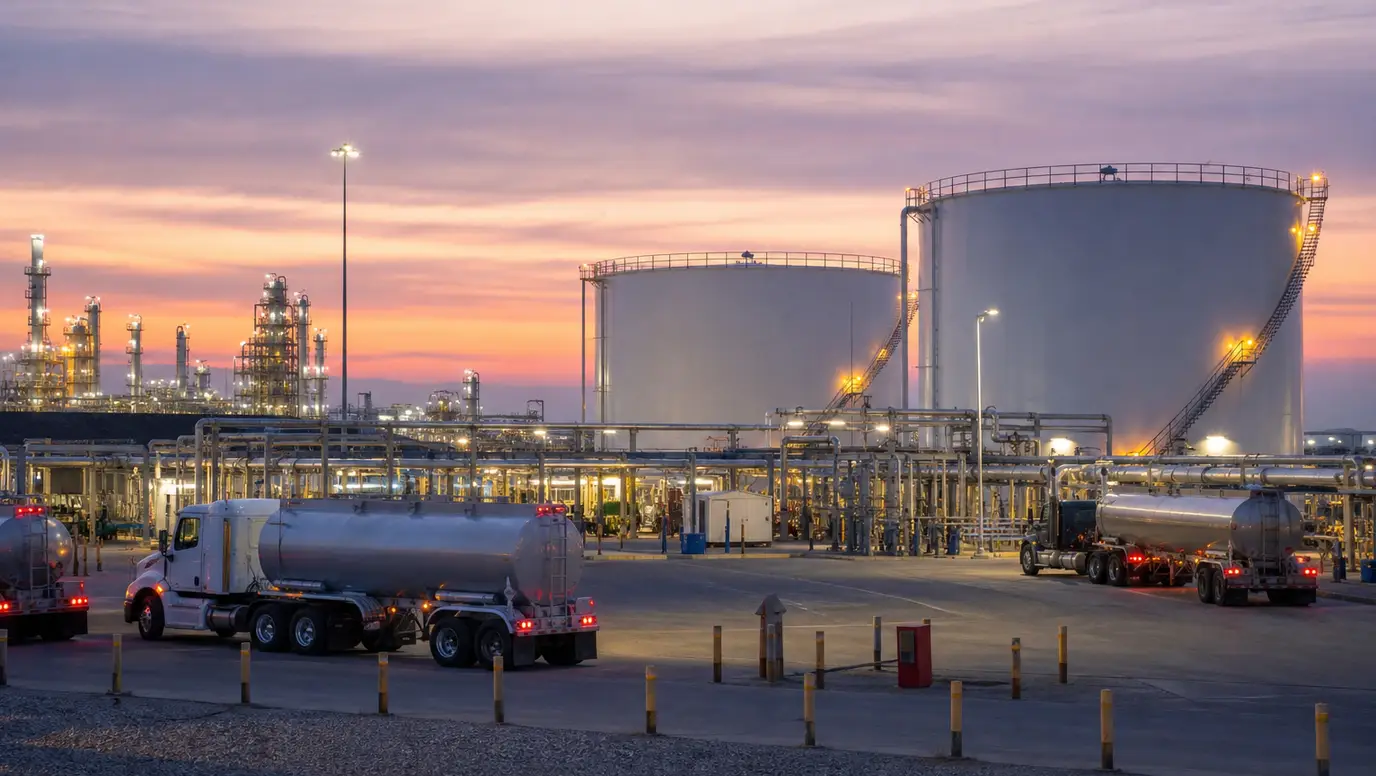
SEPTEMBER 26, 2026
Gasoline Futures Stay Volatile as U.S. Stock Draw Tightens Fuel Market Cushion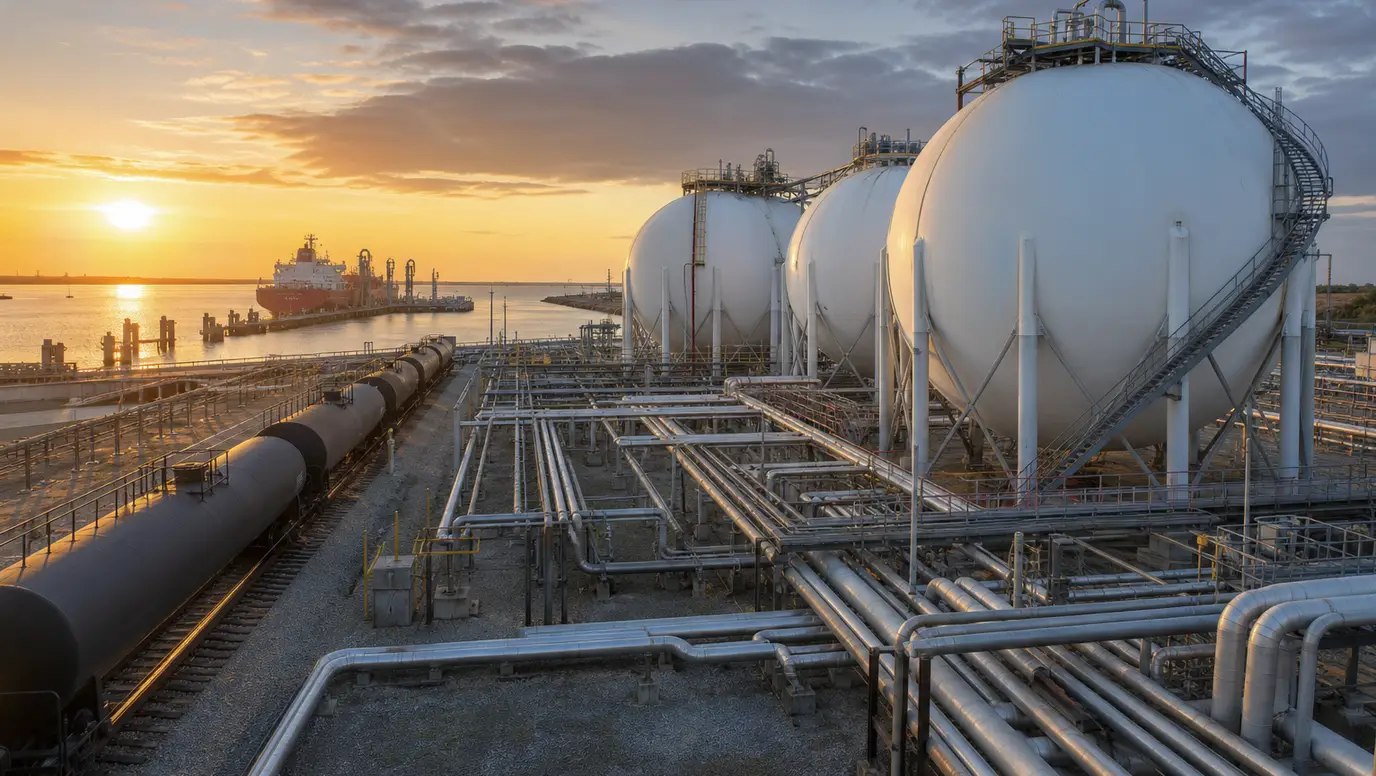
SEPTEMBER 24, 2026
Propane Fuel Prices Firm as U.S. Stock Draw Puts Mont Belvieu on Export Watch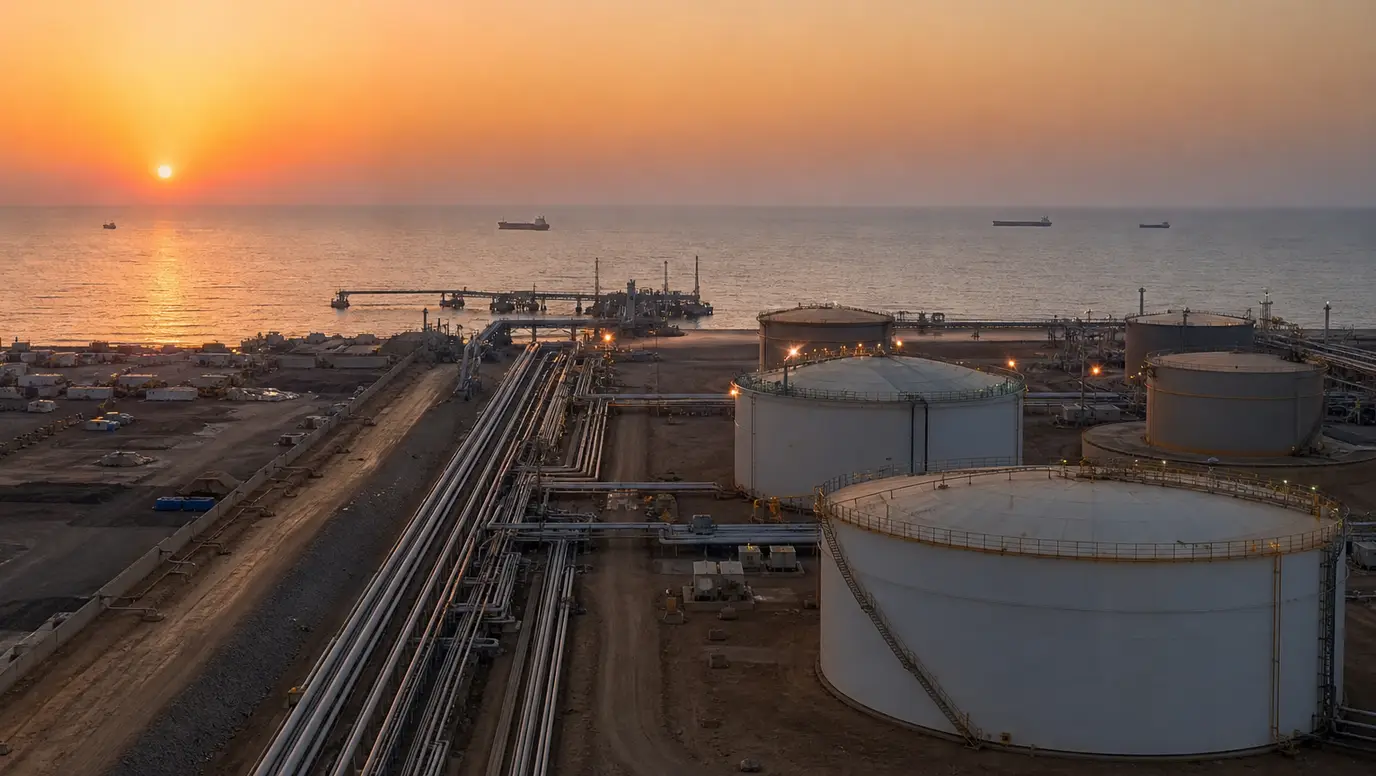
SEPTEMBER 23, 2026
WTI Crude Oil Futures Hold Near Two-Week Low as Gulf Supply Return Tests Fuel Market
SEPTEMBER 19, 2026
Gasoline Futures Climb as Refinery Outage and Pump Price Jump Put Fuel Market on Alert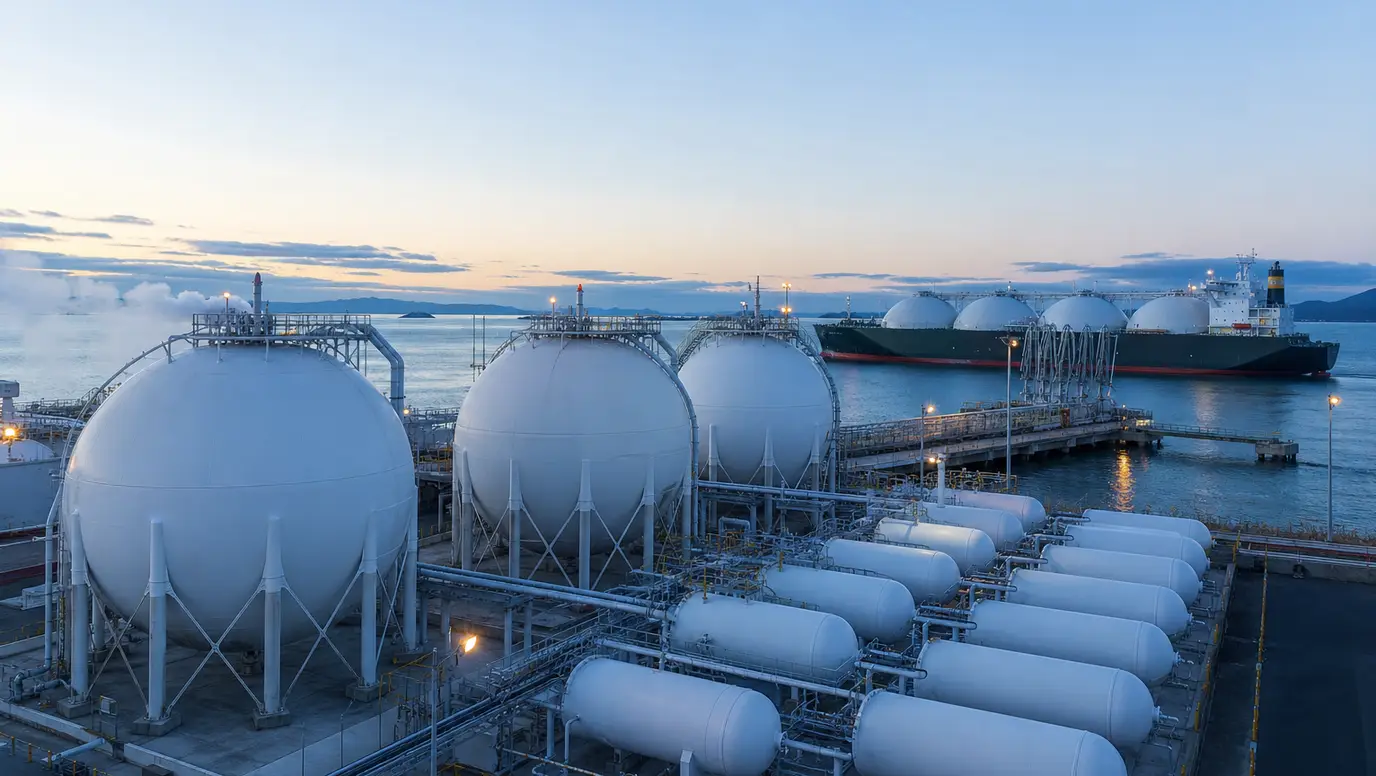
SEPTEMBER 17, 2026
Propane Fuel Draw Tests Energy Market as Exports Offset U.S. Stock Cushion
SEPTEMBER 16, 2026
Distillate Fuel Squeeze Puts Commodity Futures on Diesel Inflation Watch
SEPTEMBER 11, 2026
Diesel Fuel Shock Puts Oil Market on Freight Inflation Watch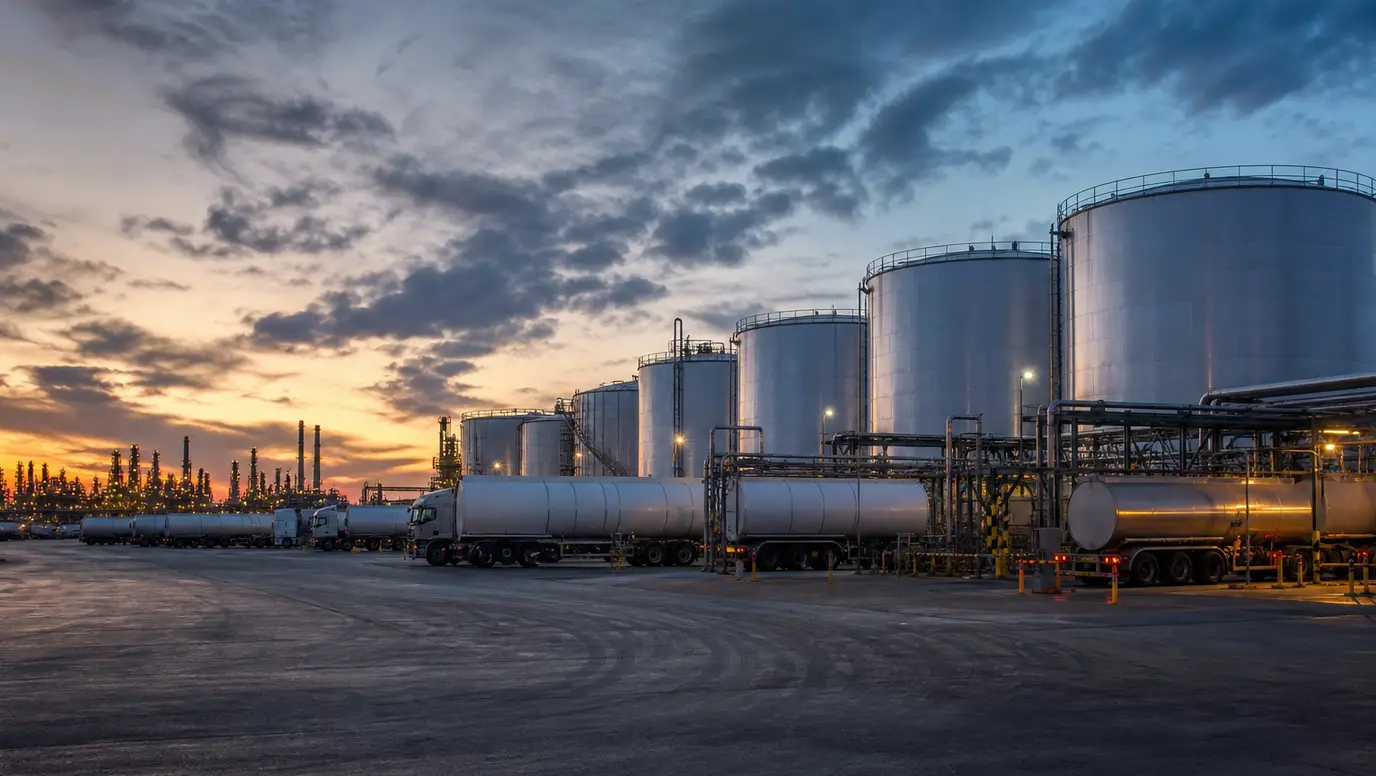
SEPTEMBER 10, 2026
Distillate Fuel Rally Spreads to Gasoline as Refinery Outages Tighten Energy Market
SEPTEMBER 6, 2026
Propane Fuel Draw Puts Energy Commodities on Winter Supply Watch
SEPTEMBER 5, 2026
Gasoline Fuel Margins Put Energy Market on Pump Price Watch
SEPTEMBER 4, 2026
Diesel Fuel Record Puts Energy Market on Transport Inflation Watch
SEPTEMBER 1, 2026
Distillate Fuel Rally Tightens Energy Market as Diesel Stocks Sink
AUGUST 26, 2026
Distillate Fuel Draw Puts Energy Market on Diesel Supply Watch
AUGUST 25, 2026
Gasoline Futures Slide as Fuel Waiver Puts Energy Commodities on Pump Price Watch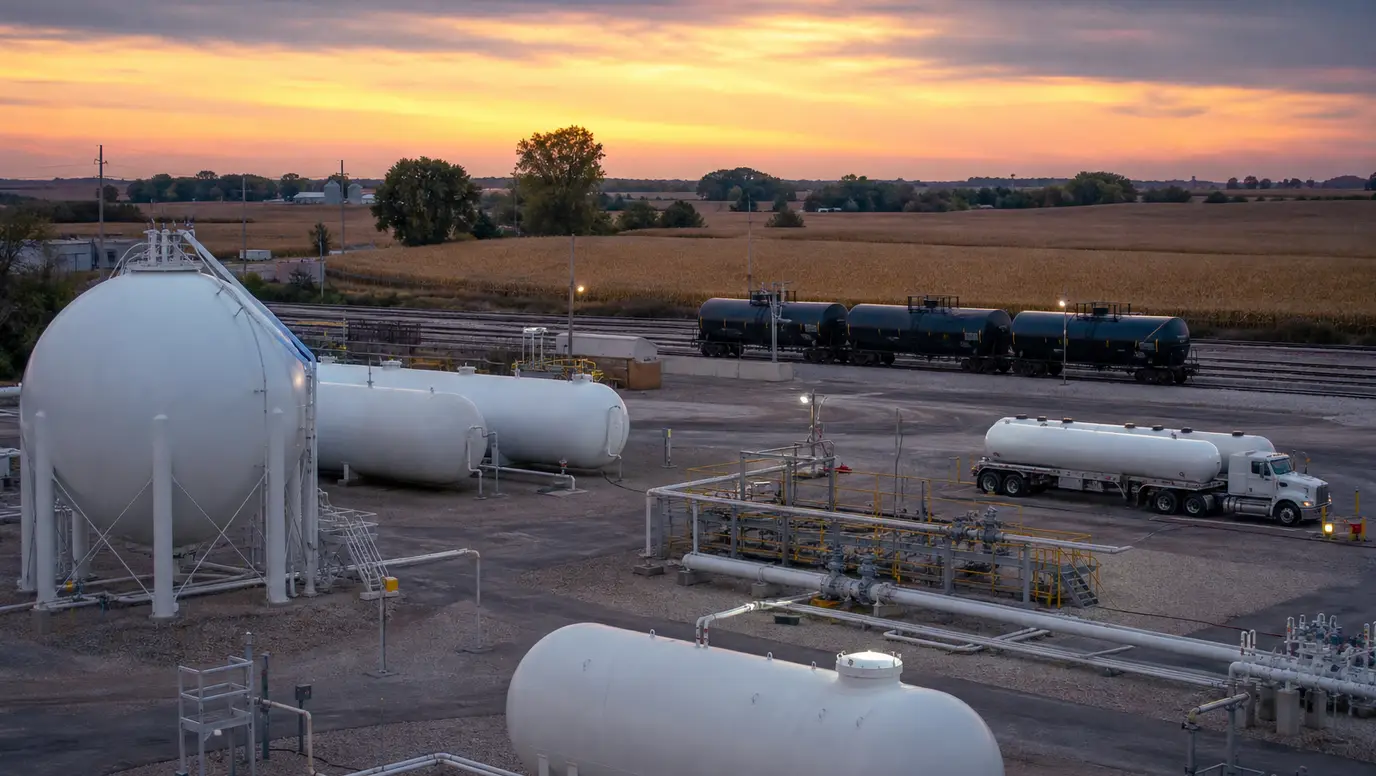
AUGUST 24, 2026
Propane Stockpile Puts Fuel Traders on Winter Demand Watch
AUGUST 23, 2026
Crude Oil Keeps Strait of Hormuz Premium as Fuel Transit Signals Stir Energy Market
AUGUST 21, 2026
Brent Crude Extends Weekly Gain as Iran Sanctions Threat Tightens Fuel Supply Watch
AUGUST 20, 2026
Distillate Fuel Draw Puts Energy Market on Diesel Margin Watch as Crude Oil Stocks Build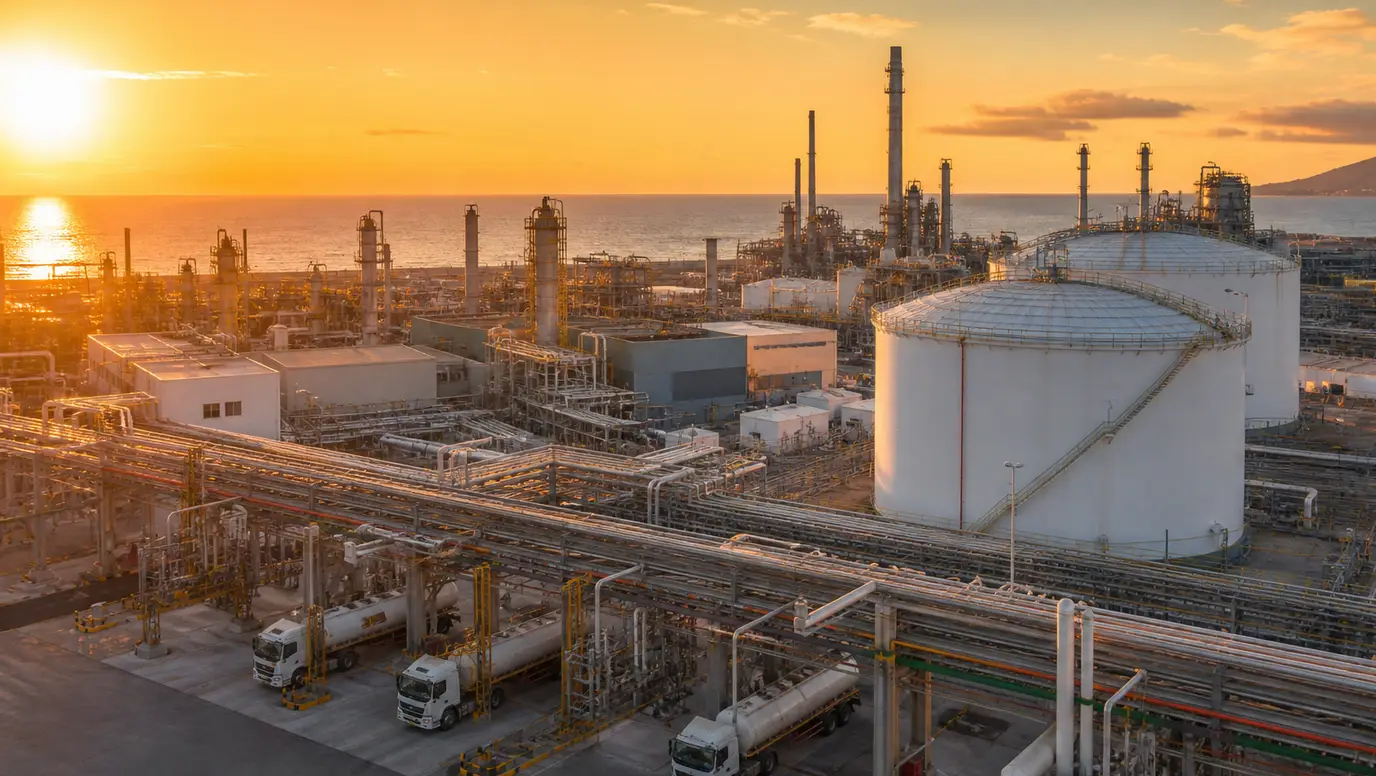
AUGUST 17, 2026
Gasoline Draw Keeps Energy Market Focus on Refinery Run and Fuel Demand
AUGUST 14, 2026
Fuel Buffers Shrink as Strategic Oil Reserve Falls Below 300 Million Barrels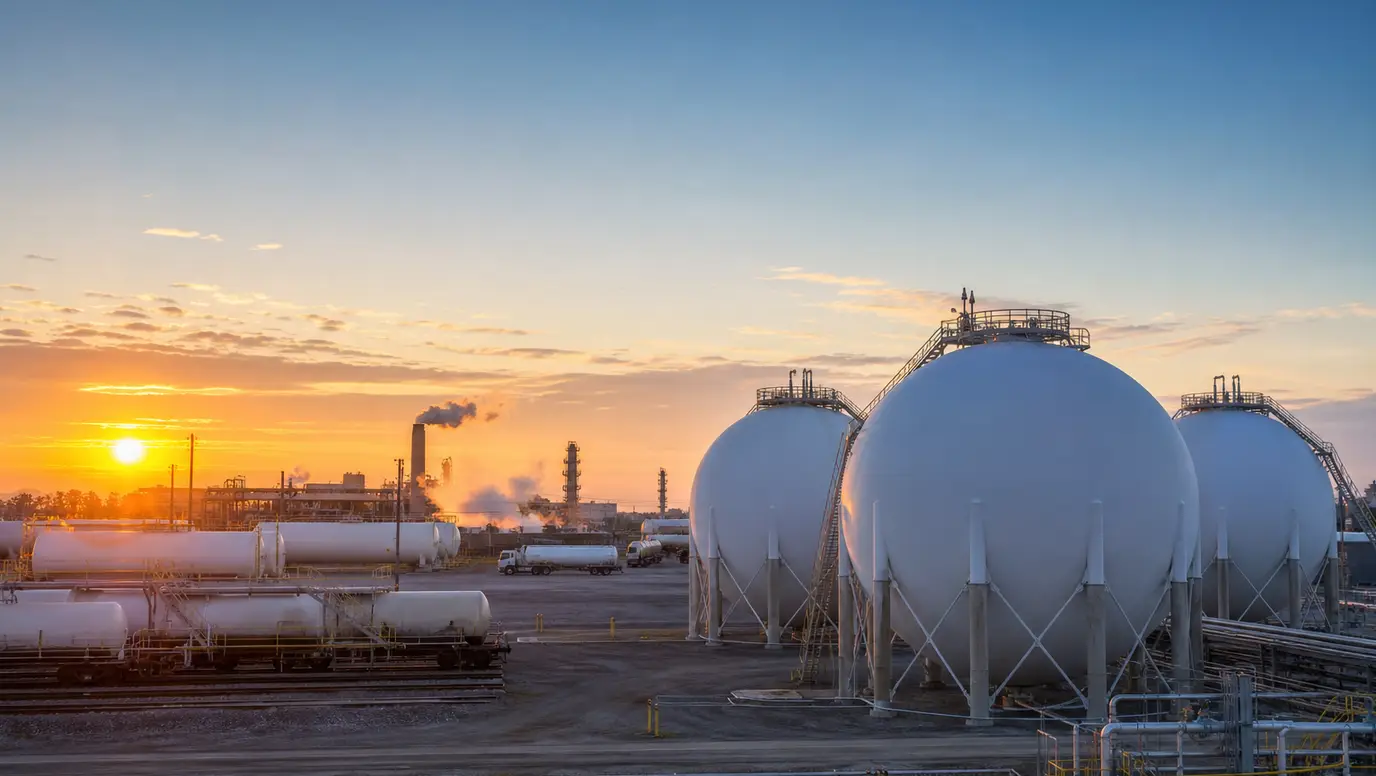
AUGUST 13, 2026
Propane Fuel Glut Widens as US Energy Stocks Rise Above Seasonal Average