OCTOBER 25, 2026
Distillate Fuel Market Watches Russian Diesel Cargo as U.S. Energy Trade Risk WidensDistillate fuel traders weigh a Russian diesel cargo, tight refinery margins and policy risk as U.S. energy trade volatility rises.

© 1box.site 2026
SEPTEMBER 10, 2026
Distillate fuel moved back to the center of the energy market on Thursday as traders priced a tighter supply backdrop across diesel, jet fuel and gasoline. The rally followed another sharp move in crude benchmarks, but the bigger signal for fuel buyers was in refined products, where low inventories and refinery disruption are making the market more sensitive to every new supply headline.
Oil’s latest jump above the $100 area has lifted the whole energy complex, yet distillates are drawing special attention because they sit at the intersection of freight, farming, manufacturing and heating demand. When diesel cracks widen, the pressure does not stay inside the futures market for long. It can move quickly into trucking costs, airline fuel budgets and wholesale inflation expectations.
The latest market tone suggests that traders are no longer looking only at crude availability. They are also questioning whether the refining system can turn enough barrels into the right products at the right time. A fresh U.S. government outlook warned that refinery outages are expected to keep affecting the global market through the first half of 2027, while distillate inventories are projected to remain unusually tight for much of next year.
That matters because distillate fuel is harder to replace than a headline crude barrel implies. Diesel demand is tied to goods movement and industrial activity, while jet fuel demand remains exposed to travel schedules and military logistics. Gasoline has also firmed as pump prices respond to the broader crude spike, although seasonal specification changes may create uneven regional moves in wholesale markets.
For energy traders, the key question is whether higher crude prices create demand destruction before product inventories rebuild. If end users start cutting consumption, the rally could lose momentum. If demand stays resilient, distillate fuel may continue to command a premium even if crude prices pause.
The escalation around Middle East shipping routes has added another layer of risk to an already tight energy market. The Strait of Hormuz remains central to that concern because a significant share of global oil and gas trade normally moves through the waterway. Even without a full closure, slower vessel traffic, higher insurance costs and rerouted cargoes can raise delivered fuel costs.
That is why the market reaction has been broader than a simple crude rally. Refiners must compete for feedstock, distributors must manage timing risk, and buyers of diesel and gasoline face the possibility that today’s elevated spot prices become embedded in forward contracts. The result is a more defensive energy market in which storage levels, refinery runs and shipping data may carry as much weight as production headlines.
The fuel rally also complicates the macro picture. Higher diesel and gasoline prices can feed into freight rates, delivery costs and consumer inflation expectations, giving bond and currency markets another reason to stay cautious. Equity investors have already shown sensitivity to the oil shock, but the refined-products story may be more important for the next inflation reading.
Near term, distillate fuel futures are likely to remain highly reactive to inventory updates, refinery outage reports and any sign of easing in Middle East flows. A clear recovery in refining capacity could cool the rally, but until product stocks look more comfortable, the energy market is likely to treat diesel and gasoline as the most important stress points in the system.
OCTOBER 25, 2026
Distillate Fuel Market Watches Russian Diesel Cargo as U.S. Energy Trade Risk Widens
OCTOBER 24, 2026
Gasoline Fuel Futures Face Inflation Watch as U.S. Stock Draw Tightens Energy Market
OCTOBER 19, 2026
Gasoline Energy Market Tightens as Russia Fuel Shortage Raises Refinery Risk
OCTOBER 18, 2026
Distillate Fuel Futures Stay Bid as Diesel Reserve Release Meets Winter Supply Risk
OCTOBER 13, 2026
Gasoline Fuel Futures Stay Elevated as Low US Inventories Keep Refinery Risk in Focus
OCTOBER 12, 2026
Diesel Fuel Futures Slide as Russia Supply Deal Tests Distillate Shortage
OCTOBER 7, 2026
Gasoline Futures Climb as Gulf Storm Puts Fuel Supply on Alert
OCTOBER 6, 2026
Distillate Fuel Squeeze Keeps Energy Market Alert as Diesel Margins Stay Elevated
OCTOBER 1, 2026
Gasoline Futures Rise as Fuel Export Curbs Tighten Energy Market
SEPTEMBER 28, 2026
Distillate Fuel Futures Rise as Tight Diesel Stocks Put Energy Market on Supply Alert
SEPTEMBER 26, 2026
Gasoline Futures Stay Volatile as U.S. Stock Draw Tightens Fuel Market Cushion
SEPTEMBER 22, 2026
Distillate Fuel Futures Surge as Refinery Outages Widen Energy Market Crack Spread
SEPTEMBER 19, 2026
Gasoline Futures Climb as Refinery Outage and Pump Price Jump Put Fuel Market on Alert
SEPTEMBER 16, 2026
Distillate Fuel Squeeze Puts Commodity Futures on Diesel Inflation Watch
SEPTEMBER 11, 2026
Diesel Fuel Shock Puts Oil Market on Freight Inflation Watch
SEPTEMBER 5, 2026
Gasoline Fuel Margins Put Energy Market on Pump Price Watch
SEPTEMBER 4, 2026
Diesel Fuel Record Puts Energy Market on Transport Inflation Watch
SEPTEMBER 1, 2026
Distillate Fuel Rally Tightens Energy Market as Diesel Stocks Sink
AUGUST 26, 2026
Distillate Fuel Draw Puts Energy Market on Diesel Supply Watch
AUGUST 25, 2026
Gasoline Futures Slide as Fuel Waiver Puts Energy Commodities on Pump Price Watch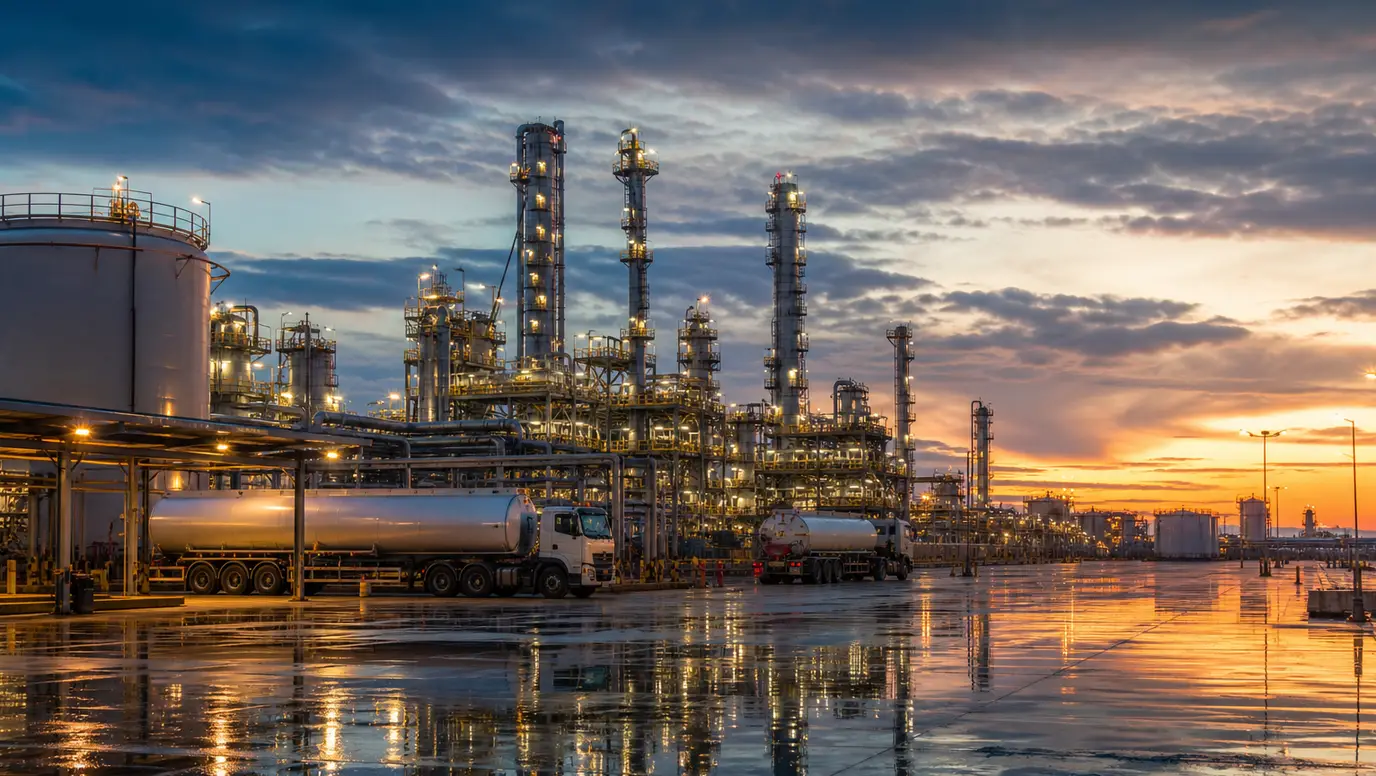
AUGUST 20, 2026
Distillate Fuel Draw Puts Energy Market on Diesel Margin Watch as Crude Oil Stocks Build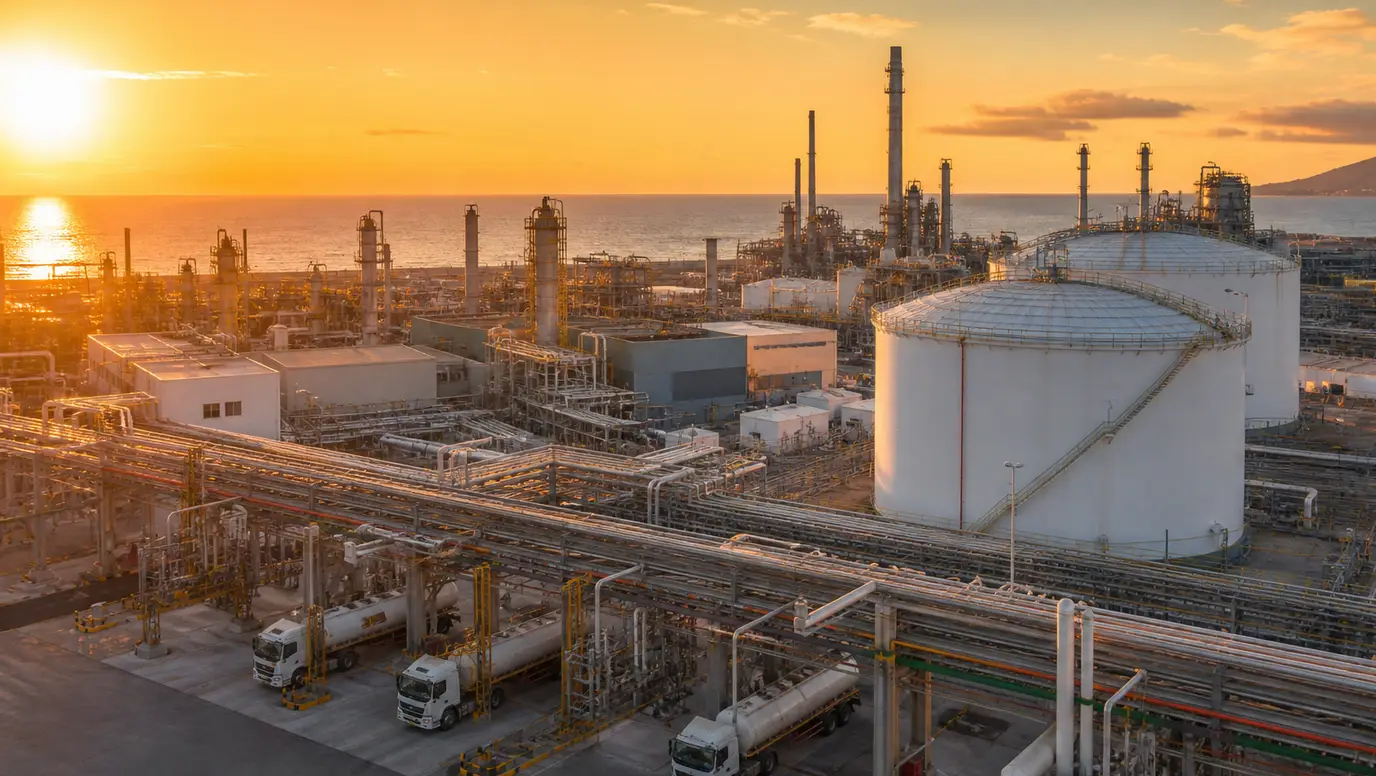
AUGUST 17, 2026
Gasoline Draw Keeps Energy Market Focus on Refinery Run and Fuel Demand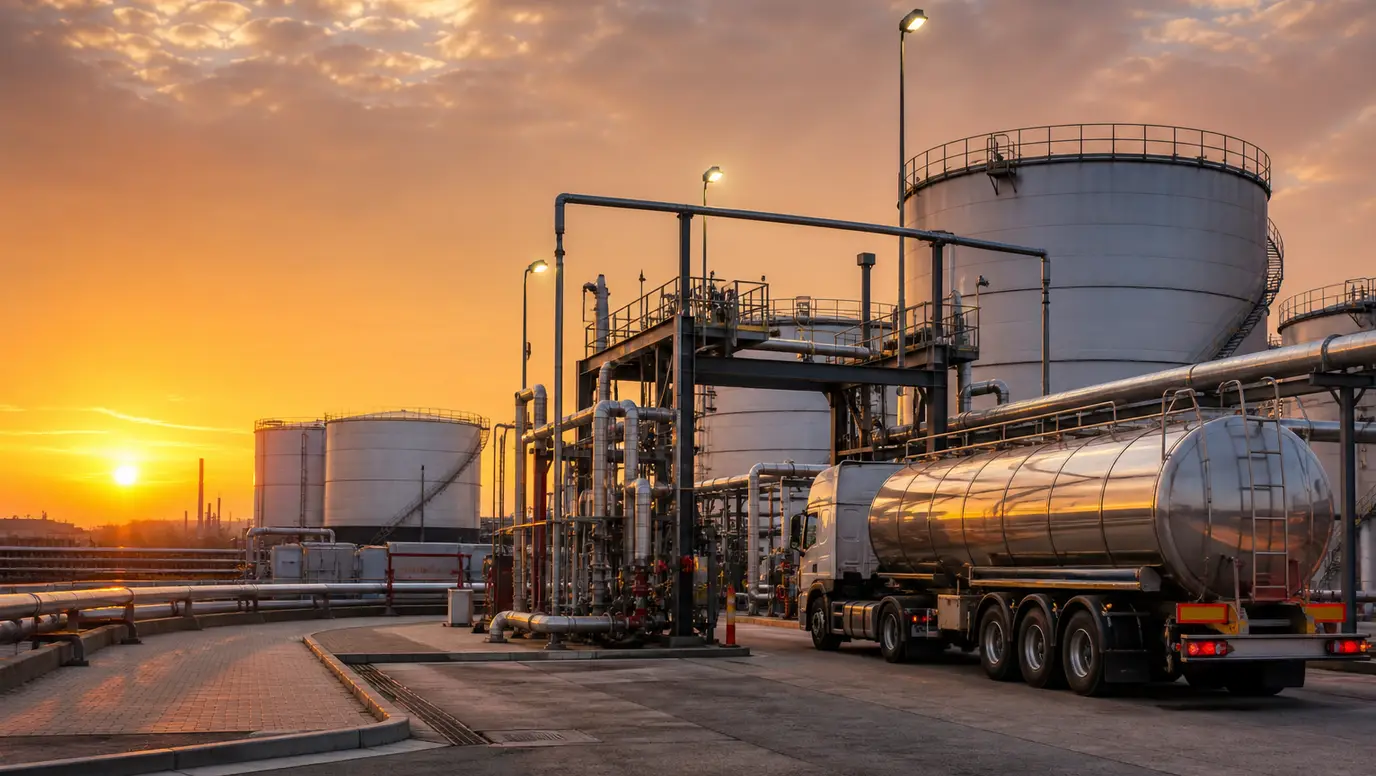
AUGUST 9, 2026
Gasoline and Distillate Fuel Draws Tighten Energy Market as Refinery Runs Stay High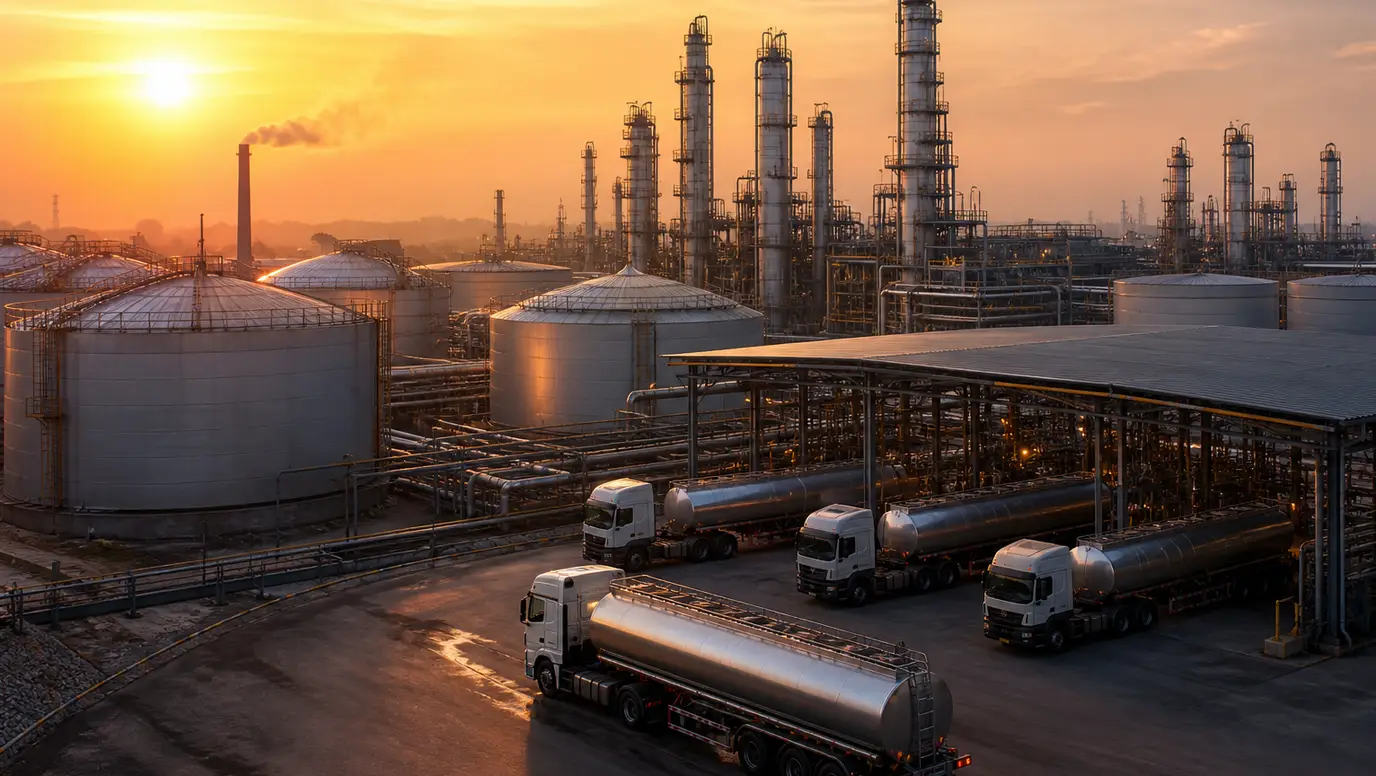
AUGUST 4, 2026
Gasoline and Distillate Fuel Stay on Edge as OPEC+ Oil Supply Hike Tests Refining Market
JULY 22, 2026
Crude Oil, Gasoline and Distillate Builds Cool Rally as U.S. Refineries Run Hot