
OCTOBER 19, 2026
Gasoline Energy Market Tightens as Russia Fuel Shortage Raises Refinery RiskGasoline energy markets face fresh supply risk as Russia’s fuel shortage and refinery outages keep traders alert to regional squeeze threats.

© 1box.site 2026

OCTOBER 1, 2026
Gasoline futures moved higher on Thursday as traders shifted attention from headline crude oil swings to a tighter refined fuel market. The front-month gasoline contract traded near $3.33 a gallon in active energy dealing, extending a rally that has left fuel margins elevated and kept refiners at the center of the commodity market.
The move came as fresh reports of fuel export restrictions and disrupted refinery supply added another layer of support to refined products. Russia has extended limits on diesel exports through the end of October, while market participants also assessed signs that Asian fuel cargo availability could narrow. In the United States, debate over possible export restrictions on refined products has increased uncertainty for gasoline and diesel balances.
The latest price action shows that the energy market is not trading on crude oil alone. Gasoline, heating oil and diesel-linked contracts have been reacting to refinery availability, shipping costs and regional stock levels. That creates a more complex backdrop for consumers and industrial users because pump prices can remain firm even when crude benchmarks pause or retreat.
Gasoline inventories have been running at historically tight seasonal levels in recent weekly U.S. data, while refinery utilization has remained high. That combination leaves the market sensitive to any unplanned outage, maintenance delay or disruption to import flows. Traders are therefore assigning a higher premium to prompt fuel supply, especially as hurricane-season risks and autumn refinery turnarounds overlap.
Fuel export policy has become a key variable for energy traders. Restrictions can redirect barrels into domestic markets, but they can also disrupt established trade flows, raise freight costs and complicate refinery economics. If refiners receive weaker export signals, they may adjust runs or product yields, which could tighten gasoline supply even as policymakers try to relieve pressure on diesel or heating fuel.
For investors, the immediate question is whether the gasoline rally is a short-term squeeze or the start of a broader refined product repricing. Strong crack spreads suggest refiners still have an incentive to process crude aggressively, but the market may need several weeks of inventory builds before risk premiums fade. Until then, gasoline futures are likely to remain highly reactive to export headlines, refinery incidents and weekly stock data.
A sustained break lower would probably require clearer evidence of rising inventories, stable refinery operations and improved international cargo availability. Without that, the refined fuel market may continue to outperform crude benchmarks and keep energy inflation concerns alive into the final quarter of the year.
OCTOBER 19, 2026
Gasoline Energy Market Tightens as Russia Fuel Shortage Raises Refinery Risk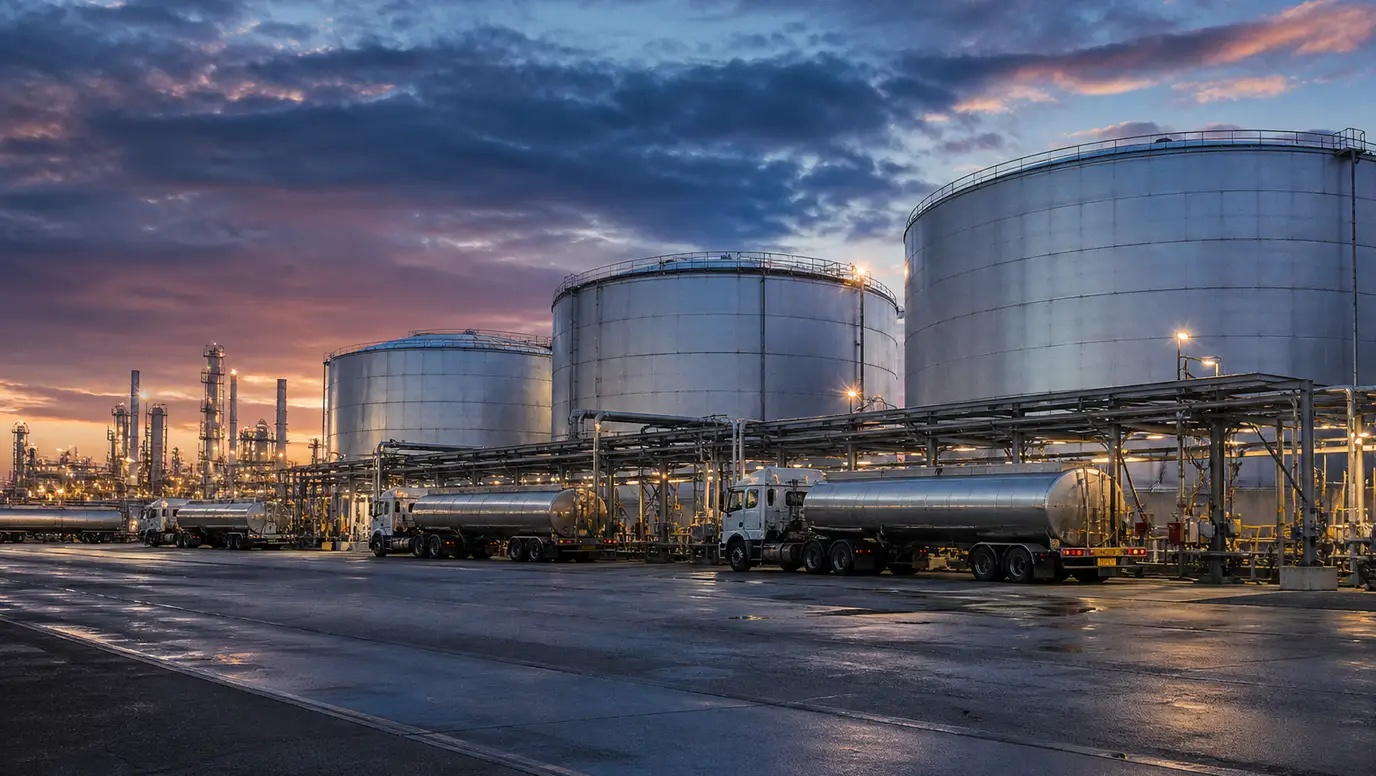
OCTOBER 13, 2026
Gasoline Fuel Futures Stay Elevated as Low US Inventories Keep Refinery Risk in Focus
OCTOBER 7, 2026
Gasoline Futures Climb as Gulf Storm Puts Fuel Supply on Alert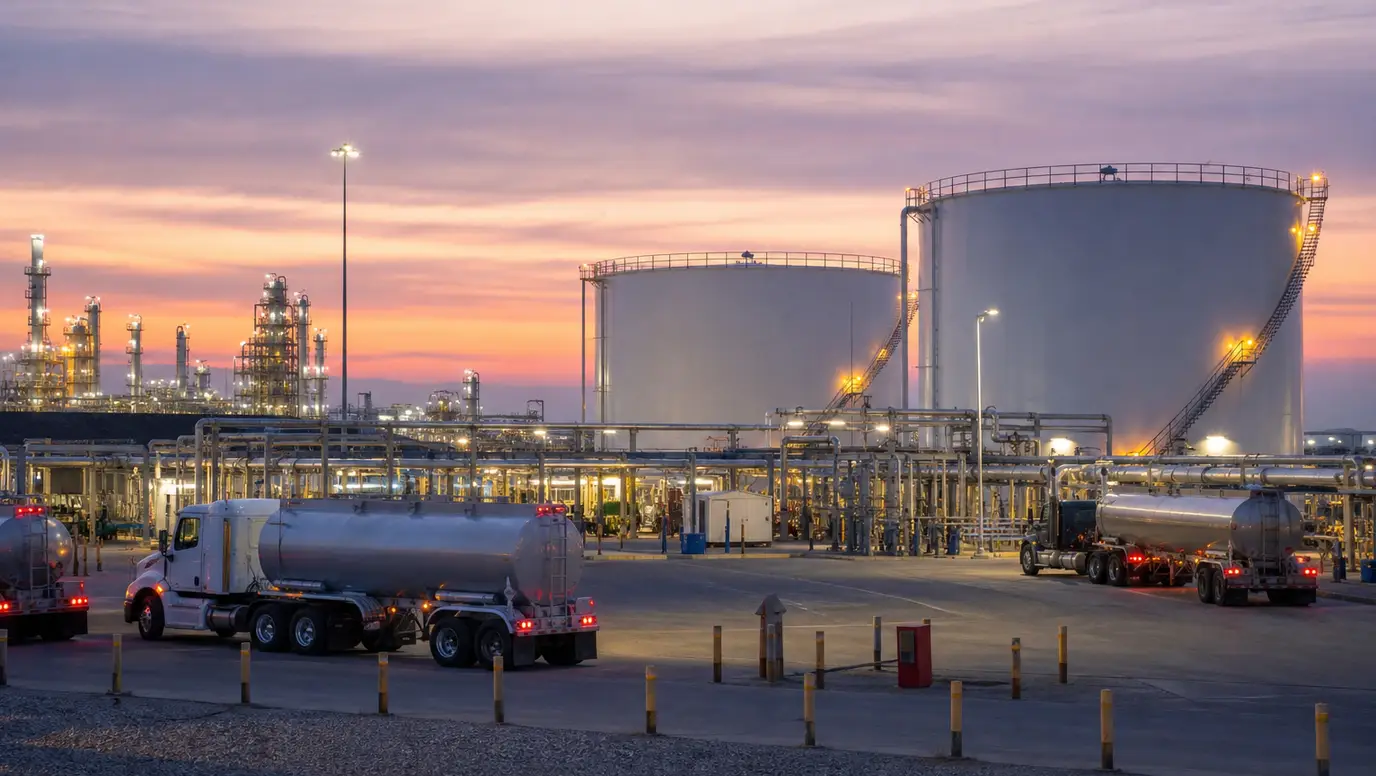
SEPTEMBER 26, 2026
Gasoline Futures Stay Volatile as U.S. Stock Draw Tightens Fuel Market Cushion
SEPTEMBER 19, 2026
Gasoline Futures Climb as Refinery Outage and Pump Price Jump Put Fuel Market on Alert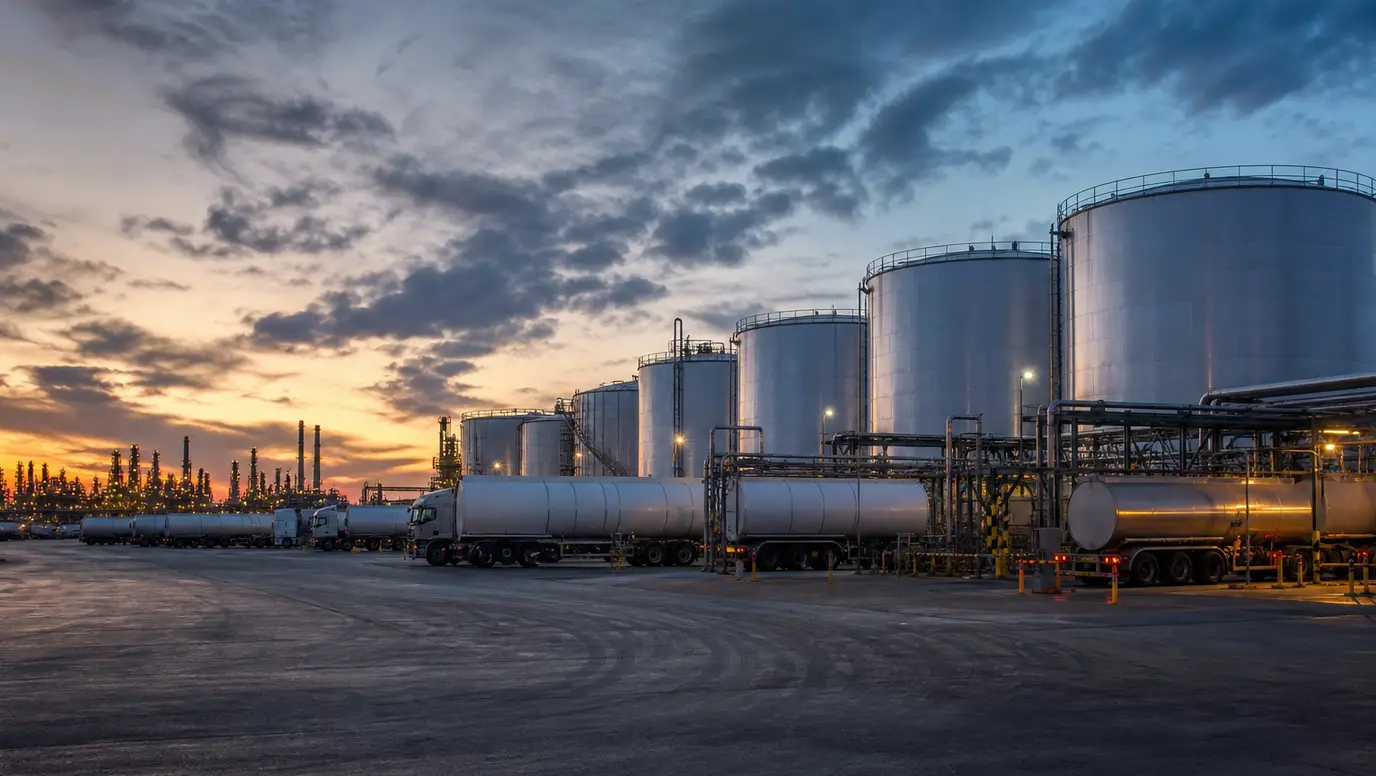
SEPTEMBER 10, 2026
Distillate Fuel Rally Spreads to Gasoline as Refinery Outages Tighten Energy Market
SEPTEMBER 5, 2026
Gasoline Fuel Margins Put Energy Market on Pump Price Watch
AUGUST 25, 2026
Gasoline Futures Slide as Fuel Waiver Puts Energy Commodities on Pump Price Watch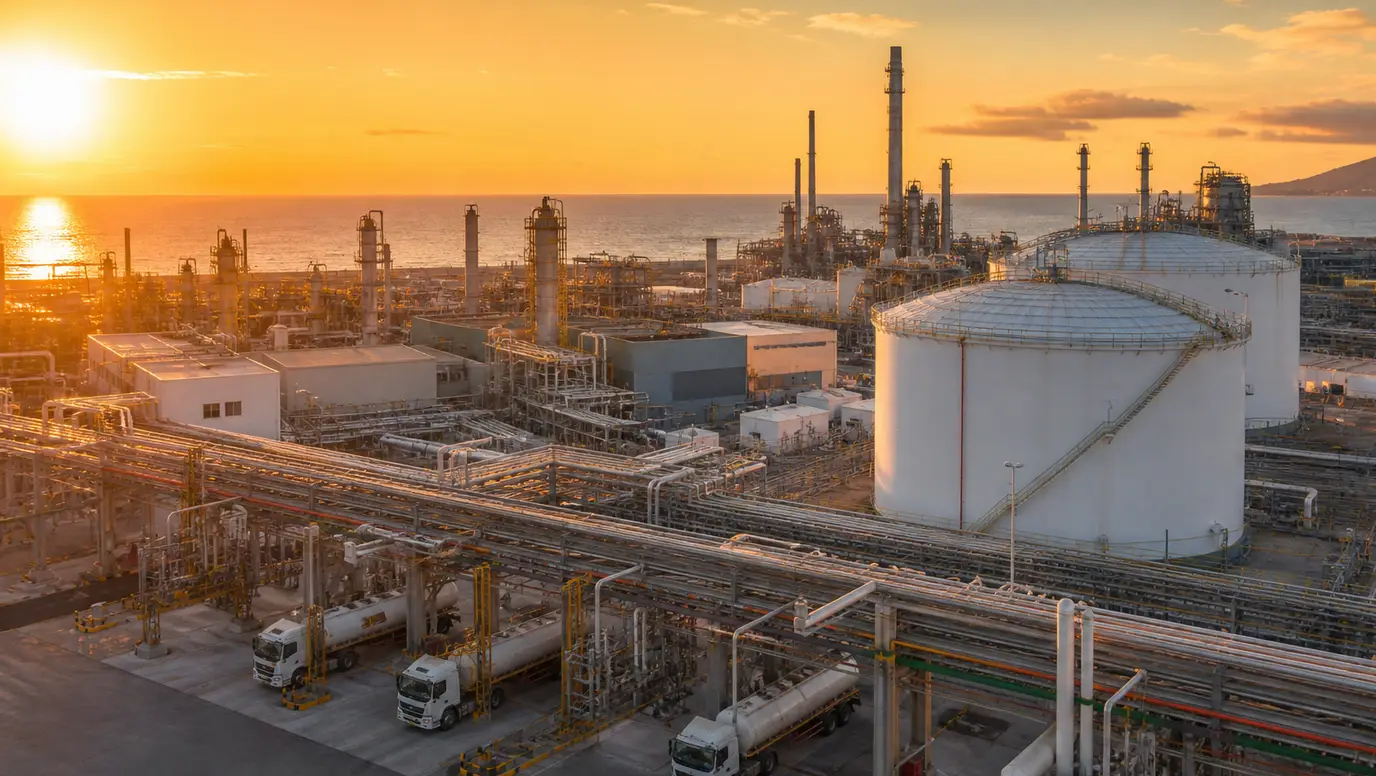
AUGUST 17, 2026
Gasoline Draw Keeps Energy Market Focus on Refinery Run and Fuel Demand
AUGUST 9, 2026
Gasoline and Distillate Fuel Draws Tighten Energy Market as Refinery Runs Stay High
AUGUST 8, 2026
Natural Gas Storage Cushion Keeps Henry Hub Under LNG Maintenance Pressure
AUGUST 4, 2026
Gasoline and Distillate Fuel Stay on Edge as OPEC+ Oil Supply Hike Tests Refining Market
JULY 29, 2026
Gasoline Cracks Lift Energy Commodities as Crude Rebounds on Inventory Draw
JULY 22, 2026
Crude Oil, Gasoline and Distillate Builds Cool Rally as U.S. Refineries Run Hot