
OCTOBER 25, 2026
Distillate Fuel Market Watches Russian Diesel Cargo as U.S. Energy Trade Risk WidensDistillate fuel traders weigh a Russian diesel cargo, tight refinery margins and policy risk as U.S. energy trade volatility rises.

© 1box.site 2026
AUGUST 17, 2026
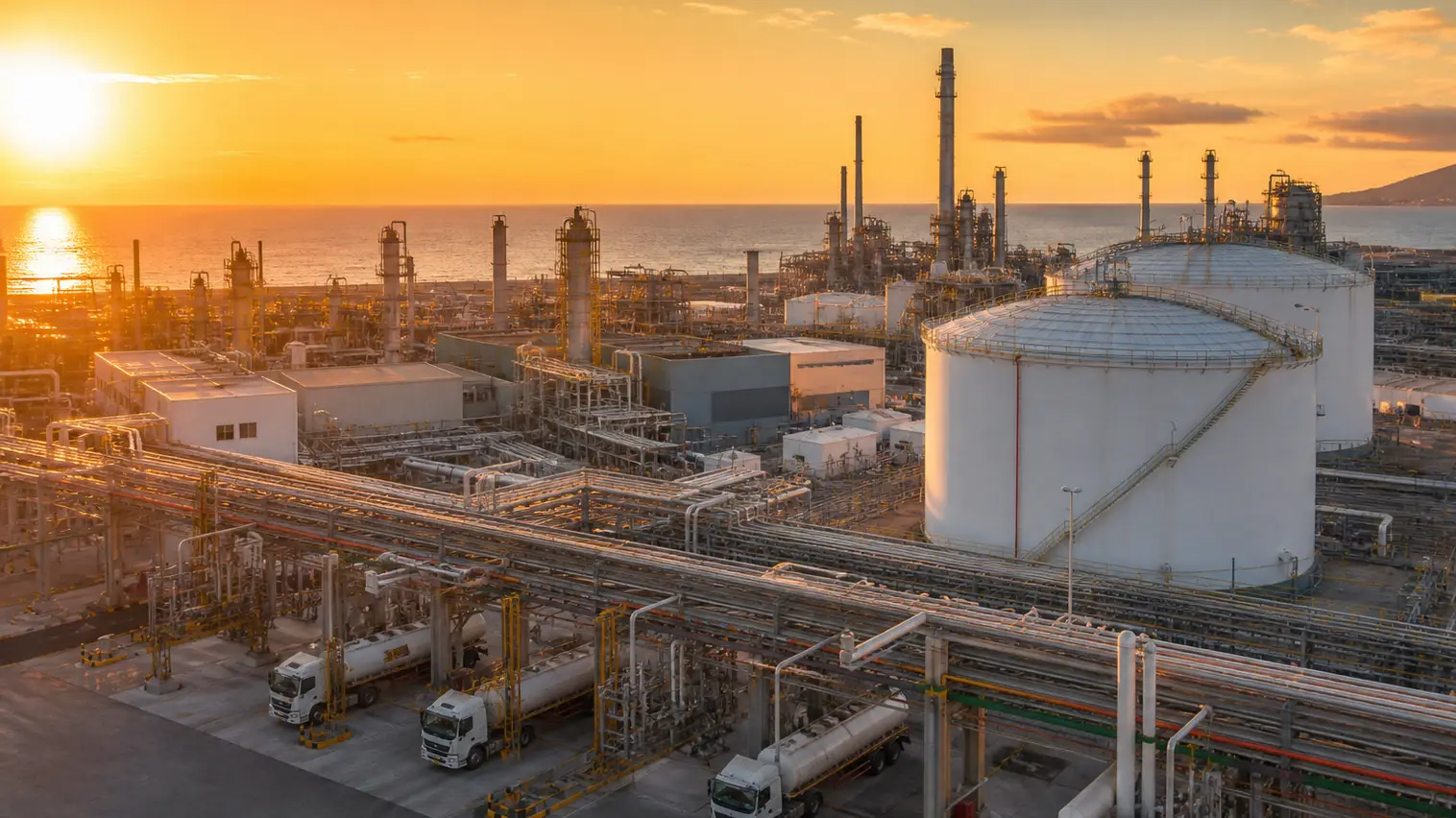
Gasoline has moved back to the center of the energy market after the latest weekly U.S. petroleum figures showed product inventories tightening even as refineries continued to run near full capacity. The data created a mixed signal for traders: crude supplies looked more comfortable, but the key summer driving fuel remained below normal seasonal levels.
For the week ended Aug. 7, U.S. refinery inputs averaged about 17.2 million barrels per day, with utilization at 96.2% of operable capacity. That is a high operating rate by historical standards and suggests refiners are still trying to capture strong product margins before seasonal demand fades. Yet total motor gasoline inventories still slipped by 1.0 million barrels to 208.7 million barrels, leaving stocks around 6% below the five-year average for this time of year.
The decline was especially notable because crude inventories moved sharply in the opposite direction. Commercial crude stocks rose by 17.4 million barrels to 424.4 million barrels, narrowing concerns about immediate feedstock availability. In market terms, that split keeps the focus on refining bottlenecks, regional product balances and end-user fuel demand rather than on crude supply alone.
The gasoline draw shows that strong refinery activity is not automatically translating into a comfortable product cushion. Gasoline production averaged 9.6 million barrels per day, down from the prior week, while implied gasoline demand over the latest four-week period averaged about 9.0 million barrels per day, only slightly below the comparable period last year.
That combination matters for futures spreads and retail fuel expectations. If refiners are already operating close to peak rates, the market has less flexibility to respond to unexpected outages, storms, pipeline disruptions or import delays. A single refinery problem can have a larger price impact when inventories are already thin relative to seasonal norms.
Energy traders are also watching whether the late-summer demand slowdown arrives quickly enough to ease the pressure. The U.S. driving season typically loses momentum after August, but low inventories can keep gasoline cracks supported if demand remains resilient or if refiners begin maintenance earlier than expected. A softer macroeconomic backdrop would help cool consumption, but so far the data do not show a decisive break in fuel use.
Distillate fuel remains an important secondary pressure point. Inventories were little changed at roughly 107.1 million barrels and stayed about 12% below the five-year average. Production increased to around 5.3 million barrels per day, but the market remains sensitive because distillates are tied to trucking, agriculture, construction and heating fuel preparations.
The four-week average for distillate product supplied was up 1.9% from a year earlier, while jet fuel demand also ran above year-earlier levels. That points to a product market where industrial and transport-linked consumption has not weakened enough to fully offset lean inventories. For refiners, the incentive to maximize output remains strong, but the ability to rebuild both gasoline and distillate stocks at the same time is limited by crude quality, unit configuration and regional logistics.
The near-term setup is therefore not simply bullish or bearish for the broader energy market. A large crude stock build can cap outright oil prices, particularly if traders view it as evidence of adequate supply. But tight gasoline and distillate balances can support refined-product prices and keep crack spreads elevated, especially if exports remain firm or domestic demand surprises to the upside.
The next test will be whether gasoline inventories can stabilize before the market shifts into autumn refinery maintenance. A further draw would strengthen the argument that U.S. product supply is tighter than headline crude balances imply. A build, especially alongside steady demand, would ease some of the pressure and could soften product-led support for energy prices.
Traders will also monitor refinery utilization, imports, and regional stock movements. With refineries already running hard, any decline in utilization could be read as a warning for near-term product availability unless it is matched by weaker demand. Conversely, stronger imports or a seasonal demand rollover would help rebuild inventories without requiring another increase in refinery runs.
For now, gasoline remains the cleaner signal in an otherwise mixed energy tape. Crude supplies look less strained after the latest build, but the refined-product market is still telling investors that summer fuel cover is thin. That keeps gasoline, refinery margins and product demand at the center of the next energy market move.
OCTOBER 25, 2026
Distillate Fuel Market Watches Russian Diesel Cargo as U.S. Energy Trade Risk Widens
OCTOBER 24, 2026
Gasoline Fuel Futures Face Inflation Watch as U.S. Stock Draw Tightens Energy Market
OCTOBER 19, 2026
Gasoline Energy Market Tightens as Russia Fuel Shortage Raises Refinery Risk
OCTOBER 18, 2026
Distillate Fuel Futures Stay Bid as Diesel Reserve Release Meets Winter Supply Risk
OCTOBER 13, 2026
Gasoline Fuel Futures Stay Elevated as Low US Inventories Keep Refinery Risk in Focus
OCTOBER 12, 2026
Diesel Fuel Futures Slide as Russia Supply Deal Tests Distillate Shortage
OCTOBER 7, 2026
Gasoline Futures Climb as Gulf Storm Puts Fuel Supply on Alert
OCTOBER 6, 2026
Distillate Fuel Squeeze Keeps Energy Market Alert as Diesel Margins Stay Elevated
OCTOBER 1, 2026
Gasoline Futures Rise as Fuel Export Curbs Tighten Energy Market
SEPTEMBER 28, 2026
Distillate Fuel Futures Rise as Tight Diesel Stocks Put Energy Market on Supply Alert
SEPTEMBER 26, 2026
Gasoline Futures Stay Volatile as U.S. Stock Draw Tightens Fuel Market Cushion
SEPTEMBER 22, 2026
Distillate Fuel Futures Surge as Refinery Outages Widen Energy Market Crack Spread
SEPTEMBER 19, 2026
Gasoline Futures Climb as Refinery Outage and Pump Price Jump Put Fuel Market on Alert
SEPTEMBER 16, 2026
Distillate Fuel Squeeze Puts Commodity Futures on Diesel Inflation Watch
SEPTEMBER 11, 2026
Diesel Fuel Shock Puts Oil Market on Freight Inflation Watch
SEPTEMBER 10, 2026
Distillate Fuel Rally Spreads to Gasoline as Refinery Outages Tighten Energy Market
SEPTEMBER 5, 2026
Gasoline Fuel Margins Put Energy Market on Pump Price Watch
SEPTEMBER 4, 2026
Diesel Fuel Record Puts Energy Market on Transport Inflation Watch
SEPTEMBER 1, 2026
Distillate Fuel Rally Tightens Energy Market as Diesel Stocks Sink
AUGUST 26, 2026
Distillate Fuel Draw Puts Energy Market on Diesel Supply Watch
AUGUST 25, 2026
Gasoline Futures Slide as Fuel Waiver Puts Energy Commodities on Pump Price Watch
AUGUST 20, 2026
Distillate Fuel Draw Puts Energy Market on Diesel Margin Watch as Crude Oil Stocks Build
AUGUST 9, 2026
Gasoline and Distillate Fuel Draws Tighten Energy Market as Refinery Runs Stay High
AUGUST 4, 2026
Gasoline and Distillate Fuel Stay on Edge as OPEC+ Oil Supply Hike Tests Refining Market
JULY 22, 2026
Crude Oil, Gasoline and Distillate Builds Cool Rally as U.S. Refineries Run Hot