OCTOBER 10, 2026
Natural Gas Futures Rise as Storage Surplus Narrows and Henry Hub Tests Winter RiskNatural gas futures firm as storage surplus narrows, Henry Hub rebounds, and traders weigh LNG demand, Gulf risks, and winter weather.

© 1box.site 2026

AUGUST 8, 2026
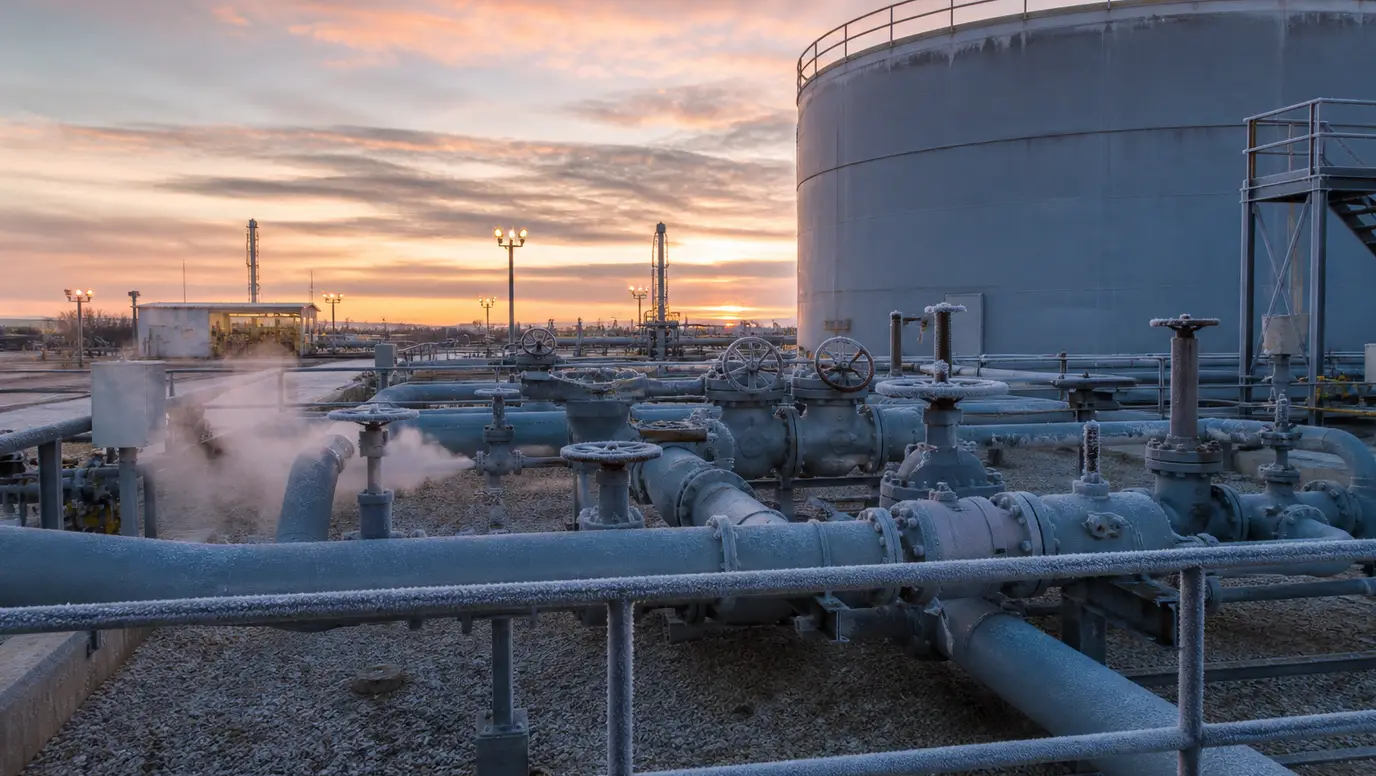
Natural gas has become the more active corner of the energy market as traders weigh a comfortable U.S. storage cushion against temporary constraints on liquefied natural gas demand. While oil headlines remain sensitive to producer policy and shipping risk, the sharper near-term adjustment is developing in Henry Hub pricing, where domestic supply is being forced to absorb lower export feedgas during a major Gulf Coast maintenance window.
The latest weekly storage data showed U.S. working gas in underground storage above 3.0 trillion cubic feet in mid-July, reinforcing the view that the market entered late summer with a stronger buffer than many traders expected earlier in the season. That cushion matters because cooling demand can be volatile in August, but a larger inventory base reduces the urgency for buyers to chase futures higher unless heat forecasts intensify or production unexpectedly drops.
The main pressure point is reduced feedgas demand at a large Texas LNG export facility, where maintenance that began in July is expected to run into late August. Market estimates indicated that deliveries to the facility fell sharply toward roughly 1 billion cubic feet per day as work moved through pretreatment and liquefaction units. For Henry Hub, that means gas that would normally be pulled into the export chain is instead left competing for storage space or domestic consumption.
This is not a simple bearish story. LNG demand outside the United States remains firm enough to keep global gas markets attentive to any outage or shipping delay. Asian and European buyers are still managing summer power needs while also preparing for winter stockpiling. However, U.S. futures are driven first by the domestic balance, and a temporary reduction in export intake can loosen that balance quickly when production is steady.
That divergence is why the Henry Hub market can remain heavy even while international LNG sentiment stays supported. Traders are effectively separating global cargo tightness from the immediate U.S. pipeline and storage reality. Until export feedgas normalizes, rallies may face selling from participants who see the maintenance period as an inventory-building event.
The storage trajectory now becomes the central signal for the market. A series of larger-than-normal injections would confirm that the maintenance-related demand loss is overwhelming summer burn. Smaller injections, by contrast, would suggest that power-sector consumption is absorbing the loose supply and could give bulls a reason to defend higher prices.
Regional data will also matter. The South Central region, which is closest to Gulf Coast export infrastructure and salt cavern storage, is likely to draw the most attention. If salt storage continues to fill while export demand is constrained, prompt-month futures could remain capped. If inventories there tighten or weather demand accelerates, the market may start to price a stronger rebound before maintenance fully ends.
For now, the risk is that natural gas stays range-bound with a downward bias. Stronger LNG exports later in the month could support a recovery, but the market needs evidence that feedgas demand is returning before traders rebuild a sustained long position. Weather forecasts, production trends and weekly injections will therefore carry more weight than broad commodity sentiment.
The current setup also explains why energy-market attention is shifting from crude benchmarks toward natural gas. Oil remains exposed to supply decisions and geopolitical risk, but natural gas has a clearer near-term catalyst: the timing of LNG maintenance completion and the size of each storage build. That gives Henry Hub a more immediate trading framework for the next several weeks.
If export demand rebounds smoothly in late August, the market could quickly reassess the storage cushion ahead of autumn. If maintenance drags on or production remains resilient, sellers may continue to challenge rallies. In either case, natural gas is likely to remain one of the most closely watched energy commodities as traders test whether the summer surplus is temporary or the start of a more durable pressure phase for Henry Hub.
OCTOBER 10, 2026
Natural Gas Futures Rise as Storage Surplus Narrows and Henry Hub Tests Winter Risk
OCTOBER 5, 2026
Henry Hub Natural Gas Holds Near $3 as LNG Demand Tightens Energy Market
SEPTEMBER 29, 2026
U.S. Natural Gas Holds Near $3 as LNG Demand and Storage Risk Split Energy Market
SEPTEMBER 25, 2026
Henry Hub Natural Gas Futures Slip as Storage Build Caps Energy Market Rally
SEPTEMBER 21, 2026
LNG Gas Prices Hit 45-Month High as Hormuz Risk Tightens Winter Supply
SEPTEMBER 18, 2026
Natural Gas Futures Fade as LNG Feedgas Drop Offsets Lean Storage Build
SEPTEMBER 13, 2026
Henry Hub Slips as Gas Storage Cushion Offsets Winter Demand Risk
SEPTEMBER 8, 2026
Natural Gas Climbs as LNG Bidding Puts Energy Market on Winter Storage Watch
SEPTEMBER 2, 2026
Natural Gas Surge Lifts Energies as LNG Supply Fears Return
AUGUST 28, 2026
Natural Gas Storage Build Puts Henry Hub on LNG Supply Watch
AUGUST 22, 2026
Natural Gas Storage Cushion Puts Energy Commodities on LNG Supply Watch
AUGUST 16, 2026
LNG Maintenance Puts Natural Gas and Henry Hub on Storage Watch
AUGUST 12, 2026
Texas Power Demand Reset Cools Energy Market as Natural Gas and Solar Lead Supply Growth
AUGUST 3, 2026
LNG Exports Surge Tests Natural Gas Commodities as Supply Risk Lingers
AUGUST 1, 2026
Natural Gas Storage Surplus Tests Henry Hub Rally as Power Demand Climbs
JULY 26, 2026
LNG Squeeze Pulls Energy Commodities Into Winter Risk Trade
JULY 23, 2026
Natural Gas Rally Faces Storage Test as Cooling Demand Tightens Energy Market
JULY 21, 2026
LNG Supply Race Overtakes Oil as Gas Prices Jump on Hormuz Disruption
JULY 16, 2026
LNG and Gas Prices Keep Energy Market on Edge as US Dollar Weakens
JULY 7, 2026
LNG Tightness Puts Energy Market on Storage Watch as European Gas Jumps
JUNE 30, 2026
Natural Gas Rally Outruns Softer Oil as Heat and LNG Demand Split Energy Market
JUNE 26, 2026
LNG Demand Puts U.S. Gas Market on Alert as Crude Oil Premium Fades
JUNE 13, 2026
Natural Gas Rally Stalls as Storage Build Offsets LNG Demand Hopes
JUNE 5, 2026
LNG Demand and Summer Power Burn Put Natural Gas Back at the Center of Energy Market Trade
MAY 30, 2026
LNG Squeeze Keeps Energy Market on Edge as Summer Demand Nears
MAY 22, 2026
Natural Gas Slips as Larger Storage Build Cools Summer Demand Bets