AUGUST 19, 2026
Solar Power Takes Energy Market Spotlight as Heat Tests US Power GridSolar power and batteries move into focus as heat-driven electricity demand reshapes energy market risk across the US power grid.

© 1box.site 2026

AUGUST 12, 2026
A sharp reset in Texas power demand expectations is giving the energy market a new trading signal: the data-center boom is still powerful, but grid constraints and policy review can quickly alter fuel demand forecasts. A fresh U.S. short-term energy outlook now sees Texas electricity load growing 6% in 2027, down from a previous forecast of 14%, after the state paused new data-center development on August 3 to review projects already in the pipeline.
The cut matters because Texas has become one of the most closely watched power markets in the world. Rapid growth in artificial intelligence infrastructure, industrial electrification, population gains and summer cooling demand has kept traders focused on whether electricity consumption would force a larger call on natural gas-fired generation. The new forecast does not end that debate, but it reduces the immediate upside pressure that had been building around gas burn, power prices and grid reliability margins.
The Texas adjustment is important because power demand forecasts have increasingly become a direct commodity-market input. When expected load rises, utilities and power generators may need more fuel, more reserve capacity and stronger transmission investment. When the expected growth rate is reduced, the market has more room to absorb new supply from solar, wind and gas-fired plants without pricing in the same level of scarcity risk.
The latest outlook still points to rising U.S. electricity generation, but the mix is changing. Total electric-sector generation in the first half of 2026 was up 37 billion kilowatthours, or 1.8%, from the same period in 2025. Solar generation rose 21%, wind increased 6% and hydropower climbed 9% in the first half. Natural gas-fired generation also increased 2%, helped by relatively lower gas prices after last year’s stronger price environment.
For energy investors, the key message is that demand growth is no longer a simple one-way bullish story for gas. Data centers still represent a structural source of electricity demand, but permitting reviews, local grid bottlenecks and connection delays can shift the timing of consumption. That timing is crucial for futures markets, merchant power producers and pipeline operators because the value of capacity depends on when new load actually arrives.
The gas market is receiving a mixed signal. On one hand, natural gas remains a leading source of flexible generation, and power-sector demand should stay central during heat waves. On the other hand, storage remains comfortable, production is robust and reduced LNG feedgas demand has lowered near-term price expectations. The latest forecast puts the Henry Hub spot price at an average of $2.87 per million British thermal units in the third quarter, down sharply from the prior monthly view.
That lower price outlook reflects weaker export-terminal demand during maintenance, high domestic production and the expectation that inventories will enter the winter season near record levels. Storage is projected to reach 3,985 billion cubic feet by the end of October, about 5% above the five-year average. With that cushion, futures contracts through September are expected to remain below the $3.00 mark, limiting the urgency for power buyers to hedge aggressively at higher prices.
Even so, traders are unlikely to ignore weather risk. A late-summer heat wave across Texas or the Southeast could quickly lift power burn and tighten regional balances, especially if renewable output underperforms during peak demand hours. The market is therefore moving from a broad demand-boom trade to a more selective weather, storage and regional-basis trade.
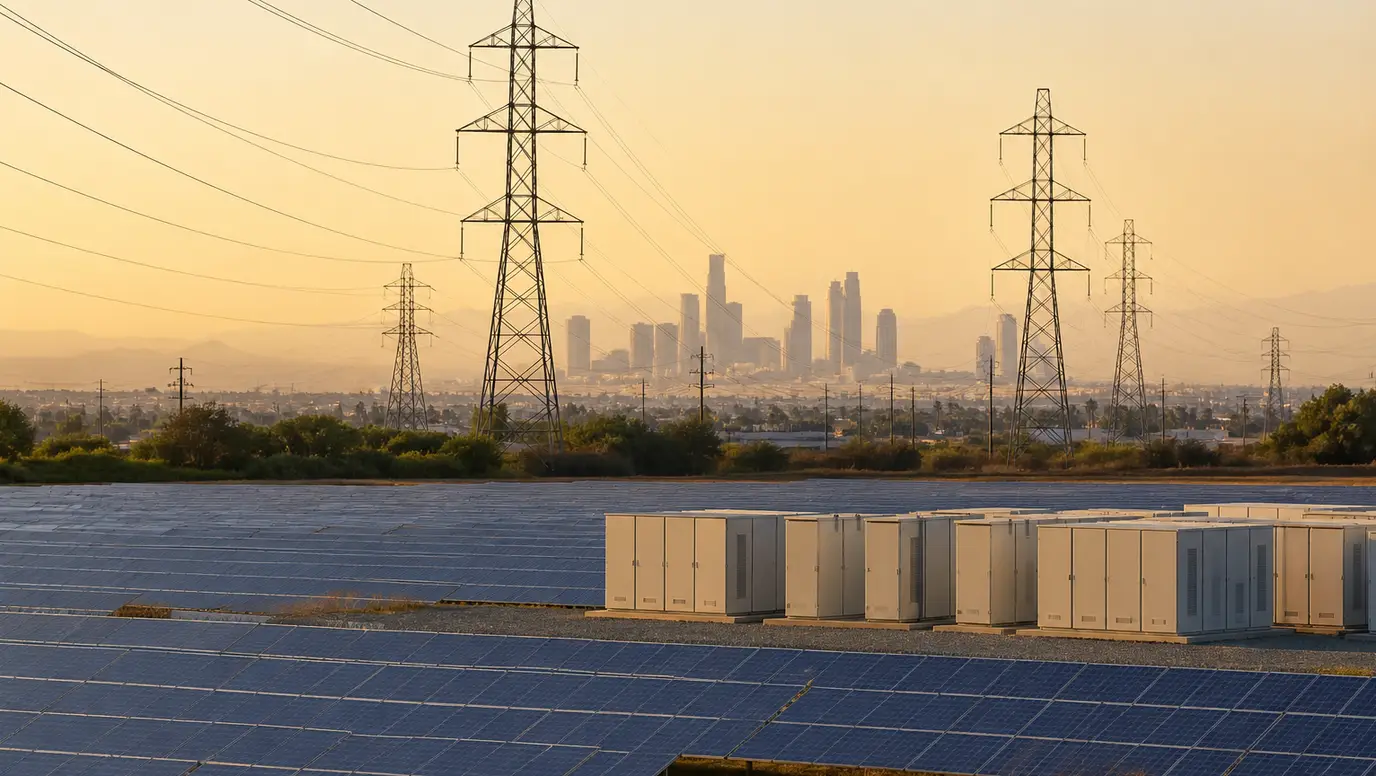
Solar power is becoming the other major variable. New solar projects are one of the leading sources of U.S. generation growth in 2026, and the sector is expected to keep expanding through 2027. Rising solar output can reduce midday gas burn, soften wholesale power prices during high-output periods and push more value into evening ramp capacity, storage and fast-start generation.
That creates a more complex setup for the energy market. Lower Texas load expectations may reduce the need for emergency fuel demand, but stronger solar penetration can also increase price volatility within the day. Gas plants may run less during sunny hours while remaining essential when demand peaks after sunset. For investors, that means the earnings outlook for power assets will depend less on total annual generation and more on flexibility, location and dispatch timing.
The broader conclusion is that the energy market is no longer trading only on oil supply shocks or weekly fuel inventories. Power demand, data-center permitting and renewable generation are now central macro inputs. The Texas reset gives natural gas some breathing room, but it also confirms that electricity demand has become one of the most important drivers for fuel, infrastructure and utility valuations heading into 2027.
AUGUST 19, 2026
Solar Power Takes Energy Market Spotlight as Heat Tests US Power Grid