AUGUST 12, 2026
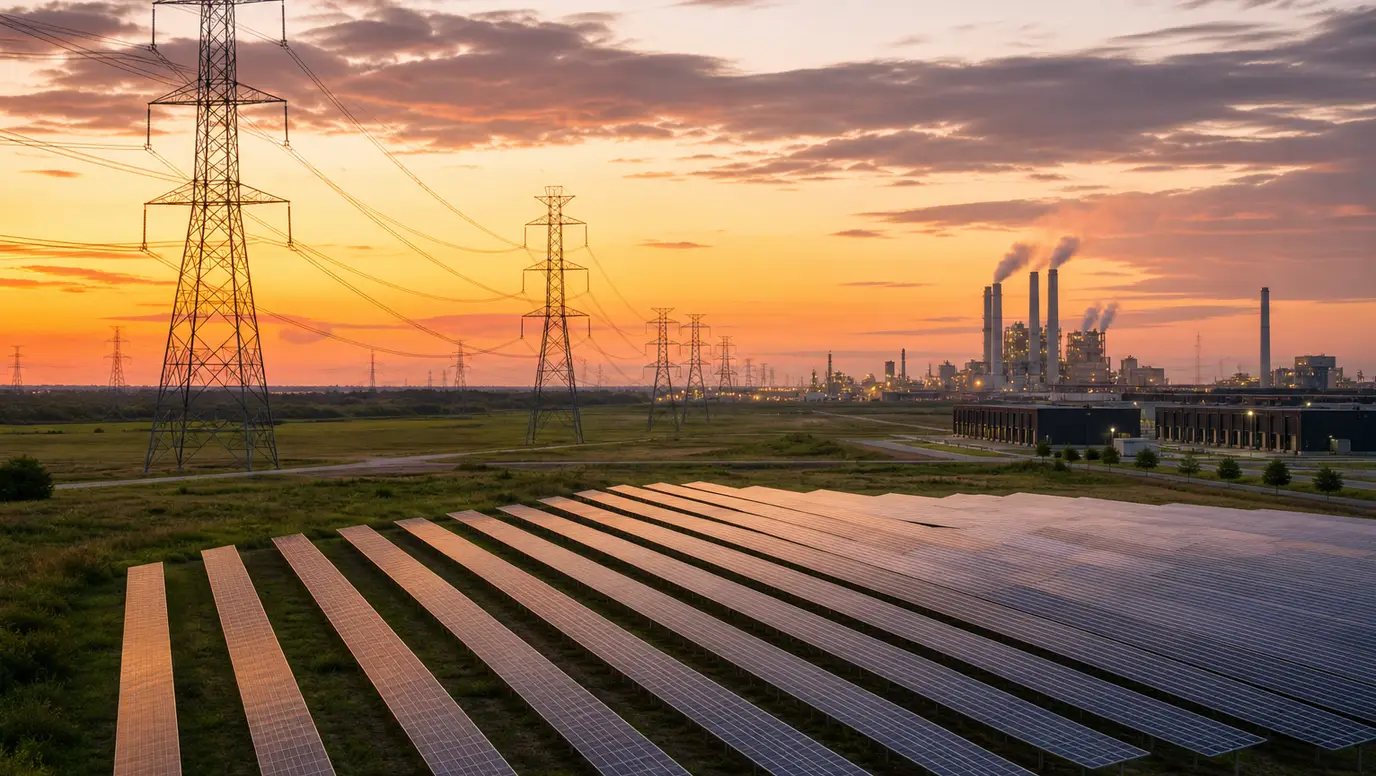
Texas Power Demand Reset Cools Energy Market as Natural Gas and Solar Lead Supply GrowthTexas power demand forecasts were cut after a data center pause, easing natural gas pressure while solar and wind growth reshape energy trading.

© 1box.site 2026
AUGUST 19, 2026
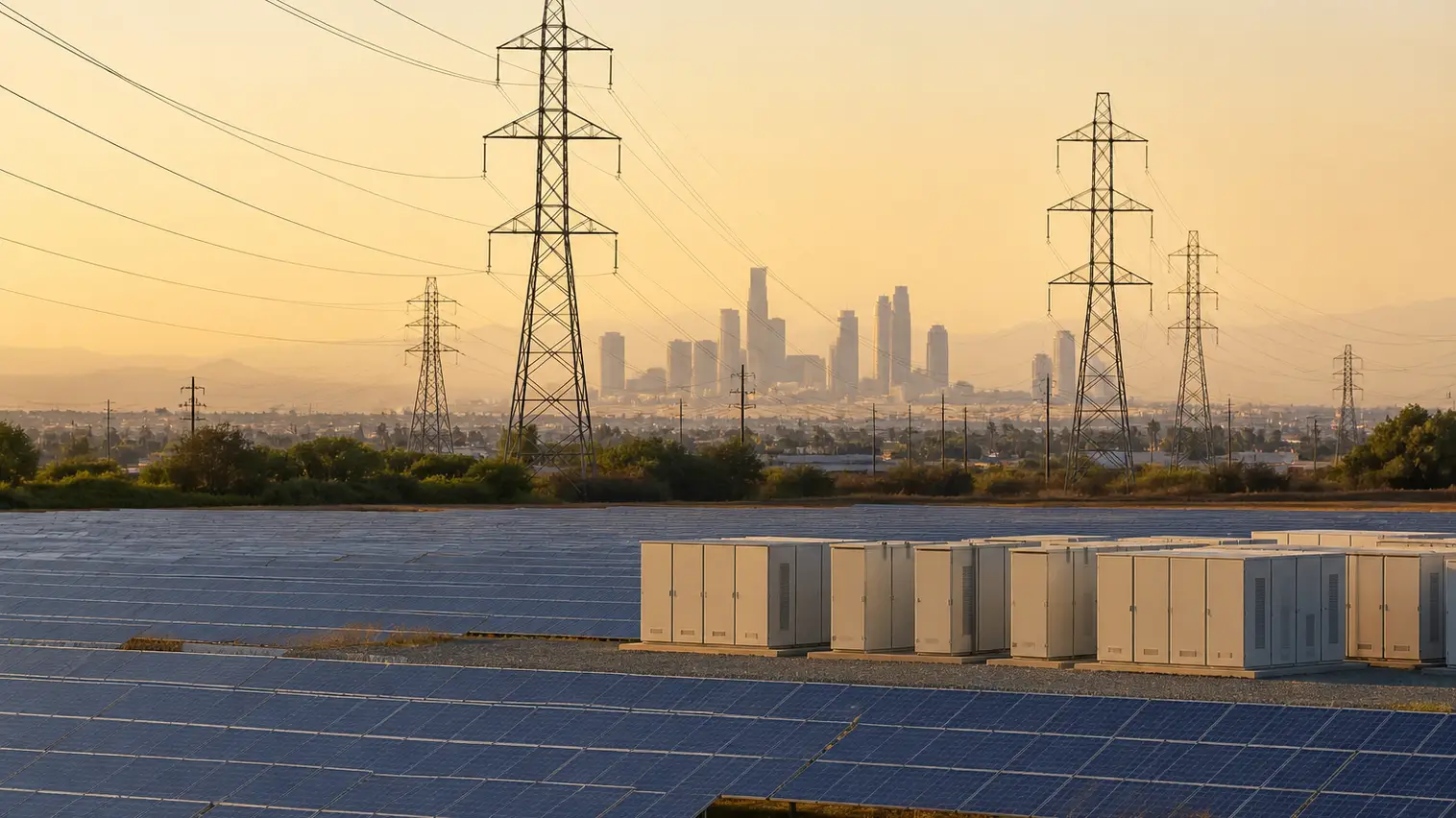
Solar power moved to the center of the energy market debate on Wednesday as investors weighed how extreme summer heat is changing the balance between electricity demand, grid reliability and fuel prices. The latest market focus is not only on how high peak demand can climb, but on whether solar generation and battery storage can reduce the call on gas-fired plants during the most expensive hours of the day.
The shift gives the energy market a different tone from the recent oil-led inflation trade. Crude supply risks and emergency reserve levels remain important, but power markets are increasingly setting the marginal signal for utilities, gas traders and infrastructure investors. When temperatures remain elevated for several days, cooling demand can lift load across residential, commercial and data-heavy regions, while thermal plants, hydropower resources and transmission networks may face performance constraints.
Solar power is helping utilities meet daytime demand during heat events, while batteries are becoming more important in the late afternoon and evening handoff. That combination can soften the immediate need for costly peaking fuel, especially in markets where solar buildout has expanded quickly and storage can shift surplus midday generation into higher-value hours.
For traders, the key question is whether this reduces volatility or simply moves it. Strong solar output can pressure daytime power prices, but the market can still tighten sharply if heat persists after sunset, if battery charge levels are insufficient, or if transmission congestion prevents low-cost power from reaching demand centers. This makes intraday power spreads, regional congestion and reserve margins more important indicators than headline generation capacity alone.
Natural gas remains the critical balancing fuel. Even where solar power is growing quickly, gas-fired generation is still needed to support evening ramps, cloudy periods and unexpected plant outages. That keeps the gas-power link active through the rest of the summer, particularly in large regional grids serving industrial load, air-conditioning demand and expanding data center consumption.
Recent market assessments have pointed to higher summer electricity consumption than in the previous five summers, with new generation and transmission additions helping to absorb part of the increase. Under normal operating conditions, reserve expectations appear manageable in most regions, but extreme weather scenarios still leave parts of the grid vulnerable to tighter supply-demand balances.
That is why the energy market is treating grid reliability as a price signal rather than a background issue. Prolonged heat can raise cooling demand, reduce the efficiency of some generating units, limit hydropower in drought-affected areas and increase the value of flexible resources. In that setting, solar power and batteries are no longer just long-term transition assets; they are becoming near-term tools for managing peak-load risk.
The regional impact is uneven. Areas with fast solar and storage growth may see more protection against daytime scarcity, while regions with heavier reliance on gas-fired generation, constrained transmission or limited reserve flexibility may remain exposed to price spikes. Wholesale power hubs in the Northeast and Mid-Atlantic are likely to stay sensitive to gas hub moves, while Texas and Western markets will continue to test how far solar-plus-storage can stretch during repeated heat events.
For the rest of August, the strongest energy market signal may come from the interaction between weather forecasts, battery performance and gas burn rather than from any single commodity benchmark. A cooler pattern would reduce the urgency around power demand and ease pressure on gas-fired generation. Another sustained heat wave would put solar output, evening storage dispatch and regional reserve margins back under close scrutiny.
Investors are likely to favor companies and assets tied to flexible capacity, grid services and storage integration if heat-driven volatility continues. At the same time, gas prices may remain sensitive to any sign that power burn is rising faster than renewable generation can offset. The result is a more complex energy market, where solar power can cap some price stress during the day but does not eliminate the need for dispatchable backup when the grid faces its toughest hours.
AUGUST 12, 2026
Texas Power Demand Reset Cools Energy Market as Natural Gas and Solar Lead Supply Growth