OCTOBER 22, 2026
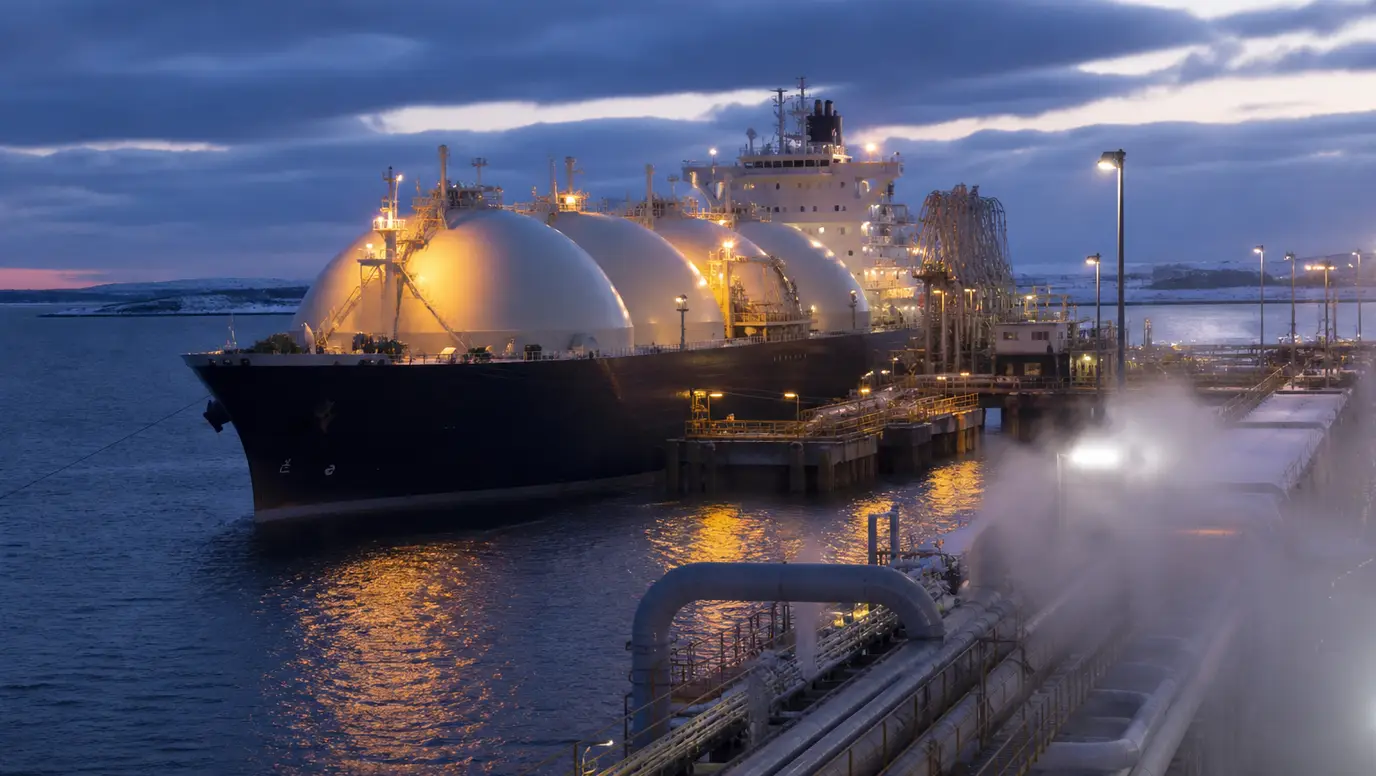
LNG Spot Prices Climb as Asia-Europe Winter Bidding War Reprices Energy Market RiskLNG spot prices stay elevated as Asia and Europe compete for winter cargoes, lifting risk premiums across the energy market.

© 1box.site 2026
SEPTEMBER 8, 2026
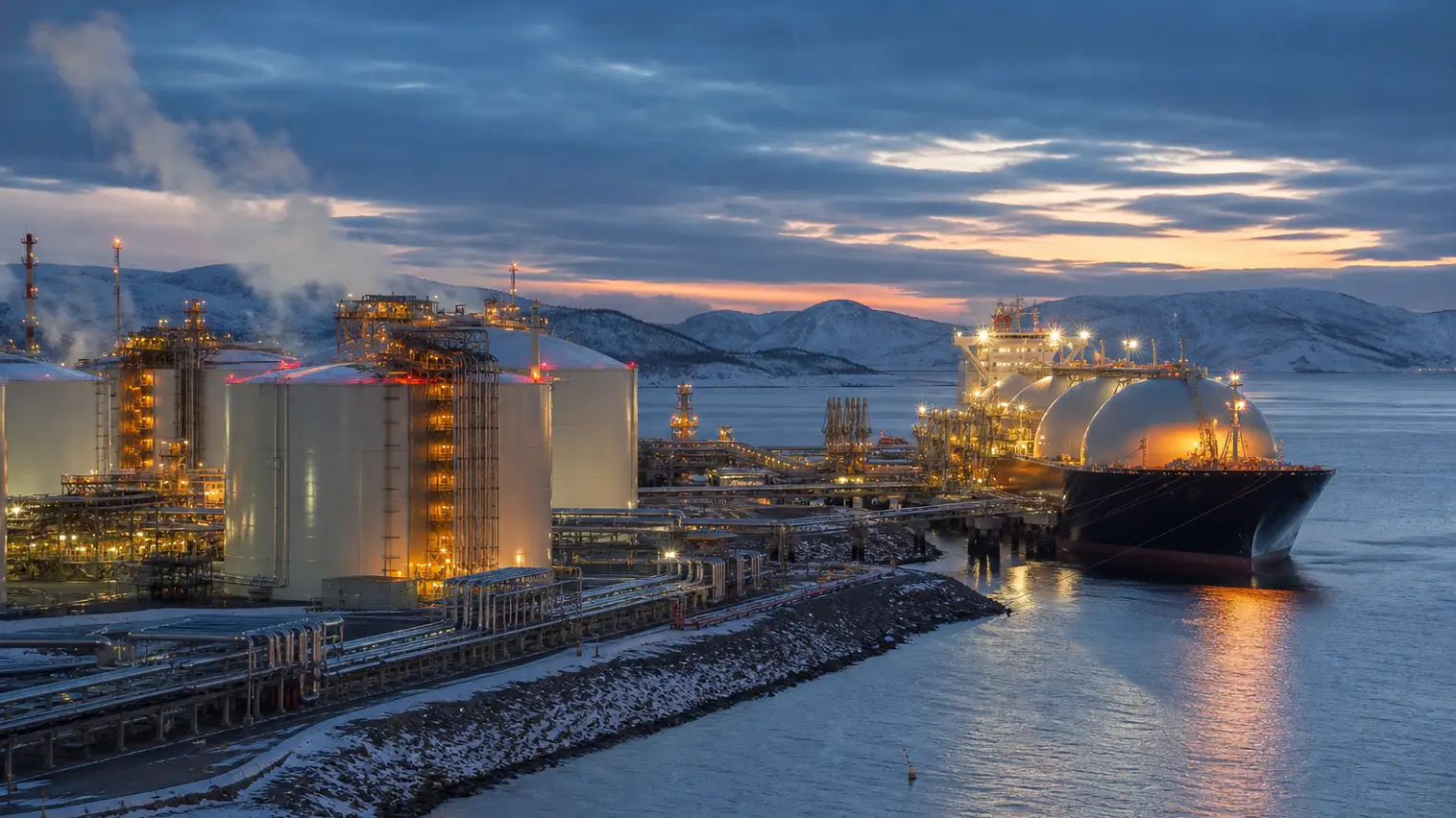
Natural gas moved higher on Tuesday as traders shifted attention from crude-driven volatility to a tightening global gas balance, with LNG competition and winter storage risk becoming the main drivers across the energy market.
European benchmark gas prices advanced as buyers assessed lower-than-usual storage cover heading into the autumn refill window. The move reflected concern that Europe and Asia may need to compete more aggressively for flexible LNG cargoes if Middle East disruptions continue to affect shipping routes and supplier confidence.
In the United States, natural gas futures also found support from stronger LNG feedgas flows and forecasts for lingering late-summer cooling demand. Domestic supply remains large by historical standards, but the export pull has made the market more sensitive to weather changes and weekly storage data.
The latest move in gas markets shows how quickly LNG can transmit regional stress into global prices. When European storage is not comfortably full and Asian buyers are active, spot cargoes become more expensive and harder to secure, even if pipeline supply and domestic production remain steady.
Traders are watching whether higher prices can attract more Atlantic Basin cargoes toward Europe without pricing out industrial users. A sustained premium in European and Asian gas would support LNG exporters, but it could also raise costs for utilities, manufacturers and shipping fuel buyers before the winter heating season begins.
The energy market is also weighing the difference between price risk and physical shortage risk. Current supply conditions do not point to an immediate system-wide crisis, but lower storage buffers reduce the margin for error if cold weather, unplanned outages or shipping delays arrive at the same time.
Weekly storage reports are likely to set the near-term tone for natural gas. A smaller-than-expected injection would reinforce the view that exports and power burn are absorbing supply faster than the market anticipated. A larger build, by contrast, could cap the rally by reminding traders that production remains resilient.
For the broader energy market, the key issue is whether gas prices begin feeding back into inflation expectations. Higher natural gas costs can lift electricity prices, fertilizer costs and industrial fuel expenses, particularly in regions with limited alternatives during winter demand peaks.
Momentum now favors a more defensive stance among gas buyers. Unless storage improves quickly or LNG flows normalize, natural gas may remain supported by risk premiums even if day-to-day trading stays volatile.
OCTOBER 22, 2026
LNG Spot Prices Climb as Asia-Europe Winter Bidding War Reprices Energy Market Risk
OCTOBER 21, 2026
Natural Gas Breaks Below $3 as Mild Weather Tests Henry Hub Energy Market Bulls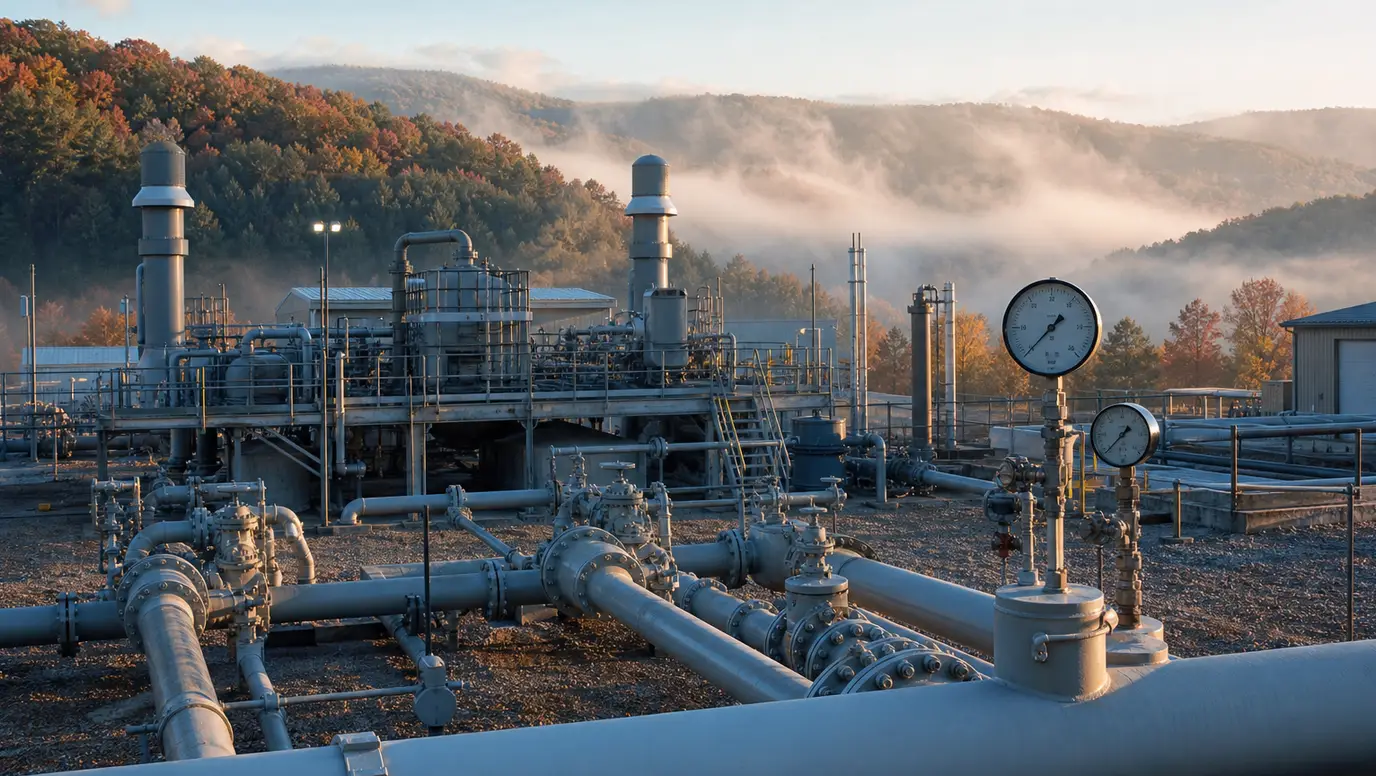
OCTOBER 15, 2026
Natural Gas Energy Market Watches Appalachia Pipeline Squeeze as Henry Hub Tests Storage Data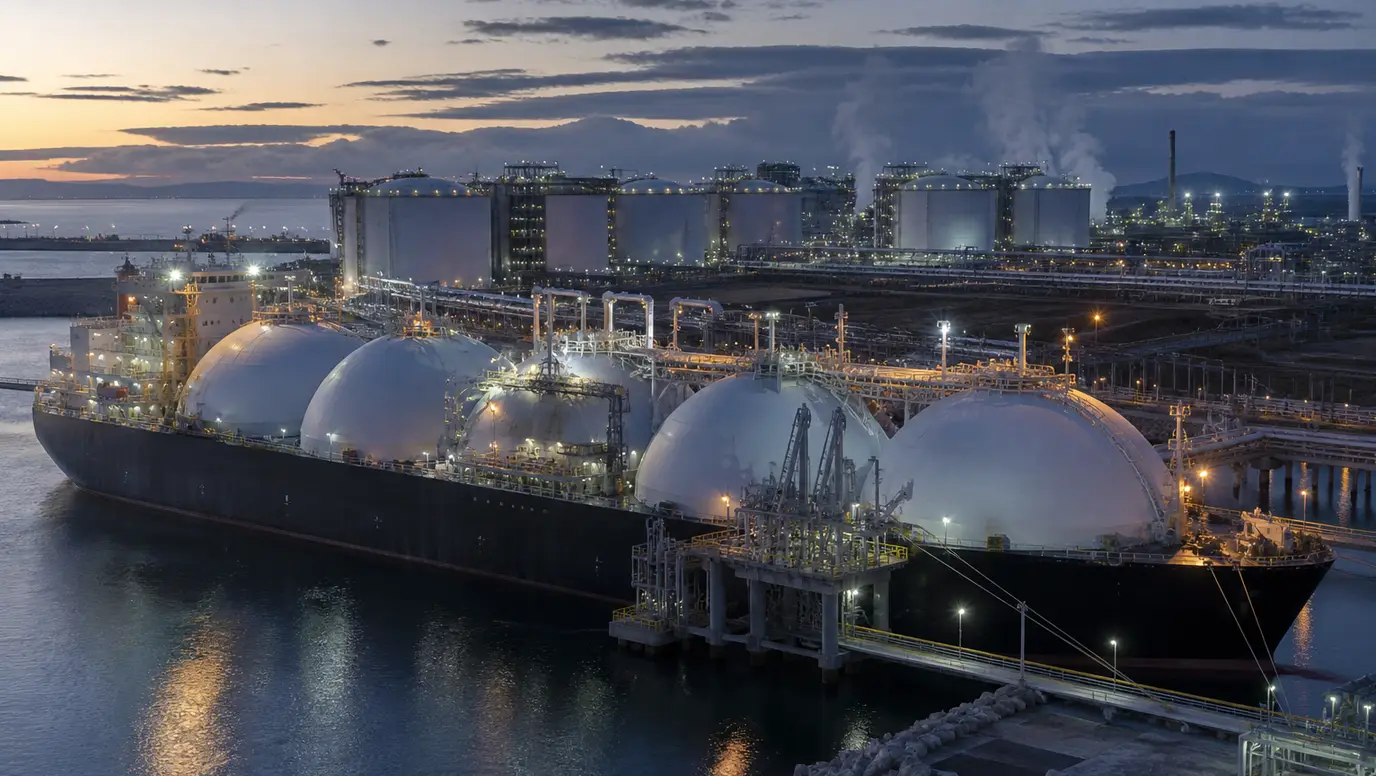
OCTOBER 11, 2026
LNG Fuel Market Cools as Winter Energy Risk Keeps Buyers on Alert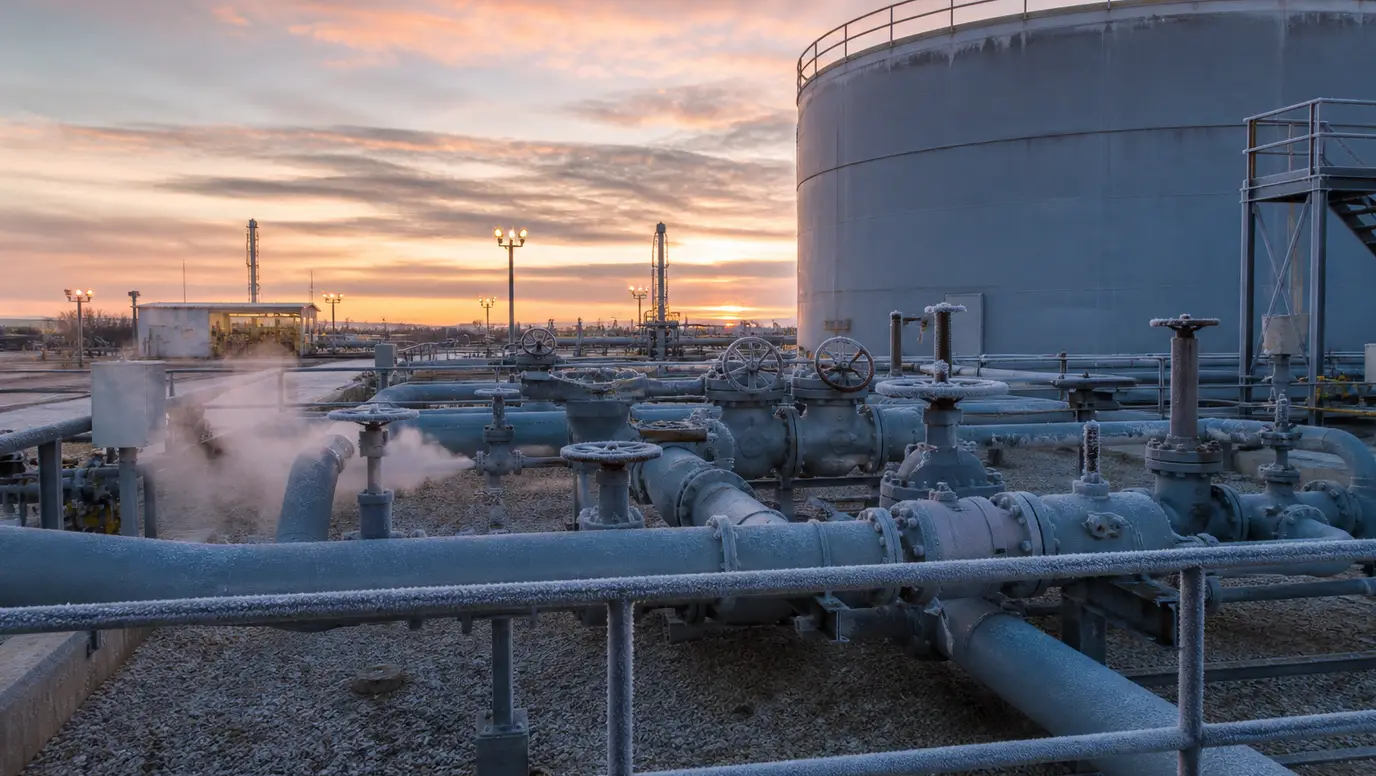
OCTOBER 10, 2026
Natural Gas Futures Rise as Storage Surplus Narrows and Henry Hub Tests Winter Risk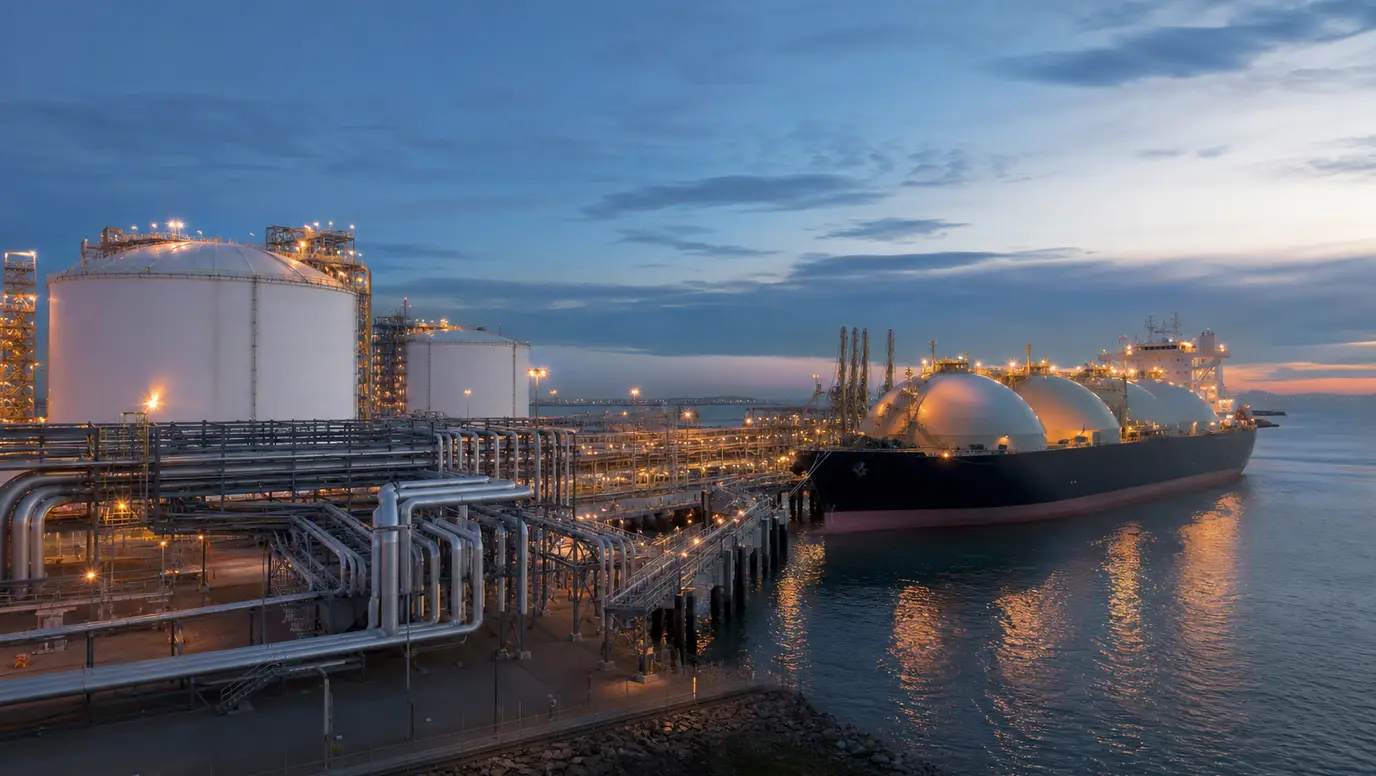
OCTOBER 5, 2026
Henry Hub Natural Gas Holds Near $3 as LNG Demand Tightens Energy Market
SEPTEMBER 29, 2026
U.S. Natural Gas Holds Near $3 as LNG Demand and Storage Risk Split Energy Market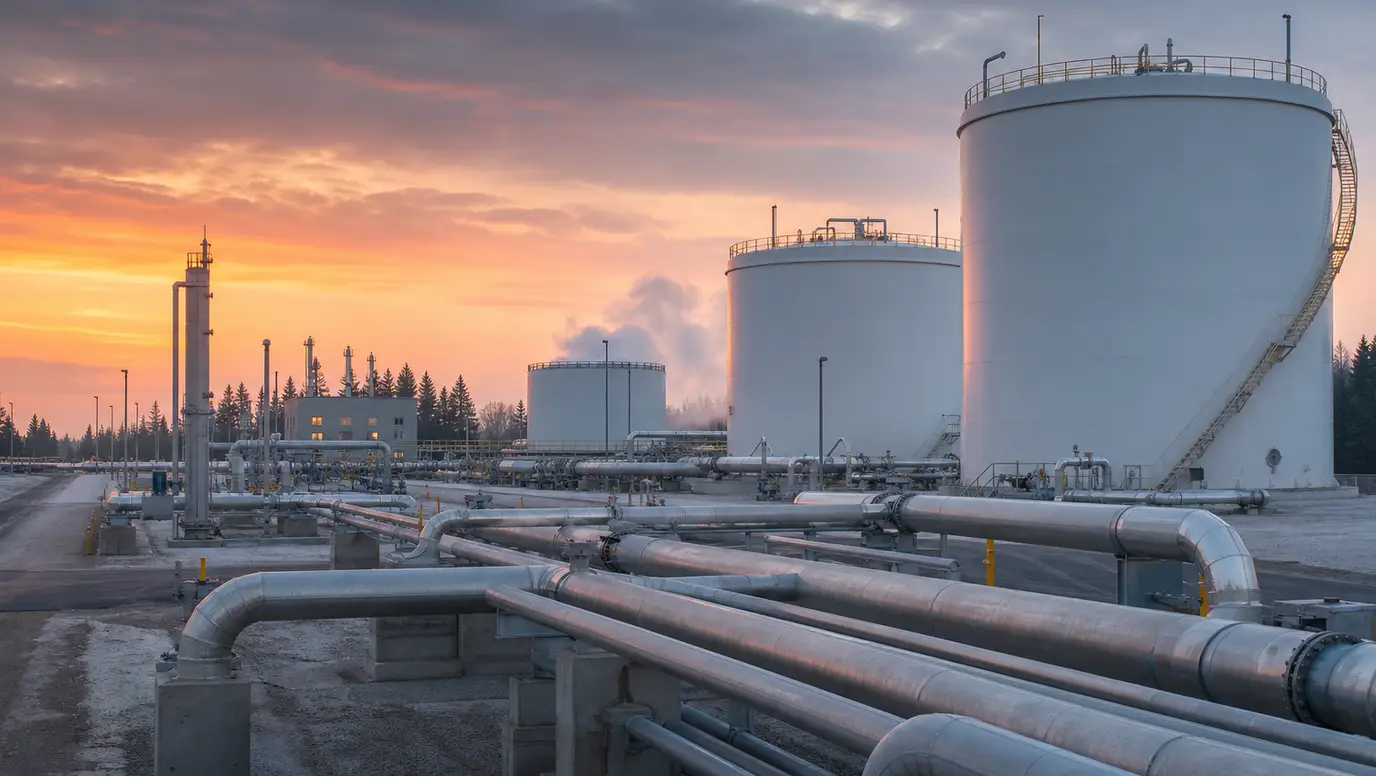
SEPTEMBER 25, 2026
Henry Hub Natural Gas Futures Slip as Storage Build Caps Energy Market Rally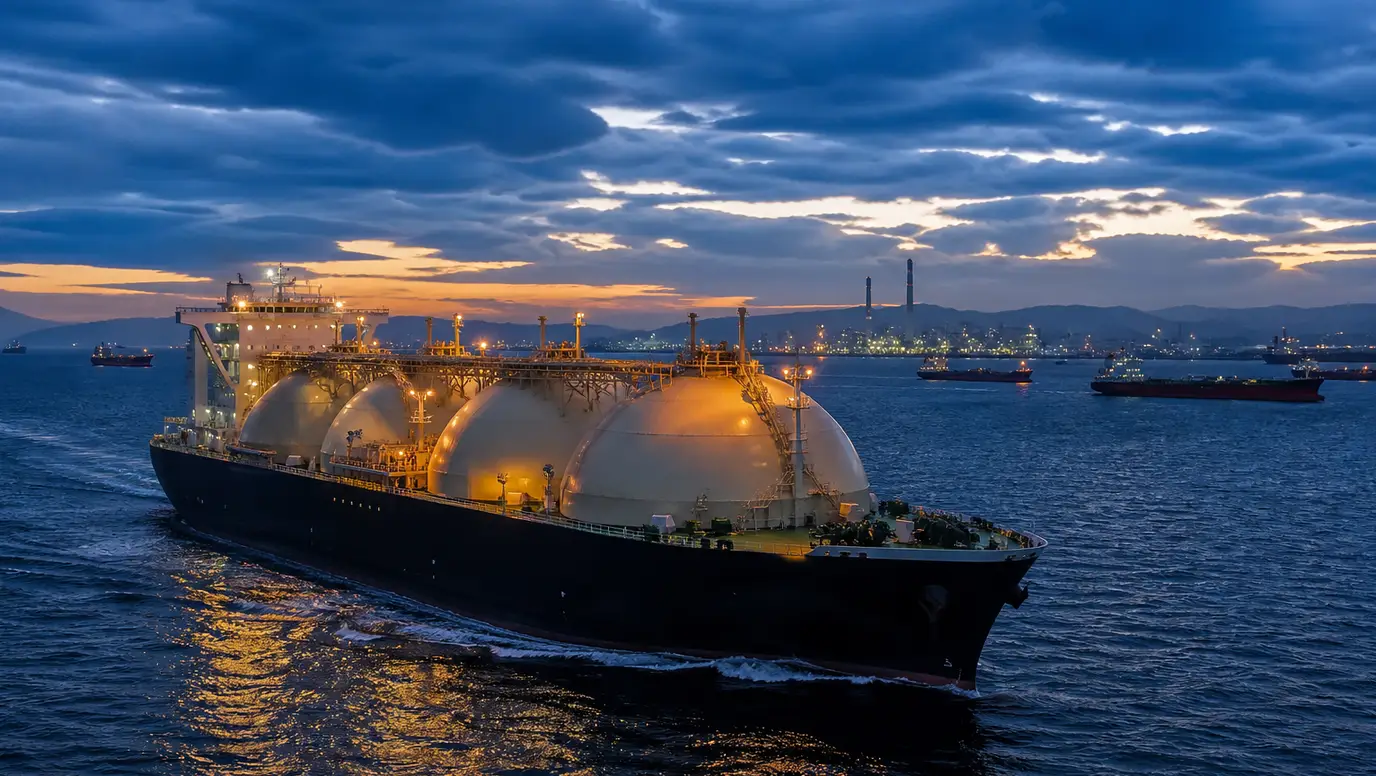
SEPTEMBER 21, 2026
LNG Gas Prices Hit 45-Month High as Hormuz Risk Tightens Winter Supply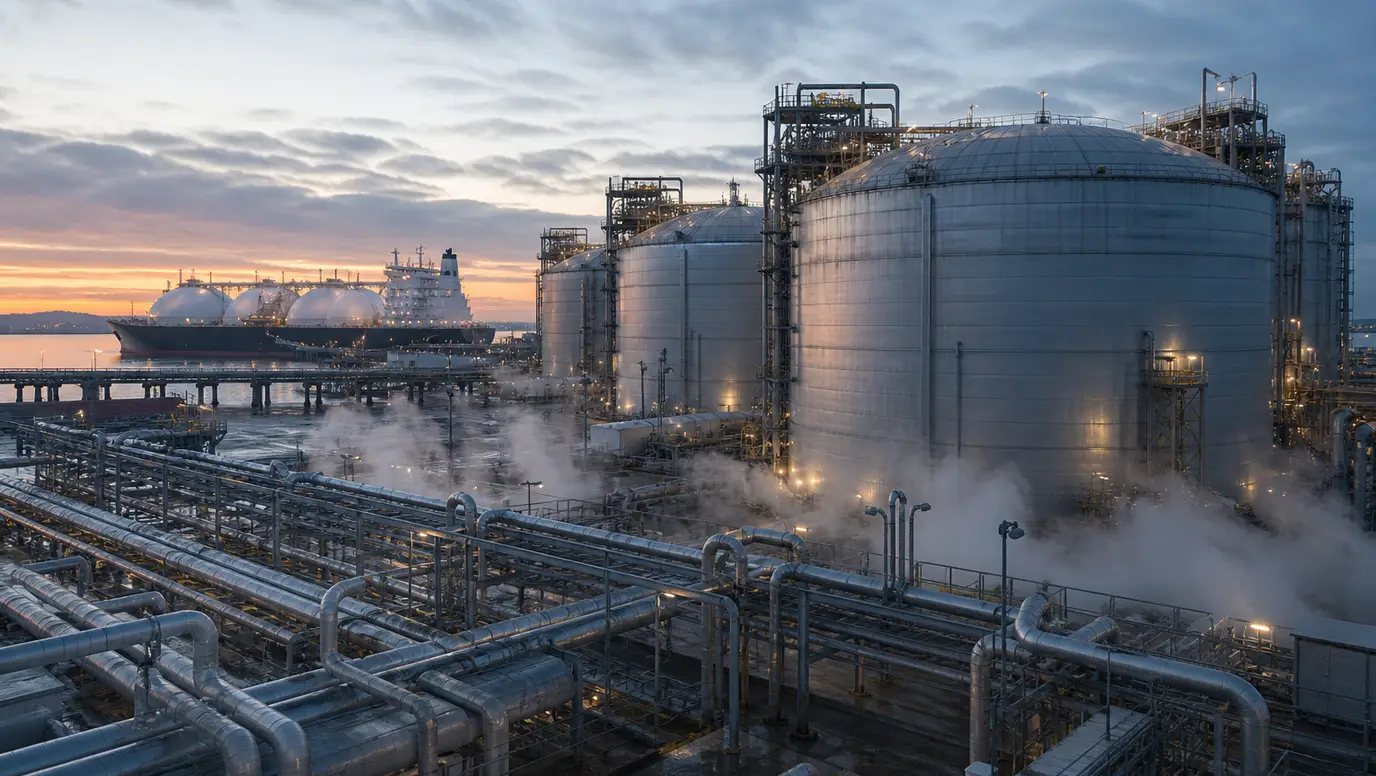
SEPTEMBER 18, 2026
Natural Gas Futures Fade as LNG Feedgas Drop Offsets Lean Storage Build
SEPTEMBER 13, 2026
Henry Hub Slips as Gas Storage Cushion Offsets Winter Demand Risk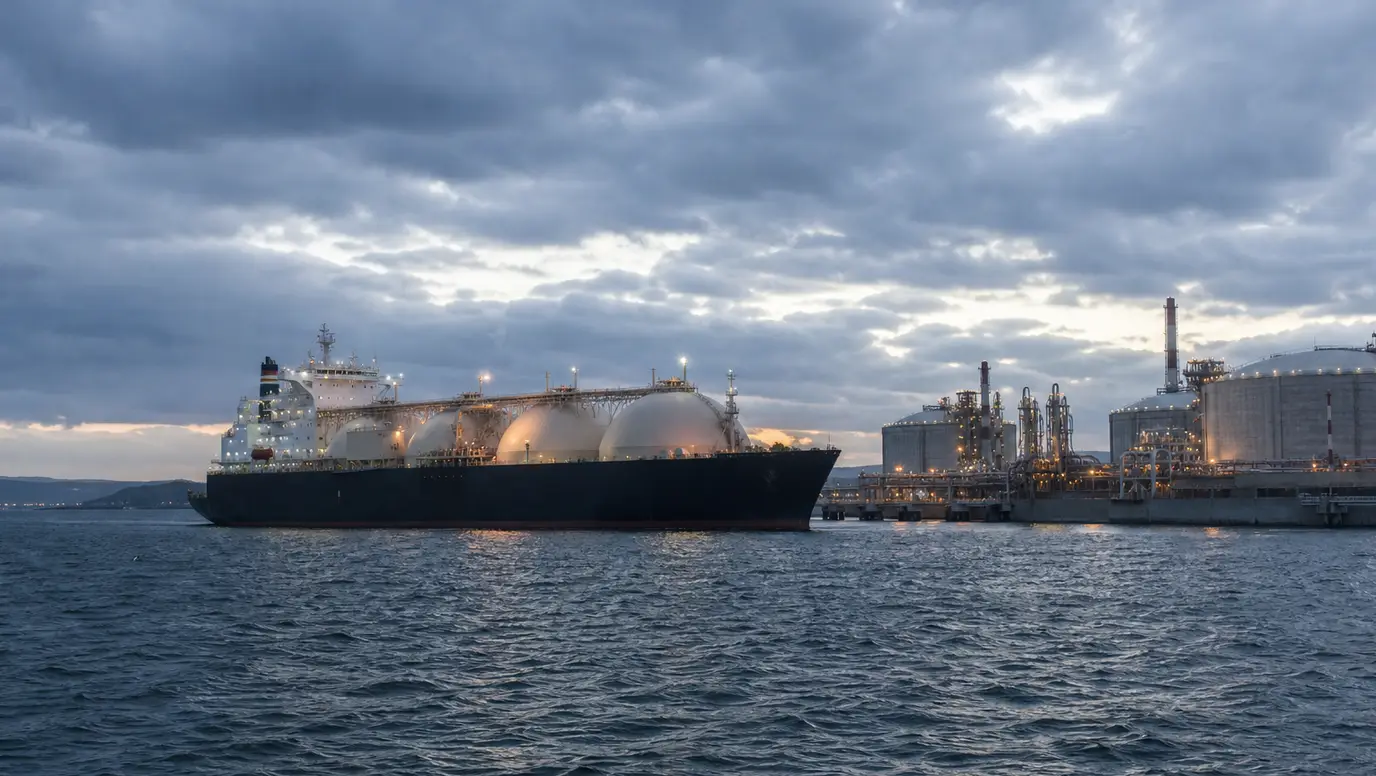
SEPTEMBER 2, 2026
Natural Gas Surge Lifts Energies as LNG Supply Fears Return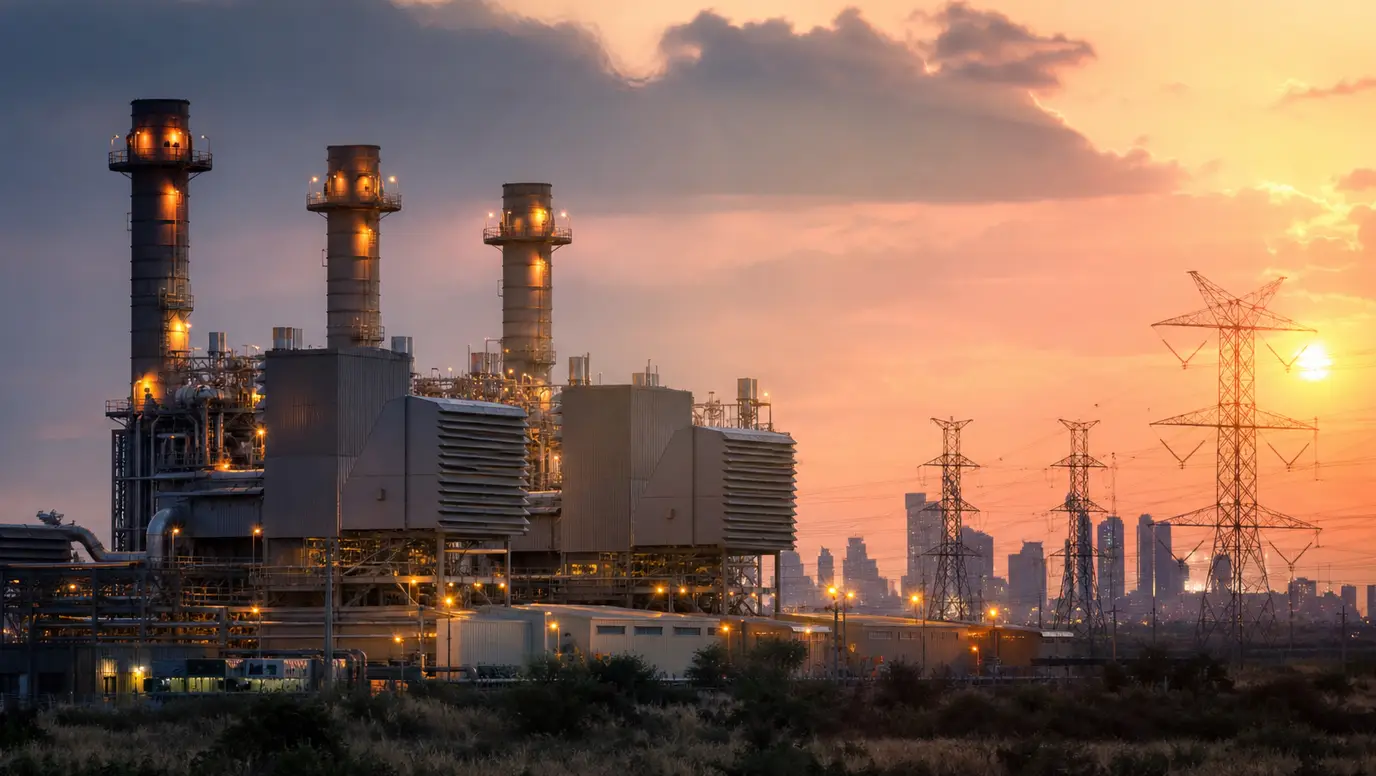
JULY 23, 2026
Natural Gas Rally Faces Storage Test as Cooling Demand Tightens Energy Market
JULY 16, 2026
LNG and Gas Prices Keep Energy Market on Edge as US Dollar Weakens
JULY 7, 2026
LNG Tightness Puts Energy Market on Storage Watch as European Gas Jumps
JUNE 30, 2026
Natural Gas Rally Outruns Softer Oil as Heat and LNG Demand Split Energy Market