OCTOBER 22, 2026
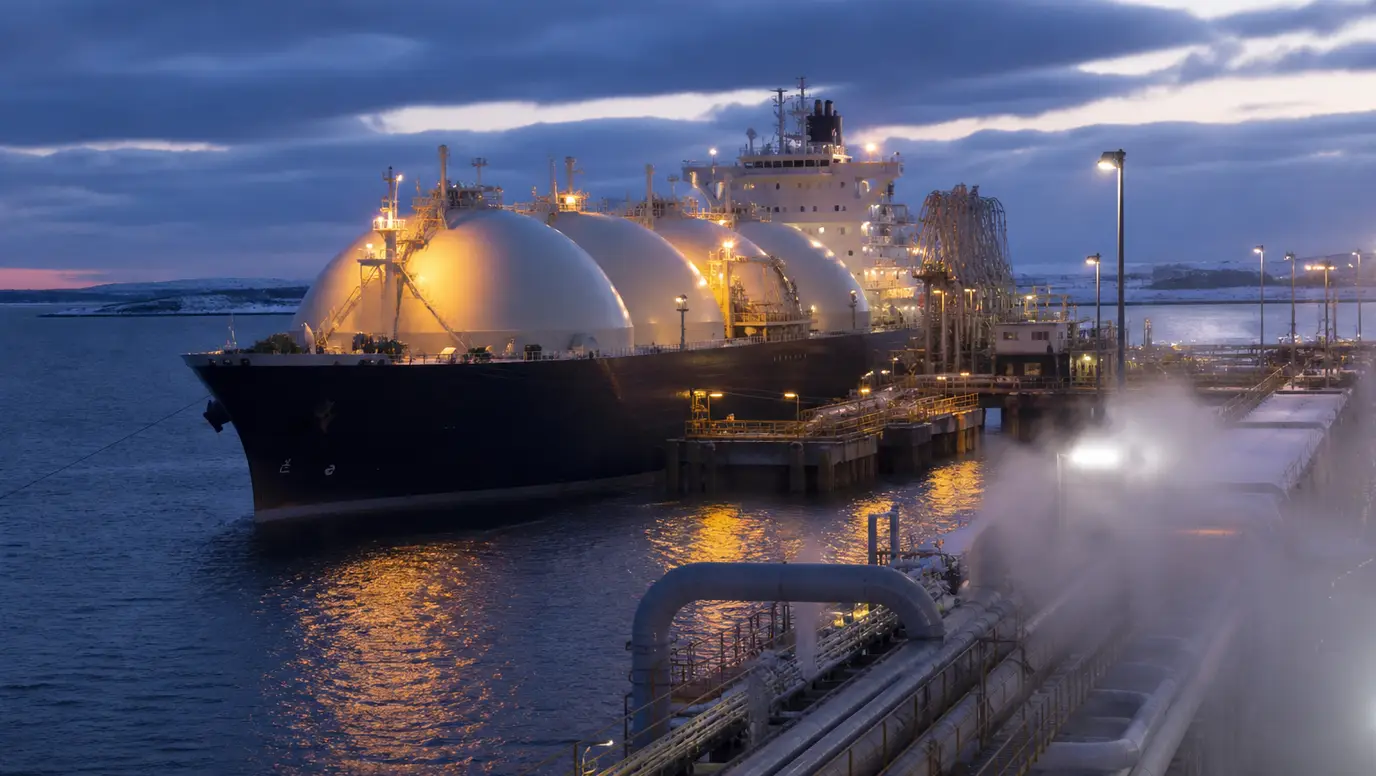
LNG Spot Prices Climb as Asia-Europe Winter Bidding War Reprices Energy Market RiskLNG spot prices stay elevated as Asia and Europe compete for winter cargoes, lifting risk premiums across the energy market.

© 1box.site 2026
JULY 7, 2026
European natural gas moved back to the center of the energy market on Tuesday as traders priced in a hotter weather outlook, lower Norwegian pipeline availability and tougher competition for flexible LNG cargoes. The move stood out against a crude market that has recently been pressured by easing supply risk and another planned OPEC+ output increase, shifting attention toward gas balances and storage refill risk.
The benchmark Dutch front-month gas contract rose sharply in early European trade, advancing to around €46.54 per megawatt-hour. The comparable UK front-month contract also climbed, moving above 110 pence per therm. The rally reflected a market that remains sensitive to even modest supply disruptions because European inventories are still below last year’s comfort level for this point in the injection season.
The immediate catalyst is weather. Forecasts for hotter conditions across parts of Northwest Europe and Italy over the next two weeks have raised expectations for stronger power-sector gas demand. In summer, higher temperatures can lift electricity consumption through air-conditioning demand, especially when wind output is uneven or nuclear and hydro availability is constrained.
That makes gas-fired generation the marginal source of electricity in several markets. Even if industrial gas demand remains subdued compared with pre-crisis norms, a sustained heatwave can slow the pace of storage injections just as utilities and traders are trying to rebuild inventories before winter. The market reaction shows that summer is no longer a quiet period for European gas pricing; it is a test of how quickly the region can refill storage without paying up for spot cargoes.
Supply concerns deepened as maintenance at key Norwegian infrastructure reduced the cushion available to the market. Norway remains Europe’s most important pipeline supplier, so unplanned extensions or lower nominations at major fields and processing facilities can quickly feed into prompt prices. With Russian pipeline volumes structurally lower and LNG playing a larger balancing role, the market has less tolerance for interruptions from dependable suppliers.
The timing matters. Storage levels have been reported around the low-to-mid 40% range, below the level seen at the same point last year. That gap does not imply an immediate shortage, but it increases the premium on reliable injections through July, August and September. Traders are likely to stay focused on whether storage builds accelerate once maintenance eases, or whether hot weather and LNG competition keep injections behind schedule.
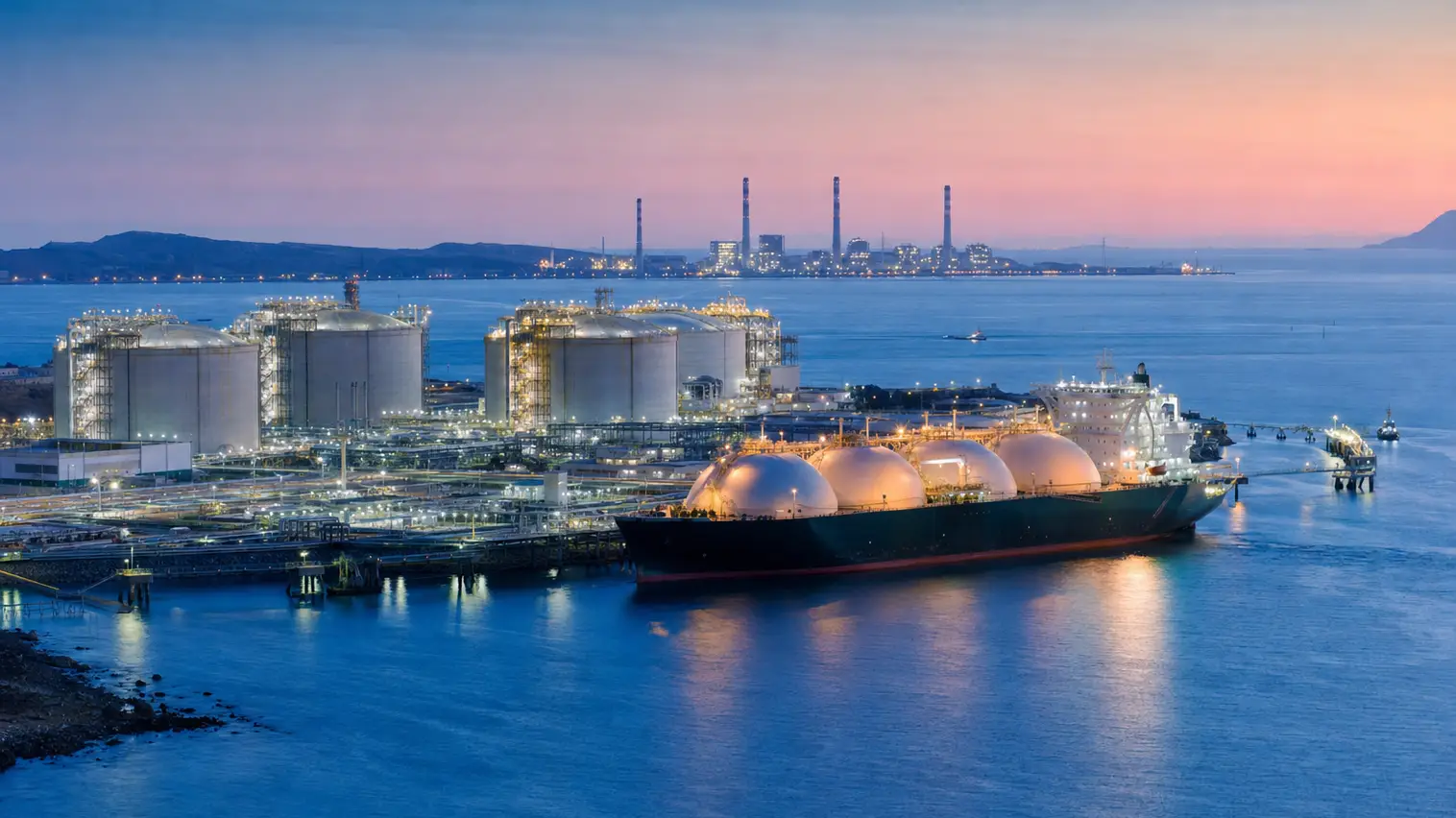
LNG is the other pressure point. Stronger Asian demand has limited the number of flexible cargoes available to Europe, leaving regional prices more exposed to pipeline disruptions and weather shocks. When Asian spot demand rises, Europe must either match higher international prices or accept slower inflows into its terminals. That dynamic can push European gas prices higher even when crude oil is softening.
The current setup also complicates the inflation picture. Lower Brent and WTI prices can help reduce pressure on transport fuels, but higher gas and power costs can still affect industry, utilities and household energy bills. For investors, the split between oil weakness and gas firmness argues for a more selective approach to energy exposure rather than a single broad commodity view.
The next price signal will come from the interaction between weather revisions, Norwegian flow updates and daily storage injections. If temperatures moderate or pipeline nominations recover, the rally could lose momentum. If heat forecasts strengthen while LNG cargoes continue to favor Asia, European gas may need to remain elevated to attract supply and protect the winter storage path.
For the broader energy market, the key takeaway is that supply risk has rotated rather than disappeared. Crude traders are debating surplus risks after additional OPEC+ barrels, while gas traders are focused on whether Europe can rebuild reserves fast enough in a competitive LNG market. That divergence leaves LNG and European gas benchmarks as the more active watchpoints for energy investors this week.
OCTOBER 22, 2026
LNG Spot Prices Climb as Asia-Europe Winter Bidding War Reprices Energy Market Risk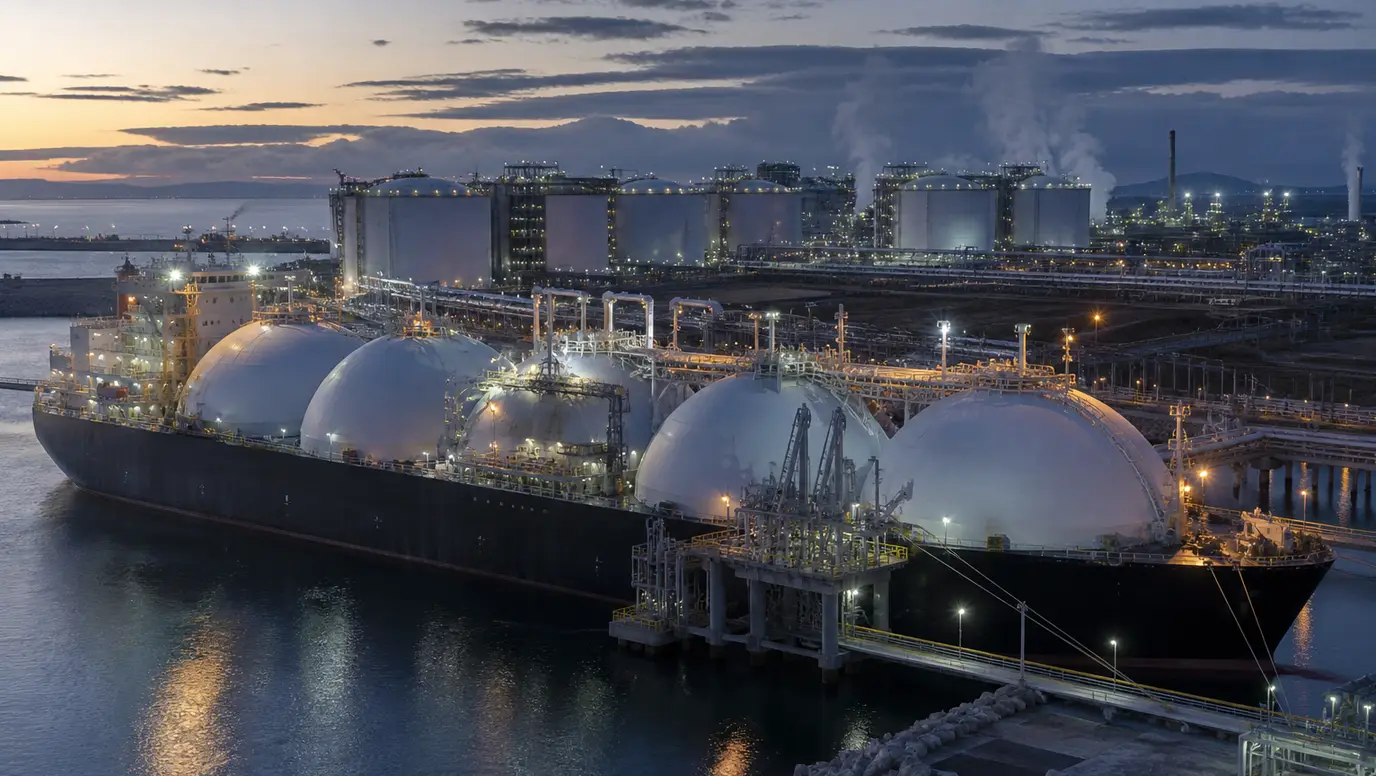
OCTOBER 11, 2026
LNG Fuel Market Cools as Winter Energy Risk Keeps Buyers on Alert
OCTOBER 6, 2026
Distillate Fuel Squeeze Keeps Energy Market Alert as Diesel Margins Stay Elevated
SEPTEMBER 21, 2026
LNG Gas Prices Hit 45-Month High as Hormuz Risk Tightens Winter Supply
SEPTEMBER 13, 2026
Henry Hub Slips as Gas Storage Cushion Offsets Winter Demand Risk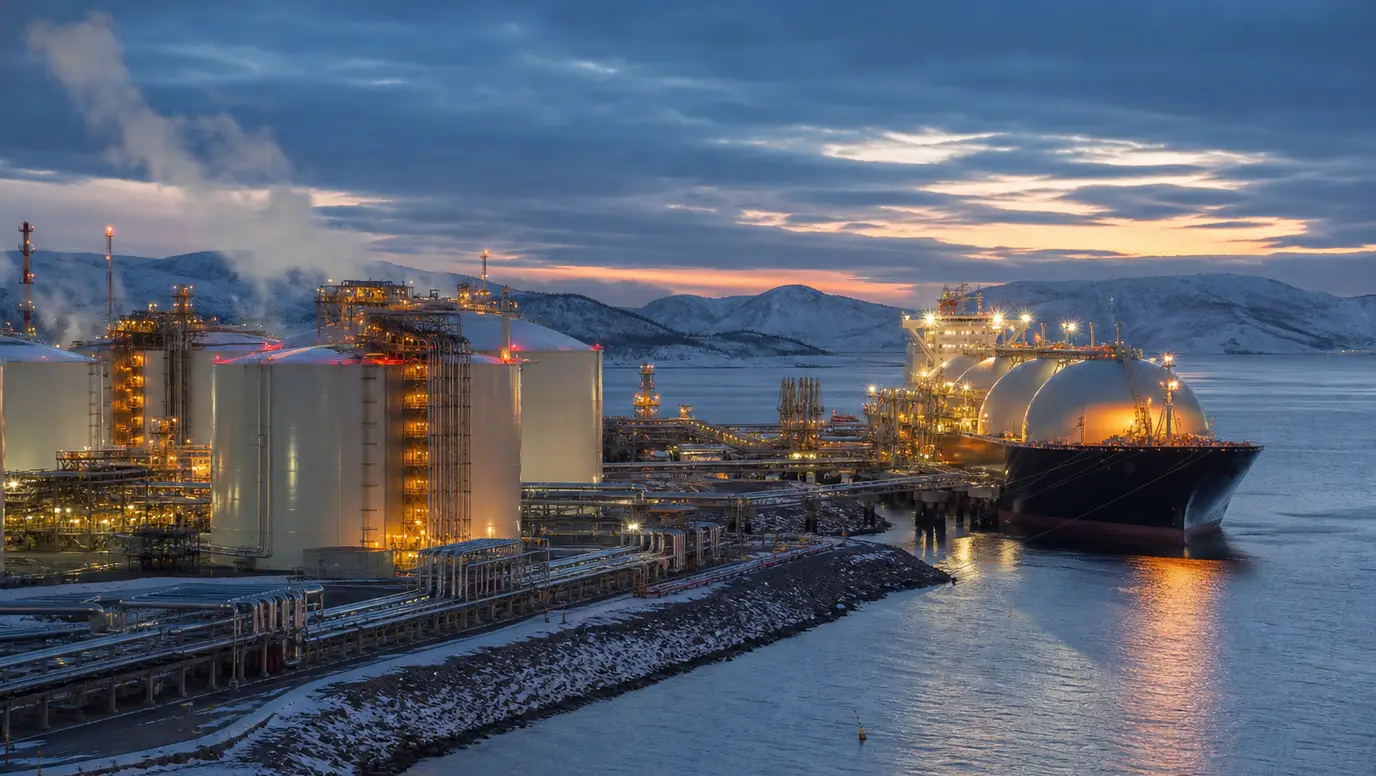
SEPTEMBER 8, 2026
Natural Gas Climbs as LNG Bidding Puts Energy Market on Winter Storage Watch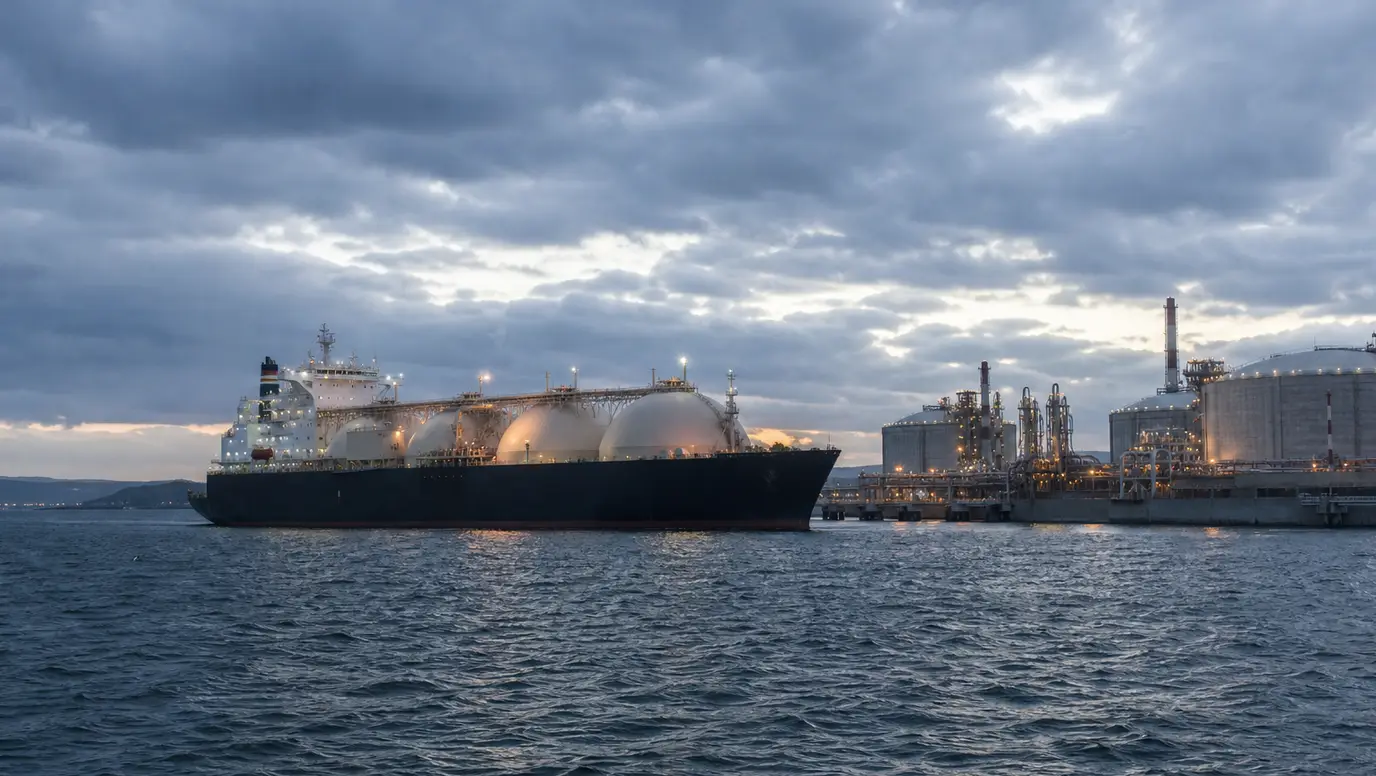
SEPTEMBER 2, 2026
Natural Gas Surge Lifts Energies as LNG Supply Fears Return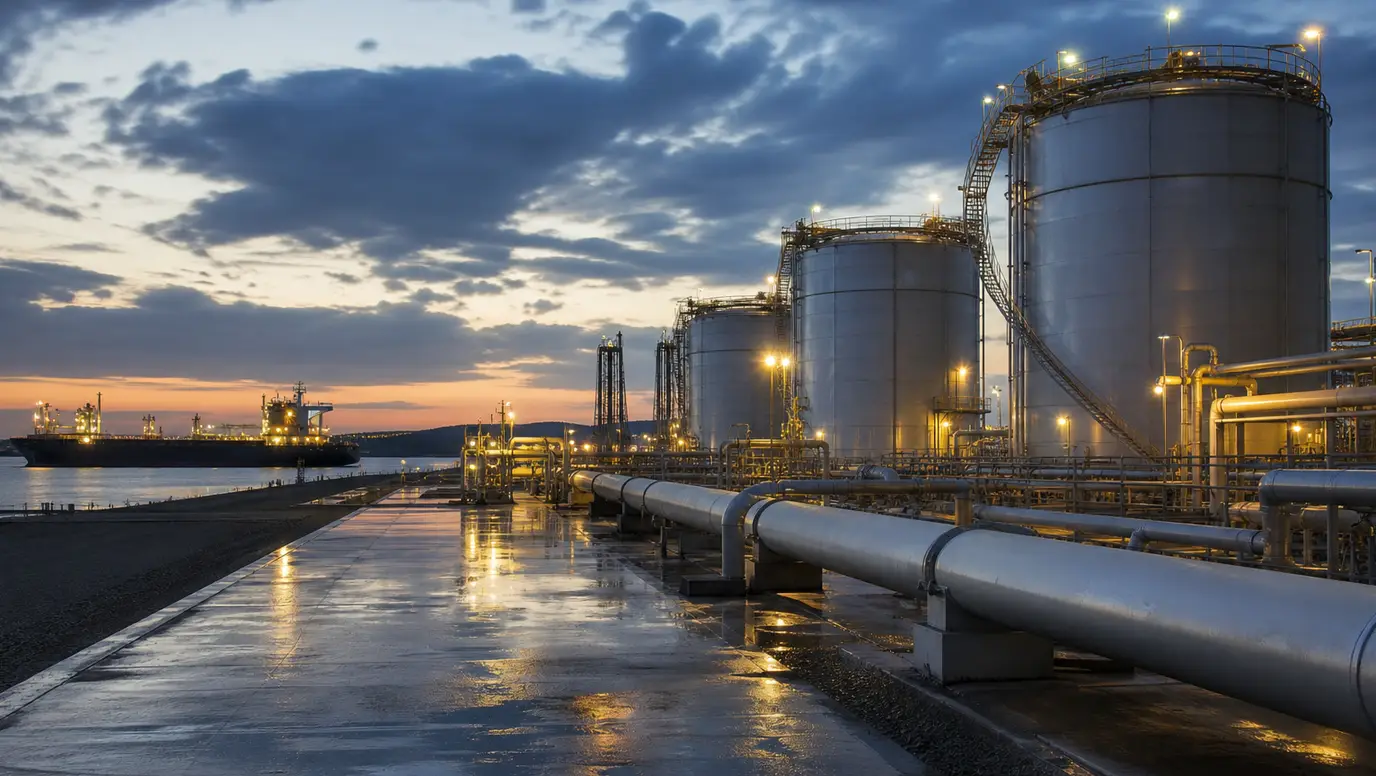
AUGUST 22, 2026
Natural Gas Storage Cushion Puts Energy Commodities on LNG Supply Watch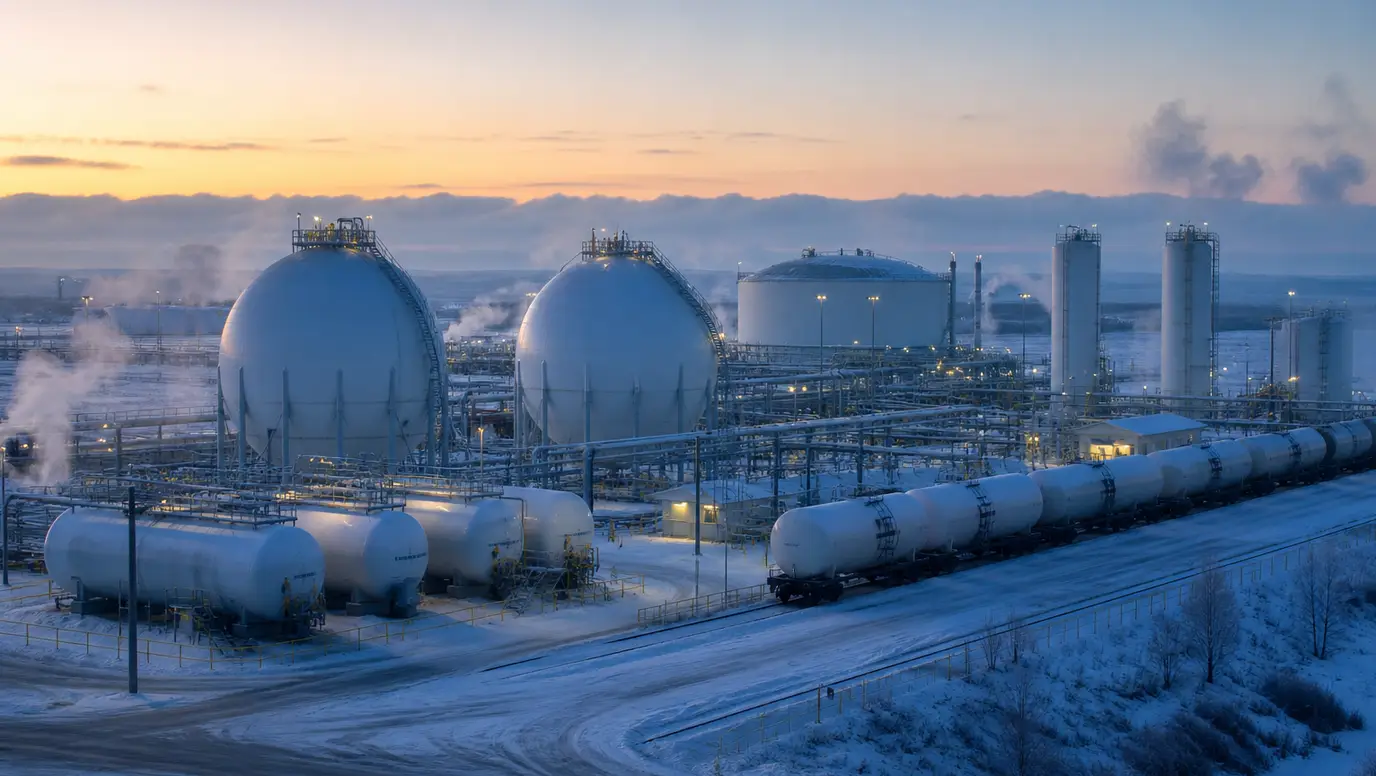
AUGUST 5, 2026
Propane Build Puts Energy Commodities on Winter Demand Watch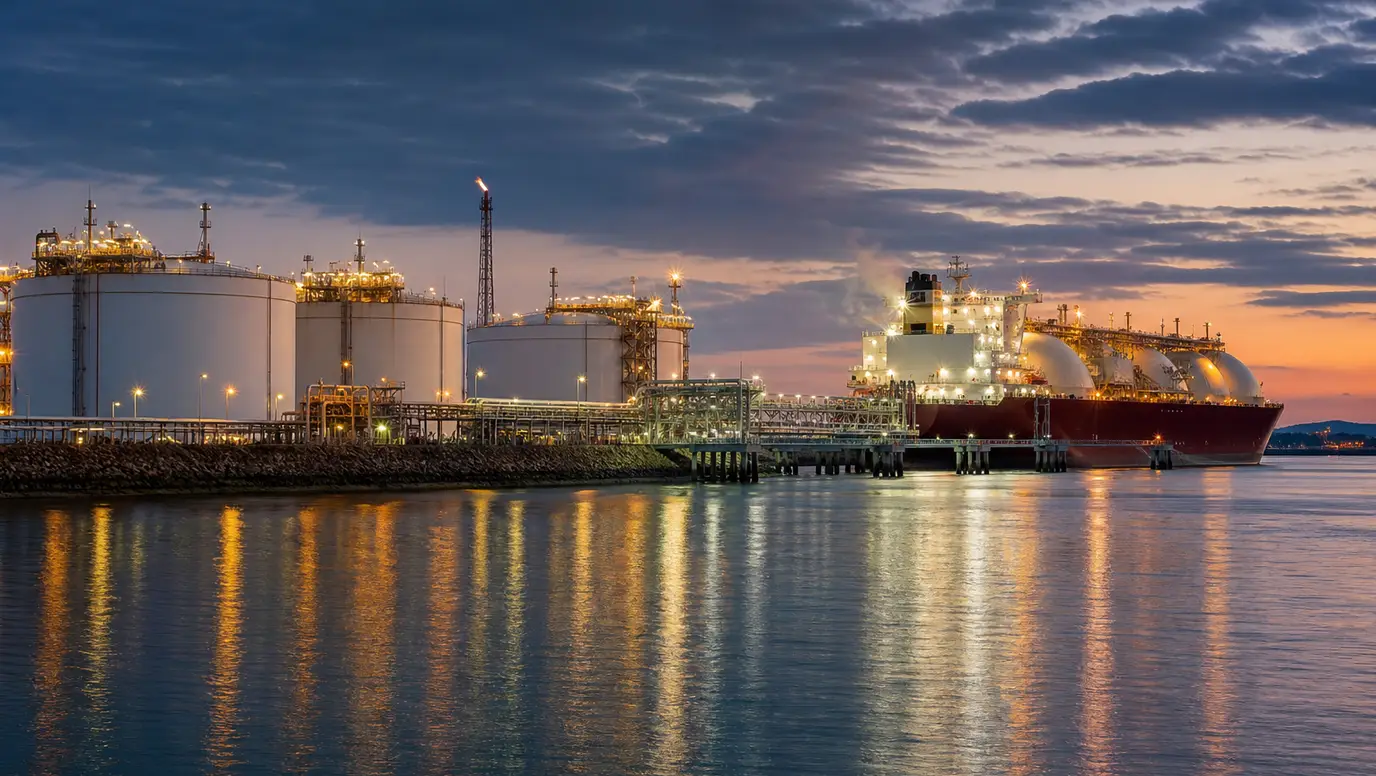
AUGUST 3, 2026
LNG Exports Surge Tests Natural Gas Commodities as Supply Risk Lingers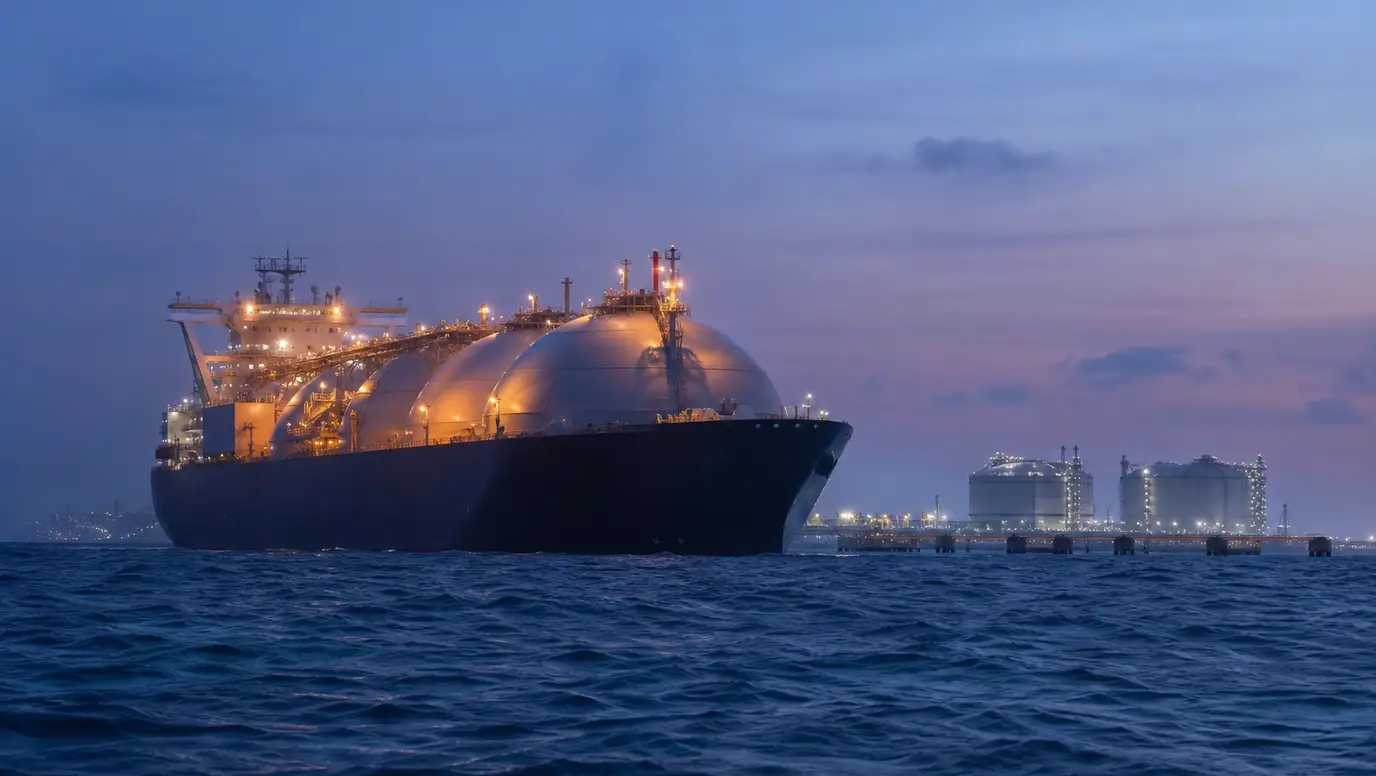
JULY 26, 2026
LNG Squeeze Pulls Energy Commodities Into Winter Risk Trade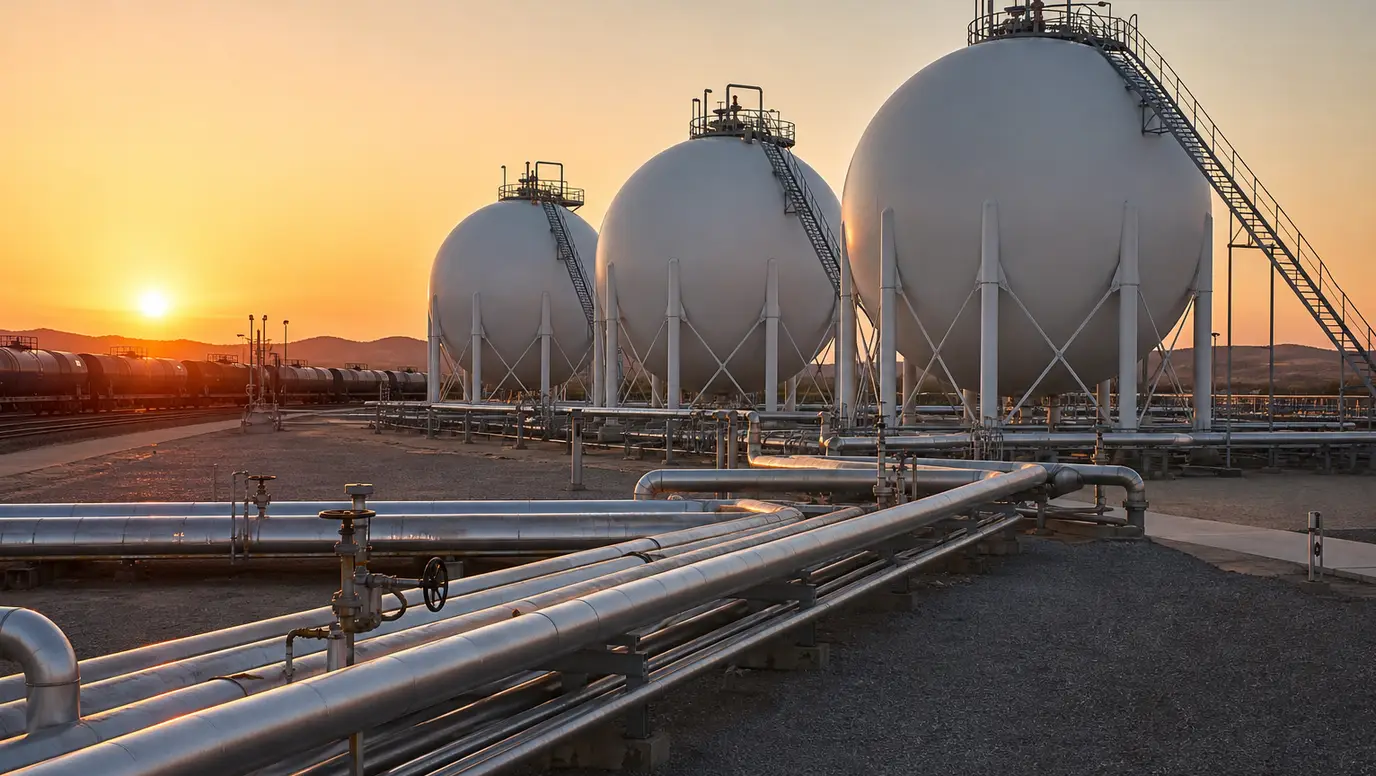
JULY 25, 2026
Propane Build Puts Energies and Commodities on Summer Storage Watch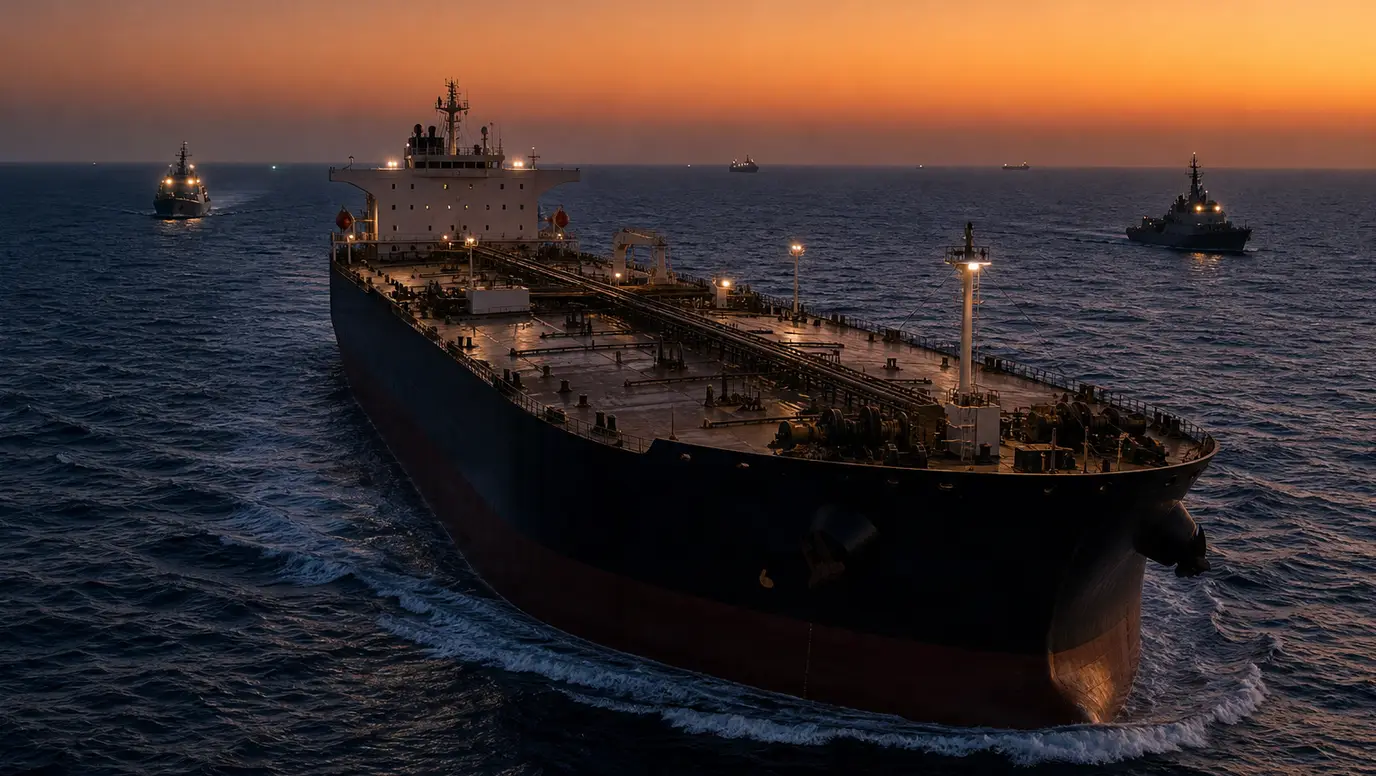
JULY 24, 2026
Brent Holds Above $100 as Red Sea Tanker Risk Resets Energy Market Outlook
JULY 23, 2026
Natural Gas Rally Faces Storage Test as Cooling Demand Tightens Energy Market
JULY 21, 2026
LNG Supply Race Overtakes Oil as Gas Prices Jump on Hormuz Disruption
JULY 18, 2026
Brent Crude and WTI Crude Prices Near Weekend Gap Risk as Energy Market Reprices Supply Threat
JULY 16, 2026
LNG and Gas Prices Keep Energy Market on Edge as US Dollar Weakens
JULY 14, 2026
Oil Market Shifts to Bypass Routes as Hormuz Risk Keeps Brent Premium Elevated
JULY 12, 2026
Crude Oil Faces China Demand Test as Floating Iranian Supply Builds
JULY 11, 2026
Energy Market Watches Tanker Risk as Crude Oil Rally Meets Demand Doubts
JULY 10, 2026
Crude Oil Turns to Glut Risk as OPEC+ Adds August Supply
JULY 9, 2026
Brent Nears $79 as Renewed Gulf Risk Rebuilds Crude Oil Premium
JULY 8, 2026
Crude Oil Faces Mixed Signal as U.S. Stock Build Collides With Fuel Draws
JULY 6, 2026
Crude Oil Slips as Hormuz Flows Normalize and Inventory Test Moves Into View
JULY 5, 2026
OPEC+ Output Hike Turns Energy Market Focus to Real Barrels as Brent Holds Near $72
JULY 4, 2026
Brent Holds Near $72 as OPEC+ August Supply Decision Tests Oil Market Floor
JULY 3, 2026
WTI Holds Near $68 as U.S. Stock Draws Challenge Oil Glut Narrative
JULY 2, 2026
Brent Slides Toward $70 as Iran Risk Premium Fades in Thin Holiday Trade
JUNE 30, 2026
Natural Gas Rally Outruns Softer Oil as Heat and LNG Demand Split Energy Market
JUNE 28, 2026
WTI Bulls Face Inventory Split as Brent Loses War Premium Before Quarter-End